REVIEW · BUDHANILKANTHA
Kathmandu: Full-Day Budget Bus Tour of Kathmandu Valley
Book on GetYourGuide →Operated by My Dream Adventure · Bookable on GetYourGuide
A bus tour that actually hits the big sights. This Kathmandu Valley day is a smart, budget-friendly way to see major Hindu and Buddhist landmarks with English live guidance and practical stops around the city. It’s also worth knowing one snag upfront: the English explanations may not always match what you expect from a listing.
I like how the route strings together Pashupatinath Temple on the Bagmati River, UNESCO-listed Boudhanath Stupa, and the viewpoints at Swayambhunath in one shared bus day. The other big win is pacing: you generally get enough time at each place to actually look around, not just rush past gates. One consideration: entrance rules can be strict at some sites, and you may not be able to go inside even if you can visit the area.
In This Review
- Key Points to Know Before You Go
- Meeting the Pink Bus in Thamel (Opposite Hotel Malla)
- Price and Value: The $16 Fare Plus About $20 in Fees
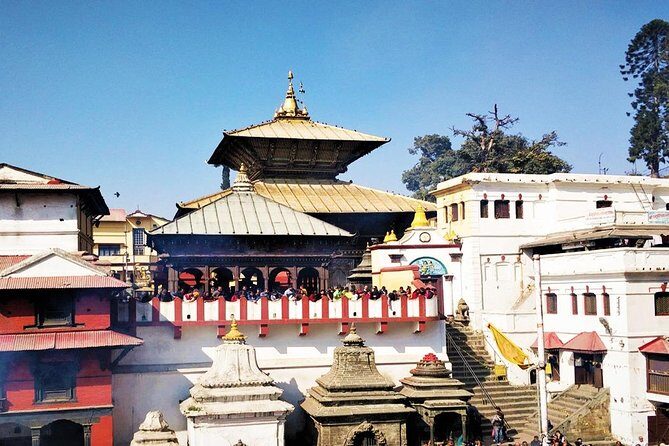
- Pashupatinath Temple by the Bagmati River
- Boudhanath Stupa: UNESCO World Heritage on a Day Schedule
- Budhanilkantha’s Reclining Vishnu (Open-Air Temple Visit)
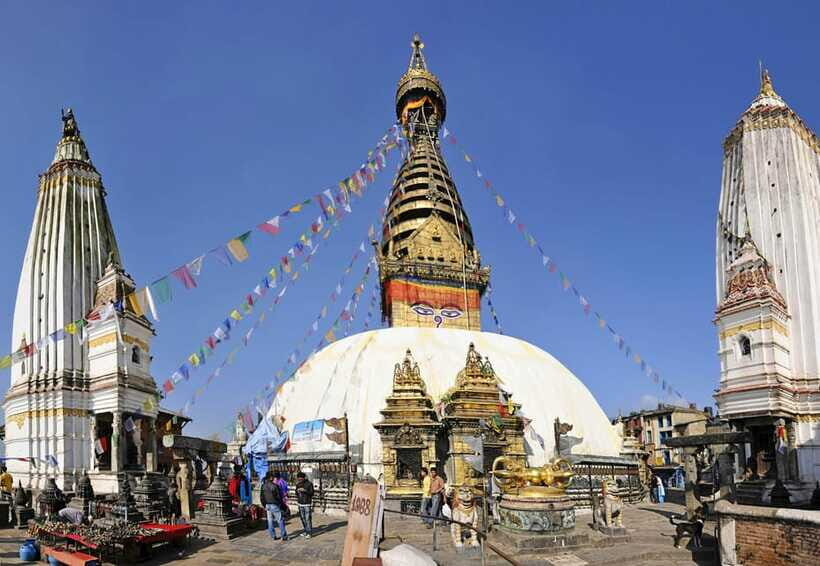
- Swayambhunath Temple (Monkey Temple) and City Views
- Kathmandu Durbar Square: Palaces, Courtyards, Temples of the Malla Kings
- The 6-Hour Shared Bus Pace: How to Get Real Value
- What’s Included vs. What You’ll Pay for On the Day
- Who This Bus Tour Suits Best (And Who Should Think Twice)
- Should You Book This Kathmandu Valley Budget Bus Tour?
- FAQ
- Where is the meeting point for the Kathmandu Valley bus tour?
- What time should I arrive to catch the bus?
- How do I find the correct bus?
- Which sites are included in the tour?
- Is the tour guide English-speaking?
- Are monument or entrance fees included in the price?
- What should I bring with me?
- Is smoking or alcohol allowed during the tour?
- Is the tour suitable for wheelchair users?
Key Points to Know Before You Go
- Pink bus meeting tip: Look for bus numbers 596, pink, and plan for a quick pickup stop at a busy road near Hotel Malla.
- Five landmark stops: Pashupatinath, Boudhanath Stupa, Budhanilkantha, Swayambhunath (Monkey Temple), and Kathmandu Durbar Square.
- UNESCO and major religious sites: Boudhanath Stupa is a UNESCO World Heritage Site, and Pashupatinath is a sacred Hindu temple complex on the Bagmati River.
- Budget reality check: The $16 tour fare is only part of the day; monument and entrance fees cost about $20 per person.
- Religious entry limits may apply: Some areas may be restricted, so plan for outside viewing if access is limited.
- English guide is promised, but clarity can vary: The tour is listed with English, though communication quality can be inconsistent.
Meeting the Pink Bus in Thamel (Opposite Hotel Malla)
This tour starts with a simple but very Kathmandu logistics moment: you meet at the opposite side of Hotel Malla main gate in Thamel. The idea is you show up early and catch the bus at the road—because the bus can only stop for pickup and is not allowed to wait.
Here’s the practical way to think about it. You’re told to come at 10:40am, but the bus will stop only sometime between 11:00am and 11:25am, and you should look for a pink bus with bus number 596. If you’re the kind of person who likes to be fashionably late, don’t do it here. Being there early matters more than usual.
If you’re staying in Thamel (or near the airport), you might also get a hotel pickup—but the clearly stated meeting point is the Hotel Malla area on that busy road. Wear comfortable shoes. You’ll want them for quick transitions between stops and any short walks once you’re dropped in the right spot.
One more thing I always appreciate on a budget day: you’re in a group tour with roundtrip transport included from the meeting point, so you’re not piecing together multiple rides yourself.
Price and Value: The $16 Fare Plus About $20 in Fees
The headline price is $16 per person, and it covers roundtrip transportation from the meeting point, shared bus sightseeing, and a live guide. That makes it a strong deal if you want the major sights without paying for private guides or separate transportation for each stop.
But don’t ignore the second number: monument fees and entrance fees are not included and cost about $20 USD per person. That means your practical day cost is closer to $36 total, give or take.
Is that still good value? For this specific route, yes, if your goal is maximum landmark coverage in a single day. The tour is doing the hard part—connecting you between sites and providing guidance on what you’re seeing—while the entrance fees cover the right to access monuments and religious complexes. If you’re traveling on a tight budget, this split is usually more manageable than paying for a more expensive guided arrangement that bundles everything.
Pashupatinath Temple by the Bagmati River
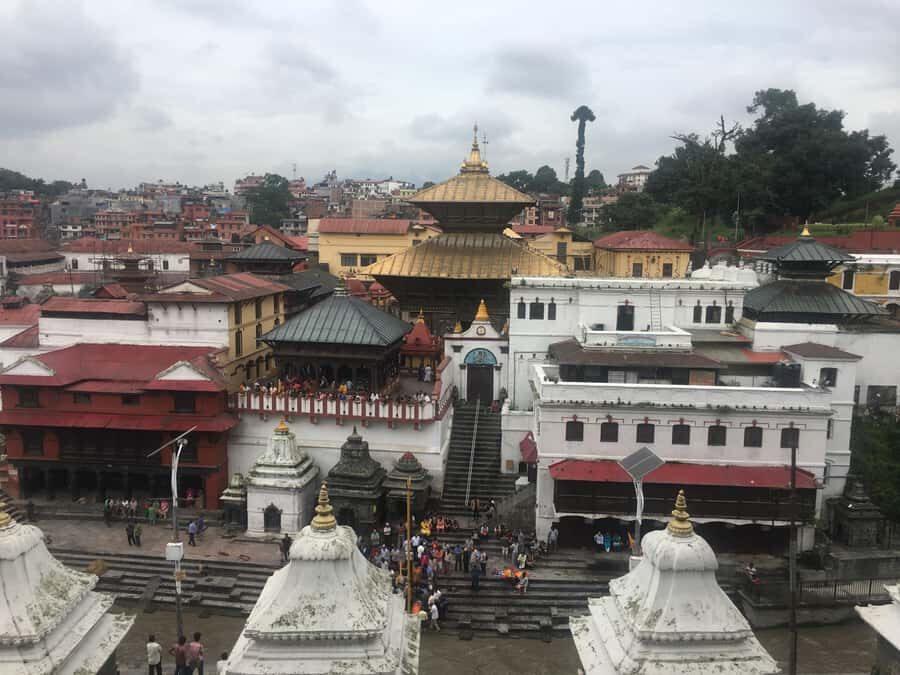
Pashupatinath Temple is the first major stop, described as a sacred Hindu temple complex on the banks of the Bagmati River. This is the kind of place where your experience is less about a “museum-style” visit and more about reading the setting: a religious complex in an active river-adjacent environment.
What makes this stop worth it on a budget bus itinerary is that it sets the tone for the day. You start with one of Nepal’s most important Hindu sites, and it gives context for the other religious landmarks you’ll see later.
Practical advice: plan to spend long enough to look closely, not just snap photos. Also, entrance rules can be part of the reality of these places. One review highlighted limited inside access at some sites depending on religious identification, so treat “seeing the area” as the baseline experience, not a guarantee of entry to every section.
Even if you don’t go inside everything, Pashupatinath still works as a full-value first stop because it’s the type of location where the setting itself matters.
Boudhanath Stupa: UNESCO World Heritage on a Day Schedule
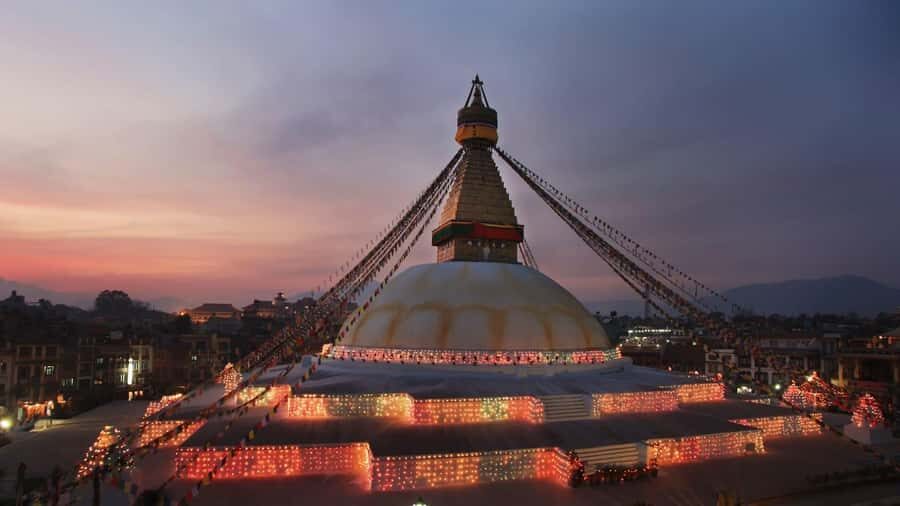
Next up is Boudhanath Stupa, one of the largest stupas in Nepal and a UNESCO World Heritage Site. This is the second reason the tour feels efficient: it pairs a major Hindu complex with a globally recognized Buddhist landmark in the same day.
On a tight schedule, Boudhanath is a great mental reset. The stupa is the visual center of the stop, so even when time is limited, you can still get the key experience quickly: you arrive, you orient to the monument, and you spend time absorbing the scene.
What to expect as a visitor: a shared bus group, a guide to help explain what you’re looking at, and a stop that’s long enough to feel like more than a photo stop. In a review, someone specifically said they felt there was enough time at each site—this is the kind of place where that matters because the whole value of a stupa is in letting your eyes settle.
If you’re sensitive to crowds or noise, there’s no detail in the tour info that addresses crowd levels, so I can’t promise how busy it will feel. But the stupa’s design means you can still find a viewing position and get the overall experience without needing the absolute best spot.
Budhanilkantha’s Reclining Vishnu (Open-Air Temple Visit)
Budhanilkantha is a Hindu open-air temple known for a large reclining statue of Lord Vishnu. This stop is different from the previous two because the tour shifts from temple-complex riverside atmosphere and stupa-focused viewing into an outdoor setting centered on a single major sculpture.
That matters for your pacing. After religious complexes where you may be dealing with rules and crowd patterns, Budhanilkantha can feel more straightforward: you go, you see the reclining statue, you spend time with the view, and you move on.
Because this is an open-air temple, you’ll likely feel the day’s weather more. That’s why the suggested packing list is so practical here: sunglasses, sun hat, sunscreen, and comfortable clothes. If the sun is strong, this kind of stop can go from pleasant to unpleasant fast—so protect yourself and keep moving.
Swayambhunath Temple (Monkey Temple) and City Views
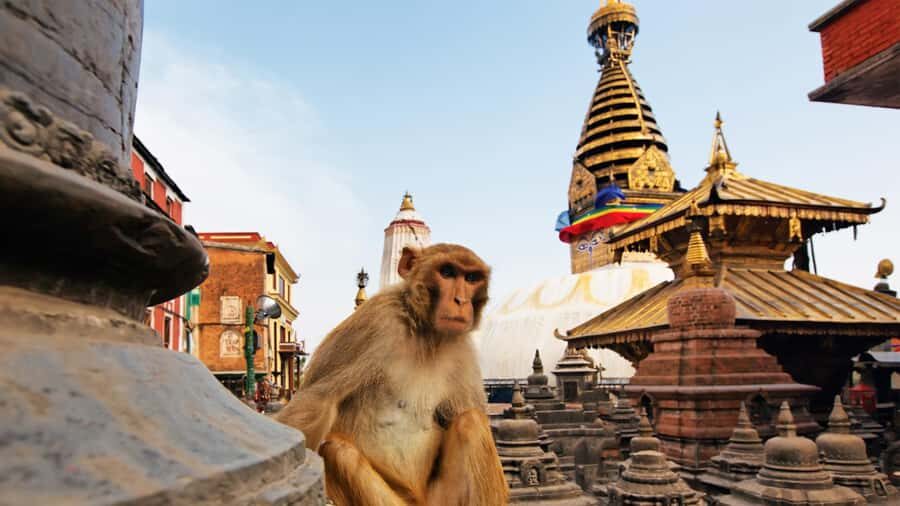
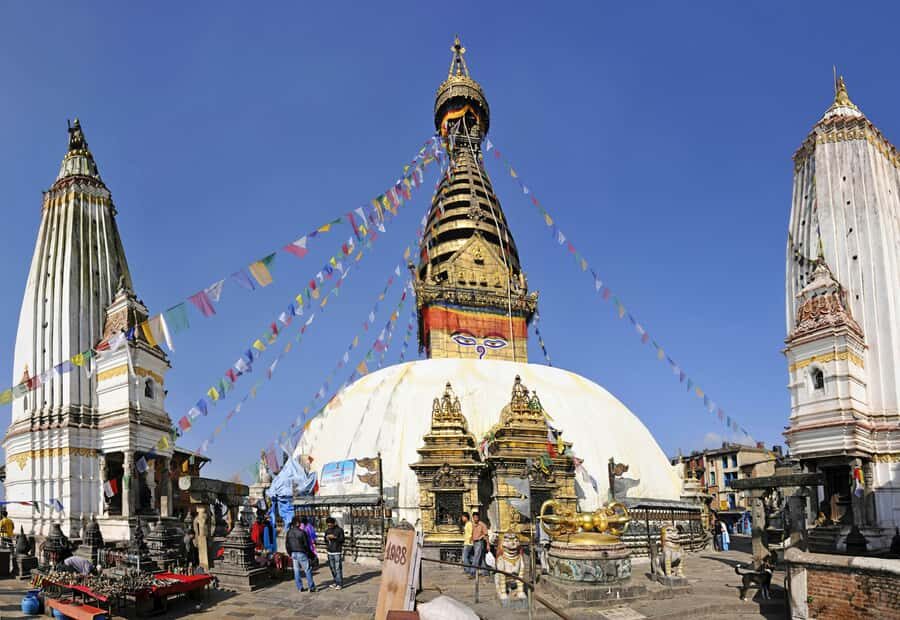
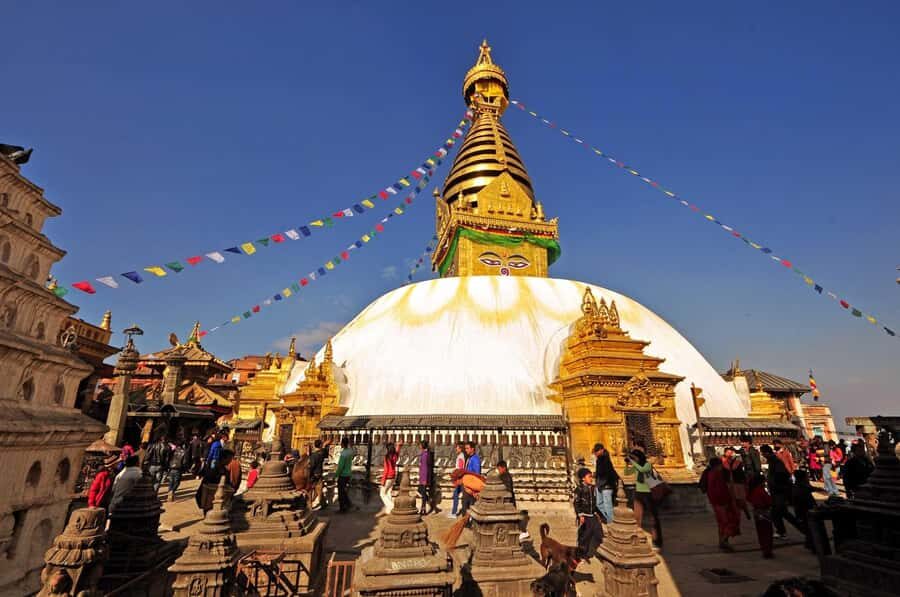
Then the day climbs to Swayambhunath Temple, also known as the Monkey Temple. The big selling point given for this stop is the panoramic views of the city.
If you want one “wow” moment built into the itinerary without extra planning, this is it. Views are a budget traveler’s friend because you don’t need extra paid access to get the main payoff. You just need your eyes, your patience, and the right mindset: spend a few minutes looking out over Kathmandu Valley, then come back to the temple area and soak in the surroundings.
One practical tip: panoramic view stops often mean you’ll want to take photos, but that can slow down a group. Keep your photo-taking focused so you don’t become the reason the bus waits. This tour emphasizes shared pacing, and the earlier pickup rule (no waiting on a busy road) tells you the schedule is designed to keep moving.
Kathmandu Durbar Square: Palaces, Courtyards, Temples of the Malla Kings
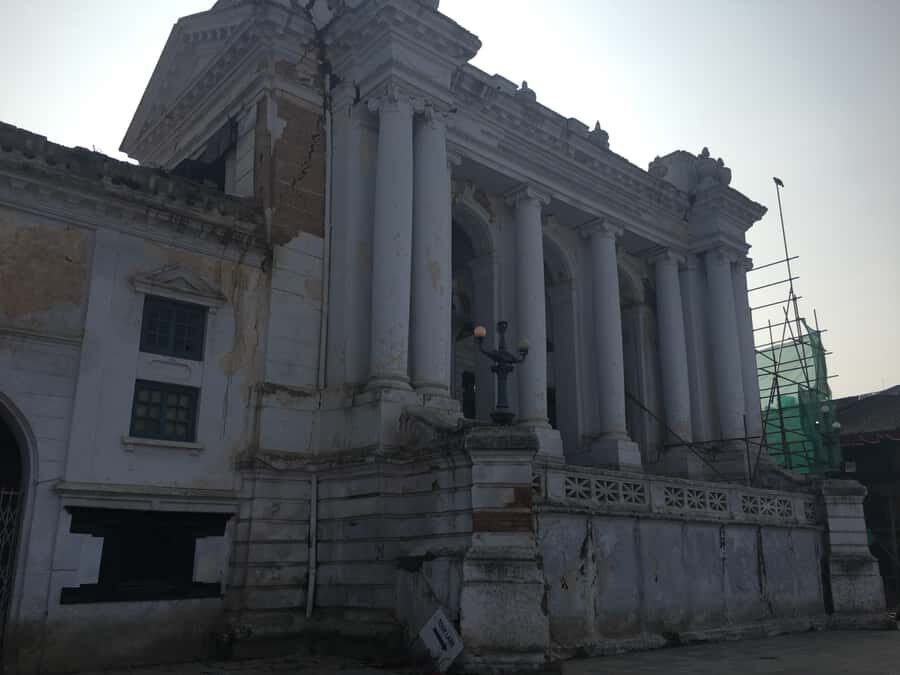
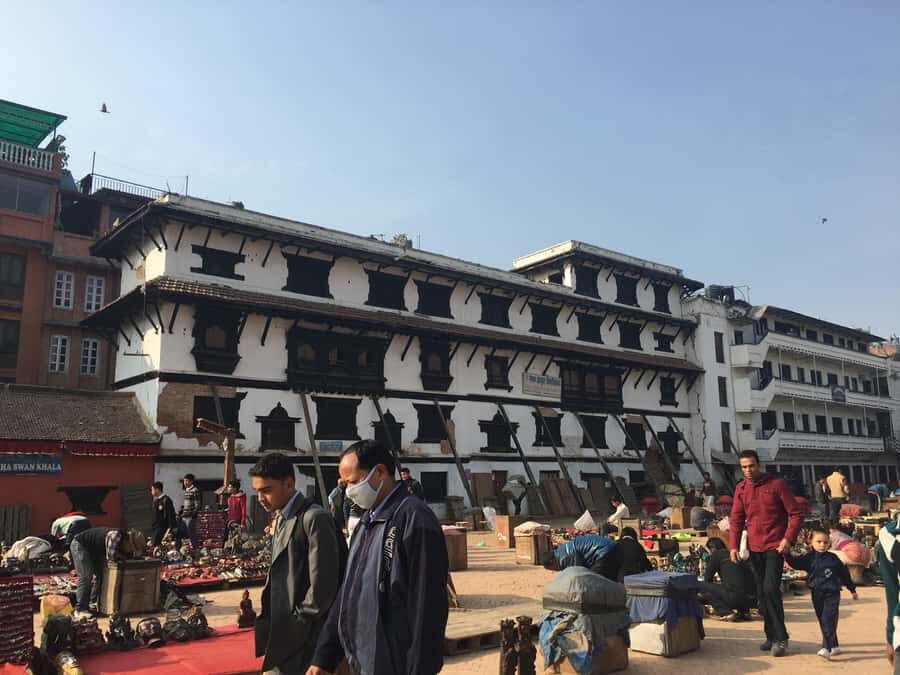
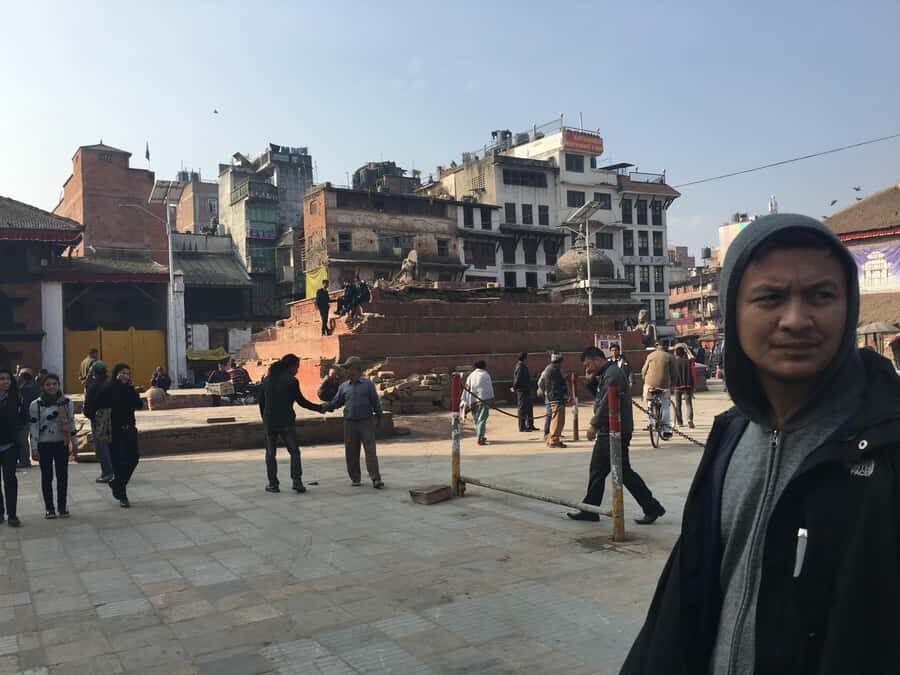
Your final landmark stop is Kathmandu Durbar Square, described as a complex of palaces, courtyards, and temples that was the royal palace of the Malla kings. This is where the tour leans into a more architectural and space-based experience rather than a single monument.
Why I think this stop pairs well with the others: it gives you variety in what you’re seeing across the day. Pashupatinath and Boudhanath are about major religious monuments and sacred settings. Budhanilkantha is statue-focused in an open-air setting. Swayambhunath offers the viewpoint. Durbar Square brings back the sense of place—multiple structures, courtyards, and temple areas in one site.
A practical caution based on the experiences shared: some visitors may find that they can’t go inside certain areas due to religious identification rules. The tour information emphasizes entrance fees, but it doesn’t detail which sections have limitations. So treat Durbar Square as a “walk-and-look” site unless you’re told clearly what areas you can access.
The 6-Hour Shared Bus Pace: How to Get Real Value
A 6-hour tour is never going to feel like a slow, deep exploration day. What it can do—if the stops are timed well—is give you a solid first overview of the Kathmandu Valley’s key landmarks without the hassle of sorting transport and tickets on your own.
The best version of this tour for most people is exactly what one positive review suggested: transportation between the major sites feels efficient, and there’s enough time at each stop for a genuine look. The bus handles the big moves, and you handle the looking.
Here’s how to make the shared-bus pace work for you:
- Keep your day centered on the monuments themselves. You’re moving between five named highlights, so don’t expect long detours.
- Use the guide for direction and context. Even if you end up moving at slightly different speed than the group, you can still use their explanations to focus your attention.
- Plan for short transitions and quick regrouping. Shared bus tours tend to work on “arrive, see, meet back” rhythm.
And one more reality check: English instruction is listed as English, but at least one review flagged that instructions may have been unclear due to language mismatch. If you’re dependent on detailed explanations, I’d still go—but I’d also avoid expecting every nuance to land perfectly.
What’s Included vs. What You’ll Pay for On the Day
Included:
- Roundtrip transportation from the meeting point
- Shared bus sightseeing
- Group tour
- Live tour guide (English listed)
Not included:
- Monument fees and entrance fees (about $20 USD per person)
That division is normal for many Kathmandu tours. The practical takeaway: budget enough for entrances so you’re not surprised at each stop. And keep some extra flexibility in your timeline if you need to stop for ticketing before entering.
Also remember the tour has basic on-the-ground rules. Smoking is not allowed in the vehicle or indoors, and alcohol and drugs aren’t allowed. If you’re carrying any items that might be flagged as noncompliant, leave them at your hotel.
Who This Bus Tour Suits Best (And Who Should Think Twice)
This tour is a good fit if you want:
- A budget-friendly way to see multiple major landmarks in one day
- A structured route that handles the transportation between stops
- Enough time at each site to actually look, not just pass through
- A guide to explain what you’re seeing at key locations
You might think twice if:
- You need very clear English explanations the whole day (some people reported difficulty understanding instructions)
- You’re counting on being able to enter every section inside each religious site. One review mentioned that certain inside areas weren’t accessible for everyone due to religious identification rules.
One more note: it’s not suitable for wheelchair users, so mobility matters.
Should You Book This Kathmandu Valley Budget Bus Tour?
I’d book it if your goal is a cost-controlled introduction to the Kathmandu Valley’s big-name sites—especially if you’re comfortable with a shared-bus rhythm and you can handle a little uncertainty around inside access.
I’d skip it or choose a different style of tour if your top priority is guaranteed, step-by-step English guidance with full certainty about entry permissions at every stop. The day is built around big landmarks and transport efficiency, not around slow pacing or guaranteed deep access.
If you do book, go in prepared: arrive early for the pink bus pickup near Hotel Malla, wear sun-and-walk friendly clothes, and budget the additional entrance fees so the day stays smooth. Also, bring a flexible mindset. With a route that hits Pashupatinath, Boudhanath, Budhanilkantha, Swayambhunath, and Kathmandu Durbar Square in about six hours, your win condition is smart coverage, not perfection.
FAQ
Where is the meeting point for the Kathmandu Valley bus tour?
Meet at the opposite side of Hotel Malla main gate in Thamel.
What time should I arrive to catch the bus?
You’re told to come by 10:40am, and the bus is scheduled to stop for pickup between 11:00am and 11:25am.
How do I find the correct bus?
Look for bus numbers 596 and a pink color.
Which sites are included in the tour?
You’ll visit Pashupatinath Temple, Boudhanath Stupa, Budhanilkantha, Swayambhunath Temple, and Kathmandu Durbar Square.
Is the tour guide English-speaking?
The tour lists a live tour guide in English.
Are monument or entrance fees included in the price?
No. Monument fees and entrance fees are not included and cost approximately $20 USD per person.
What should I bring with me?
Bring comfortable shoes, sunglasses, sun hat, sunscreen, and comfortable clothes.
Is smoking or alcohol allowed during the tour?
Smoking is not allowed in the vehicle or indoors, and alcohol and drugs are not allowed.
Is the tour suitable for wheelchair users?
No, it’s not suitable for wheelchair users.