REVIEW · KATHMANDU
Day Trip to Bhaktapur and Panauti from Kathmandu
Book on Viator →Operated by Royal Mountain Travel · Bookable on Viator
Bhaktapur without the big-crowd chaos? That’s the vibe here: a single-day run from Kathmandu that pairs Bhaktapur’s UNESCO Durbar Square with the quieter riverside town of Panauti. I especially like how the day is built around real places you can walk through slowly, not just photo stops. And I like the small-group feel (max 10) with an English-speaking guide who brings the towns to life. One heads-up: you’ll need to budget entrance fees (and lunch may be extra depending on what’s arranged at the homestay).
Bhaktapur is the highlight for many people for good reason, but Panauti is what makes the trip feel like a bonus. I’d plan for a full day—about 7 hours total—with several hours spent on the ground in town and some time in the car. The timing works best if you’re comfortable with temple walking and uneven old-stone streets.
In This Review
- Key things I’d circle before you book
- Bhaktapur Durbar Square: walking a living Newari city-state
- Panauti Community Home Stay: rivers, temples, and local work
- How the guides shape the day (and why small groups matter)
- Kathmandu to Bhaktapur to Panauti: what to expect from the drive
- Price and logistics: where the value really comes from
- What you’ll actually see and do, step by step
- Stop 1: Bhaktapur Durbar Square (about 3 hours)
- Stop 2: Panauti Community Home Stay (about 3 hours)
- Who this day trip suits best
- Should you book this Bhaktapur and Panauti day trip?
- FAQ
- What time does the tour start and where does it end?
- How long is the day trip?
- Where is the meeting point?
- Is lunch included?
- Are entrance fees included for Bhaktapur and Panauti?
- How big is the group?
- Is hotel pickup or drop-off included?
- Is this tour guided?
Key things I’d circle before you book
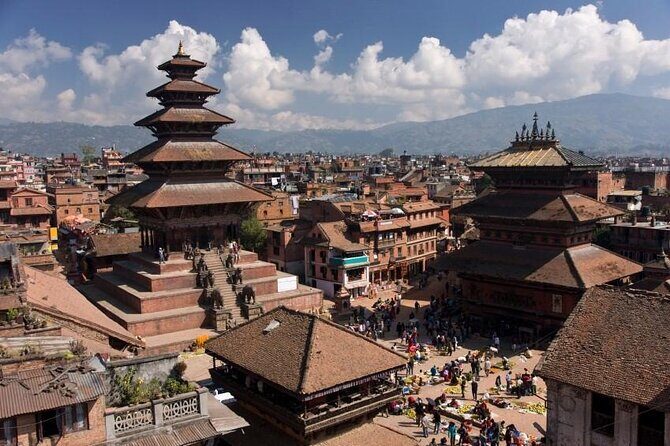
- UNESCO Durbar Square, not just a single courtyard: Bhaktapur’s three-square layout gives you more to see in one visit.
- A true second town (Panauti): fewer tourist routes, plus rivers, temples, and restored Rana-era mansions.
- Homestay/community connection: you’ll have a chance to meet local entrepreneurs rather than staying behind a bus window.
- Small group limit (10 travelers max): the day stays flexible for questions, photos, and short pauses.
- Multiple guide names you may see: Monica, Puspa, Kalpana, Anup, Raj, Sarita, Zuna, Manju, and others are part of the guide pool.
- Value depends on your budget fit: tour price is low, but entrance fees and (sometimes) lunch aren’t included.
Bhaktapur Durbar Square: walking a living Newari city-state
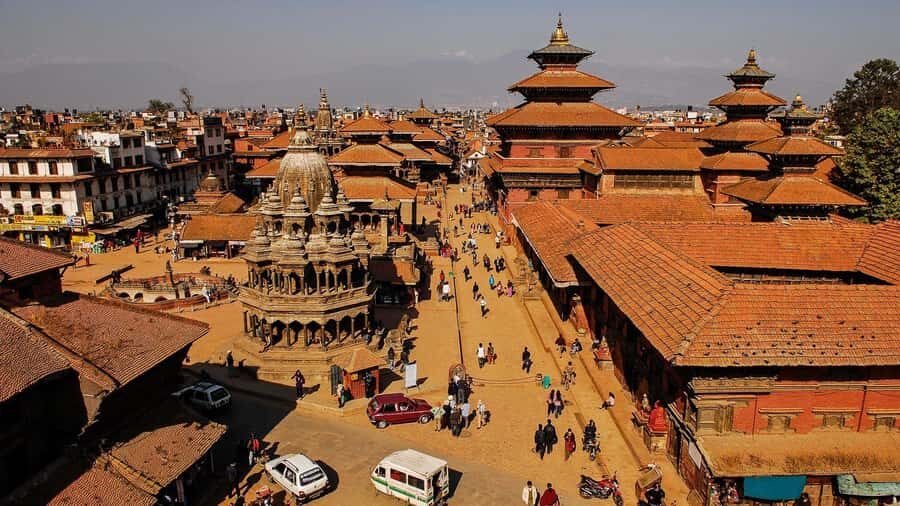
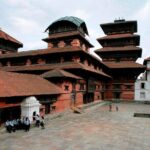
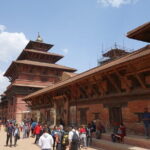
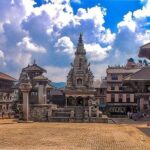
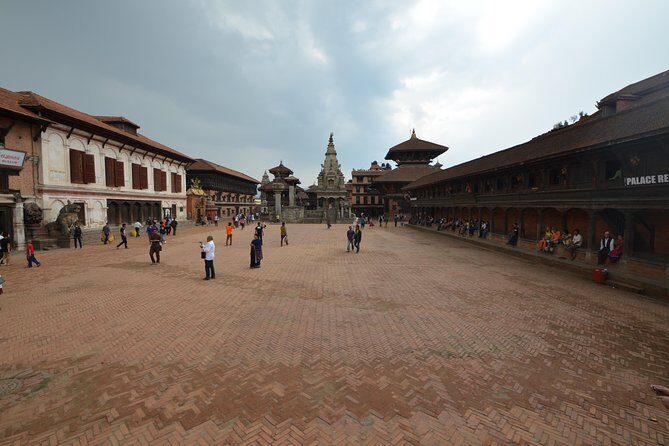
Bhaktapur is why many people book a Kathmandu Valley day trip in the first place, and this tour gives you the right amount of time in the old core. You start at Bhaktapur Durbar Square, set within a UNESCO-recognized medieval city-state. Instead of one fenced attraction, you get three large squares packed with shrines and temples—and daily life happening around them.
What I like most is the shape of the place. Bhaktapur’s layout is built to be experienced as a network: temples, courtyards, and gathering points rather than a straight-line route. Even after earthquakes and frequent rebuilding, it keeps a medieval feel. In the neighborhoods, life is still organized around caste-based communities, and around the old ponds (tanks) used for drinking, washing, and religious ceremonies. That pond-centered rhythm is one of the subtle things you notice when you slow down.
This stop is listed as about 3 hours, and you’ll likely want most of that. Bhaktapur’s highlights are architectural, but also human-scale. You’ll see woodwork, carvings, and the dense Newari street texture that makes the town different from modern Kathmandu. If you’re the type who likes to stop for details—doorways, pagodas, carved struts—3 hours can feel just right.
Practical consideration: entrance fees aren’t included. So even if the tour price looks great on paper, your total cost depends on the ticket you’ll pay at Bhaktapur. Also, expect temple-going etiquette: keep your voice low, dress respectfully, and plan for some uneven stone underfoot.
You can also read our reviews of more tours and experiences in Kathmandu
Panauti Community Home Stay: rivers, temples, and local work
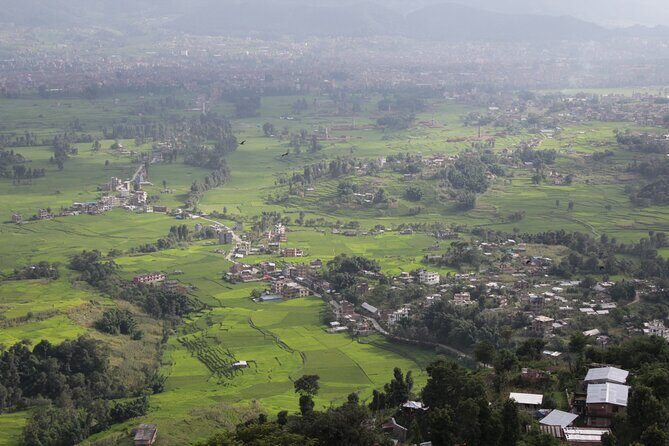
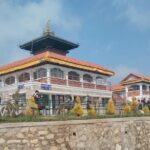
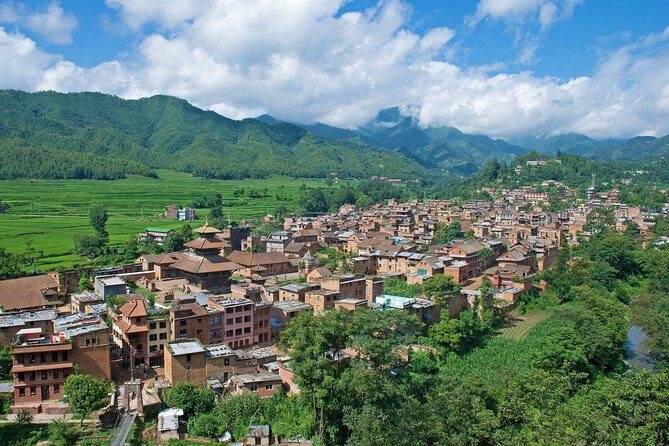
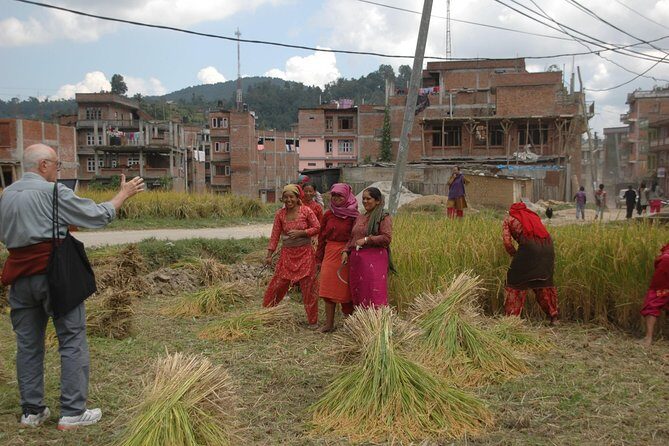
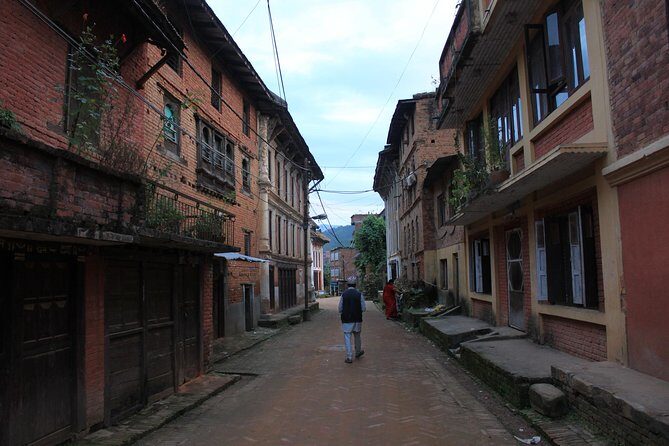
Then the tour shifts gears to Panauti, a town that used to be a commercial hub in medieval times but today moves at a calmer pace. This part is about 3 hours focused around the Panauti Community Home Stay experience. The town sits around backwater areas and is rich with religious sites, including temples, stupas, and woodcarvings. You’ll also have a chance to see restored Rana mansions, which add a different layer to what you’re seeing compared with Bhaktapur.
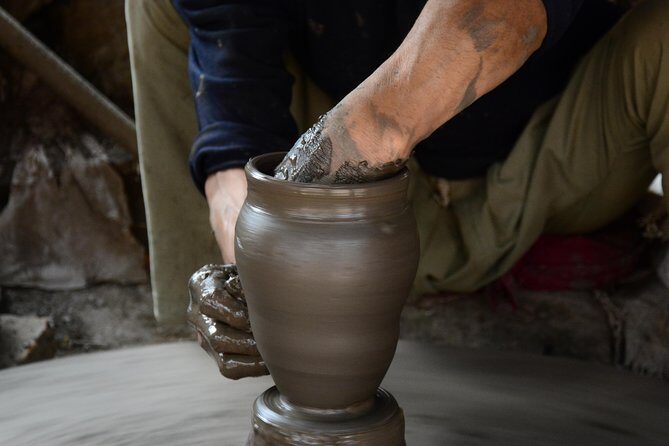
Here’s what makes Panauti more than a “small town stop.” The information shared during the visit connects the place to how people live. Panauti has multiple rivers—Brahmayani, Roshi, and Punyabati—and locals associate the town’s origins with the holiness of the Punyabati river. You may also notice how the town’s work and landscape connect: you’ll be pointed toward metal works, agriculture, and rice terraces. That mix helps you understand the town as a living economy, not just a backdrop.
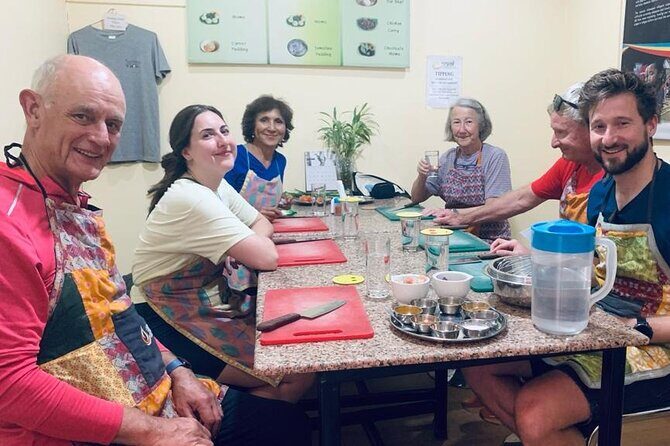
One of the better-value parts of this tour is the community angle. The experience description specifically calls out meeting local entrepreneurs. In practice, that often means you’re guided into conversation and observation rather than just being taken past sights. Several guides are reported to emphasize local culture and daily routines, and some homestay-style meals have been arranged during the visit.
Practical consideration: lunch is listed as not included, even though some guests describe eating at the homestay. That doesn’t mean you’re guaranteed lunch, but it suggests there can be a meal component depending on how the day is run. I’d confirm what’s included when you book, especially if you care about dietary needs or timing.
How the guides shape the day (and why small groups matter)
A lot of day tours sell the same route. This one leans into guide-led storytelling and flexibility, and the guide pool is a strong clue. You might ride with people like Monica, Puspa, Kalpana, Anup, Raj, Sarita, Zuna, or Manju, and they’re consistently mentioned for matching the day to interests, answering questions about Hinduism and Buddhism, and slowing down at architecture points.
I like tours where the guide helps you interpret what you’re seeing. Bhaktapur’s buildings can look like beautiful clutter if you don’t know where to look. A good guide points you toward what matters—how pagodas relate to style, how temple forms connect to religious practice, and why certain courtyards feel central. In Panauti, that guidance matters too: temples, woodcarving, and the restored mansions start making sense as part of a system, not random sights.
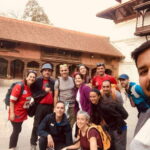
Small-group size is the other real advantage here: a maximum of 10 travelers. With fewer people, you’re less likely to get rushed through corridors or told to stand still while everyone catches up. It also helps if you’re traveling solo and want the day to feel personal rather than like a conveyor belt. Several guests also mention that the pace felt comfortable and that the tour allowed time for photos and short breaks.
Practical consideration: because this is a shared day trip, your exact group size and pace can vary. If you want a slower, more photo-friendly experience, tell the guide early. It’s the kind of trip where small adjustments can make a big difference.
Kathmandu to Bhaktapur to Panauti: what to expect from the drive
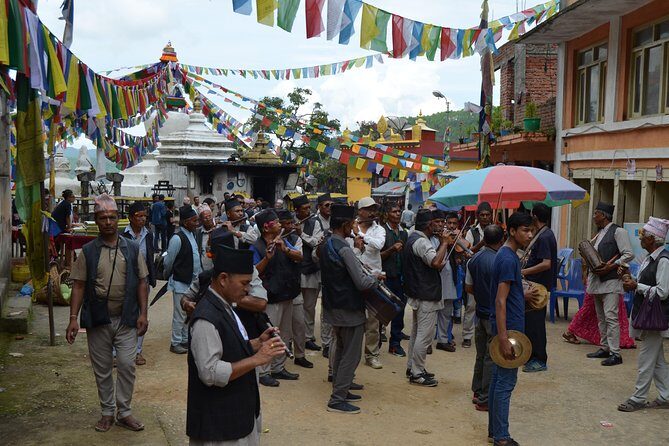
This day trip starts at 9:00 am and returns to the same meeting point in Kathmandu: Royal Mountain Travel, Lal Durbar Marg (Kathmandu 44601). There’s no hotel pickup or drop-off included, so plan to get there on your own. The company provides transport by air-conditioned vehicle as per group size, which matters in Kathmandu traffic when you’re doing a full day.
Duration is listed at about 7 hours, and you’ll feel it. A day that includes Bhaktapur and Panauti isn’t just a walk; it’s also time on the road. One of the travel realities here is simple: even if the itinerary is only two main stops, Kathmandu-to-town distances and local driving add up.
What I like about the setup is the balance. You get enough time in Bhaktapur to absorb the UNESCO town texture, and enough time in Panauti to feel like you actually visited a different place. If you’re expecting a short “hit-and-run,” this won’t be it. If you want a single-day cultural circuit with real town time, it fits well.
Practical consideration: be ready for a day where you’ll likely walk around temples and older streets. Wear shoes you trust. If you have mobility issues, it’s still doable with the right pacing, but you’ll want to mention needs ahead of time so the guide can help you plan where to pause.
Price and logistics: where the value really comes from
At $34 per person, the headline price is hard to beat—especially with an English-speaking tour guide and AC transport included. This is one of those Kathmandu-value tours where you pay less for the framework, then add a little on the edges.
Two big cost items to keep in mind:
- Entrance fees are not included. Bhaktapur in particular is a place where ticket costs can change the final amount.
- Lunch isn’t included. Some homestay visits may include food arrangements, but the official listing says lunch is not part of the package.
What you get for the money is a day with structure, interpretation, and local access. With a max of 10 travelers and guides reported to tailor the day, you’re not just buying a bus ride. You’re buying context—why Bhaktapur’s ponds matter, why Panauti’s river geography shows up in the cultural story, and what to look for in woodwork and temples.
Practical consideration: your final value depends on your starting point. Since there’s no hotel pickup, getting to Lal Durbar Marg matters. If you’re far from that area, factor in the cost and time of transport to the meeting point.

What you’ll actually see and do, step by step
Here’s the rhythm of the day in plain terms:
Stop 1: Bhaktapur Durbar Square (about 3 hours)
You’ll arrive in Bhaktapur’s old center and spend time moving through the Durbar Square complex, a UNESCO World Heritage setting with shrines, temples, and lots of active corners. Expect a medieval city feel with enough “town life” around you to make the sights feel lived-in, not museum-like.
This is also the place where you’ll likely get the most explanation about Newari city structure—how architecture ties to religious practice and community layout.
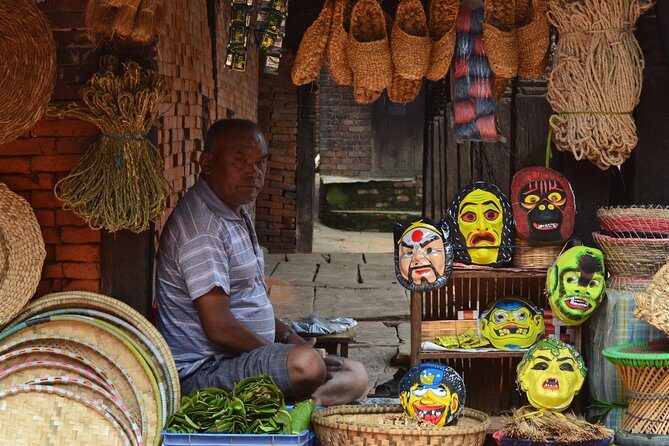
A practical tip: give yourself time to just wander between the squares. Bhaktapur rewards slow movement. If you’re the kind of person who likes to shop, you may find craft items and local work here too, but keep your pace comfortable.
Stop 2: Panauti Community Home Stay (about 3 hours)
After Bhaktapur, the tour turns toward the quieter side of the Kathmandu Valley. Panauti’s focus is on temples, stupas, stone art, woodcarvings, and the river-and-land connection (including rice terraces and agriculture). The homestay/community component is where you have the chance to meet locals and hear their stories, including work related to metal craft and farming.
If a meal is arranged at the homestay during your specific day, it’s often described as a standout, but don’t assume it’s guaranteed since lunch isn’t included in the tour listing.
Who this day trip suits best
This tour is a good fit if:
- You’re in Kathmandu for a few days and want more than the usual Kathmandu checklist.
- You like temples, architecture, and village-scale culture.
- You want a guided day that makes the towns easier to understand, especially if you’re curious about Hindu and Buddhist practice.
- You prefer smaller groups and more flexibility, rather than a rushed tour with lots of people.
It’s also a nice option if you’re solo. The small-group setup and guide-led pacing tend to make it feel less awkward and more conversation-friendly.
If you only want one big UNESCO sight and nothing else, you could find this slightly “two-town heavy.” But if you want a full day that shows how the Kathmandu Valley changes every few miles, this is a strong match.
Should you book this Bhaktapur and Panauti day trip?
If you want value, culture, and a real town experience in one day, I’d book it—especially at this price point. The mix of Bhaktapur’s UNESCO Durbar Square plus Panauti’s quieter, community-focused atmosphere is the main reason. And the small group size (10 max) plus the chance to meet locals makes it more than a sightseeing loop.
Book it if you’re okay with:
- walking around temple areas and older streets
- paying entrance fees on the day
- confirming whether lunch is arranged for your departure
Skip or rethink it if you need hotel pickup, want a guaranteed included lunch, or prefer fewer hours in a vehicle. For most people doing Kathmandu, this is one of the most practical ways to get beyond the city center and actually see how people live around the Valley’s historic towns.
FAQ
What time does the tour start and where does it end?
It starts at 9:00 am and ends back at the meeting point: Royal Mountain Travel, Lal Durbar Marg, Kathmandu.
How long is the day trip?
The duration is about 7 hours.
Where is the meeting point?
Meet at Royal Mountain Travel, Lal Durbar Marg, Kathmandu 44601, Nepal.
Is lunch included?
Lunch is listed as not included.
Are entrance fees included for Bhaktapur and Panauti?
No. The tour states that entrance fee is applicable to children 10 years and above, and entrance fees are not included.
How big is the group?
The tour has a maximum of 10 travelers.
Is hotel pickup or drop-off included?
No. Hotel pickup and drop-off are not included.
Is this tour guided?
Yes. It includes an English-speaking tour guide and transport by air-conditioned vehicle.