REVIEW · KATHMANDU
Everest Base Camp Trek – 14 Days
Book on Viator →Operated by Ace the Himalaya · Bookable on Viator
Everest Base Camp is not a box-checking trip. It’s a proper test of lungs, legs, and attitude, with Sherpa villages and some of the best mountain views on Earth. This version is set up as a small-group trek with a government-licensed English-speaking guide and porter help, so you spend your energy walking—not managing logistics.
I especially like two things about this itinerary. First, the plan is built around acclimatization and safety, including a dedicated day in Namche and another high viewpoint day near Dingboche. Second, your load gets handled: you get porter service for 11 days (with 1 porter for every 2 clients), plus filtered water and most meals taken care of.
One consideration: the trek is high altitude and the itinerary includes demanding summit-style days like Everest Base Camp and Kala Pattar. Also, in peak seasons your Lukla flights can shift to Manthali (Ramechhap), which changes the day-of-flight feel even though the trekking region stays the same.
In This Review
- Key reasons this Everest Base Camp trek is a smart choice
- Kathmandu arrival: getting set up before the trek
- Flight to the Lukla region: Manthali is your Plan B
- From Lukla into the Dudh Koshi: bridges, prayer flags, and rhythm
- Namche Bazaar acclimatization: the Sherpa Museum day that makes sense
- Tengboche and Dingboche: gompa views and a viewpoint day near altitude
- Khumbu Glacier country to Lobuche: memorials and focus
- Everest Base Camp (5,365 m): the big day without needing mountaineering gear
- Kala Pattar (5,555 m) and the return down: when your legs finally get a reward
- Price and value: is $1,800 a fair deal for Everest Base Camp?
- Guides and porters: the team factor that makes the hike work
- Who should book this Everest Base Camp trek
- Should you book Everest Base Camp with Ace the Himalaya?
- FAQ
- How long is the Everest Base Camp trek?
- Where does the tour start and end?
- Is airport pickup and transfer included?
- Are domestic flights included?
- What if flights to Lukla are delayed or rerouted?
- Is a porter included, and for how long?
- How much luggage can I take on domestic flights?
- What kind of accommodation is included?
- What meals are included?
- What about travel insurance and tips?
- What is the cancellation refund window?
Key reasons this Everest Base Camp trek is a smart choice
- Small group size (max 14 travelers) means you’re not fighting for oxygen or attention.
- Guide-led safety and emergency planning is part of the package, not an afterthought.
- Porters for 11 days keep you moving efficiently through the Khumbu.
- Acclimatization days in Namche and near Dingboche reduce the “rush” feeling.
- Base Camp (5,365 m) plus Kala Pattar (5,555 m) gives you both the goal and the big viewpoint payoff.
- Domestic flights are included, with a noted backup plan to Manthali during congestion.
Kathmandu arrival: getting set up before the trek
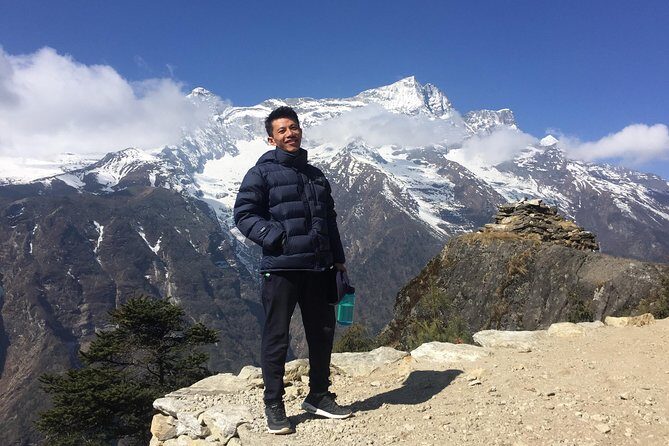
Your trip starts in Kathmandu at Tribhuvan International Airport, where an Ace the Himalaya airport representative meets you and transfers you by private vehicle. You also get two nights in Kathmandu in 3-star twin-share rooms with breakfast included. This is one of those quietly important parts of the plan. You’re not arriving, wandering, and trying to figure out where to sleep the night before a flight to the Everest region.
On Day 1, you’ll be oriented and ready for what comes next: a jump from city altitude stress to mountain routine. You’ll also want those first hours to sort gear essentials—things like water bottles, warm layers, and any items you might have forgotten. The included kit items (more on those later) help, but trekking still demands personal preparation.
A small note for your expectations: you’ll have airport transfers in private tourist vehicles, but lunch and dinner in Kathmandu are not included, so you’ll want a simple plan for those meals. Keep it easy. You’re saving calories for Day 2 onward.
You can also read our reviews of more hiking tours in Kathmandu
Flight to the Lukla region: Manthali is your Plan B
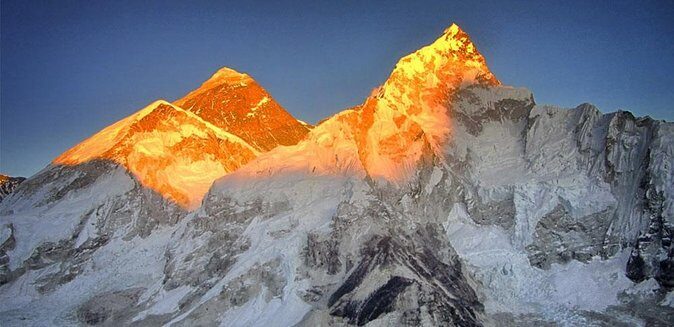
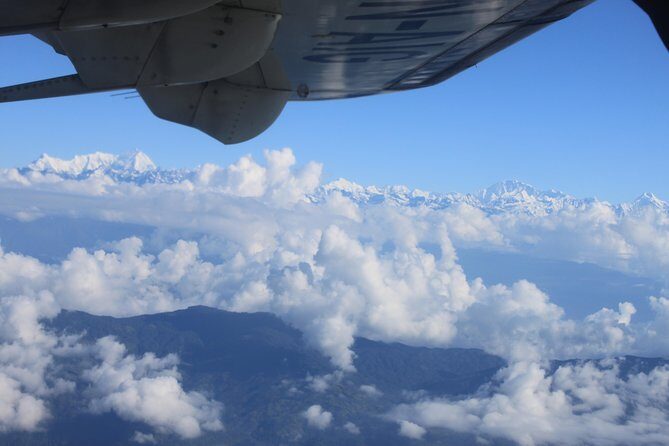
Day 2 is when the trip really tips into the mountains. You fly from Kathmandu toward the Lukla area, then the trek starts. There’s an important heads-up baked into the itinerary: during peak trekking months (like March, April, May, October, and parts of season demand), flights to Lukla may shift to Manthali Airport in the Ramechhap district due to traffic congestion.
What this means for you is simple: don’t build your day around exact timing. If Manthali is used, the road-to-flight rhythm is different. The upside is that the program flags this possibility ahead of time, so you’re not surprised at the counter.
Also check your luggage expectations. Domestic flights include a 15 kg luggage allowance, and airfare for Kathmandu–Lukla–Kathmandu is included. That helps you pack with less guesswork, and it keeps your brain focused on the trek instead of weighing bags.
From Lukla into the Dudh Koshi: bridges, prayer flags, and rhythm
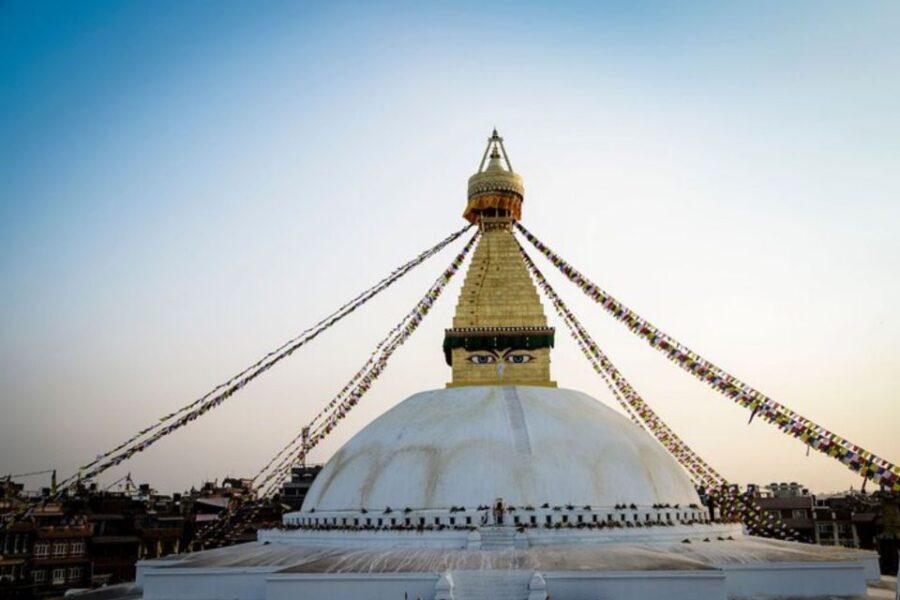
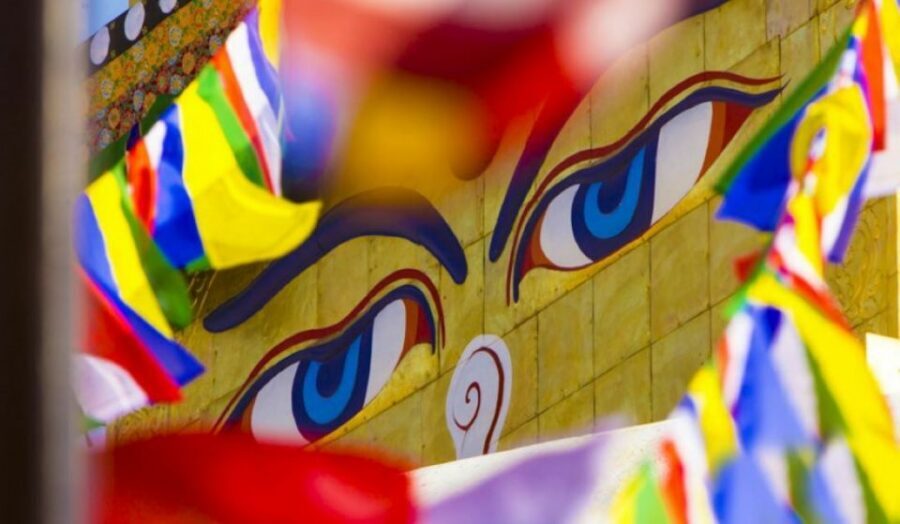
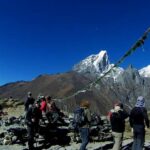
Once you land, the trekking starts with that classic Khumbu feeling: steep trail energy, quick scenery changes, and those river crossings that make the whole region feel alive. The early days follow the banks of the Dudh Koshi, with multiple suspension bridges. Prayer flags hang across routes like a visual soundtrack.
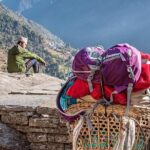
You’ll likely notice how the trek balances effort and flow. Some days are about distance, but many are about building a rhythm your body can handle. And because porters handle your gear for 11 days, you can hike with a smaller day pack. That matters on uneven stone steps and long stretches where fatigue stacks up fast.
By the time you’re moving toward Namche Bazaar, you’re also entering a zone where Sherpa culture and Buddhist influences are visible in daily life. It’s not staged sightseeing. You’re moving through villages where people live around these routes.
Namche Bazaar acclimatization: the Sherpa Museum day that makes sense
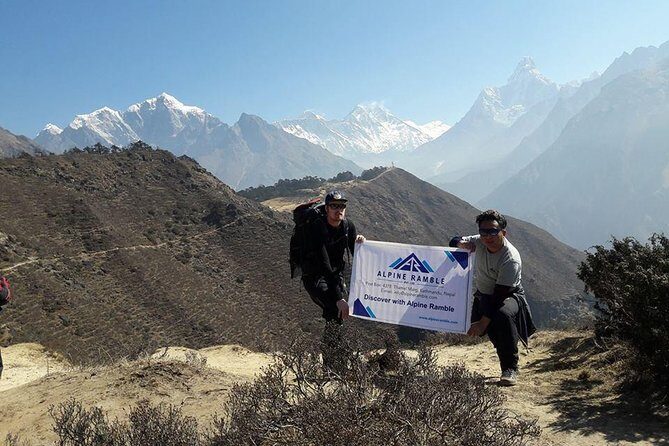
Namche Bazaar is your big acclimatization stop. Instead of pushing onward immediately, the plan includes a day to adjust to thinning air, and that’s where the itinerary becomes smart.
You’ll spend time in Namche Bazaar and take a short trek to the Sherpa Museum, where exhibits cover traditional customs of the Sherpa people. This is the kind of stop that actually supports the trek, not just fills time. It gives you a chance to slow down, learn a bit, and let your body catch up.
This day also gives you a chance to think like a mountaineer-wannabe (minus the crampons). You’re not trying to “win” the itinerary. You’re trying to stay healthy, keep hydration steady, and avoid the urge to go too hard too soon.
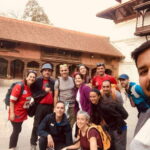
A bonus from the way this trek is run: you’re part of a group, but the pace is designed around safe hiking with guidance. Smaller groups help here—your questions don’t get lost.
Tengboche and Dingboche: gompa views and a viewpoint day near altitude
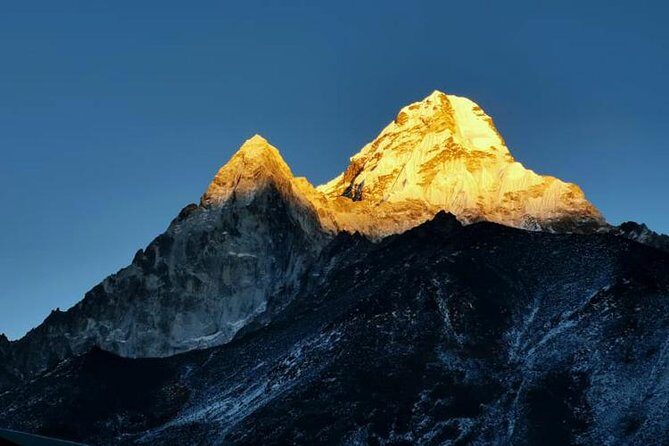
As the trek climbs, you’ll reach Tengboche (around 3,860 m), where the highlight is Tengboche Gompa. It’s a real monastery experience, not just a photo stop. Expect quiet interiors, ritual spaces, and the kind of spiritual calm that makes the cold air feel less sharp.
Then comes the push toward Dingboche. The route shifts across bridges and climbs past places layered with mani stones—stone inscriptions carried in tradition. Around Dingboche, the trekking plan makes another smart choice: it doesn’t just add altitude and call it good.
You get an acclimatization day in the Dingboche area with a hike to Nangkartshang peak just above Dingboche. This is your “practice for altitude” day—gaining height, improving your tolerance, and getting a view that makes the effort worth it. It’s a classic strategy: go up, then come down, so your body learns.
From a practical standpoint, this is one of the best parts of the itinerary for people who want to finish strong. It reduces the chance that you feel wrecked when the big summit days arrive.


Khumbu Glacier country to Lobuche: memorials and focus
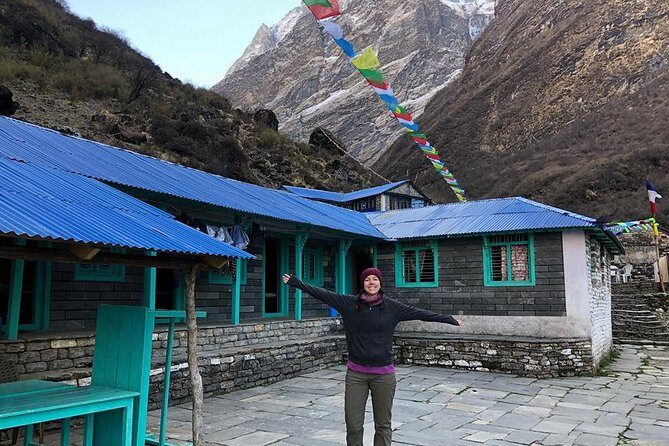
After Dingboche, the route continues toward Lobuche, and you’ll feel the terrain shift. The trail runs along the lateral moraine of the Khumbu Glacier, and you pass stone memorials for climbers who have perished on nearby summits.
That moment matters. It doesn’t change the effort level, but it changes your mindset. You start walking with more respect and less bravado. For many people, it’s where the trek stops being a hike and becomes something heavier in the best way.
Day 8 is part of the build toward the hardest days. In a trek like this, the “in-between” days decide how you handle the final stretch. So keep your pacing steady. Don’t race the group. Let the guide handle the timing and you handle your breathing.
You’ll also benefit from the included support items: filtered water using a Katadyn Pocket Water Filter, plus seasonal fruits. These small details help you stay consistent with hydration and energy, which is a big deal at high altitude.
Everest Base Camp (5,365 m): the big day without needing mountaineering gear
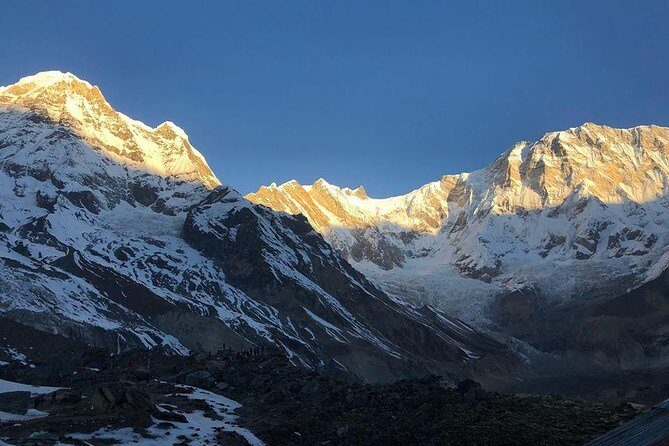
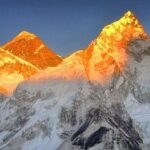
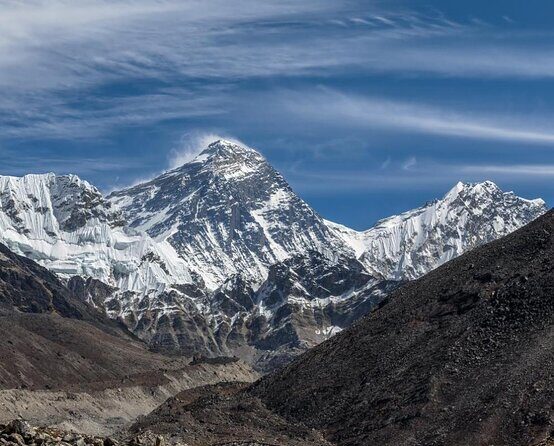
Day 9 is the day you’ve been training for: walking along the Khumbu Glacier up to Everest Base Camp at 5,365 m, the closest you can get to Mount Everest without mountaineering equipment.
This is a difficult day walk by nature. It’s not just “high.” It’s long, and the air gets thin fast. In spring, you’re likely to see more activity near the route. Expect a mix of anticipation and focus.
Your best approach here is simple: don’t treat it like a race. Your goal is to arrive with enough energy to enjoy it. The guide helps with pacing, and the group dynamic helps too—especially in a small-group trek where you’re not surrounded by too many strangers.
One more thing to consider: cold and fatigue can hit hard on days like this. Make sure you’re using your warm layers properly and staying aware of how you feel rather than how fast you’re moving.
Kala Pattar (5,555 m) and the return down: when your legs finally get a reward
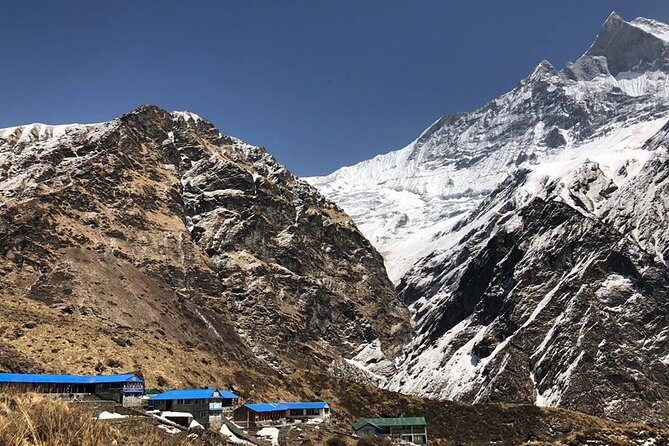
If Everest Base Camp is the target, Kala Pattar is the payoff. Day 10 is the toughest yet most rewarding day, with a climb up to 5,555 m. The ascent is demanding, but the view is why people keep signing up for this trek year after year.
After that, the itinerary turns practical: you start descending and moving back toward Namche. Day 11 takes you down through Pangboche and Tengboche before reaching Namche Bazaar in the afternoon.
This return leg is a relief for your body—but still don’t get sloppy. Descents can be rough on knees. Keep your steps controlled, and let the guide set the safe rhythm. You’ll already feel the difference between uphill effort and downhill strain.
Day 12 continues your descent journey, returning to Lukla, and Day 13 brings the final scenic flight back to Kathmandu (again, the itinerary notes the return flight as about 35 minutes). Day 14 ends with your drop to Tribhuvan International Airport.
Price and value: is $1,800 a fair deal for Everest Base Camp?
At $1,800 per person, this trek isn’t cheap. But it is priced like a supported Everest Base Camp trip, not a DIY expedition. The big question is what you’re getting for that money—and here the package is strong.
Included highlights that drive value:
- Domestic flights for Kathmandu–Lukla–Kathmandu (and listed airport departure tax)
- 3-star twin-share accommodation in Kathmandu for two nights
- Guesthouse accommodation during the trek (twin-share; with attached toilets in Lukla, Phakding, and Namche)
- A government licensed English-speaking trekking guide
- Porters for 11 days (1 porter for 2 clients)
- Everest/Sagarmatha National Park entry permit plus Pasang Lhamu Rural Municipality fee
- Most meals during the trek (breakfast, lunch, dinner)
- Filtered water plus seasonal fruits
- First-aid kit and arrangements for emergency medical evacuation in a worst-case scenario
- A duffel, trekking map, sun hat, and trip completion certificate from Ace the Himalaya
What’s not included (and where you should plan ahead):
- Travel insurance (especially emergency high-altitude evacuation)
- Visa for Nepal
- Alcohol and drinks
- Personal trekking equipment
- Tips for guide and porter (tipping is expected)
- Lunch and dinner in Kathmandu
So is it worth it? For most people who want the Everest Base Camp experience with fewer moving parts, yes. You’re paying for planning, support, and risk reduction—plus the time you save by not booking every segment yourself.
Guides and porters: the team factor that makes the hike work
This is where the experience feels most human. The structure is built around the idea that hiking is the main event, but someone else handles the hard parts.
In real groups, you may trek with guides like Kishor or Maddy, and work alongside porters such as Saman and Sher (and other porter teams listed for other departures). The consistent theme in the team praise is simple: these are people who keep you moving, check in on how you feel, and support the group’s morale.
That matters more than it sounds. On Everest Base Camp days, motivation isn’t a luxury—it’s fuel. When the guide is calm and practical, you make better choices without even realizing it. And when porters reduce your load, your hike becomes about breathing and steady steps instead of managing a heavy pack.
Who should book this Everest Base Camp trek
This trek fits best if you:
- Want a guided small-group experience with porter help
- Prefer acclimatization built into the plan (Namche + Dingboche area)
- Are aiming for the full “goal + viewpoint” combination: Base Camp and Kala Pattar
- Have moderate physical fitness and can handle altitude days
It might not be ideal if you:
- Want a very budget-first trip or don’t want to pay for guided services
- Have no plans for travel insurance that covers high-altitude evacuation
- Are easily stressed by flight-route changes (Manthali reroute in busy seasons)
Should you book Everest Base Camp with Ace the Himalaya?
If you want Everest Base Camp without turning your trip into a spreadsheet, this is a solid booking. The best parts are the small-group structure, the guide-led pacing for safety, and the practical support (porters, filtered water, included meals, permits, and flights). You get a plan that respects altitude with real acclimatization days instead of hope.
My recommendation: book this if you’re ready to walk hard for 14 days and you’ll handle the extra pieces—travel insurance, tips, and personal gear—before you leave home. If you’re looking for a relaxed walk with zero strain, pick a different trek. Everest Base Camp is supposed to challenge you.
FAQ
How long is the Everest Base Camp trek?
It’s a 14-day trek (approx.).
Where does the tour start and end?
It starts at Tribhuvan International Airport in Kathmandu and ends back at the same meeting point area, with an airport representative dropping you at Kathmandu’s Tribhuvan International Airport.
Is airport pickup and transfer included?
Yes. Airport and hotel transfers are included in a private tourist vehicle.
Are domestic flights included?
Yes. Domestic airfare for the Kathmandu–Lukla–Kathmandu sector is included, including airport departure tax.
What if flights to Lukla are delayed or rerouted?
The itinerary notes that Lukla flights may shift to Manthali Airport in the Ramechhap district during peak congestion seasons.
Is a porter included, and for how long?
Yes. Porter service is included for 11 days, with 1 porter for 2 clients.
How much luggage can I take on domestic flights?
The domestic flight luggage allowance is 15 kg.
What kind of accommodation is included?
In Kathmandu you get 3-star twin-share accommodation for two nights. On the trek you get twin-sharing guesthouse accommodation in Lukla, Phakding, and Namche, with attached toilets in those specific locations.
What meals are included?
During the trek, standard meals are included: breakfast, lunch, and dinner. Lunch and dinner in Kathmandu are not included.
What about travel insurance and tips?
Travel insurance is not included, and you should buy coverage that includes emergency high-altitude rescue and evacuation. Tips for the guide and porter are expected.
What is the cancellation refund window?
You can cancel up to 6 days in advance for a full refund. Cancel 2–6 days before for a 50% refund, and less than 2 days before is not refundable.