A good Everest view starts with the right plan. This trek is built around classic stops like Lukla, Namche Bazaar, and Tengboche, plus monastery visits and Sherpa village culture, with an easy-to-follow pace that still delivers big mountain moments. I really like that you’re not left to chase logistics, since transfers, permits, guide support, and lodge stays are handled for you.
What I like most is the mix of views and human scale. You’ll hike through pine forests, cross suspension bridges, and get first real looks at Everest while also visiting cultural anchors like Tengboche Monastery and the Hillary School area, with time to slow down and look around. A potential drawback: the Kathmandu to Lukla flights can be weather-sensitive, so build flexibility into your schedule.
One more thing to consider is the pace on the return. The trek often follows the same corridor back with longer hiking days on some routes, so if you’re very new to trekking, you’ll want to take the early days seriously (hydration, steady pace, and not rushing acclimatization).
In This Review
- Key highlights you’ll actually feel on the trail
- Why this Everest View trek is a smart 6-day choice
- Kathmandu in one night: Thamel hotel, briefing, and zero guessing
- Lukla flight to Phakding: the smooth entry you want
- Namche Bazaar day: suspension bridges and your first real Everest moments
- Tengboche Monastery: where views meet Sherpa culture
- The return route: Manjo and the art of seeing the same trail differently
- Flight back to Kathmandu: the finish that puts the mountains in context
- Price and logistics: what $790 buys you, and what still costs extra
- Guides, permits, and meals: the stress reducers that matter
- Comfort and safety: what you get, and what you should still bring
- Who should book this Everest Experience Trek
- Should you book Everest Experience Trek 6 Day Hiking Adventure?
- FAQ
- What is the trek duration and how are the days split?
- What meals are included during the trek?
- Are permits included for the trekking area?
- Are flights included?
- Do I need a porter?
- Can I cancel for a full refund?
Key highlights you’ll actually feel on the trail
- Lukla flight + gentle start: Day 2 eases you in along the Dudh Koshi River before longer walks.
- Namche suspension bridges: Big views arrive while the scenery stays varied and walkable.
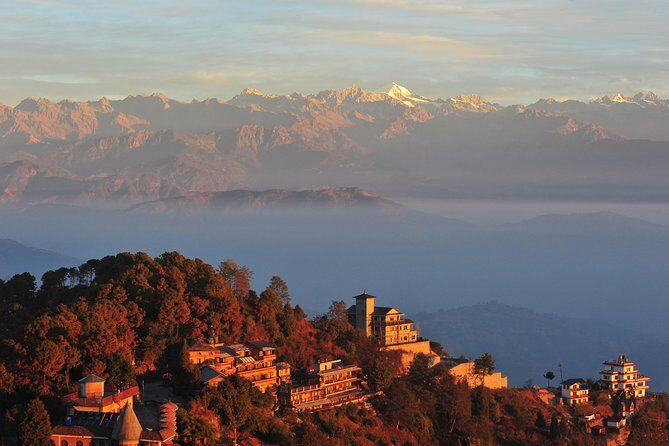
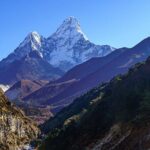
- Tengboche Monastery time: A strong cultural stop with panoramic Everest and Ama Dablam views.
- Permit coverage: Everest National Park permit, TIMS card, and local entry are handled.
- Guide support scaled to group size: One licensed guide for up to five trekkers, plus an extra guide for larger groups.
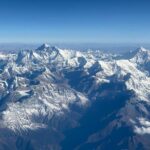
- Your last panorama is in the air: You end with a short flight back to Kathmandu after trekking.
Why this Everest View trek is a smart 6-day choice
If you’ve ever seen Everest from far away and wondered what it feels like up close, this style of trek is a great match. It’s not a summit push. It’s an experience built around the views you came for, plus the slower rhythms of village life and monasteries. That matters because you get to enjoy the journey instead of spending all your energy just trying to keep moving.
The pacing is the quiet strength here. Your first hiking day is shorter, then it grows as your body adjusts. You’ll still hike real hours most days, but the plan spreads the effort in a way that’s easier to manage than many tightly packed options.
You’ll also appreciate the support structure. Lodges, meals, permits, and guides are part of the package, so you spend your energy on the trail, not on questions like What happens at the airport? or Where do we get the permits?
You can also read our reviews of more hiking tours in Kathmandu
Kathmandu in one night: Thamel hotel, briefing, and zero guessing
You start with a transfer from Tribhuvan International Airport to a hotel in Thamel, plus a briefing and time to get ready. Thamel is handy because it’s a classic base area with lots of services nearby, and it’s specifically noted as being near public transportation. That means if you need a small thing—like last-minute trekking socks or a refill—you’re not stuck.
The trek briefing is where you’ll learn the flow of the next days: what to pack, how to keep a steady walking pace, and how the route connects between villages. Even if you’ve trekked before, it’s useful to get clarity on how your group will move and what the plan is if weather shifts.
You’ll sleep in a 4-star hotel the first night. That’s a real advantage before Lukla, where the day can start early and your body is still fresh.
Lukla flight to Phakding: the smooth entry you want
Day 2 is where the trip earns its name. You fly from Kathmandu to Lukla (about 30 minutes), then start hiking for about 3–4 hours along the Dudh Koshi River. This is the kind of start that helps you avoid the common mistake of going too hard too soon.
Why the river route matters: it’s scenic and easy to follow, and it gives you a steady rhythm instead of constant uphill stress. It also helps you focus on learning your walking pace with a pack you’ll be carrying multiple days.
Phakding is your overnight stop, so you also get a night to settle into lodge life. Lodges on this route are standard included accommodations, so you don’t have to hunt for food or a bed after a flight day.
One practical consideration: keep a light buffer in your mind on flight days. If anything shifts, it’s often the schedule that needs adjusting first.
Namche Bazaar day: suspension bridges and your first real Everest moments
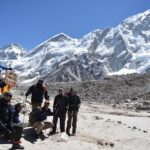
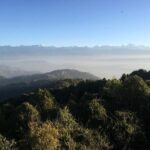
Day 3 is your big “mountain reveal” day. You hike for about 5–6 hours to reach Namche Bazaar, crossing suspension bridges and walking through pine forests. These bridges are more than a photo moment—they break up the walk and keep the trail interesting.
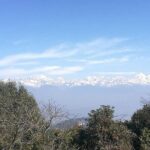
And then the payoff: you’ll get first views of Everest as you approach Namche. Namche is a key staging point in the region, so the town feels like a change in altitude and atmosphere. You’re still moving at trekking pace, but you’re also stepping into the hub where Sherpa culture is visible in everyday life.
This is also where your body starts to notice the days add up. It’s a good time to practice a simple rule: slow down, drink water often, and don’t treat every uphill as a sprint. You’ll thank yourself later on the return days.
Tengboche Monastery: where views meet Sherpa culture
Day 4 brings a solid hike (about 5–6 hours) to Tengboche. This is one of the most meaningful days on the itinerary because it pairs scenery with a strong cultural stop.
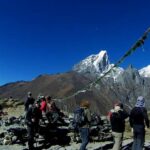
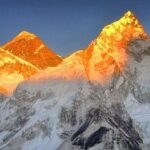
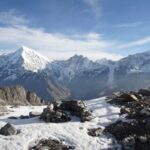
You visit Tengboche Monastery, and it’s described as a highlight with panoramic views of Everest and Ama Dablam. That combination is why people love this route: you’re not only looking at mountains, you’re stepping into the spiritual and community rhythm that has shaped the valleys for generations.
You also get other cultural stops listed for the broader experience, including visits around Khumjung Monastery and the Hillary School. Since these are tied to the historical and cultural highlights, expect the day to feel like more than just movement between lodges.
A practical note: monastery areas can be a calm contrast to trekking. Dress respectfully, keep your voice down, and plan for cooler temperatures as you move higher.
You can also read our reviews of more tours and experiences in Kathmandu
The return route: Manjo and the art of seeing the same trail differently
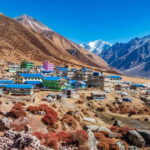
Day 5 is a return hike to Manjo, taking about 6–7 hours and retracing via Namche Bazaar. This is one of the reasons this trek is “classic” rather than “brand new.” You will see many familiar spots again. That can sound repetitive, but it actually works if you let it.
Here’s how you make it satisfying:
- Morning light changes everything, especially on ridgelines.
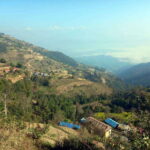
- You’ll notice details you missed on the way up, like how villages sit along the valley contours.
- You’ll be walking with a stronger sense of pacing because you already survived day 3 and day 4.
Overnight in Manjo is part of the structure that sets up the final push toward Lukla the next day. If you’ve been careful with your energy, this day feels like a steady bridge back to the flight.
Day 6 is the longer hiking day (about 6–8 hours), taking you downhill toward Phakding first and then back uphill for about three hours up to Lukla. This is the day to manage effort. Your muscles will know you’re returning, so focus on consistent steps rather than big bursts.
Overnight in Lukla also gives you that important buffer before you fly back to Kathmandu on Day 7.
Flight back to Kathmandu: the finish that puts the mountains in context
Day 7 returns you to Kathmandu with a short flight (about 30 minutes), giving you time to explore or relax. Since Day 6 ends in Lukla, this is a tidy rhythm: trek, lodge, early flight, then city time.
Then Day 8 is the final airport transfer to Tribhuvan International Airport and your onward plan. This makes the trip feel complete, not like you’re still scrambling at the end.
If you care about those last big views, the itinerary is designed to give you a final airborne moment over the region before you switch back to Kathmandu life.
Price and logistics: what $790 buys you, and what still costs extra
At $790 per person, this trek can feel like a bargain or a fair deal depending on what you already planned for. Let’s make it concrete.
What’s included:
- Airport-hotel transfers by private tourist vehicles
- Standard trekking lodge accommodations on the trek route
- Meals during the trek: 6 breakfasts, 5 lunches, 5 dinners, plus tea or coffee with meals
- Key permits: Everest National Park permit, TIMS card, and Pasang Lhamu Municipality entry
- Licensed trekking guide support (and extra guide if the group is over six)
- First-aid medicine items
- A T-shirt and trip certificate after completion
- Seasonable fruits during the trekking period
- Mobile ticket
What’s not included (and this matters for budgeting):
- International flights and Kathmandu to Lukla airfare
- Travel insurance
- Porter
- Drinks like dessert, bars, and beverages bills
- Tips for the crew members
So the value comes from removing decision fatigue. You’re not paying extra to coordinate permits, meals, lodge bookings, and guide logistics. You’re paying for a plan that keeps you walking and looking at mountains, not chasing paperwork.
If you’re also already comfortable budgeting for your own travel insurance and Lukla flights, then $790 looks more like a well-structured package than a high sticker price.
Guides, permits, and meals: the stress reducers that matter
Two things really shape how trekking feels: guidance and consistency.
The guidance side is practical. You get a licensed trekking guide for up to five trekkers, then an additional guide if the group is bigger than six. That group-size structure is worth paying attention to because it affects pace, spacing, and how quickly issues get handled. You don’t want a guide spread too thin.
Communication is another strength mentioned in earlier experiences with Bold Himalaya. One account highlights fast replies from Sobit and a meeting set up at the hotel so there’s no last-minute confusion. Another experience points to Ramesh as a fantastic guide. I like that kind of human detail because it means you’re meeting someone who knows your trek day rhythm before you step onto the trail.
Meals and lodge life are also included, which is more than convenience. When food is scheduled across the walk, you’re less tempted to skip meals or eat random things that don’t sit well. You’ll get tea or coffee with meals too, which helps you keep morale up when the air feels cooler and the day is longer.
Permits handled in advance also reduce friction. You don’t want to reach the wrong office at the wrong time after a flight day.
Comfort and safety: what you get, and what you should still bring
The itinerary includes accommodations and first-aid medicine items, plus experienced guide support. That’s the baseline.
But trekking is still trekking. So plan like you’re responsible for your comfort:
- Bring layers you can adjust quickly as you move from town to higher trails.
- Pack for dry, cool conditions even when Kathmandu feels warm.
- Keep your own water and basic hygiene routine consistent.
Also remember that porter is not included, so you should be realistic about how much you’re willing to carry. If you’re planning to travel light, a porter can make the trip easier, but you’ll need to arrange that separately.
On top of that, travel insurance isn’t listed as included. Buy the kind of coverage that fits trekking and the region’s flight variability.
Who should book this Everest Experience Trek
This trek fits best if you want:
- Big Everest and Ama Dablam views without a summit-style challenge
- A structured route with lodges, meals, permits, and guides handled
- Cultural stops like Tengboche Monastery and the Hillary School area
- Enough hiking to feel accomplished, without being locked into extreme long days every single day
You might want to rethink it if:
- You’re extremely new to trekking and don’t want any uphill walking days
- You’re not comfortable with the idea of weather affecting Lukla flight timing
- You’d rather have a porter, and carrying all your gear is a dealbreaker
Should you book Everest Experience Trek 6 Day Hiking Adventure?
I’d book this if your main goal is to get close to the Everest region with a route that’s organized, scenic, and culturally grounded. The included meals, lodge stays, permits, and guide structure remove most of the daily headaches that often wreck the vibe on mountain trips.
I’d hesitate if you’re on a tight budget once you add Lukla airfare, travel insurance, and any drinks or tips. The trek price is fair, but the total cost depends on what you still need outside the package.
Here’s my practical call: if you can handle a flight day to Lukla, walk steady for about 5–8 hours on the longer trekking days, and you want a classic Everest-view experience rather than a summit attempt, this is a strong option to reserve.
FAQ
What is the trek duration and how are the days split?
The experience runs about 8 days total, with trekking across multiple days and flights between Kathmandu and Lukla plus a final return flight to Kathmandu.
What meals are included during the trek?
All meals during the trek are included: 6 breakfasts, 5 lunches, and 5 dinners, with tea or coffee included with meals as listed in the itinerary.
Are permits included for the trekking area?
Yes. The package includes the Everest National Park permit, Pasang Lhamu Municipality entry, and a TIMS card.
Are flights included?
No. International airfare and Kathmandu to Lukla airfare are not included. The itinerary includes flight legs between Kathmandu and Lukla and then back to Kathmandu, but the airfare itself is listed as not included.
Do I need a porter?
Porter service is not included. The itinerary covers guides and trekking lodge support, but carrying plans are on you unless you arrange a porter separately.
Can I cancel for a full refund?
Yes. You can cancel up to 24 hours in advance of the experience start time for a full refund.
If you want, tell me your travel month and fitness level. I’ll suggest how to pace yourself on the longer return days and what to prioritize packing for this route.