REVIEW · KATHMANDU
Nagarkot Sunrise & Bhaktapur Heritage Tour -Private Full Day Trip
Book on Viator →Operated by Himalayan Recreation Treks & Expedition Pvt.Ltd · Bookable on Viator
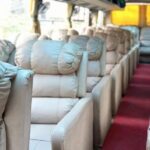
Pre-dawn Kathmandu turns into Himalayan gold. This private day trip pairs Nagarkot sunrise with the UNESCO-listed wonders of Bhaktapur Durbar Square—exactly the kind of combo that makes sense when you have limited time. You get a private air-conditioned vehicle, hotel pickup/drop-off, and an English-speaking guide, so you’re not guessing your way through your first Nepal morning.
I especially like how the tour is built around timing (you leave early enough for sunrise) and how Bhaktapur’s temples and squares get real context from the guide. One drawback to watch for: the sunrise depends on weather, and some days run shorter than you’d expect if the sky stays cloudy or foggy.
If you’re traveling with someone who loves history but still wants the day to feel easy, this works well. Still, confirm what’s included for Bhaktapur entrances, and mentally budget for extra time if you get stuck in traffic on the way back.
In This Review
- Key things that make this tour worth your time
- Why the Nagarkot sunrise is the main event
- But here’s the reality: clouds can win
- Nagarkot View Tower: what you’ll do, what to bring, and why timing matters
- Everest visibility tip (simple, but useful)
- Breakfast: the quiet win you’ll feel in the afternoon
- Bhaktapur Durbar Square: UNESCO buildings, earthquake scars, and street-level atmosphere
- How the guide helps here
- 55 Window Palace and Dattatreya Temple: the quick stops that add up
- Nyatapola Temple and the square circuit: how the itinerary keeps you moving (but not rushing)
- The downside: rushing can happen on tight days
- Pottery Square and National Art Gallery: culture that doesn’t require a huge time commitment
- Extra stops in Kathmandu and Patan: why your schedule may look different than the headline
- Price and logistics: why $60 can be good value, and what to budget anyway
- What’s not included (so you don’t get surprised)
- Is it still worth it?
- Timing reality check: some days feel like a half-day
- Private guide quality: names you might hear, and what to ask for
- What you can ask your guide on day one
- Getting ready: shoes, cold mornings, and how to handle the drive
- Should you book this Nagarkot sunrise and Bhaktapur private tour?
- FAQ
- What is included in the tour price?
- Is lunch included?
- Do I need to pay entrance fees in Bhaktapur?
- How long is the tour?
- What should I bring for Nagarkot sunrise?
- Is this a private tour?
Key things that make this tour worth your time
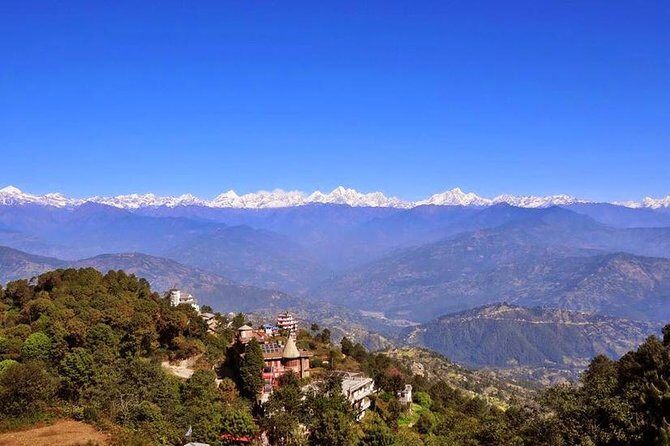
- Nagarkot sunrise timing: early departure with a focus on catching the first light.
- Bhaktapur UNESCO core: Durbar Square plus major temple stops like Nyatapola and 55 Window Palace.
- Private guide + private vehicle: you can move at your pace instead of being trapped in a big group.
- Clear expectations on extra costs: Bhaktapur entrance fees and lunch are not included.
- Useful view tips: binoculars help if skies are clear (especially for Everest viewing).
Why the Nagarkot sunrise is the main event
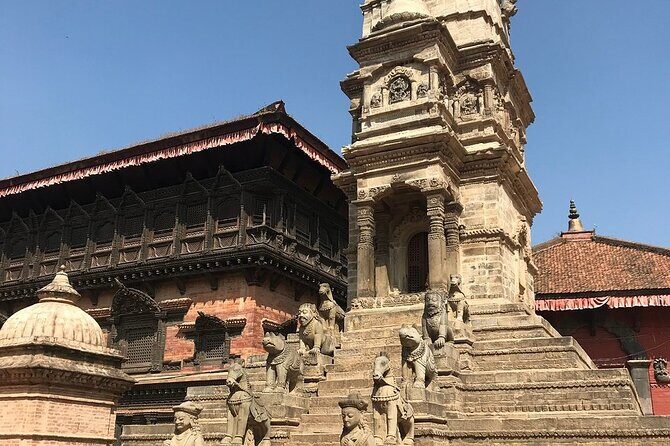
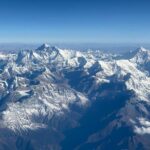
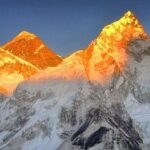
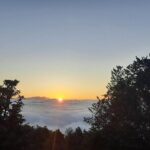
Nagarkot is one of those places where the payoff happens early. You’re leaving Kathmandu in the dark or near-dark, riding up to the hill viewpoint, then waiting for the sky to change. If you’ve got just one morning to spend on the Himalayas, this kind of sunrise-focused plan is a smart use of time.
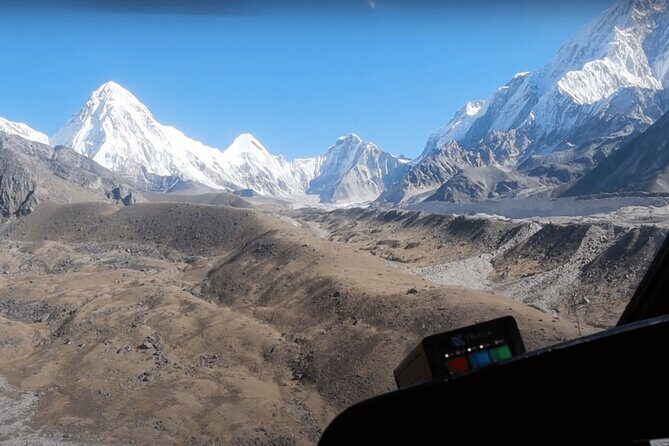
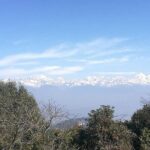
The best part is that the tour doesn’t treat sunrise like a quick “look and go” moment. It’s scheduled as a proper viewing segment at the Nagarkot viewpoint area. And if you’re lucky with clear weather, you can catch the Himalayas as the light rolls across the ridges.
You can also read our reviews of more private tours in Kathmandu

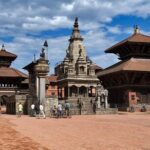
But here’s the reality: clouds can win
Nagarkot sunrise is weather-dependent. When cloud cover or fog rolls in, you may see soft light instead of sharp mountain silhouettes. That’s not anyone’s fault, but it does affect what you’ll get out of the morning.
If you’re the type who will be upset by a cloudy sunrise, consider treating the Himalayas as a bonus, not the only goal. You’ll still have Bhaktapur’s heritage to anchor the day.
Nagarkot View Tower: what you’ll do, what to bring, and why timing matters
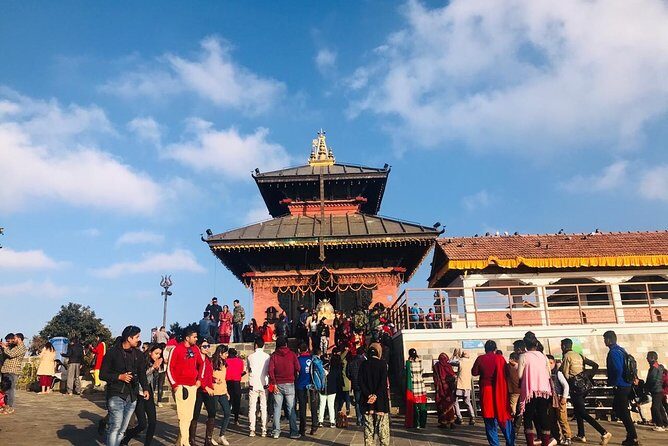
The first stop is Nagarkot View Tower, a popular viewpoint close to Kathmandu. The scheduled time is about an hour, and the admission ticket there is listed as free.
This is where your “prep” pays off. Even in Nepal’s pleasant seasons, sunrise viewing can feel chilly. Bring layers you can actually manage while standing around for a while. Comfortable shoes help too, because viewpoint areas often mean small walks on uneven ground.
Everest visibility tip (simple, but useful)
The tour guidance recommends bringing binoculars for the best chance of seeing Everest on a clear day. That advice is worth taking seriously. At sunrise you’re not always staring at a perfect, close-up view; binoculars help you focus on distant peaks.
If you didn’t pack binoculars, don’t panic. You may still get great mountain ranges with the naked eye—just don’t expect every day to be a textbook postcard.
Breakfast: the quiet win you’ll feel in the afternoon
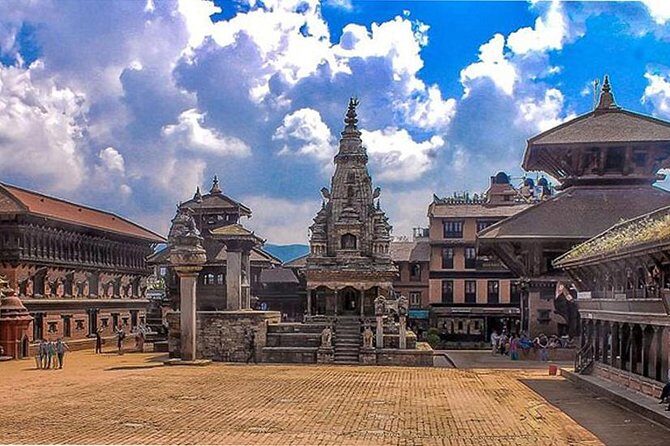
After sunrise viewing, breakfast is included. The timing matters because you’re starting the day early, and cold morning hunger hits fast. One of the strongest practical aspects here is that you’re not left to find food on your own before sightseeing.
Breakfast is served at a nearby hotel, with a proper sit-down meal. Based on how guests describe it, the breakfast spread can be a buffet-style setup with enough variety to cover different tastes. Even if you’re not a big breakfast person, you’ll appreciate eating before the day gets temple-and-square intense.
Pack this into your expectations: sunrise is exciting, but breakfast keeps your energy steady when the walking and stair-like bits start showing up later.
You can also read our reviews of more historical tours in Kathmandu
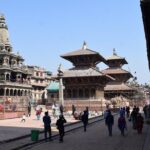
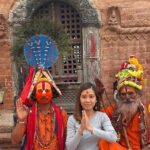
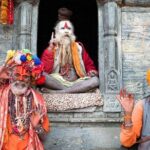
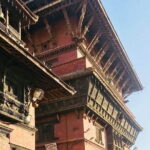
Bhaktapur Durbar Square: UNESCO buildings, earthquake scars, and street-level atmosphere
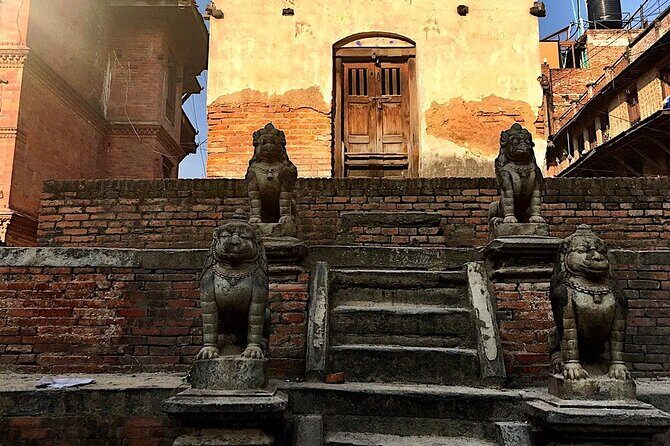
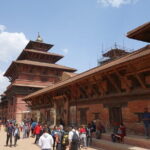
Once breakfast settles your stomach, the tour shifts into Bhaktapur. The main anchor is Bhaktapur Durbar Square, a UNESCO World Heritage Site.
You’ll typically spend around two hours in the durbar square area. Admission fees for Bhaktapur are not included in the tour price, so you should plan to pay entrance costs directly during your visit. In addition, expect that some structures show damage from the April and May 2015 earthquakes. Even when restoration work is visible, the place still feels real—like a living city preserving its monuments while recovering from major impacts.
How the guide helps here
A good guide turns Bhaktapur from “cool buildings” into “I get why this matters.” You’ll learn how the architecture works, why certain temples and courtyards are where they are, and what you’re looking at as you move from square to square.
That context is especially useful because Bhaktapur is not one single monument. It’s an entire heritage layout, and your time is limited. A guide helps you choose the right details to notice without feeling lost.
55 Window Palace and Dattatreya Temple: the quick stops that add up
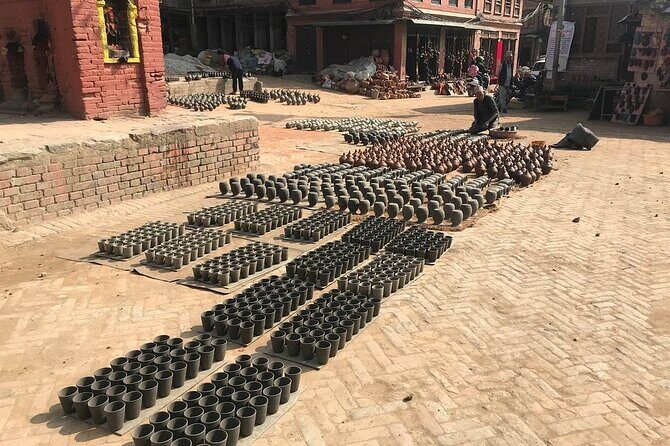
After Durbar Square, you’ll hit two of Bhaktapur’s most distinct sites:
55 Window Palace
This stop is listed for about an hour, and admission is free. The name says it all, and even if you don’t count windows, the building’s design style is the point. You’re seeing classic Bhaktapur craftsmanship, with an architectural rhythm that feels made for observers—things repeat, align, and create patterns you can track as you move.
Dattatreya Temple
This one is much shorter, about 45 minutes, and entry is free. The key benefit of the shorter visit is pacing. After Durbar Square’s density, Dattatreya feels like a breath—an opportunity to slow down, focus on one sacred focal point, and absorb how Bhaktapur’s religious life sits alongside daily street life.
Nyatapola Temple and the square circuit: how the itinerary keeps you moving (but not rushing)
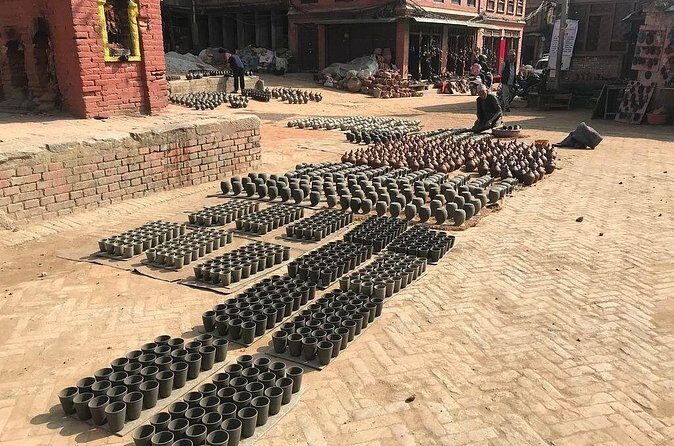
The day then continues with temple and square stops that are each short enough to stay energetic. These are the places where your guide’s timing really matters.
Some of the listed stops include:
- Nyatapola Temple (about 20 minutes, free entry)
This temple is famous for its strong, layered silhouette. It’s the kind of building where even quick photos teach you something if you know what features to look for.
- Taumadhi Square (about 20 minutes, free entry)
Squares in Bhaktapur aren’t just scenic. They’re social spaces, and they help you understand the city’s everyday geometry.
- Taleju Bhawani Temple / Taleju Temple (about 10 minutes, free entry)
Short visit, focused look. You’re there long enough to orient yourself and understand the spiritual importance without needing a deep historical lecture.
The upside of this “square circuit” is that it stitches the city together. You don’t just jump from monument to monument—you see how the monuments connect visually and spiritually.
The downside: rushing can happen on tight days
One caution from real-world pacing: if the sunrise portion runs late or weather reduces the morning viewing, the rest of the day may feel tighter. That means you’ll likely spend more time in transit and less time wandering freely.
If you want extra time for photos or quiet moments, tell your guide early. Several guides you might get are described as flexible, and it helps to communicate what matters most to you.
Pottery Square and National Art Gallery: culture that doesn’t require a huge time commitment
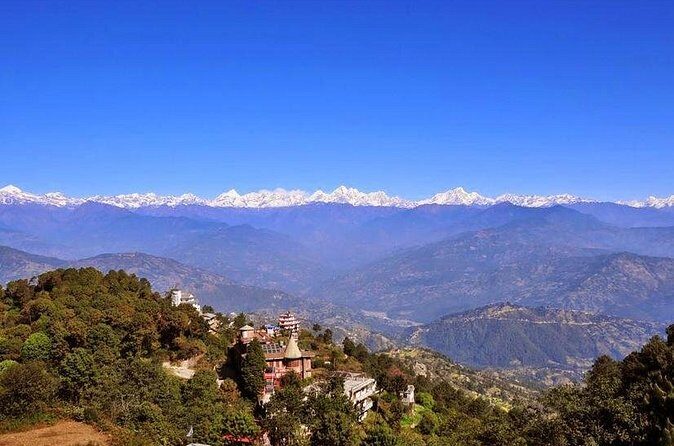
Not every heritage stop has to be a temple. Some of Bhaktapur’s best culture is also found in craft and art spaces.
Pottery Square (about 15 minutes, free entry)
This is a quick but meaningful stop. Bhaktapur’s crafts reflect the city’s continuity. If you like seeing daily traditions, you’ll get more out of this than you might expect from a short time window.
National Art Gallery (about 15 minutes, free entry)
This one is brief, but it gives you a different lens on what you’re seeing. It’s a chance to step back from the street and look at art through a curated frame.
These stops are also a good reminder: this tour isn’t just for architecture lovers. It works for people who want cultural texture without burning the entire day.
Extra stops in Kathmandu and Patan: why your schedule may look different than the headline
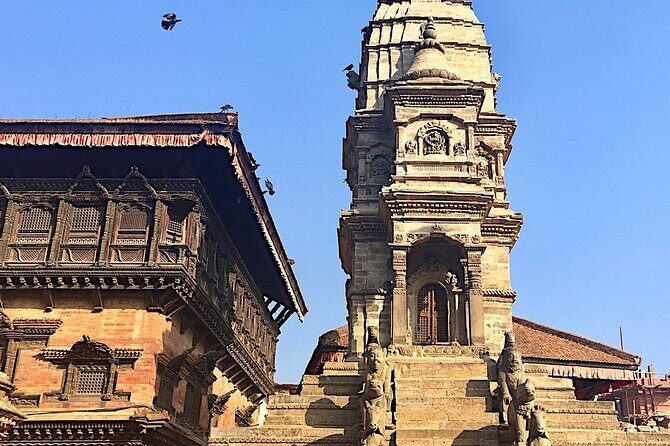
The route information includes several Kathmandu-area heritage places too, such as Kathmandu Durbar Square, Pashupatinath Temple, Patan Durbar Square, and Garden of Dreams, plus Taumadhi Square in Bhaktapur.
In practice, the day can feel more like a focused heritage highlight run than a strict “every stop listed” checklist. With an early departure, sunrise timing, and the drive back, your guide may prioritize the core Bhaktapur sites. If you’re seeing a shorter total day, it’s often because the itinerary protects the morning viewing window and keeps you on track to return.
So plan like this: treat Bhaktapur as the guaranteed heart of the trip, and view Kathmandu/Patan additions as possible extras depending on timing.
Price and logistics: why $60 can be good value, and what to budget anyway
At $60 per person, this is positioned as a full-day private outing. The price includes:
- hotel pickup and drop-off in Kathmandu city center
- private air-conditioned vehicle
- breakfast
- bottled water
- experienced English-speaking guide
That bundle matters. Private transport plus a guide plus breakfast is usually where costs add up quickly—especially when your schedule is tight and starts pre-dawn.
What’s not included (so you don’t get surprised)
Two big add-ons:
- Lunch: you’re told to expect around $10 USD purchased locally.
- Bhaktapur entrance fees: not included.
One guest reported city entry around US$30 per person, and also mentioned an additional US$7 sunrise-related ticket cost to access a nearby viewpoint area. It’s not stated as a universal rate for every traveler, but the takeaway is clear: bring extra cash for on-the-ground fees.
Is it still worth it?
If sunrise happens and you get solid time in Bhaktapur, this can be excellent value for a private day. If sunrise is completely washed out by fog, you may feel the same price but get less of the “Himalayas at golden hour” payoff. In that case, you’re paying primarily for the Bhaktapur heritage experience plus the convenience of a guide and driver.
Timing reality check: some days feel like a half-day
Even though the tour is described as full-day, the reality can be shorter. You’re leaving early, and the return timing depends on sunrise conditions and how smoothly the day flows.
Some schedules can have you back at your Kathmandu hotel by around late morning (around 10:15 has been noted). That doesn’t mean Bhaktapur wasn’t good—it means the day is structured so you don’t drift too long after the morning viewing.
If you want a true all-day roaming pace, you might need an itinerary designed for longer on-site time. For many people, though, this tour is exactly right: sunrise highlight, UNESCO highlights, done.
Private guide quality: names you might hear, and what to ask for
This tour runs with an English-speaking guide, and the day’s quality rises and falls with that guidance.
From past experiences shared with this operator, you may see guides such as Prakash, Jamuna, Krishna, Rajan, Dipu, and Kasim. Guests describe them as helpful with timing, photography, and historical explanations, and in at least one case the guide even supported a lunch arrangement when plans shifted.
What you can ask your guide on day one
- Where should we focus our time inside Bhaktapur Durbar Square?
- Are there specific viewpoints at Nagarkot that match what we’re trying to see?
- Can we build in extra minutes for photos at each major stop?
With a private format, these small changes can make the day feel more personal.
Getting ready: shoes, cold mornings, and how to handle the drive
This is a day with a lot of “start-stop energy.” You’ll ride in a vehicle for long segments and then walk around temples and squares.
For comfort:
- wear comfortable walking shoes
- dress for chilly pre-dawn weather
- carry a light layer you can remove later
- keep your camera/batteries ready early (cold drains power faster)
The vehicle is air-conditioned, and bottled water is included. That’s practical when you’re doing early morning travel followed by a warm-up lunch plan.
Should you book this Nagarkot sunrise and Bhaktapur private tour?
I think you should book it if:
- you want a private guide + private vehicle without spending hours organizing transport
- Bhaktapur’s UNESCO heritage is your main goal
- you can accept that sunrise is weather-dependent and you’re okay if clouds reduce the mountain drama
I’d hesitate if:
- you’re booking only for Everest-level visibility and you’re sure the sky must be perfect
- you need a guaranteed long afternoon of free roaming (this tour can run tighter on time)
- you hate last-minute uncertainty (local disruptions can happen on certain dates, and the day can shift)
My advice: if you book, go in with a flexible mindset. Treat the sunrise as a best-case bonus, and let Bhaktapur do the heavy lifting. When you get good morning weather, this combination is a strong Kathmandu-day solution: scenic, cultural, and efficiently guided.
FAQ
What is included in the tour price?
The tour includes hotel pickup and drop-off (from Kathmandu city center), breakfast, bottled water, a private air-conditioned vehicle, and an experienced English-speaking guide.
Is lunch included?
No. Lunch is not included, and you’re advised to expect around $10 USD for lunch purchased locally.
Do I need to pay entrance fees in Bhaktapur?
Yes. Entrance fees at Bhaktapur are not included. You should budget for entry while you’re there.
How long is the tour?
The duration is listed as about 5 to 7 hours.
What should I bring for Nagarkot sunrise?
Bring comfortable walking shoes, and the tour recommends taking binoculars for the best view of Everest on a clear day.
Is this a private tour?
Yes. It’s a private tour/activity where only your group participates (up to a maximum of 10 people per booking).