REVIEW · KATHMANDU
Kathmandu: Trisuli River Rafting Day Trip with Lunch
Book on GetYourGuide →Operated by Peak to Peak Treks · Bookable on GetYourGuide
Trisuli rafting is fast, wet, and worth it. This day trip from Kathmandu pairs Class II–III rapids with an included safety briefing and full rafting gear, so even first-timers can get on the water with confidence. My favorite part is how quickly the day turns into paddling fun, capped with a relaxed riverside meal afterward.
The catch is timing. The official day length may feel optimistic compared to how long the full day can take once the road time is added up, so you’ll want to plan for a long day instead of a short break.
In This Review
- Key Highlights You’ll Care About
- Trisuli River Rafting: The Real Vibe of a 7-Hour Day
- Hotel Pickup and the Drive to the River (and Why Timing Can Surprise You)
- Gear, English Safety Briefing, and How Class II–III Works
- On the Water: What Your 2–3 Hours Typically Feel Like
- Riverside Lunch and Relaxing by the Water After the Rapids
- What to Bring So You Don’t Spend the Day Uncomfortable
- Price and Value at $57: What You’re Actually Getting
- Who This Trip Suits (and Who Should Skip It)
- The Biggest Downsides to Plan Around
- Should You Book This Trisuli Day Trip?
- FAQ
- How long do you spend rafting on the Trisuli River?
- What is the total duration of the day trip?
- Is transportation included from Kathmandu?
- What rafting gear is provided?
- What rapids level is included?
- Is lunch included?
- Is swimming allowed?
- Are drones allowed?
- FAQ
- How long is the guide instruction and is it in English?
- What should I bring for the trip?
- Are there any age or health restrictions?
- What’s the cancellation policy?
- Can I reserve without paying right away?
Key Highlights You’ll Care About
- Hotel pickup and drop-off from Kathmandu, with transport bundled in
- Safety gear included: life jacket, helmet, and paddle
- A beginner-friendly mix of Class II and Class III rapids
- Riverside lunch after your run, plus time to cool off
- On-river time is usually a couple of hours, not a full-day paddle session
Trisuli River Rafting: The Real Vibe of a 7-Hour Day
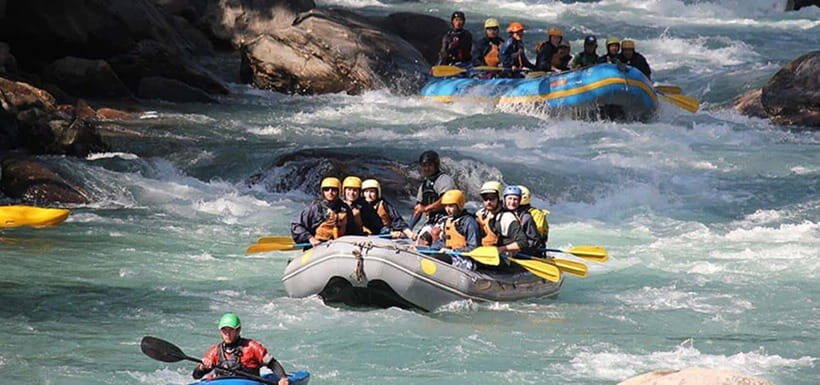
This is a white-water day trip built around one main goal: get you on the Trisuli River for a few action-packed hours. You start with a drive out of Kathmandu, then you switch gears to a structured rafting session with guides watching the line and keeping things safe.
What you’re paying for isn’t only the adrenaline. It’s the whole package: transport, gear, safety briefing, and a riverside lunch. That matters in Nepal, where the simplest way to enjoy outdoors time is often to let a reliable operator handle the logistics and equipment.
The rafting itself is described as Class II and III, which usually means playful rapids with some real push, but not the kind of scary technical rapids that demand advanced experience. You still need to listen during the briefing and follow instructions on timing and paddling, but you shouldn’t feel like you’re jumping into something extreme.
You can also read our reviews of more tours and experiences in Kathmandu


Hotel Pickup and the Drive to the River (and Why Timing Can Surprise You)
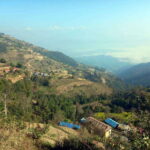
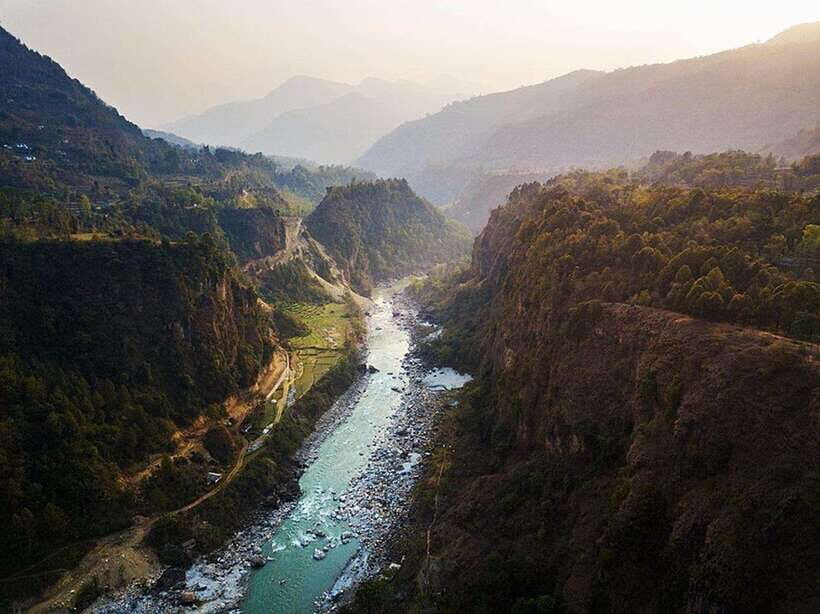
You’ll be picked up from your hotel in Kathmandu and driven to the rafting starting point. Along the way, you pass lush hills and terraced farmland, so the drive isn’t just a transfer—it’s part of the day’s scenery and mindset change.
Here’s the part to take seriously: people have reported that the time estimates can be off, with longer total days once transfer time is counted. Even if the rafting segment is a solid block, the full door-to-door experience can stretch well past the simple “7 hours” promise.
My practical advice: treat this like a full day out of Kathmandu. If you’re stacking it with other plans, give yourself a wide buffer for late afternoon or early evening return.
Gear, English Safety Briefing, and How Class II–III Works
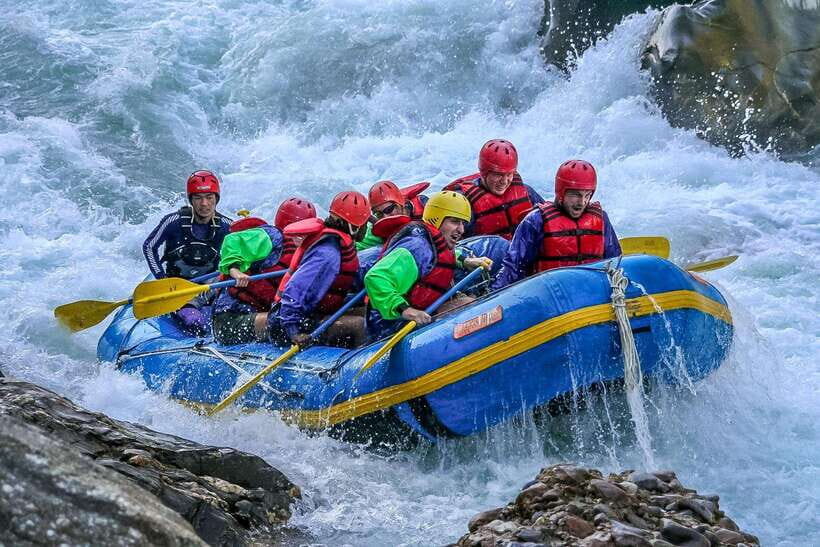
Before you hit the water, you’ll get a safety briefing and the equipment you need. That includes a life jacket, helmet, and paddle, plus guidance from the rafting team in English.
This briefing is where you get the rules for this river section: how to hold the paddle, when to paddle hard, when to relax, and what to do if you end up adjusting positions. Even if you’ve rafted before, pay attention—each river section has its own rhythm.
Class II–III rafting is a good target for many first-timers because it typically delivers:
- Noticeable waves and moving currents
- Clear moments to practice paddling on the fly
- Excitement without constant technical complexity
You’ll likely spend time changing into rafting clothes. Having quick-dry gear ready makes it easier to transition from “dry land” to “wet fun” without feeling miserable.
On the Water: What Your 2–3 Hours Typically Feel Like
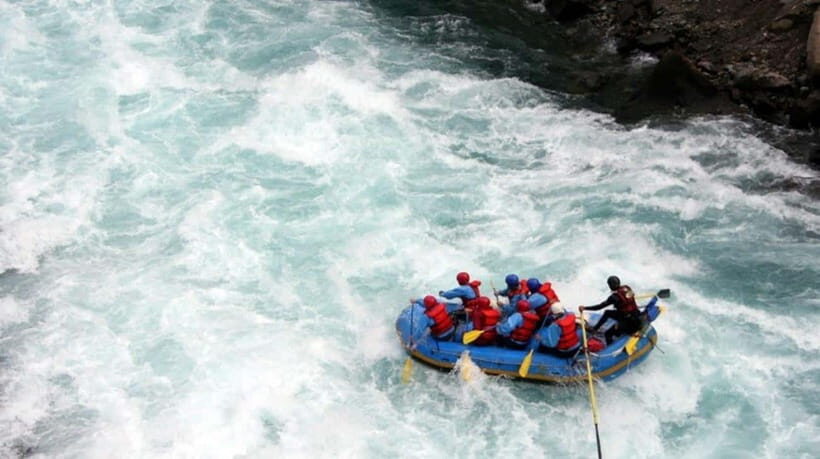
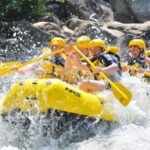
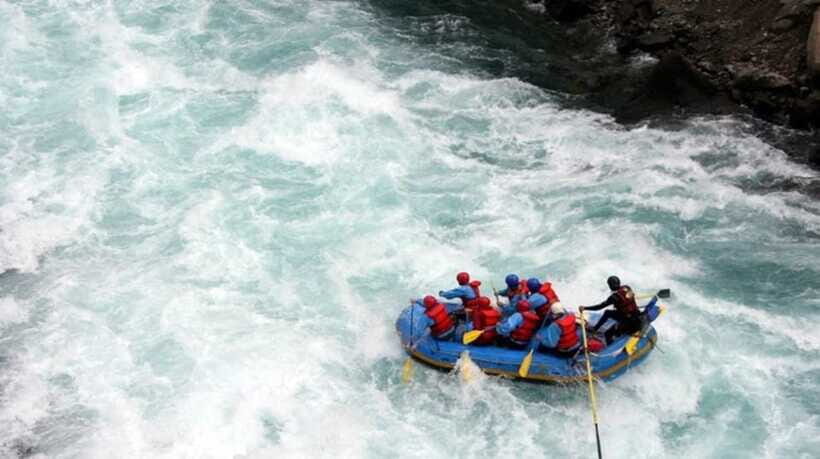
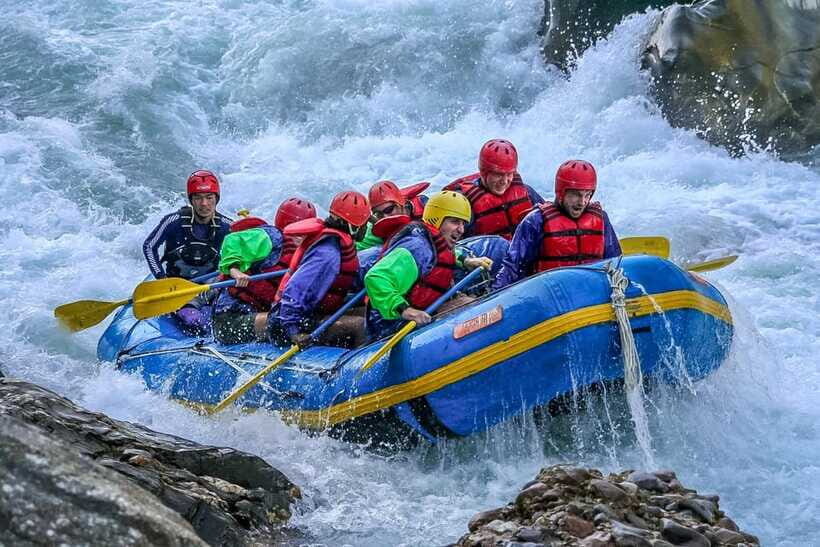
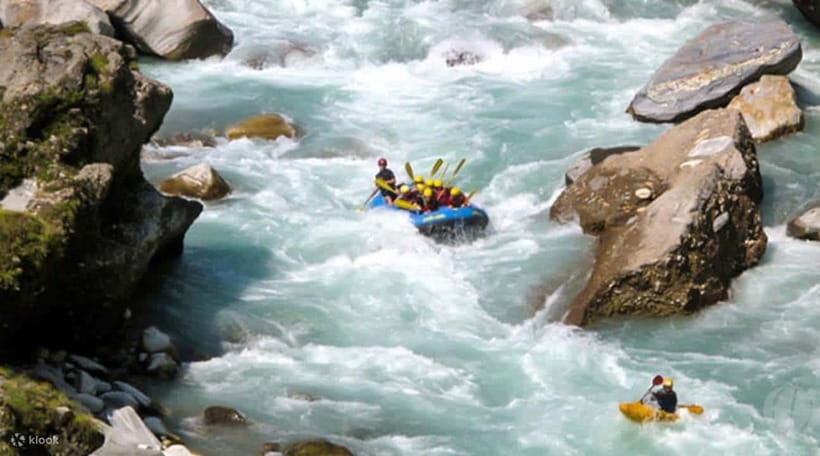
The included rafting time is 2–3 hours on the Trisuli River. That duration is enough for multiple rapids, some rowing rhythm, and a few moments where you look around and realize you’re actually in Nepal doing this.
During the run, you can expect the river to combine calmer stretches with faster-moving sections. That’s important because it changes your job: some moments you’re powering forward, other moments you’re just staying alert and ready to follow the next instruction.
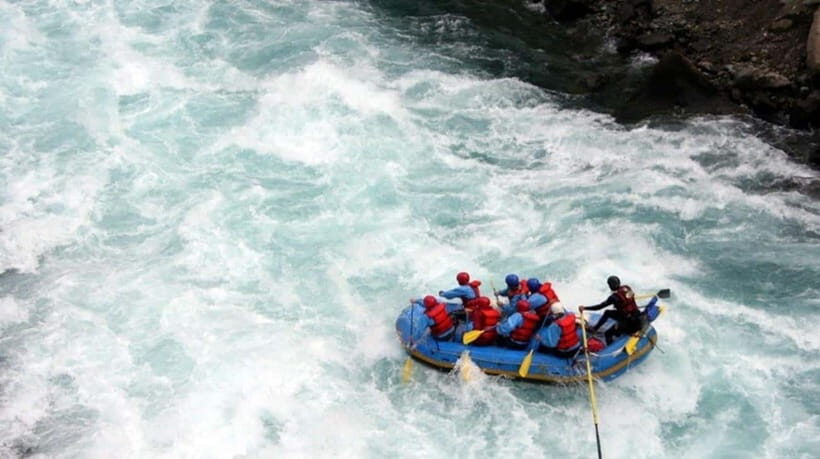
If you’re wondering what it feels like for beginners, think of it as controlled chaos. You don’t steer like a racecar, but you do contribute. When everyone paddles together, the raft moves like a single unit, and that’s when the river stops feeling overwhelming.
Also, plan on getting wet. Even if the rapids aren’t relentless, the Trisuli is a working river, and your clothes and skin will feel the effects quickly.
Riverside Lunch and Relaxing by the Water After the Rapids
Once you’re done rafting, you get a riverside lunch. This is a big part of why I like this kind of day trip: you don’t have to hunt for food after you’re already tired and wet. The meal is part of the operator’s plan, so you can focus on recovery.
You also get time to relax near the river. The activity includes the opportunity for swimming and cooling off, which can be great if you want to rinse off and reset your body after paddling.
After being in the sun (or at least the glare off water), a post-ride meal is morale-boosting. It also helps you avoid the common mistake of skipping food until you’re back in Kathmandu and then feeling wiped out for the evening.
You can also read our reviews of more tours and experiences in Kathmandu


What to Bring So You Don’t Spend the Day Uncomfortable
You’ll be more comfortable with a few essentials. Bring sunglasses, sunscreen, and quick-dry clothing, and plan to change into dry clothes afterward.
This is what matters most:
- A change of clothes (you’ll want it before your drive back)
- A towel (drying quickly beats trying to “air dry” in a vehicle)
- Sunscreen and sunglasses (the water and sun combo can be intense)
If you’re thinking ahead, pack clothes in a way that keeps “wet” separate from “dry.” You’ll feel smarter the moment you open your bag at the lunch stop.
Price and Value at $57: What You’re Actually Getting
At $57 per person, the value depends on what you care about: time on the river, the convenience of included gear, and having food handled. This price covers transportation from Kathmandu to the start point and back, rafting gear (life jacket, helmet, paddle), a safety briefing, 2–3 hours of rafting, and riverside lunch.
For many people, that’s the deal. If you tried to assemble transport and equipment on your own, you’d spend time negotiating and figuring out gear quality. Here, the plan is to remove that friction.
Just be honest about the biggest value risk: the day can run longer than expected due to transfer time. If you’re okay with a long outing and want the full package, the price can feel fair. If you have strict scheduling, the time mismatch can be frustrating.
Also note the activity is for a private group, which can be a plus if you prefer a less crowded feel and clear communication.
Who This Trip Suits (and Who Should Skip It)
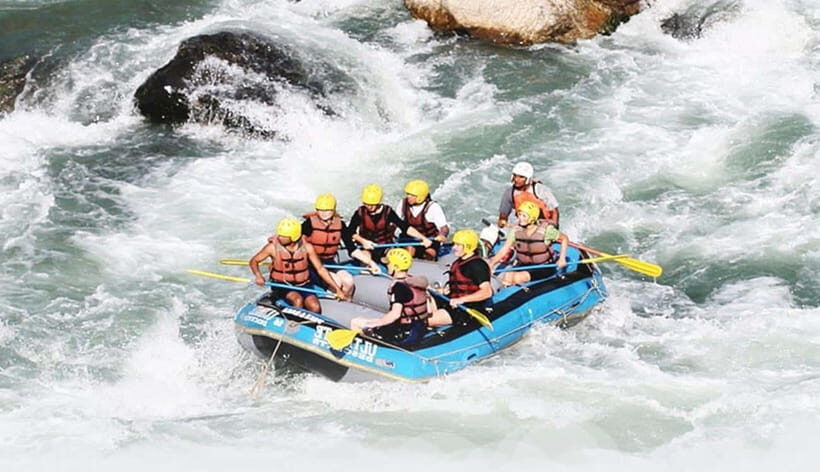
This is best for people who want a real taste of white-water rafting without going fully technical. The Class II–III mix is a good fit for novices and intermediate rafters, especially if you listen during the briefing and paddle when it matters.
That said, the activity comes with clear limits. It’s not suitable for pregnant women, people with heart problems, wheelchair users, and people over 95 years.
If you’re unsure about fitness, think practical. You’ll be in and out of a raft setup, wearing gear, and spending time in sun and water. If your body doesn’t handle that kind of activity safely, you’ll be better choosing something gentler.
The Biggest Downsides to Plan Around
This trip can be a blast, but there are two issues you should treat as real, not theoretical.
First: timing expectations. Some people found the activity duration and the overall day length didn’t match what they planned around. Since the schedule includes a scenic drive plus rafting plus lunch plus the return trip, the “short” feel can disappear quickly.
Second: operational reliability. In at least one case, the guide didn’t show up and the activity didn’t run with no refund. That’s not something you can fully predict from outside, but you can protect yourself by confirming details in advance and keeping your day flexible.
If you’re booking on a tight itinerary, consider building in a buffer day or at least avoiding other nonrefundable plans that depend on the rafting finishing early.
Should You Book This Trisuli Day Trip?
Book it if you want an organized, gear-included day on a beginner-friendly stretch of the Trisuli River. I think it’s a strong choice for first-timers who value a clear safety briefing, simple logistics, and a riverside lunch that lets you recover without extra searching.
Skip it or be cautious if you have strict timing needs or you’re traveling with tight connections. The most common frustration is that the day can run much longer than the headline duration suggests, and in rare cases the activity may not happen as expected.
If you do book, my advice is simple: plan for a long day, pack a proper change of clothes and towel, and confirm the pickup details the day before. Do that, and the adrenaline and river time are the part you’ll remember.
FAQ
How long do you spend rafting on the Trisuli River?
The trip includes 2–3 hours of rafting on the Trisuli River.
What is the total duration of the day trip?
The activity is listed as 7 hours, and starting times depend on availability.
Is transportation included from Kathmandu?
Yes. Transportation from Kathmandu to the rafting starting point and back is included.
What rafting gear is provided?
You’ll be provided with a life jacket, helmet, and paddle.
What rapids level is included?
The experience includes a mix of Class II and Class III rapids, suitable for beginners.
Is lunch included?
Yes. A riverside lunch is included after rafting.
Is swimming allowed?
The experience includes the opportunity for swimming and relaxation.
Are drones allowed?
No. Drones are not allowed.
FAQ
How long is the guide instruction and is it in English?
A safety briefing is provided by experienced guides, and instruction is listed as English.
What should I bring for the trip?
You should bring sunglasses, change of clothes, a towel, sunscreen, and quick-dry clothing.
Are there any age or health restrictions?
Yes. It’s not suitable for pregnant women, people with heart problems, wheelchair users, and people over 95 years.
What’s the cancellation policy?
Free cancellation is available up to 24 hours in advance for a full refund.
Can I reserve without paying right away?
Yes. There is a reserve now & pay later option listed.