REVIEW · KATHMANDU
Everest Base Camp Helicopter Tour landing at Everest View Hotel
Book on Viator →Operated by Himalaya Holiday service Pvt. Ltd.(HHS) · Bookable on Viator
Everest Base Camp feels far. This tour makes it feel possible. You get multiple landings and flyovers for views from both air and ground, plus an optional stop for breakfast at Hotel Everest View.
The big win here is how efficiently they bundle the flight with a real, high-altitude hotel moment—without you needing trekking gear. The one thing to keep in mind is that weather controls everything, so you may wait, switch timing, or have the trip canceled if visibility is poor.
In This Review
- What You’ll Actually See and Why It’s Worth It
- Key Highlights at a Glance
- Early Morning Kathmandu: The 6:15 Start That Makes or Breaks the Day
- Helicopter Logistics: Shared Seats, Aircraft Type, and What You Can Expect
- Group splitting can happen
- Front-seat photo time
- Route Highlights: Base Camp Flyover, Then the Lukla Refuel Look
- Everest View Hotel Breakfast: High-Altitude Views With a Reality Check
- Your comfort checklist
- Safety and Service: What Buddhi Bhatta’s Team Does Differently
- Price and Value: $1,575 Plus the Taxes You Should Budget
- Who This Tour Fits Best (and Who Might Hate It)
- Practical Packing and Photo Tips for a Better Day
- Should You Book This Everest Base Camp Helicopter Tour?
- FAQ
- What time does the tour start?
- How long does the experience take?
- Is this a shared helicopter or a private flight?
- Is breakfast included at Hotel Everest View?
- Are taxes and park fees included in the $1,575 price?
- Do I need to bring my passport original?
- What weight limits are there?
- What happens if the flight can’t operate due to weather?
- Do they pick you up from your hotel?
What You’ll Actually See and Why It’s Worth It
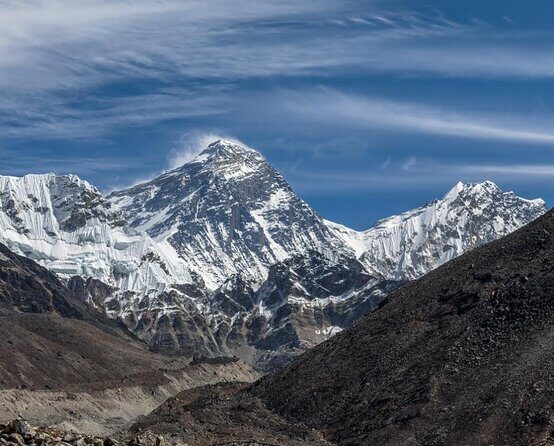
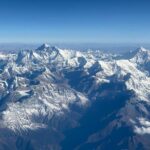
This is not a long, slow Everest experience. Your helicopter time is short, but your views are not. You’ll fly over the Base Camp area, then head toward Lukla, where trekkers begin their Everest trek route—and yes, you’ll see the town area from above during a refuel stop.
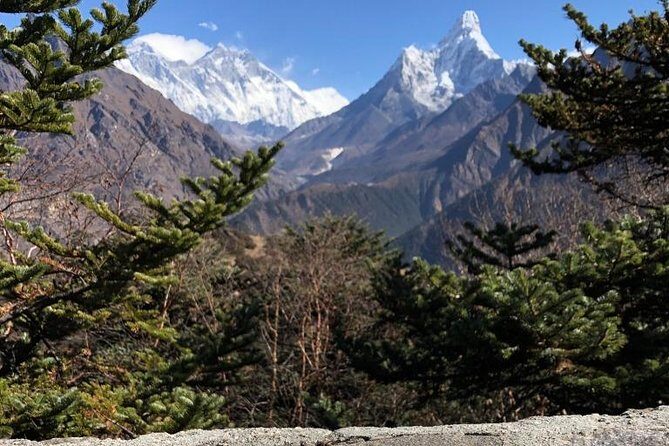
On the ground, the tour adds a grounding (literally) moment at Hotel Everest View—breakfast is optional and subject to conditions. If you hate uncertainty, this won’t be your favorite thing. But if you can accept that the Himalayas don’t care about your schedule, it’s a wonderfully practical way to get close to Everest.
Key Highlights at a Glance
- Flyover-first planning with multiple landings: you get views in the air and time on the ground.
- Shared helicopter format: joining-group flight with 5 passengers plus a pilot.
- Lukla refuel stop: a quick look at the gateway town for Everest trekking.
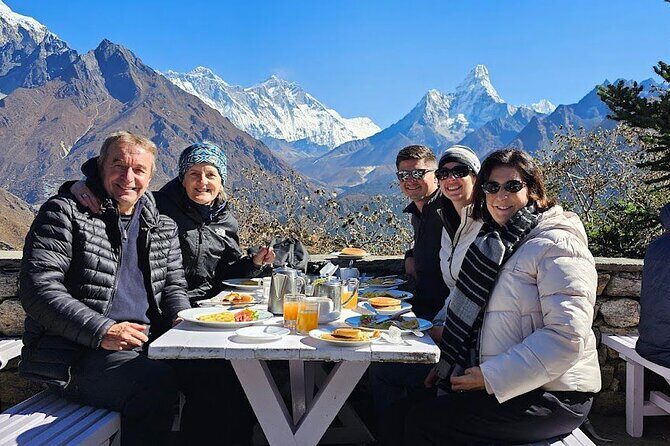
- Optional breakfast at Hotel Everest View: subject to weather, with spectacular mountain sightlines.
- In-person pre-trip briefing: face-to-face safety and expectations briefing the day before.
- Front-seat rotation possible: some passengers get a chance to sit near the pilot during the flight.
You can also read our reviews of more tours and experiences in Kathmandu
Early Morning Kathmandu: The 6:15 Start That Makes or Breaks the Day
Your day starts very early. The scheduled start time is 6:15 am, and the whole experience is about 4 to 5 hours from pickup through the return. That early start matters because helicopters are weather-and-visibility dependent. The operator flies only on good days, so they plan around atmospheric timing, not around your sleep schedule.
Pickup is from your Kathmandu hotel, with drop-off back at your hotel afterward. You’ll need to share your hotel name and address so they can give you the pickup time. If you’re staying somewhere central, great. If you’re at the far edges of the city, build in a little extra “getting ready” time so you don’t feel rushed before you’re even dressed for the mountains.
One more practical note: this is shared, joining-group travel. That usually means you should expect a little group flow through the airport rather than a totally private experience. It’s still organized, but it’s not “everyone instantly boards like a luxury transfer.”
Helicopter Logistics: Shared Seats, Aircraft Type, and What You Can Expect
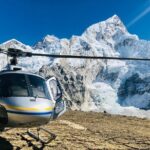
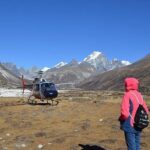
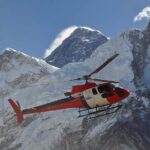
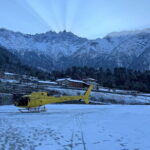
This is a joining-group flight in a shared helicopter with 5 passengers plus a pilot. The helicopter models mentioned for this tour are Airbus H125 and Eurocopter 350, depending on the day and operations.
The flight time listed is about 3 to 4 minutes, and that’s the part that shocks people who assume the day will be mostly flying. In practice, you’re trading long airborne time for high-impact views: short flights, then ground stops and brief segments. That’s why the day still takes 4 to 5 hours overall. You’ll likely spend time waiting for weather clearance, transitioning through the airport, and positioning at the next point on the route.
Group splitting can happen
There’s also a specific operational note about larger groups. If more than 3 passengers are flying together, there’s a chance they split departures (for example, sending 2 people first, then the rest). The intent is “flyover mainly,” meaning the plan is focused on maximizing what you see rather than just getting everyone to one spot.
Front-seat photo time
In some cases, passengers can rotate onto the front seat next to the pilot. That’s a big deal for photos and videos because you get a better angle than you typically do from the side seats. Even if you don’t get the front at every moment, you’ll still have plenty of windows for peak visuals.
If you’re a serious photographer, this is the kind of trip where having a second person who can shoot while you manage your own camera helps a lot. One useful mindset: shoot short bursts, then look with your eyes. Everest rewards both.


Route Highlights: Base Camp Flyover, Then the Lukla Refuel Look
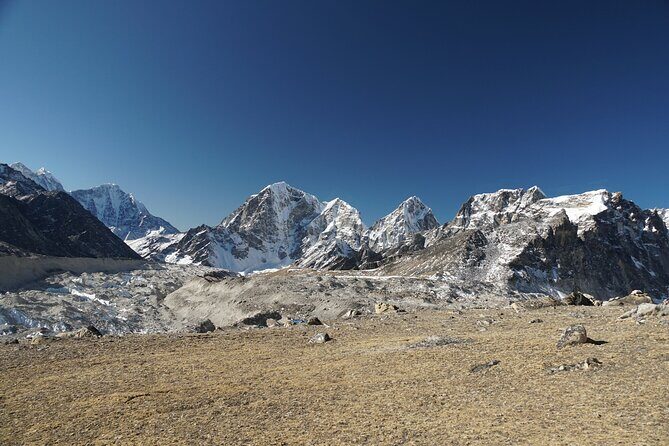
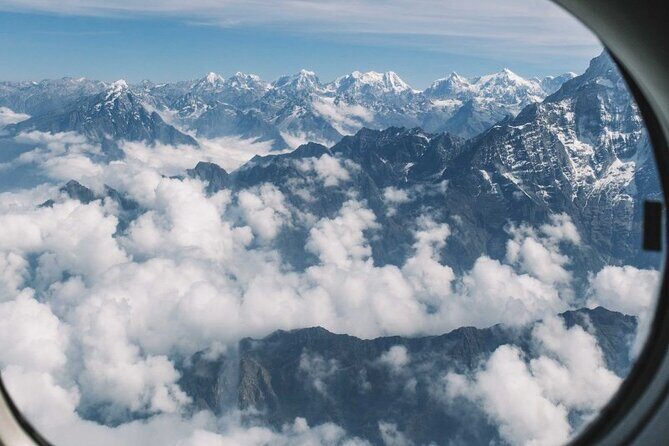
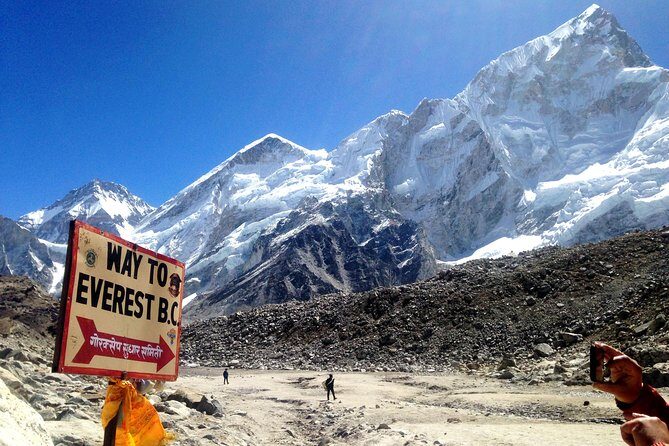
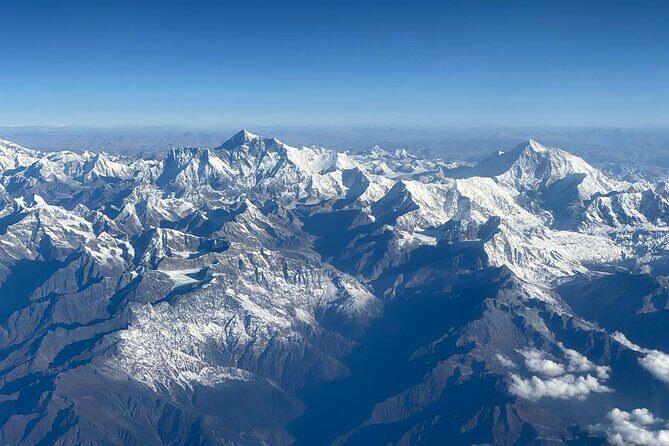
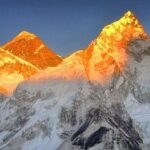
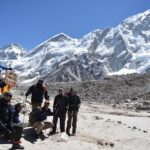
The route begins at Kathmandu airport and then heads toward the Everest Base Camp area for a flyover of the highest viewpoint of the Base Camp area. That first flyover is your main “wow” moment, because it’s the part where you see the Everest region in relation to the Base Camp area without committing to an actual trek.
After that, the tour continues toward Lukla Airport. The stop at Lukla is for fuel purposes, but you still get the rare perspective that most trekking travelers only experience at the start of their hike: you’re looking at the gateway from above, and it helps you connect the map dots between Everest Base Camp and the world’s most famous trek “jumping-off point.”
Lukla is where trekkers typically land before they start their Everest journey. Even though your stop is short, it gives context. Everest stops feeling like a single mountain and starts feeling like a region with stages—and you suddenly understand why trekkers talk about timing and weather so much.
Everest View Hotel Breakfast: High-Altitude Views With a Reality Check
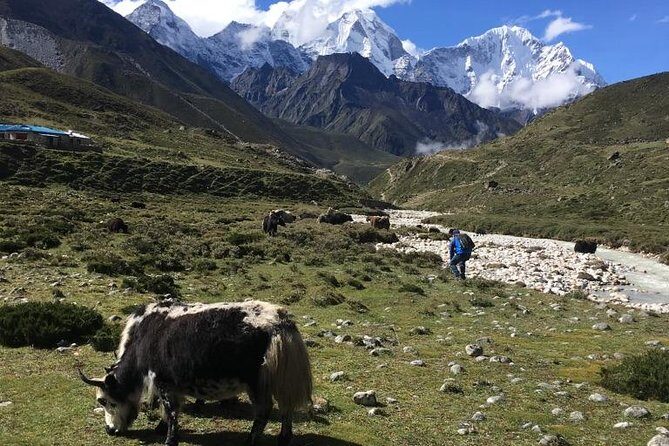
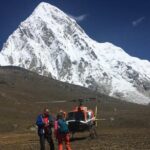
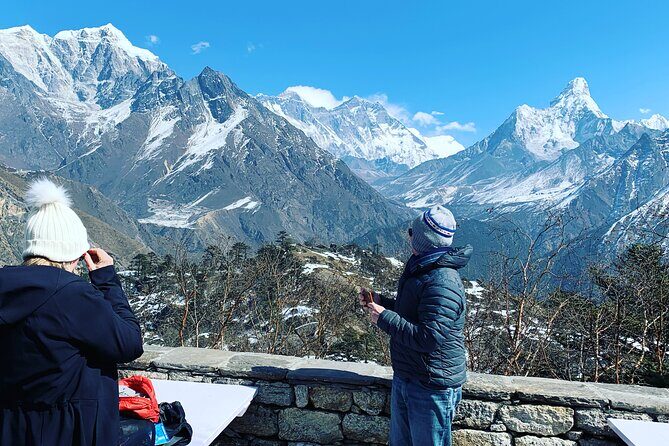
The tour includes an optional stop at Hotel Everest View for breakfast. The stop duration is listed at about 45 minutes, and it’s explicitly subject to weather. That matters because on a clear day, you’ll want time to look around and soak in the view. On a low-visibility or rapidly changing day, your time may be shorter than you hoped—or you may not take the full breakfast plan.
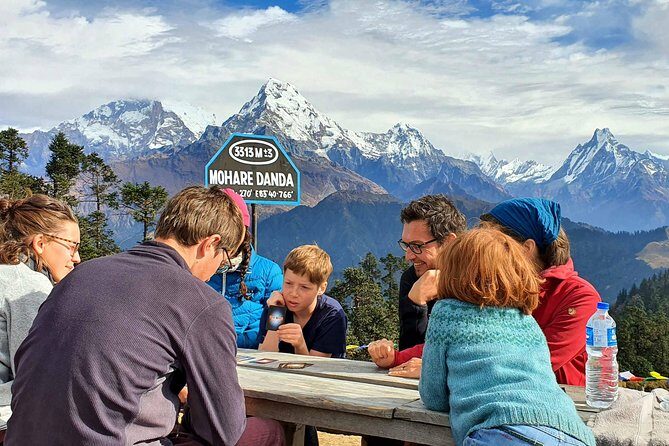
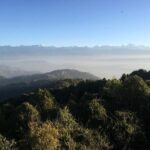
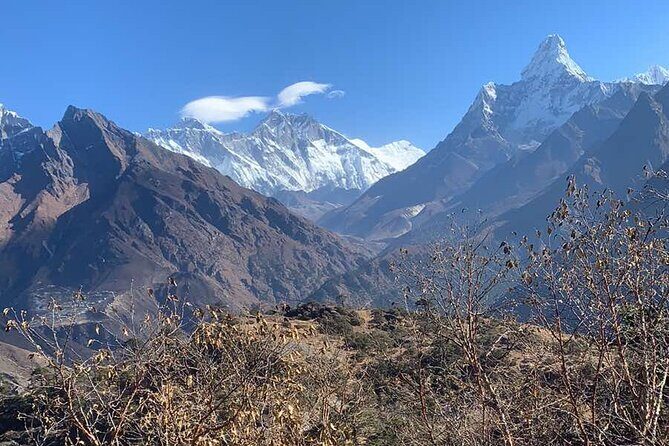
This is also one of the best practical reasons to consider this tour instead of only doing a scenic flight. A flight gives you angles. A hotel stop gives you a sense of scale. You’re high enough to feel the altitude in your breathing, and the viewpoint is designed for looking outward—so you’re not just staring at clouds from a window.
Your comfort checklist
They recommend bringing warm clothing for roughly 0°C in summer and around -1°C for winter at higher points, plus a warm jacket. If you’re planning to wear only light layers, don’t. This is one of those days where “I’ll just tough it out” becomes “I’m cold and can’t enjoy the moment.”
Breakfast itself may be generous. If you choose it, plan on a meal that’s meant to be shared or paced. That’s especially helpful if you’re also carrying a camera bag, holding a warm drink (if available), and trying to stay focused on the views rather than the logistics.
One extra real-world thing: sometimes you might have to wait while helicopter operations handle other needs. If that happens, it’s not a bad sign—it’s just how busy and weather-dependent the area can be.
Safety and Service: What Buddhi Bhatta’s Team Does Differently
One name shows up again and again in this experience: Buddhi Bhatta (listed as the owner/point of contact). What matters for you isn’t the name—it’s the process.
There’s a face-to-face pre-trip briefing the day before, plus free consultation with an expert. That’s not just “here’s the schedule.” It’s the kind of talk that reduces anxiety when you’re about to sit in a helicopter and fly toward high altitude terrain. When you understand what might happen—weather delays, short windows, safety decisions—it’s easier to stay calm if the day changes.
A consistent theme in the feedback is that safety is treated as priority. That’s reflected in how operations handle weather and limited visibility. If a takeoff isn’t safe, you don’t gamble. The best part for you is that the operator doesn’t just say safety matters—they follow through when conditions aren’t right.
Also: communication is a key part of the value. When your itinerary depends on the sky, you want a team that stays in contact and explains what’s happening.
Price and Value: $1,575 Plus the Taxes You Should Budget
The price listed is $1,575 per person for the helicopter tour. That’s a lot of money in anyone’s language. But helicopter access to Everest isn’t a casual sightseeing add-on—it’s an expensive operation: pilots, aircraft, fuel, air permissions, and weather timing.
What you do get in the included package:
- A shared helicopter flight with joining-group format
- Hotel pickup and drop-off
- Views and routing focused on the Everest Base Camp area and the Lukla stop
- Face-to-face pre-trip briefing
- Mobile ticket
What you should budget extra:
- National park fees, municipal tax, and airport tax, listed as USD 55 per person
- Meals (if you choose optional food plans)
So, the real way to think about value is this: you’re paying for a guided, organized, safety-forward way to get near Everest without paying the time and physical demands of a multi-day trek. If you have only a few days in Nepal, this can be the most efficient way to check the Everest bucket list—especially if you time your visit when weather tends to cooperate.
Also, the operator states that if no flight happens, you receive a full refund. That reduces the risk compared to some “conditions apply” tours that vanish quietly.
Who This Tour Fits Best (and Who Might Hate It)
This helicopter experience fits best if:
- You want an Everest look without trekking for 10–12 days
- You can handle an early morning start
- You can dress warmly and comfortably for cold, windy conditions at higher viewpoints
- You’re okay with weather-based changes
It’s probably not ideal if:
- You hate waiting. (You may stand around during weather clearance.)
- You need a guaranteed schedule down to the minute.
- You’re uncomfortable with altitude effects, even if the stop durations aren’t long.
If you’re traveling in a group, this shared format can be a good way to spread the cost of an aircraft that’s otherwise wildly expensive. If you’re traveling solo, it can still be worth it if Everest is truly a priority and you’d rather spend your budget than your days hiking.
One smart strategy: don’t treat this as a “single-day, zero-flex” plan. A common tip from experienced travelers in this region is to give yourself a few days in Kathmandu so you have backup options if the weather doesn’t play nicely. Even if you can refund, it feels better when you can rebook without panic.
Practical Packing and Photo Tips for a Better Day
Even though your helicopter time is brief, conditions at high elevation can be cold. Bring a warm jacket from home. They specifically advise warm dressing appropriate to roughly 0°C conditions in summer and around -1°C in winter for higher points. In winter, they also mention bringing a jacket for about -2°C.
A few photo tips that will genuinely help:
- Your window time is limited, so shoot in short bursts
- Take photos early, then look with your eyes so you remember it properly
- If you can, bring a companion who’s willing to take photos while you switch between viewing and shooting
If you want to identify mountains fast, one useful suggestion from an Everest viewer was downloading the AlpineGuide app, which labels mountains and heights using your device connection. It won’t fix weather, but it can make the views feel less random.
Should You Book This Everest Base Camp Helicopter Tour?
If you’re chasing an Everest experience that feels both real and efficient, I think this is an easy yes—with one condition: you must be okay with weather-driven timing.
Book it if:
- Everest is a bucket list priority
- You’re short on time in Nepal
- You want the combination of flyover views plus a hotel viewpoint stop
Skip or rethink it if:
- You absolutely need the schedule to be fixed
- You dislike cold-weather layers and waiting on logistics
- You’d be disappointed by a day that’s controlled by visibility
If you do book, give yourself extra time in Kathmandu, dress warm, and focus on the moments you can control: photo timing, window angles, and staying calm when the sky decides the plan.
FAQ
What time does the tour start?
The start time listed is 6:15 am in Kathmandu.
How long does the experience take?
It’s listed as approximately 4 to 5 hours total.
Is this a shared helicopter or a private flight?
It’s described as a joining-group shared helicopter flight with 5 passengers and a pilot.
Is breakfast included at Hotel Everest View?
Breakfast is optional at Hotel Everest View and is subject to weather.
Are taxes and park fees included in the $1,575 price?
No. National park fees, municipal tax, and airport tax are listed as an additional USD 55 per person.
Do I need to bring my passport original?
No original passport is needed. A passport copy works, and a phone picture is acceptable.
What weight limits are there?
Total weight per passenger is listed as 265 lbs. Passengers over 100 kg should message the operator after booking.
What happens if the flight can’t operate due to weather?
The experience requires good weather. If it’s canceled due to weather or there’s no flight, you’ll be offered an alternative date or receive a full refund.
Do they pick you up from your hotel?
Yes. Hotel pickup and drop-off are included, and you’ll provide your hotel name and address so they can set your pickup time.