REVIEW · KATHMANDU
Patan and Bhaktapur Boutique Tour
Book on Viator →Operated by Amazing Kathmandu Tours · Bookable on Viator
Two UNESCO cities in one long, satisfying day. This Patan and Bhaktapur Boutique Tour strings together classic sights plus street-level stops that explain how daily life ties into faith and craft. I especially like the focus on Patan Durbar Square and Bhaktapur Durbar Square, and I like that the tour keeps things tight with a small group (max 10) and an AC vehicle.
The main thing to consider is cost at the door: key sites have entrance fees not included, and you’ll need cash for at least the Durbar Square admission.
In This Review
- Key things you’ll notice on this tour
- How this Patan and Bhaktapur tour feels (and why it works)
- Price, time, and small-group value in plain numbers
- Pickup timing and where you’ll start your day
- Patan Dhoka to Durbar Square: gates, water, and Buddhist-gilded serenity
- Golden Temple (Hiranya Varna Mahavihar): what to expect
- Manga Hiti and Patan Museum: small stops that add depth
- Bhaktapur Durbar Square and Pottery Square: the city feels more “lived-in”
- Pottery Square: watch the hands at work
- Taumadhi Square and Nyatapola Temple: a “look up” moment
- Dattatraya Temple: the peacock window and Hindu unity
- Getting your day right: pace, footwear, and moderate fitness
- Tickets, entrance fees, and the cash you’ll want ready
- Guides and stories: how the tour turns buildings into meaning
- Should you book this Patan and Bhaktapur Boutique Tour?
- FAQ
- What is the tour price?
- How long is the tour?
- What time does the tour start?
- Where does the tour meet?
- Is WiFi and air conditioning included?
- What does the tour include?
- What is not included in the price?
- Are the Durbar Square entrances expensive?
- Is it a small group tour?
- Is the tour suitable for children?
Key things you’ll notice on this tour
- Small group size (up to 10): easier pacing and less crowd-pressure at tight courtyards
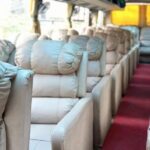
- AC vehicle + onboard WiFi: helpful for a 9.5-hour day with road time
- Both UNESCO squares get real time: not just a photo stop and rush off
- Craft-focused Patan and Bhaktapur moments: stone spouts and pottery stalls add texture
- A few free stops with real stories: serpent courtyards and gate artwork keep it interesting
How this Patan and Bhaktapur tour feels (and why it works)
This is the kind of day trip that helps you see Kathmandu Valley as one connected world, not two separate checklists. You start in Patan around its historic gateways and courtyard culture, then shift to Bhaktapur’s tighter, more ceremonial city layout—where temples, squares, and craft work feel built into everyday movement.
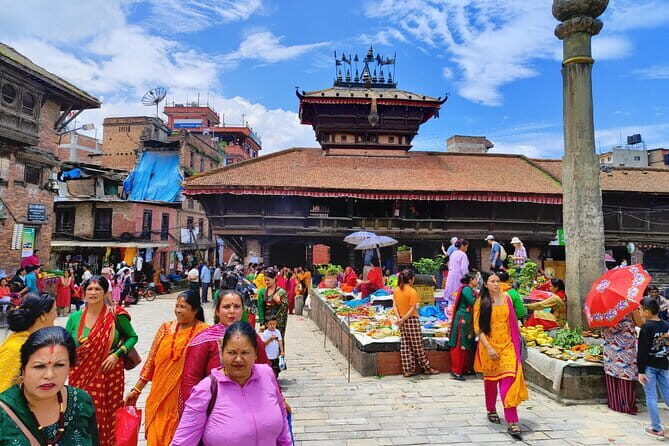
What makes it especially good value is the balance. You get the big-name buildings (including the Golden Temple in Patan and Nyatapola Temple in Bhaktapur), but you also stop at places that reveal how people lived: a traditional water stone spout, a serpent courtyard tied to a major festival cycle, and a pottery square where you can watch artisans at work.
The pace is built for moderate walking and some time on your feet in heritage areas. If you prefer “see everything fast,” you might want a different format. If you like slowing down just enough to understand what you’re looking at, this route is a strong match.
You can also read our reviews of more tours and experiences in Kathmandu.


Price, time, and small-group value in plain numbers
The tour costs $40 per person and runs about 9 hours 30 minutes. That duration matters because it usually covers real transit time between sites, guided stops, and also a lunch/coffee stop window (though lunch itself isn’t included).
You’re also paying for logistics that can be surprisingly costly if you DIY everything: an air-conditioned vehicle, WiFi on board, and a guide. With a maximum of 10 travelers, you’ll typically get better explanations than on big bus tours, especially in smaller courtyards where the space gets tight.
Entrance fees are the wildcard. Durbar Square admission in both cities and some temple museum-style stops can add cost on the day, so I’d budget extra and bring cash ready.
Pickup timing and where you’ll start your day
The tour starts at 8:30 am. Your meeting point is at Filli Chai, with the address noted as Kathmandu Guest House Rd, Kathmandu 44600, Nepal.
You’ll also see the tour described as having convenient pickup from Boudha and from the KGH Hotel in the Thamel area, so depending on where you’re staying you may have an easier join point than if you were trying to get to Patan by yourself.
Practical tip: Kathmandu mornings can still feel busy even early. Since the schedule is long, try to arrive a few minutes early and keep your essentials handy—water, sun protection, and a light layer.
Patan Dhoka to Durbar Square: gates, water, and Buddhist-gilded serenity
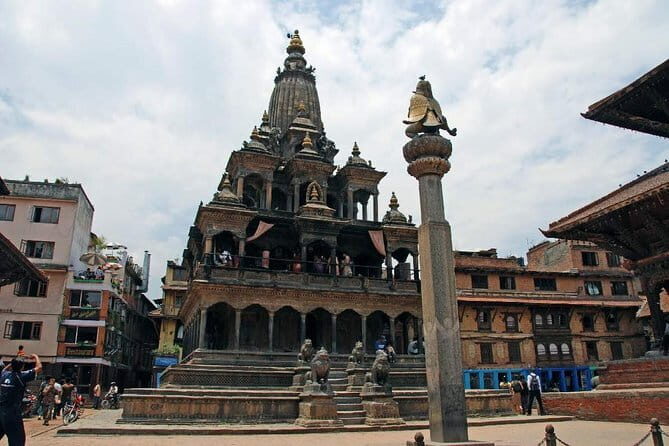
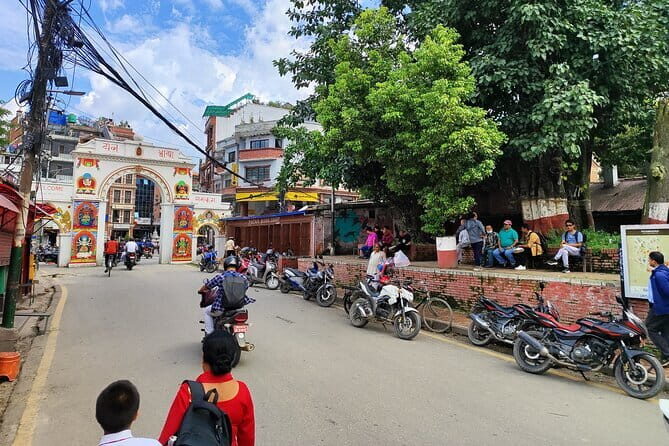
Your day opens right at Patan Gate (Patan Dhoka), the historic entrance to the city. The gate is decorated with paintings of the Asta Matrika, the eight mother goddesses. Even if you’re not a serious art-history person, this is a smart opener because it frames Patan’s identity as a place where myth and architecture share the same wall.
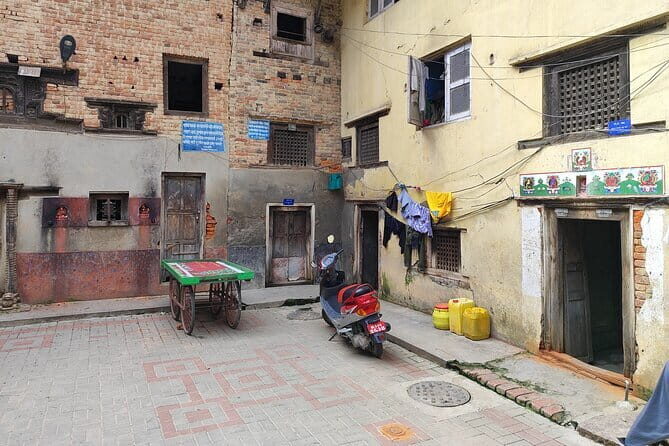
Next comes Pimbahal, where the stop is less about monuments and more about daily practice—how ancient visitors, pilgrims, and traders cooked, fetched water, and rested. You’ll also hear a story connected to Gaya Baje, a Hindu priest, which is the kind of detail that turns a random courtyard into something you can actually picture.
Then you’ll walk through Nag Baha Galli, a courtyard dedicated to serpents. It’s tied to the Samyak Mahadan celebration, which happens every five years, making this stop feel like a living tradition rather than a static photo background.
Golden Temple (Hiranya Varna Mahavihar): what to expect
The Golden Temple in Patan is a three-story pagoda with a gilded roof and intricate carvings, dedicated to Gautam Buddha. The payoff here is atmosphere: it’s described as a serene sanctuary, and you’ll likely feel that shift from city streets into a calmer, more devotional space.
One important detail: the Golden Temple admission is not included in the tour price. If you’re trying to stay within a tight budget, keep that in mind when you plan your cash.




Manga Hiti and Patan Museum: small stops that add depth
After the temple pause, you visit Manga: Water Stone Spout (Manga Hiti / Manga Dhara). This is a historic stone water spout said to date to the Lichhavi period, with carved gods and detailed design work. It’s one of those “tiny but meaningful” stops that helps you understand why Nepal’s heritage often starts with water systems, not only palaces.
Then there’s Patan Museum, housed in a restored Malla-era palace. Museum time here is a nice move because it gives context for what you’ve been seeing in the streets—especially if you want your day to feel like more than snapshots.
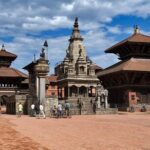
After that, the tour spends time at Patan Durbar Square, a UNESCO site. You’ll see intricately carved temples, peaceful courtyards, and the old royal-palace setting tied to the Malla kings. This is where Newar architectural skill becomes obvious even if you don’t know the technical terms.
Bhaktapur Durbar Square and Pottery Square: the city feels more “lived-in”
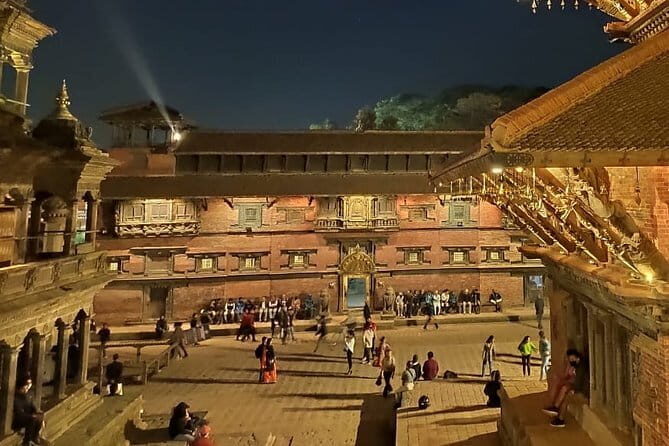
After Patan, the tone changes. Bhaktapur can feel more enclosed, more ceremonial, and more focused on squares and temples as the center of life. This is where the tour’s “craft and tradition” theme clicks in a different way than in Patan.
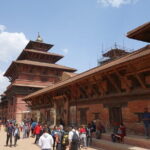
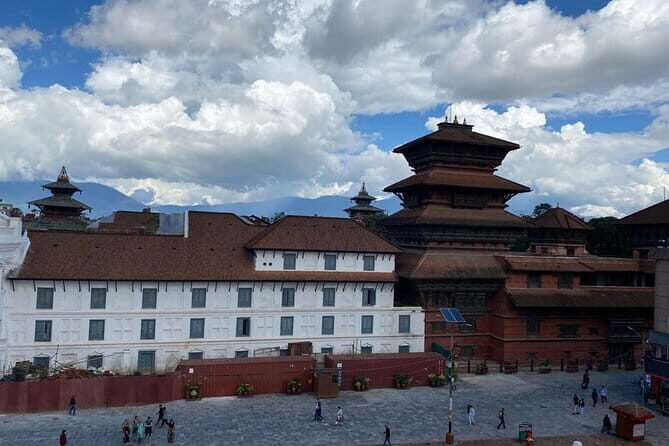
At Bhaktapur Durbar Square (another UNESCO World Heritage Site), you’ll spend time among ancient temples and court-like spaces. The tour description also calls out major highlights you should keep an eye out for, including the 55-Window Palace, the Golden Gate, and Nyatapola Temple as part of this area’s big visual statements.
Pottery Square: watch the hands at work
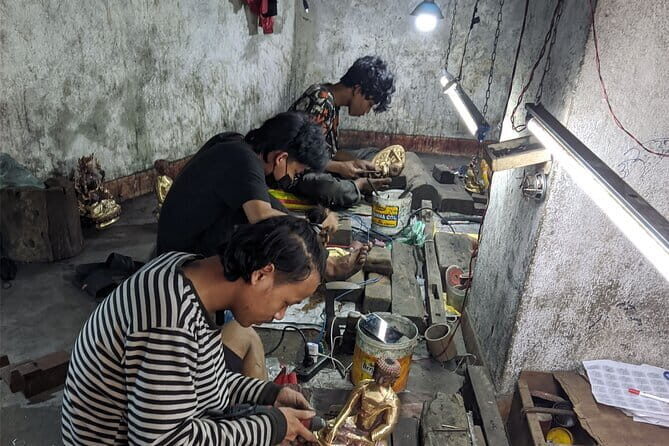
Next is Pottery Square, a lively area famous for traditional pottery-making. This stop is valuable because it turns Bhaktapur from architecture into process—you get to see artisans creating and selling handmade clay pottery rather than just admiring finished buildings.
If you like souvenirs, this is the moment to shop thoughtfully. I’d treat it like a place to browse slowly and ask questions, since pottery-making is the whole point of the stop.
Taumadhi Square and Nyatapola Temple: a “look up” moment
At Taumadhi Square, you’ll visit Nyatapola Temple, described as a five-story temple and one of Nepal’s tallest and most beautiful temples. It’s dedicated to the goddess Siddhi Lakshmi, and it’s visually dramatic enough that you’ll feel it even if you only look up for a minute.
Again, entrance for some of these sites is not included, so expect that small pile of tickets to be part of your day.
Dattatraya Temple: the peacock window and Hindu unity
Then you’ll stop at Dattatraya Temple in Dattatraya Square, home to a historic temple dedicated to Dattatraya, who embodies the unity of Brahma, Vishnu, and Shiva. The square is also known for the Peacock Window, a detail that’s easy to miss if you’re rushing—so take your time here.
Some of the itinerary’s smaller stops are listed as free (like Dattatraya), which helps balance out the paid parts.
Getting your day right: pace, footwear, and moderate fitness
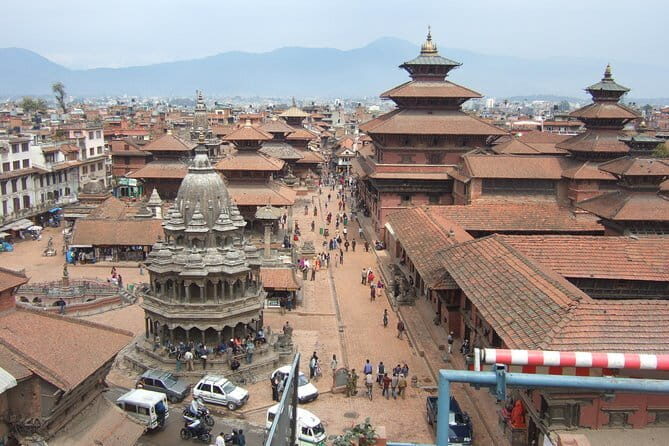
This tour is designed for travelers with moderate physical fitness. That usually means you should expect walking on uneven heritage-stone surfaces and time spent standing in courtyards and around temple entrances.
Also note the age rule: the minimum age is 9 years, and children under 9 aren’t allowed to sit on a lap due to insurance limits. If you’re traveling as a family with younger kids, check if this format will work with the group rules before you commit.
Practical comfort advice: wear shoes you can trust for stone steps and cobbled paths, and plan for warm conditions. The itinerary doesn’t include long stretches of rest between major sites, so it helps to have a steady rhythm.
Tickets, entrance fees, and the cash you’ll want ready
Here’s the part that can surprise people: many of the stops are free, but the paid ones are the big, high-focus sites.
- Patan Gate and several courtyard stops like Pimbahal and Nag Baha Galli are listed as free
- Golden Temple is not included
- Patan Museum is not included
- Durbar Square admission is not included and is listed as NRP 1000 (about US$9), paid in cash at the entrance
- You’re also recommended to make a minimum NRP 100 donation to the Royal Kumari
That last line matters because it’s specific guidance for how admission may be handled. If you want to avoid delays, carry enough Nepalese rupees for both the main Durbar Square and any smaller ticket moments.
Guides and stories: how the tour turns buildings into meaning
A day like this lives or dies by the guide’s ability to connect what you see with what it used to do. The tour includes a guide, and the tone of the stories is exactly what makes stops like Nag Baha Galli and Pimbahal worth more than a quick walk-through.
If your guide is someone like Shreya Karki (named in feedback as amazing and strong on culture, history, and traditions), you can expect explanations that make the architecture feel less like a puzzle and more like a language. There’s also mention of a guide named Santosh in other Kathmandu touring feedback, with the same theme—clear cultural storytelling.
Even when you don’t know the background, you’ll likely notice patterns: gods and goddesses are carved into gateways and windows; water structures get decorated; and temples are tied to specific devotional identities. That’s what you want from a guide on a heritage day—context you can keep using while you’re still there.
Should you book this Patan and Bhaktapur Boutique Tour?
I think it’s a strong choice if you want a guided, structured day that hits UNESCO highlights without turning the whole experience into a rushed stop-and-snap list. The small group size, AC vehicle, and onboard WiFi help you stay comfortable for a long day, and the route includes enough everyday-life stops—like Manga Hiti and Pottery Square—that it won’t feel like only temples.
Skip it or consider an alternative if you know you dislike on-the-day ticket spending. With Durbar Square admission in cash and extra paid sites like Golden Temple and Patan Museum, you’ll want to plan for that extra budget.
FAQ
What is the tour price?
The tour costs $40.00 per person.
How long is the tour?
The duration is about 9 hours 30 minutes.
What time does the tour start?
The start time is 8:30 am.
Where does the tour meet?
The meeting point is Filli Chai on Kathmandu Guest House Rd, Kathmandu 44600, Nepal.
Is WiFi and air conditioning included?
Yes. The tour includes WiFi on board and an air-conditioned vehicle.
What does the tour include?
It includes an air-conditioned vehicle, WiFi on board, and a guide.
What is not included in the price?
Lunch is not included, and entrance fees are not included. Durbar Square admission has to be paid in cash at the entrance.
Are the Durbar Square entrances expensive?
Durbar Square entrance is listed as NRP 1000 (about US$9) and should be paid in cash at the entrance. A donation of at least NRP 100 to the Royal Kumari is recommended.
Is it a small group tour?
Yes. The tour has a maximum of 10 travelers.
Is the tour suitable for children?
The minimum age is 9 years, and children under 9 are not allowed to sit on your lap for insurance reasons.