REVIEW · KATHMANDU
Nagarkot Sunrise With 7 UNESCO World Heritage Private Tour
Book on GetYourGuide →Operated by Mount Glory Treks · Bookable on GetYourGuide
Sunrise in Nagarkot feels unreal. This private 12-hour trip pairs Nagarkot sunrise over the Himalayas with a day of Kathmandu Valley UNESCO stops, all handled by an English-speaking guide and an AC vehicle.
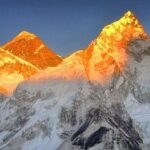
I love the early-morning payoff: from Nagarkot at 2175m, the Himalayan range can light up in gold, and on clear days you may even see Everest in the distance.
I also love the way this tour explains what you’re looking at, from Hindu temple meaning to Buddhist practice. One possible drawback: the big UNESCO ticket cost and your meals are not included, and sunrise depends on weather.
In This Review
- Key Points to Know Before You Go
- Nagarkot Sunrise at 2175m: Why This Start Makes the Whole Day
- How This Private Tour Ticks Off 7 UNESCO Sites Efficiently
- Changu Narayan Temple: The Carved-Details Stop You Won’t Skip
- Bhaktapur Durbar Square and Patan Durbar Square: Malla-Era Craft in Real Life
- Bhaktapur Durbar Square (around 1.5 hours)
- Patan Durbar Square (around 1 hour)
- Boudhanath Stupa: A Tibetan Center in Spherical Form
- Swayambhunath Monkey Temple: Stupa Views and City Perspective
- Pashupatinath on the Bagmati River: Shiva Ceremonies and Real Feelings
- Kathmandu Durbar Square: Courtyards, Temples, and Malla Legacy
- Price and Logistics: Does $172 Feel Like Good Value?
- Who This Tour Suits Best (and Who Might Want Another Plan)
- Final Call: Should You Book It?
- FAQ
- How long is the tour?
- Where does pickup happen?
- What language is the guide?
- What is the Nagarkot sunrise time and height?
- Which UNESCO World Heritage Sites are visited?
- Are UNESCO entrance fees included?
- Does the tour include food and drinks?
- What’s included in the price besides the guide?
- Is free cancellation available?
Key Points to Know Before You Go
- Nagarkot 2175m sunrise for a high viewpoint over the Himalayan range
- All 7 Kathmandu Valley UNESCO sites in one smooth private route
- Religion explained in plain language, including Hindu, Buddhist, and historical context
- Pashupatinath on the Bagmati River can be emotional, especially around Shiva-linked ceremonies
- Private vehicle with AC plus hotel pickup and drop-off inside Kathmandu Valley
Nagarkot Sunrise at 2175m: Why This Start Makes the Whole Day
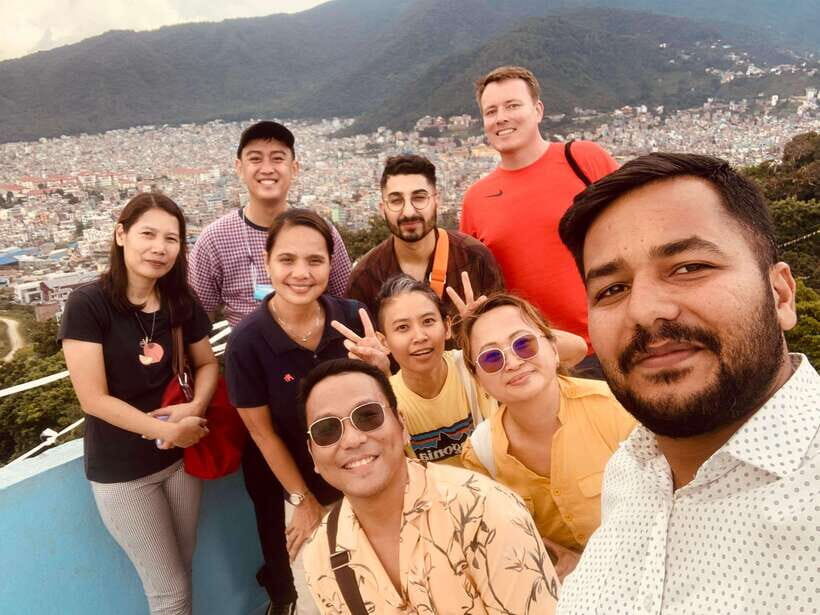
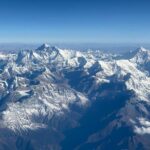
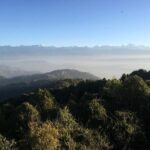
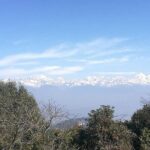
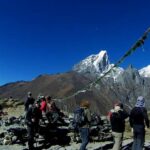
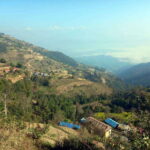
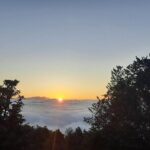
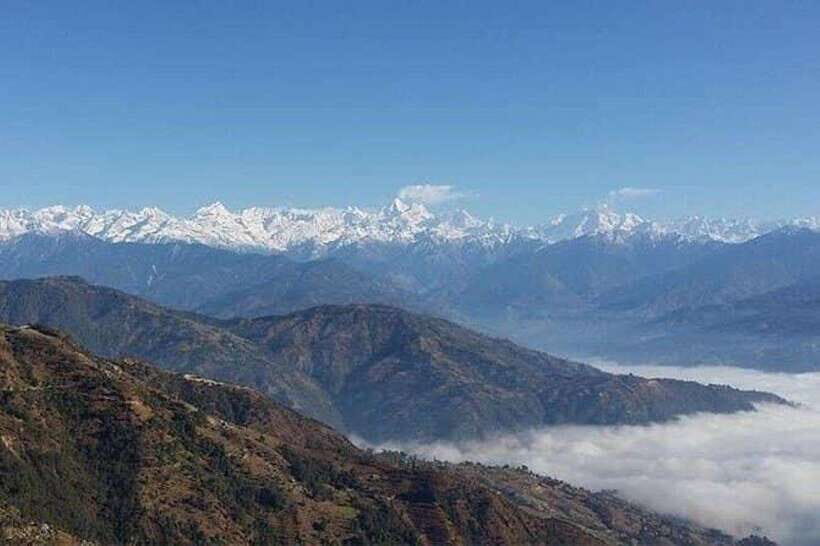
You’re not just squeezing in a photo at the top of a hill. Nagarkot is the kind of place where sunrise changes the feel of the whole region. From about 2175m, you get a wide view across the Himalayas, and the tour includes a dedicated two-hour sunrise block so you’re not rushed the second the light shifts.
The payoff is simple: that first glow is often what people come to Nepal for in the first place. If the sky is clear, you may catch an unforgettable view that can even include Mount Everest far off on the horizon. If it’s hazy, you still get the mountain silhouettes and the slow color change that makes hill-station mornings worth the early start.
Practical tip: sunrise time usually means low-light movement and crowding near viewpoints. Build in a little patience and keep your phone charged. You’re also in a private setup, so your guide can help you position yourself for the best angles without turning this into a chaos-fest.
You can also read our reviews of more private tours in Kathmandu
How This Private Tour Ticks Off 7 UNESCO Sites Efficiently
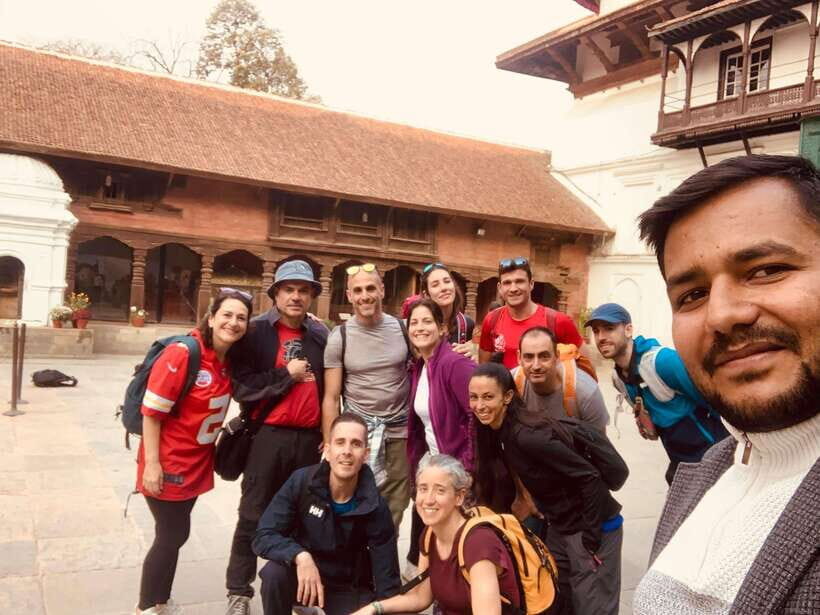
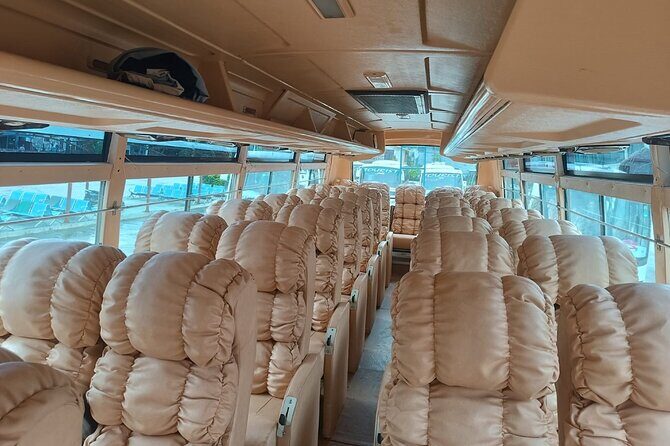
Kathmandu Valley’s UNESCO sites are spread out, and doing them as a DIY day can turn into lots of backtracking and waiting around. This is why I like the private format: you get picked up inside Kathmandu Valley, ride in an AC vehicle, and hit the sites in a logical order.
You’ll cover the full set of seven UNESCO landmarks included here:
- Kathmandu Durbar Square
- Swayambhunath Stupa
- Boudhanath Stupa
- Pashupatinath Temple
- Patan Durbar Square
- Bhaktapur Durbar Square
- Changu Narayan Temple
What’s genuinely valuable is that each stop has a different “lens.” You’ll move from royal-palace architecture and craft traditions to Buddhist stupa culture and Hindu pilgrimage life. Your guide helps connect the dots, so the day feels like one story instead of a checklist.
Changu Narayan Temple: The Carved-Details Stop You Won’t Skip
Changu Narayan is the oldest Hindu temple in the Kathmandu Valley, dedicated to Lord Vishnu. It’s also perched on a hilltop, so you get a calmer, more layered feeling than at larger city squares.
This stop is only about 30 minutes, but that works if you use it right. Look for the detailed stonework—this is one of those places where the small carvings are the whole point. The temple dates back to the 4th century, so your guide’s explanations about who it was built for and why it endured can make the time feel much longer than the clock says.
If you like history, architecture, and religious symbolism, you’ll appreciate this as a grounded opening after the sunrise glow. It turns the morning from a view into a deeper sense of place.
Bhaktapur Durbar Square and Patan Durbar Square: Malla-Era Craft in Real Life
Two of the biggest visual punches come next: Bhaktapur Durbar Square and Patan Durbar Square.
Bhaktapur Durbar Square (around 1.5 hours)
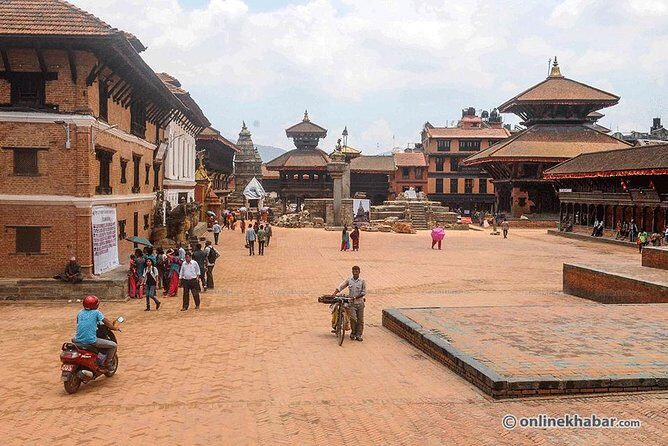
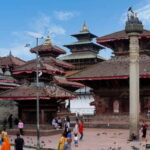
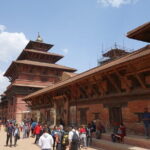
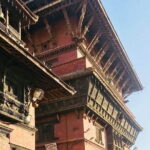
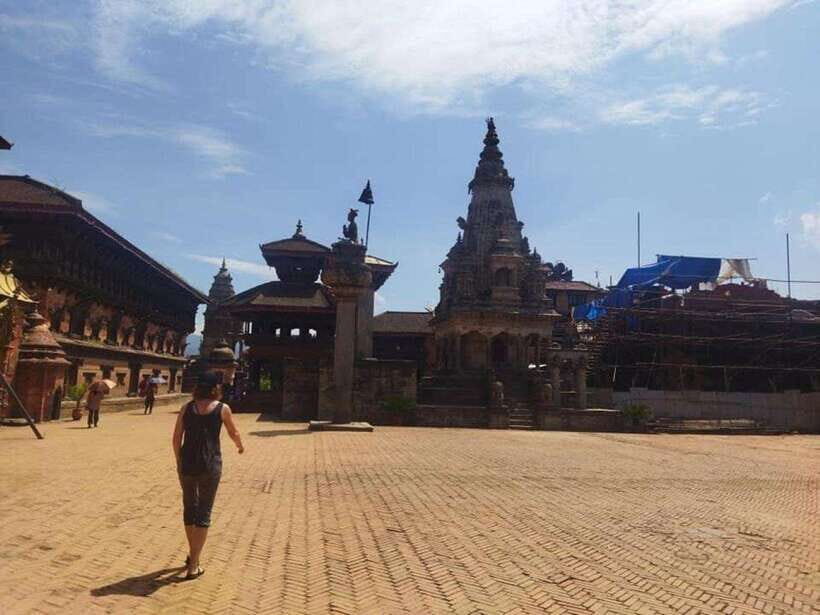
Bhaktapur Durbar Square is described as a living museum of traditional art and architecture. The highlights here include the 55-Window Palace, Vatsala Temple, and the Nyatapola Temple. This is the kind of site where you feel the skill in the details—stone forms, temple layout, and the way the square works as a shared public space.
Expect this to be your most “walk around and look” stop of the day. You’ll likely pause for the main highlights, then keep spotting more temple corners and carvings as you move.
You can also read our reviews of more historical tours in Kathmandu
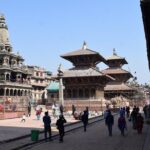
Patan Durbar Square (around 1 hour)
Patan (Lalitpur) brings a different vibe. The square is famous for Newari architecture and the Malla period palaces, plus the Krishna Mandir. If Bhaktapur is about sheer sculpted spectacle, Patan often feels more like a craft-and-worship crossroads—an area where you can notice how architecture supports daily ritual and cultural identity.
With only about an hour here, you’ll want to focus on the key landmarks your guide points out. This is not a slow, wandering day for every side alley. It’s a fast, meaningful circuit.
Boudhanath Stupa: A Tibetan Center in Spherical Form
Next up is Boudhanath Stupa, one of the largest stupas in Nepal. Its huge mandala is what people usually remember first, and it’s surrounded by monasteries and Tibetan culture.
Boudhanath has a different rhythm than Hindu temples. You’re not looking for a single doorway or a single ceremony moment. Instead, you’re seeing a spiritual center built for movement, prayer, and community life.
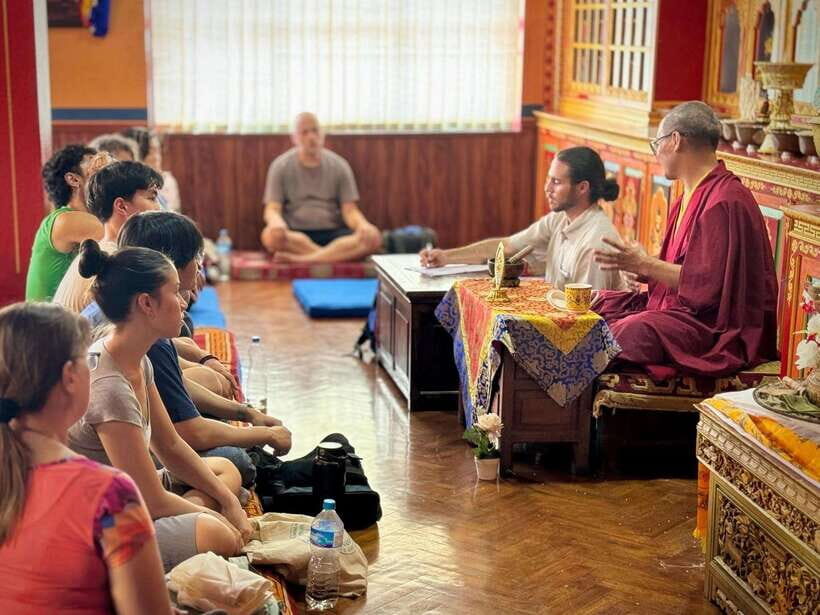
Your guide will help you understand what you’re seeing, including how the mandala relates to Buddhist symbolism and practice. Even if you don’t know the terminology, the scale and the surrounding monastic life make the experience click.
This stop lasts about an hour, which is a good balance. Long enough to feel the mood, not so long that you lose energy before Pashupatinath.
Swayambhunath Monkey Temple: Stupa Views and City Perspective
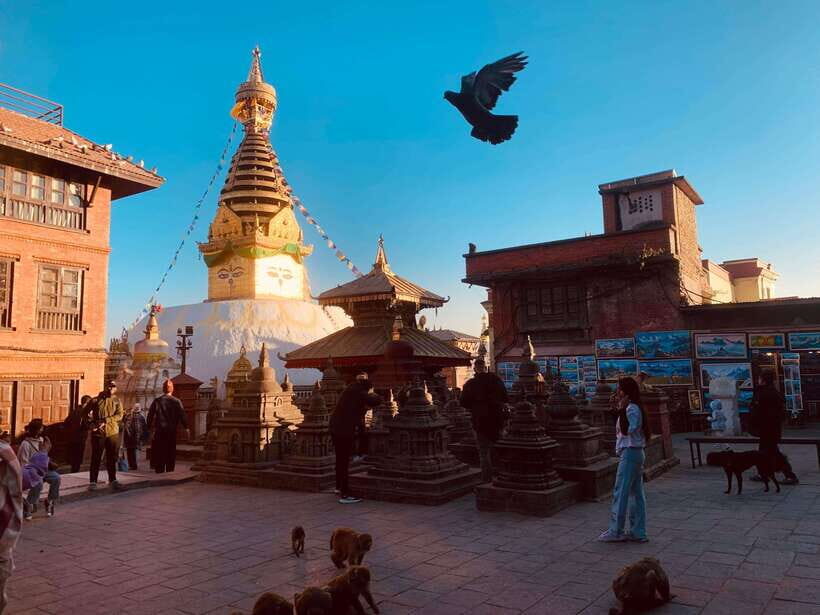
Then comes Swayambhunath Stupa, often called the Monkey Temple. It sits atop a hill, giving you a panoramic view over the city, and it’s revered in both Buddhism and Hinduism.
This stop includes the stupa complex, prayer wheels, and the famously resident monkeys. The monkeys can be a lot, so keep your phone secure and don’t feed them. Your guide can help you navigate crowds while still getting you those best sightlines over Kathmandu.
What I like here is the viewpoint. The day so far has been temple-to-temple. With Swayambhunath, you get a “where are we in the city” moment—so your later stops don’t feel like random dots on a map.
Pashupatinath on the Bagmati River: Shiva Ceremonies and Real Feelings
If you want one stop that can hit hard emotionally, it’s Pashupatinath Temple on the Bagmati River. This is a major pilgrimage site dedicated to Lord Shiva, and it’s known for traditional cremations along the riverbank.
The architecture is striking, but the ceremonies along the water are what make this place unforgettable. One thing I’d tell you bluntly: this is not a sightseeing-only stop. It’s a place where religion meets death and ritual, and the atmosphere can feel intense.
Your guide’s role matters a lot here. When your guide explains what you’re seeing in a respectful, context-first way, the time feels less like watching and more like understanding why this matters to people. Plan for a slower mental pace at this one, even though the stop itself is about 40 minutes.
If you’re the type who gets overwhelmed by intense scenes, talk with your guide about pacing. You can focus on architecture and ceremony elements without forcing yourself to stay close to the busiest river moments.
Kathmandu Durbar Square: Courtyards, Temples, and Malla Legacy
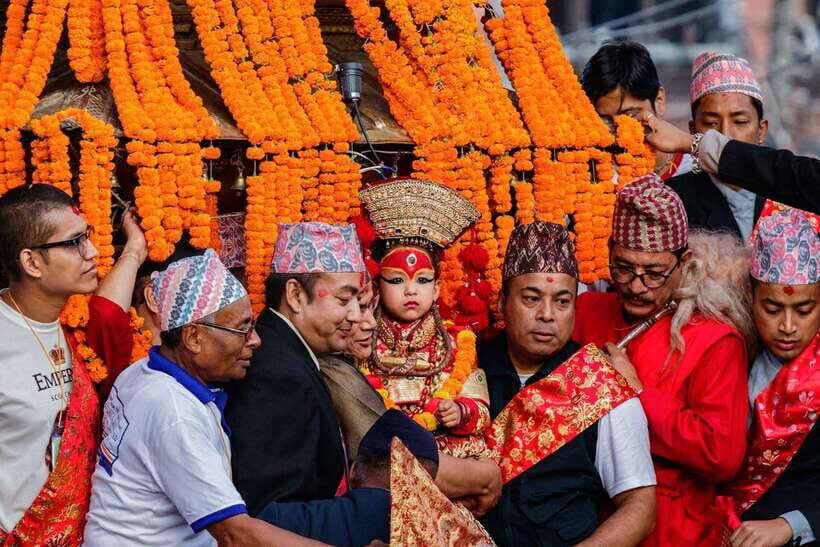
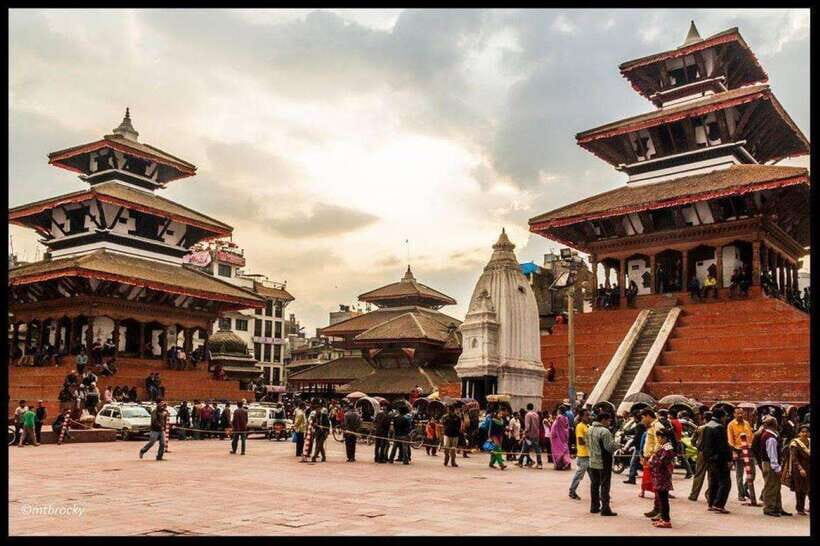
Back in Kathmandu, Kathmandu Durbar Square gives you the royal-palace connection. This historic plaza once served as the palace of the Malla kings and is known for its palaces, courtyards, and temples, plus important religious and cultural festivals.
With about one hour here, you won’t see everything in microscopic detail. But you’ll get the core feel: this square is a stage for living culture, not just a museum stop.
If you enjoyed the craftsmanship of Bhaktapur and Patan, Kathmandu Durbar Square helps connect the dots across the valley. The architecture style and the ceremonial role of the square become easier to understand once you’ve already seen the other palace-temple complexes.
Price and Logistics: Does $172 Feel Like Good Value?
At $172 per person for a 12-hour private tour, the value mostly comes from what you don’t have to manage yourself.
Included:
- Well English-speaking guide
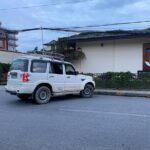
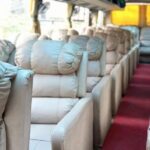
- Private vehicle with AC
- Hotel pick up and drop off inside Kathmandu Valley
- Bottle of mineral water
Not included:
- UNESCO entrance fees (about 6000 Nepali rupee)
- Food and drinks
Here’s how I think about the math. Entrance fees are a real extra cost, but they’re predictable and usually cover entry to multiple monuments. The meals part is more variable, depending on your style. If you plan to budget meals ahead of time, this tour can still feel like a bargain because you’re paying to avoid transport stress and time loss between scattered sites.
The biggest value is the combination: sunrise viewing plus seven UNESCO stops plus an English guide who helps you understand Hindu and Buddhist meanings. If you tried to do those pieces separately, you’d likely pay more in wasted time and multiple local arrangements.
Who This Tour Suits Best (and Who Might Want Another Plan)
This is a great fit if you want:
- A sunrise experience at Nagarkot with a proper time block
- A single-day route that covers all seven UNESCO sites in Kathmandu Valley
- Culture-heavy guidance with explanations of religion and history
- Private, AC comfort and direct pickup/drop-off
It may be less ideal if you:
- Hate early mornings, since sunrise is the anchor moment
- Prefer totally free-roaming exploration over scheduled stops
- Don’t want to handle extra costs for entrances and meals
Final Call: Should You Book It?
I’d book this tour if you want a structured day that still feels meaningful. The Nagarkot sunrise gives you the emotional highlight, and the seven UNESCO stops give you the context to understand why Kathmandu Valley matters to both Hindu and Buddhist traditions. Plus, the private setup makes the pacing more humane than most packed-group days.
Before you decide, pencil in two things: entrance fees (around 6000 NPR) and your food plan. Once you do that, $172 for an AC private vehicle and an English guide through iconic UNESCO sites is solid value, especially if you care about understanding what you’re looking at, not just ticking boxes.
FAQ
How long is the tour?
The duration is 12 hours.
Where does pickup happen?
Pickup is included from your hotel inside Kathmandu Valley.
What language is the guide?
The tour includes an English live tour guide.
What is the Nagarkot sunrise time and height?
Nagarkot sunrise is included for about 2 hours, and Nagarkot is at around 2175m.
Which UNESCO World Heritage Sites are visited?
The tour includes Kathmandu Durbar Square, Swayambhunath Stupa, Boudhanath Stupa, Pashupatinath Temple, Patan Durbar Square, Bhaktapur Durbar Square, and Changu Narayan Temple.
Are UNESCO entrance fees included?
No. UNESCO entrance fees are not included, and the cost is around 6000 Nepali rupee.
Does the tour include food and drinks?
Food and drinks are not included.
What’s included in the price besides the guide?
The tour includes a private vehicle with AC, hotel pick up and drop off inside Kathmandu Valley, and a bottle of mineral water.
Is free cancellation available?
Yes. You can cancel up to 24 hours in advance for a full refund.