REVIEW · KATHMANDU
Everest Base Camp Trek
Book on Viator →Operated by Adventure Great Himalaya Trek and Expedition · Bookable on Viator
Your first Everest sight changes everything.
This 15-day guided trek from Kathmandu to Everest Base Camp takes you through Sherpa villages and Sagarmatha National Park, then sends you up to Kala Patthar (5,545m) for sunrise views. You’ll fly into Lukla, trek from Phakding to Namche Bazaar, pass Tengboche, Dingboche, Lobuche, and Gorakshep, and finally step onto the classic Base Camp approach.
I like two things a lot. First, the trip is built around included logistics: Kathmandu–Lukla round-trip flights, all meals during the trek, lodge accommodations, permits/conservation fees, and even trekking equipment like a sleeping bag, duffel bag, and walking pole. Second, the itinerary gives you real acclimatization days, not just “walk higher and hope,” with added breathing room in Namche Bazaar and Dingboche.
One thing to consider: the Lukla flight and mountain weather can’t be forced. Even with a buffer day in Kathmandu, you’ll still feel the frustration when flights get delayed. Also, this trek can be brutally cold in winter, so plan for cold-focused gear and accept that the challenge isn’t only altitude—it’s temperature too.
In This Review
- Key highlights worth caring about
- Everest Base Camp in 15 days: a trek with a built-in rhythm
- Day 1 in Kathmandu: recover, meet your guide, get your bearings
- Lukla flight and Phakding warm-up: easy walking, real altitude buildup
- Namche Bazaar and the Sagarmatha National Park feeling
- Tengboche to Dingboche: views, forests, monasteries, and patience
- Lobuche and Gorakshep: the rocky world and the Base Camp reveal
- Kala Patthar sunrise: the steep, cold-minded highlight
- Returning through the valleys: same route, different energy
- Kathmandu again: the buffer day that saves your sanity
- Price and value: what $1,800 really buys you
- What to pack (and what the supplied gear changes)
- Who should choose this trek (and who might want a different plan)
- Should you book this Everest Base Camp trek?
- FAQ
- What is the maximum altitude on this Everest Base Camp trek?
- How long is the trek?
- Are meals included?
- Is Kathmandu–Lukla flight included?
- Does the tour include permits and conservation fees?
- Is there a porter?
- What trekking equipment is included?
- Is there flexibility if flights get delayed?
Key highlights worth caring about
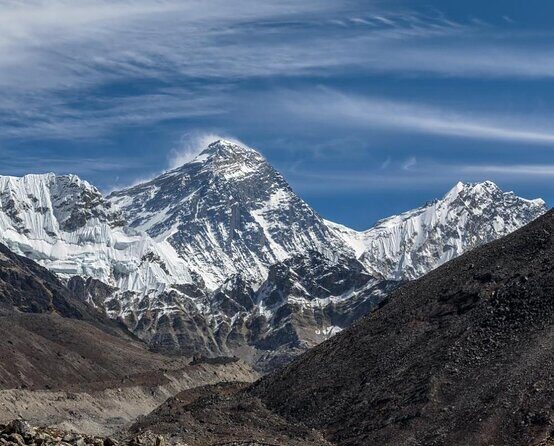
- Maximum altitude hits 5,545m at Kala Patthar, with an early climb timed for sunrise views
- Small-group format (max 12) for easier guiding and a calmer trail pace
- All meals + lodge stays included for 11 trekking nights, so you’re not doing constant “what’s for dinner?” math
- Two acclimatization stops in Namche Bazaar and Dingboche help you adjust before Base Camp
- Porter support for between 2 trekkers keeps the load more realistic on steeper days
- Gear is supplied (sleeping bag, duffel bag, walking pole) to reduce what you must carry from home
Everest Base Camp in 15 days: a trek with a built-in rhythm
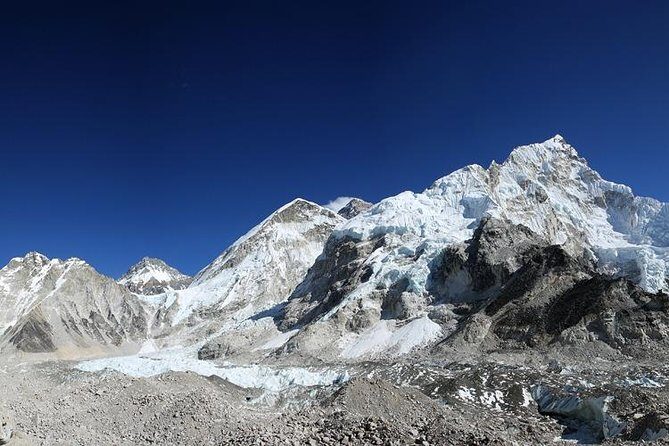
This Everest Base Camp trek is paced for the reality of high altitude. You’re going up in stages, then taking deliberate pause days to help your body catch up. The route climbs from Lukla through familiar Sherpa stopovers, then reaches the top-end viewpoint at Kala Patthar (5,545m). After that, you’re back down the same valleys toward Lukla, which is mentally easier than the first climb but still physical.
The “guided” part matters more here than on a normal hike. You’ll have a plan for what to do day to day, and you’re not left guessing how hard to push. That’s a big deal when your options narrow with altitude, cold, and weather.
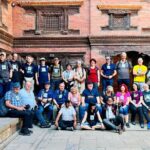
Also, the group size capped at 12 helps. You’ll usually get enough attention without feeling like you’re in a huge moving crowd.
You can also read our reviews of more hiking tours in Kathmandu
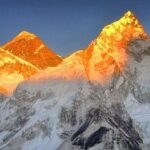
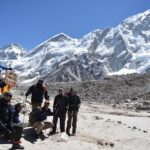
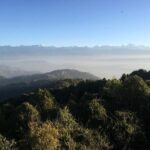
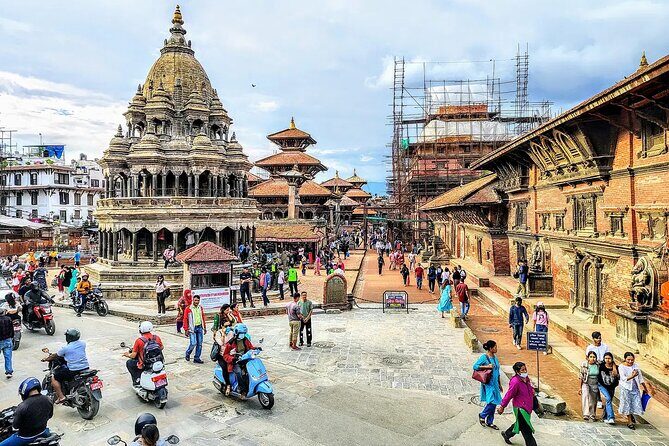
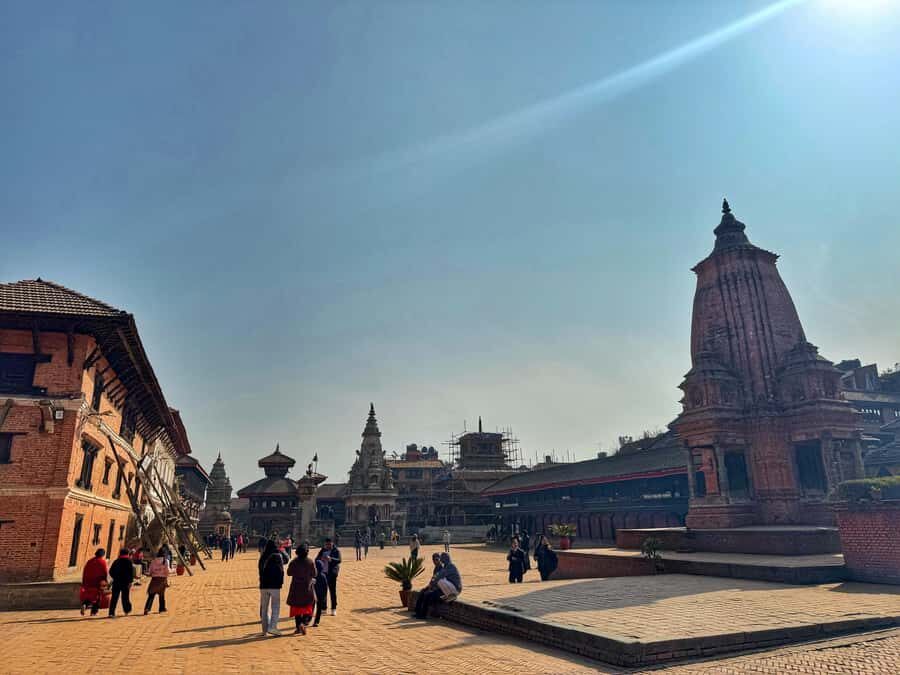
Day 1 in Kathmandu: recover, meet your guide, get your bearings
You land at Tribhuvan International Airport, get greeted by a representative, and are transferred to your hotel. The first goal is simple: recover from travel and set yourself up for an early start.
Later, you meet your guide for a short briefing. This is where you want to ask the practical questions you’d otherwise forget in the moment—how the days are paced, what pace feels normal for the group, and how you’ll handle altitude symptoms if they show up.
Start time is listed as 7:15am, so don’t plan a late-night “I’ll just check one more thing” routine in Kathmandu.
Lukla flight and Phakding warm-up: easy walking, real altitude buildup
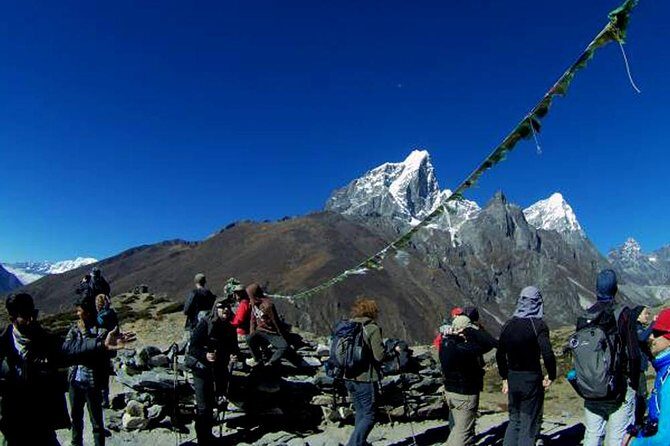
On Day 2, you take an early flight to Lukla. The point isn’t just distance—it’s getting you into the high valley system where the trek begins. From there, you start with an easy descent through Sherpa villages, passing mani walls and prayer wheels and trekking among the prayer flags.
Phakding is a good “wake up your legs” day. You’re moving, but you’re not doing the hard altitude push yet. You’ll also start seeing how community life works here—small villages, trail traffic, and that steady rhythm of trekking households.
Practical note: even when the walking feels easy, you’re still higher than most people are comfortable with. Treat Day 2 like a warm-up, not like a personal best attempt.
Namche Bazaar and the Sagarmatha National Park feeling
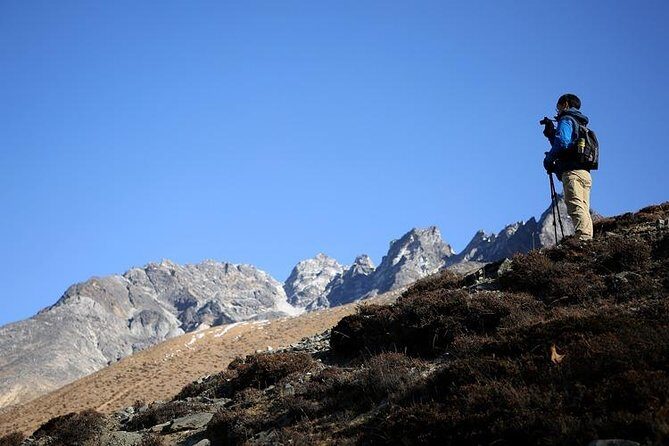
Day 3 is longer and starts to feel like you’re entering the high-altitude zone fully. The trail follows the Dudh Koshi River, with several suspension bridges lined by prayer flags. You walk through pine forests and traditional villages, then enter Sagarmatha National Park.
Namche Bazaar is the classic hub for a reason: it’s where supply needs and trekking life concentrate. You’ll likely feel it when you arrive—more action, more people, and more services than the smaller villages.
Day 4 is your first acclimatization day, and this is where the trek earns its keep. You can explore Namche’s market area, local bakeries, and the Sherpa Museum. Then you’ll take a short hike—either to the Everest View Hotel or to Khumjung village—for panoramic mountain views.
Why this matters: you’re getting movement without jumping too fast upward. It’s also a mental boost. Having a “higher day that’s not the summit day” helps people stick to the plan.
Possible drawback: Namche can tempt you into moving more than you should, since it feels lively. If you feel great, great—just don’t turn acclimatization day into a second summit day.
Tengboche to Dingboche: views, forests, monasteries, and patience
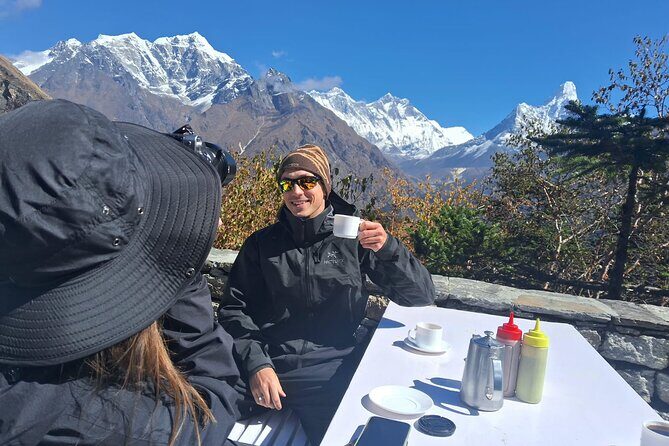
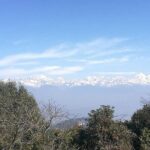
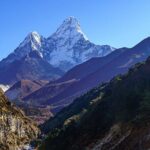
Day 5 heads toward Tengboche. You ascend out of Namche with big sight lines—Everest, Lhotse, and Ama Dablam are mentioned—then move through rhododendron and pine forests. You descend toward the Dudh Koshi River and cross a suspension bridge as the trail keeps shaping itself into a true high-mountain corridor.
Tengboche is often associated with monasteries, and the vibe here is usually calmer and more spiritual than the market days. Even if you don’t chase every photo angle, the route itself feels like it’s switching gears from “town trek” to “mountain trek.”
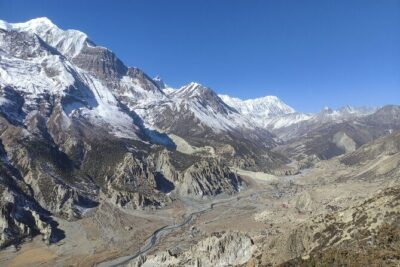
Day 6 brings Dingboche. You start with a descent through forests to Debuche, cross the Imja Khola River, and then gradually climb past Pangboche, described as the highest permanent settlement in the region. The views keep stacking up, and the terrain starts getting more austere as you gain altitude.
Day 7 is your second acclimatization day in Dingboche. You’ll hike to Nagarjun Hill (5,100m) for panoramic views of Makalu, Lhotse, and Island Peak, then return for lunch and downtime. This kind of day is what helps you avoid the “go hard, get sick” cycle.
A quick reality check: acclimatization days are not rest days. They’re altitude-management days. You’ll feel the altitude even while you’re “only” hiking to 5,100m.

Lobuche and Gorakshep: the rocky world and the Base Camp reveal
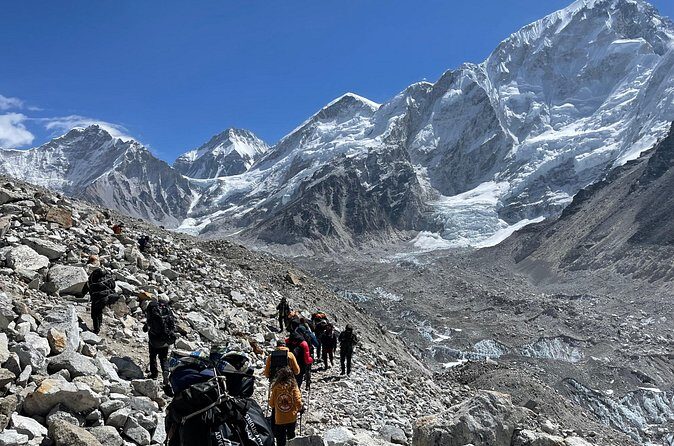
Day 8 goes to Lobuche. The trail climbs steadily through a rocky landscape with sparse vegetation. You pass Dughla, then ascend the memorial ridge honoring climbers who lost their lives on Everest. After that, you continue toward Lobuche.
That memorial ridge part isn’t just decoration. It’s a reminder that this trek is tied to the mountain’s real human cost. It also tends to slow people down in a good way—less “tour mode,” more “pay attention to your surroundings.”
Day 9 takes you to Gorakshep, the last settlement before Base Camp. You’ll trek gradually, then after lunch hike across rocky terrain and glacier moraines to reach Everest Base Camp.
This is the day when the Everest idea turns into a place you can actually stand in. Base Camp is not a summit, but it’s still high enough to make you feel every layer of effort you put in earlier. It’s also where you’ll understand why people return.
Kala Patthar sunrise: the steep, cold-minded highlight
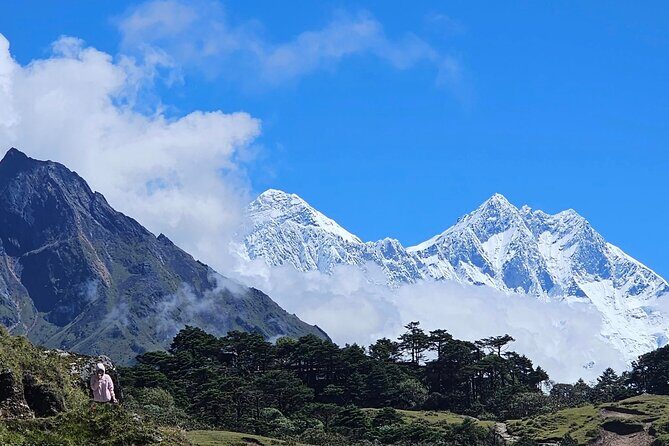
Day 10 is your Kala Patthar morning. It starts with an early, steep climb made for sunrise views. After you soak it all in, you descend back to Gorakshep for breakfast, then continue toward Pheriche.
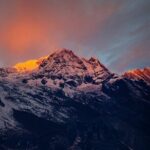
This is the moment most people remember, even if they forget the exact names of every village. Kala Patthar is about visibility at dawn—when light hits the peaks and the world seems sharper.
Cold is part of this day, even in seasons that are pleasant lower down. One trekper who did this in December described minus weather and said the experience still felt manageable thanks to the guide’s approach. That’s a useful takeaway for you: on summit-style viewpoint days, your guide’s pacing and safety focus matter.
Potential drawback: Day 10 is logistically demanding. You’re going early, climbing steeply, then turning around. If you’re the type who hates night-to-early starts, this is the day that will test you.
Returning through the valleys: same route, different energy
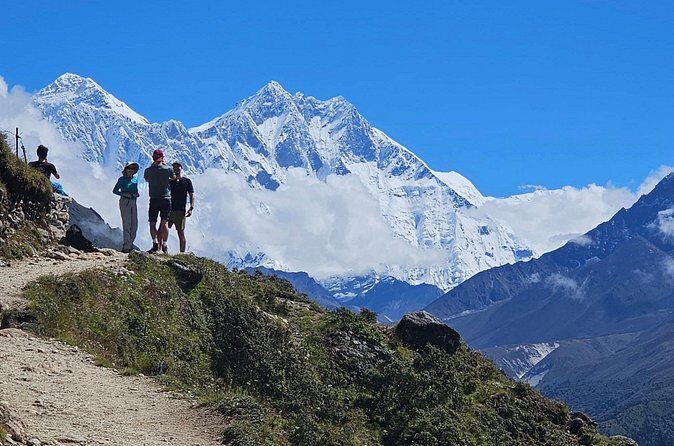
Days 11 and 12 are your descent back toward Namche and Lukla. Day 11 takes you along the familiar trail through Pangboche and Tengboche, with new perspectives as the light changes and you notice different details in the forests and river crossings. Day 11 includes suspension bridges over the Dudh Koshi River and more time moving at “downhill pace.”
Day 12 brings the final trekking day, downhill through pine forests and across high suspension bridges retracing your steps to Lukla. It’s not easy just because it’s descending. Your knees may feel it, and fatigue is real because you’re coming off a long 10+ day effort.
Still, the descent is a relief for altitude comfort. Many people feel their breathing stabilize a bit once they drop enough.
Kathmandu again: the buffer day that saves your sanity
Day 13 brings a morning flight from Lukla back to Kathmandu, with one last view of the mountains. You’re transferred to your hotel and get time to recover and reset.
Day 14 is an extra buffer day. It’s specifically kept in case flights between Lukla and Kathmandu get delayed or canceled due to unpredictable mountain weather. If the flight works as scheduled, you can use the day in Kathmandu however your plan allows.
This is one of the most valuable “invisible” parts of the trip design. If you’ve ever planned a flight that depends on mountain weather, you know how quickly you can lose control. Having a built-in cushion turns stress into downtime.
Day 15 ends the adventure with breakfast and a transfer to Tribhuvan International Airport for your onward flight.
Price and value: what $1,800 really buys you
At $1,800 per person, the price isn’t just “a guide fee.” It’s paying for a stack of items that are expensive or annoying to arrange on your own.
Here’s what’s included:
- Meals: breakfast, lunch, dinner during the trek (with meals listed across trekking days)
- Permits and conservation fees for trekking in the region
- Lodge accommodations for 11 nights during the trek
- Kathmandu–Lukla and return flights
- Ground transportation within the Kathmandu area
- Hotel stays: 3 nights in Kathmandu
- Trekking gear: sleeping bag, duffel bag, walking pole
- Porter support: a porter for between 2 trekkers
What’s not included:
- International airfare and Nepal visa
- Personal travel insurance
- Tips for guide and porter
Value-wise, the biggest win is that you’re not hunting down permits, flights, lodge bookings, and basic gear rental separately. In a place like Nepal, those “small” tasks add up fast. Also, having meals and accommodations managed means you spend your energy where it belongs: acclimatizing and walking.
Downside: you’re still paying for altitude and weather risk. Lukla flights are a known uncertainty, and the trek price can’t eliminate that. But the included buffer day helps.
What to pack (and what the supplied gear changes)
Your package includes a sleeping bag, a duffel bag, and walking poles. That reduces the usual packing headaches. Still, don’t treat this as a “light packing” trek—high altitude and cold demand layers.
Since the trek can get extremely cold in winter (one December trek experience described it as extremely cold with minus weather), pack for cold reality, not comfort fantasy. Think warm base layers, an insulated mid-layer, a real cold-weather hat, and gloves you can actually hike in. Also plan for wind—Kala Patthar morning will feel harsher than the lower villages.
You’ll also want sunglasses and sun protection. Even in cold weather, the sun can be sharp at altitude.
One more practical thing: bring a small daypack for water, snacks, and the stuff you’ll want while walking. With porter support for the group, you still need a comfortable system for your essentials.
Who should choose this trek (and who might want a different plan)
This trek fits you if:
- You have moderate physical fitness and you’re comfortable with 15 days of trekking with altitude.
- You prefer a guided plan that manages meals, lodges, permits, and day structure.
- You want classic Everest Base Camp scenery without having to self-organize the hard parts.
You might reconsider if:
- Early starts and cold mornings are a dealbreaker for you.
- You get anxious about flight delays. The buffer day helps, but weather still rules the schedule.
- You’re looking for a low-effort vacation. This is serious walking at altitude, with a steep viewpoint day at Kala Patthar.
Should you book this Everest Base Camp trek?
Yes, if you want a guided Everest route where the heavy lifting is handled—meals, permits, lodge stays, flights, and key gear—and you’re ready for the altitude pace. The itinerary’s two acclimatization days are a big plus, and Kala Patthar sunrise is the kind of payoff that justifies the effort.
Before you book, do three smart checks:
- Confirm you’re ready for cold conditions, especially if you’re traveling in winter.
- Budget for what’s not included: visa, travel insurance, and tips.
- Plan your expectations for Lukla flights. Even with a buffer day, mountain weather can shift your timing.
If all that sounds manageable, this is a solid way to reach Everest Base Camp without turning your vacation into a logistics project.
FAQ
What is the maximum altitude on this Everest Base Camp trek?
The highest point is Kala Patthar at 5,545 meters.
How long is the trek?
The duration is about 15 days.
Are meals included?
Yes. The trek includes breakfast, lunch, and dinner during the trek.
Is Kathmandu–Lukla flight included?
Yes. The package includes the Kathmandu to Lukla and return flight ticket.
Does the tour include permits and conservation fees?
Yes. The price includes necessary trekking permits and Sagarmatha conservation fees.
Is there a porter?
Yes. A porter is provided between 2 trekkers.
What trekking equipment is included?
The package includes a sleeping bag, duffel bag, and walking pole.
Is there flexibility if flights get delayed?
Yes. There is an extra buffer day in Kathmandu kept for possible delays or cancellations on the Lukla–Kathmandu route.