REVIEW · KATHMANDU
From Kathmandu / Pokhara / Chitwan: River Rafting – 1 Day
Book on GetYourGuide →Operated by Rainbow Adventure & Travel · Bookable on GetYourGuide
White water comes with a plan. This one-day Trishuli River rafting trip delivers real rapids action fast, with pickups from Kathmandu, Pokhara, or Chitwan. I like that you get a proper rafting crew setup—meet your team at the put-in, get a short safety briefing, then hit multiple rapids in the morning-to-midday flow. I also like the human touch: the rafter tells you the Nepali and common names of the rapids as you go, so it feels less like random splashing and more like following a story downriver.
Two more things I’d call out are the lunch timing and the equipment standards. Lunch is served on the beach right before the tougher section, so you’re fueled right when it matters. The trip also includes international standard rafting equipment, plus a licensed English-speaking rafting guide and a safety kayaker. The main drawback to consider is that it’s not suitable for pregnant women, and you’ll also want to be ready for a wet, muddy end to the day section (bring a change of clothes).
In This Review
- Key Highlights You’ll Feel on the Trishuli
- Trishuli White-Water Rafting in About 3 Hours Total
- Pickup From Kathmandu, Pokhara, Lumbini, or Chitwan: Expect Real Travel Time
- Safety Briefing and Your Raft Crew Setup
- The Rapids Route: Majhimtar, Then the Upset Section
- Lunch on the River Beach Before the Toughest Part
- Finish Point and Transfers Back Toward Pokhara, Chitwan, and Kathmandu
- What You Actually Get for $43: Value Breakdown
- Languages on the River: More Than Just English
- What to Bring (and What to Wear So You’re Not Miserable)
- Review Snapshot: Friendly Crew and Staff Energy
- Should You Book This Trishuli River Rafting One-Day Trip?
- FAQ
- Where does this rafting take place?
- How long is the rafting trip?
- What’s included in the price?
- Do I need personal insurance?
- What should I bring?
- Is this suitable for pregnant women?
- What languages are available for the guide?
Key Highlights You’ll Feel on the Trishuli
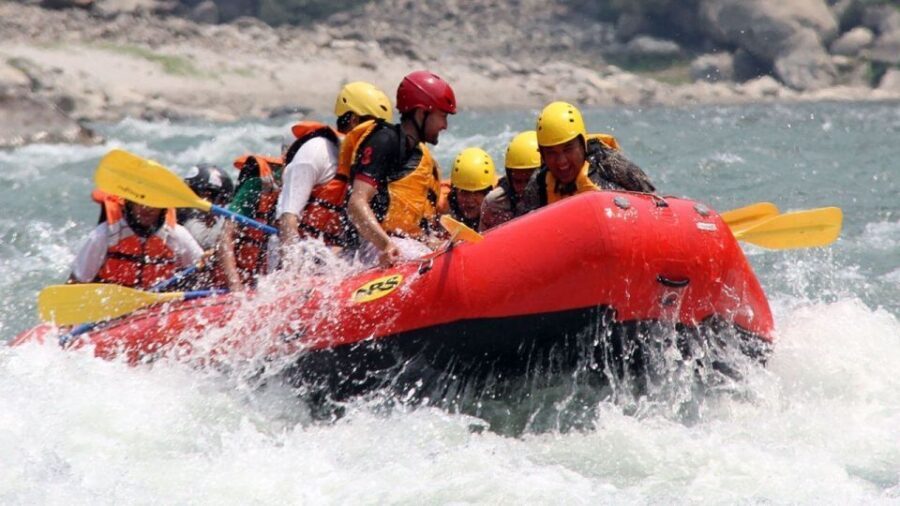
- Rapids in the 3–4 range near the Upset section gives you the main adrenaline push without needing a multi-day trek
- Majhimtar-to-Upset sequence so you know there’s a specific turning point in the ride
- Lunch on the river beach right before the tough run—practical and timed well
- Nepali + common names for rapids added by the rafter, so the trip has context
- Licensed guide plus safety kayaker for active on-water support
- All-in rafting day package with transport and river permits handled
Trishuli White-Water Rafting in About 3 Hours Total
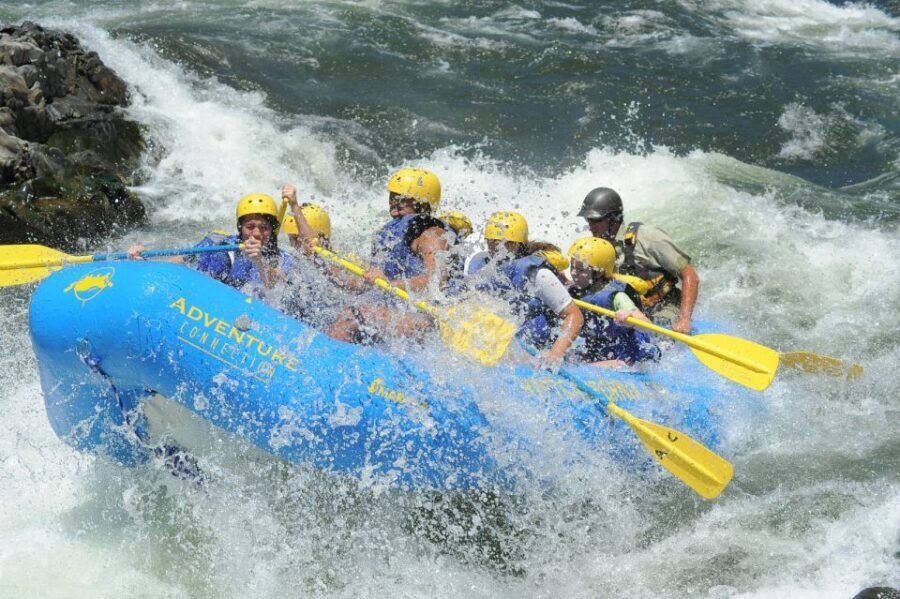
This is a short adventure day by Nepali standards: the booking lists a duration of 3 hours, with the rafting time noted as about 2.5 hours on the Trishuli River. That matters because you don’t need to clear a whole day just to get on serious water.
You’ll start early, ride out from your pickup option, then get on the river. The trip is built to fit neatly into a travel schedule—ideal if you’re already in Kathmandu, Pokhara, or the Chitwan area and want something high-energy that doesn’t swallow your itinerary.
You can also read our reviews of more tours and experiences in Kathmandu


Pickup From Kathmandu, Pokhara, Lumbini, or Chitwan: Expect Real Travel Time
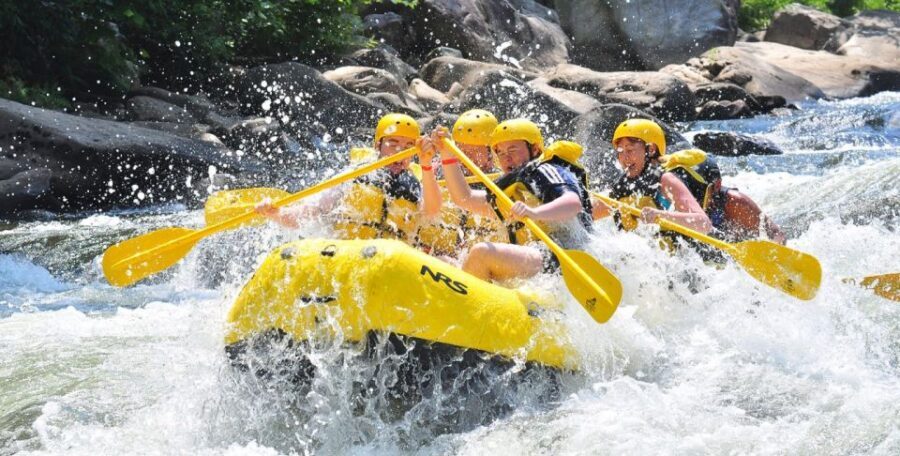
You have four pickup options: Chitawan, Lumbini, Pokhara, and Kathmandu. From there, you’ll travel by car/van or a tourist bus to the rafting starting point.
The value here is that you’re not figuring out transport on your own. The trade-off is that a short rafting day still includes road time, so you’ll want to treat this as a half-day adventure block rather than only time on the water.
Safety Briefing and Your Raft Crew Setup
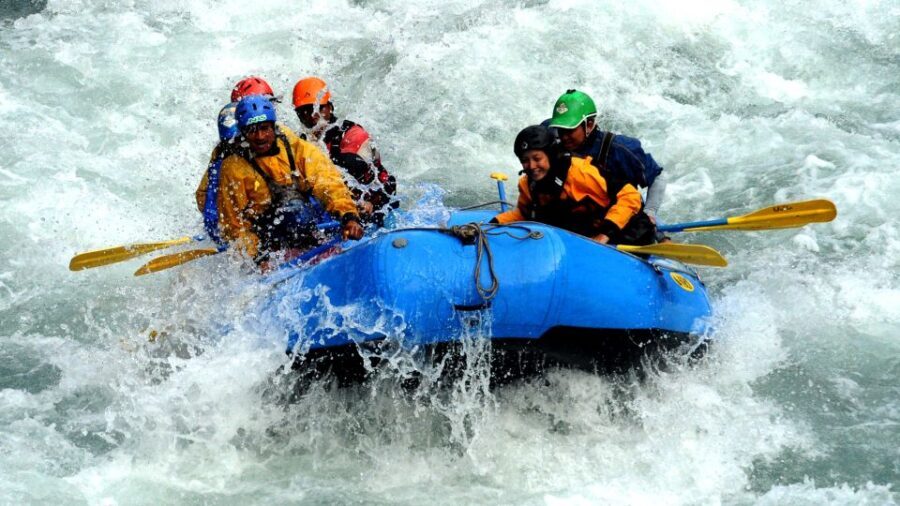
Once you reach the starting point, you’ll meet your raft crew. Before you go, the raft leader gives a short safety briefing on the procedures you need on the river.
This is one of the parts I appreciate most on rafting trips: you’re not left to guess what to do when you’re already wobbling over the first waves. Add to that a licensed English-speaking guide and a safety kayaker, and you get a setup designed for real on-water guidance, not just entertainment.
The Rapids Route: Majhimtar, Then the Upset Section
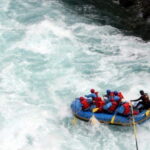
The rafting itself is described as including several big and small rapids during the ride. The main attention grabber is after Majhimtar, just before the “upset” rapid section.
That “upset” area is where the difficulty rating comes in. The rapid right around that region is rated from 3 to 4 on the Colorado River scale. Even if you’ve rafted before, this is the kind of range that tends to feel properly exciting—enough current and turbulence to get your adrenaline up, but still part of a day trip many people can handle with the right briefing.
One fun detail you should lean into: the rapids have Nepali names and common names, and your rafter explains them as you run through. It turns the ride from chaotic-for-the-camera into something you can follow and remember.
Lunch on the River Beach Before the Toughest Part
Right before you go through the upset rapids section, you’ll stop for lunch served on the beach of the river. Then you head out shortly after lunch for more small and big rapids.
This is a smart timing choice. It means you’re not trying to eat while you’re already in full-on rapid mode, and you’re also not going into the hardest chunk on an empty stomach. If you’ve ever had a day activity where the energy crash hits at the worst time, you’ll understand why this arrangement is practical.


Finish Point and Transfers Back Toward Pokhara, Chitwan, and Kathmandu
After you reach the put-out point, you’re transferred onward. The plan is described as moving toward Chitwan National Park, Pokhara, and back to Kathmandu.
So, in the end, you’re not just dropped off at the river. You get a connected day flow that ties rafting to your broader trip area. That’s especially useful if you’re trying to juggle multiple regions—like pairing an adrenaline activity with time in the Chitwan area.
What You Actually Get for $43: Value Breakdown
At $43 per person, the core question is whether the package covers what makes rafting worth it. Here’s what’s included:
- Licensed English-speaking rafting guide and a safety kayaker
- International standard rafting equipment
- Lunch
- First aid kit
- River permits
- One-way tourist transport & one-way public transfer
When rafting includes guide skill, safety support, and equipment standards—and you’re also fed—your money isn’t just paying for a ride. It’s paying for the structure that keeps the experience enjoyable instead of stressful.
What’s not included is also important: personal insurance. If you’re already covered elsewhere, you’re fine. If not, you should take 2 minutes to check before booking, since adventure activities usually aren’t covered the same way as sightseeing.
Languages on the River: More Than Just English
The trip lists live tour guide support in English, Nepali, Japanese, and Hindi. That’s a real plus if you want clear communication for safety instructions and rapid-naming context.
Even if you’re comfortable with English, I like that the operator can support multiple languages. It usually means fewer gaps when the guide explains what to do when the water gets rough.
What to Bring (and What to Wear So You’re Not Miserable)
You’ll want to bring change of clothes and sandals. That’s the entire clothing advice given, but it’s enough to plan your packing smartly.
A quick practical approach: wear clothes you’re okay getting wet, and keep your change of clothes dry for after you finish. Sandals are listed because you’ll need something easy to deal with at the river edge, then manage once you’re done.
Also note: the activity is not suitable for pregnant women. If that applies to you, it’s better to choose a different activity that matches the safety constraints.
Review Snapshot: Friendly Crew and Staff Energy
The rating shown is 4.6 out of 5 from 3 reviews. One verified review specifically highlights the guide and staff as very friendly, with an overall score of 5 out of 5 (Lukas, Netherlands).
That matters because rafting days succeed on teamwork. A friendly, attentive crew can make safety instructions easier to follow and turn the ride into a fun story you’ll talk about later.
Should You Book This Trishuli River Rafting One-Day Trip?
Book it if you want real white-water without committing to a multi-day expedition. The 3–4 scale section near the upset rapid is the kind of challenge that feels like the highlight, and the timing of lunch right before that portion is a practical touch.
Skip it (or look for another option) if you’re pregnant, or if you want an activity with minimal wet conditions and a longer “soft” pace. This is adventure rafting: you should be ready for a fast-moving, energetic river day, plus road time between pickup points and drop-off.
If your schedule includes Kathmandu, Pokhara, or Chitwan area, this is one of those days that plugs in easily. You’ll get a structured rafting run, safety support, and food handled, which is exactly what you want when you’re traveling.
FAQ
Where does this rafting take place?
This rafting experience is on the Trishuli River in Nepal, with the location listed in Bagmati Zone.
How long is the rafting trip?
The duration is listed as 3 hours, and the rafting time on the Trishuli River is noted as 2.5 hours.
What’s included in the price?
The included items are licensed English-speaking rafting guide and safety kayaker, international standard rafting equipment, lunch, first aid kit, river permits, and transportation (one-way tourist transport and one-way public transfer).
Do I need personal insurance?
Personal insurance is not included, so you’ll want to make sure you have your own coverage.
What should I bring?
Bring change of clothes and sandals.
Is this suitable for pregnant women?
No, the activity is listed as not suitable for pregnant women.
What languages are available for the guide?
The guide/tour support is available in English, Nepali, Japanese, and Hindi.