REVIEW · KATHMANDU
Pashupatinath Evening Aarati: Few Divinely Hours in Kathmandu
Book on Viator →Operated by Three Jewels Adventures · Bookable on Viator
Fire, hymns, and sacred light at Pashupatinath. The Pashupatinath Evening Aarati is a powerful way to experience Hindu worship up close—priests offer light, flowers, incense, and more to Lord Shiva—while your guide also helps you understand the solemn Bagmati River cremation ceremony that happens along the same stretch. I love how the evening feels like a real local ritual, not a staged performance, and I love that the explanations make the customs easier to follow even if you’ve never seen this before. The one thing to keep in mind: this is an emotional, fire-and-ceremony setting, so if you’re easily put off by funeral rites, you’ll want to mentally prepare.
You also get practical help getting there. I like that you can count on hotel pickup and an air-conditioned vehicle, with a ready schedule that brings you to the temple area before the ceremony’s full momentum hits. The timing matters here, because once the evening worship starts, you’ll be moving with the flow of hundreds of devotees.
In the end, you’re looking at about 2 to 4 hours out in Kathmandu, centered on one unforgettable hour of ceremony. Confirmation comes after booking, and the experience is set up so that most visitors can participate. Just remember the Aarati starts around 6 PM and can shift a bit by season, so you’ll want to stay flexible that day.
In This Review
- Key highlights you’ll actually feel
- Why the Pashupatinath Evening Aarati Feels Like a Ceremony, Not a Show
- Getting There: The 4:30–5:30 Pickup Window and a 6 PM Start
- Pashupatinath Temple at Dusk: What the Aarati Really Involves
- Bagmati River Cremation Viewing: How to Handle the Fire and Feelings
- Other Monuments Nearby: Turning One Hour of Ceremony Into Real Understanding
- Price and Value: What $35 Buys You in Kathmandu
- Guides Matter: Mahesh Ji, Mani, and Amber Make It Click
- Small Logistical Things That Affect Your View
- Who Should Book This Evening Aarati (and Who Might Skip)
- FAQ
- FAQ
- What does this tour include?
- When is the Aarati ceremony?
- How long is the tour?
- Do you pick me up from my hotel?
- What is the price?
- Is the Pashupatinath admission fee included?
- Do I receive a ticket on my phone?
- How does confirmation work after I book?
- Can I cancel for a full refund?
- Is this experience suitable for most visitors?
- Should You Book This Evening Aarati Tour?
Key highlights you’ll actually feel
- Aarati happens every evening around 6 PM–7 PM and lasts about an hour
- Priests lead the ceremony with live bhajana devotional songs from the crowd
- You also observe Bagmati River cremation rites with guidance to make it understandable
- You’ll see more than the main ritual by visiting nearby monuments around the Pashupatinath area
- Hotel pickup and an air-conditioned ride reduce stress in Kathmandu traffic
- Strong guest satisfaction signals value with a 4.7 average rating and 96% recommending
Why the Pashupatinath Evening Aarati Feels Like a Ceremony, Not a Show
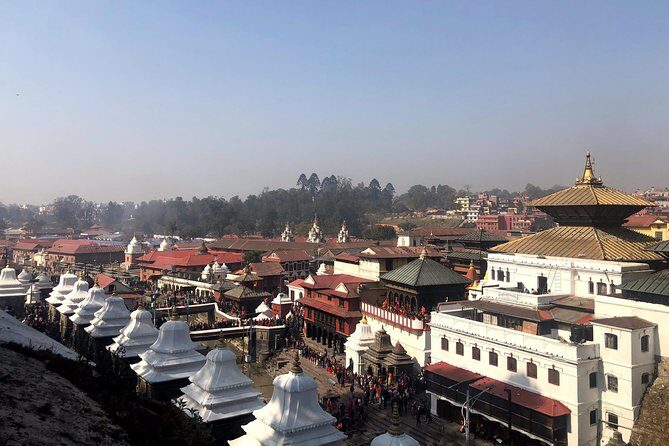
The Pashupatinath Evening Aarati is one of those Kathmandu moments where you stop thinking of a destination as a checklist. You’re watching faith in motion—light, incense, flowers, prayers, and song—guided by Brahmin priests and carried by devotees who show up night after night.
What makes it worth your time is the pairing of rituals. You don’t just see one part of Hindu practice; you see how temple worship and the river’s cremation tradition sit side by side in the same sacred landscape. With a good guide, that connection turns confusing scenes into something you can follow with respect.
And because the ceremony is timed for evening, it has a particular emotional tone. The day’s noise fades, the crowd gathers with intention, and the atmosphere turns quieter even when you’re surrounded by people. You’ll likely come away with more than photos—you’ll come away understanding what the symbols are trying to do.
You can also read our reviews of more evening experiences in Kathmandu


Getting There: The 4:30–5:30 Pickup Window and a 6 PM Start
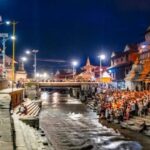
This tour is built around a hard-to-improvise schedule. You’ll be picked up from your hotel sometime between 4:30 PM and 5:30 PM, then you’ll head to the Pashupatinath temple area so you can settle in before the ceremony takes full shape.
The Aarati itself runs roughly 6:00 PM to 7:00 PM, and it lasts about an hour. Seasonal timing can nudge that start window, so don’t plan another appointment too close to the ceremony start. If you’re the type who likes to arrive early and breathe for a minute, you’re going to appreciate getting there ahead of the main surge.
One practical tip I’m happy to repeat: give yourself buffer time that afternoon. Kathmandu traffic can be unpredictable, and you don’t want to feel rushed while you’re trying to observe respectfully. If your guide offers advice on when to move and where to stand, take it—this is one of those situations where location affects what you can comfortably see.
Pashupatinath Temple at Dusk: What the Aarati Really Involves
Pashupatinath is the most revered Hindu temple in Nepal, and the evening Aarati is one of the clearest ways to understand why. The ceremony centers on worship of Lord Shiva, with priests leading the ritual actions while devotional songs (bhajana) fill the area.
During the Aarati, you’ll see offerings such as light, flowers, and incense—all used as part of the ritual exchange of reverence. That may sound simple, but the way it’s carried out in real time helps you understand how worship works when it’s lived, not performed for tourists.
Your visit also includes time inside the broader temple area experience, not just a quick stop at the main moment. The tour is designed for an evening stroll around the temple grounds, so you can connect what you hear—songs, chants, calls—with what you’re seeing.
One important money note: the tour lists admission as free, but entry fee to the Pashupati Temple premises is not included. In other words, you’ll want to be ready with cash or a way to pay the on-site entry fee so the evening doesn’t end up a logistics problem.
Bagmati River Cremation Viewing: How to Handle the Fire and Feelings
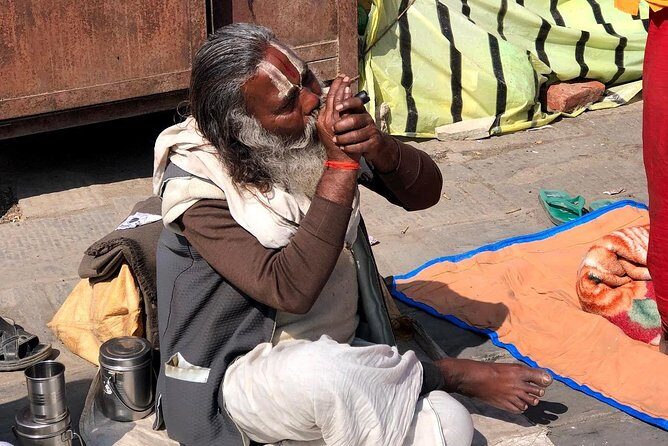
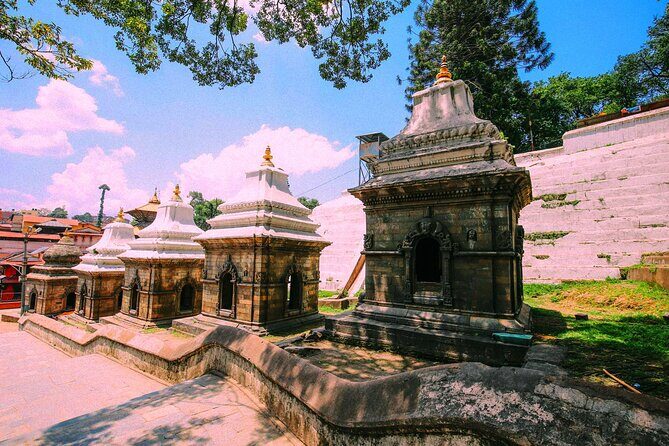
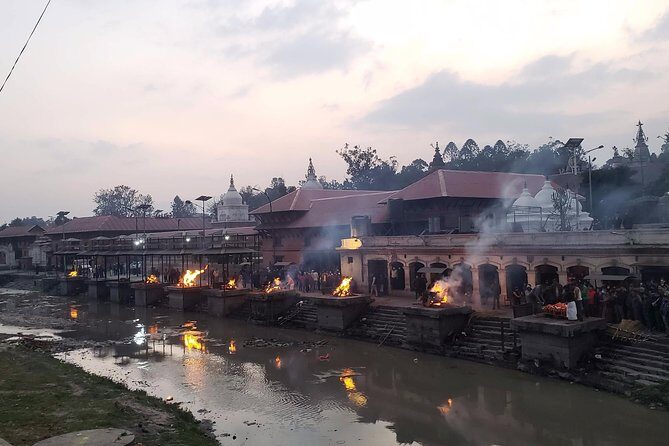
This is the part of the experience that most people talk about most strongly—because it’s meaningful, and it can be intense. The tour includes observing the cremation ceremony on the bank of the holy Bagmati River.
If you’ve never seen Hindu funeral practices before, it can look shocking at first. That’s exactly why having a guide matters. The best guides don’t just translate words; they give you the “what you’re seeing” and the “why it’s done” so you can watch with understanding instead of confusion.
A couple of key points to keep your head clear:
- This is a ritual setting tied to death, so expect emotions in the space.
- Fire is part of the process, and you may see active ceremony moments near the riverfront.
- You’re not there to judge—you’re there to witness and learn, with sensitivity.
If you’re the type who gets anxious around death rituals, go in with realistic expectations. You don’t need to force yourself to stare at every moment. You can choose a comfortable viewing angle, focus on your guide’s explanation, and step back when you need to reset.
Other Monuments Nearby: Turning One Hour of Ceremony Into Real Understanding
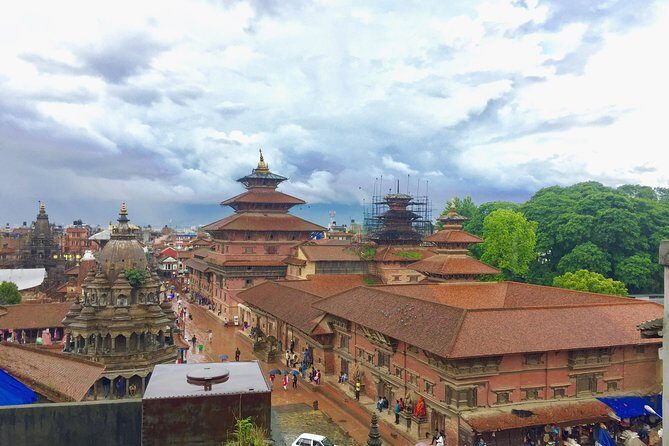
The Aarati hour is the centerpiece, but the surrounding area makes the experience stick in your memory. The tour also takes you to other monuments in the Pashupatinath vicinity, so you’re not just passing through a single point on the map.
This kind of added context is what helps the ceremony make sense afterward. You’ll likely find that once you’ve seen the worship and the river ritual, the temple surroundings don’t feel random. Instead, they feel like part of a whole sacred system—architecture, ritual, and daily religious life moving together.
You’ll also appreciate the pacing. Because the ceremony is only about an hour, the rest of the time acts like a bridge: you can get oriented, ask questions, and let your guide connect the dots between what you’re seeing at the temple and what you’re seeing near the river.





Price and Value: What $35 Buys You in Kathmandu
At $35 per person, this is priced for visitors who want structure. In practical terms, your money goes toward the guided experience and the included air-conditioned vehicle. The tour’s schedule (hotel pickup in the late afternoon and return after the ceremony) is part of the value too.
Also, admission to the temple is listed as free, which helps keep the total cost reasonable. But don’t forget: the entry fee to the Pashupati Temple premises is not included, so you may still need to budget for that on arrival.
Is it a bargain? For many people, yes—because the biggest value isn’t just proximity to the ceremony. The value is the translation of what you’re witnessing: priest-led ritual actions, devotional singing, and the Bagmati cremation ceremony on the riverbank. Without a guide, you’d likely spend much of the evening trying to figure out what’s going on instead of understanding it.
The tour also notes group discounts and a mobile ticket, which can make it easier to plan if you’re traveling with friends or want to book without paper hassles. With a reported 10+ bookings in a month, it’s clearly something people line up for when they’re in Kathmandu.
Guides Matter: Mahesh Ji, Mani, and Amber Make It Click
The difference between a good evening and a memorable one often comes down to the guide. Several guides are mentioned in firsthand accounts, and their names pop up because they did the hard part—explaining what you’re seeing without rushing you.
In particular, I like how guides such as Mahesh Ji and Mani are described as knowledgeable and accommodating, with clear explanations that help you move through the temple area with confidence. Another guide mentioned is Amber, who made sure the group could see and understand what was happening during the ceremony.
You should look for three kinds of help from your guide:
- Timing help so you don’t miss key moments around the 6 PM start
- Context help so the cremation/fire scene doesn’t feel meaningless
- Human help so you can ask questions without feeling like you’re interrupting
There’s also one caution worth taking seriously. One account reports a case where a guide never showed up, and the company didn’t contact the guest until the next morning. The company later offered a refund, explaining that the tour was removed from their calendar while other Aarati tours ran. That’s not the norm in the broader satisfaction picture, but it does tell you to be smart: confirm your pickup time the day of, and keep your phone available.
Small Logistical Things That Affect Your View
Even with pickup and a tight schedule, you’re still dealing with a famous temple evening. Here’s what you should plan for.
First: arrive with enough time to choose your spot. One account said they wished they had gotten there earlier for a better view of the fire ceremony on the riverbank. That lines up with how these settings work. If you want a comfortable angle and less scrambling later, trust the pickup window and don’t be late.
Second: bring your phone and be ready for a mobile ticket. It’s listed as part of the experience features, which usually means you’ll show a ticket on your device rather than handling paper.
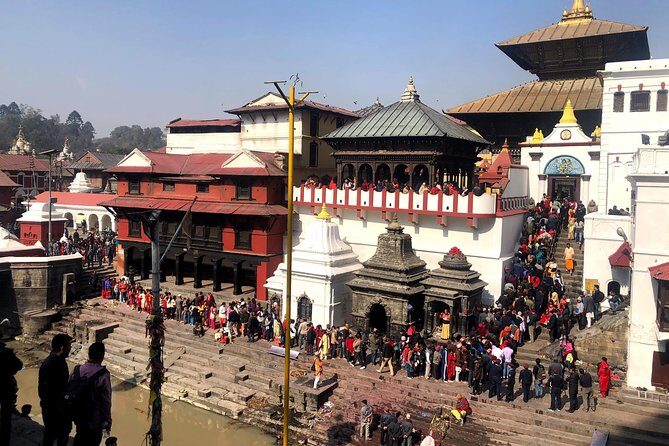
Third: expect it to feel busy around the temple. Even the best guide can’t change the fact that hundreds of devotees attend. The goal is to follow your guide’s cues and focus on understanding what’s happening rather than trying to beat everyone to every viewpoint.
Who Should Book This Evening Aarati (and Who Might Skip)
This tour fits best if you like religious culture that’s experienced firsthand. You’ll probably enjoy it if you’re comfortable with:
- Watching priest-led worship
- Seeing devotional singing and ritual offerings
- Observing the cremation ceremony process on the Bagmati River with explanation
It may not be the best choice if you’re very sensitive to funeral rites or you get overwhelmed by scenes involving death and fire. You don’t have to be fearless to go, but you do need to be emotionally prepared.
If you’re a solo traveler, it can work well because you’ll have a guide to translate the experience. If you’re traveling with friends, group discounts can make it easier to split the total cost while still keeping a shared plan.
Finally, it’s a strong pick for a Kathmandu evening because it’s short. You get a focused slice of local life—temple worship plus river ceremony—without losing half a day to travel.
FAQ
FAQ
What does this tour include?
The tour includes an evening Aarati experience at Pashupatinath, observing a cremation ceremony on the Bagmati River bank, and visiting other monuments around the area, with hotel pickup and an air-conditioned vehicle.
When is the Aarati ceremony?
The Aarati takes place every evening at around 6:00 PM to 7:00 PM depending on the season, and it lasts about an hour.
How long is the tour?
The duration is approximately 2 to 4 hours.
Do you pick me up from my hotel?
Yes. The guide and driver meet you between 4:30 PM and 5:30 PM at your hotel.
What is the price?
The price is $35.00 per person.
Is the Pashupatinath admission fee included?
Admission ticket is listed as free, but entry fee to the Pashupati Temple premises is not included.
Do I receive a ticket on my phone?
Yes. The experience includes a mobile ticket.
How does confirmation work after I book?
Confirmation is received at the time of booking.
Can I cancel for a full refund?
Yes, free cancellation is offered. You can cancel up to 24 hours in advance for a full refund.
Is this experience suitable for most visitors?
Most travelers can participate.
Should You Book This Evening Aarati Tour?
I’d book it if you want one concentrated evening in Kathmandu where you can actually understand what you’re seeing. The combo of priest-led Shiva worship at Pashupatinath plus guided context for the Bagmati River cremation ceremony is the kind of cultural learning that doesn’t happen on a quick sightseeing circuit.
Book it with eyes open, though. This is a real religious setting with fire and funeral rites, so if that’s not your comfort zone, choose a different kind of tour. And do yourself a favor: confirm your pickup time the day of so you’re not stuck waiting.
If you like meaningful rituals, respectful explanations, and an evening that gives you more understanding than just pictures, this is a strong choice.