REVIEW · KATHMANDU
From Kathmandu: 3-Day Chisapani-Nagarkot Trek & Bhaktapur
Book on GetYourGuide →Operated by Cordial Trek Pvt. Ltd. · Bookable on GetYourGuide
The mountains can hide, but the route doesn’t. This 3-day Chisapani–Nagarkot trek blends forest trails and village walking with two big view moments: Nagarkot sunrise and the Himalayan panorama from Chisapani. You also finish with UNESCO temple stops that make the trek feel more than just hiking.
I especially like how the trip pairs practical trekking days with classic cultural time in Bhaktapur and at Changu Narayan Temple. One thing to watch: mountain visibility can be disappointing in dry, hazy periods (April can mean smog hangs around), so you’re booking both a hike and a weather-dependent view.
In This Review
- Key highlights worth your attention
- Day 1: Sundarijal to Chisapani through Shivapuri National Park
- Day 2: Chisapani to Nagarkot—forest steps, village crossings, and the climb back up
- Day 3: Nagarkot sunrise, Changu Narayan Temple, then Bhaktapur’s UNESCO hits
- The mountain views are the whole point—so plan like a realist
- Price and value: what $176 gets you (and what you’ll still pay)
- Comfort and logistics that actually matter on a 3-day trek
- Who this trek suits best
- Should you book this Chisapani–Nagarkot + Bhaktapur trip?
- FAQ
- FAQ
- How long is the trek?
- Where do you get picked up and dropped off?
- What meals are included?
- What kind of accommodation do you get?
- What language is the guide?
- Are permits included?
- Do you provide a porter?
- Is this trek suitable for people with mobility impairments?
Key highlights worth your attention
- Nagarkot sunrise from your hotel area, with real Himalayan-sky payoff if the air is clear
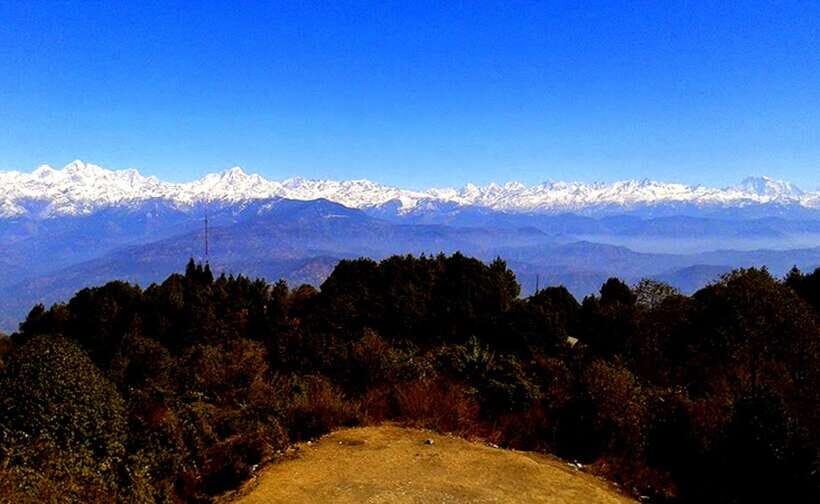
- Chisapani viewpoints with chances to spot Langtang Lirung, Annapurna, Ganesh Himal, Manaslu, and Everest on clear days
- Shivapuri–Nagarjun National Park hiking permit included, so you’re covered on the official side
- Village and terraced-field walking through places like Mulkharka and Tamang communities
- Bhaktapur Durbar Square + Changu Narayan for UNESCO temple depth after you hike
- Private/AC transfers and a licensed English guide, which makes a short 3-day trip feel organized
Day 1: Sundarijal to Chisapani through Shivapuri National Park
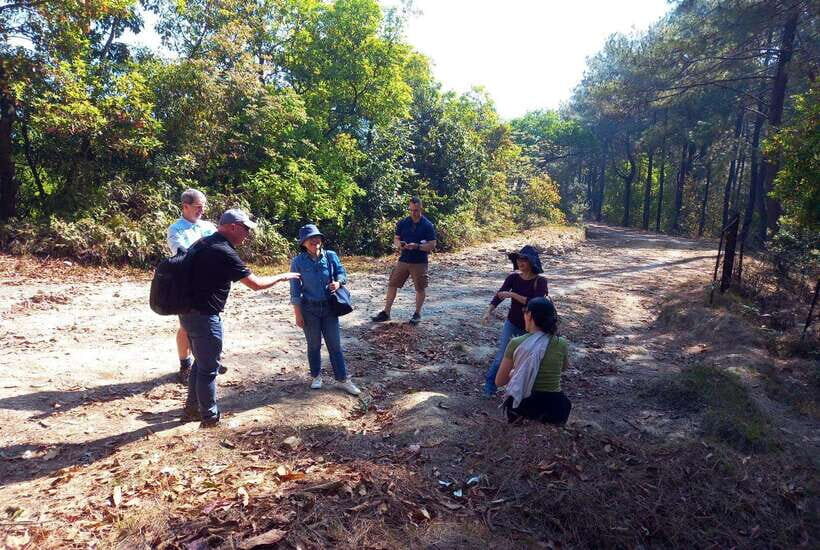
Your day starts in Kathmandu with pick-up from your hotel, then about an hour by vehicle to Sundarijal (around 1,460 meters). From here, you begin walking uphill along a large water pipe that runs down from the Sundarijal Reservoir. It’s a simple detail, but it helps you get oriented fast: you know you’re on track and the trail has a clear starting rhythm.
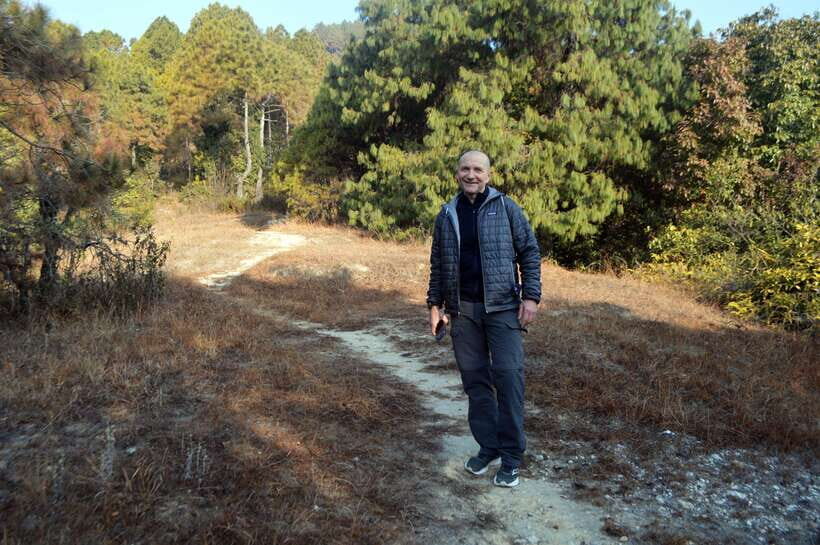
Once you enter Shivapuri–Nagarjun National Park, the walking becomes more “Nepal on foot” and less just climbing. The route works its way toward Mulkharka Village, and you pass through places like Tamang Village along the way. This is the kind of trek where you can glance at what people grow and how they live—because the trail doesn’t just toss you into the clouds and call it a day.
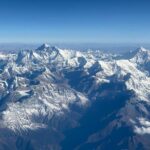
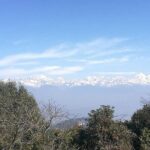
Chisapani sits higher (around 2,165 meters), and this is where the views are supposed to be strongest. On a clear day, you should be able to spot big names like Langtang Lirung, Annapurna, Ganesh Himal, Manaslu, and potentially Everest. The timing matters too: the walk gets you in position for an evening that can turn into a proper sunset session over the Himalayan range from your lodge area.
A practical win: your Chisapani stay is a guest house with a private bathroom. After day one on foot, that alone can feel like luxury. Breakfast is included, but lunch and dinner are not, so you’ll want to plan for how and where you’ll eat once you’re settled.
What can disappoint on Day 1? The views. In dry months, haze and smog can sit over the valleys. If you’re coming specifically for a crisp “wow, there’s Everest” moment, build in the mindset that the sky is not guaranteed.
You can also read our reviews of more hiking tours in Kathmandu
Day 2: Chisapani to Nagarkot—forest steps, village crossings, and the climb back up
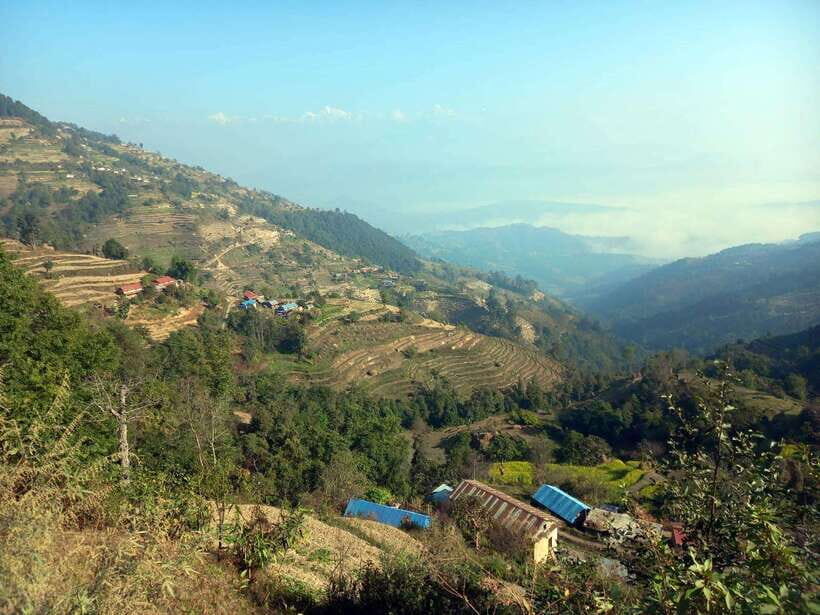
Day two is the main hiking push, carrying you from Chisapani (about 2,175 meters) toward Nagarkot, a classic viewpoint town.
After breakfast, the trail goes up through forest first. This is good news if you want some shade and steadier walking conditions. Then the route shifts into descent and re-formation as you pass through spots such as Jhule and Chauki Bhanjyang. Expect a mix: short stretches that feel like real trekking, and other moments where you’re threading through human-scale life—villages and terraced fields.
The route continues toward Kattike Bhanjyang, where you’ll then need to ascend again to reach Nagarkot. That “rise back up” section is the kind of climb that can feel tedious if you’re already tired, but it’s also part of the payoff: you’re positioning yourself for tomorrow’s sunrise and your final viewpoint time.
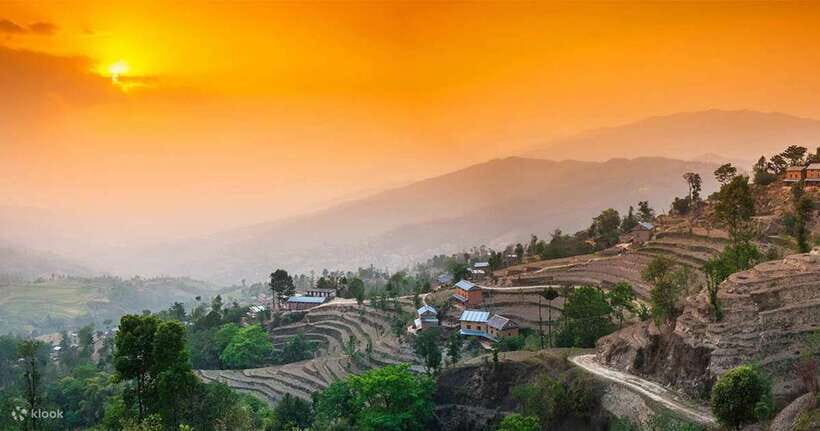
On a good day, Nagarkot delivers with more panoramic mountain views. If the air is clear, it’s one of the most reliable places in the Kathmandu Valley area to see big peaks in the distance—especially because you’re up high and the town is set up for that purpose.
The trade-off is simple: if you’re unlucky with visibility, the day can turn into a harder walk with fewer rewards. And based on real-world experiences from different months, it can also be warmer and dustier when conditions are dry, especially if some stretches feel more exposed.
Day 3: Nagarkot sunrise, Changu Narayan Temple, then Bhaktapur’s UNESCO hits
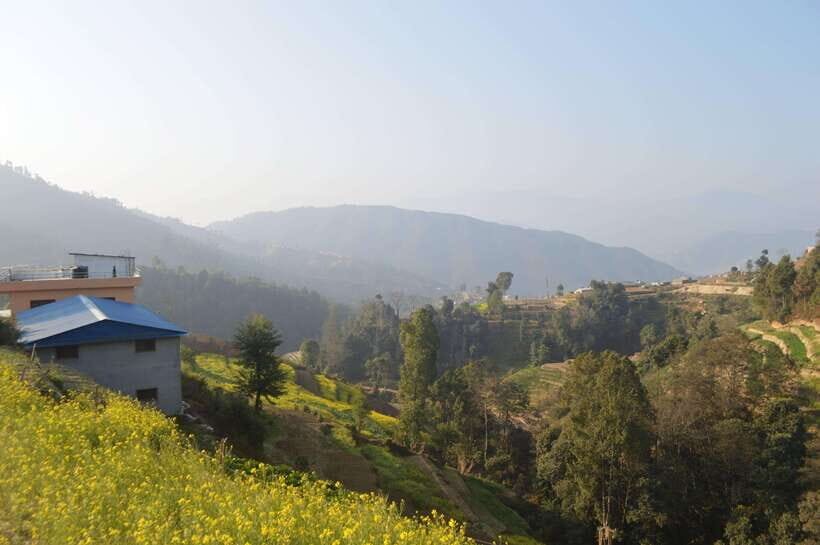
The last day starts early. You’ll wake up to see sunrise over the Himalayas from your hotel area, then have breakfast. This is the part of the trip that many people remember, because sunrise view-windows don’t last long. If you’re serious about photos, you’ll want to be ready right away—no dawdling, no overthinking.
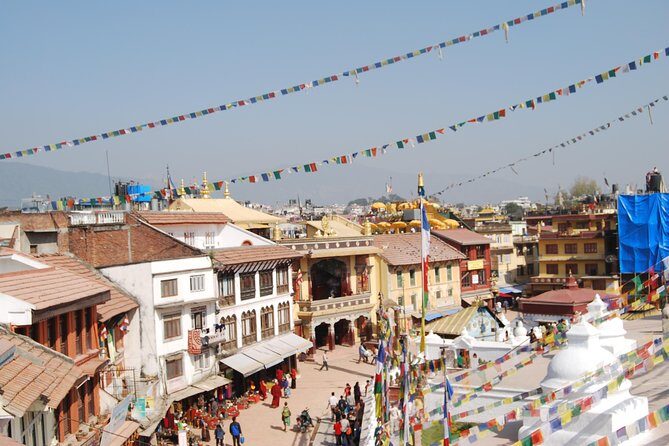
After breakfast, you hike from Nagarkot down toward Changu Narayan (around 1,541 meters). The route drops via Telkot, and along the way you should get bird’s-eye views of both Bhaktapur and Kathmandu. Think of this as your “valley reveal” moment after two days of moving through hills and forest.
Once you reach Changu Narayan Temple, you’re in UNESCO territory and one of the area’s most respected temple sites. It’s not just about checking a building off a list—this is the kind of place where the details make sense after a trek: carved stone, old-world placement, and the feeling that you’ve arrived somewhere that’s been cared for for generations.
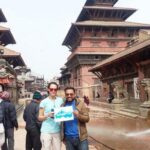
Then it’s drive time to Bhaktapur for Newari culture and the city’s key sights, including:
- Fifty Five Window Palace
- Golden Gate
- Natapola Temple
- Pottery Square
Finally, you return by vehicle back to Kathmandu and drop off at your hotel.
This structure is smart for a short trip: you finish with culture and craft, so you don’t feel like you “only” hiked. You get to walk a bit, look outward at mountains, then switch gears and look inward at a city that still runs on old rhythms.
The mountain views are the whole point—so plan like a realist
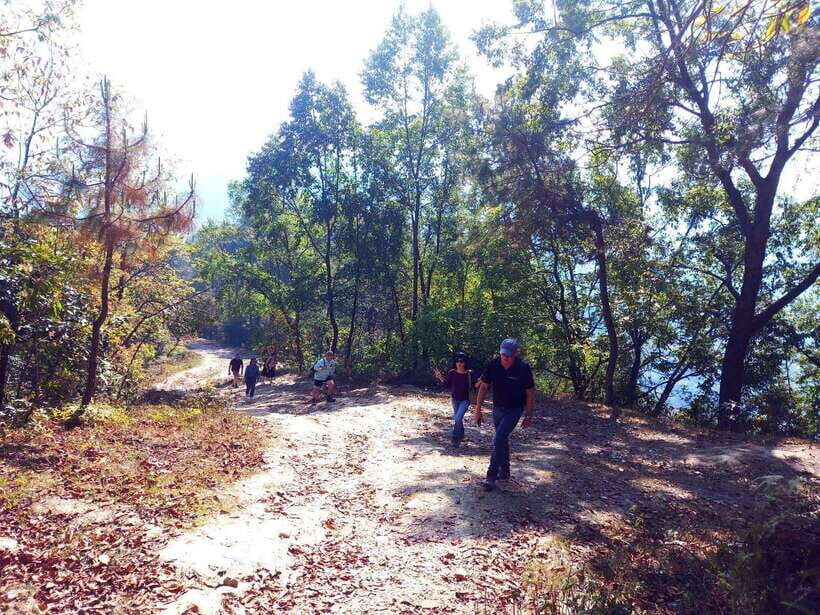
Here’s the honest bottom line: this trek is built around views, and views depend on weather.
In cleaner conditions, Chisapani is your first big horizon moment, with a chance to see multiple major ranges. Nagarkot is your second, and sunrise is the big-ticket experience. But in dry periods—like April—haze and smog can hang around the valley and soften peak outlines. If you’re imagining perfectly sharp mountains all day, adjust that expectation.
So what should you do?
- Pack for heat and sun even when the route climbs, because dry-season days can feel hot.
- Bring layers anyway. Even if it’s warm in town, higher elevations and early mornings can change fast.
- If views matter most, be mentally ready for “best effort” rather than “guaranteed Everest.” The trek still has value when the sky is cloudy, but it won’t feel like a poster.
Price and value: what $176 gets you (and what you’ll still pay)
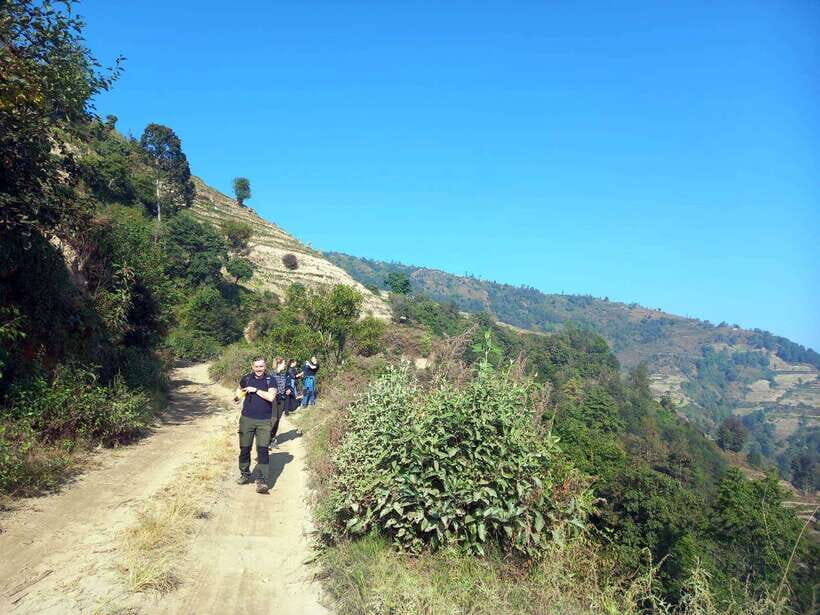
At $176 per person for 3 days, this trip aims to cover the parts that would otherwise cost you time and stress: transfers, guide support, permits, and lodging.
What’s included:
- Kathmandu hotel pick-up and drop-off by private vehicle
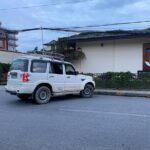
- Private ground transfers by AC car
- Chisapani lodge with breakfast and private bathroom
- Nagarkot accommodation at a three-star hotel with breakfast
- Shivapuri–Nagarjun National Park permit and hiking permit
- Licensed guide in English
- Solo traveler surcharge (so your “real price” may be higher than the baseline)
What’s not included:
- Lunch and dinner
- Monument fees
- Gratitude for the guide/driver (a real-world norm)
- Porter (listed as US$50 if you want one)
For value, the key is that you’re paying for organization and reduced friction. A 3-day trek is short; you don’t want to waste it dealing with logistics. The private transfers and guide help you keep the schedule tight, especially on the cultural day when you’re hopping between temple sites and Bhaktapur.
If you’re a fast walker and comfortable navigating, you might question paying for support. But most people doing this route aren’t trying to rough it—they want a smooth plan that still feels authentic.
You can also read our reviews of more tours and experiences in Kathmandu
Comfort and logistics that actually matter on a 3-day trek
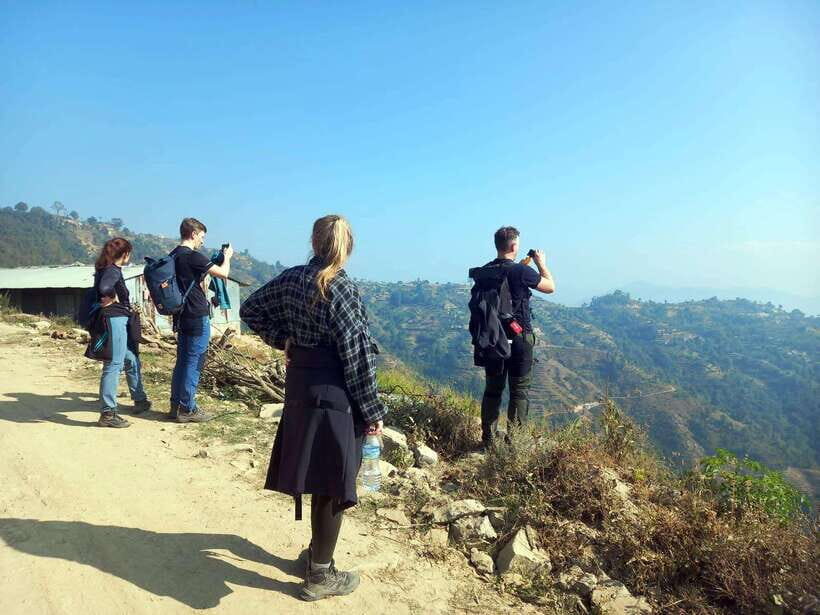
A few nuts-and-bolts details can make or break your experience.
Footwear and clothing: Comfortable shoes and comfortable clothes are listed for a reason. You’ll be on a mix of uphill, downhills, and village trail surfaces. Don’t bring brand-new shoes you haven’t tested.
Luggage: Oversize luggage isn’t allowed. Pack light. You’ll appreciate it on the climbs, and it keeps your day calm instead of chaotic.
Pace expectations: Day 1 is listed as roughly 4–5 hours of trekking after the drive. Day 2 is longer and includes both ascent and descent. Day 3 is a hike plus temple time plus driving—so it’s not a “slow final day” even though it ends with sightseeing.
Guide support: People have been happy with guides like Raj and Prakash, noting they’re personable, knowledgeable about the route, and able to adjust plans if you have timing constraints. That flexibility can be huge if you’re working around early flights or want to prioritize a specific sight.
Meals: Breakfast is covered at both main overnight stops. Plan for lunch/dinner on your own, which also means you can eat what feels right rather than being forced into a fixed menu.
Who this trek suits best
This is a strong fit if you want:
- A short Nepal trekking taste (3 days) without the commitment of longer routes
- A route that mixes nature time and UNESCO cultural time
- A guide-led experience with permits handled and transfers arranged
- An early start for sunrise views (you’ll earn it)
It’s not a good fit if you have mobility impairments, since the trekking sections and elevation changes are integral to the schedule.
If you’re traveling with limited time in Kathmandu, this also works well because you get two worlds—mountain horizons and Bhaktapur’s old-city feel—in one compact arc.
Should you book this Chisapani–Nagarkot + Bhaktapur trip?
I’d book it if your priorities are sunrise/altitude views (even with the weather caveat) and classic cultural stops like Changu Narayan and Bhaktapur Durbar Square area sights. The structure is practical: you climb into the hills, you spend the early morning at the viewpoint, then you come down into a city that’s built for slow walking and looking.
I’d think twice if you’re the type who needs guaranteed mountain visibility every day. Dry-season haze is real, and this trip can’t control the sky. If your heart is set on crystal-clear peaks, you’ll still enjoy parts of the trek—but you might feel let down if visibility is poor.
FAQ
FAQ
How long is the trek?
It runs for 3 days.
Where do you get picked up and dropped off?
You’ll be picked up from your hotel in Kathmandu and dropped back at your hotel in Kathmandu at the end.
What meals are included?
Breakfast is included. Lunch and dinner are not included.
What kind of accommodation do you get?
In Chisapani, you stay in a guest house with a private bathroom and breakfast. In Nagarkot, you stay in a three-star hotel with breakfast.
What language is the guide?
The guide provides service in English.
Are permits included?
Yes. The hiking and Shivapuri–Nagarjun National Park permit are included.
Do you provide a porter?
A porter is not included, though porter service is listed as US$50 if you want one.
Is this trek suitable for people with mobility impairments?
No, it isn’t suitable for people with mobility impairments.