REVIEW · KATHMANDU
Annapurna Base Camp, Nepal 10 days
Book on Viator →Operated by Third Eye Adventure P. Ltd · Bookable on Viator
A trek like this hits hard—in a good way. An Annapurna Base Camp private trek blends teahouse nights, big Himalayan scenery, and a guided walk into the Annapurna Sanctuary at your own tempo.
I love that you get hotels early on and teahouses once you’re in trekking country, plus most meals are included so you can focus on walking instead of budgeting every meal. I also like the private setup: you can customize the trek to your needs and keep your pace without feeling rushed.
The main consideration is altitude. This is a high-altitude mountain trek, and the days can be long on foot, with limited comforts like no included hot showers or WiFi during the trek.
In This Review
- Key Points Worth Knowing
- Annapurna Base Camp Trek: What It Feels Like in Real Time
- High-Altitude Reality Check: What Your Body Will Notice
- From Kathmandu to Pokhara: The Long Start That Pays Off
- Day 2 in Ghandruk: Gurung Village Life and Easy-Going Trail Hours
- Chhomrong and the 2500 Stone Steps: Where the Trek Gets Real
- Deurali via Bamboo: Damp Cold and Steady Ascent
- Machhapuchhre Base Camp to the Annapurna Sanctuary Zone
- Day 7 Downhill from Annapurna Base Camp to Bamboo
- Jhinu Danda on Day 8: Stone Steps, Old Trails, New Legs
- Day 9 and the Siwai Return: Wild Bee Hive Clues and a Final Trek Push
- Day 10 Kathmandu: Souvenirs, Reset, and an Optional Flight
- Food, Beds, and the Real Meaning of Included Meals
- Private Trek Pace: Why “Not Rushed” Can Change Everything
- Value for $848: What You’re Paying For (and What You’re Not)
- Who Should Book This Annapurna Base Camp Trek
- Should You Book It?
- FAQ
- What is the duration of the Annapurna Base Camp trek?
- How much does the tour cost per person?
- Does the tour include pickup?
- What tickets are provided?
- Are meals included, and which ones?
- What kind of lodging is included?
- What is not included during the trekking days?
- Is this a private tour?
- What fitness level do I need?
- Is there free cancellation?
Key Points Worth Knowing
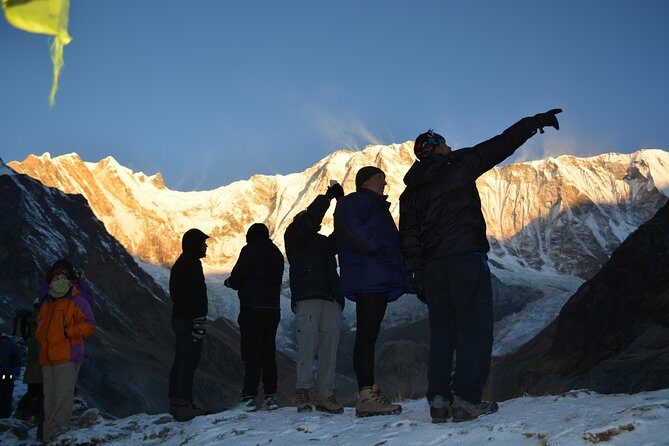
- Private, flexible pace: go at a rhythm that feels right for your group
- Hotel-to-teahouse mix: easier start, more authentic mountain nights later
- Most meals included: breakfast every day plus lunches and dinners on most days
- Scenery at multiple altitudes: villages, bamboo climbs, and the run-up to the sanctuary
- Guides get real attention: names like Sandip and Resham GC show up in feedback for care and route support
Annapurna Base Camp Trek: What It Feels Like in Real Time
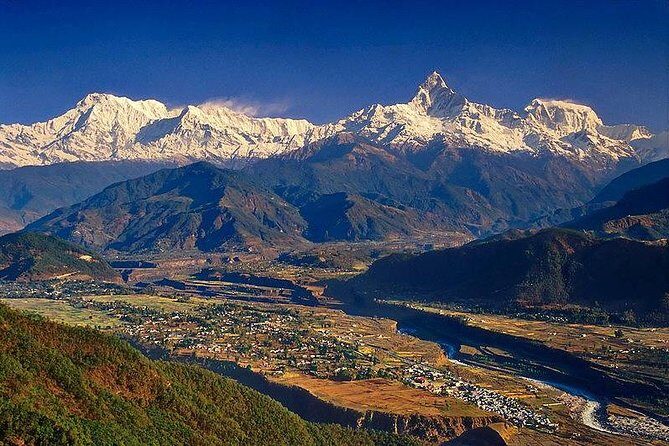
If you want a trek that feels both physical and meaningful, Annapurna Base Camp delivers. You’re walking through classic Himalayan terrain—steep stone steps, suspension bridges, bamboo forests, and tea-house villages—then you reach the sanctuary area tied to the Annapurna story and its spiritual importance.
The private format matters more than people think. On a group trek, “the schedule” can start to drive you. Here, the trek is designed so your guide can help set a pace that fits you, with time to ask questions about what you’re seeing and why the area matters beyond views.
Still, be honest with yourself about altitude and effort. The plan includes full trekking days (often in the 3–8 hour range), and it’s not built for a sit-back-and-sightsee vibe. If you’re already comfortable walking uphill for hours, you’ll enjoy this much more.
You can also read our reviews of more tours and experiences in Kathmandu.
High-Altitude Reality Check: What Your Body Will Notice
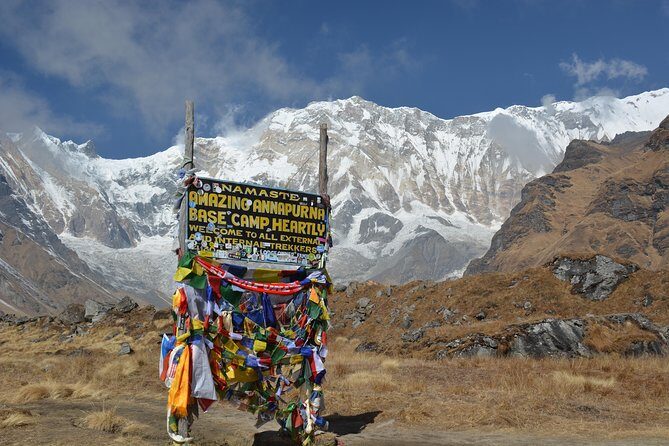
This is a high-altitude mountain trek, so how you feel will matter more than how far you think you can go. Even with a guided pace, your body may take time to adjust as elevation rises.
A practical way to prepare is to treat the trek like a stamina project, not a sprint. The itinerary includes days that are described as strenuous in spots (especially around the Machhapuchhre Base Camp approach). In plain terms: you’ll want good socks, a steady walking rhythm, and a willingness to slow down when needed.
Also, plan for limited everyday comforts. The tour doesn’t include hot water/hot shower, WiFi, or battery charging during the trekking days. That’s normal for the route, but it affects how you pack and how you think about recovery at night.
From Kathmandu to Pokhara: The Long Start That Pays Off
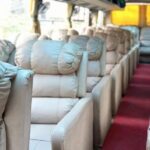
Day 1 is a road transfer day. You’ll drive from Kathmandu to Pokhara by tourist bus for about 7 hours, with Pokhara sitting around 820m. It’s a big change from Kathmandu’s energy—more relaxed, more trekking-oriented.
Why I like this kind of start: it helps you shift your mindset. Instead of jumping straight onto steep trails, you land in the Pokhara zone first, which gives you time to settle before your first trek day.
It’s also simply useful logistics. The tour includes air-conditioned vehicle support for transport segments, and there’s pickup offered. That means less hassle the morning you’re supposed to be thinking about packing and water, not figuring out how to get out of town.
Day 2 in Ghandruk: Gurung Village Life and Easy-Going Trail Hours
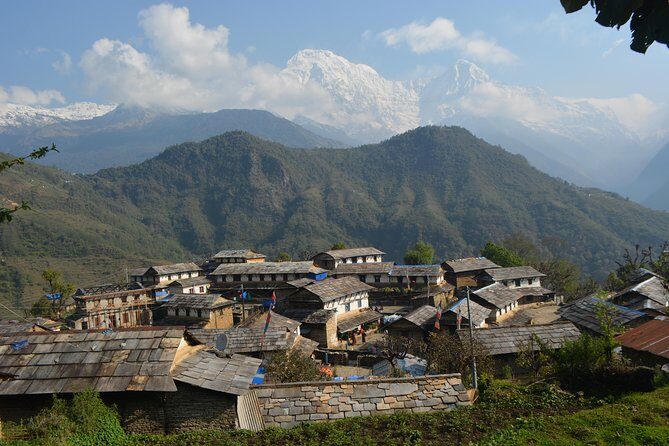
On Day 2, you drive about 2.5 hours to Siwai, then begin the trek to Ghandruk (around 4 hours). Ghandruk is described as a beautiful village mostly inhabited by the Gurung community. This is one of the best parts of Annapurna Base Camp treks: you get cultural depth early, before your legs feel too tired.
This is also a great “test day” for your gear. You’ll learn quickly if your boots rub, if your water plan makes sense, and whether you’re actually comfortable hiking for a few hours per day without needing constant breaks.
If your schedule allows, the plan suggests a possible extra Gurung community stop. Even if that part is short, you’ll get a clearer sense of how teahouse trekking fits into village life, not just as a tourist route.
Chhomrong and the 2500 Stone Steps: Where the Trek Gets Real
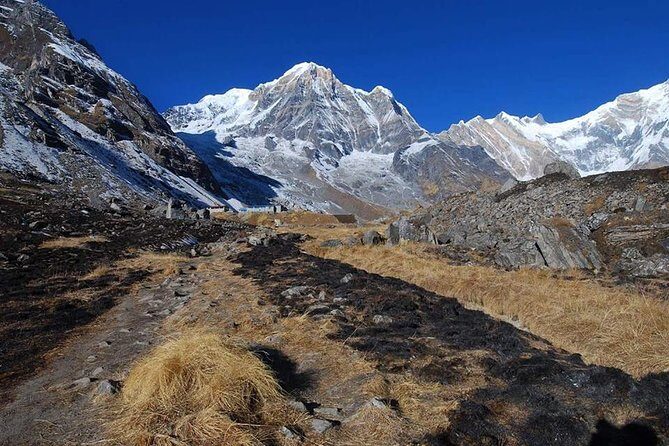
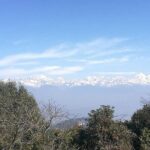
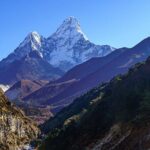
Chhomrong is a big landmark on this route. Day 3 focuses on moving through the area with a climb toward Kimrungdanda, where you can enjoy views of Annapurna South, Hiunchuli, Machhapuchhre (Machhapuchhre is also called Fishtail), and Ganggapurna.
Then Day 4 brings the classic “push-pull” trail pattern. After leaving Chhomrong, the path descends via 2500 stone steps, then crosses a suspension bridge. You’ll feel it in your quads and calves, but it’s also a relief day compared with the higher climbs later.
After that descent, you’re not done—you still climb uphill to Sinuwa and pass through forest trails toward Kuldih. The combination is the point. You get downhill relief, then you learn how to handle recovery-style climbing without getting discouraged.
This section is where I’d recommend you stay flexible. If you feel great, enjoy the rhythm. If you feel slow, that doesn’t mean you’re in trouble. With private trekking, your guide can adjust how often you stop and how hard you push.
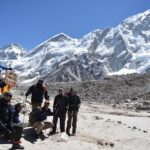
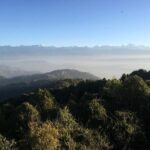
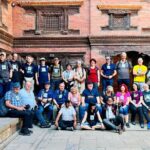
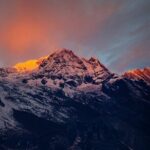
Deurali via Bamboo: Damp Cold and Steady Ascent
Day 5 is titled as Bamboo to Deurali (3230m) for about 4–5 hours. The trek passes through bamboo forest that’s described as damp and cold, and then it turns into a steady ascent with fewer steep sections once you’re past the wet, chill stretch.
That bamboo forest part matters. It’s not just scenery—it changes how your clothes feel and how your energy drains. If you’re the type who gets cold easily, this is where layered clothing pays off more than fancy gear.
Then you reach the Himalaya Hotel area. Teahouse trekking isn’t glamorous, but it’s comfortable in the way that matters: warm-ish rooms, simple meals, and sleep that helps you recover for the next day. At these heights, your night routine and your morning routine are both recovery tools.
Machhapuchhre Base Camp to the Annapurna Sanctuary Zone
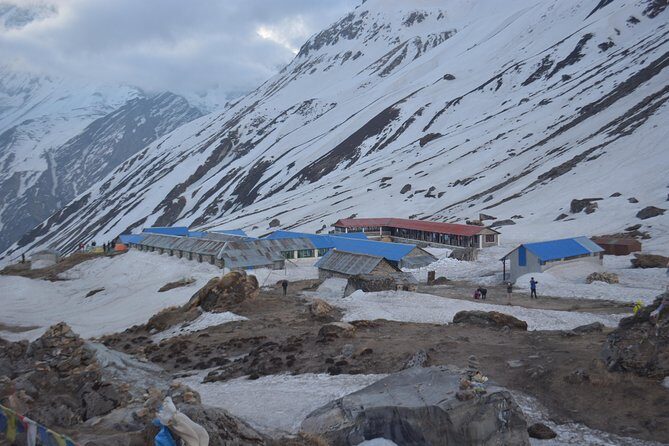
Day 6 is one of the more intense days. The route climbs gently through a river bed, then takes on steeper trail segments to the mountain side. You also get a hike from Bagar to Machhapuchhre Base Camp that’s described as somewhat strenuous.
This is a good day to plan your energy. You don’t need to race the climb; you need to keep moving steadily and not let fatigue build too fast. If you keep your pace conservative, you’ll enjoy the views more and you’ll feel better later.
What I like about this stage: it connects the dots. You start seeing how the Annapurna Sanctuary feels like a real destination rather than just a name. Even if the day is tough, the effort makes sense because you’re getting pulled toward the core of the trek.
Day 7 Downhill from Annapurna Base Camp to Bamboo
After reaching the base camp area, Day 7 shifts to retracing steps back to Bamboo, and the description says it’s downhill so it shouldn’t be too difficult. It’s still about 8 hours, so “easy” here means less steep, not less time.
This is the day your body learns what downhill does. Your knees and ankles take over. Your job is simple: slow down, take shorter steps, and let gravity work in your favor without letting it punish you.
I also like the mental side. Coming back downhill usually makes you feel proud, like you’re done with the hardest climb. That confidence can help a lot, especially if you’ve been monitoring how you’re breathing the whole way.
Jhinu Danda on Day 8: Stone Steps, Old Trails, New Legs
Day 8 is described as a mix day. From Bamboo you trek uphill to Kuldighar, then downhill to Chhomrong Khola, and then you climb stone steps to Chhomrong. After that, you descend again to Jhinudanda where you rest.
It’s a great illustration of how ABC trekking works: you think you’re moving forward, then you learn that the route is also about moving through terrain in a pattern—up, down, and up again. Because you’re still in the core region, the scenery stays strong, and the rhythm keeps you busy.
If you’re someone who gets bored on long trails, this mix is actually a feature. You’re always changing effort level, so your mind has something to focus on besides counting hours.
Day 9 and the Siwai Return: Wild Bee Hive Clues and a Final Trek Push
Day 9 takes you from the Jhinudanda area toward Siwai and ends with boardings on the vehicle. On the way, the plan includes hill scenery in western Nepal and a specific detail: wild bee hive under the cliff. That’s the kind of small roadside detail that makes trekking feel alive instead of staged.
You also get lunch along the way, and the trekking time is listed at about 6 hours. This day is a good “finish line” day—long enough to feel like part of the trek, short enough that you won’t feel broken before the ride back.
Day 10 Kathmandu: Souvenirs, Reset, and an Optional Flight
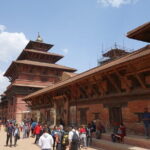
You’ll drive back to Kathmandu from Siwai after breakfast on Day 10, with the drive described as about 7 hours. Then you’re given time to look around shops and pick up souvenirs, or simply rest.
If you don’t want that final road day, the plan says you can take a flight that costs extra $100. That’s a useful option if your schedule is tight or if you just want to reduce travel fatigue after the trek.
Food, Beds, and the Real Meaning of Included Meals
The tour includes breakfast for 10 days, lunch for 8, and dinner for 7. That’s more than a token “meal plan.” It means you’ll spend less time negotiating food prices each stop and more time walking, resting, and enjoying the day.
Accommodation is split: hotels early and teahouses during the trekking portion. Teahouse rooms vary, but you can expect simple beds, basic cleanliness, and meals right where you sleep. This is the value of the ABC-style route: your day ends with a predictable setup.
One important detail: hot water, hot showers, WiFi, and battery charging are listed as not included. In practice, that means you should treat each day’s comfort as limited. Bring a plan for charging that doesn’t depend on the teahouses having power and treat laundry or long showers as unrealistic.
Private Trek Pace: Why “Not Rushed” Can Change Everything
A private ABC trek isn’t just about having nobody to wait for. It’s about control. The tour is private and says it can be customized to your needs, which usually translates to practical changes like adjusting breaks, slowing down on steep sections, or spending a little extra time at viewpoint stops.
Guiding quality shows up in the feedback. Names like Sandip and Resham GC appear with praise for being welcoming, caring, and supportive. You also see Raju and Nitesh singled out for smooth guiding and helpful porter support. In other words, this operator’s staffing seems to focus on people who keep you moving while taking care of the small stuff.
That matters because on a trek, the small stuff becomes big. Where you stop, how you pace, when you drink water, and how you handle fatigue can make the difference between a hard trip you enjoy and a hard trip you dread.
Value for $848: What You’re Paying For (and What You’re Not)
At $848 per person for about 10 days, this isn’t a budget trick. You’re paying for the whole package: accommodations across hotels and teahouses, transport segments (including an air-conditioned vehicle component), and the included meals count that reduces day-to-day uncertainty.
You’re also paying for the structure of a private high-altitude trek: someone arranging the route, the timing, and the support you need in Nepal’s trekking network.
What you should know up front: it doesn’t include tipping to the crew, and it doesn’t include hot water/hot shower, WiFi, or battery charging. So your true cost depends on your personal spending and on gratuity. If you accept that reality early and budget for it, the price starts to look fair for a private ABC itinerary.
Who Should Book This Annapurna Base Camp Trek
This trek is best for you if you’re comfortable with hiking on uneven trails and you want real teahouse trekking, not a car-and-hotel vacation. The tour lists moderate physical fitness as the right fit, and it also says walking ranges roughly 3 to 8 hours per day.
You’ll like it most if:
- you want a private guide and a pace you can adjust
- you value a cultural start in Pokhara and Gurung village time at Ghandruk
- you’re okay with simple teahouse comforts and limited tech access
You might rethink if you need guaranteed hot showers, WiFi, or battery charging on demand, or if you’re brand-new to trekking and not willing to train a bit before you go.
Should You Book It?
I’d book this trek if you want a classic Annapurna Base Camp experience with private pacing, enough included meals to keep you steady, and guidance that focuses on care and route support. The itinerary is built with clear movement days plus a logical return path, and the hotel-to-teahouse plan helps you ease in.
Don’t book it if you’re expecting luxury comforts during the trek. This route is for people who enjoy the outdoors and accept the basics—cool nights, limited charging, and long hiking hours—because that’s what makes the payoff feel earned.
FAQ
What is the duration of the Annapurna Base Camp trek?
The trek is listed as 10 days (approx.).
How much does the tour cost per person?
The price is $848.00 per person.
Does the tour include pickup?
Yes, pickup is offered.
What tickets are provided?
You get a mobile ticket.
Are meals included, and which ones?
Most meals are included: breakfast is included for 10 days, lunch for 8 days, and dinner for 7 days.
What kind of lodging is included?
Accommodation is included in hotels and teahouses.
What is not included during the trekking days?
Hot water, hot showers, WiFi, and battery charge during the trekking are not included.
Is this a private tour?
Yes. It’s a private tour/activity, and only your group participates.
What fitness level do I need?
The tour lists a moderate physical fitness level as the right fit, since it is a high-altitude mountain trek.
Is there free cancellation?
Yes, free cancellation is offered. You can cancel up to 24 hours in advance for a full refund, and if poor weather forces a cancellation, you’ll be offered another date or a full refund.