REVIEW · KATHMANDU
Everest Base Camp Trekking – 13 Day
Book on Viator →Operated by Trekking Planner Nepal · Bookable on Viator
Everest Base Camp gets serious fast. What makes this trek work is the logistics are handled and you still get real private pacing through the Khumbu. I like that you get daily structure with an experienced guide and enough built-in acclimatization time to reduce the usual headaches. One thing to consider: flights into and out of Lukla can be weather-dependent, and the trek still runs in all conditions, so you need the right gear and a flexible mindset.
This is also a “do less, hike more” style of trip. You’re picked up in Kathmandu, flown to Lukla, and then guided meal-to-meal in trailside lodges, with park and TIMS fees covered. You’ll still earn every altitude gain yourself, but you won’t spend weeks planning permits, routes, or day-to-day transfers.
In This Review
- Key highlights worth your attention
- Why this Everest Base Camp plan feels easier than going it alone
- Price and what $1,399 really buys you
- Day 1 in Kathmandu: airport pickup and a proper start
- Day 2 to Lukla: equipment day and the flight that starts the trek
- Days 3–4: Dudh Koshi to Namche Bazaar, plus a true acclimatization day
- Days 5–6: forests, Tengboche area light, and the climb toward Dingboche
- Day 7–8: acclimatization that pays off (Dingboche rest and short hikes)
- Days 9–10: Everest Base Camp day, then Kala Patthar for the big view
- Days 11–13: descending the Khumbu, returning to Namche, then Kathmandu flights
- Guides and timing: why names like Milan, Dibash, and Achyut matter
- What to pack: turn the gear list into real comfort
- Who should book this Everest Base Camp trek, and who should pause
- Should you book this 13-day Everest Base Camp Trek?
- FAQ
- Are flights between Kathmandu and Lukla included?
- What meals are included on the trek?
- Are park fees and TIMS card included?
- Do I need travel or health insurance?
- Is this a private trek?
- Does the trip include accommodation on the trail?
- What is the cancellation window for a full refund?
Key highlights worth your attention
- Kathmandu ↔ Lukla flights included so you don’t have to juggle another booking chain
- Trailside lodge nights plus meals on the trek keeps budgeting and daily decision-making simpler
- Private trek option that lets your guide tailor timing and walking pace to your group
- Acclimatization built into the schedule (including a dedicated rest day in Namche and another in Dingboche)
- Kala Patthar day for that classic high-view payoff before you drop back down
- Guides who manage time and explain what’s next (names you may hear include Milan, Dibash, Achyut, Ratna, and Avi)
Why this Everest Base Camp plan feels easier than going it alone
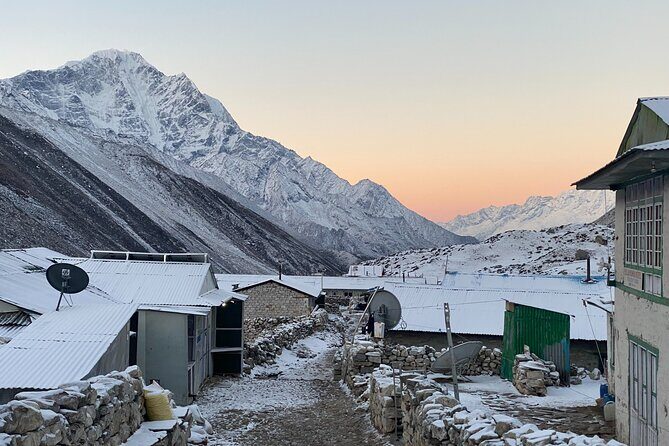
Going DIY in the Everest region usually means you do a lot of admin first: route planning, lodge syncing, porter arrangements, permits, and booking flights that can change. This package takes a big chunk of that off your plate. The result is that you can focus on one job: showing up, hiking smart, and listening to your guide.
I especially like the “private package” angle. It doesn’t mean the mountains get softer. It does mean you’re not fighting for space with strangers every time the group needs to adjust pace, bathroom breaks, or weather timing. In the real world, those small moments matter when you’re walking for hours at high altitude.
The other thing I like: the trip is built around acclimatization days rather than pretending you can rush altitude safely. That shows up in the schedule with rest and short-hike days in Namche and Dingboche, plus careful pacing around key altitude jumps. You’ll still be responsible for managing your own effort, hydration, and sleep, but the itinerary supports that work.
You can also read our reviews of more hiking tours in Kathmandu
Price and what $1,399 really buys you
At $1,399 per person, this trek isn’t a bargain. It’s a “pay for reduced friction” price. You’re covering the parts that tend to balloon when you plan separately: Kathmandu–Lukla–Kathmandu flights (with departure tax), trailside lodge nights, and a guide-led plan across multiple altitude zones.
Here’s what’s included:
- National Park entrance fee and TIMS card
- Kathmandu to Lukla to Kathmandu flights (plus airport departure tax)
- Meals on the trek (the package lists lunch, dinner, and breakfast for the trek days)
- All applicable taxes tied to the itinerary
Here’s what’s not included:
- Meals in Kathmandu (you’ll eat locally on your own)
- Alcoholic drinks and personal expenses like phone calls and charging
- Travel and health insurance, including helicopter evacuation
- Nepal visa fees
- Food and drinks unless specified
One cost detail that deserves attention if you’re traveling solo: the price notes a single surcharge of USD 150 if you want a solo departure instead of joining an existing group. In other words, solo can cost more even when the base price looks straightforward.
If your goal is maximum simplicity and you’d rather spend money than time coordinating logistics, this is strong value. If you enjoy planning and negotiating every piece yourself, you might find a cheaper DIY route, but it comes with more moving parts.
Day 1 in Kathmandu: airport pickup and a proper start
Day one is all about getting your bearings. You’re met at Tribhuvan International Airport by a representative and escorted to your Kathmandu hotel after you handle customs formalities.
This “first-night reset” matters more than people think. You’ll need decent sleep, time to buy or confirm small gear items, and a calm evening before an early start. It’s also when you can double-check your passport details for the trek’s paperwork requirements—your passport name, number, expiry, and country are required at booking for all participants.
One small heads-up: the package includes pickup and your hotel night, but meals in Kathmandu aren’t included, and you’ll also cover your own personal expenses in town. Plan one easy meal day without overthinking it.
Day 2 to Lukla: equipment day and the flight that starts the trek
On day two, you organize equipment the day before and leave early for Lukla. The trek guide leads the process, and you reach Lukla by scenic flight.
This is where you’ll feel two things immediately:
1) The altitude change begins right away.
2) Weather can influence flight timing.
That’s not a dealbreaker, just reality. The good part is that flights are included, so you’re not scrambling for transportation decisions mid-trip.
Gear-wise, this day is where the “what to pack” checklist becomes real. The trip provides a complimentary Trekking Planner duffel bag, and it’s meant to be returned after the trek. You’ll want your day pack (25 to 40 liters) for the small items you’ll access daily. Trekking shoes and layers matter here because you’ll soon be outside for long stretches, moving from warmer Kathmandu into cooler Himalayan air.
Days 3–4: Dudh Koshi to Namche Bazaar, plus a true acclimatization day
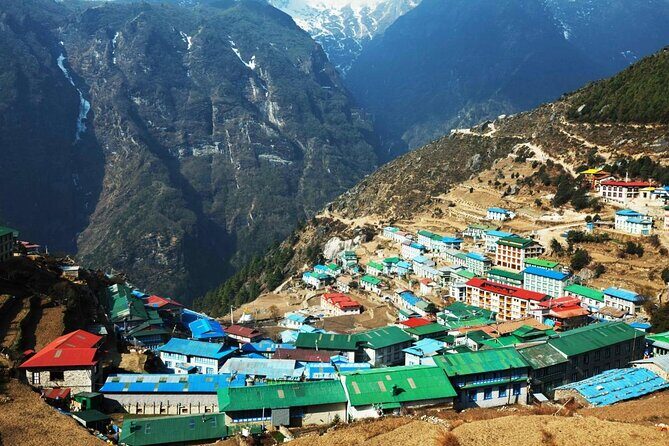
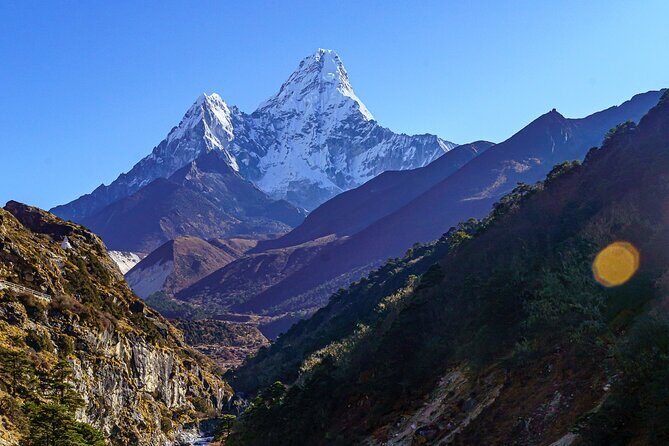
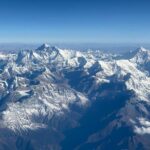
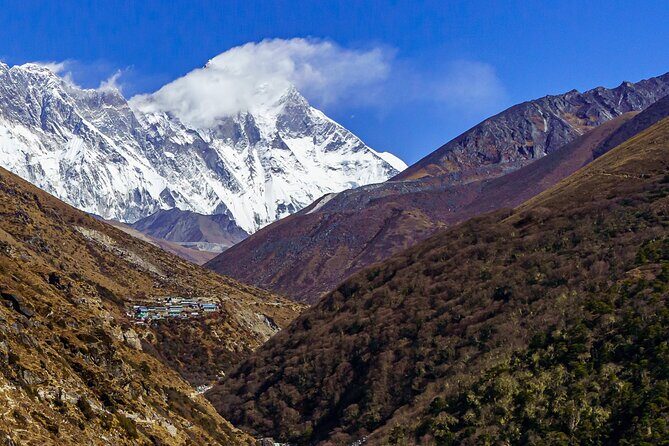
The trek continues along the Dudh Koshi River, heading toward Namche Bazaar, with suspension bridges and early mountain views. You also get a first impression of major peaks in the area, including Kongde Ri Peak.
What you should love here is pacing. The route is busy enough to feel like progress but not so punishing that you’re wrecked before Namche. You’ll walk among classic Khumbu scenery: riverside trail sections, bridges, and villages that act like rest points and hubs.
Day four is your acclimatization and rest day in Namche. The schedule is built for faster adjustment, with options like exploring shops and taking in the town’s lively energy. It’s also a practical day: you can refit layers, manage any minor altitude discomfort early, and get your rhythm before higher ground.
If you’re the type who pushes hard on day one and then regrets it, this day is your reminder to slow down and think long-term.

Days 5–6: forests, Tengboche area light, and the climb toward Dingboche
Day five includes a short but steep climb out of Namche before the trail eases into a more leveled stretch through forested sections. You pass settlements like Kenjoma and Sanasa, and the vibe shifts from market-hub energy into quieter walking.
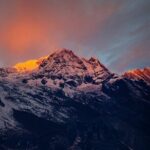
Day six connects you to the Tengboche area, with the route described around sunrise and sunset experiences. After that, you head onward toward Dingboche, passing through Deboche on the way. The walking here is about transition: from one cluster of villages to another, with changing air temperatures and mountain views that tend to sharpen as you go higher.
Potential drawback to flag: the climbs and descents can be tiring even when the itinerary looks “manageable” on paper. Your job is to keep effort controlled. If you feel breathless beyond what feels normal for you, that’s your cue to reduce pace and tell your guide.
Day 7–8: acclimatization that pays off (Dingboche rest and short hikes)
Day seven is another acclimatization-focused block. It’s designed as a day for short hikes to higher altitudes so your body can adjust before you keep climbing. This is exactly what altitude travelers need: gradual exposure, not sudden jumps.
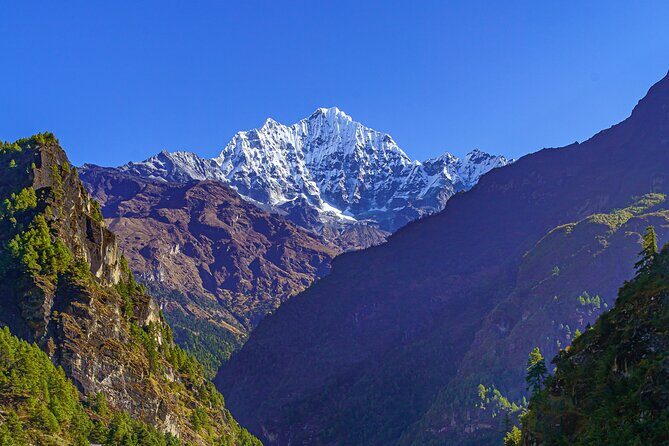
On day eight, you start with gradual ascent from Dingboche and pass grazing areas, with mountains appearing more often as visibility improves. The route includes spiritual and cultural trail elements like chortens and mani walls. Those aren’t just decoration. They give you mental checkpoints on long days and help break up the monotony of counting steps.
The walking is described as pleasant, and that matches what you want here: keep moving, but don’t go into the red. Save your heavy effort for the day you’re heading toward Everest Base Camp.
Days 9–10: Everest Base Camp day, then Kala Patthar for the big view
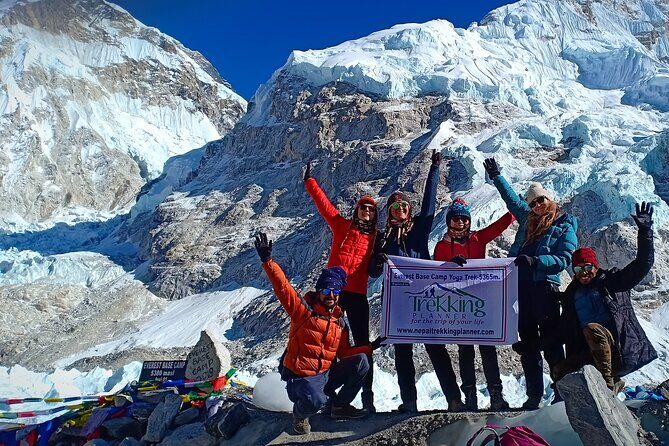
Day nine is the big one: heading to Everest Base Camp, with the route starting early from Lobuche. The schedule emphasizes altitude caution, and that’s important because this isn’t the point to ignore symptoms or treat your body like it’s optional.
Practically, the day is about endurance and judgment. You’ll likely feel the thin air in your breathing and energy. If you push too hard, you’ll pay for it later, and later is exactly where you need energy for the next day’s high viewpoint.
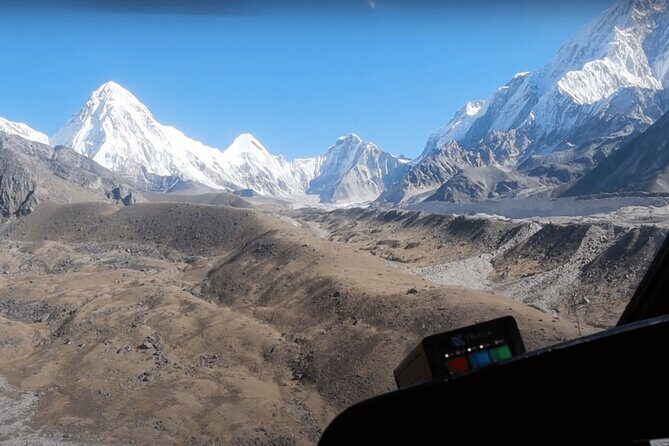
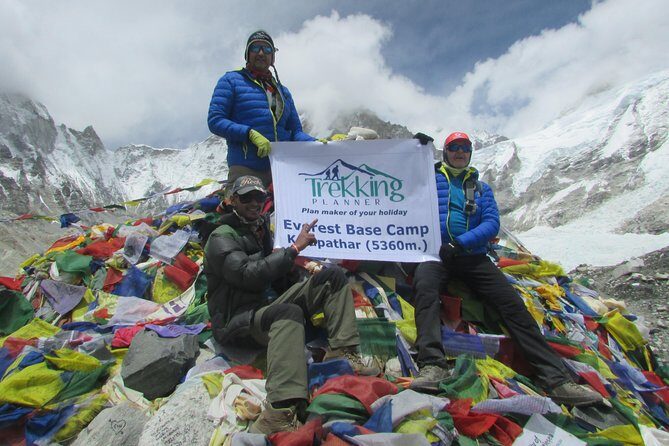
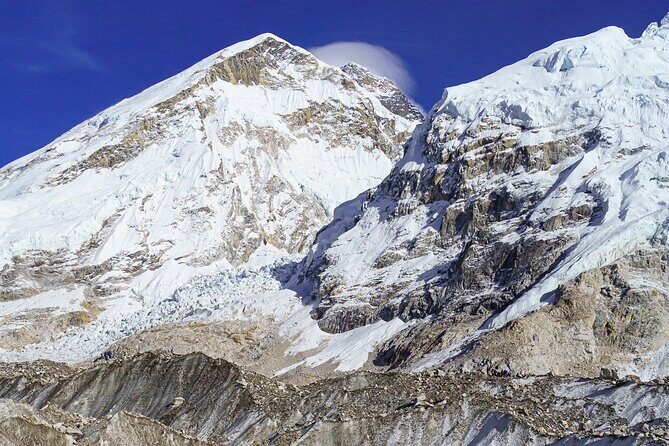
Day ten is a push to Kala Patthar, then a return toward lower altitudes. The plan starts early as well, with you getting ready before day breaks. Kala Patthar is famous for a reason: it gives a high-altitude perspective over the Everest region and is one of the best spots on many schedules to see how massive the area feels.
Then comes the smart part: after the view payoff, you come back down. That downward motion is not “giving up.” It’s your recovery tool.
Days 11–13: descending the Khumbu, returning to Namche, then Kathmandu flights
Day eleven continues the return from the Everest vicinity toward Namche Bazaar. The trek is mostly downhill, and you walk alongside the Dudh Koshi River again. Downhill can still be tough on knees and ankles, so it’s not a free pass. The guide’s time management matters here because you’ll be hiking for hours but also need to pace your steps to avoid joint damage.
Day twelve includes the last of the multi-day trekking segment, with a steep trail descent out of Namche and toward a riverbed of a confluence of Dudh Koshi. This is often the “wait, it’s over already” day. It’s emotional, but it still asks for focus, especially on rocky sections.
Day thirteen brings you back to Kathmandu after your time in the Khumbu (Everest) region. Flights start early, and weather disturbances during the day can affect timing, so again: the mountain has the final say. The package covers the flight timing plan, but you should expect that the last day can feel more like logistics management than pure hiking.
Guides and timing: why names like Milan, Dibash, and Achyut matter
This is one of the most praised parts of the trip: guide quality and how they manage the day. In the kind of schedule that aims to fit major altitude milestones into 13 days, timing is everything.
I love the idea that guides provide clear daily explanations and even estimate walk times based on physical ability. That’s not fluff. It helps you set expectations, manage energy, and avoid the trap of rushing because you think you’re behind.
You may meet guides like Milan, who’s described as responsible and good at outlining the next day’s plan. You might also trek with guides such as Dibash, known for handling logistics smoothly, or Achyut Mishra, praised for being attentive and supportive even when the itinerary gets challenging. Some people also mention Ratna for thoughtful guidance and learning points along the way, while Avi shows up in feedback for quick, helpful responses during planning.
Your takeaway: choose effort over ego. Use the guide’s pace logic, especially on the higher days. When a guide is tracking timing and conditions, that’s a safety benefit as much as it is a comfort benefit.
What to pack: turn the gear list into real comfort
The package gives a detailed gear list, and it’s worth treating it as the baseline. On this trek, temperatures swing, wind happens, and rain is possible. Layers aren’t optional if you want your evenings to feel tolerable.
Key items that matter most:
- Warm cap and fleece/puffy layer for cold mornings
- A waterproof Gore-Tex layer for rain and wind protection
- 4/5 pairs of good quality socks (many hikers underpack socks)
- Gloves and a sun hat/cap since you’ll get strong sun even with cold air
- Raincoat as a backup layer option
- 1 liter water bottle (you’ll also likely use refills depending on what’s available along the route)
- Small towel (avoid a big bulky one)
- Toilet paper (you can buy poor quality along the route)
I also like that the package nudges you toward a manageable day pack rather than carrying a mountain of stuff. You’ll move better when you don’t fight your own bag.
One more practical note: flashlight or torch, camera batteries, and toiletries are on the list. When you’re in a lodge setting, batteries and small conveniences can make the difference between grumpy tired and content tired.
Who should book this Everest Base Camp trek, and who should pause
This trip is aimed at people with moderate physical fitness and the willingness to hike day after day in altitude. If you’ve done multi-day hikes before and can handle long walking hours, you’ll likely feel at home here.
It’s also a solid fit for groups and families because the tour mentions discounts for groups, families, and honeymooners. If you want the experience without turning it into a full-time job planning permits and logistics, this style helps.
Who should think twice:
- Anyone who is very sensitive to altitude should talk with a medical professional before going.
- If you hate early mornings and long travel days, the schedule includes early flight and early trekking starts.
- Solo travelers should factor in that single surcharge may apply.
And remember: operating in all weather conditions means you’re responsible for dressing correctly. If you show up under-prepared, the trek punishes you.
Should you book this 13-day Everest Base Camp Trek?
If you want Everest Base Camp without handling most of the moving parts, I’d say this is a smart booking. The big value is not just that “meals and lodges are included.” It’s that the plan is structured to support acclimatization, and you get flights and key fees handled so you can focus on hiking.
Book it if:
- You like a private guided experience with clearer daily pacing
- You want Kathmandu–Lukla flights included
- You’d rather pay for reduced logistics stress than manage it yourself
Skip or shop around if:
- You’re trying to do this as cheaply as possible
- You’re uncomfortable with altitude risk and early starts
- You’re counting on perfect flight timing regardless of weather
If you go in with realistic expectations and pack for real mountain weather, this 13-day trek can be a rewarding, efficient way to reach Everest Base Camp and earn the Kala Patthar viewpoint.
FAQ
Are flights between Kathmandu and Lukla included?
Yes. Round-trip flights between Kathmandu and Lukla are included, along with airport departure tax.
What meals are included on the trek?
The package includes meals on the trek (lunch, dinner, and breakfast as listed for the trek days). Meals in Kathmandu are not included.
Are park fees and TIMS card included?
Yes. National Park entrance fees and the TIMS card are included.
Do I need travel or health insurance?
Insurance is not included. The package also specifically notes insurance for helicopter evacuation is not included.
Is this a private trek?
Yes. It’s described as a private tour/activity, meaning only your group participates.
Does the trip include accommodation on the trail?
Yes. You get nightly accommodation in trailside lodges.
What is the cancellation window for a full refund?
Free cancellation is available up to 24 hours in advance for a full refund. If you cancel less than 24 hours before the start time, the amount paid isn’t refunded.