REVIEW · KATHMANDU
Kathmandu: Full Day 7 UNESCO Tour with Lunch – Private/Group
Book on Viator →Operated by Luxury Holidays Nepal Pvt. Ltd. · Bookable on Viator
Seven UNESCO sites in one day. This tour strings together Swayambhunath, Durbar Squares, Pashupatinath, and Boudhanath, with a guide translating what you’re seeing into Nepali culture and history.
I love the hotel pickup and drop-off; it saves you from figuring out logistics in Kathmandu traffic. I also love the English-speaking guide narration, which connects Hindu and Buddhist symbolism as you move from site to site.
The downside is the pace: it is a long, packed day, so you won’t linger as much as you might like at every monument. If you’re the type who wants to sit quietly for an hour, this route may feel a bit time-squeezed.
In This Review
- Key things to know before your Kathmandu UNESCO day
- The big idea: why this 7-site route is worth your time
- Pickup, timing, and why your shoes matter more than you think
- Stop 1: Swayambhunath (Monkey Temple) and the lesson of hilltop views
- Durbar Square trio: Kathmandu, Patan, and Bhaktapur in one sweep
- Kathmandu Durbar Square (Hanuman Dhoka)
- Patan Durbar Square (Lalitpur)
- Bhaktapur Durbar Square
- The only real drawback with the Durbar Squares
- Changu Narayan Temple: the older Hindu layer
- Pashupatinath on the Bagmati: pilgrimage, ritual, and intensity
- Boudhanath Stupa: Tibetan Buddhism, chanting energy, and a slow landing
- Lunch box value: what you actually get and why it matters
- Price reality: entrance fees are the cost driver
- Guides and drivers: what to look for during your day
- Who this tour suits best (and who should skip it)
- Should you book the Kathmandu 7 UNESCO day tour?
- FAQ
- Which UNESCO sites are included in this Kathmandu tour?
- How long is the full-day Kathmandu UNESCO tour?
- Is hotel pickup and drop-off included?
- Are entrance fees included?
- What lunch is provided on the tour?
- Can I cancel and get a full refund?
Key things to know before your Kathmandu UNESCO day
- 7 UNESCO World Heritage stops mean you’ll get broad coverage of Kathmandu Valley’s Hindu, Buddhist, and Newari traditions.
- Pick-up included, so you start and end with less hassle than self-guided sightseeing.
- Lunch is built in (water plus muffin/donut/fruit and juice), so you’re not scrambling for food mid-day.
- Entrance fees are the big swing factor unless you pick the all-inclusive ticket option (cash in Nepalese Rupees is commonly needed).
- Guides like Sumit, Anon, Anant, Sajina, Suresh, and Asmita show up across the tour experience, and many focus on clear explanations and story-led walking.
The big idea: why this 7-site route is worth your time
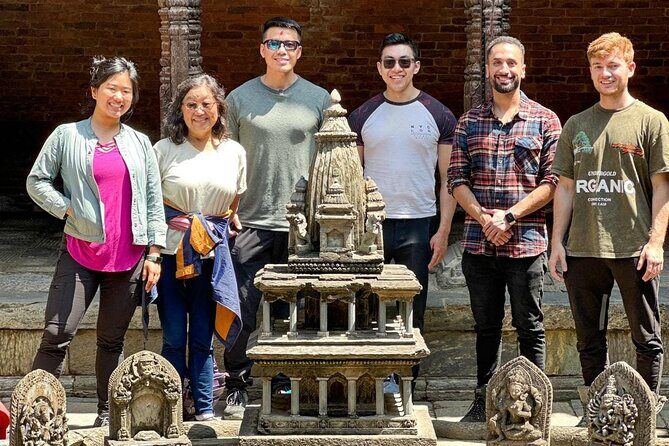
Kathmandu can swallow a day fast. This tour is designed for the opposite. Instead of choosing one neighborhood and slowly drifting, you get a full sweep of the valley’s most recognizable UNESCO places in a single outing.
What makes it work is the order and the guidance. You start up at Swayambhunath, then move through the old royal heartlands (Durbar Squares), dip into an even older Hindu temple (Changu Narayan), then shift to major living pilgrimage sites like Pashupatinath and the Tibetan center at Boudhanath. The guide’s job is to help you see patterns: how temples, courtyards, and riverbank rituals connect to centuries of belief and local life.
The route is also a practical choice if your Kathmandu time is short. People often hear that you need multiple days to do it properly. You don’t, but you do need to accept that this is a fast-learning day, not a slow wandering day.
You can also read our reviews of more private tours in Kathmandu

Pickup, timing, and why your shoes matter more than you think
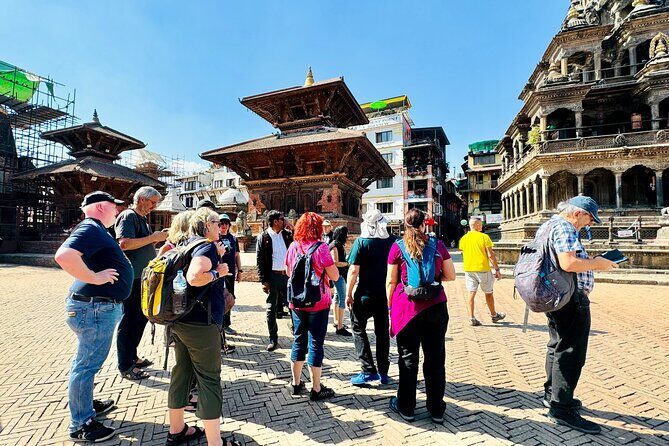
The day is built around hotel pickup and drop-off by private vehicle, which sounds simple, but it’s huge in Kathmandu. Getting from one UNESCO stop to the next is part of the experience here, and starting clean (on time, in the right vehicle) keeps the schedule from slipping.
Plan for about 8 to 9 hours, but expect it can stretch longer door-to-door depending on traffic and crowds. The itinerary time blocks are tight at several stops, and the walking adds up. Reviews consistently note that it feels packed, with some people saying it can run closer to 10 or 11 hours.
So pack like you’re doing a mini hike day:
- Wear comfortable walking shoes.
- Bring a little extra water if you’re the type who drinks constantly.
- If you’re sensitive to long days, consider splitting the UNESCO coverage into two days elsewhere in Kathmandu.
Stop 1: Swayambhunath (Monkey Temple) and the lesson of hilltop views
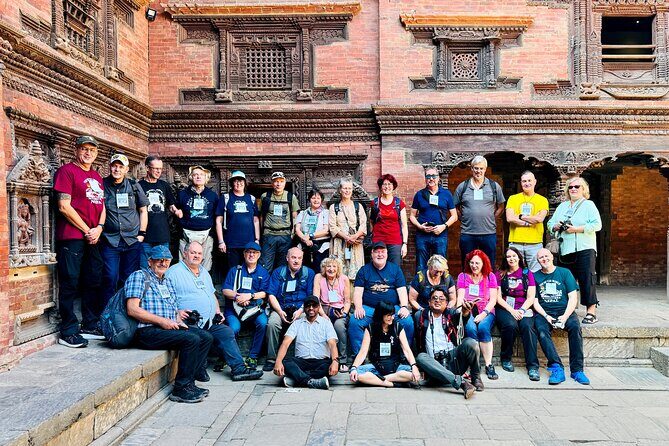
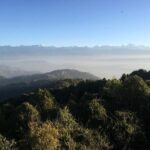
Swayambhunath is the one most people recognize from photos, but up close it’s more about atmosphere than postcards. It sits on a hill overlooking the Kathmandu Valley, and the whole place feels like it’s watching the city.
You get roughly 40 minutes here. That’s long enough to orient yourself, understand the symbolism, and see the prayer-flavored details that most visitors miss when they rush. One of the best reasons to start at Swayambhunath first is that it sets the tone for the day: sacred space on a vantage point, with constant movement and reverence.
Two practical notes:
- Expect stairs and uneven ground.
- If you already visited Swayambhunath earlier in Kathmandu, you may want to ask about adjusting the stop on a private booking, because skipping one site can help the schedule breathe.
Durbar Square trio: Kathmandu, Patan, and Bhaktapur in one sweep
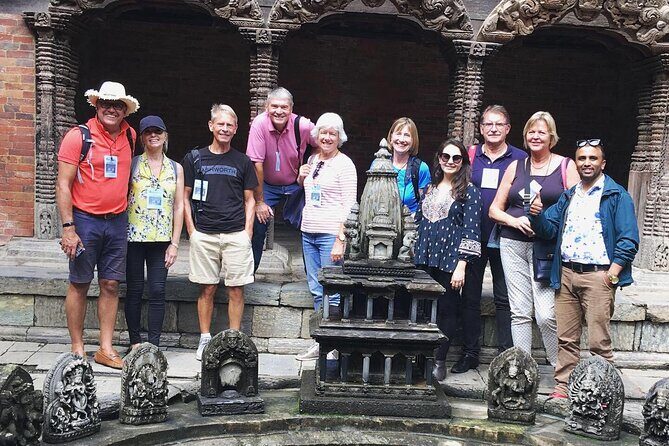
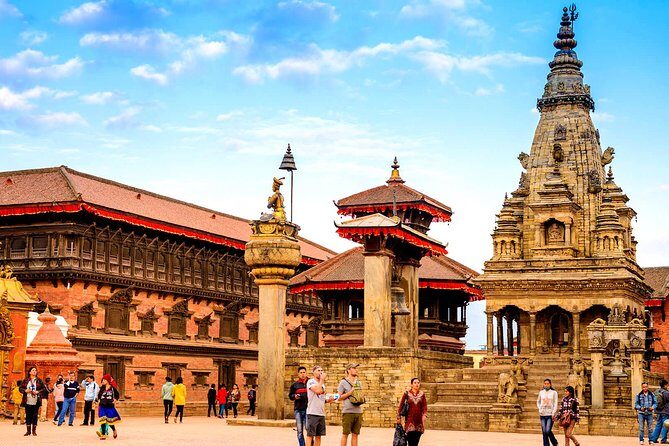
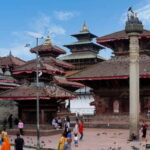
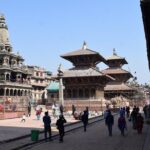
The tour then shifts from hilltop spirituality to palace-era architecture and city history. You’ll visit Kathmandu Durbar Square (about 1 hour), Patan Durbar Square (about 1 hour), and Bhaktapur Durbar Square (about 1 hour). That is a lot of stone-and-story in one day, but it’s also the fastest way to understand Newari craftsmanship and royal-era design across the valley.
Kathmandu Durbar Square (Hanuman Dhoka)
This is the historic royal complex area, associated with the Malla and Shah kings. Here, the guide’s narration matters because these courtyards and monuments look like “just architecture” until someone connects them to what the space used to do. You’re walking through a living timeline of power, religion, and city identity.
You can also read our reviews of more tours and experiences in Kathmandu


Patan Durbar Square (Lalitpur)
Patan’s square is known for Newari architecture and a strong link to arts and spirituality. The benefit of visiting both Kathmandu and Patan in the same day is that you can compare details side-by-side, without needing a second trip.
Bhaktapur Durbar Square
Bhaktapur is often where the day starts to feel heavier, because you’re still walking, still learning, and still trying to absorb. But it’s also where the “medieval city” vibe becomes real. The courtyards here make it easy to understand why the Durbar Squares are central to UNESCO recognition.
The only real drawback with the Durbar Squares
Time is the tradeoff. You’ll get meaningful context, but you won’t do slow museum-style reading. If you like taking notes, bring a notebook because the guide can explain a lot quickly.
Changu Narayan Temple: the older Hindu layer
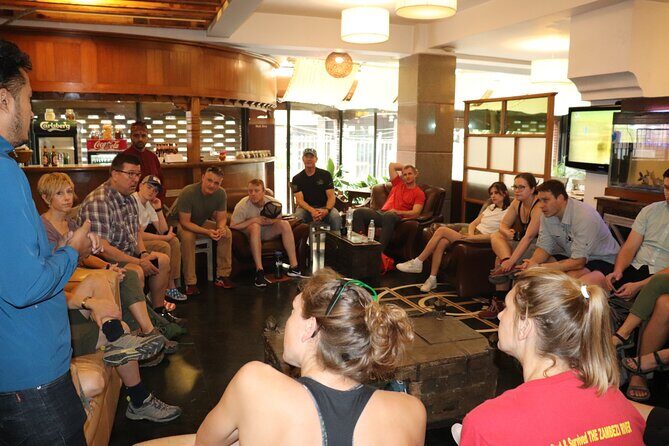
Next up is Changu Narayan Temple, about 30 minutes. This hilltop temple is considered one of the oldest Hindu temples in Nepal, with origins dating back to the 4th century. It’s dedicated to Vishnu, and the UNESCO value here is the historical depth and continuity of sacred architecture.
Changu Narayan is a nice contrast after the Durbar Squares because it feels more “temple hill” than “royal courtyard.” It also gives your brain a break from the palace-site pace. You’ll likely be thinking: how many centuries can one country pack into a single day.
Practical angle: hilltop temples usually mean stairs. You’ll want legs that are still fresh.
Pashupatinath on the Bagmati: pilgrimage, ritual, and intensity
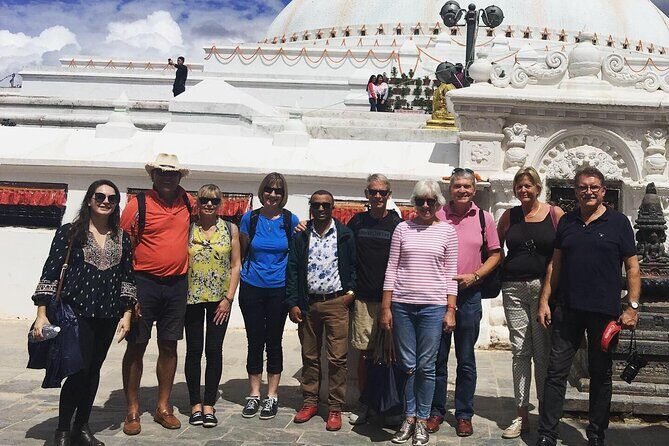
Then you reach one of Nepal’s most important Hindu pilgrimage sites: Pashupatinath Temple, about 1 hour. It sits on the banks of the sacred Bagmati River and is revered for worship connected to Lord Shiva.
This stop is often the emotional peak of the day for many people, because it’s living religion rather than static sightseeing. The guide’s job here is important. Without context, you can miss why people behave the way they do around the river and temple spaces.
What to expect:
- You’ll be surrounded by ritual and steady foot traffic.
- The atmosphere can feel intense, especially if it’s your first time seeing such close religious practice.
If you prefer quieter moments, remember this is a pilgrimage site first. Treat it respectfully, stay aware of your footing, and move when the crowd moves.
Boudhanath Stupa: Tibetan Buddhism, chanting energy, and a slow landing
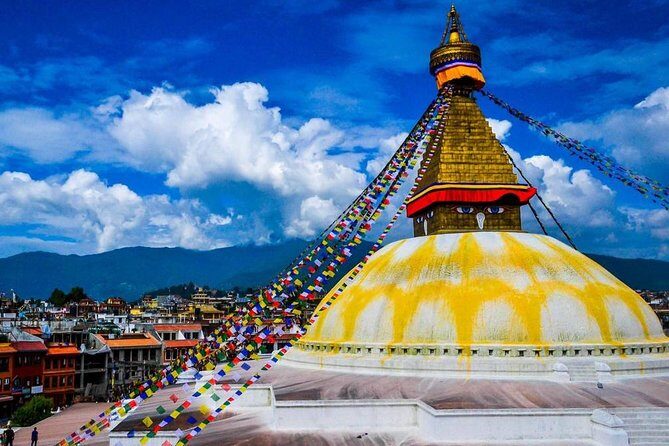
Finally, the tour ends at Boudhanath Stupa, roughly 30 minutes. This is one of the largest spherical stupas in the world and a spiritual heart for Nepal’s Tibetan Buddhist community.
Boudhanath is where the day often shifts from “historical facts” to “sensory understanding.” The scale of the stupa and the visible Buddhist practice around it make the culture easier to feel, even if you can’t translate every detail.
If you get to Boudhanath and feel tired, don’t worry. This is a stop where you can still get value just by observing: the stupa’s form, the surrounding prayer spaces, and how people move around it.
Lunch box value: what you actually get and why it matters
The tour includes a lunch box with 500ml bottled water, a muffin (and in the included items list: donut, banana, seasonal fruit, and juice). In plain terms, it’s snack-based fuel designed to keep you going between stops.
This is a real advantage on a packed day. You avoid wasting time hunting for food, and you don’t get derailed by hunger at the Durbar Squares or temple transitions.
There’s also an all-inclusive option. It includes food and soft drinks plus entrance fees, with a khana set or choice of dishes. That option tends to feel better if you hate adding up small costs in cash across multiple monuments.
My practical take: if you pick the standard option, treat lunch as adequate but not filling. If you pick all-inclusive, you reduce decision fatigue and budget surprises.
Price reality: entrance fees are the cost driver
The tour price is listed at $10 per person, but the fine print matters. Entrance fees to monuments are not included for the standard private/group options. The listed entrance fee amount is $44 per person for those options.
Reviews also point to a cash requirement once you arrive, often around 6,000 Nepalese Rupees to cover entry across the sites. Because the exact total can vary, the best move is to carry enough cash in Nepalese Rupees and keep a buffer.
So how do you judge value?
- If you want to see a lot quickly and you’re okay with a cash add-on, this standard version is a strong deal.
- If you’d rather pay once and focus on the day, the all-inclusive ticket option reduces friction and planning.
Either way, you’re paying for two things you don’t get solo: an efficient route and a guide to connect what you’re seeing.
Guides and drivers: what to look for during your day
The tour experience heavily depends on who’s guiding you and how your driver handles traffic. Across the experience, guides named Sumit, Anon, Anant, Sajina, Suresh, and Asmita show up, and many are praised for clear explanations and steady pacing through a long day.
One driver name that appears is Krishna, noted for skilled, calm handling in chaotic traffic. That matters because Kathmandu driving can feel intense even when you’re not doing anything.
If you want the best day possible, here’s what to look for from your guide:
- They explain what you’re looking at in each place, not just where to stand for photos.
- They keep the group moving without turning every stop into a sprint.
- They help you understand religious or cultural context so the sites feel less random.
Who this tour suits best (and who should skip it)
This tour is a great match if:
- You have limited time in Kathmandu and want a “see the big UNESCO stuff” day.
- You like structure. You want someone else to handle route timing and history pointers.
- You’re okay with walking and a packed schedule.
It may not be ideal if:
- You’re hoping for a slow, reflective pace.
- You have a tight connection later the same day or you’re planning another demanding activity immediately after. The schedule can run long.
A smart compromise if you’re unsure: do this tour as your introduction, then return on a separate day to linger where you felt the strongest pull, especially at the Durbar Squares and Boudhanath.
Should you book the Kathmandu 7 UNESCO day tour?
Book it if you want maximum coverage with minimal planning. The pickup-and-drop-off setup, a real English-speaking guide, and the lunch box make it practical for a first Kathmandu visit. The route also gives you a clear cross-section of the valley’s major UNESCO sites in one long day.
Skip or reconsider if you hate tight pacing. Entrance fees can add cost, and even with a good guide, this is still a “many stops” itinerary. Your best advantage is knowing what you’re signing up for: fast learning, strong context, and a lot of walking.
If you do book, come prepared with Nepalese Rupees for monument entry (unless you choose the all-inclusive option), wear comfortable shoes, and decide in advance what matters most to you. You’ll still see a lot, but your day will feel less chaotic and more intentional.
FAQ
Which UNESCO sites are included in this Kathmandu tour?
The tour visits Swayambhunath, Kathmandu Durbar Square, Patan Durbar Square, Bhaktapur Durbar Square, Changu Narayan Temple, Pashupatinath Temple, and Boudhanath Stupa.
How long is the full-day Kathmandu UNESCO tour?
It runs about 8 to 9 hours (approximately), with pickup and drop-off included.
Is hotel pickup and drop-off included?
Yes. The tour includes pickup from and drop-off to your hotel by private vehicle.
Are entrance fees included?
Entrance fees are not included for the standard private or group options. They are included only if you choose the all-inclusive option.
What lunch is provided on the tour?
You’ll get an included lunch box with water (500ml bottled water), a muffin, donut, banana, seasonal fruit, and juice. The all-inclusive option includes food and soft drinks (with a khana set or dish choice).
Can I cancel and get a full refund?
Yes. You can cancel up to 24 hours in advance for a full refund. If you cancel less than 24 hours before the start time, the amount you paid is not refunded.