REVIEW · KATHMANDU
Annapurna Circuit Trek with Tilicho Lake
Book on Viator →Operated by Discovery World Trekking · Bookable on Viator
Tilicho Lake raises the stakes fast. This 16-day Annapurna Circuit with a Tilicho Lake detour is built for active hikers who want a guide handling route choices and the paperwork. I like that meals, permits, and lodge stays are included, so you’re not constantly budgeting mid-trek. I also like the small-group feel (max 15), which keeps things organized and a bit more human on the mountain. The tradeoff: it’s still a demanding high-altitude trek, including an early 3am wake for Thorong La, so you need solid stamina.
Logistics are handled in Nepal style: pickup is offered, you get included overland drives and transport between key towns, and you carry less mental load because the team manages the moving parts. In the feedback I’ve seen, guides and porters came through as real support systems—people praising guides like Hari Gurung and Suresh, plus porters such as Damar, Sangkar, Asis, and Monis—and that matters when weather shifts and plans need adjustment.
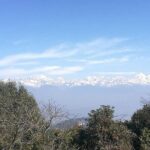
What makes this route especially memorable is the mix: forest days in Manang, a Tilicho Lake climb that pushes you high above most treks, the big crossing at Thorong La, then the reset of Muktinath and the natural hot springs at Tatopani. You’ll also hit big viewpoints like Poon Hill at 3,210m, so the effort doesn’t feel pointless when sunrise makes the peaks pop.
In This Review
- Key Highlights at a Glance
- Why This Annapurna Circuit Loop Feels Well Run
- The Real Difficulty: Fitness, Altitude, and Early Mornings
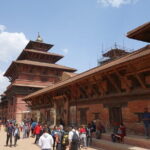
- Day 1–2: Kathmandu-to-Manang Road Energy and the First Temple Stop
- Day 3–5: Into Manang’s Green Belt, Then Up Toward the High Views
- Day 6: Acclimatization Day That’s Actually Worth It
- Day 7–9: Khangsar to Tilicho Base Camp and the “Great Ice Lake” Climb
- Day 10–12: From Uninhabited Khangsar to Thorong La Pass
- Day 13–14: Muktinath Temple and Tatopani Hot Springs Reset
- Day 15–16: Poon Hill Sunrise at 3,210m and the Drive Back to Kathmandu
- Price and Value: What $1,093 Actually Buys You
- Smart Tips That Match This Route (Not Generic Advice)
- Who This Trek Is For
- Should You Book This Annapurna Circuit with Tilicho Lake?
- FAQ
- Is pickup offered for this trek?
- How long is the Annapurna Circuit Trek with Tilicho Lake?
- What makes this trek different from a standard Annapurna Circuit?
- Are meals and accommodation included?
- Which permits are included?
- Is a guide included, and what about porters?
- Is local transportation included during the trip?
- Where do you soak in hot springs?
- Can I fly back to Kathmandu instead of taking the bus?
Key Highlights at a Glance
- Licensed guide leadership for a high-altitude route with permits handled and group pacing managed
- Tilicho Lake detour for that rare, high “ice lake” experience
- Thorong La included with an early start built into the plan
- Tea house/lodge trekking support plus Pokhara hotel comfort for one night
- Natural hot springs in Tatopani after the hardest passes
- Max 15-person group size for steadier logistics and easier communication
Why This Annapurna Circuit Loop Feels Well Run
When you’re hiking where paths can thin out and altitude gets serious, the smartest thing you can buy is less uncertainty. This package leans into that: a government-licensed Trekking leader plus support from guides/porters, with their meals, insurance, salary, and lodging/transport covered.
That shows up immediately in the way the trek is structured. You’re not just dropped on a trail. You’re driven from Kathmandu into the trekking region, and then you’re moved by included overland transport between key places like Muktinath and Tatopani, and later back to Kathmandu.
A practical bonus: a mobile ticket and pickup offered. Those small details matter when you’re trying to get your bearings after arrival, especially if this is your first time organizing a multi-day Himalayan trek.
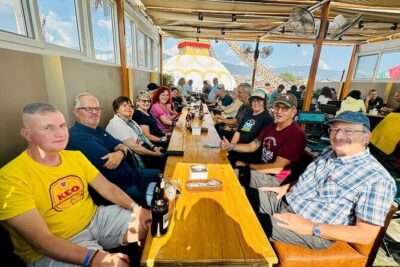
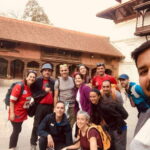
If you care about team quality, the feedback connected to Discovery World Trekking repeatedly points to guides and porters acting like steady companions—not just “carry your bag and point at the trail.” Names showing up in positive accounts include Paul (efficient contact early on), Kersing (support on a family trek), Hari Gurung and porters Damar and Sangkar, and Dev with porter Bikesh. Another set of feedback highlights the energy and helpful mountain explanations from Suresh, plus supportive porters Asis and Monis.
You’ll still be responsible for your own pace and acclimatization, but it helps a lot to know the human network is strong.
You can also read our reviews of more hiking tours in Kathmandu
The Real Difficulty: Fitness, Altitude, and Early Mornings
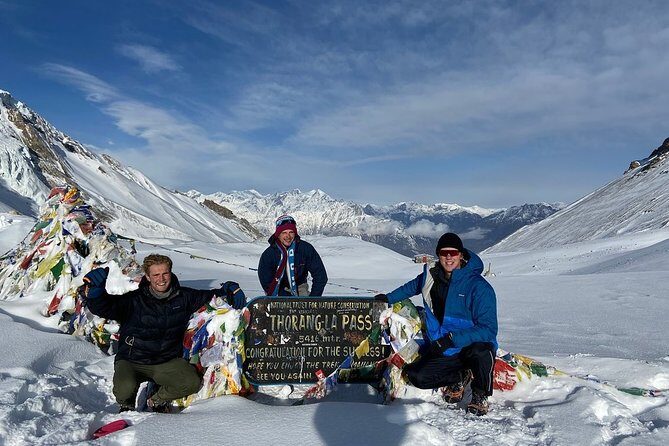
This is not a flat walk. The itinerary includes steady climbs, steep segments, and high points where the air turns cold and dry. The plan also includes acclimatization time in Manang, which is a big deal on a route that rises and rises again.
Here’s what to pay attention to if you’re deciding whether you can handle it:
- Thorong La day is the psychological peak. The schedule calls for a 3am wake to cross the pass, and this is described as the most challenging section of the trip.
- Tilicho Lake is a serious “go high” moment. The climb is described as a steep, consistent ascent taking about 2–3 hours.
- Weather matters. The trek requires good weather and can be rescheduled if conditions are poor.
If your idea of a great trek is long, steady effort with a clear rhythm, you’ll probably like this. If you want something lighter with fewer steep climbs, you may want to look at a shorter route or a different circuit variation.
Packing-wise, plan for layers. As the trek goes higher—especially around the Tilicho and pass sections—the air is described as getting colder, drier, and harsher.
Day 1–2: Kathmandu-to-Manang Road Energy and the First Temple Stop
Day 1 starts with a long drive. You leave Kathmandu and ride about 6–7 hours (around 190 km) toward the Besishar area, with scenic village life and rivers along the way. The first walking piece ties in culture early: Sandup Choeding Gompa is one of your first stops.
Day 2 begins the trekking proper. The day includes a suspension bridge crossing and then a steep climb into the Manang region around the village named Tal. You also get a river-and-waterfall vibe as the trail moves through sandy beaches and flowing water features.
What I like about these first two days is the pacing. You’re not thrown into steep altitude immediately without context. Still, it’s a trekking start with some climbing, so don’t treat it like a casual warm-up.
Day 3–5: Into Manang’s Green Belt, Then Up Toward the High Views
By Day 3, the trail leans into forest walking: pine, fir, oak, and maple along a river corridor. It feels greener and more sheltered than later stretches, and it sets up your first meaningful Manang-area view of the mountain spine.
Day 3 ends at Chame, the district headquarter of Manang. Chame is where the circuit begins to feel more “mountain big.”
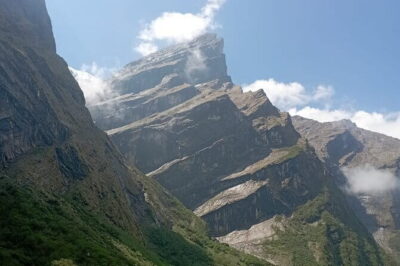
Day 4 adds drama. You walk through a steep, narrow valley for your first clear look at Paungda Danda, a rock face rising roughly 1,500 meters from the river. It also brings views you’ll probably study for the rest of the trip—like Annapurna II to the south and Pisang Peak to the northeast.
Day 5 shifts you onto an upper route via upper Pisang and Geru. The reason this is highlighted is simple: the views open up on the north faces of Annapurna II, III, IV, Gangapurna, Tilicho, and Pisang Peak. This is also where you’ll feel the air change—cooler and drier as you gain elevation.
Potential drawback here: the better views come with more effort. If you go too fast on these upper trail days, you’ll pay for it later.
Day 6: Acclimatization Day That’s Actually Worth It
This is one of the smartest parts of the itinerary. Instead of forcing you upward day after day, Day 6 is built around acclimatization and exploration in the Manang area.
You start early with a hike to Gangapurna Lake and Base Camp, then spend time admiring multiple peaks—Annapurna III, Tilicho, Pisang, and Chulu Peaks—before roaming around Manang Village and monasteries.
Why this matters for you: acclimatization isn’t just a checkbox. It’s the difference between feeling okay enough to enjoy the hard days later versus moving through them like you’re underwater. This day gives your body time to adjust and gives your mind time to absorb the mountains without racing.
Day 7–9: Khangsar to Tilicho Base Camp and the “Great Ice Lake” Climb
Day 7 is described as a little easier. You take an upper route that follows a path down toward a river, then you cross and move through conifer forests. After about three hours, you reach Khangsar, described as a Tibetan settlement.
Day 8 is where Tilicho starts to feel real. You walk an easy path through a landslides area—so you get rock formations and a rugged feel—then trek up to Tilicho Base Camp, with a good view of Tilicho Peak and surrounding snow-covered mountains.
Day 9 is the big Tilicho moment. You start early to avoid afternoon wind, then climb 2–3 hours on a steep, consistent ascent to reach Tilicho Lake, also described as the highest lake in the world and referred to as the “great ice lake” by a leader of a French expedition team.
A practical consideration: Tilicho can feel exposed. That’s why the early start is part of the plan. If you tend to run late, practice starting earlier on day trips before you go, so your body clock agrees with this schedule.
Day 10–12: From Uninhabited Khangsar to Thorong La Pass
Day 10 is a transition day—less about “getting higher” and more about moving into pass-country. You descend toward the uninhabited Khangsar village, pass Tare gumba, described as a thousand-year-old monastery, and then follow a rock-wall route out of Khangsar to descend into the Thorong Khola valley. You cross a river, hike up to a plateau, and reach an area known as yak kharka.
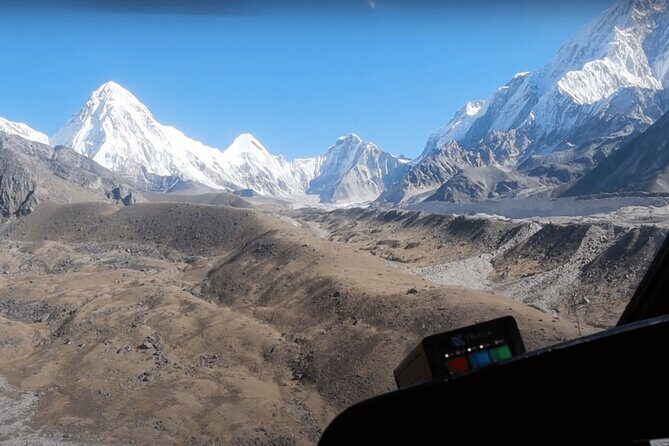
Day 11 brings you to Thorong Phedi, a small but busy settlement. Expect more steady uphill walking. The big value of this day is simple: you’re positioning yourself for the pass while also getting more mountain views, including Mt. Gundang, Mt. Syagang, Thorung Peak, and Mt. Khatungkan.
Day 12 is the hardest. You wake at 3am and cross Thorong La pass, described as one of the highest passes in the world and the highest point of the trek. The itinerary language is direct: you need to push through.
My advice for this day is mental as much as physical. Eat early, keep your pace steady, and don’t judge how you feel at 7am against how you’ll feel at the summit. With a guide managing logistics, you can focus on your breathing and footwork instead of trail decisions.
Day 13–14: Muktinath Temple and Tatopani Hot Springs Reset
After Thorong La, Day 13 starts with a culture stop: Muktinath Temple, before you continue by car ride to Tatopani. Tatopani is famous for natural hot springs, and the point of the day is recovery—soaking in hot water after the pass.
This is one of the most satisfying rewards in the whole trek because it tackles the thing your legs care about most: soreness, stiffness, and fatigue.
Day 14 turns you back into hiking. You ascend toward Ghorepani through villages of Sikha and Chitre, described as ethnic Thakali areas. You pass terraced farmland, then move through forests filled with rhododendron, birch, and magnolia. The day’s stop is listed as the Ghorepani Community hospital.
Even if you don’t need the hospital itself, the fact that this stop exists is useful. It signals where you can ground yourself at a village level rather than feeling lost in remote, isolated terrain.
Day 15–16: Poon Hill Sunrise at 3,210m and the Drive Back to Kathmandu
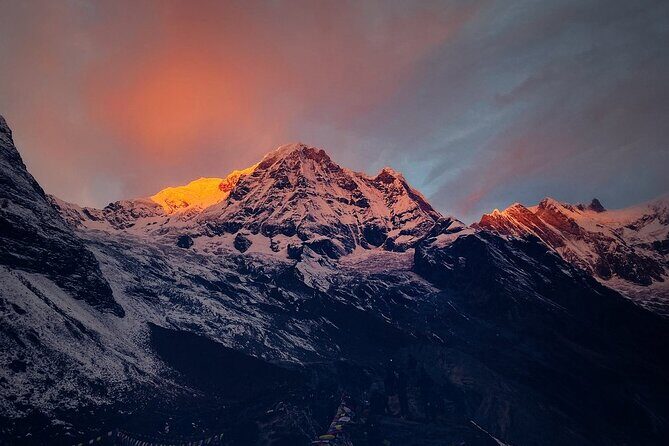
Day 15 is built for one of Nepal’s classic rewards: sunrise from Poon Hill (3,210m). You start early and view sunrise over the Annapurna range and the Dhaulagiri massif, including Mt. Machhaphapuchhre (Fishtail), Mt. Manaslu, and surrounding rice terraces.
This is also described as a favorite spot for photographers, which makes sense—your effort buys you wide, iconic views.
Day 16 ends with the return. After breakfast, you drive back to Kathmandu by tourist bus. There’s also an option to return by a 225-minute flight, though that flight is not included in the package.
A key reality check: the last day can feel quick after days of walking. Try to hydrate and take it easy on the bus if you’re still dealing with altitude aftereffects.
Price and Value: What $1,093 Actually Buys You
At $1,093 for an approx. 16-day trek, you’re not only paying for “a guide and some beds.” You’re paying for a bundled system:
- Tea house/lodge accommodation with meals (breakfast, lunch, dinner) during the trek
- Permits: Annapurna Conservation Area Permit (ACAP) and TIMS card fee
- Support team costs are included: guide and porters’ meals, insurance, salary, and lodging/transport
- Rescue assistance support is included in case of complicated health conditions
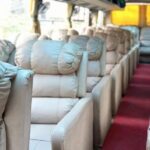
- Local transport elements are included, plus air-conditioned vehicle for parts of the journey
You also get one night of standard comfort in Pokhara: hotel accommodation with breakfast, before the trek portion continues.
So the value comes from reducing the biggest hidden costs of independent trekking: permits, guide time, porter logistics, and the chaos of stitching transportation together yourself.
If you’re someone who wants the freedom to enjoy the mountains without planning every handoff, this kind of bundle makes sense.
Smart Tips That Match This Route (Not Generic Advice)
These are the kinds of details that fit what’s on the schedule here:
- Start early when you’re told to. Tilicho Lake specifically starts early to avoid afternoon wind.
- Don’t race the altitude acclimatization day. Day 6 is built for adjustment; treat it like progress, not a rest day.
- Plan for cold, dry air higher up. The trek description notes the air gets harsher as you ascend.
- Use the porter system well. Your base trek gear should be light enough for you to move efficiently, while the porters handle heavier items.
- Recovery matters after the pass. Tatopani’s hot spring stop is the built-in reset you’ll thank yourself for later.
And since the feedback often highlights team friendliness, use it. Ask your guide about what you’re seeing—names of peaks, valley features, and route logic. That’s not extra work. It turns the hike into understanding.
Who This Trek Is For
This trek fits best if you are:
- An active hiker with moderate fitness
- Comfortable with steep climbs and at least one very early morning
- Motivated by big views and high points, not just a casual stroll
It may not be ideal if you want a lighter schedule, fewer altitude peaks, or you’re sensitive to long, demanding hiking days.
Should You Book This Annapurna Circuit with Tilicho Lake?
If you want a full Annapurna experience with the added payoff of Tilicho Lake, this package is a strong match—especially because it reduces planning stress with included permits, meals, lodge stays, and a licensed guide/porter team.
I’d book it if you have the fitness for high-altitude effort and you’re okay with the emotional intensity of Thorong La day and the exposure of a Tilicho climb. I’d think twice if early starts and steep ascents are deal-breakers for you.
FAQ
Is pickup offered for this trek?
Yes. Pickup is offered, along with included transport between Kathmandu and the trekking route.
How long is the Annapurna Circuit Trek with Tilicho Lake?
The duration is about 16 days.
What makes this trek different from a standard Annapurna Circuit?
This route includes a detour to high-altitude Tilicho Lake, plus stops that take you over key parts of the circuit including Thorong La pass.
Are meals and accommodation included?
Yes. During the trek you stay in tea houses/lodges with meals included (breakfast, lunch, dinner). One night of hotel accommodation in Pokhara with breakfast is also included.
Which permits are included?
The package includes the Annapurna Conservation Area Permit (ACAP) fee and the TIMS card fee.
Is a guide included, and what about porters?
Yes. The trek is led by a government-licensed trekking leader, and the package covers guides and porters, including their meals, insurance, salary, and lodging/transport.
Is local transportation included during the trip?
Yes. It includes overland/local transport elements such as the Kathmandu-to-trekking drive, public transportation from Muktinath to Tatopani, and a tourist bus back to Kathmandu. Parts of travel also include an air-conditioned vehicle.
Where do you soak in hot springs?
Tatopani is the hot-springs stop, described as famous for natural hot springs.
Can I fly back to Kathmandu instead of taking the bus?
Yes, you can choose a flight back that takes about 225 minutes, but the flight is not included in the package.