REVIEW · KATHMANDU
Kathmandu to Pokhara Premium sofa bus ticket
Book on Viator →Operated by New Road Travels and tours pvt ltd · Bookable on Viator
A long road between Kathmandu and Pokhara can be worth it. Reclining sofa seats and frequent comfort breaks make this bus ride easier than you’d expect. I like the operator’s emphasis on tourist-focused service, with a route built for scenery and small-town passing—not random highway hand-waving. One thing to plan for: road construction and traffic can stretch the ride, and the AC experience is inconsistent for some trips.
This is one of those Nepal basics that’s popular for a reason: it’s cheaper than flights or private cars, yet you still get to watch the country slide by. You’ll also be making a practical choice—packing light, using the built-in stops for food, and arriving in Pokhara without paying premium transfer prices.
In This Review
- Quick take: what you’ll care about most
- Kathmandu to Pokhara by premium sofa bus: why this ride is a good deal
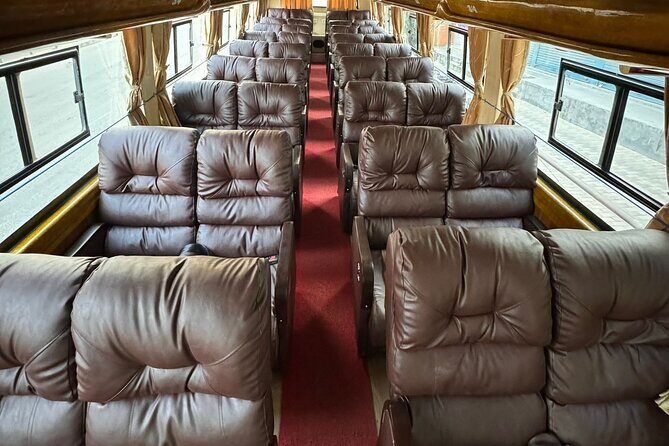
- Seats, AC, and comfort: what premium sofa means in real life
- Where you board and where you finish: Shorakhutte and Lakeside
- Timing: 5–6 hours on paper, but build in buffer
- The two meal breaks you’ll actually count on (Malekhu/Kamalbari)
- On-board extras: water, newspapers, and Wi‑Fi you shouldn’t count on
- Luggage rules and bus behavior: pack for a bumpy road day
- Reality check: extra stops and roadworks on the Kathmandu–Pokhara corridor
- Price and value: why $11.50 can beat a private car
- Who should book this bus (and who should consider something else)
- Should you book this Kathmandu to Pokhara premium sofa bus?
- FAQ
- How long does the Kathmandu to Pokhara bus take?
- Where do I board in Kathmandu for this bus?
- Where does the bus stop in Pokhara?
- What time does the bus depart?
- Are breakfast and lunch included in the ticket price?
- Does the bus include mineral water, newspapers, or Wi‑Fi?
- What is the cancellation policy?
Quick take: what you’ll care about most
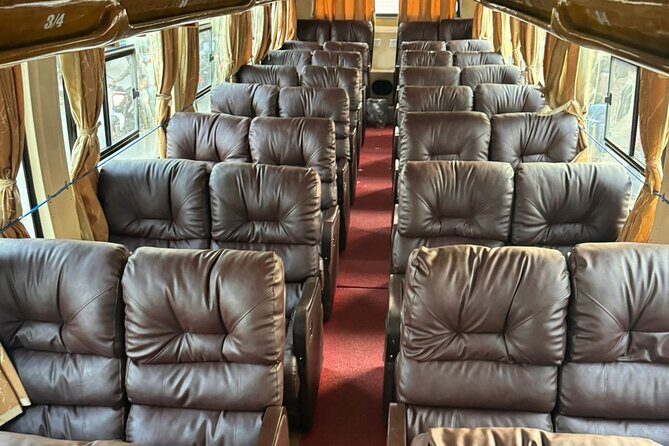
- Reclining sofa seating designed for long-distance comfort, with bus suspension that helps even if you end up in a lower-priority seat.
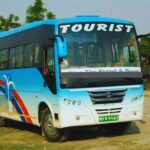
- Tourist route style: the bus is aimed at tourists, with scheduled meal breaks rather than constant random stops.
- Two main meal stops (about 25 minutes for breakfast, 30 for lunch) with a riverbank view while you eat.
- Saves money versus flights and private hires, with a fare listed around $11.50 per person for this option.
- Wi‑Fi is included but weak due to signal limits—plan as if you won’t have it.
- Roadworks can slow you down, so treat 5–6 hours as a best-case estimate.
Kathmandu to Pokhara by premium sofa bus: why this ride is a good deal
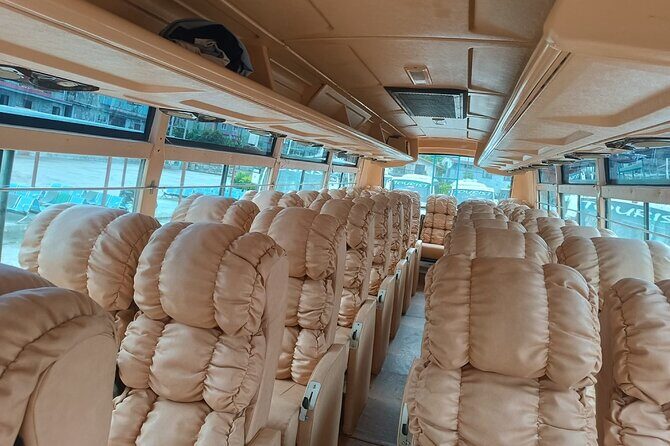
The Kathmandu–Pokhara route is one of Nepal’s most common overland trips, and this option plays it smart. The big value isn’t just the low price. It’s that you trade airport hassle and high transfer costs for a direct ride that still feels like a real journey, with time set aside for meals and a bus setup aimed at tourists.
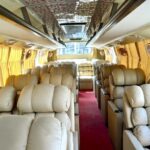
You’re paying for comfort, not a luxury airline seat. Still, the basics are well covered: air conditioning is promised throughout, you get mineral water during the trip, and there’s a daily local newspaper in the seat area. Add reclining seats and a luggage storage space, and you’ve got a setup that works well for most people doing a straightforward Kathmandu-to-Pokhara move.
The most realistic approach is this: think of it as a scenic road trip with breaks. It’s not a flawless, perfectly timed express. Road conditions and traffic can change your plan.
You can also read our reviews of more tours and experiences in Kathmandu
Seats, AC, and comfort: what premium sofa means in real life
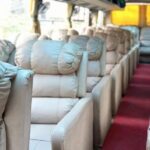
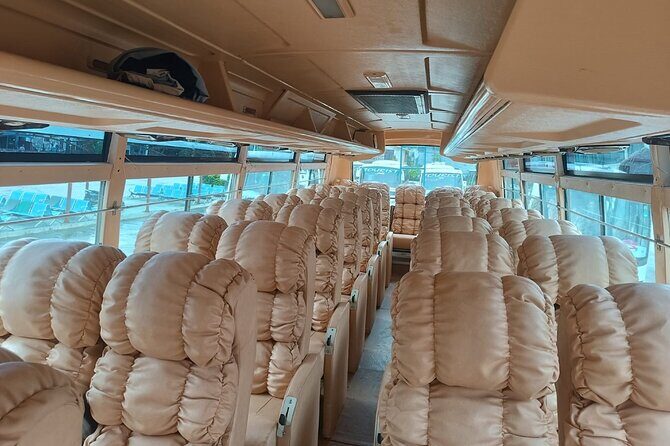
This is marketed as a premium sofa bus experience, and the comfort points are pretty clear. The seats are described as nice reclining seats, and the bus has suspension built to keep the ride manageable even if you don’t get the first pick.
Here’s the practical part: getting a better seat can make a noticeable difference on a rough highway. The operator’s approach is first-come, first-get, and you’re more likely to lock in an earlier seat if you pay early and get early confirmation. If you’ve ever been stuck in a bad bus seat during bumpy roads, you already know why that matters.
Air conditioning is where expectations need calibration. The service says AC runs throughout the journey. But one report flagged that AC wasn’t working for most of the trip. That doesn’t mean you’ll freeze or suffer—just don’t rely on AC to be strong the entire time. Bring layers for cool moments, and consider light breathable clothing if you get warm easily.
Where you board and where you finish: Shorakhutte and Lakeside
Location matters with buses, and this route uses clear boarding points.
In Kathmandu, the tourist bus station is listed as Shorakhutte, near Thamel. It’s described as about a 5-minute walk from Thamel, which is convenient if you’re already staying in the tourist core. From there, the bus route is described along a corridor that includes Nayabazar, Balaju, Swayambhu, and Kalanki.
In Pokhara, the tourist bus station is Lakeside, described as about a 10-minute walk from Rastra Bank Chowk. The service also lists intermediate points like Mustang Chowk and Prithvi Chowk, with the end stop associated with the Lakeside Tourist Bus Park area (near Lakeside). In your actual day plan, the easiest way to avoid confusion is simple: confirm your drop point at booking, then map your final accommodation from Lakeside.
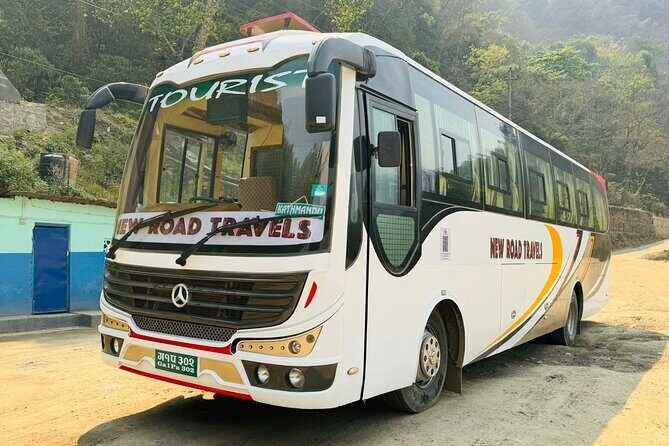
Your specific meeting point for this ticket option is listed as New Road Travels and Tour Pvt Ltd (Kathmandu), and your end is the Tourist Bus Park near Lakeside.
Timing: 5–6 hours on paper, but build in buffer
The ideal Kathmandu to Pokhara time is described as about 5 to 6 hours if everything goes smoothly. In reality, you should plan with two time breakers:
- Highway casualties/slowdowns (the service notes this can add time).
- Traffic jams, specifically between Kalanki and Naubise.
So what should you do with that? If you’re trying to connect to another activity the same day—especially something with a strict start time—give yourself a buffer. One experience reported a trip time of around 9 hours 45 minutes, which is a big difference from the stated estimate. That kind of delay usually comes from roadworks and heavy bottlenecks, not the bus just being slow.
Also note that the service is described as punctual about leaving on schedule. Still, road conditions can erase punctuality fast on this corridor.
My advice: treat “5–6 hours” as a hopeful case, and plan for a half-day travel block.
The two meal breaks you’ll actually count on (Malekhu/Kamalbari)
This bus ride is structured around two meal stops—less chaos, more predictability.
The service says the bus makes stop in only 2 places during the highway portion:
- Breakfast stop around Malekhu/Kamalbari for about 25 minutes
- Lunch stop around Malekhu/Kamalbari for about 30 minutes
The big plus is the setting. Both stops are described as offering hygienic food with an interesting part being the riverbank view while you eat. That matters because it turns a “quick break” into a mini-sightseeing moment.
One important detail: breakfast and lunch are not included in the ticket price. You need to pay for food yourself during the breaks. The bus does provide complimentary mineral water, which helps, but don’t assume your meals are bundled.
Practical tip: use these stops strategically. If you tend to eat slowly, you might feel rushed with a 25–30 minute window. Go when you’re hungry, order fast, and leave time to use the facilities.

On-board extras: water, newspapers, and Wi‑Fi you shouldn’t count on
This ride comes with a few helpful add-ons that make a long bus day easier.
- Complimentary mineral water per person
- Local English and Nepali newspaper to read daily
- Complimentary Wi‑Fi, but the signal is described as weak due to geography, and it may not work properly
That Wi‑Fi note is worth taking seriously. If you’re planning to message family, upload photos, or work during the trip, assume the connection will be unreliable. Download what you need before boarding, and treat the trip as mostly offline.
The newspaper is a small thing, but it’s genuinely nice if you want to understand what’s going on beyond what’s posted on your social feed. Even if you only skim headlines, it can make time move faster.
Luggage rules and bus behavior: pack for a bumpy road day
You’re allowed luggage, and there’s a large storage room. The service doesn’t list strict “hard barriers” for luggage, but it does offer a suggestion: try not to take more than 2 luggage during travel.
That advice is about practical comfort. Space in buses can tighten quickly, and you’ll appreciate not having to wrestle bags every time you move.
There are also clear onboard rules:
- Smoking is strictly forbidden inside the bus.
- Please don’t throw garbage out the window. Use nearby bins or the trash container provided.
These rules are simple, but on buses, simple rules keep things pleasant for everyone. If you’re sensitive to smells or smoke, this is also a small peace-of-mind point.
Reality check: extra stops and roadworks on the Kathmandu–Pokhara corridor
The operator states the bus doesn’t stop for local passengers who wave from the highway. That’s great because it implies fewer random interruptions.
Still, not every road trip runs exactly like a textbook. One report described frequent stops to drop off people, which wasn’t expected. This can happen when a bus serves designated drop-offs near towns or when timing gets disrupted during road reconstruction.
So here’s the realistic mindset: expect the two main meal breaks, but also expect that the bus might take a little longer as it navigates local logistics and changing road conditions.
The other big factor is road reconstruction. Another report pointed out rough roads due to road works and suggested that things should improve once tarmacking is complete. Until then, you may feel every patch and pothole.
If you’re prone to motion sickness, consider that this route is a moving roadworks site at times. If you’re prone to stiff backs, plan to stretch at the stops and bring a small neck pillow or layer for comfort.
Price and value: why $11.50 can beat a private car
Let’s talk value plainly. This option is priced at $11.50 per person for the Kathmandu to Pokhara run, with the service also describing the fare as very cheap compared to flight and private vehicle hire.
That pricing makes sense because a bus spreads the trip cost across many riders and keeps it affordable. You’re not just saving money; you’re also saving time on decision-making. You don’t need to negotiate private transport availability, and you don’t need to coordinate separate tickets and transfers.
At the same time, value isn’t magic. The “cheap” part means you accept road realities: possible delays, scheduled break timing, and the chance that AC comfort varies.
If your goal is to move between Kathmandu and Pokhara with minimal hassle and a budget-friendly price, this is a very reasonable choice. If you’re trying to arrive with zero delay and perfectly controlled comfort, you may end up thinking about private transport instead.
Who should book this bus (and who should consider something else)
This bus suits you if:
- You want a cost-effective way to travel the Kathmandu–Pokhara route
- You’re okay with a journey that includes meal breaks and road delays
- You care about decent comfort—especially reclining seats—more than high-end luxury
- You like the idea of passing through small towns and cities and spotting activities from the window
You might consider a different option if:
- You have a tight schedule and can’t absorb a longer-than-expected arrival
- You strongly depend on reliable AC the whole way
- You need a perfectly direct, no-extra-stops ride in reconstruction conditions
For many people, it’s the best balance: affordable, scheduled, and tourist-friendly.
Should you book this Kathmandu to Pokhara premium sofa bus?
If you want a practical, budget-friendly transfer that still feels like a real ride, I’d book it—with your expectations set correctly. The strong points are clear: comfortable reclining seating, organized meal breaks with river views, and useful perks like water and daily newspapers. The deal-breaker risk is timing: roadworks and traffic can stretch the day, and AC may not be consistent for everyone.
My rule of thumb: book the bus if you’re planning a flexible arrival into Pokhara (check in, eat, and take it easy). If your Pokhara day has something fixed and non-negotiable, add buffer time or consider a faster private option.
FAQ
How long does the Kathmandu to Pokhara bus take?
The journey is listed as approximately 5 to 6 hours if everything goes smoothly, but road conditions and traffic can extend it.
Where do I board in Kathmandu for this bus?
For the tourist bus station, the route lists Shorakhutte near Thamel. Your meeting point for this ticket option is listed as New Road Travels and Tour Pvt Ltd.
Where does the bus stop in Pokhara?
The tourist bus station is listed as Lakeside, near Rastra Bank Chowk, with the end at the Tourist Bus Park near Lakeside.
What time does the bus depart?
Your ticket option lists a start time of 6:30 am, while the broader timetable provided also lists 7:00 am for Kathmandu to Pokhara.
Are breakfast and lunch included in the ticket price?
No. Breakfast and lunch are not included, and you pay for food during the scheduled stops.
Does the bus include mineral water, newspapers, or Wi‑Fi?
Yes. You receive complimentary mineral water and local English and Nepali newspapers. Wi‑Fi is also complimentary, but the signal may be weak and unreliable.
What is the cancellation policy?
You can cancel for a full refund if you cancel at least 24 hours in advance of the experience’s start time.