REVIEW · KATHMANDU
Full Day Ticket Access around Kathmandu Valley
Book on Viator →Operated by Bodhi Tree Tours Travel and Treks · Bookable on Viator
Kathmandu Valley can feel like a living textbook. This full-day sightseeing loop connects Buddhist and Hindu sacred sites in a way that actually makes sense, with a guide who explains what you’re seeing as you go. I like that the day is paced like a real guided walk-through, not a rushed bus tour. I also love the English-speaking cultural guide angle, which helps you understand the traditions behind the big monuments.
One thing to plan for: the trip is priced as a tour with transport and guiding, but you may still have to budget extra for entrance fees on the day.
In This Review
- Key highlights worth your time
- The Kathmandu Valley circuit in plain terms
- Who this suits best
- Swoyambhu Mahachaitya: the hilltop “Monkey Temple” with real atmosphere
- What to watch for
- Patan Durbar Square: crossing Bagmati and stepping into Newar craft culture
- Why the guide matters here
- A realistic drawback
- Boudhanath Stupa: kora, incense, and Tibetan Nepal’s spiritual center
- What you’ll likely notice
- A small practical note
- Pashupatinath Temple: Bagmati rituals and the Hindu view of life and afterlife
- What makes this stop worth the push
- Price and ticket reality: where the $40 fits
- Transport and guide experience: why this feels smoother than DIY
- Timing and weather: when to plan your wardrobe
- What you should expect at each stop, minute by minute
- Accessibility and comfort notes that actually matter
- Should you book this Kathmandu Valley day tour?
- FAQ
- What time does the tour start?
- How long is the full-day Kathmandu Valley experience?
- Is pickup offered?
- What is included in the price?
- Are entrance fees included?
- Which places are visited during the day?
- What language is the guide available in?
- Are service animals allowed?
- What is the cancellation policy?
- What happens if the weather is poor?
Key highlights worth your time
- Private transportation keeps transit simple so you spend more time looking than waiting
- English guidance for culture and tradition helps the sites click, especially at the major stupas and temples
- A smart mix of UNESCO-era Kathmandu Valley stops rather than repeating the same scenery
- Boudhanath’s kora focus gives you a clear way to experience Tibetan Nepal
- Bagmati River links multiple faith landscapes across the day
- Top-rated value with a 5-star average and 100% recommendation in the provided feedback
The Kathmandu Valley circuit in plain terms
This is a 7-hour guided day built for first-timers who want the “greatest hits” without losing the thread. You start at 9:30am, and pickup is offered. Then you’re taken around the valley in a private-transport format, with enough time at each stop to actually look, ask questions, and absorb what’s going on.
The big value here isn’t just that you hit four major landmarks. It’s that the tour is set up to connect themes: sacred space, religious practice, and the way everyday life in Kathmandu Valley wraps around temples and stupas. When a guide frames a site in cultural terms, the monuments stop feeling like scenery and start feeling like places people genuinely relate to.
You can also read our reviews of more tours and experiences in Kathmandu



Who this suits best
This tour is a strong match if you:
- Want an organized day with a cultural guide
- Prefer seeing multiple faith sites (Buddhist and Hindu) in one stretch
- Like learning as you walk, not reading alone afterward
If you want a slow art-history day with deep museum-style context, you might wish for more time at one or two stops. But for most people on a tight schedule, this format is a solid trade-off.
Swoyambhu Mahachaitya: the hilltop “Monkey Temple” with real atmosphere
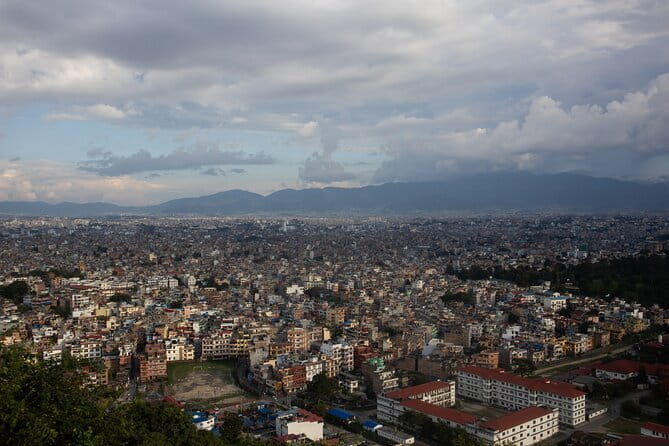
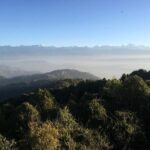
Your day begins at Swoyambhu Mahachaitya (Swayambhunath), often called the Monkey Temple. It sits on a forested hill and is described as more than 3,000 years old, which matters because you’re not just visiting an old landmark. You’re walking into a religious site that has had centuries to become part of the region’s spiritual identity.
You’ll have about 2 hours here. That’s enough time to get oriented on the hill, watch how people move through the sacred space, and understand what makes it important for Nepali Buddhism. A good guide also helps you notice patterns: where people pause, what they pay attention to, and how the site’s age shows up in the way it’s used today.
What to watch for
Plan for a climb and uneven paths. Also, because it’s known as the Monkey Temple, keep your belongings secure and don’t leave anything tempting in easy reach. Even if you’re not focused on photos, this stop is worth slowing down because the hilltop views and the temple energy work together.
Patan Durbar Square: crossing Bagmati and stepping into Newar craft culture
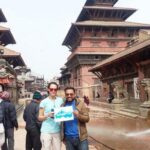
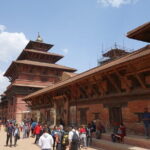
Next up is Patan Durbar Square, a World Heritage site. This is where the tour shifts from the big “religious panorama” feeling to a more craft-and-community vibe. Patan sits across the Bagmati River from Kathmandu, and the tour frames the area as part of the ancient Newar kingdom of Patan.
You’ll get around 2 hours in the square, which is the right length for this type of stop: enough time to wander, spot the distinct character of the architecture, and understand why Patan has long been known for metal-casting and wood-carving guilds.
You can also read our reviews of more tours and experiences in Kathmandu


Why the guide matters here
Durbar Square sites can become photo stops if you don’t have context. A strong cultural guide helps you connect the details to the people who made them. The best moments at Patan are often small: the sense that craft isn’t separate from religion or civic life, but part of the same system.
A realistic drawback
This kind of old square walking can be tiring if you’re wearing slippery shoes or if the ground is crowded. Go slow, keep water handy, and don’t treat it like a quick walkthrough. You’ll get more out of Patan if you let yourself wander without constantly checking the clock.
Boudhanath Stupa: kora, incense, and Tibetan Nepal’s spiritual center
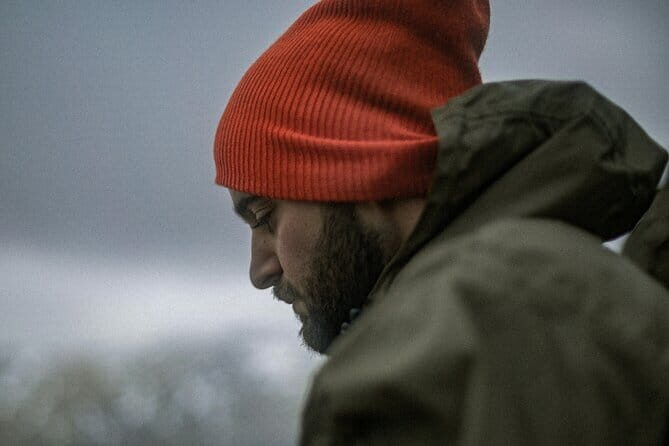
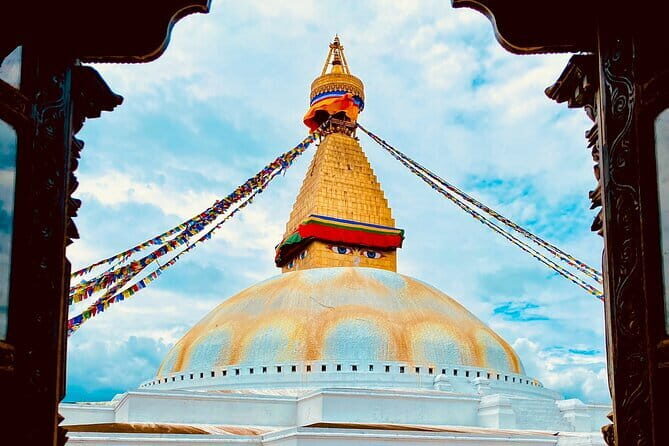
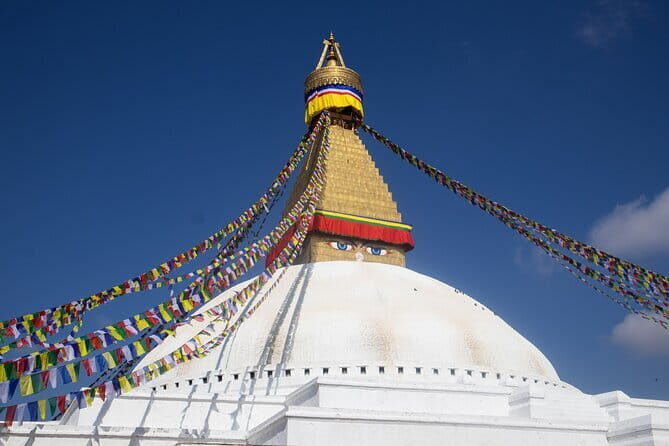
Boudhanath Stupa is one of the world’s largest spherical stupas and is described as the spiritual heart of Nepal’s Tibetan community. This is your second 2-hour stop, and it’s the one that often feels most emotionally “loud” even when it’s calm.
The standout here is the idea of circumambulation (kora). Instead of just looking at the stupa, you experience the rhythm of movement around it. The tour description includes the sight of crimson-robed monks and juniper incense spiraling from rooftops. Even if your senses get overwhelmed in the best way, this is exactly the kind of structured experience a guide can make clearer.
What you’ll likely notice
- How the stupa anchors daily religious practice
- How movement around sacred objects creates a shared pace
- How incense and rooftop monasteries shape the atmosphere
A small practical note
If you’re sensitive to incense or strong smells, it can help to keep your breathing steady and step back when needed. And if you’re there for photos, be respectful of people performing the kora and avoid blocking the route.
Pashupatinath Temple: Bagmati rituals and the Hindu view of life and afterlife
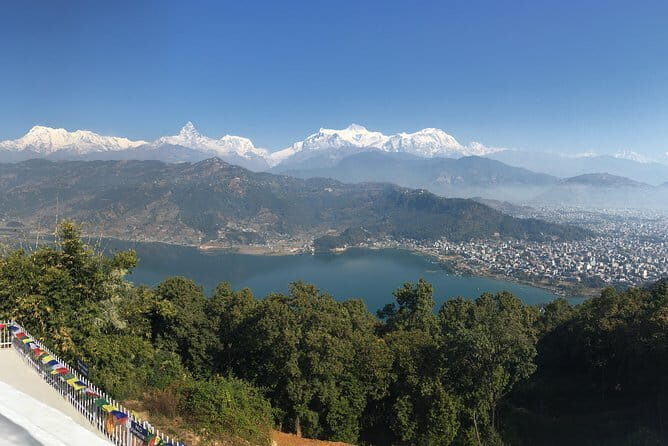
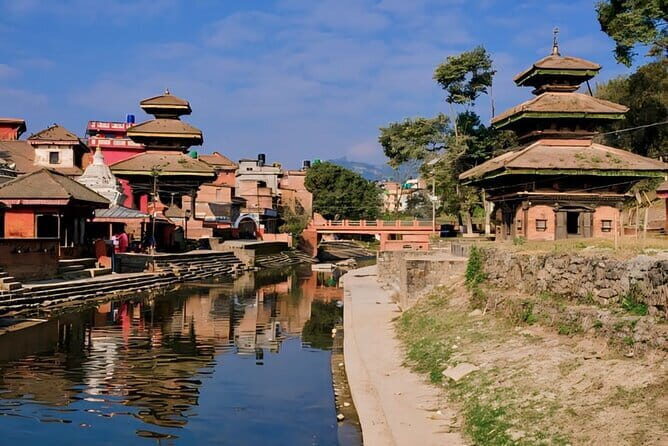
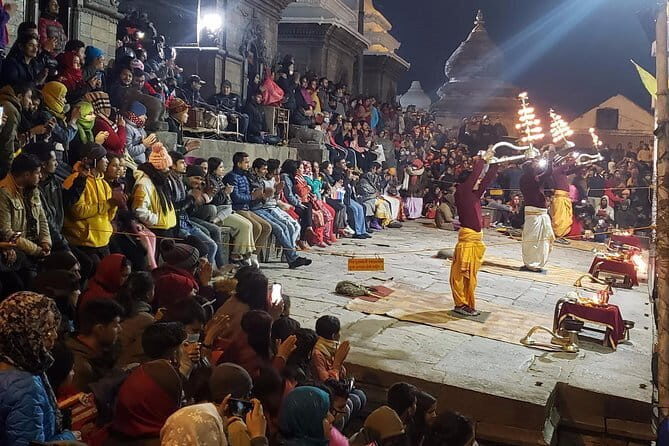
In the final major stop, you’ll visit Pashupatinath Temple, an ancient sacred site on the bank of the holy Bagmati River. This is the most time-compressed stop at about 1 hour, which means you’ll need to be ready to focus quickly.
The tour framing here highlights a unique blend of Nepali cultural practice around concepts of life and afterlife, with the idea of soul and body treated as separate entities. That framing helps you understand why so many people come here with intention, not just curiosity.
What makes this stop worth the push
Even in a short visit, you can usually sense that Pashupatinath is a living religious center, not an empty monument. A guide helps you read what you’re seeing, so the site feels logical rather than overwhelming.
Price and ticket reality: where the $40 fits
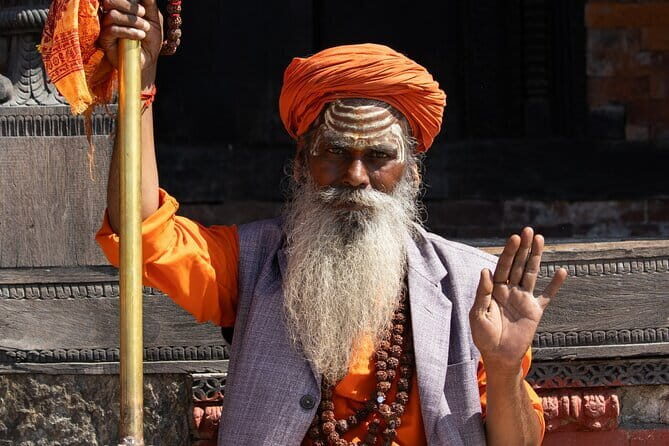
The tour price is $40.00 per person, and you’re getting private transportation plus a cultural guide. That’s a key piece of value: in Kathmandu, the time cost of hopping between sites on your own can be high, and having a guide who knows how to connect the dots can save you hours of guesswork.
But here’s the part you should not skip: entrance fees.
- The itinerary details show admission tickets as free for the stops.
- In the included/excluded notes, it also states entrance fees for the monuments are subject to be paid by the guest, listed as $20.00 per person.
So in real-world terms, I’d budget for the extra $20 unless you get clear confirmation that nothing will be charged on your exact date. That way you won’t feel surprised when you’re at a gate.
Transport and guide experience: why this feels smoother than DIY
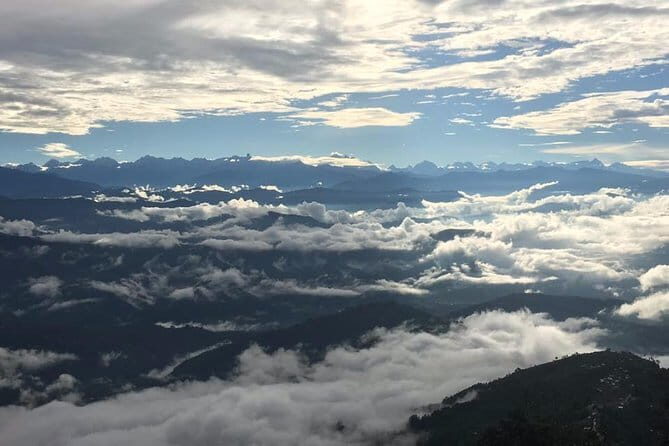
The tour includes private transportation, which matters more than it sounds. Kathmandu Valley sites can be spread out, and traffic can change your day fast. Private transport keeps the plan intact so you actually get those allotted time windows at each place.
On the guiding side, you get a highly experienced cultural guide, with English in-person support and English audio. That’s useful if you prefer a guide speaking directly but still want the audio option to catch extra detail.
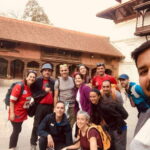
One review-highlight detail worth noting from the feedback you provided: a guide named Manish is praised for deep knowledge about the country and religions, delivered with real passion. That lines up with the tour’s overall promise: culture and tradition are the main course here, not just location names.
Timing and weather: when to plan your wardrobe
This experience requires good weather. If it’s canceled due to poor weather, you’ll be offered a different date or a full refund. That’s not a small detail, especially if you’re traveling with limited flexibility.
For your day-of prep:
- Wear comfortable shoes with grip for hills and temple-area walking
- Bring a light layer if morning air feels cool
- Plan for sun and shade changes as you move between hilltop and river-area sites
Also, since it’s a full-day outing, you’ll feel better if you start hydrated and keep a simple rhythm (water, short breaks, snack if you need it).
What you should expect at each stop, minute by minute
Here’s how the pacing typically feels across the day:
- Swayambhunath (2 hours): hilltop orientation, sacred space time, learn what matters for Nepali Buddhism
- Patan Durbar Square (2 hours): craft-and-culture wandering, learn the Newar context across the river
- Boudhanath Stupa (2 hours): kora atmosphere, incense and monastery rooftop views, understand the Tibetan connection
- Pashupatinath (1 hour): fast but meaningful look at Hindu practice along the Bagmati River
You’ll get the most out of the tour if you keep your expectations realistic: you’re not doing a slow deep dive on one monument. You’re building a map in your head of how different sacred traditions live side-by-side in Kathmandu Valley.
Accessibility and comfort notes that actually matter
Most travelers can participate, and service animals are allowed. The tour is also near public transportation, which can be helpful as a backup plan.
Comfort-wise, the main challenge is the mix of temple-area walking, steps, and uneven terrain. If you have mobility limits, you should mention it when booking so the team can advise what will work best at each site.
Should you book this Kathmandu Valley day tour?
I’d book it if you want a guided, efficient day that connects the biggest spiritual landmarks of Kathmandu Valley with cultural context. The value is strong for the price: private transportation, English guidance, and a route that links Buddhist and Hindu sites into one coherent storyline.
I would think twice if entrance fees are a deal-breaker for your budget, or if you hate weather uncertainty. Since the tour depends on good weather and there’s a bit of ambiguity around entrance-fee charges, ask your operator directly what you should pay on the day.
If you like learning on your feet and want a first-pass understanding of Kathmandu Valley’s sacred geography, this is a smart way to spend a day.
FAQ
What time does the tour start?
The start time is 9:30 am.
How long is the full-day Kathmandu Valley experience?
It lasts about 7 hours.
Is pickup offered?
Yes, pickup is offered.
What is included in the price?
The tour includes private transportation and a cultural guide (English in person and English audio).
Are entrance fees included?
Entrance fees for the monuments are not included; the notes list an additional $20.00 per person for entrance fees to be paid by the guest.
Which places are visited during the day?
The tour includes Swoyambhu Mahachaitya (Swayambhunath), Patan Durbar Square, Boudhanath Stupa, and Pashupatinath Temple.
What language is the guide available in?
The cultural guide provides English in-person and English audio.
Are service animals allowed?
Yes, service animals are allowed.
What is the cancellation policy?
You can cancel for a full refund if you cancel at least 24 hours in advance of the experience start time.
What happens if the weather is poor?
The experience requires good weather. If it’s canceled due to poor weather, you’ll be offered a different date or a full refund.