REVIEW · KATHMANDU
Kathmandu Guided Day Tour: Explore Top 4 UNESCO Heritage Sites
Book on Viator →Operated by Best Treks and Adventure · Bookable on Viator
One day in Kathmandu can feel like five, especially when your guide turns UNESCO stops into a story you can follow. This tour strings together four major heritage sites with a smooth pace, air-conditioned driving, and a local, licensed guide named Prakash who explains how the city’s Hindu and Buddhist worlds overlap.
I love the way the itinerary is built around variety: the hilltop viewpoints at Swayambhunath, the craft focus of Patan, the intense spirituality of Pashupatinath, and the slow, devotional rhythm of Boudhanath. I also like the value of the included culture stops, like a Thanka painting school visit and a healing bowl demonstration center, which give you context beyond temple photos.
One consideration: the base price does not cover UNESCO World Heritage site entrance fees (listed separately as about USD 20 or NPR 2600 per person), and tips for the guide and driver are expected.
In This Review
- Key highlights you’ll actually notice
- The five-to-seven hour UNESCO circuit that keeps Kathmandu feeling manageable
- Swayambhunath’s Monkey Temple: viewpoint first, then prayer wheels and temple life
- Patan Durbar Square: Krishna Temple, metalwork, and the city-palace feel
- Pashupatinath and the Bagmati River cremation rites: powerful, sacred, and not for everyone
- Boudhanath Stupa and the Kora walk: Buddhist devotion you can feel moving
- The cultural add-ons: Thanka art school and healing bowl demonstration
- Price and value: what’s included, what’s extra, and what you should plan for
- Who should choose this private Kathmandu day tour
- Should you book this Kathmandu UNESCO day tour?
- FAQ
- What UNESCO sites are included in the tour?
- How long is the Kathmandu guided day tour?
- Is pickup included?
- What is the price per person?
- Are UNESCO entrance fees included in the price?
- What else is included besides the main heritage sites?
- Is lunch included?
- Is the tour private?
- Is there a cancellation option?
- Are tips included?
Key highlights you’ll actually notice
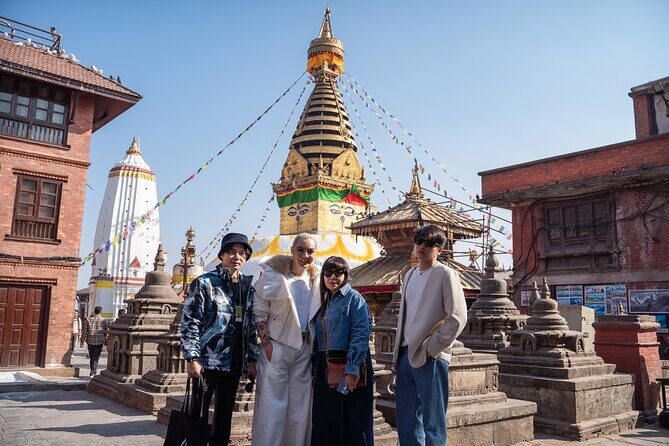
- Prakash brings hands-on context, with clear explanations that connect each site to what you’re seeing
- Swayambhunath delivers a 360° viewpoint, plus monkeys, prayer wheels, and the feel of a living place
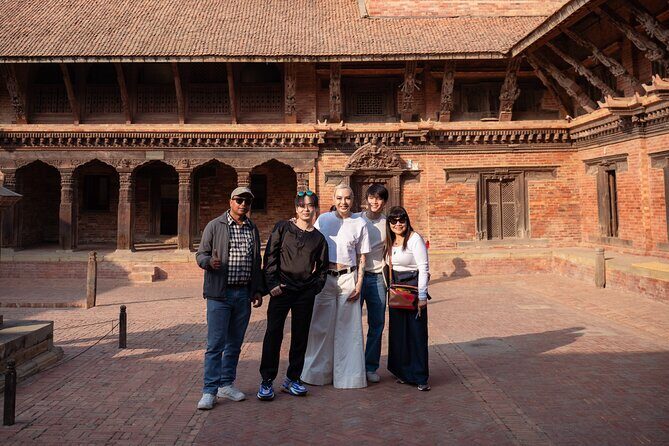
- Patan Durbar Square is craft-forward, from centuries-old metalwork to wood carvings around the Krishna Temple area
- Pashupatinath shows Hindu cremation rituals along the Bagmati River, a spiritual spectacle that’s meaningful and intense
- Boudhanath is all about practice, with the giant stupa and the Kora ritual walk around it
- You get two culture add-ons included: Thanka art school and a healing bowl demonstration
The five-to-seven hour UNESCO circuit that keeps Kathmandu feeling manageable
This is a half-to-full-day outing, roughly 5 to 7 hours, designed to cover major sights without turning your day into a scramble. You get pickup offered and travel in an air-conditioned vehicle, which matters in Kathmandu traffic, especially if you’re moving between temple zones on the same day.
It’s also set up as a private experience in the sense that only your group participates. At the same time, the operator lists group discounts, so if you’re traveling with friends or family, it can be a good way to split costs while still keeping the day personal.
A nice practical detail: bottled water (1000ml per person) is included, so you’re not hunting for refreshments between stops. And you’ll have a mobile ticket, which is usually a small thing that saves time when plans are tight.
You can also read our reviews of more guided tours in Kathmandu
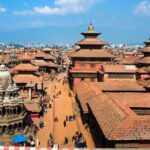
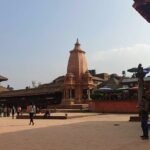
Swayambhunath’s Monkey Temple: viewpoint first, then prayer wheels and temple life
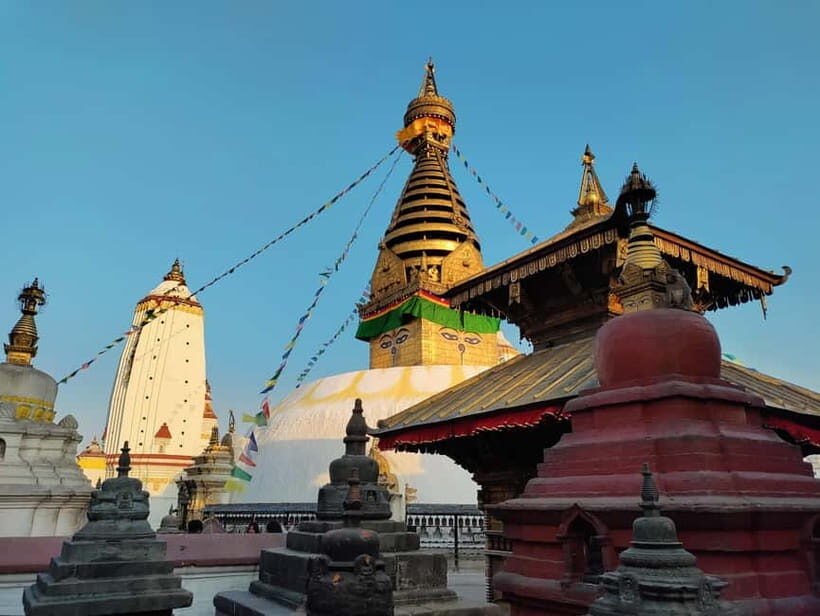
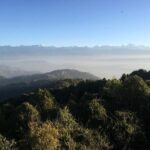
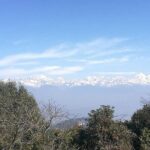
Swayambhunath (often called the Monkey Temple) is the kind of place where your eyes immediately know you’re in Kathmandu. The temple/stupa sits on a hill, so even before you get deep into the grounds, you’re treated to broad views over the valley and parts of the Himalaya.
What I’d come for is the panoramic 360° perspective. What you’ll notice on the ground is the daily texture: playful monkeys and prayer wheels integrated into the experience. The place isn’t a museum stop where everything feels frozen behind ropes. It feels active, with people praying, walking, and taking in the view.
Timing matters. If you start here, you get your bearings fast and you’ll understand why Kathmandu’s valley temples are laid out the way they are. The scheduled stop is about 1 hour, which is enough to see the viewpoint, wander a bit, and not feel rushed.
One practical note: temple hills mean you’ll likely do some walking over uneven surfaces. Comfortable shoes are the move, and if you’re sensitive to noise or crowds, you might want to keep your expectations flexible. Nothing is hard-structured here; it’s more about moving at a calm walking pace.
Patan Durbar Square: Krishna Temple, metalwork, and the city-palace feel
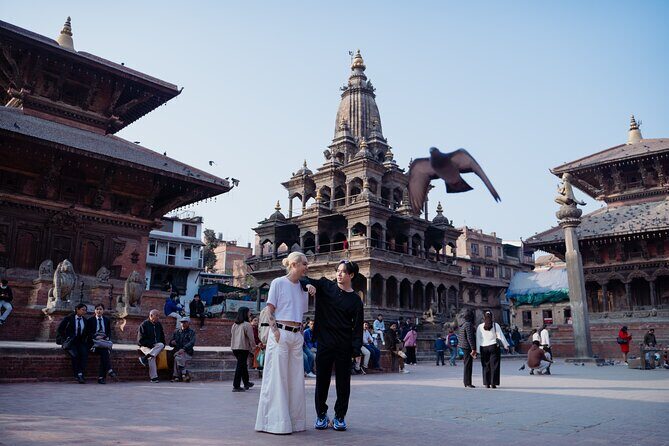
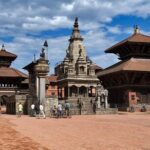
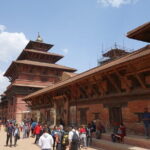
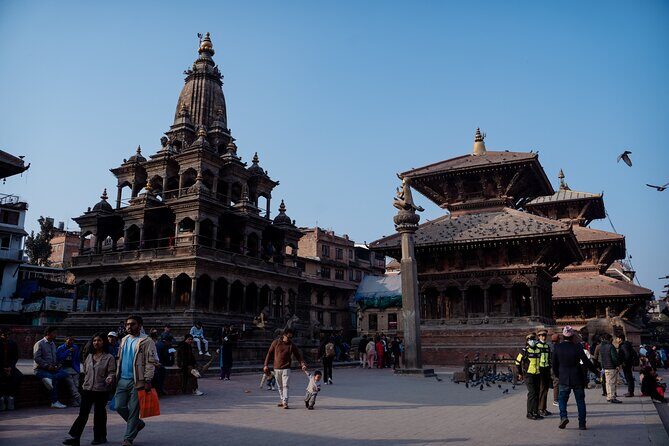
Patan’s Durbar area is where Kathmandu’s art history starts to show up in your photos as something more than ornament. Patan is the city, and “Durbar” refers to the palace area—so you’re stepping into a space built around royal power and religious meaning.
You’ll spend about 2 hours here, which is perfect for slowing down. The appeal is in the craft focus: centuries-old metalwork and intricate wood carvings. If you like detail, you’ll probably find yourself staring longer than you planned, because the carvings reward patience.
A standout is the Krishna Temple in the complex. Even if you’re not there for a lesson in theology, the site gives you a visual sense of how devotional themes translate into architecture and decorative skill.
The best part of making Patan its own stop is pacing. You’re not trying to absorb everything while rushing between far-flung places. You’ll have time to look up, look closer, and connect motifs across the day’s other heritage sites.
Pashupatinath and the Bagmati River cremation rites: powerful, sacred, and not for everyone
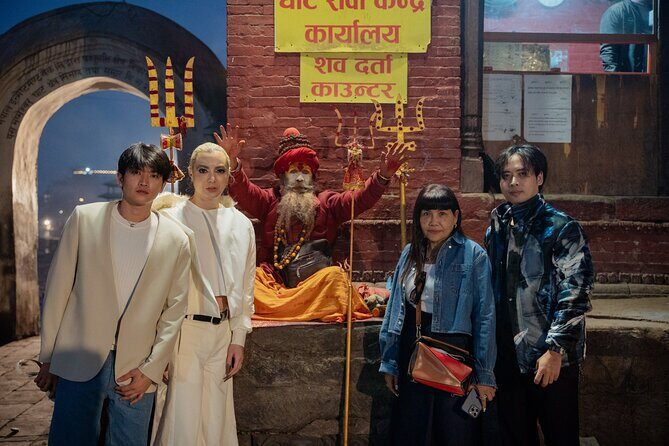
Pashupatinath Temple is one of the world’s most important Hindu temples, and the reason it’s so meaningful isn’t just its size or history. It’s the living ritual culture around it, especially the cremation ceremonies along the Bagmati River.
Your time here is about 1 hour. That’s a good length because the atmosphere can be intense. If you choose to visit, you’re going to witness sacred Hindu cremation rituals, which can be emotionally heavy even when everything is handled in a respectful, traditional way.
So here’s my balancing take: this stop is the most “real” in the sense that you’re not just sightseeing. You’re seeing a core part of Hindu spiritual practice. Still, if you don’t handle death rituals well, or you want a calmer, lighter day, it might be wise to think twice about how this fits your comfort level.
Practical advice: dress modestly for religious sites and keep your camera use respectful. The goal is to observe, not distract. Your guide can help you understand what you’re looking at, and the context is part of what makes the experience worthwhile.
Boudhanath Stupa and the Kora walk: Buddhist devotion you can feel moving
Boudhanath is the big Buddhist focal point in the Kathmandu Valley, home to a massive stupa often described as the biggest Buddhist temple in Nepal and the second biggest stupa in the world. Even if you’ve seen stupas elsewhere, this one has scale—and that scale changes how you experience it.
You’ll spend about 1 hour here. The standout activity is the Kora ritual walk, where devotees move around the stupa in a loop as a form of devotion and meditation. Watching this in person does something that a photo can’t: it shows how many people are practicing the same motion with the same intention.
What I like about ending this way is that your day’s energy shifts. Earlier stops can feel steeped in viewpoints and craft or heavy ritual. Boudhanath brings a steadier rhythm—less about spectacle and more about repetition and prayerful focus.
One more reason it works on a tour: Kora is easy to follow. You don’t need to memorize anything. You just watch the flow, and you’ll quickly understand why people keep circling.
You can also read our reviews of more historical tours in Kathmandu

The cultural add-ons: Thanka art school and healing bowl demonstration
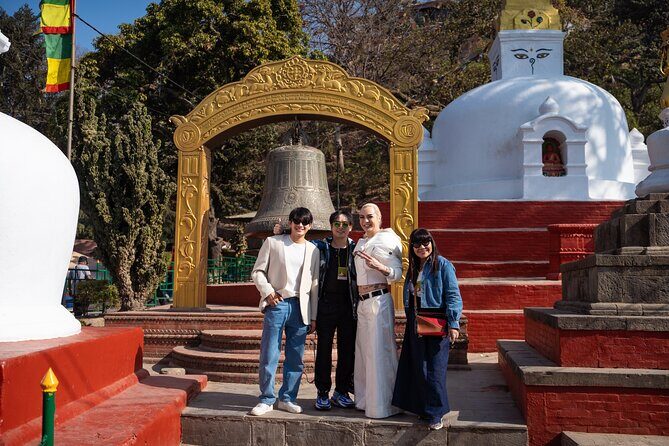
This isn’t just four UNESCO sites and a car ride. Two included stops help fill in the background of what you’re seeing.
First, you’ll visit a Thanka (traditional art) painting school. It’s the kind of stop that makes temple decoration feel less random. When you see how the art is taught and practiced, the patterns you notice later in religious buildings start to click as deliberate craft, not just decoration.
Second, there’s a healing bowl demonstration center visit. Sound and vibration are a big part of many South Asian spiritual traditions, and even if you don’t have a strong belief system, it’s interesting to watch how practitioners explain the experience. This stop also gives you a quieter pause between intense sites.
These add-ons are a big part of why this day tour can feel more like a cultural day than a checklist. They take the tour from “seen it” to “understood it at least a little.”
Price and value: what’s included, what’s extra, and what you should plan for
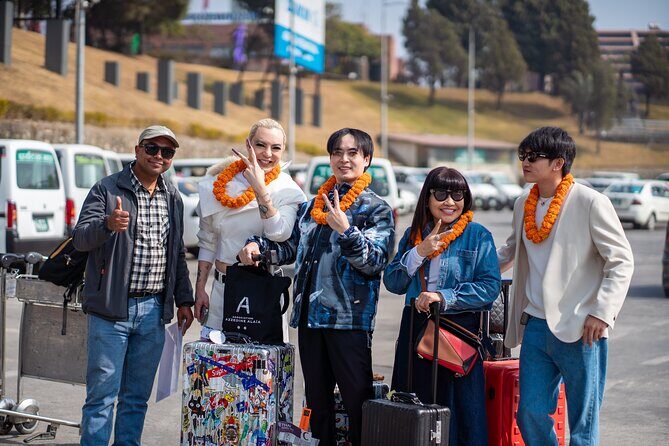
The listed price is USD 55 per person, and at that level you’re mostly paying for guided movement between major sites, the air-conditioned vehicle, and a licensed guide experience.
Included items:
- Air-conditioned vehicle
- Government licensed tour guide
- Thanka painting school visit
- Healing bowl demonstration center visit
- Bottled water (1000ml per person)
What’s not included:
- UNESCO World Heritage entrance fees, listed as USD 20 or NPR 2600 per person
- Lunch and drinks
- Tips for the guide and driver (expected)
So, does it feel like good value? For me, the math depends on one thing: whether you’re the type of traveler who wants meaning, not just access. If you’re happy doing DIY temples without a guide, you might question the cost. But if you want context—why each site matters, how Hindu and Buddhist practices overlap in Kathmandu—this is priced reasonably for a structured day.
Also, your guide plays a noticeable role in perceived value. In the feedback provided, Prakash stands out for being friendly and attentive, and for bringing clear historical and cultural context. One review also notes he holds a Masters Degree, which you can feel in how he explains what you’re seeing, not just the date-stuff.
Who should choose this private Kathmandu day tour
This tour is a strong match if you:
- Want to hit four UNESCO sites in one day without stressful navigation
- Prefer a guided explanation over reading signs
- Like a mix of Hindu ritual context and Buddhist devotional practice
- Appreciate included culture stops like Thanka art and sound-based healing demonstrations
It may be a tougher fit if you:
- Don’t want to witness cremation rituals at all
- Plan to spend the whole day in a very relaxed, minimal-walking way
- Expect the quoted price to cover all site entry fees (it does not)
If you’re traveling with one or two friends, the “private group” style plus group discount can make it especially practical. If you’re solo, it still works because you’re not sharing the day with strangers beyond your group.
Should you book this Kathmandu UNESCO day tour?
I’d book it if your priority is a well-timed, guided path through Swayambhunath, Patan Durbar Square, Pashupatinath, and Boudhanath with cultural add-ons that make the day feel fuller than the sites alone. The biggest reason to choose it is the combination: a smooth day plan and an experienced guide named Prakash who connects the dots across Hindu and Buddhist Kathmandu.
I’d hesitate only if you know Pashupatinath cremation rituals will be hard for you emotionally, or if you’re trying to keep costs as close to USD 55 as possible (because UNESCO entrance fees and tips will raise the total).
If that sounds like your kind of day, this tour is a solid way to understand Kathmandu beyond the skyline views and temple postcards.
FAQ
What UNESCO sites are included in the tour?
You’ll visit Swayambhunath, Patan Durbar Square, Pashupatinath Temple, and Boudhanath Stupa.
How long is the Kathmandu guided day tour?
The duration is about 5 to 7 hours.
Is pickup included?
Pickup is offered.
What is the price per person?
The price is USD 55.00 per person.
Are UNESCO entrance fees included in the price?
No. UNESCO World Heritage site entrance fees are not included and are listed as USD 20 or NPR 2600 per person.
What else is included besides the main heritage sites?
The tour includes a Thanka painting school visit, a healing bowl demonstration center visit, air-conditioned vehicle transport, bottled water (1000ml per person), and a government licensed tour guide.
Is lunch included?
Lunch is not included.
Is the tour private?
It’s listed as a private tour/activity, meaning only your group will participate.
Is there a cancellation option?
Free cancellation is available if you cancel up to 24 hours in advance for a full refund.
Are tips included?
Tips for the guide and driver are not included, and they are expected.