REVIEW · KATHMANDU
Tourist Bus Tickets: Kathmandu to Pokhara or Pokhara to KTM
Book on Viator →Operated by Mountain Hike Nepal · Bookable on Viator
A long road day can be tolerable if you’re prepared. This Kathmandu–Pokhara bus ticket is interesting because you get pre-booked pickup-style convenience and a planned 30-minute lunch stop, not last-minute guessing. One caution: the ride can feel rough, and some buses may not match your comfort expectations.
I like that the timing is clear (report early, depart in the morning) and that the service is meant to be safer and calmer than squeezing onto the public alternatives. Still, you should keep expectations realistic about road works and possible delays—this trip is often about the full seven hours.
In This Review
- Key Points I’d Actually Plan Around
- Why This Kathmandu–Pokhara Bus Route Feels Easier (If You Choose It Right)
- Route Basics: Nayabazar in Kathmandu to Lakeside Pokhara
- The Morning Schedule: Reporting Time Is Part of the Deal
- What Happens With Your Ticket (So You Don’t Waste Time in the Wrong Place)
- The Ride Itself: Comfort vs. Road Reality
- The Half-Hour Lunch Stop: Use It Like a Pro
- Included vs. Not Included: What You’ll Pay For Beyond the Ticket
- Price and Value: Is $16.10 a Smart Use of Money?
- Safety and Organization: The Best Reason to Pre-Book
- Who This Works Best For (And Who Should Think Twice)
- Practical Tips That Make This Ride Easier
- Should You Book This Kathmandu–Pokhara Bus Ticket?
- FAQ
- How long does the Kathmandu to Pokhara or Pokhara to Kathmandu bus ride take?
- What time do the buses leave?
- Where do the buses pick up in Kathmandu and in Pokhara?
- Is the ticket one-way or round-trip?
- How do I receive my ticket?
- Is lunch included on the trip?
- What’s included in the price?
- Are meals, accommodation, or terminal transfers included?
- Is cancellation free?
Key Points I’d Actually Plan Around
- Hotel reception ticket collection plus ticket details sent to your email/WhatsApp
- Fixed morning departures from Nayabazar and Lakeside, with you reporting before departure
- About 7 hours total time, changing with traffic and road conditions
- A short lunch stop (around 30 minutes) at a cleaner, hygienic eatery
- Small group limit (max 30 travelers), aiming for a more organized ride
- Mineral water bottle included, but meals aren’t
Why This Kathmandu–Pokhara Bus Route Feels Easier (If You Choose It Right)
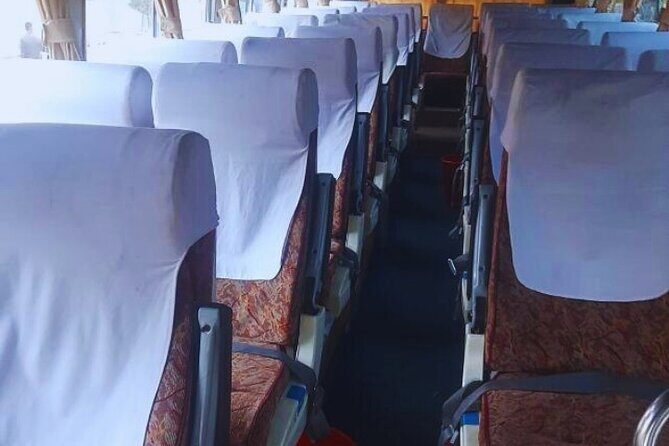
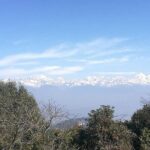
The Kathmandu to Pokhara trip is famous for two things: scenery when the skies cooperate and roads that can be… unpredictable. What makes this particular bus ticket feel worth considering is the focus on reducing stress. You’re not rolling the dice on whether you’ll find seats, whether a bus is in decent shape, or whether you’ll be standing while the day evaporates.
The other big win is the structure. You get a defined check-in/reporting time, ticket information through email or WhatsApp, and a simple expectation: get there, check in, and board. For many people, that’s the whole reason to pre-book—especially when you’re moving on a tight travel schedule.
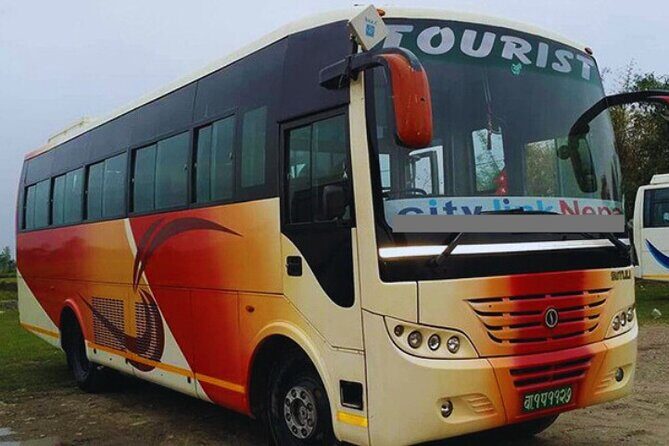
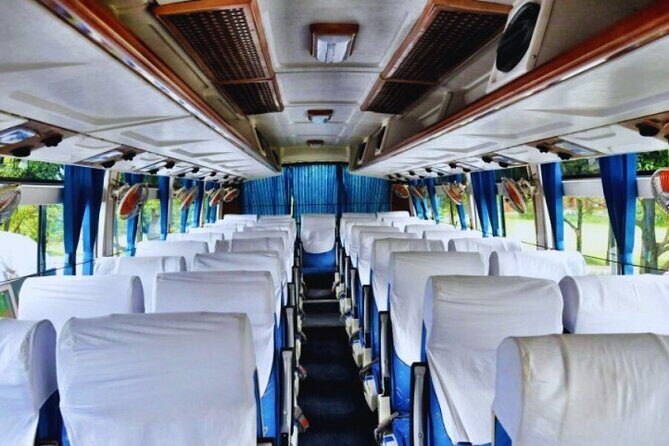
But here’s the drawback to keep in your head: “tourist bus” doesn’t automatically mean luxury. Some experiences reported older seats and a less-than-pristine cabin. If you’re sensitive to comfort and cleanliness, you’ll want to pack like you’re bracing for a basic long-distance bus.
You can also read our reviews of more tours and experiences in Kathmandu

Route Basics: Nayabazar in Kathmandu to Lakeside Pokhara
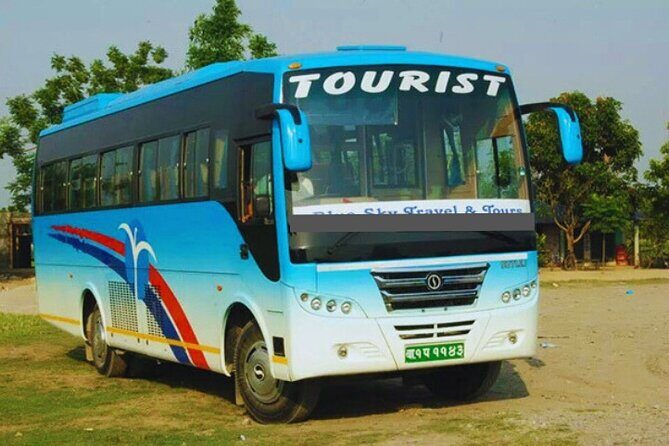
This service runs in both directions, and the locations are specific, which matters when you’re navigating a new city.
For Kathmandu to Pokhara, your bus departs from Sorakhutte, Nayabazaar (Kathmandu). In Pokhara, the stop is Tourist bus Park, Lakeside, Pokhara. For Pokhara to Kathmandu, the departure is also from the Tourist bus Park, Lakeside, and the arrival stop in Kathmandu is again Sorakhutte, Nayabazaar.
That one detail—same neighborhoods, same meeting points—helps you avoid the usual travel friction: wandering for the right pickup spot, asking the wrong person, and arriving late with a sinking stomach.
It’s also a true one-way ticket. So you’re buying a seat for a single leg, whether you’re heading toward lakeside Pokhara or coming back to Kathmandu.
The Morning Schedule: Reporting Time Is Part of the Deal
This is one of those routes where “departure time” is only half the story. Your report time is the other half.
Kathmandu to Pokhara:
- Departure at 7:00 AM
- Reporting time at 6:45 AM
Pokhara to Kathmandu:
- Departure at 7:30 AM
- Reporting time at 7:00 AM
That means you should plan to arrive early enough to calmly find the right bus stop area, confirm your name/ticket details, and sit down before the boarding rush. Even if you’re not thrilled about early starts, this is exactly what helps the day feel controlled.
Also note the timing reality: the journey is listed as about 6 to 7 hours, with many trips landing closer to seven hours because of traffic and road works. If you’re connecting to another plan the same day, give yourself slack. A “short” bus day can still eat your afternoon.
What Happens With Your Ticket (So You Don’t Waste Time in the Wrong Place)
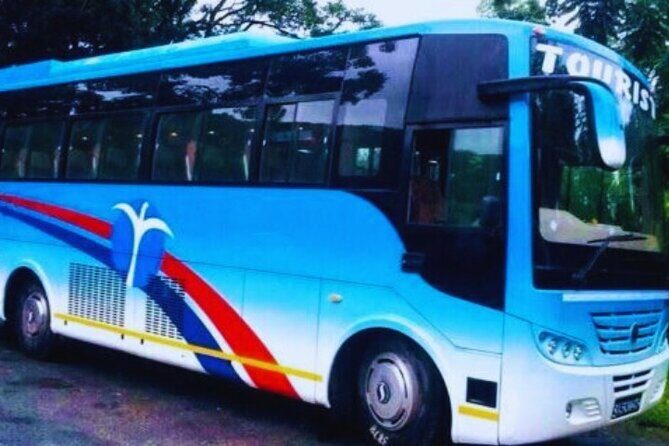
I like how this service handles paperwork. Instead of you scrambling last minute, ticket details are sent to your email or WhatsApp. On top of that, there’s an added convenience layer: you can collect your ticket from your hotel reception.
In practice, that means two things for you:
- You can check your phone (or email) ahead of time to confirm the key details.
- You can reduce the chance of missing the correct bus area by having your ticket in hand and knowing the timing.
You’re also told the ticketing process is confirmed at booking, and the service uses a mobile ticket approach. Even if you prefer paper, you can treat the phone message as your safety net.
One more useful detail: this is a small-group service with a maximum of 30 travelers. That doesn’t guarantee luxury, but it usually helps with organization versus chaotic boarding.
The Ride Itself: Comfort vs. Road Reality
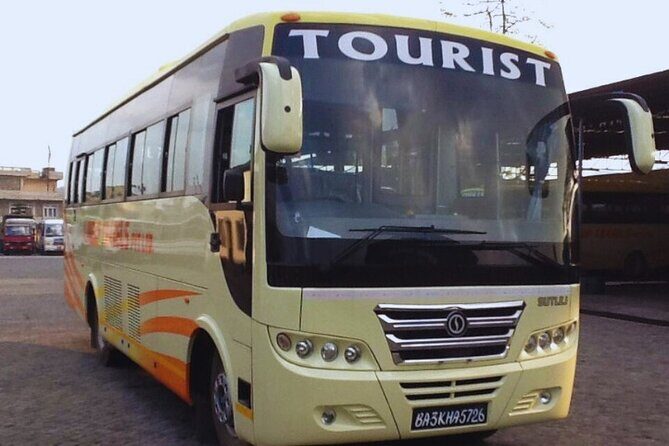
Here’s the honest part: this route travels on roads that can be rough. Road works and traffic can slow things down, and the ride can take longer than the headline number. If you get motion sensitive, I’d treat this as a “bring your comfort gear” kind of trip.
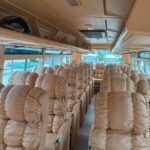
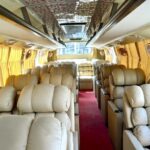
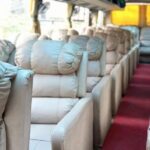
Comfort is where expectations can clash with reality. The service is marketed as a tourist bus for safer, more comfortable travel than crowded public buses. That’s a good direction. Still, some experiences describe older seats, uncomfortable seating, and dirt inside the bus. So you should assume basic long-distance conditions.
What you can control:
- Dress in layers, since buses can swing from cool to warm.
- Bring a small neck pillow or at least something soft if you’re picky about seats.
- Pack anything that makes the ride feel cleaner to you (wet wipes, for example).
What you can’t control:
- Whether there are delays from traffic or road works.
- How the bus interior feels on your specific departure.
If you’re mainly traveling for the route (not for onboard comfort), this can still be a smart choice. Just don’t expect it to feel like an airline.

The Half-Hour Lunch Stop: Use It Like a Pro
This service includes a 30-minute lunch stop at a clean, hygienic eatery along the way. You’re not going to sit down for a slow meal here. Think “quick reset.”
What I’d do in that short window:
- Grab something simple and easy to eat quickly.
- Use the break to hydrate again, because this trip can run longer than planned.
- If you need restrooms, don’t wait too long—30 minutes disappears fast.
Meals are not included in the price, so you’ll pay for your own food. The smart move is to carry a little cash or payment option you trust, then treat lunch as a bonus pause rather than a guaranteed meal plan.
Included vs. Not Included: What You’ll Pay For Beyond the Ticket
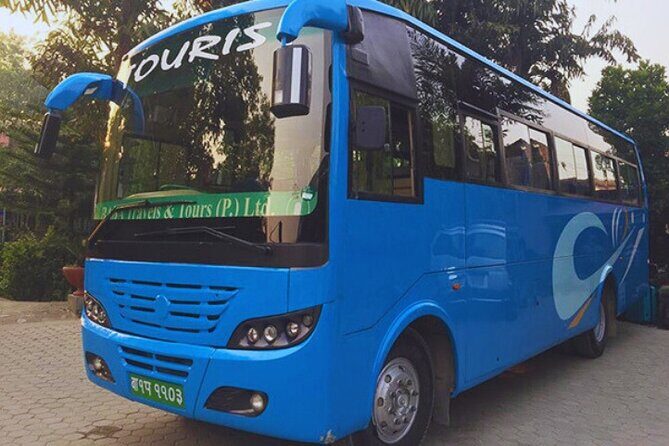
The price is $16.10 per person for a one-way ticket. For that, you’re getting the bus seat service plus a few helpful extras.
Included:
- Kathmandu to Pokhara or Pokhara to Kathmandu by tourist bus ticket service
- Ticket sent to your mail id
- Mineral water bottle
Not included:
- Meals and accommodation
- Bus terminal transfers (getting to the bus stop area is on you)
This breakdown matters because it affects the true cost of the day. If you’re budgeting, plan on lunch during the stop and assume you’ll handle your own local transport to the departure point in both cities.
Also, you might see that this service is booked about 14 days in advance on average. That’s a clue that the seat can be in demand. If your dates are fixed, booking earlier usually gives you more breathing room.
Price and Value: Is $16.10 a Smart Use of Money?
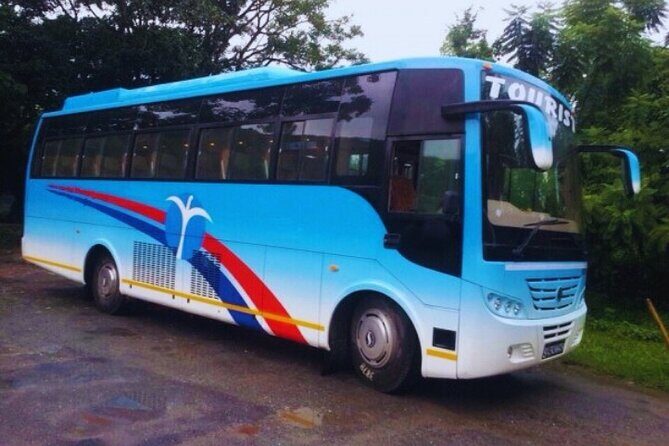
At $16.10, this isn’t a “splurge” item. It’s basically you paying to trade uncertainty for structure. That’s how I judge value on routes like this.
If you’ve ever tried to leave Kathmandu or reach Pokhara on short timelines, you know the hidden costs:
- Time spent searching for the right bus
- Stress from unclear departure info
- Risk of being stuck with an uncomfortable position or a questionable setup
This service tries to reduce those headaches by giving clear departure times, a defined reporting window, and organized boarding with a small maximum group size.
Where value can drop for some people is when comfort and cleanliness don’t match what they expected from the term tourist bus. If that’s your top priority, you may end up wishing you paid more for a better-conditioned vehicle. The price is fair for a pre-booked seat, but it’s not a guarantee of premium comfort.
Safety and Organization: The Best Reason to Pre-Book
The core promise here is straightforward: avoid crowded, unsafe public buses by securing your place in advance on a tourist bus. That goal is sensible. Even if the bus isn’t spotless or brand-new, having a booked seat and a planned check-in still reduces the biggest travel stress—showing up and hoping.
There’s also a practical safety angle in the way the day is organized. You have a set morning departure, a reporting time, and a consistent pickup/stop pattern:
- Kathmandu: Sorakhutte, Nayabazaar
- Pokhara: Tourist bus Park, Lakeside
That regularity reduces how much you have to wander around asking questions. On an unfamiliar route, that matters.
Who This Works Best For (And Who Should Think Twice)
This bus ticket is a strong match if:
- You want a simple, pre-booked way to move between Kathmandu and Pokhara.
- You’d rather handle one organized bus check-in than hunt around for a public option.
- You like having ticket details sent to you in advance (email/WhatsApp) and a path to collect them near where you’re staying.
It’s a less ideal match if:
- You’re very sensitive to seat comfort or cleanliness.
- You need a consistently smooth ride and get uncomfortable quickly on rough roads.
- You’re expecting a high-end vehicle based only on the word tourist.
If your plan is to arrive, check in, and start sightseeing right after, this can work well because it’s an organized one-way day trip. If you’re trying to do minimal-impact travel and hate bus vibes, you may want to look at other options.
Practical Tips That Make This Ride Easier
Here are a few things that help you get the most out of this kind of service:
- Aim to be early for reporting time. A 15-minute buffer can save you from the boarding scramble.
- Keep your WhatsApp/email confirmation handy. Even if you collect a ticket at your hotel reception, having the message visible is a quick safety check.
- Plan for a full day block. Even if it says 6 to 7 hours, road works and traffic can push it.
- Treat lunch as an on-your-own expense during the stop, and budget accordingly.
- Bring small comfort tools. For this route, a basic long-distance setup can still be tolerable with the right gear.
Should You Book This Kathmandu–Pokhara Bus Ticket?
I’d book it if your priority is a smoother, more predictable commute between the two cities, and you’re okay with a basic bus experience. At $16.10 one-way, you’re paying for structure: set morning departures, ticket details in advance, and an included water bottle plus a lunch break.
I would hesitate if you’re hoping for clean, new-feeling seats and consistently great onboard conditions. This is a road journey first, comfort second. Some departures may be fine; others may feel older or dirtier than you’d like.
If you’re flexible, pack smart, and give yourself time for the ride, this ticket can be a practical way to move between Kathmandu and Pokhara without making your travel day feel like a guessing game.
FAQ
How long does the Kathmandu to Pokhara or Pokhara to Kathmandu bus ride take?
The journey is listed as about 6 to 7 hours, with the trip often taking around seven hours depending on traffic and road works.
What time do the buses leave?
For Kathmandu to Pokhara, departure is 7:00 AM with reporting at 6:45 AM. For Pokhara to Kathmandu, departure is 7:30 AM with reporting at 7:00 AM.
Where do the buses pick up in Kathmandu and in Pokhara?
Kathmandu pickup is at Sorakhutte, Nayabazaar. Pokhara pickup/stop is at Tourist bus Park, Lakeside, Pokhara.
Is the ticket one-way or round-trip?
It’s a one-way ticket. You can book it for travel in either direction, depending on which service you choose.
How do I receive my ticket?
Ticket details are sent to your email or WhatsApp, and you can collect your ticket from your hotel reception.
Is lunch included on the trip?
There is a 30-minute lunch stop at a hygienic eatery, but meals are not included in the ticket price.
What’s included in the price?
The ticket service is included, and you also get a mineral water bottle. Your ticket is sent to your mail id.
Are meals, accommodation, or terminal transfers included?
No. Meals and accommodation are not included, and bus terminal transfers are not included.
Is cancellation free?
Yes. You can cancel up to 24 hours in advance of the experience start time for a full refund.