REVIEW · KATHMANDU
Annapurna Base Camp Trek
Book on Viator →Operated by Everest Trekking Routes Pvt. Ltd. · Bookable on Viator
A mountain trek with culture and sunrise views. The Annapurna Base Camp journey blends big-peak scenery with classic Nepalese stops, starting in Kathmandu and rolling into the Annapurna Conservation Area toward Annapurna Base Camp. I like that you get both early hiking payoff and real village walking, with Ghorepani-to-Poon Hill views plus days through places like Chhomrong and Bamboo.
One watch-out: you’ll be at high altitude (about 4,130 m), so it helps to be ready for slower days and a steady pace.
Two parts I really appreciate are the built-in structure and the human support. You’re guided by a licensed professional trek leader with local porters, and the rhythm of the trek is paced across roughly a dozen days instead of a rushed sprint. The biggest downside to plan for is the money for extras: drinks, travel insurance, and tipping are not included, so your final spend can creep up.
In This Review
- Key things that make this trek work
- Kathmandu and Pokhara: the warm-up that actually matters
- From Birethanti to the Annapurna trail: where the real trek begins
- The climb to Base Camp: Bamboo, then the big arrival
- Heading back to Kathmandu: the reward is rest
- Permits, tea houses, and meals: what you’re really paying for
- Transportation and hotels: less stress, more predictable days
- Guides and porters: safety, pacing, and good teamwork
- Price and logistics: does $935 make sense for this trek?
- Fitness and altitude: how to make the trek feel doable
- Who this Annapurna Base Camp trek is best for
- Should you book this Annapurna Base Camp trek?
- FAQ
- Where is the trek meeting point?
- When does the experience start?
- How long is the Annapurna Base Camp trek?
- Is pickup and drop-off included?
- What transport is included between Kathmandu and Pokhara?
- Are permits included for the trekking area?
- Are meals included during the trek?
- Where do I sleep during the trek?
- What fitness level do I need?
- Is free cancellation available?
Key things that make this trek work
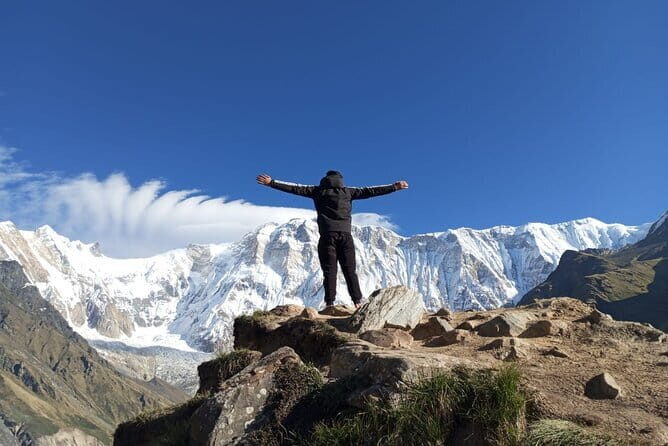
- A mix of cultures and trekking: Kathmandu temple time, Pokhara lake views, then the walking starts in earnest at Birethanti.
- Poon Hill payoff without a long detour: you get a famous sunrise/view route early in the trekking cycle.
- Tea house nights and full meal coverage on trail: breakfast at hotels, then breakfast/lunch/dinner while trekking.
- Permits handled for you: TIMS and ACAP permits are included.
- Team approach on the mountain: a licensed guide plus local porter support keeps things practical.
Kathmandu and Pokhara: the warm-up that actually matters
Before you start walking high, this trip gives you a sensible setup in Nepal’s two most trek-friendly hubs: Kathmandu and Pokhara.
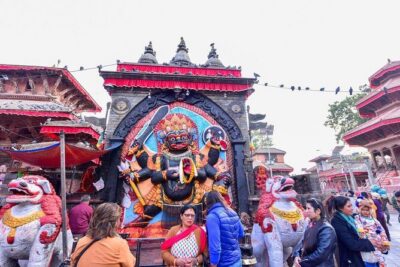
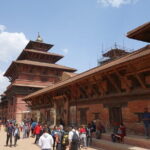
Day 1 is all about Kathmandu and the Pasupatinath Temple. Even if you’ve seen photos of Nepal’s holy sites, this stop feels different in person because it’s a living religious place, not a themed attraction. If you arrive early in Nepal, it’s a good way to get your bearings fast, plus it puts you in the right frame of mind for the spiritual weight you’ll feel as you head toward the Himalaya.
Day 2 shifts to Pokhara with a stop for Pokhara Lake. Pokhara is famous because it sits as a launch point for trekkers, and the lake area gives you an easy, scenic place to rest your feet and look at the surrounding hills. I like that the plan doesn’t force a long hike immediately. Instead, you get a breather, then you move closer to the trekking zone.
On trek days, the altitude change is gradual, but it’s still real. The value of spending time in Kathmandu and Pokhara first is that you arrive with less chaos. You can sleep, eat normally (at least for day one and two), and prep gear without feeling like you’re being shoved onto the trail on day one.
You can also read our reviews of more hiking tours in Kathmandu
From Birethanti to the Annapurna trail: where the real trek begins
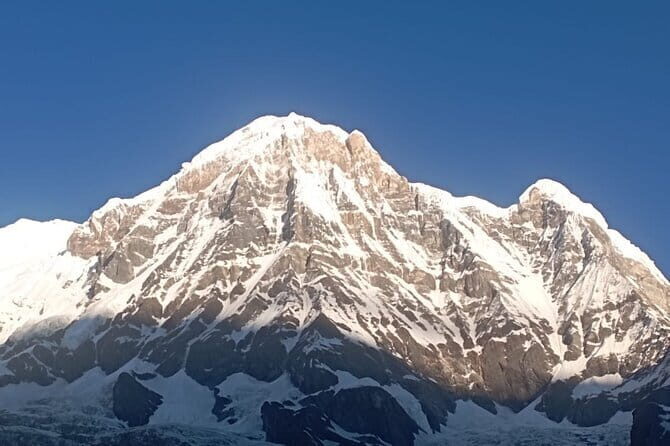
Day 3 brings the entry into the Annapurna Conservation Area at Birethanti. This isn’t just a “check the box” moment. When you pass through the gateway area, you’re shifting from city logistics into village routes, trail customs, and the slower pace of mountain travel. It’s also the point where you start feeling the Annapurna region’s variety: terraced farmland, mixed paths, and the sense that you’re walking through a real working area, not just a postcard corridor.
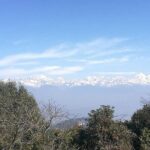
Day 4 is Ghorepani and Poon Hill, a short hike and viewpoint route that’s popular for good reason. This is the classic strategy: you gain elevation with less strain than a full long-day push, then earn one of the region’s best view moments. If sunrise is your thing, this is the day to care about timing. Even if you don’t chase the earliest light, the viewpoint rhythm still works well—you’ll spend time climbing, then you’ll be rewarded at the top before moving into the next trekking stages.
Day 5 is the long-ish walking day from Ghorepani toward Tadapani (about five hours on foot). This is where you start learning your trekking pace. Don’t race. You’re not trying to prove anything; you’re trying to keep your breathing calm so you can enjoy the next days. Trails here often include stretches that feel like they last forever, even when the timetable says it’s only a few hours. Build in patience. The mountain always wins if you start too fast.
Day 6 focuses on a beautiful walk to Chhomrong. Chhomrong is a major reference point in many Annapurna routes, and you’ll feel that as you approach: more dramatic views, more hikers, and the sense that the trek is turning from “getting there” into “I’m in the thick of it.” It’s a good day for people who like a mix of effort and payoff—enough walking to feel like you earned the views, without being a punishing slog.
The climb to Base Camp: Bamboo, then the big arrival
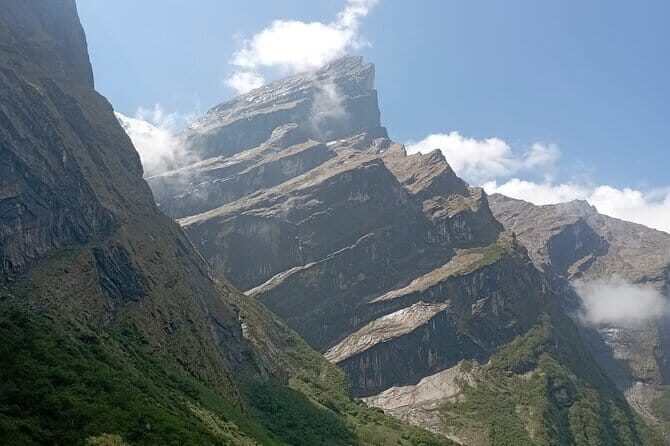
Day 7 is a moderate walking day to Bamboo. This is a practical stage in the trek. It helps you settle into the rhythm of tea-house life, where you change elevation, eat on schedule, and let the body adapt between days. Moderate doesn’t mean easy, but it usually means more manageable climbs and a steady trail feel.
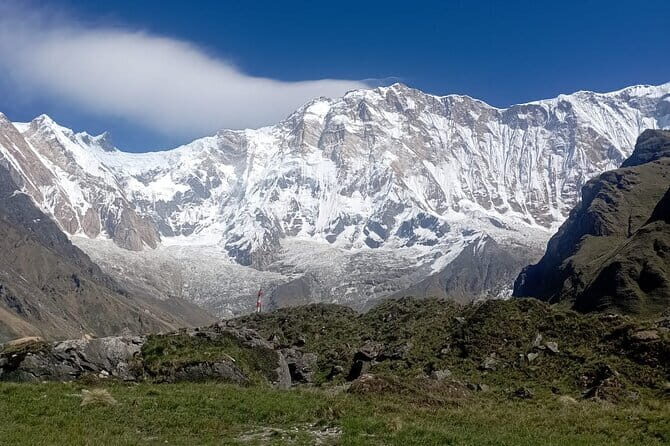
Then Day 8 hits the trek to Annapurna Base Camp. This is the day most people plan the whole trip around. The “base camp” label matters because it’s the point where the scenery shifts to something sharper and more alpine. Expect a bigger sense of altitude presence—thicker air, colder temperatures, and a mind that needs breaks. On arrival, the accomplishment is real. You’re not just watching mountains from far away—you’re reaching the walking goal that defines this trek.
Day 9 continues with a hike activity tied to the base camp experience. Even when you’re already at the target, the value of another day in the area is time. You get a chance to move slowly, absorb the conditions, and enjoy the peak presence from different angles instead of spending every moment racing for the next view.
Day 10 is described as one of the most view-point routes in the Annapurna region, tied to the Annapurna Base Camp trekking area. In plain terms: it’s more time for your favorite part of this trip—mountain views—without the pressure of switching villages every day. This is a great day for people who love photo light and want to take the trek at mountain speed: pause often, drink water, and let the day unfold.
Heading back to Kathmandu: the reward is rest
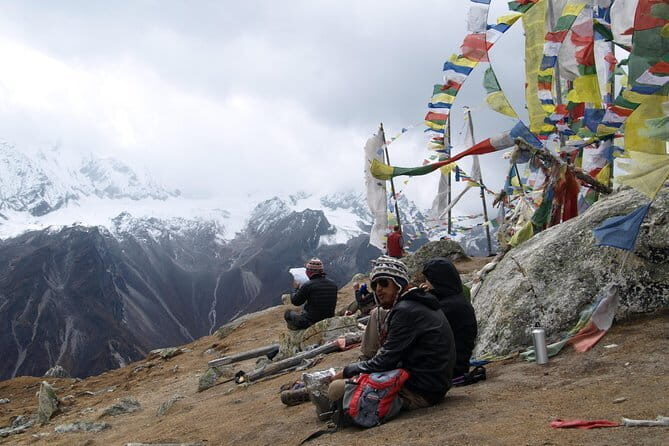
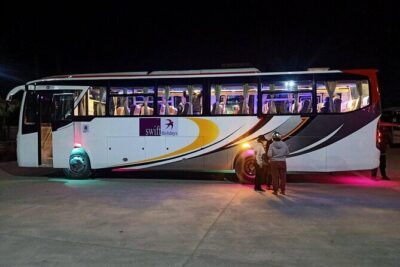
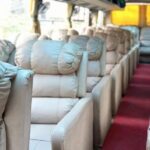
Day 11 returns to Kathmandu by tourist bus. This part is underrated. After days of walking and altitude strain, your body will welcome the change. A bus ride isn’t “adventure,” but it’s practical recovery time. It also gives you a chance to gather your thoughts: what worked, what you’d do differently next time, and what you want to do in Kathmandu once you’re back.
Day 12 is the final departure home. That final day matters because it gives you a clean end to the trek instead of squeezing in extra plans. If you’re the kind of traveler who hates tight connections, this buffer is a nice fit.
Permits, tea houses, and meals: what you’re really paying for
At $935 per person, the real question isn’t just the price tag. It’s what you don’t have to coordinate yourself.
Here’s what’s covered during the trek:
- All meals during the trek (breakfast, lunch, dinner) with cup of tea or coffee included.
- Tea house accommodation throughout the trek.
- Trekking permits handled for you, including TIMS and ACAP.
This matters because Annapurna routes involve constant small decisions: where to eat, what permits you need, and how to manage daily logistics at trail towns. Having the permits and the lodging base taken care of lets you focus on hiking.
Also, breakfasts in Pokhara and Kathmandu are included. That helps on the “travel days,” when you want calories and normal food but you don’t want to spend energy hunting for the right place.
What’s not included:
- Extra meals or extra accommodation in Kathmandu
- Hot and cold drinks on top of the tea/coffee already tied to trek meals
- Wi-Fi on the trekking (not included)
- Personal expenses
- Travel and evacuation insurance
- Tipping for guide and porter
My practical advice: plan a budget for drinks and tips. The trek can be included, but your daily comfort items often aren’t. If you like soda, hot chocolate, or lots of tea on the side, add it up before you go.

Transportation and hotels: less stress, more predictable days
This trip includes transfers with airport/hotel/pickup and drop-off by private car/van/bus, plus a tourist bus between Kathmandu and Pokhara (and back to Kathmandu). You also get:
- Two nights in Pokhara in a hotel (Kathmandu Suite Home is listed for Kathmandu, while Pokhara hotel includes breakfast)
- Two nights in Kathmandu at Kathmandu Suite Home with breakfast
What I like about this arrangement is that it reduces the number of moving parts. Nepal is easy to travel in, but it can be chaotic when you’re tired or carrying trekking gear. This keeps your energy focused where it counts: the trek.
Guides and porters: safety, pacing, and good teamwork

One of the strongest themes around this trek is the professionalism of the guiding team. You’ll trek with a licensed professional trekking guide and an expert local porter. That pairing is more than comfort—it’s risk management. On steep days, at higher altitude, and in changing weather, good guidance helps you move with a calmer pace and fewer mistakes.
Names that come up in the experience—like Cecil and Sushil Gurung as guides—are often linked with professionalism and a safety-first attitude. Porters such as Samu Gurung, Sujan Gurung, and Bishal are also mentioned for being helpful and supportive. And Rabin is named as the organizer people felt responsive to before the trek.
I can’t promise you’ll have the exact same team, but the structure is clear: the company emphasizes professional leadership and local porter support. That’s what you want for this kind of high-effort trip.
Price and logistics: does $935 make sense for this trek?
Let’s talk value in a practical way.
You’re paying for:
- Trek permits (TIMS + ACAP)
- Guide and porter support
- Tea house accommodation during the trek
- All trek meals with tea/coffee
- Two hotel nights in Pokhara and two in Kathmandu with breakfast
- Kathmandu to Pokhara and back by tourist bus
- Airport and hotel pickup/drop by vehicle
For many independent trekkers, the hard part isn’t finding a route. It’s aligning permits, lodging, meals, and daily logistics without losing time. Here, a big slice of that is handled for you.
The main reason this price can feel high to some people is that extras are common: drinks, tipping, and travel/evacuation insurance. If you already have insurance and you keep drink spending under control, this package can feel like a clean deal. If you prefer to add lots of comfort items, your total cost goes up.
So I’d judge this as mid-to-good value if you want structure and you don’t want to manage permits and trail-day logistics alone.
Fitness and altitude: how to make the trek feel doable
This trek is recommended for travelers with moderate physical fitness. That’s helpful because it sets expectations: you don’t need to be an ultra-athlete, but you do need consistent walking ability and the ability to handle uphill effort.
The trip reaches about 4,130 meters at base camp. High enough to matter. Even if you’re in shape, altitude changes how you breathe. Your best friend here is pacing. If you walk too fast early, you’ll pay later.
Practical approach:
- Keep your daily effort steady, not dramatic
- Take breaks often, even if it feels slow at the time
- Keep water in your routine
- Don’t treat the trek like a race to tick a box
The route’s design helps—Poon Hill gives you a shorter-view payoff early, then you build toward the base camp arrival across multiple steps.
Who this Annapurna Base Camp trek is best for
This trek fits well if you:
- Want a classic Annapurna Base Camp experience with structured support
- Like a blend of culture and hiking (temple in Kathmandu, lake in Pokhara, village routes along the way)
- Appreciate having meals and tea house lodging handled
- Prefer a private tour where only your group participates
You might not love it as much if you’re a total DIY trekkers who wants full freedom to change daily plans, or if you’re on a super tight budget for every extra.
Should you book this Annapurna Base Camp trek?
I’d book it if you want the Annapurna Base Camp goal with fewer logistics headaches, and you’re happy to plan for a realistic add-on budget for drinks, tips, and insurance. The included permits, guide/porter setup, tea house lodging, and full trek meals are the kind of practical value that makes high-country travel feel smoother.
I’d skip it or at least reconsider if you hate being on a fixed schedule, or if you’re not comfortable managing altitude effects with patience. High altitude rewards slow minds and steady feet.
If you’re aiming for a rewarding classic trek where the trip feels organized enough for you to enjoy the mountain, this one is a strong choice.
FAQ
Where is the trek meeting point?
The meeting point is at Everest Trekking Routes Pvt. Ltd., Timila Marg, Kathmandu 44600, Nepal.
When does the experience start?
The start time is listed as 1:15 am.
How long is the Annapurna Base Camp trek?
It’s listed as 12 days approximately.
Is pickup and drop-off included?
Yes. Airport/hotel pickup and drop-off are included by private car/van/bus.
What transport is included between Kathmandu and Pokhara?
Kathmandu to Pokhara and return to Kathmandu are included by tourist bus.
Are permits included for the trekking area?
Yes. The trek includes trekking permits as a TIMS card and ACAP permit.
Are meals included during the trek?
Yes. All meals during the trek are included: breakfast, lunch, and dinner, with a cup of tea or coffee.
Where do I sleep during the trek?
You get tea house accommodation during the trek.
What fitness level do I need?
The trek is for travelers with a moderate physical fitness level.
Is free cancellation available?
Yes, you can cancel up to 24 hours in advance for a full refund. If you cancel less than 24 hours before the start time, the amount paid is not refunded.