REVIEW · KATHMANDU
Annapurna Base Camp Trek
Book on Viator →Operated by Nepal High Trek & Expedition Pvt. Ltd · Bookable on Viator
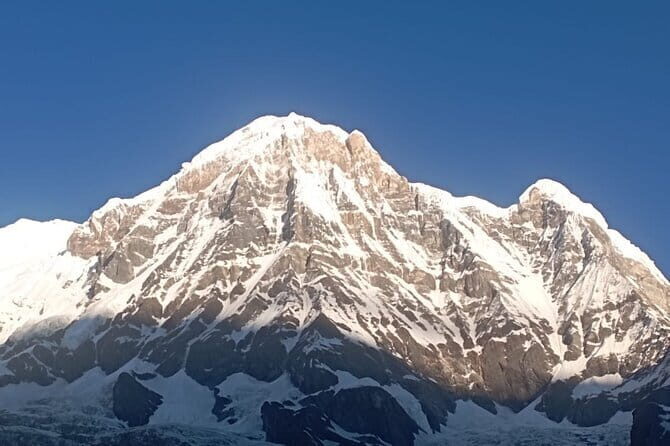
Annapurna Base Camp earns every step. This classic 7-day route works its way from terraced fields and rhododendron forests up through Gurung villages to Annapurna Base Camp, with huge views of Annapurna South, Machhapuchhre, and Hiunchuli. I really like that you’re not left piecing logistics together: the trek includes meals, permits, and a government-licensed mountain guide like Suraj. The other big win is the human side. Past groups have praised guides such as Anos and Laku for being friendly, attentive, and great at planning meals and accommodation on the fly. One consideration: the days can run long, and it’s a weather-dependent experience that starts early (meeting start time is 4:45am).
This is also set up as a private experience for your group, with a small-team feel in practice. You’ll get pickup, 7 nights of accommodation on the trek, and all ground transport connected to the route from the Pokhara area.
In This Review
- Key things to know before you go
- Entering the Annapurna heartland from Nayapul and Pokhara
- Ghandruk day: first big views and classic Gurung village days
- Chhomrong and Kimrong ridges: forests, farm villages, and steady climbs
- The Modi River gorge to Bamboo: winding trail energy
- Approaching base camp near Himalaya Hotel and Hinko cave
- Annapurna Base Camp time: the highlight, plus the long walk back
- Jhinu Danda hot spring: your reset button day
- Finishing in Pokhara with a last easy walk and museum stop
- Price and what you get for $699.67
- The guides and small-team feel that people keep praising
- Who should book this Annapurna Base Camp trek
- Should you book it?
- FAQ
- How long is the Annapurna Base Camp Trek?
- Where does the trek start, and is pickup included?
- What’s included in the price?
- What permits are included?
- What isn’t included?
- What time does the experience start?
- What if weather is poor or I need to cancel?
Key things to know before you go
- Licensed guide + permits included: Annapurna Conservation Area Permit (ACAP) and TIMS card are part of the package.
- Meals three times daily during the trek: breakfast, lunch, and dinner are included throughout the walking days.
- Village-to-village trekking rhythm: you’ll move between places like Ghandruk, Chhomrong, and Bamboo, not just through empty trail.
- Early starts are real: the experience begins at 4:45am, so plan for an early wake-up.
- Jhinu Danda hot spring recovery: you finish one leg by reaching Jhinu for hot spring time.
- Small-group support: guides and porters are repeatedly praised for taking care of details and keeping things smooth.
Entering the Annapurna heartland from Nayapul and Pokhara
The trek’s story starts with a drive from Pokhara to the trail start area, and then you walk in. The first stretch follows the sort of day-to-day Nepal that most people picture: terraced fields, rhododendron forests, and small village stops where life keeps rolling long after you arrive.
You’ll also get a clear support setup from the beginning. The package includes all the key ground transportation connecting the Pokhara area to the trek route, plus your permit paperwork through ACAP and TIMS, so you’re not negotiating admin at altitude. For many first-timers, that’s half the stress removed right away.
And because pickup is offered, you’re not stuck figuring out who goes where on day one. You just meet, start early, and begin walking.
You can also read our reviews of more hiking tours in Kathmandu
Ghandruk day: first big views and classic Gurung village days
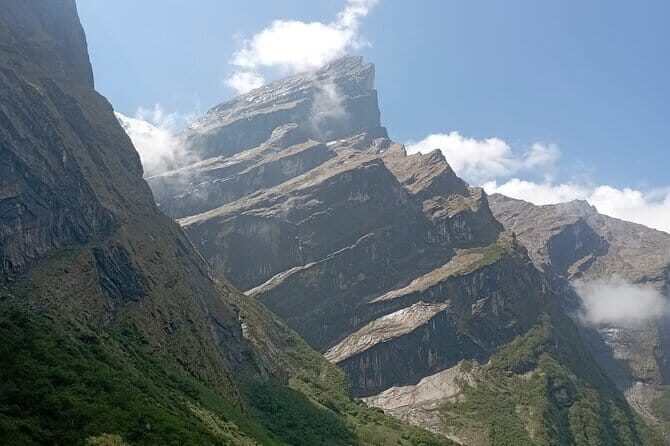
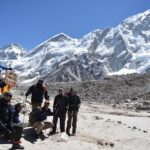
Ghandruk is where the trek starts feeling like a real “into the mountains” journey. After breakfast in the Pokhara area and a drive out to the walking start, you begin with an easy-to-moderate warm-up day that leads toward one of the region’s most well-known villages.
What I like about this stop is the blend. You’re not only hiking for views; you’re also moving through communities known for their culture and hospitality. This matters because the Annapurna Base Camp route can otherwise feel like a checklist of checkpoints. Here, Ghandruk gives you a human pause.
The practical side: plan for a long first walking day. Even when the schedule calls it “a short drive then walks,” this route is built on getting time on your feet every day.
Chhomrong and Kimrong ridges: forests, farm villages, and steady climbs
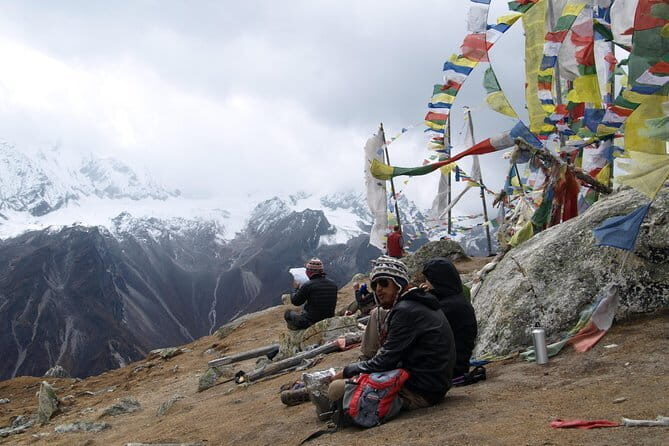
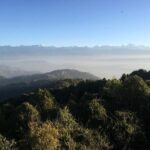
From Ghandruk, you gradually climb, then keep working upward until you reach ridge areas like Kimrong Danda. From there, the route shifts into a downhill rhythm toward farm villages along water and river corridors, before you climb again.
This is one of the best parts of the trek for people who don’t want constant steepness. You’re getting changes in scenery as you go: ridge walking, then cooler forest trails, then valley and river views. It keeps your mind busy, which is useful when your legs start negotiating terms.
Chhomrong is another key village in the mix, and the day after that includes transitions that can feel long. One day is described as having a long trek duration, and it makes sense: you’re moving through ridges and into forested sections before reaching the next overnight stop.
The Modi River gorge to Bamboo: winding trail energy
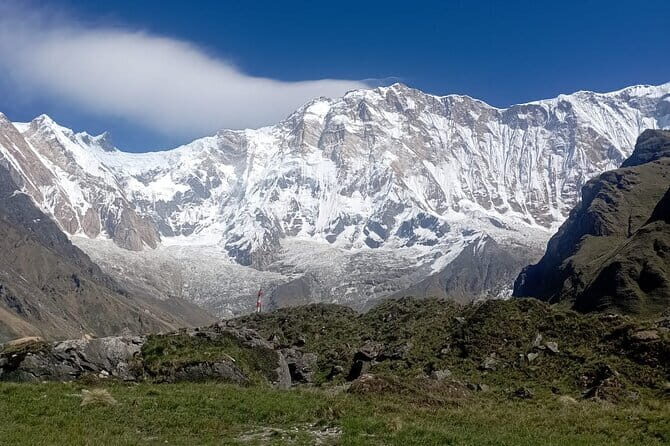
As you head deeper, the route bends into the Modi River gorge area. After a downhill to a bridge, the trail goes uphill again toward places like Sinuwa danda, then continues through deeply forested trails with winding ups and downs.
Bamboo is where the trek really starts to feel like a change of world. These forested stretches are a mental reset. The downside is that winding trail can be slower than you expect, especially if you’re moving at a pace meant for big daily distance. The good news is that your guide and team are already structured to keep your day moving, including planning meals and accommodation.
This is also where having a calm, organized guide matters. In past experiences on this route, guides such as Suraj and Anos were praised for keeping energy up while also making sure meals and lodging happened smoothly.
Approaching base camp near Himalaya Hotel and Hinko cave
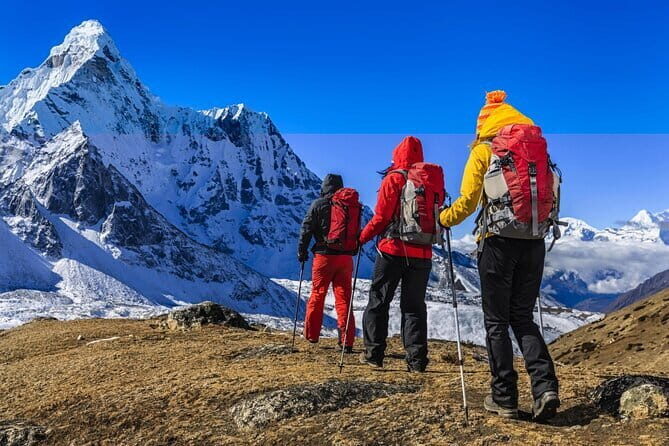
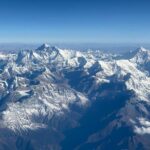
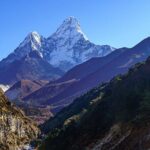
The run-up to the highlight is described as walking close to the Annapurna sanctuary’s core region. The route passes forest sections near Himalaya Hotel, and that area is linked with a big landmark: Hinko cave. You’re walking under massive mountains like Annapurna South and Hiunchuli.
This is the day where you’ll feel the trek shift from “getting there” to “this is it.” Even when you’re not at base camp yet, the mountain scale starts to show itself in how the trail curves and how the peaks hold your attention.
The practical note: this is a full trekking day. The schedule for the approach is listed as a long day, and it’s not a “stroll and snack” kind of route. You’ll want to be comfortable with trekking when you’re tired, because the scenery won’t let you stop mentally, even when your body asks for breaks.

Annapurna Base Camp time: the highlight, plus the long walk back

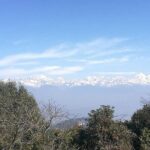
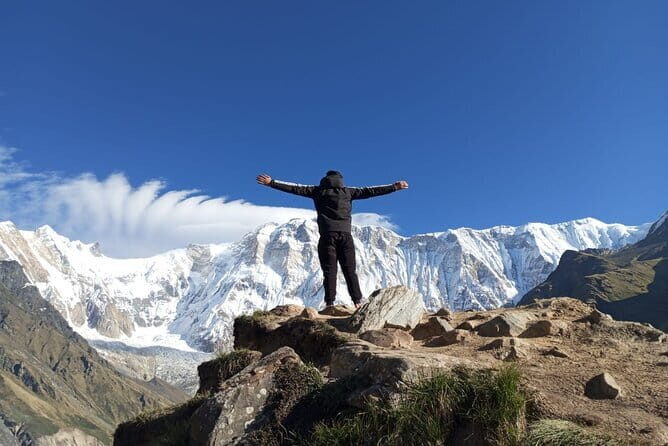
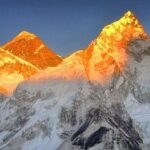
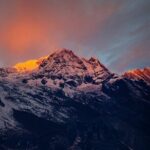
Reaching Annapurna Base Camp is described as the peak moment of the trek, with towering peaks and glacier views around you. Sunrise is specifically called out as a special experience at base camp, which is a big deal here: the mountain light changes everything, and you get that classic feeling of standing where the story becomes real.
One more thing I appreciate about this plan is what happens after. The itinerary doesn’t treat base camp like a museum stop you check off and leave immediately. You’re given time at base camp, and then you begin the return with a long downhill move that includes short ups and a final push toward Bamboo.
That return day matters because it’s often when people feel “done” mentally but still have to walk. Having three meals included during the trek helps keep energy steady. Also, seasonal fruits are included, which sounds small until you’ve been hiking all morning and suddenly get a snack that’s actually refreshing.
Jhinu Danda hot spring: your reset button day
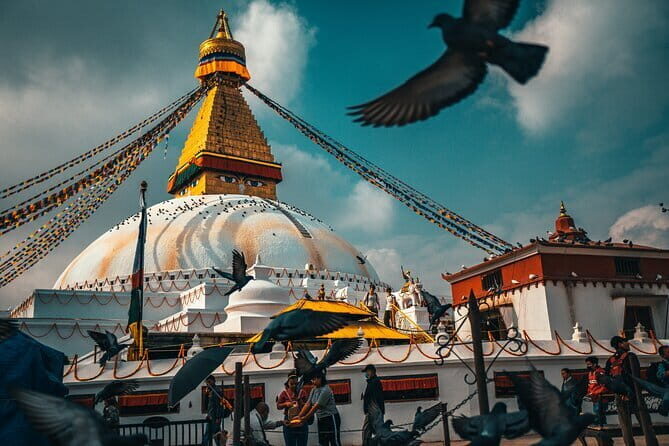
The route turns back toward Chhomrong and then diverts to a newer trail segment to reach Jhinu. Jhinu Danda is tied to hot springs, and you’ll be hiking to a hill village in that area with grand mountain scenery.
In plain terms: hot spring time is your recovery reward. It won’t erase sore calves instantly, but it’s a real morale lift. After days that alternate ridges, forests, and long walking, this is the payoff day when you can soak and let your legs cool down.
This day also highlights the tradeoff of the trek’s format: it’s a lot of walking, but you get a payoff at the end of it. If you want a trek where every day has at least one reason to look forward, this is built that way.
Finishing in Pokhara with a last easy walk and museum stop
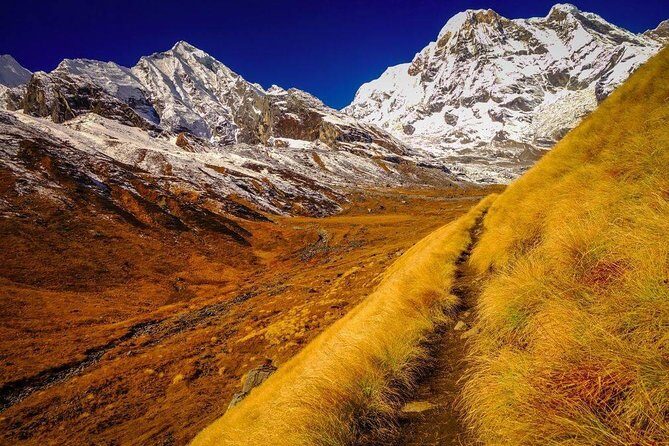
Your final trek day includes a hike of around a few hours to Siwai, followed by a drive back toward Pokhara. Then you get another short, pleasant downhill walk in warmer farm areas and a cultural stop at the Pokhara Museum.
This matters because it brings you down from the trek rhythm without snapping you straight into a travel-day whirlwind. You still walk, but it’s gentle compared to the mountain legs. And the museum stop gives you a place to shift gears from peak views to Nepal on the ground.
Price and what you get for $699.67
At $699.67 per person, the value here comes from what’s included, not just the base price. Your package covers:
- Three meals per day during the trek (breakfast, lunch, dinner)
- A government-licensed mountain guide
- Permits: ACAP (Annapurna Conservation Area Permit) and the TIMS card
- Ground transportation connected to the route (Pokhara area transfers)
- 7 nights of accommodation on the trek
- Seasonal fruits while you’re hiking
When you compare that to the cost of cobbling this together yourself—guides, permits, and transport—the total starts to look less like a price tag and more like you paying for your time and sanity. You’re also paying for someone to handle the paperwork and keep the daily plan moving.
The not-included list is also important because it tells you what you’ll need to budget for separately. Travel and rescue insurance is not included. Also, things like bar bills, laundry, phone calls, battery recharge, bottle of water, hot water, and showers are not included. Tips for the guide are not included either.
So my practical advice: treat this price as full-service for the trekking core, then plan a small daily budget for the comfort extras you want (water purchases and any charging needs).
The guides and small-team feel that people keep praising
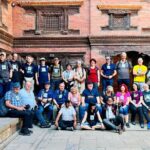
A major theme in the way this trek is run is care. Past groups specifically praised guides such as Suraj and Anos for being professional and attentive, plus Laku for friendly support. Communication before the trek has also been described as easy and fast, with organizing done through email and then WhatsApp.
You’ll also likely be supported by porters, and porters such as Sonam and Necha have been mentioned in positive terms for looking after people well. That kind of teamwork matters on a trek like this because your day goes smoother when meals, timing, and lodging aren’t constantly being negotiated by tired people.
The simple takeaway: you’re buying more than route planning. You’re buying day-to-day problem prevention.
Who should book this Annapurna Base Camp trek
This is a good fit if you want:
- A moderate trekking region and a 7-day length that’s enough to feel like a real trek
- A plan that handles permits, meals, and most logistics
- A route that mixes villages, forests, ridge walking, and a hot spring reward day
It may not be the right choice if you’re chasing a super flexible, low-walking style trip. Some scheduled days list very long walking time, and the meeting time is early. Also, the experience requires good weather, so you should be prepared for weather-driven changes.
If you’re a careful planner who likes structure, this one should feel reassuring. If you want maximum comfort, you’ll still have mountain realities like trekking time and limited “extras,” since hot water and showers aren’t included.
Should you book it?
I’d book this if you want a classic Annapurna Base Camp run with the heavy lifting handled—especially the ACAP and TIMS permits, meals, and transport. It’s also a smart choice if you value a friendly guide who can keep your plan running smoothly day after day, and you don’t want to spend your time managing logistics.
I’d think twice if you need showers and hot water included, or if you don’t want to wake up early and spend long hours on your feet. The trek gives big mountain moments, but it’s still a real trek with a real schedule.
FAQ
How long is the Annapurna Base Camp Trek?
The trek is about 7 days.
Where does the trek start, and is pickup included?
The trek starts from Nayapul. Pickup is offered, and you’ll also have ground transportation connected to the route from the Pokhara area.
What’s included in the price?
Meals during the trek (breakfast, lunch, dinner), a government-licensed mountain guide, the Annapurna permit (ACAP) and TIMS card, 7 nights of accommodation on the trek, all ground transportation for the route segments, and seasonal fruits.
What permits are included?
The package includes the Annapurna permit (ACAP) and the TIMS card.
What isn’t included?
Travel and rescue insurance is not included, and bar bills, phone calls, laundry, battery recharge, bottle of water, hot water, shower, and tips for the guide are not included.
What time does the experience start?
Start time is 4:45am.
What if weather is poor or I need to cancel?
The experience requires good weather. If it’s canceled due to poor weather, you’ll be offered a different date or a full refund. There is free cancellation up to 24 hours in advance for a full refund.