REVIEW · KATHMANDU
Everest Base Camp Trek -14 Days
Book on Viator →Operated by Alpine Ramble Treks · Bookable on Viator
Everest starts with a short, scenic hop. This trek into the Khumbu is built for people who want the classic experience without last-minute permit chaos, and it finishes with the payoff view from Kalapathar at sunrise.
I like the small group size (up to 12), because it’s easier to actually talk to people and not get swallowed by a crowd. I also like that you’re fed with full-board lodge meals during the trek, which keeps you focused on walking and acclimatizing instead of hunting down food.
One consideration: the itinerary includes several long days and big altitude swings toward the high point area, so it’s not a laid-back hike. If you’re not feeling steady on your feet or your fitness is low, you may feel it more than you expect.
In This Review
- Key things to know before you go
- Everest Base Camp feels different now: a classic trek with a time limit
- Price and logistics: what your $1,420 really buys in Nepal
- Kathmandu start: Thamel pickup, airport transfer, and a calm beginning
- Lukla flight day: quick, scenic, and logistically important
- The trek day by day: pine forests, monastery views, and Kala Patthar’s 360º payoff
- Day 1: Arrive in Kathmandu and settle in
- Day 2: Kathmandu to Lukla, then your first trek steps
- Day 3: Pine forests, Dudkosi crossing, and an early Everest glimpse
- Day 4: Rest and acclimatize, then climb to a mountains lookout
- Day 5: The Everest highway section and rhododendron climbing
- Day 6: Tengboche monastery in the morning light
- Day 7: Dingboche rest day in the farming valley
- Day 8: Dughla to Chukpo Lari ridge and the climbers memorial line
- Day 9: Lobuche to the Khumbu Glacier area and lateral moraine
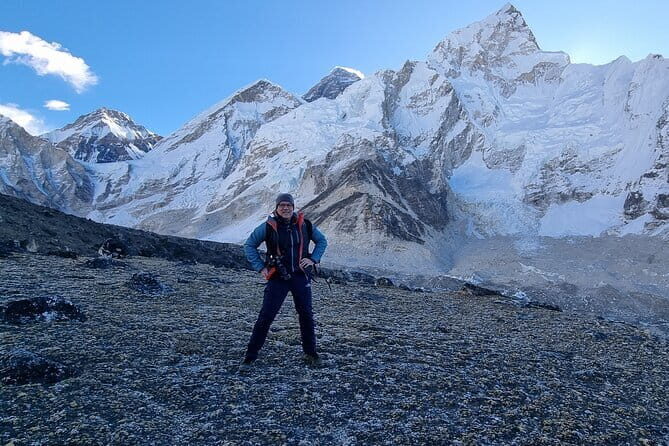
- Day 10: Kala Patthar sunrise and a full 360º peak view
- Day 11: Descent through Sherpa villages back toward Tengboche
- Day 12: Steep return route and suspension bridges over Dud Koshi
- Day 13: Fly back to Kathmandu and take it easy
- Lodges and food: why the meal plan is a big part of comfort
- Your guide team and small-group vibe: getting support without the crowd
- Who this trek is best for (and who should think twice)
- Practical expectations you can plan around before your packing list
- Should you book Alpine Ramble Treks for Everest Base Camp?
- FAQ
- How many travelers are in the group?
- Where does the tour start and end?
- What flights are included in the price?
- Are meals included during the trek?
- Is a porter included?
- What permits or documents are covered?
- Can I cancel and get a full refund?
Key things to know before you go
- Licensed guiding and paperwork handled: the trip includes a government-licensed holder guide and the documents for Everest National Park and TIMS.
- Lukla flights are part of the package: round trip flights Kathmandu–Lukla and Lukla–Kathmandu are included with departure taxes.
- True lodge life, with honest meal rhythm: breakfast, lunch, and dinner are included during the trek, but lodge menus can repeat.
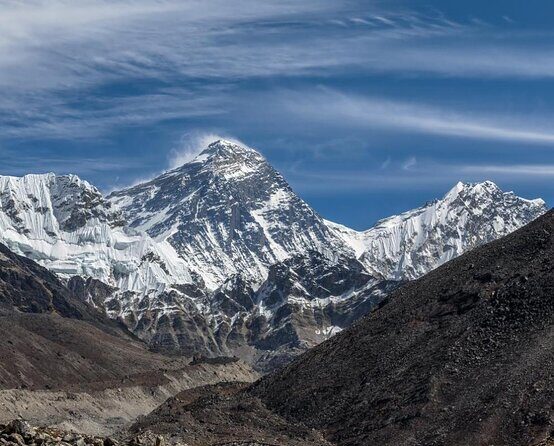
- Kala Patthar sunrise is the headline: early wake-up and a hike up for wide, 360º peak views.
- Sherpa villages and Tengboche monastery stops: you get culture breaks, not just altitude grind.
- Some extra costs are on you: water, Wi‑Fi, drinks, and optional porter service are not included.
Everest Base Camp feels different now: a classic trek with a time limit
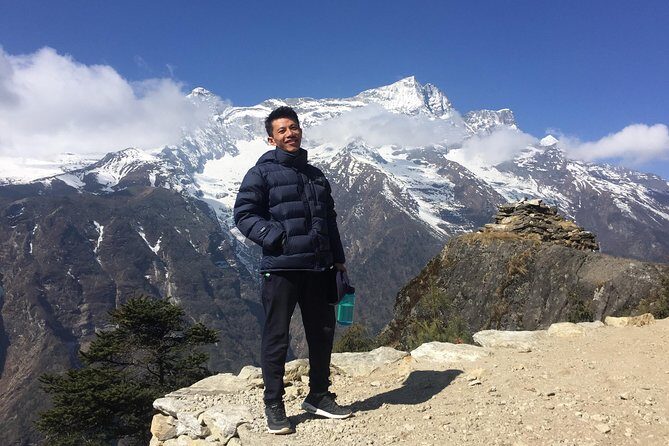
There’s a specific reason this Everest Base Camp itinerary has extra urgency. The operator notes that Everest Base Camp is set to move location, which means the “classic” version you see in photos may not last forever. If you’ve been waiting for the perfect window, this is one of those trips where the timing starts to matter.
I also like how the description frames the trek. It’s not selling you heroics. It’s selling you a structured, prebooked plan so you’re not spending your energy negotiating guides, sorting permits, and piecing together logistics in-country. You still hike. You still earn the views. But the trip tries to remove the avoidable stress.
You can also read our reviews of more hiking tours in Kathmandu
Price and logistics: what your $1,420 really buys in Nepal
At $1,420 per person, you’re paying for more than a route on a map. The package covers the big operational chunks that usually eat time and money: flights, guide service, trekking documents, and lodge logistics.
Here’s what’s included (and why it matters):
- Round trip flights Kathmandu ↔ Lukla with departure taxes. This is the heart of the Everest access problem. If you’re not the type who wants to constantly re-plan, bundling this helps.
- Full-board meals during the trek (breakfast, lunch, dinner). That means you can keep moving without figuring out where to eat each day.
- Best-available trekking lodge accommodations during the trek.
- A government-licensed guide plus a first aid medical kit.
- Trekking documents, including Everest National Park paperwork and TIMS.
- A basic first aid box that includes Diamox (listed as part of the kit).
- Emergency rescue operation funded by travel insurance.
And here’s what you’re on the hook for:
- International flights and anything before/after the trek in Kathmandu.
- Nepal entry visa fees.
- Hot showers, drinks (hot/cold), snacks, and Wi‑Fi.
- Water and personal expenses.
- Tipping/gratitude to guides and staff.
- Local porter if you need it (porter service isn’t included; you’d arrange it if required).
So the value question becomes simple: you’re paying to make the Everest trek feel managed. If you’re the kind of traveler who would rather spend energy on mountain time instead of admin time, this price starts to look fair.
Kathmandu start: Thamel pickup, airport transfer, and a calm beginning
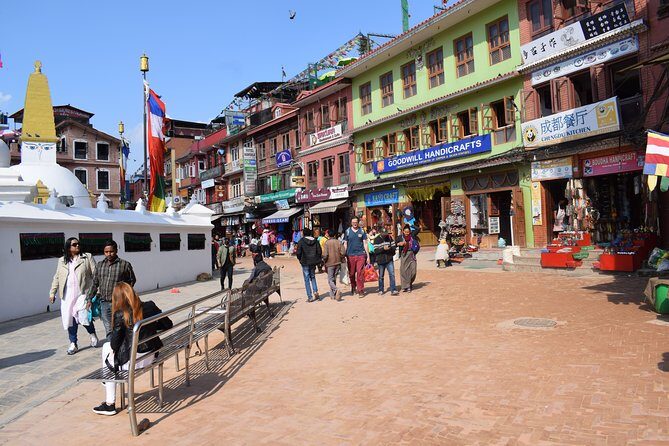
The trek meeting point is Thamel, Kathmandu. You’ll get a welcome after you land at Tribhuvan International Airport and a transfer to your hotel, then an overnight stay.
Why this matters: Kathmandu days can be chaotic if you arrive unbuffered. A guided pickup and transfer help you get your bearings fast, and you don’t lose the first evening to transport searching.
From the accounts you provided, there’s also a strong theme of personal attention at the start. People describe getting met with garlands of marigolds, and they name owner Dil and guide Sujal in accounts of smooth arrival handling. Even if your exact guide team differs, the pattern is clear: the operator tries to make the first 24 hours feel easy.
Lukla flight day: quick, scenic, and logistically important
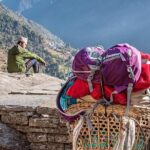
On day 2 you fly to Lukla on an early scenic flight (about 35 minutes). You land in Sherpa country, meet the crew, and learn that your luggage is carried for you during the trek.
That luggage detail is a big deal. Your body is already going to work hard at altitude. Reducing what you carry helps you focus on breathing, pacing, and enjoying what’s in front of you—especially in the early days when your legs are adjusting.
Then you start trekking from Lukla, with a short acclimatization component built in early on.
The trek day by day: pine forests, monastery views, and Kala Patthar’s 360º payoff
This is a 13-day itinerary as written, even though the product is marketed as 14 days. In practice, you should plan for a Kathmandu arrival/overnight and a final Kathmandu day around the trek days. The route itself is the main story.

Day 1: Arrive in Kathmandu and settle in
You land, get welcomed, and transfer to your hotel for an overnight.
Small practical note: use this day to keep things simple. You’ll likely want an early night so your morning flight and hiking days don’t feel like a fight.
Day 2: Kathmandu to Lukla, then your first trek steps
You fly to Lukla (about 35 minutes). Then you meet your crew, and the trek starts from Lukla with about 2 hours of acclimatization.
You’ll feel the altitude quickly, even before the big climbs. This day is mostly about getting into rhythm.
Day 3: Pine forests, Dudkosi crossing, and an early Everest glimpse
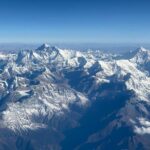
You trek through lush pine forest, cross the Dudkosi River, and get one of those first big visual moments—Everest and surrounding peaks like Kusum are mentioned in the itinerary flow.
I love this kind of day because it breaks the “cold and steep” feeling early. It’s a mix of walking plus the first emotional hit of seeing Everest from trail-level.
Day 4: Rest and acclimatize, then climb to a mountains lookout
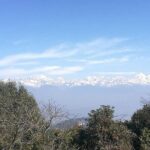
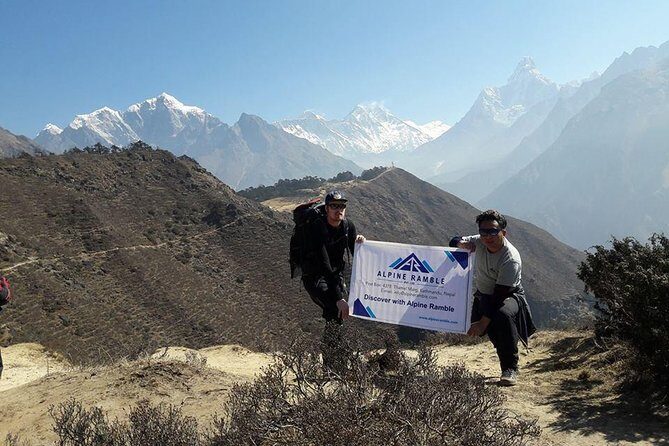
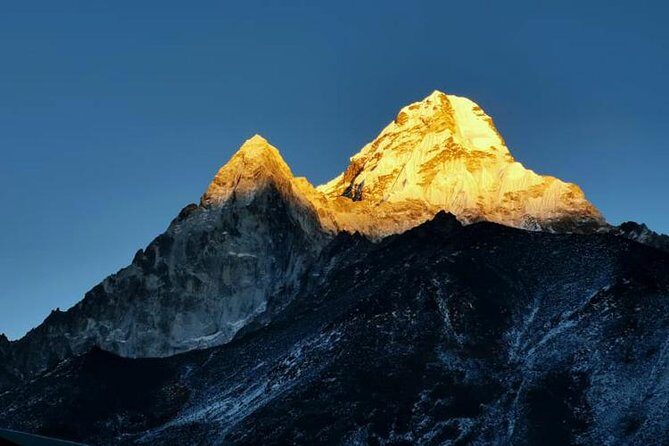
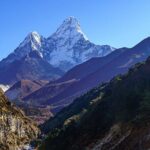
Day 4 is specifically framed as rest and acclimatization, followed by a hike up to a viewpoint with big-name views: Everest, Lhotse, Cholatse, Thamserku, Kwangde, Khandala, Ama Dablam, plus a valley you’ll remember.
Why you’ll like it: the trek isn’t only about suffering up. It builds in a scenic pause where your body catches up and your camera gets a workout.
Day 5: The Everest highway section and rhododendron climbing
You trek along the highway of Everest, which the itinerary describes as a route tied to local contributions. The day includes a famous descent to the Dudh-Koshi River and an ascent along rhododendron.
This is a day where your legs might feel long. Downhills can be rough on knees. Start slow, drink often, and don’t chase other people’s pace.
Day 6: Tengboche monastery in the morning light
This day is built around a morning moment: the monastery in Tengboche and surrounding mountains are described as pristine and spectacular. After breakfast you trek through a forest area the itinerary calls Merlin’s Forest (a name used in the notes you gave).
If you love places where nature and culture overlap, this is a highlight. It also offers a mental break before the higher trekking days.
Day 7: Dingboche rest day in the farming valley
You rest and acclimatize at Dingboche, described as a popular stop for trekkers and climbers. The village is framed as fields enclosed by stone walls and barley protection.
This is a good day to slow down and let your breathing settle. It’s also a social day—Dingboche attracts a steady flow of people, so you can compare notes and share little wins.
Day 8: Dughla to Chukpo Lari ridge and the climbers memorial line
The day climbs from Dingboche toward Dughla, then transitions into a steep climb toward the ridge at Chukpo Lari. You also encounter memorials for climbers who died on Mt. Everest.
It’s an important emotional stop. It changes the vibe from just “mountains and photos” to “this is real risk.” Take a minute. Then keep walking.
Day 9: Lobuche to the Khumbu Glacier area and lateral moraine
This is labeled as the most exciting and long-awaited day. You leave from Lobuche, move through flat meadow areas, then follow the Khumbu Glacier northwards with short climbing up to the lateral moraine.
This is where Everest Base Camp energy starts to feel close. The glacier terrain and changing views can also make you more aware of wind, cold, and how you’re pacing.
Day 10: Kala Patthar sunrise and a full 360º peak view
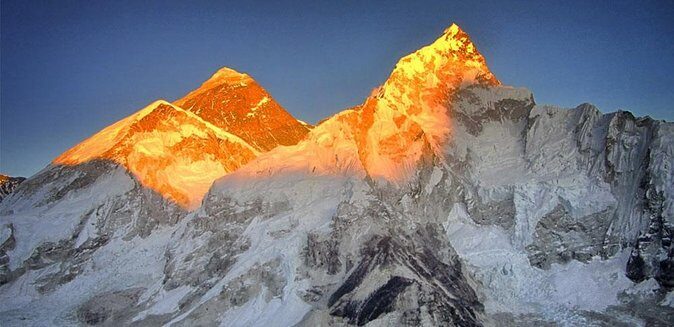
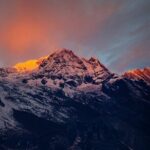
Early wake-up. Then about 2 hours climbing up to Kalapathar near the bottom of Mt. Pumori. From there, you see a 360º sunrise view with Mt. Everest, Nuptse, and other surrounding peaks (the itinerary lists additional peaks beyond those names).
If you’re willing to get up while it’s still dark, this is the day that pays the ticket price in emotion.
Day 11: Descent through Sherpa villages back toward Tengboche
The route descends through Sherpa villages, drops into the Dudkosi River, crosses, then goes into forest via Dingboche, followed by climbing up to Tengboche.
This is the “transition day.” You’re not starting from scratch, but you’re changing altitude zones and scenery again.
Day 12: Steep return route and suspension bridges over Dud Koshi
You descend the steep sections back the same way you crossed: Jorsalle, Manjo, Benkar, Phakding, and other villages. The itinerary also calls out several suspension bridges over the Dudh Koshi river.
I like this day because it feels like progress. You’re moving toward Lukla/Kathmandu again, and the bridges add variety to what could otherwise be repetitive downhills.
Day 13: Fly back to Kathmandu and take it easy
You fly back to Kathmandu and have a leisure day in the city.
The highlights section also notes that you’ll celebrate your success with a night at a top Kathmandu hotel and dinner. So treat this final day as your recovery time, not your marathon shopping session.
Lodges and food: why the meal plan is a big part of comfort
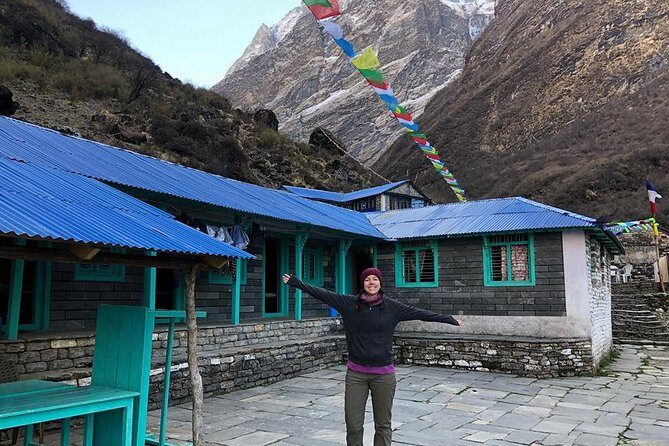
This trip includes full-board meals in trekking lodges during the trek. That’s breakfast, lunch, and dinner—so you don’t get stuck deciding where to eat at altitude, when you’d rather keep moving.
The menu is described as simple in lodge settings, and one account specifically noted that the menu can be the same for several days, with some accommodations not being great (a Lukla hotel example was given). That’s normal Everest trekking reality: standards vary village to village.
My practical take: don’t go in expecting restaurant-level variety. Instead, go in expecting reliability, warmth when it’s cold, and enough fuel to keep your pace steady.
Your guide team and small-group vibe: getting support without the crowd
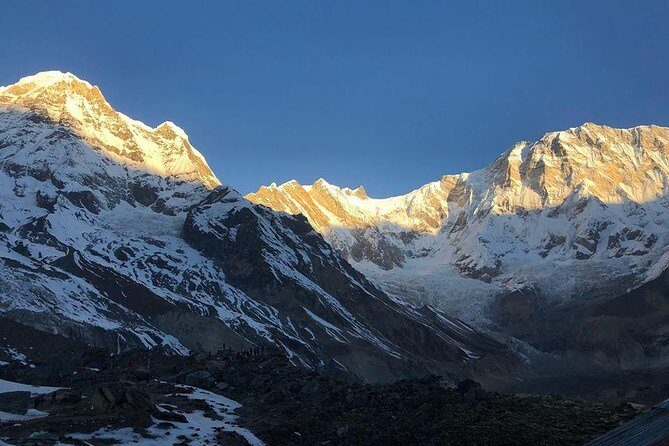
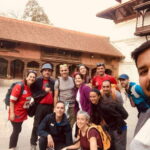
The trek is limited to a maximum of 12 travelers, which can make a big difference on the trail. You don’t need to shout over dozens of people, and it’s easier to sync up for photo stops and acclimatization breaks.
Your guide is described as licensed and experienced, and you’ll have a crew that carries luggage. In the accounts you shared, names like Sujal, Amer, Dhower, Nir, Laxman, Ram, Saugat, and Subash show up as guides or support team members. That’s useful for you in one way: it suggests the operator is using consistent staff across trips, rather than just handing you to whoever is free that week.
And yes, in these accounts, the owner Dil appears as the person who keeps communication tight. One of the repeated themes is fast responsiveness to questions and clear organization.
Who this trek is best for (and who should think twice)
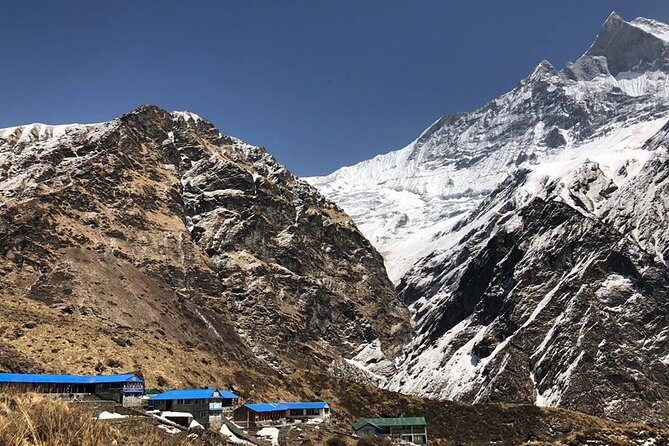
This trek lists moderate physical fitness as the baseline. In real life, that means you should be comfortable with:
- walking most days
- handling long uphill sections
- dealing with cold mornings and tired legs
I’d also say it’s a great fit for:
- first-time Everest trekkers who want logistics handled
- solo travelers who still want a social bubble
- people who value an organized, licensed guide team over DIY planning
I’d think twice if you:
- get flared by altitude quickly and need flexible pacing beyond what’s laid out
- expect frequent comfort upgrades in every lodge night
Practical expectations you can plan around before your packing list
Not everything is provided. You’re responsible for water, hot and cold drinks, Wi‑Fi, and snacks, and porter service is optional and not included if you need it.
Also, because this is a trekking-lodge style trip, things like hot showers aren’t guaranteed as a normal expectation. The package calls out hot shower as a personal expense, so budget for it if that matters to you.
One more thing: the itinerary and package include altitude support via a basic first aid box that includes Diamox. If you have medical concerns, you should talk to your clinician before travel and carry your own preferences too.
Should you book Alpine Ramble Treks for Everest Base Camp?
I’d lean yes if you want a classic Everest Base Camp trek with managed logistics, full-board lodge meals, and a small group led by a licensed guide. The included Lukla flights and permit paperwork are the kind of “boring but expensive” tasks that can derail a DIY attempt.
I’d think twice if you hate any uncertainty. Lodge standards can vary, and some people noted menu repetition and at least one weaker lodging night (like in Lukla). Also, this is a physically demanding trek built around altitude gains, not a light weekend.
If your priority is getting to the mountains with less hassle and more trail time, this package makes sense. Just go in with the right mindset: Everest is the main event, and the comfort is functional, not fancy.
FAQ
How many travelers are in the group?
The trek has a maximum of 12 travelers.
Where does the tour start and end?
The meeting point is in Thamel, Kathmandu (44600, Nepal), and the activity ends back at the same meeting point.
What flights are included in the price?
The package includes round trip flights Kathmandu to Lukla and Lukla to Kathmandu, including departure taxes.
Are meals included during the trek?
Yes. The trek includes full-board meals (breakfast, lunch, and dinner) during the trekking days.
Is a porter included?
A local porter is not included if you need one. You would arrange porter service separately.
What permits or documents are covered?
The package includes trekking documents, including Everest National Park and TIMS card paperwork.
Can I cancel and get a full refund?
Yes. You can cancel up to 24 hours in advance for a full refund. Canceling less than 24 hours before the start time means the amount paid isn’t refunded.