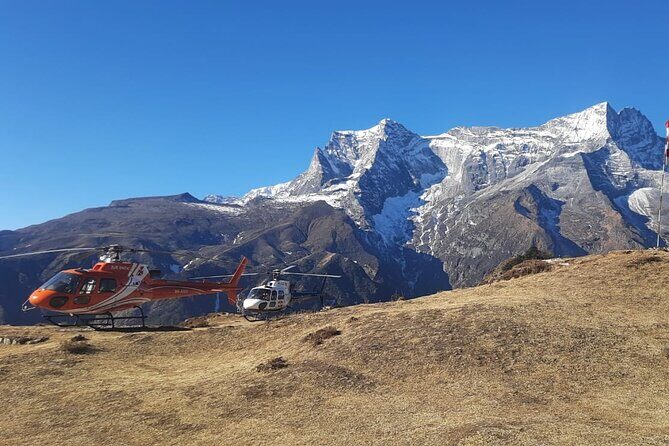
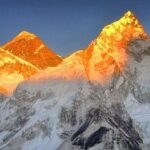
Snowy views start the story in Kathmandu. This Best of Nepal route strings together Kathmandu Valley UNESCO sites, Pokhara’s lakeside scenery, and Chitwan National Park wildlife days in one trip with hotel pickup and meals built in. It’s the kind of plan that helps you see a lot without spending every day on logistics.
I especially like the professional, friendly guide approach. Guides like Birodh and the operator Raj are praised for explaining what you’re seeing and keeping the group organized, not just moving you from stop to stop. I also like that breakfast is included on most days, so mornings start smoothly and you’re not scrambling for food before sightseeing.
One possible drawback: some of the big “wow” moments depend on weather. If haze or clouds hit, sunrise and Himalayan views (think Sarangkot) can look softer than you hoped.
In This Review
- Key highlights that matter in real life
- Why this 10-day Nepal loop feels efficient (without feeling rushed)
- Price and what you’re really paying for at $990
- Getting around smoothly: pickup, drives, and group pace
- Day 1–2: Kathmandu Valley UNESCO stops and Swayambhunath views
- Day 3–4: Scenic drive to Pokhara, then Sarangkot sunrise and Naudanda walking
- Day 5: Phewa Lake boat ride and the World Peace Stupa hike
- Day 6–7: Chitwan National Park wildlife days plus Tharu culture nights
- Day 8: Bird watching morning and the long drive back to Kathmandu
- Day 9–10: Bhaktapur Durbar Square and your final Kathmandu wrap-up
- Should you book this Best of Nepal tour?
- FAQ
- How long is the Best of Nepal tour?
- What meals are included in the package?
- Is hotel pickup and drop-off included?
- Are entrance tickets included for the main attractions?
- Can children join this tour?
- What is the cancellation refund timeline?
Key highlights that matter in real life
- Group size capped at 30: small enough to stay together, big enough to keep the day moving.
- Hotel pickup and drop-off: fewer bottlenecks on busy streets.
- Sarangkot sunrise plan: early start for Annapurna and Fishtail area views.
- Pokhara water time: boat ride across Phewa Lake plus an easy-to-moderate walk up toward the World Peace Stupa.
- Chitwan action with culture: jungle walking, a Tharu village visit, and elephant-related activities plus a stick dance show.
- A slower morning in Kathmandu: bird watching before driving back.
Why this 10-day Nepal loop feels efficient (without feeling rushed)
This tour works because it matches Nepal’s geography to a logical travel rhythm: Kathmandu Valley for architecture and temples, Pokhara for lakes and viewpoints, and Chitwan for wildlife and community culture. You’re not hopping across the country in a chaotic way. You’re moving in big, sensible chunks.
What makes it feel practical is the way the days are assembled. You get full days for sightseeing, but there are also built-in breaks: breakfasts at the hotel, drives that are long enough to matter but not so long that you’re miserable all day, and clear “what’s next” structure. The plan also leans family-friendly, which usually means fewer extreme hikes and more manageable touring time.
The tour is also designed for a mixed crowd. It’s said to be suitable for most travelers, with a maximum of 30 people. That’s a good sign if you don’t want a tiny private tour, but you also don’t want a huge bus situation where you can’t hear your guide.
Pack for variety, though. You’ll go from city walking in Kathmandu’s squares to hill mornings at Sarangkot and then into Chitwan’s jungle settings where you’ll likely be on your feet for cultural and wildlife activities. If you’re the type who likes photos, you’ll have plenty of chances; just remember that haze can steal some of the sharpness from Himalayan views.
You can also read our reviews of more tours and experiences in Kathmandu.
Price and what you’re really paying for at $990
At $990 per person for roughly 10 days, the value comes from what’s included and what it saves you from doing yourself. The package lists all taxes/fees/handling charges, plus a local guide, hotel pickup and drop-off, and a chunk of meals: 7 breakfasts, 3 lunches, and 2 dinners.
That matters because Nepal trips often get expensive in small, annoying ways. Meals add up, and last-minute transport and entry fees can turn a “simple” itinerary into an over-budget one. Here, the meals are built in enough that you can spend your energy on the sights rather than hunting options every day.
One detail to keep in mind: the listing specifies food and drinks as not included. That means you’ll likely pay for drinks and anything beyond the scheduled meals. Also, while the itinerary references hotel and lodge stays, the data you provided doesn’t spell out every lodging detail. Before you book, check exactly what “hotel” nights are included versus upgrade options.
In short: you’re paying for a guided highlights route with transport plus meals doing the heavy lifting. If that style fits you, this price looks sensible. If you prefer total freedom with zero group structure, you might prefer a self-planned route.
Getting around smoothly: pickup, drives, and group pace
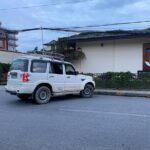
You start with hotel pickup and drop-off, which sounds minor until you’ve tried to meet groups in Kathmandu traffic. It’s one of the easiest ways to make a trip feel less stressful. Instead of guessing timing, you’re already in the vehicle when the day starts.
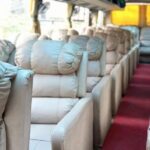
The itinerary uses mostly road travel with longish drives—especially between cities. Day 3, for example, includes a scenic drive toward Pokhara along the Trisuli and Marsyangdi River. On paper, that’s “just a transfer.” In real life, it’s where the tour’s pacing does its job: you get movement plus scenery, and you avoid wasting half a day on separate transport arrangements.
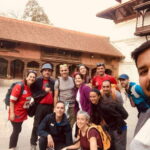
Group pacing is a tradeoff. You’ll follow a plan. That can feel great when you want structure, especially if it’s your first Nepal trip. It can be less ideal if you like changing plans on a whim. The good news is that the operator has been praised for flexibility when requested changes are possible, and a guide like Birodh is noted for adjusting to the crowd.
Practical tip: mornings can be early (Sarangkot sunrise is called out as an early start). Build in a simple strategy: a light layer, comfortable walking shoes, and a small bag you can manage during transfers and short hikes.
Day 1–2: Kathmandu Valley UNESCO stops and Swayambhunath views
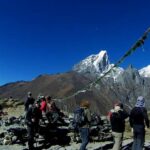
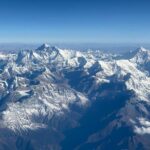
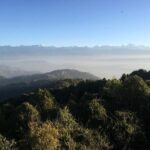
Day 1 starts with Kathmandu and includes the classic sense of arrival. On a clear day, the snow-capped peaks are visible and the scenery down from the city can feel almost unreal. It’s a great “orientation” moment because it gives you a visual hook for the rest of the trip.
Day 2 is your Kathmandu Valley culture day, built around two major stops.
Patan Durbar Square (Lalitpur)
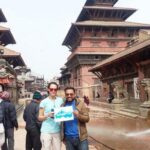
Patan Durbar Square sits in Lalitpur and is one of the three UNESCO Durbar Squares in the Kathmandu Valley. This is the type of site where the details matter: carved stonework, temple architecture, and the way a square can feel like a living museum. The schedule gives you about 3 hours, and that’s enough time to slow down rather than sprint.
Swayambhunath (Monkey Temple)
Then you head to Swayambhunath, described as the Monkey Temple and a major Tibetan Buddhist temple outside Tibet. This is the “panoramic” side of Kathmandu. The higher you go, the more you understand why people keep coming back. Expect a mix of sacred space and energetic wildlife (the monkeys are part of the scene).
Why this day works: it gives you both the “art and architecture” experience and the “top-of-the-hill perspective” experience. One drawback to note: Kathmandu haze can mute views, so if you’re chasing the sharpest skyline photos, your best shot is usually the clearer mornings.
Day 3–4: Scenic drive to Pokhara, then Sarangkot sunrise and Naudanda walking
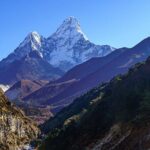
Day 3 takes you from Kathmandu to Pokhara with breakfast at the hotel and a scenic drive along the Trisuli and Marsyangdi River. The schedule also mentions views of Ganesh Himal and Manaslu peak as you travel, which is exactly what makes this transfer day feel worth it instead of tedious.
Pokhara is where the trip slows slightly and becomes more “easy to breathe.” You’re surrounded by water and viewpoints, and it’s also a base for daytime hikes that don’t require trek-level commitment.
Day 4 begins with Sarangkot
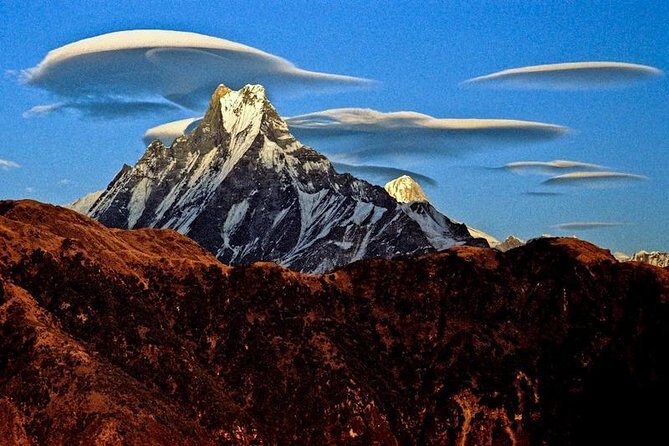
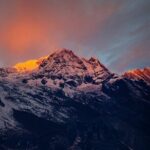
Sarangkot is known for sunrise over the Himalaya, and this itinerary makes that a priority with an early start. You get a close-up view area mention of Annapurna, Fishtail, and more. Even if clouds don’t fully cooperate, sunrise lighting can still make the ridge lines look dramatic.
Naudanda walk
After Sarangkot, you drive from Naudanda and also get a hike to Naudanda that takes about 3 hours on a fairly level path, plus then you drive back toward Pokhara. “Plat level” matters: this is a hike you can do with decent walking stamina without needing steep-climb legs.
Consideration: if you’re sensitive to early mornings or if your energy dips quickly, plan to keep the rest of your day light. Sunrise days often run on adrenaline, then you need downtime afterward.

Day 5: Phewa Lake boat ride and the World Peace Stupa hike
This is a very “Pokhara” day: water, views, and a spiritual landmark.
You start after breakfast at your Pokhara hotel, then take a boat ride across Phewa Lake. The schedule puts a short time frame on the activity, but the experience is usually more than the clock—Phewa is one of the main reasons people fall for Pokhara. After the boat, you hike up toward the World Peace Stupa, which may take about an hour, with fantastic views over the lake and surrounding mountains.
Why I like this day for value: it’s not just one sight. It’s two distinct vibes in one half-day block—lake glide, then a viewpoint climb. You’ll likely feel you “earned” the views without needing trek logistics.
What to watch for: stupa-hikes depend on how hot or how breezy it is when you go. Bring a light layer you can shed. If you’re prone to motion sensitivity, a boat ride can feel a bit more intense than expected, so go slow getting seated and steady.
Day 6–7: Chitwan National Park wildlife days plus Tharu culture nights
Chitwan is where the trip changes gear from city and viewpoint days to nature-focused time.
Day 6 includes an early breakfast and then a drive to Chitwan National Park. You check into a jungle lodge, and in the evening you do a Tharu village tour. Tharu cultural time is often the part visitors remember because it’s not just “watch and leave.” It gives you context for how communities live alongside the park.
Then Day 7 is packed with activity:
- Jungle walking
- Watching elephants bathing
- Visiting an elephant breeding center
- A Tharu cultural stick dance in the evening during supper time
Those elements work together. Jungle walking helps you slow down and actually look for wildlife and signs of it. Elephant-related activities add structure to the wildlife day so you’re not just wandering randomly. The stick dance gives you a fun, social ending to an otherwise serious nature-focused day.
A small heads-up: wildlife days can be weather-dependent in how much you see and how comfortable you feel outside. Also, jungle walking means uneven ground. Comfortable footwear isn’t optional.
If you’re traveling with kids, Chitwan is often a win because it delivers animals and culture in a concentrated way, without requiring a high-altitude trek.
Day 8: Bird watching morning and the long drive back to Kathmandu
Day 8 starts with a bird watching tour in the morning, which adds a quieter, nature-minded contrast after Chitwan. It’s also a nice reminder that Nepal’s wildlife isn’t only big animals.
After that, you drive back toward Kathmandu (about 6 hours in the schedule) and check into your hotel. Your evening is free.
This free time is important. After days of guided sites and scheduled transport, it’s when you can reset. You can find a local meal, do a low-key stroll, or just recover sleep if you’ve been running on early starts.
For practical comfort: after a longer drive day, I like to plan “one simple goal” for the evening. For example, get a decent shower, then pick one nearby spot. You’ll enjoy the city more when you’re not trying to cram in too much.
Day 9–10: Bhaktapur Durbar Square and your final Kathmandu wrap-up
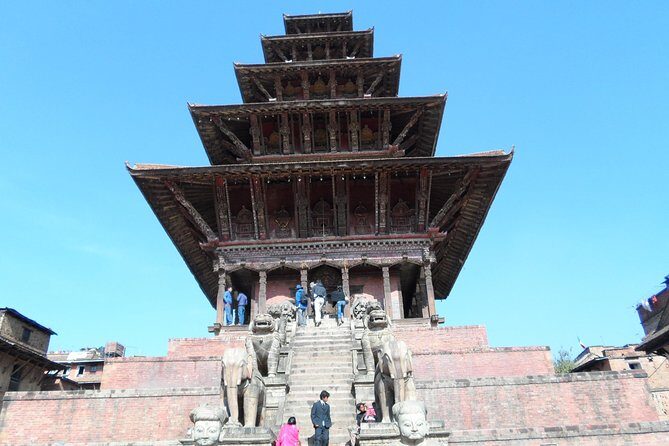
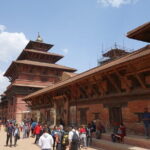
Day 9 brings you to Bhaktapur Durbar Square, with a day tour from Kathmandu after breakfast. Bhaktapur is known for its dense historic atmosphere, and the schedule points to “immense & tragic historical features.” Translation for you: it’s emotionally heavier than some other temple squares, but the experience can be deeply rewarding if you pay attention to the details and the stories behind what you see.
Day 10 is a final Kathmandu day with time to finish the trip feeling satisfied, with the schedule keeping it light and flexible. Since the day is summarized briefly, the experience likely focuses on wrap-up moments rather than another full museum-level push.
My general advice for the last day: keep your energy for the things you most care about. If Himalayan views were your priority and the weather didn’t cooperate earlier, your final Kathmandu time might be your last chance to catch a clearer sky. If culture was your priority, use your last day to revisit the places that clicked most for you.
Should you book this Best of Nepal tour?
You should book if you want a high-coverage Nepal highlights trip that’s friendly for most ages, includes hotel pickup, and does the meal planning for you with 7 breakfasts plus lunches and dinners. You’ll also like it if you enjoy guided context—your days are structured so someone can explain what you’re looking at, and guides like Birodh are specifically praised for making the experience feel human, not robotic.
You might skip it if you dislike group pacing or if your dream trip is ultra-flexible. Also, if you’re chasing perfect sunrise photos, accept the weather reality: haze can reduce sharpness.
Best fit:
- First-timers who want Kathmandu, Pokhara, and Chitwan in one go
- Families needing a structured route
- People who value value-for-money more than total independence
If you want Nepal with less decision fatigue, this tour is a solid way to start.
FAQ
How long is the Best of Nepal tour?
It lasts about 10 days.
What meals are included in the package?
Breakfast is included for 7 days, lunch is included for 3 days, and dinner is included for 2 days. Food and drinks beyond that are not included.
Is hotel pickup and drop-off included?
Yes. Hotel/port pickup and drop-off are included.
Are entrance tickets included for the main attractions?
Some admission tickets are included and some sights are listed as free in the schedule (for example, Patan Durbar Square and Sarangkot are marked as admission ticket included, while Swayambhunath is marked free).
Can children join this tour?
Yes, it’s described as family friendly, but children must be accompanied by an adult.
What is the cancellation refund timeline?
You can cancel up to 6 days in advance for a full refund (100% if you cancel at least 6 full days before the start). A 50% refund applies if you cancel 2–6 full days before, and no refund is available if you cancel less than 2 days before.