REVIEW · KATHMANDU
Everest Base Camp Trek
Book on Viator →Operated by Nepal High Trek & Expedition Pvt. Ltd · Bookable on Viator
Hitting Everest country takes grit. This Everest Base Camp trek is interesting because you go from Kathmandu into the Khumbu by Lukla flights, then you earn the views with planned acclimatization stops before pushing toward the base camp. I especially like that the plan handles the big logistics for you—airport transfers, permits, and a guided route that keeps moving with a purpose.
I also like the human side of the trip: people highlighted guides such as Buddhi (for supportive, positive leadership) and Pawan (for keeping the group going through the tough parts). There’s a clear emphasis on feeling safe and looked after, not just passed along a trail.
One drawback to consider: this is not a casual hike. You should expect early mornings, long uphill days, and real altitude demands, so it fits best if you already have strong physical fitness and you’re mentally ready for the challenge.
In This Review
- Key Points You’ll Care About
- The Big Picture: What This 14-Day Everest Base Camp Trek Really Delivers
- Kathmandu Arrival: First Night Setup at TIA
- Lukla Flight Day: Where the Trek Starts to Feel Real
- Phakding to Namche: Suspension Bridges and Your First Real Scale
- Namche Bazaar Day: Irish Pub Breaks and Time to Adjust
- Tengboche Gompa: Everest Views with Monastery Gravity
- Dingboche Acclimatization: Chhukung Hike for Smarter Breathing
- Khumbu Glacier Moraine and the Serious Climb Toward Lobuche
- Gorak Shep and Everest Camp II: The Approach to the Base Camp Trail
- Kalapatthar Day: Sunrise Views, Long Effort, and Cold Reality
- Pheriche to Pangboche: Old Monastery Stories at Elevation
- Back to Lukla: Shorter Days and a Chance to Breathe
- Kathmandu Again: Durbar Square and a Clean Ending
- Price and Value: What $1,799.27 Covers (and What It Doesn’t)
- Guides, Safety, and the Khumbu Mindset
- Gear, Food, and Comfort Choices You’ll Actually Feel
- Who Should Book This Trek (and Who Should Think Twice)
- Should You Book This Everest Base Camp Trek?
- FAQ
- FAQ
- Is Kathmandu hotel included in the price?
- Does the trek include flights to and from Lukla?
- What gear is provided for the trek?
- Are permits and park fees included?
- Are meals included during the trek?
- Is a porter included?
- What does emergency helicopter coverage mean here?
- What’s the cancellation policy?
Key Points You’ll Care About
- Lukla flights included to cut travel time and get you into the Everest region quickly
- Acclimatization built in with Dingboche and extra hiking options before the higher days
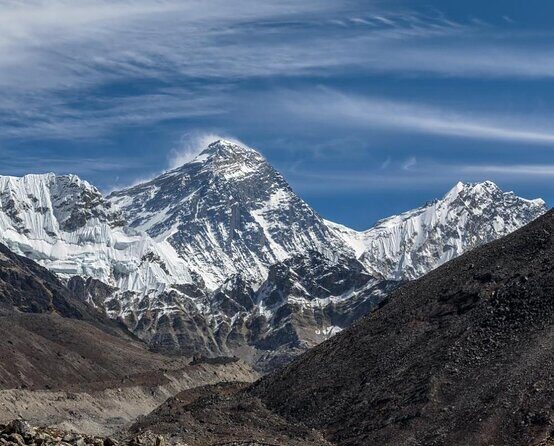
- Kalapatthar day is the big payoff, with a long climb timed for sun and dramatic views
- Gear provided (sleeping bag, down jacket, duffel bag), plus hot tea stops to keep you going
- Emergency helicopter arranged through your insurance if needed, not as a surprise bill later
The Big Picture: What This 14-Day Everest Base Camp Trek Really Delivers
You’re not just buying a ticket to the Everest region. You’re buying a system: flights, permits, lodging on the route, meal planning, and a guide to keep you moving at the right pace. That matters on the Khumbu. One wrong-day decision—going too fast or skipping rest—can turn an epic trek into a rough one.
This itinerary is built around altitude control. The route stages you through village days (Namche, Tengboche, Dingboche, Pheriche, Pangboche) before the high points near Gorak Shep and Kalapatthar. That pacing is the difference between enjoying the scenery and white-knuckling the last hours.
You’ll also get a steady rhythm of culture and scenery. Monasteries at Tengboche and Pangboche aren’t just photo stops; they help you understand why this region feels more than “a hike.” Even small things like hot tea breaks are practical: when it’s cold and your legs are tired, warmth becomes part of the strategy.
You can also read our reviews of more hiking tours in Kathmandu
Kathmandu Arrival: First Night Setup at TIA
Day 1 is about getting you settled without chaos. After landing at TIA, a Nepal High Trek & Expedition team representative (Anjan) meets you and arranges your hotel. Dinner is included, which is a nice touch after travel fatigue—no scrambling for food on day one.
The hidden value here is mental. Kathmandu can be loud, and Everest trekking starts in your head before it starts in your boots. Having a transfer and a set dinner time helps you sleep earlier, hydrate, and avoid that classic trip mistake: wandering around too long the night before your flight.
Lukla Flight Day: Where the Trek Starts to Feel Real
On Day 2, you’ll transfer to the Kathmandu domestic terminal and fly to Lukla, the classic gateway for Everest Base Camp treks. This is also a day where timing and calm matter. The flight is a major piece of the budget, and it saves you from overland days of driving and walking just to reach the start.
What you should know: Lukla operations are weather-dependent. This tour includes an organized plan for the trek itself, but the Everest region is still the Everest region—so keep a flexible mindset. The good part is that the operator includes emergency helicopter arrangements through your travel insurance, which signals they take risk seriously.
Phakding to Namche: Suspension Bridges and Your First Real Scale
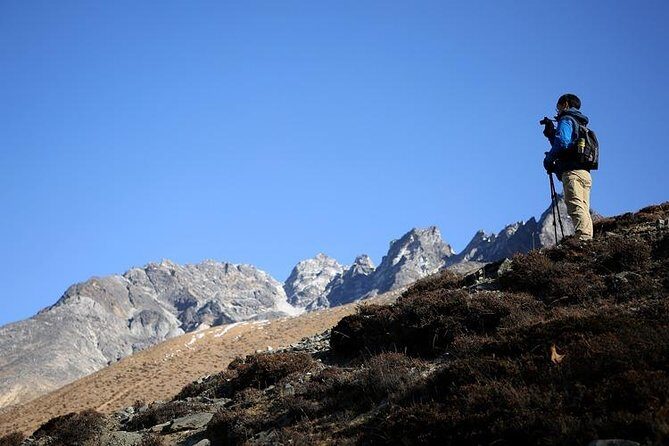
Day 3 walks from Phakding upward toward Namche Bazaar. You’ll cross suspension bridges over the Dudh Koshi River, and the scenery begins to open up in a way that’s hard to recreate elsewhere.
This day is special for two reasons. First, it’s your first sustained climb after Lukla, so it “teaches” your body pacing. Second, you get early, tangible mountain context—like views of Mt. Thamserku—so you start understanding what you’re working toward.
The possible drawback? Suspension bridges and river valleys can be slippery in wet conditions, so make sure your footwear has real grip. You don’t need fancy gear beyond proven traction, but you do need confidence on your feet.
Namche Bazaar Day: Irish Pub Breaks and Time to Adjust
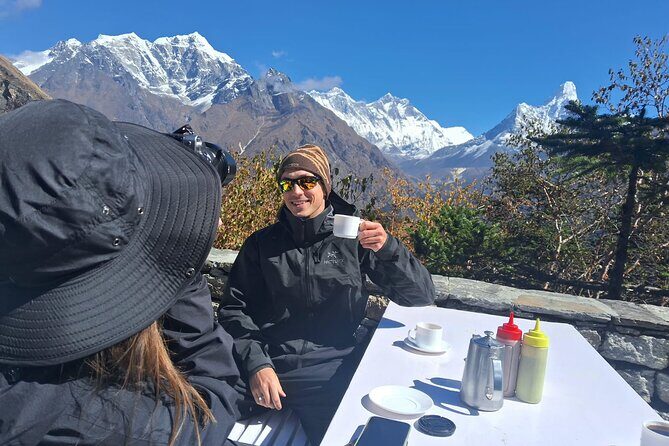
Day 4 is a full day around Namche Bazaar. The itinerary calls out an Irish Pub stop, which might sound random until you realize what these places do for trekkers: a warm room, a social reset, and a chance to gather yourself before the higher villages.
Namche is also where you can handle practical needs like internet cafés and ATMs (as mentioned in the plan). That’s not a luxury; it’s part of making the trek smoother. When you’re at altitude, small logistics—messaging home, confirming your plan, handling money—can reduce stress.
This is also your moment to watch your body. If you feel too wiped out, treat it as training for the rest of the trek, not a sign you should push harder.
Tengboche Gompa: Everest Views with Monastery Gravity
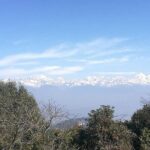
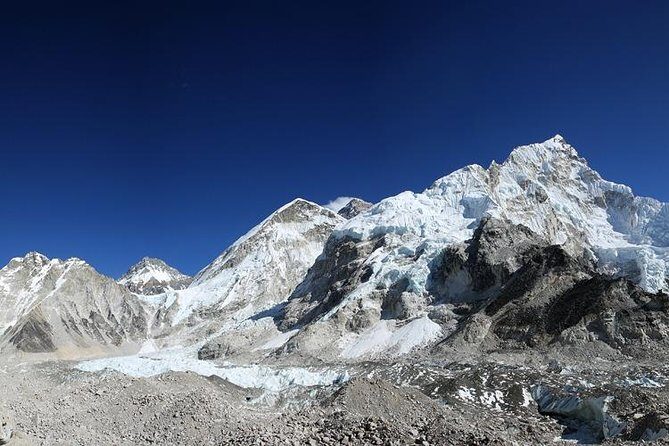
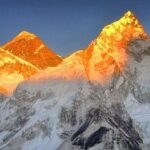
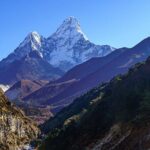
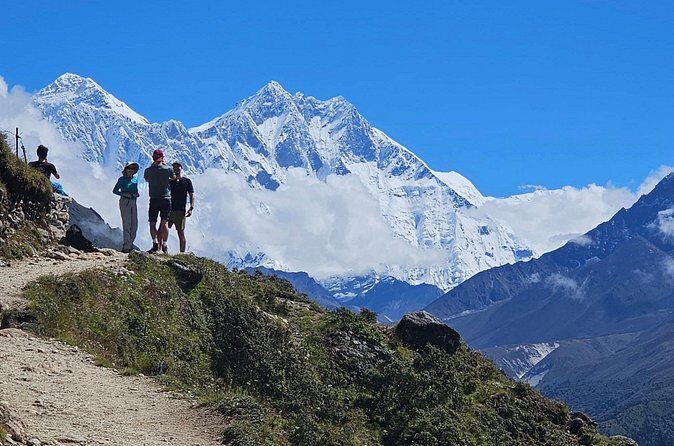
Day 5 heads toward Tengboche Gompa, with early route views of Everest, Nuptse, Lhotse, Amadablam, and other peaks. You’ll also have a chance to see the Tengboche monastery area.
Day 6 continues with a short visit to monasteries at Tengboche in the early morning, then you trek onward toward Dingboche. This is a great two-day stretch because the early hours tend to deliver clearer mountain views, and the monastery visits give a deeper sense of place.
Two practical tips come from the tone of the trip: protect your skin and respect the cold. One piece of advice emphasized in the feedback is to use sunscreen every day. That’s not just about tanning; at altitude, the sun reflects off snow and increases exposure even when it doesn’t feel brutally hot.
Dingboche Acclimatization: Chhukung Hike for Smarter Breathing
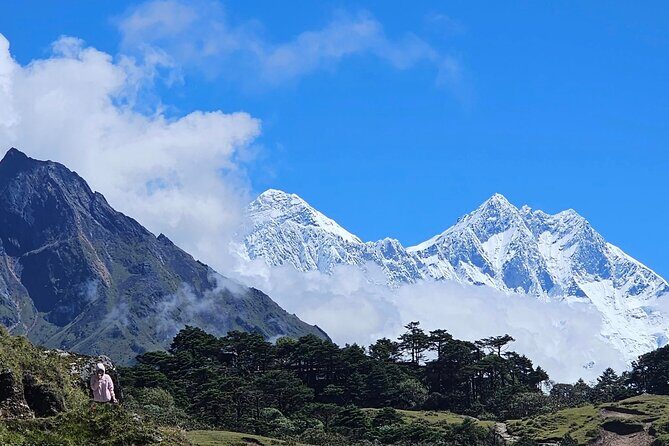
Day 7 is your acclimatization day in Dingboche. You don’t just rest. You do a short hike toward Chhukung through the Imja Khola valley, with views—especially of Lhotse—meant to reward your effort while keeping you at a safer altitude rhythm.
This is where you learn a core trekking concept: acclimatization isn’t about doing nothing. It’s about moving just enough to help your body adapt, then coming back down to sleep. That’s exactly what this day is set up to do.
Keep your effort controlled. On an acclimatization day, you want steady breathing, not a “race.” Save your hero moments for Kalapatthar.
Khumbu Glacier Moraine and the Serious Climb Toward Lobuche
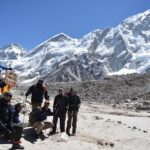
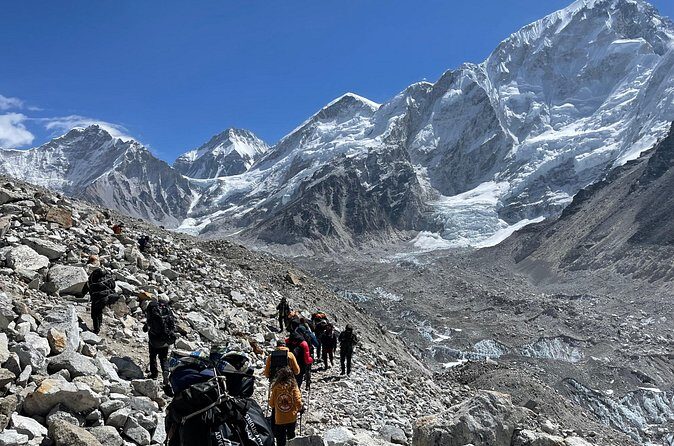
Day 8 continues along the lateral moraine of the Khumbu Glacier. You’ll pass stone memorials for climbers who have perished during the expedition in summit areas—an uncomfortable reminder that this region is real, not symbolic.
Then you keep climbing toward the next village area (the plan mentions “Lo…” as the route continues). This is one of the days where your legs start talking. The glacier moraine can feel harsh—wind exposure, uneven ground, and the steady upward push.
It’s also a day where group pace matters. If you’re going too fast, you’ll feel it later. If you’re going at the pace your guide sets, the fatigue stays manageable, and you’ll reach the next overnight location without the drama.
Gorak Shep and Everest Camp II: The Approach to the Base Camp Trail
Day 9 starts after breakfast with a march to Gorak Shep. From there, the itinerary points you toward the base camp of Everest, with a stop concept around Everest Camp II.
This part of the trek is mentally intense. Even when the mountains look close, you’re still climbing and still losing energy to cold air and thin breathing. The good news is that the days after are designed to meet you there—so you’re not left guessing what to do next.
If you’re prone to overthinking, focus on one thing at a time: step, breath, water, and warmth. It’s repetitive by design, and that’s how you keep your energy for the final big day.
Kalapatthar Day: Sunrise Views, Long Effort, and Cold Reality
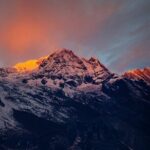
Day 10 is the highlight day. You trek earlier to Kalapatthar for a scintillating view—sun piercing clouds, reflecting on white snow—built around the idea that timing makes the difference between good and unforgettable.
But this is also where you have to be honest with yourself. A sunrise summit approach means long, cold, and often uncomfortable hours. Even with a down jacket provided by the tour, you’ll still feel the cold if you under-layer.
This is also one of the days where pacing is everything. Go too fast early and you burn your legs before the view. Go steady, and you’ll have enough energy to enjoy the moment rather than just survive it.
Pheriche to Pangboche: Old Monastery Stories at Elevation
Day 11 begins from Pheriche with a slightly different route down to Orsho, reaching Pangboche where you can explore an old monastery. The plan specifically mentions an account that the monastery contains the scalp and bones of an abominable snowman.
This day is a nice shift. After the intensity of higher trekking and the big view day, the route becomes more “human.” You’re still at altitude, but it feels calmer than the push toward Kalapatthar.
The practical consideration: monasteries are great, but don’t linger too long outside in cold winds. Enjoy the culture, take your photos, then keep your schedule.
Back to Lukla: Shorter Days and a Chance to Breathe
Day 12 turns you back toward Lukla, with an earlier arrival so you can explore the Lukla valley in leisure time and stay overnight at a guesthouse. This stop is like a decompression chamber: you’re done with the highest walking days, and your body can start processing what you just did.
You’ll also get a familiar shift in temperature and routine. It’s not a vacation, but it’s a recovery phase. Use it wisely—eat well, sleep, and don’t rush into extra long walks just because you feel better.
Kathmandu Again: Durbar Square and a Clean Ending
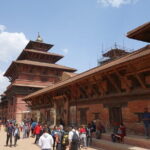
Day 13 brings you back into Kathmandu. The plan includes visiting Kathmandu Durbar Square, with a “panoramic and magnificent” view angle referenced for the area around the valley.
Day 14 is the wrap-up. After your night rest, you pack, then head to the airport with a required early arrival—3 hours before your flight. There’s also a small farewell program organized by the Nepal High Trek team.
That farewell matters more than it sounds. On a trek like this, you want closure and an organized handoff. It helps you avoid the last-minute scramble and keeps your return travel smooth.
Price and Value: What $1,799.27 Covers (and What It Doesn’t)
At about $1,799.27 per person, this trek isn’t cheap. The value comes from what’s included that would otherwise add up fast on your own.
Included items worth real money:
- Both way flights (Kathmandu to Lukla and back)
- Permits and entrance fees, including Sagarmatha National Park permit and Khumbu entrance fee, plus Pasang Lhamu Rural municipality entrance fee
- Meals: 12 breakfasts, 12 lunches, and 11 dinners are listed
- 11 night accommodation on the trek route
- Gear: sleeping bag, down jacket, and duffel bag
- A government license holder mountain guide from Kathmandu
- Medical kit box and three cup hot tea stops during the trek
- Emergency helicopter service arranged via your travel insurance
What you’ll still want to budget:
- Your travel and rescue insurance (explicitly not included)
- Hotel in Kathmandu (not included in the price)
- Porter cost (not included)
- Tipping for guide and porter
- Extra costs on mountain days like phone calls, laundry, battery recharge, bottle of water, hot water, and shower
Here’s the practical way to think about it: if you’re the type who would otherwise forget permits, flights, or gear logistics, this package helps you avoid expensive mistakes. If you already own trekking gear and have a strict plan for permits and flights, you might compare options—but most people struggle with coordinating everything safely at once.
Guides, Safety, and the Khumbu Mindset
The operator’s approach comes through in the way people describe their experience: safety felt handled, planning felt structured, and guides were attentive. Names like Buddhi and Pawan show up for good reason—support, positivity, and guidance during tough stretches.
You should also like the “backup plans” idea that’s referenced in the feedback tone. In Everest country, plans sometimes change. Weather can shift. Flights can be delayed. Having a team that plans for those moments is how you avoid panic.
Finally, there’s the helicopter setup—arranged through your travel insurance company. That doesn’t mean you’re guaranteed a ride. It means your safety plan has teeth, and that reduces stress before you even start the first hike.
Gear, Food, and Comfort Choices You’ll Actually Feel
The tour provides a sleeping bag, down jacket, and duffel bag. That’s a big deal if you don’t want to rent in Nepal or worry about traveling with bulky gear. Still, bring your own base layers, gloves, and practical hiking socks based on your comfort.
Meals are included for most days, with breakfast, lunch, and dinner counts clearly listed. That reduces decision fatigue on trail days. When you’re cold and breathing hard, constant meal searching becomes exhausting.
Hot tea stops (three cups noted) are a small line item with big value. Warm drinks can feel like a reset button. Also, the trip doesn’t include extras like bottled water, hot shower time, or phone battery charging. So bring a plan: carry what you can, budget for what you can’t, and don’t count on a “spa” at altitude.
Who Should Book This Trek (and Who Should Think Twice)
This trek fits you if:
- You have strong physical fitness and can handle long uphill days
- You want a structured route with acclimatization built in
- You’re okay with early starts and basic mountain lodging
It might not be ideal if:
- You’re new to altitude hiking and not ready for the challenge of Dingboche, then higher days toward Gorak Shep and Kalapatthar
- You expect lots of free time every day. This route is active and purposeful.
Because it’s listed as a private tour/activity, you’ll be trekking with your group rather than mixing with random strangers. That can be comforting when your group pace is steady. Service animals are allowed, and the listing says it’s near public transportation—useful details if you’re planning your Kathmandu days around transit.
Should You Book This Everest Base Camp Trek?
If you want an Everest Base Camp trek that treats logistics as seriously as trekking, this is a strong choice. The included Lukla flights, permits, meals, guide support, and provided gear reduce the most common headache points. Add acclimatization stops in Dingboche and a dedicated Kalapatthar push, and you get a route built around doing it the smart way—not just the fastest way.
Before you book, be honest about the workout. This is a 14-day trek with real altitude exposure and long days. If that excites you, you’ll likely love the structure and support. If you’re hoping for an easy walk with minimal effort, this is not that trip.
FAQ
FAQ
Is Kathmandu hotel included in the price?
No. The tour price covers trekking logistics, but it specifically does not include the hotel in Kathmandu.
Does the trek include flights to and from Lukla?
Yes. Both way flights from Kathmandu to Lukla and back to Kathmandu are included.
What gear is provided for the trek?
You’ll be provided a sleeping bag, a down jacket, and a duffel bag.
Are permits and park fees included?
Yes. The Sagarmatha National Park permit and Khumbu entrance fee are included, along with Pasang Lhamu Rural municipality entrance fee.
Are meals included during the trek?
Yes. The tour lists 12 breakfasts, 12 lunches, and 11 dinners included.
Is a porter included?
No. Porter cost is not included, so you’ll need to plan for that if you want one.
What does emergency helicopter coverage mean here?
The itinerary says emergency helicopter service is arranged, but it will be paid by your travel insurance company. Your insurance is not included.
What’s the cancellation policy?
You can cancel for a full refund if you cancel at least 24 hours before the experience’s start time. If you cancel less than 24 hours before, you won’t get a refund. The experience also notes it requires good weather. If canceled due to poor weather, you’ll be offered another date or a full refund.