REVIEW · KATHMANDU
Bhaktapur Durbar Square and Boudhanath Stupa
Book on GetYourGuide →Operated by Enticing Himalayas Travels Private Limited · Bookable on GetYourGuide
Bhaktapur and Boudha in one day feels like two different worlds. I love the time-capsule detail of Bhaktapur’s square and narrow lanes, and the steady spiritual rhythm at Boudhanath Stupa where you watch the kora walk and prayer wheels. One thing to plan for: heritage-site tickets and food aren’t included, so the $60 price is really the base cost, not the whole trip.
You get a private licensed English guide, plus hotel pickup and drop-off in a car, which makes the timing easier on a short visit. In the past, guides like Prakriti (and Parkriti), Bijay, and Karma have brought the sites to life with sharp local context and genuinely kind attention.
In This Review
- Key points at a glance
- Boudhanath Stupa: your calm first stop in Kathmandu
- How to follow the kora walk (without getting in the way)
- Bhaktapur Durbar Square: Newari streets and craft you can actually feel
- UNESCO-listed streets: why Bhaktapur needs walking time
- Photo stops done right: where the guide helps most
- Private guide attention: what the best ones do
- Price and value: why $60 works better than you think
- Timing and logistics: making a 5-hour day feel smooth
- Who should book this Bhaktapur + Boudha tour?
- Should you book it?
- FAQ
- How long is the Bhaktapur Durbar Square and Boudhanath Stupa tour?
- Where is the pickup location?
- What sites are included in the tour?
- Is this a private tour or a group tour?
- What language is the tour guide?
- Are hotel pickup and drop-off included?
- Are heritage site tickets included in the price?
- Is skip-the-ticket-line included?
- Is the tour wheelchair accessible?
- Is there free cancellation?
Key points at a glance
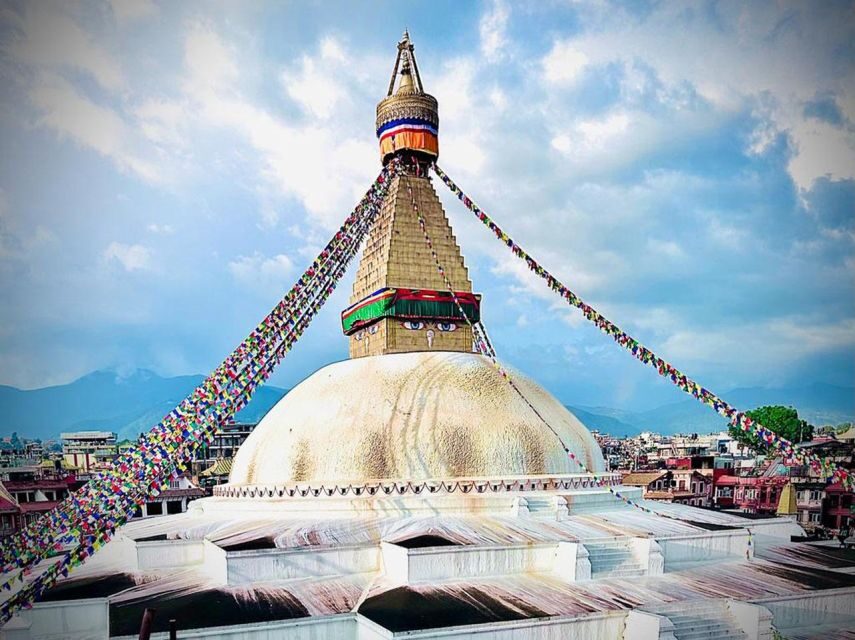
- Boudhanath Stupa kora + prayer wheels: You’ll see the ritual in action during a guided visit and walk.
- Bhaktapur Durbar Square UNESCO-style architecture: Photo stops, guided storytelling, plus time to shop in the old lanes.
- Private English guide quality: Guides like Prakriti/Parkriti and Bijay are praised for knowledge and warmth.
- Good photo setup: Expect guidance on where to stand and how to get group shots.
- 5 hours, with pickup and drop-off: Efficient loop from Kathmandu without the hassle of organizing transport.
Boudhanath Stupa: your calm first stop in Kathmandu
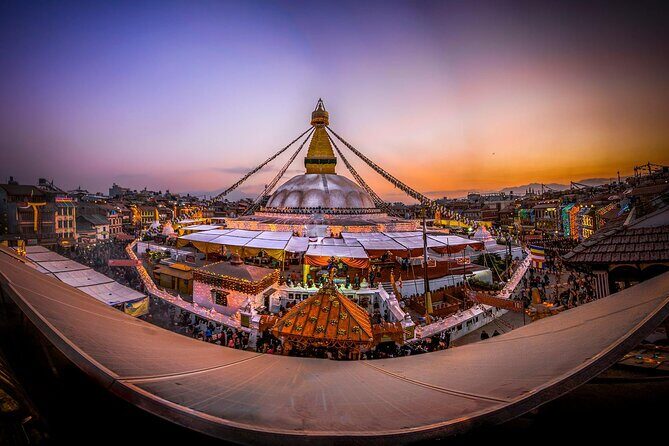
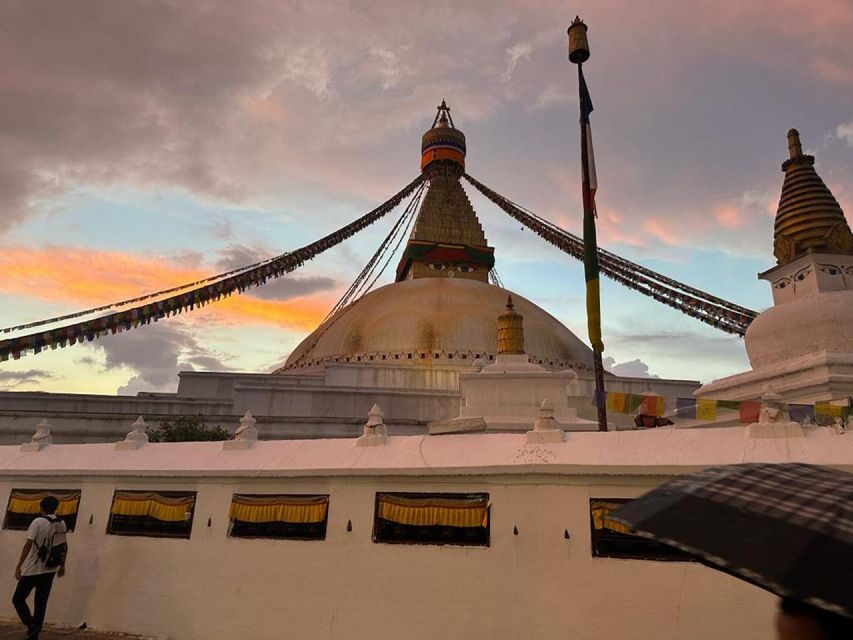
Most people think of Kathmandu as loud and hectic. This tour quietly flips that expectation by starting at Boudhanath Stupa, a major Tibetan Buddhist center where daily life has a slower tempo. In about 80 minutes, you get a guided look plus a walk, which is long enough to notice the details without feeling rushed.
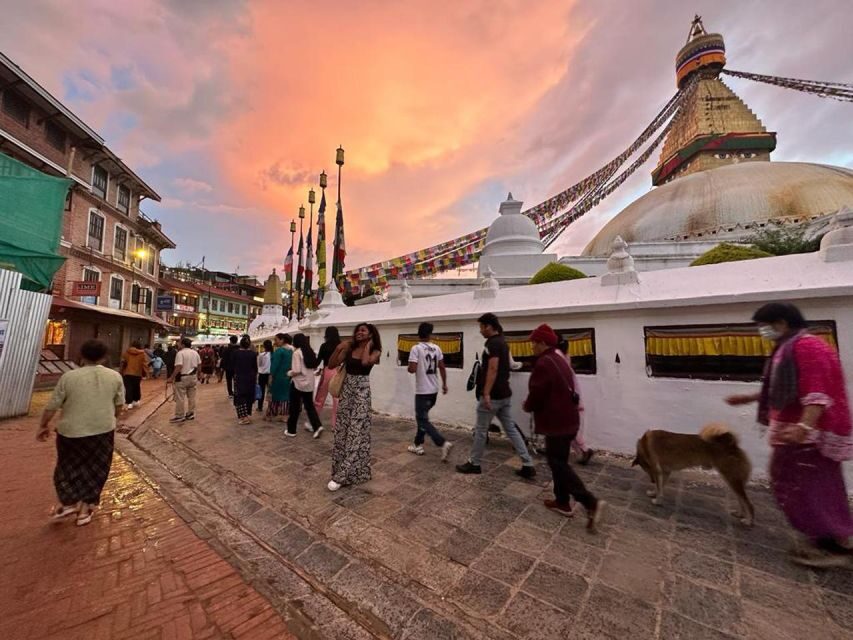
Approaching the stupa, you’ll see how the site pulls people in. The experience here is not just looking; it’s watching practice. You’ll witness pilgrims doing their ritual kora (circumambulating the stupa), along with spinning prayer wheels and hearing chants. That combination changes the feel of the place fast—you stop treating it like a monument and start treating it like a living worship space.
Then there’s the surrounding cultural layer. You’ll likely pass monasteries and prayer-flag colors, and you’ll have time to explore the area’s Tibetan community energy. If you like shopping that’s tied to craft instead of mass production, this is also where you might find incense, Tibetan artifacts, and hand-crafted items such as thangka paintings.
Practical note: your comfort matters here. Even though it’s a private tour, the walking is real. Wear shoes that handle uneven pavement and a few stretches along crowded edges.
You can also read our reviews of more tours and experiences in Kathmandu.

How to follow the kora walk (without getting in the way)
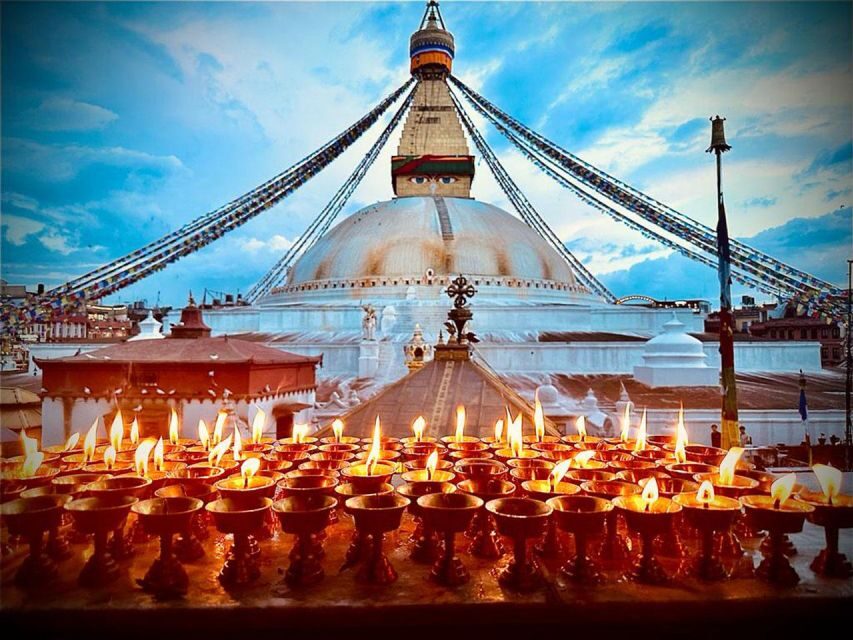
The kora portion is the heart of Boudha on this kind of visit. Your guide doesn’t just point at the stupa; they help you understand what you’re seeing—pilgrims moving around the stupa, spinning wheels, and chanting mantras as they go. That’s why the walk works so well: it turns you into an observer of a real ritual, not just a tourist in front of a camera.
If you want to be respectful while keeping your own experience comfortable, use a simple approach:
- Watch the rhythm of the people already walking, then match their pace.
- Keep your body and bag out of the way so pilgrims don’t have to squeeze around you.
- Let your guide tell you where to stand for photos so you don’t block anyone’s path.
I also like that this portion isn’t described as a performance for visitors. You’re there to understand the atmosphere through what people do daily. That’s the difference between a site you “see” and a site you remember.
Bhaktapur Durbar Square: Newari streets and craft you can actually feel
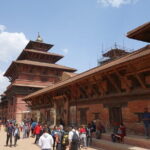
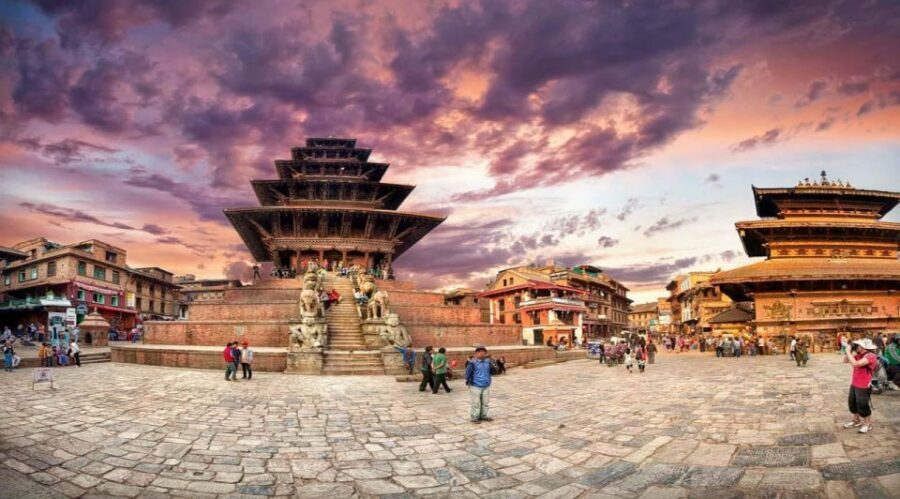
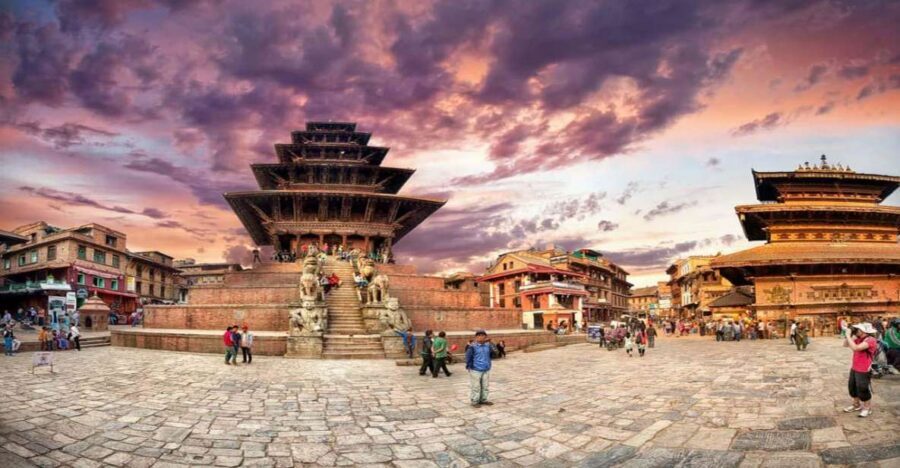
After Boudhanath, the scenery switches to a different kind of wonder. Bhaktapur Durbar Square feels architectural in a very physical way—like the stones, windows, and temple roofs were designed to be stared at from close range. This is the stop that tends to win over people who love details: carved wood, temple forms, and the layered look of palace architecture.
You’ll spend about 1.5 hours here, including a guided tour and free time. That mix is smart. The guide helps you spot what matters, then you get time to wander at your own pace, snap photos, and shop in the nearby lanes.
What stands out is how much craft is visible without needing a museum label. The experience can include stories about Bhaktapur’s role as a center for art and trade in the Malla dynasty, and you’ll see how the city’s design supports that kind of long-standing craft tradition. The tour also focuses on the “old Bhaktapur” feel—narrow alleys, artisans at work, and the kind of Newari everyday life you won’t get by rushing straight from one famous stop to another.
One detail I really like from past tours: some visitors have been routed through workshop-style craft experiences such as pottery, woodworking, and paper making, and in a few cases even into a private home setting with antiques. Not every day will include that exact add-on, but it’s a good sign that the guide network knows how to bring you closer to making things, not just looking at things.
UNESCO-listed streets: why Bhaktapur needs walking time
Bhaktapur isn’t a “one photo and done” place. The reason this works in a short tour is that the timing still gives you movement. You’re not stuck in one square the whole time. You’ll get a guided orientation, then enough room to shop and roam—especially useful if you want to buy small pieces of local craft rather than souvenirs that feel generic.
There’s also a mental payoff. In many cities, history feels distant. Here, history feels present because the street level is so intact. Even if you don’t know the names of every temple or carving right away, your eyes start to connect forms: pagoda-like temple shapes, palace design elements, and woodwork details that repeat across buildings.
Shopping is part of the experience too, and it’s best to treat it like fieldwork. Ask questions, look closely, and don’t buy the first item you see just because it’s pretty. If your guide is paying attention (and the guides here have earned that reputation), they’ll often nudge you toward better spots for quality crafts.
Photo stops done right: where the guide helps most
A lot of tours promise good photos and deliver a quick stop. This one is set up to help more than that. Both Boudhanath and Bhaktapur include time for photo stops, plus a guided walk that gives you chances to pick angles instead of just standing in the same spot as everyone else.
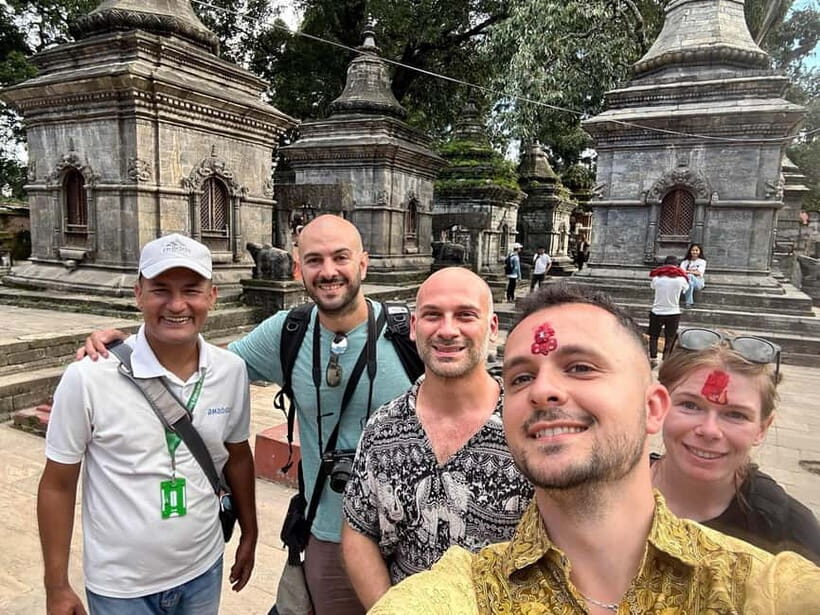
In past experiences, guides like Bijay have been praised for knowing the best places to stand and for taking group photos. That matters more than it sounds. If you’re traveling as a couple, with friends, or solo, having someone who knows how to position you quickly is a real convenience—especially in places where you’re sharing space with pilgrims and crowds.
If photography is a priority for you, pack like you’re walking: charge your phone, bring a small bag you can keep secure, and keep your camera ready during the guided stops. Your guide will likely point out moments worth capturing, and that reduces the risk of spending the walk thinking instead of looking.



Private guide attention: what the best ones do
The biggest quality difference on a private tour is how the guide handles you. Here, the repeated theme is simple: guides show up prepared and care about the experience, not just the checklist.
Prakriti (and Parkriti) have been described as kind and deeply informed, with the kind of explanations that make the places feel clear instead of confusing. Bijay has been praised for a mix of local understanding and friendly warmth, plus practical help like steering you to good places to shop and even small local treats. And Karma, mentioned as a friend-guide in at least one case, suggests that some guides also help you extend the day when you want more time beyond the core stops.
What this means for you: you’re less likely to feel lost in Bhaktapur’s lanes, and you’re more likely to understand what you’re seeing at Boudhanath beyond just “a big stupa.” When the guide is good, the same site becomes easier to read—and more fun to revisit in your memory later.
Price and value: why $60 works better than you think
At $60 per person for a 5-hour private tour, this isn’t just a cheap ride to two famous places. You’re paying for a bundle: pickup and drop-off in Kathmandu, a private vehicle, and a licensed English guide.
Here’s the value math that matters:
- You’re getting two major Kathmandu cultural stops in one go.
- You’re getting private guidance in English, which saves time when you want context fast.
- You’re getting skip-the-ticket-line support, which helps reduce waiting stress once you arrive.
Then there’s the part you should budget for. Food and personal expenses aren’t included, and heritage-site tickets aren’t included either. So the true “all-in” cost depends on which tickets you need during your visit and how you handle meals. Still, for many visitors, paying tickets plus a meal is normal—what you’re really buying here is the guide-led pacing and the transport convenience.
If you’re deciding between a group tour and a private one, this format tends to suit people who want both cultural depth and time efficiency.
Timing and logistics: making a 5-hour day feel smooth
The flow is straightforward: pickup in Kathmandu, then you head first to Boudhanath Stupa, and later you continue to Bhaktapur Durbar Square before returning to Kathmandu.
This order is practical. Starting at Boudha gives you a calmer introduction to the day’s culture. Then Bhaktapur brings the architectural and craft details. You end with the place where your eyes will keep working—even after you leave—because there’s so much to notice.
Also, pickup and drop-off are included, and the guide or driver calls to confirm and meet you at your designated location. That matters because Kathmandu travel can feel unpredictable if you try to DIY it with no local help. Here, the driver and guide coordination reduces that stress.
If you have mobility needs, note that the tour is listed as wheelchair accessible. That’s encouraging, but old-city streets can still vary. If that’s relevant for you, check with the provider on the exact route and how they’ll handle turns and walking surfaces on your day.
Who should book this Bhaktapur + Boudha tour?
I think this tour is a strong fit if you:
- Have limited time in Kathmandu and want both spirituality and old-city architecture.
- Prefer a private guide who can answer questions and adjust the pace.
- Want photo time without spending the entire trip searching for the right angle.
- Enjoy craft and everyday culture, not only big monuments.
It’s also a good match for people who arrive in Nepal in the morning and want an afternoon plan that still feels meaningful. Since it lasts about five hours, it won’t swallow your whole day.
If you’re the type who wants long, museum-style exploration or a slower, more detailed day in only one place, you might find the pacing a bit tight. In that case, choose a longer separate day for Bhaktapur or a longer deep dive day around Boudha.
Should you book it?
Book it if you want a high-impact cultural loop: Boudhanath’s ritual atmosphere plus Bhaktapur’s craft-and-architecture detail, all guided in English with private transport.
Skip or consider alternatives if you:
- Don’t want to pay extra for heritage-site tickets and you’re trying to keep costs ultra-tight.
- Prefer a fully unhurried visit with lots more time in one location.
If you do book, go in with the right expectations: this is a guided, well-paced day. You’re not just collecting stamps—you’re learning how to read these places through ritual practice, craft work, and local explanations.
FAQ
How long is the Bhaktapur Durbar Square and Boudhanath Stupa tour?
It lasts about 5 hours.
Where is the pickup location?
Pickup is from Kathmandu.
What sites are included in the tour?
You visit Boudhanath Stupa in Kathmandu and Bhaktapur Durbar Square.
Is this a private tour or a group tour?
It’s a private group tour.
What language is the tour guide?
The live tour guide is available in English.
Are hotel pickup and drop-off included?
Yes, hotel pickup and drop-off are included.
Are heritage site tickets included in the price?
No. Tickets to heritage sites are not included.
Is skip-the-ticket-line included?
Yes, skip the ticket line is included.
Is the tour wheelchair accessible?
Yes, the tour is listed as wheelchair accessible.
Is there free cancellation?
Yes. You can cancel up to 24 hours in advance for a full refund.