REVIEW · KATHMANDU
From Kathmandu: 5-Day Gosaikunda Lake Trek
Book on GetYourGuide →Operated by Cordial Trek Pvt. Ltd. · Bookable on GetYourGuide
Sacred Gosaikunda hits hard and fast. This 5-day trek from Kathmandu brings you to Gosaikunda Lake at 4,380m and through Langtang National Park for up-close Himalayan scenery and mountain wildlife. I love how the schedule is compact enough to fit a quick Nepal trip, and I love the human side of it—your guide turns trail time into stories about the region and local life. One possible drawback: you still gain altitude quickly, so the hike feels intense if you’re not used to thinner air.
You’ll appreciate the small-group setup (up to 14 people) because it keeps the pace calmer and the guide easier to ask questions of—especially when guides like Ohm, Terence, and Raj lead with safety-first focus and real engagement on the trail. Another practical win is that key cold-weather gear is loaned to you, which makes this route less intimidating than many high-altitude treks.
Since the route depends a lot on mountain-weather luck, clear skies are your friend. The trek runs throughout the year, but the views are best when the sky stays mostly open, so I’d plan around that if you can.
In This Review
- Key Things I’d Focus On Before You Go
- Why This Gosaikunda Trek Feels Like the Perfect Short Nepal Adventure
- The Kathmandu to Dhunche Start: Long Drive, Big First Views
- Deurali to Laurebina: The Steep Climb That Sets Your Pace
- Going Up to 4,380m: What the Gosainkunda Day Really Means
- The Descent Day: Rhododendron, Pine, Bamboo, and Dhunche
- Day Five Return to Kathmandu: A Scenic Finish at Lower Altitude
- The Guide Makes This Trek Worth the Price: Ohm, Terence, and Raj
- Price and Value: What You’re Paying For at $179
- What’s Included (and What You Must Bring) for a Smooth Trek
- Wildlife, Flora, and Central Himalayan Views: What You’ll Actually Notice
- Who This Trek Suits Best (and Who Should Rethink It)
- Should You Book the 5-Day Gosaikunda Trek?
- FAQ
- How high do you go on the trek?
- How long is the trek from Kathmandu?
- What does the trek include for meals?
- Are permits and TIMS included?
- What trekking gear is provided?
- Do I need to bring a passport?
- Is there a porter option?
- What languages will the guide speak?
- Is this trek suitable for kids or mobility challenges?
Key Things I’d Focus On Before You Go
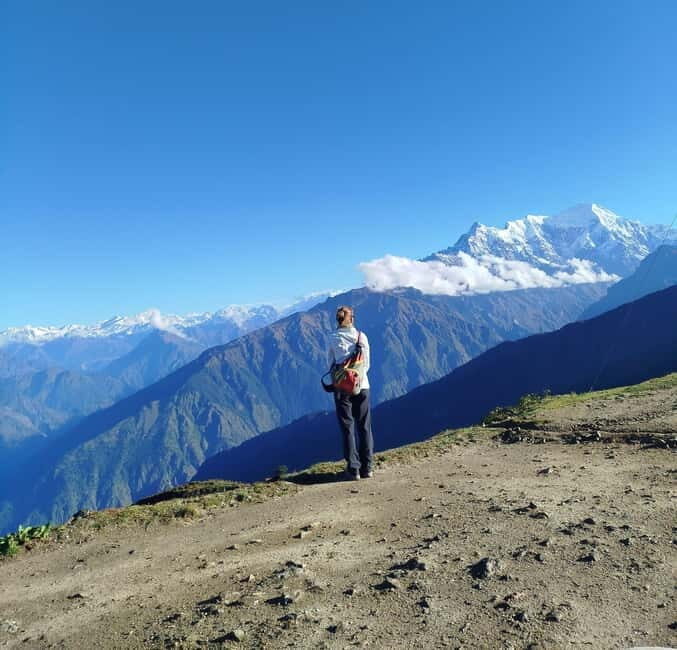
- Gosaikunda Lake at 4,380m: the main goal, plus a chance to explore nearby lakes in the area
- Langtang National Park time: you’re not just hiking; you’re moving through a protected region with flora and fauna
- High-altitude days in a short package: you’ll work for those views on consecutive uphill segments
- Guide quality makes the difference: verified guides like Ohm, Terence, and Raj emphasized safety and helpful storytelling
- Gear loans reduce your packing stress: down jacket, sleeping bag, and trekking poles are provided for you to borrow
- Guest-house nights: accommodation at Mountain Guest House-style stops keeps things comfortable for a 5-day trek
Why This Gosaikunda Trek Feels Like the Perfect Short Nepal Adventure
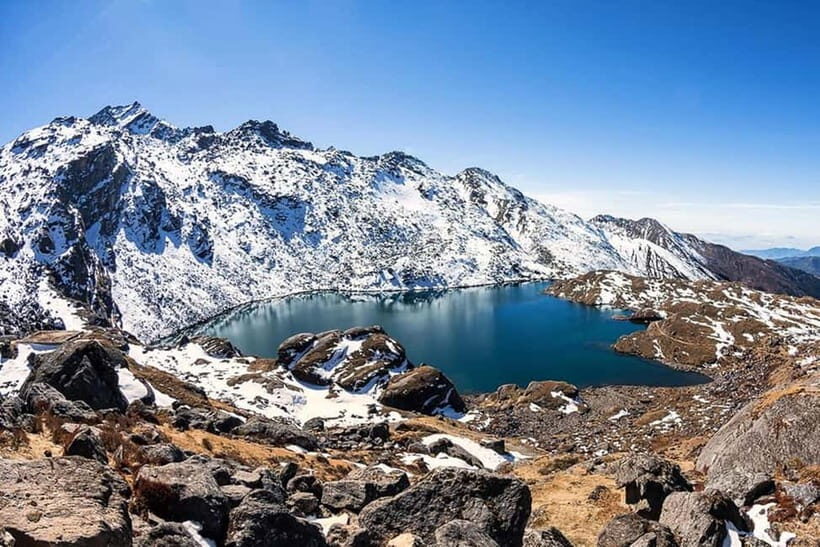
Gosaikunda is a sacred glacial lake fed by mountain snowmelt, and it sits at a serious altitude—4,380 meters. In a typical week in Kathmandu, you get a lot of culture. Here, you get a different kind of Nepal: thin-air hiking, big views, and that specific feeling of being surrounded by sky and rock.
What makes this trek work for many people is the balance between effort and payoff. It’s not a casual walk, but it isn’t a weeks-long expedition either. You’re guided the whole way, and the trail moves you through a sequence of altitude zones that makes the landscape change feel real as the days progress. You also pass through Langtang National Park, so the hike isn’t just about the final lake photo—it’s about what you see while you’re getting there.
I also like that this isn’t the kind of trek where you need to be a hardcore mountaineer. You’ll still feel the altitude, but the itinerary is structured as a short build-up. The guest-house stops at night keep you from scrambling for logistics after each day of walking.
You can also read our reviews of more hiking tours in Kathmandu
The Kathmandu to Dhunche Start: Long Drive, Big First Views
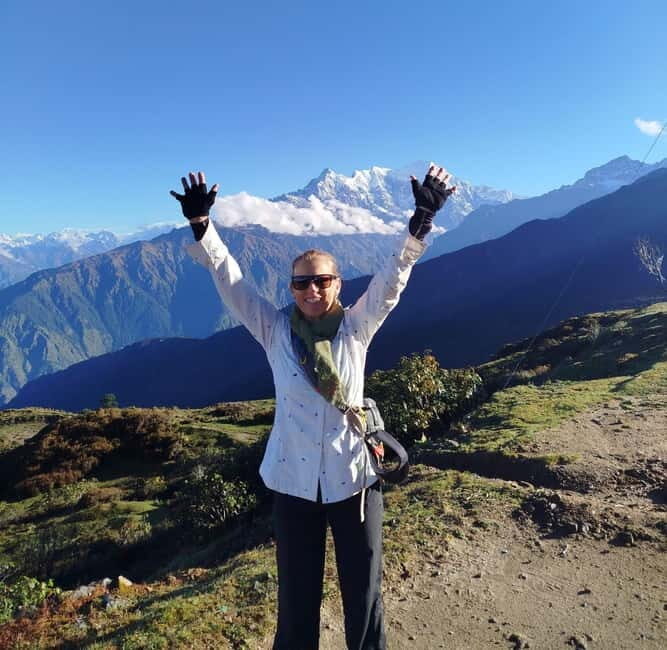
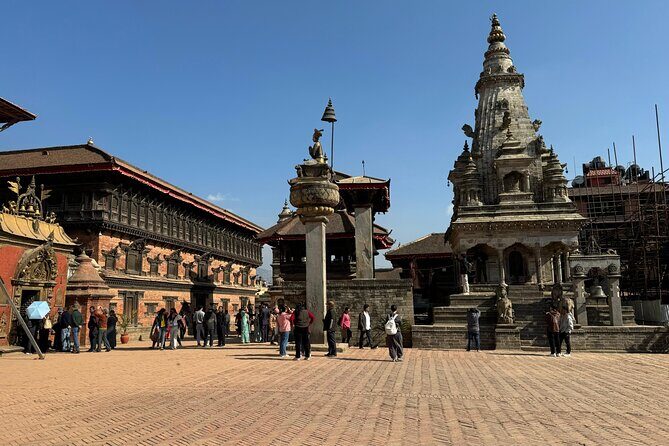
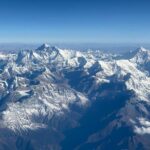
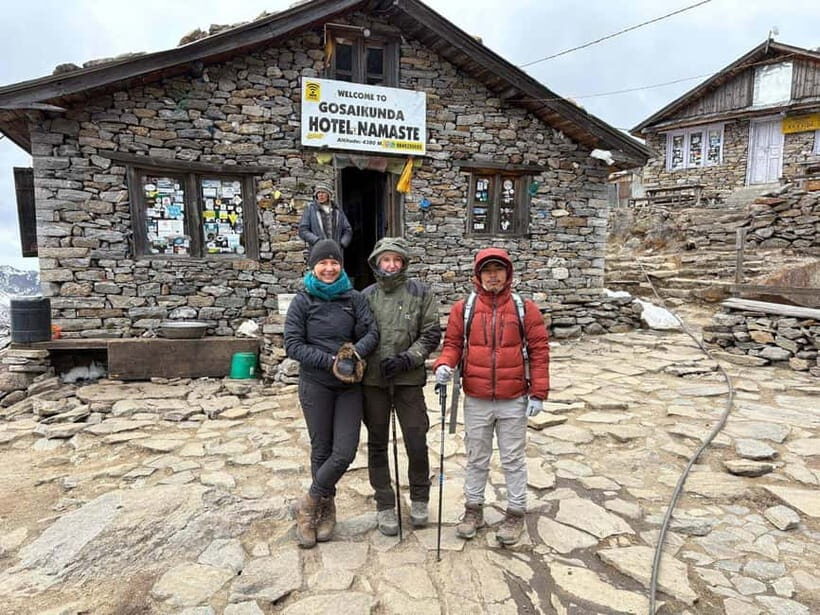
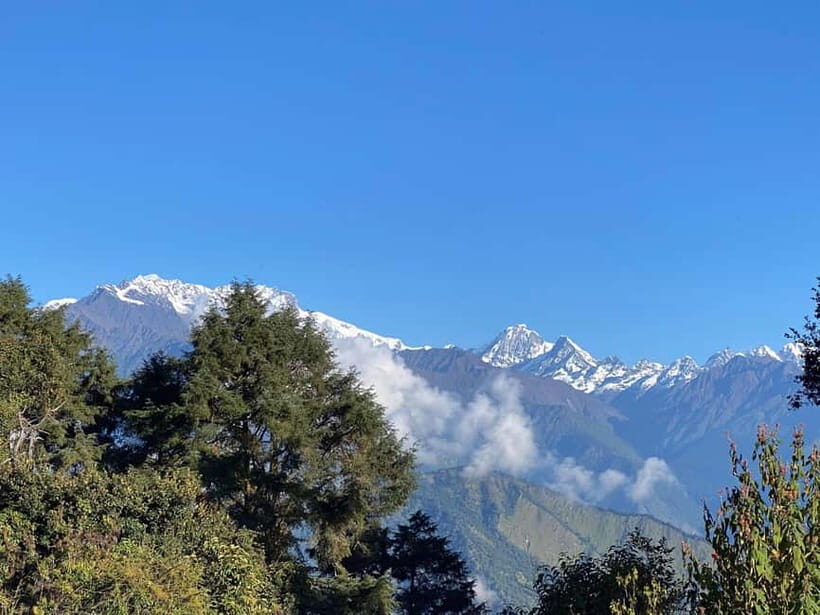
Your trip begins with pickup from your hotel in Kathmandu, then a drive that can take about 5–6 hours to reach Dhunche, the starting town for the trek. The drive matters more than people think. You’re already gaining elevation gradually, and along the way you can look out over terraced fields and green hills, with snow-capped peaks in the distance.
After a short break in Dhunche, you start hiking toward Deurali (2,790m). This is a brisk walk of about two hours, and it’s a smart introduction day. You’re not asked to go too far at once. Instead, you warm up your legs and get your first taste of mountain trails.
By the end of the day, you sleep at a guest house in Deurali. Think of this night as your reset point: you’ll want to eat well and take it easy, because day two pushes higher.
Practical tip: With a mountain trek, your success is often decided by how you manage day one energy. If you go out too fast on the first hike segment, the climb later will punish you.
Deurali to Laurebina: The Steep Climb That Sets Your Pace
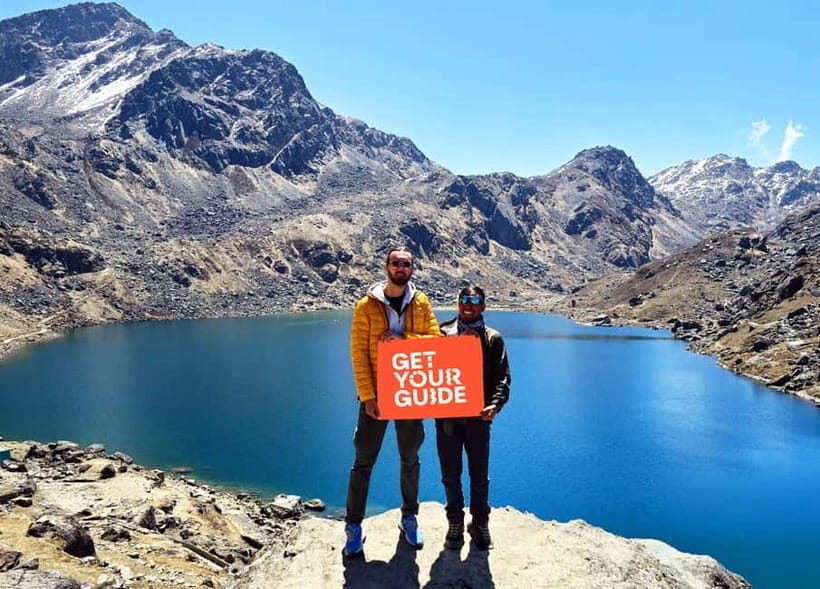
On day two, you begin with breakfast and a quick brief from your guide—this is where you learn how the day will feel and what to watch for. Then the hike climbs toward Laurebina (3,910m), via Chandanbari. The path is described as steep, so expect the rhythm to be: steady steps, fewer bursts, and frequent self-checks for breathing.
The key here is mindset. In a short trek, you don’t have the luxury of “I’ll fix it later.” If you keep your pace controlled on the steep section, you’ll arrive feeling ready rather than wrecked.
You’ll spend the night at a guest house in Laurebina. This is where the trek shifts from “fun hike” to “serious altitude hiking.” Even if you feel okay, don’t treat this day like it’s over just because you’ve arrived at camp. Your body is adapting.
Going Up to 4,380m: What the Gosainkunda Day Really Means
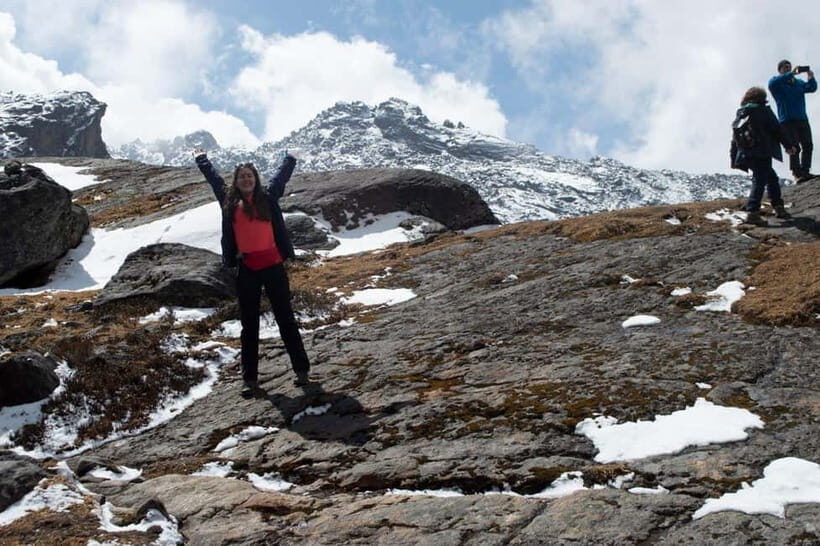
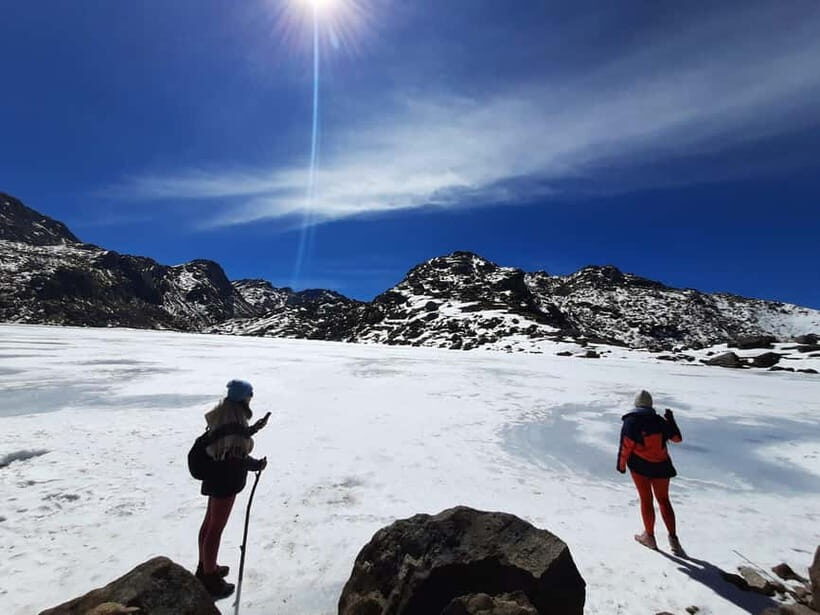
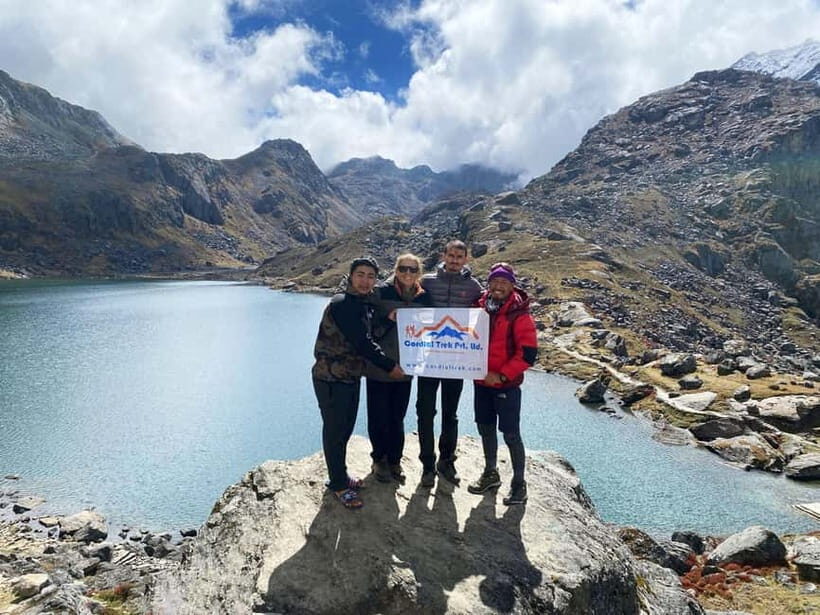
Day three is the heart of the experience. You’ll hike from Laurebina up to Gosainkunda (max altitude 4,380m). This lake is described as an alpine freshwater oligotrophic lake in Langtang National Park. In simple terms: it’s high, cold, and very much part of the mountain hydrology—its melt feeds the Trishuli River, and it remains frozen in winter.
This day isn’t just about reaching a single spot. You’ll explore Gosainkunda and also have time around other lakes in the region, including Bhairav Kunda, Chandra Kunda, and Saraswati Kunda. That extra lake time changes the day from a single “summit-and-go” moment into a more thoughtful exploration—more chances to stop, look, and catch your breath.
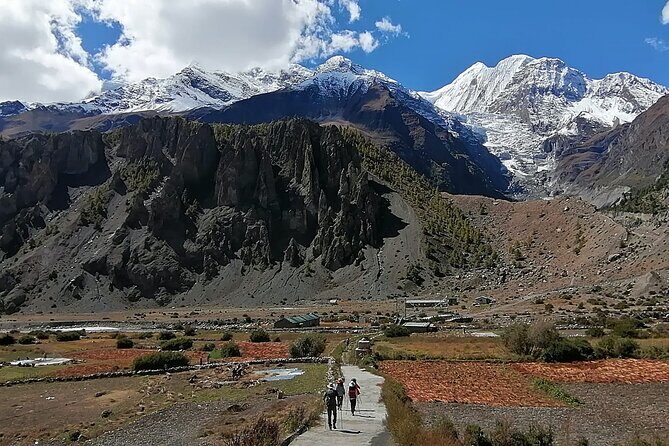
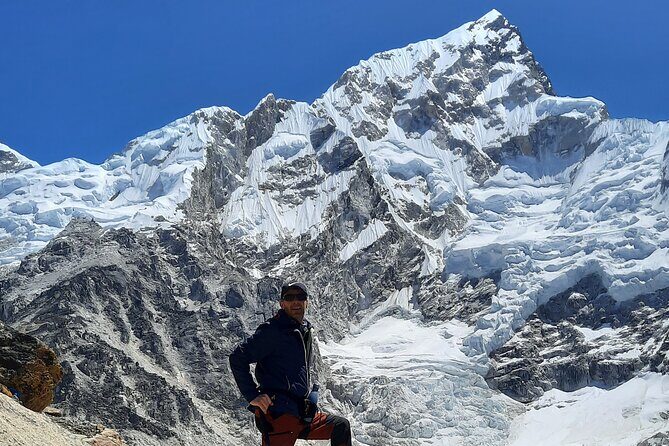
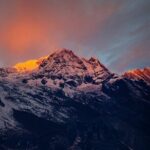
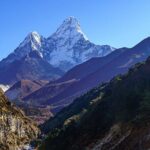
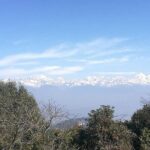
One of the most valuable things about having this as a single day from Laurebina is perspective. With the lake area at such a high elevation, the views can feel stark and dramatic. The Langtang range sits behind the scene, and you get that classic central Himalayan feeling: the mountains look close enough to touch, even when you’re safely far away.
Later in the afternoon, you hike back down to Laurebina for the night. That descent is important. Your legs will feel it, and so will your breathing. This is also where the guide’s pacing matters; a good guide helps you keep safe and not race the altitude.
What you’ll want to plan for: cold conditions at higher elevations. Even with a loaned sleeping bag and a borrowed down jacket, your body still needs time to warm up between walking and resting.
The Descent Day: Rhododendron, Pine, Bamboo, and Dhunche
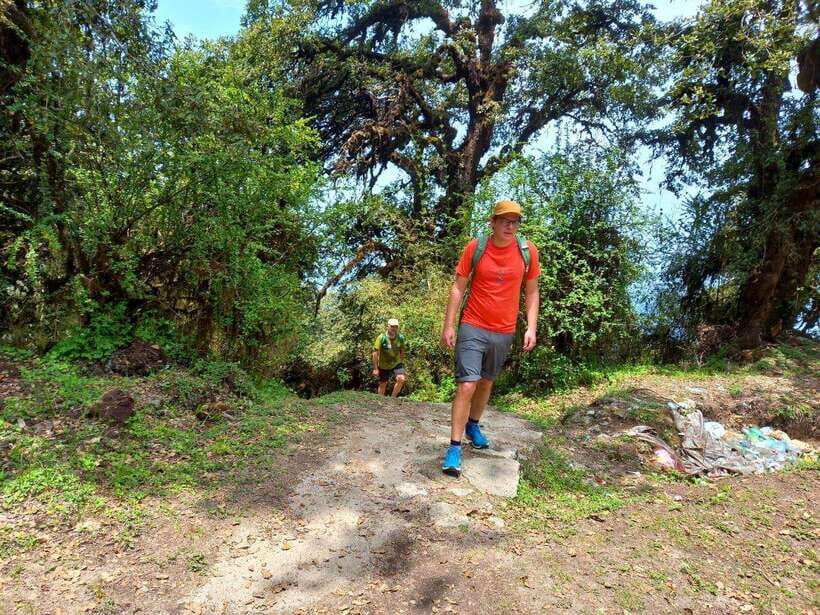
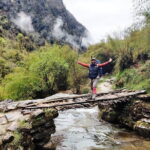
Day four brings a gradual descent back through forests. Instead of the big alpine exposure, you move through rhododendrons, pine, and bamboo forests. You’ll walk past dense forest sections and cross a river as you head down toward Deurali again, then continue the descent to Dhunche for the night.
This day can feel like recovery, but don’t let that trick you. Descents are hard on knees and ankles, especially after altitude days. You’ll probably find yourself focusing on foot placement more than speed. The payoff is that the air feels thicker and the environment shifts from high-altitude stillness to living forest patterns.
You sleep in Dhunche at the end of the day, giving you an easier transition into the final travel back toward Kathmandu.
You can also read our reviews of more tours and experiences in Kathmandu
Day Five Return to Kathmandu: A Scenic Finish at Lower Altitude
On day five, after breakfast, you take a scenic drive back to Kathmandu. The trip brings you down to around 1,350m, so the change is noticeable. Once you reach the bus station, you’re transferred back to your hotel.
For many people, day five is the time to process what you just did. In five days you’ve gone from city streets and temples to high alpine lake basins and then back down again. It’s a tight loop, and the altitude drop can make you feel lighter fast—even if your body feels tired.
The Guide Makes This Trek Worth the Price: Ohm, Terence, and Raj
A trekking guide can turn a hike into a meaningful trip—or into just walking. The biggest praise from participants centers on the people leading the way, and that shows up in a few clear patterns.
- Ohm was highlighted for being informative and engaging, with lots of interesting facts and a cheerful, encouraging approach that kept energy up for the full 5 days. One participant specifically noted that they were entertained as well as educated, including fun videography moments.
- Terence stood out for deep regional knowledge and accommodation, plus a strong emphasis on safety. The takeaway here is simple: you want a guide who reads conditions, not just a route sheet.
- Raj was praised for clear communication, helpful advance planning, and being well-attuned to safety while still keeping the experience interesting.
Even if you’re a confident hiker, good communication helps at altitude. It’s not only about directions; it’s about timing, how fast to go, and when to slow down. Since the trek is guided, your guide can also help you stay relaxed and keep the group moving at a pace that feels right.
Language support is also a practical plus. The live guide can speak English, Hindi, and Icelandic, which makes it easier to ask questions and understand instructions.
Price and Value: What You’re Paying For at $179
At $179 per person for 5 days, the value comes from the “included” package, not just the walking. This trek includes:
- Hotel pickup and drop in Kathmandu
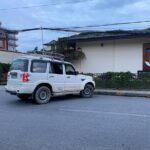
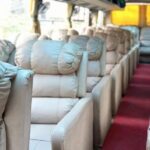
- Transportation by bus (Kathmandu to Dhunche and back)
- An experienced, licensed trek guide
- 4-night accommodation at mountain guest-house style lodging
- Full board meals on the inclusive option (4 breakfasts, 5 lunches, 4 dinners)
- Trek permits and a TIMS card
- Loaned equipment: a down jacket, sleeping bag, and trekking poles
- Water purification tablets (as required)
- First aid support (if needed)
- A company T-shirt
- Government tax and service charges
That’s a lot of logistics handled for you. Permits and TIMS paperwork can be a headache in Nepal if you’re doing everything yourself. Here, that work is handled. Meals included also matters: you’re not left searching for food after a long day, and you can focus on walking and resting.
What’s not included is also important. You’ll likely want travel insurance (recommended), and personal expenses aren’t covered. Porter services are available as an add-on, but the base price is for you carrying what you need—using the loaned gear and staying within what the trek expects.
My value read: If you’d otherwise pay for guide time, permits, and basic cold-weather rental gear separately, this price can start to look like a practical deal rather than a luxury add-on.
What’s Included (and What You Must Bring) for a Smooth Trek
This is one of those treks where the packing list is short, but the details matter.
You should bring:
- Passport
- Camera
- Cash
You should expect to provide, at least a day before your trek starts, a copy of your passport and a recent passport-sized photo so permits can be issued in a timely way.
You’re also allowed to borrow important cold-weather items. That includes a down jacket, sleeping bag, and trekking poles. That’s a big deal if you’re traveling light or don’t own proper gear.
One more practical rule: alcohol and drugs aren’t allowed, and bare feet aren’t. Also, baby carriages aren’t allowed. These are the kind of rules that keep things safe and orderly on narrow trails.
If you’re thinking about physical comfort, one small but telling detail from participants: lodging comfort was praised, including the fact that some people reported private rooms throughout the trek.
Wildlife, Flora, and Central Himalayan Views: What You’ll Actually Notice
Because you’re in Langtang National Park, the experience has two layers: the views and the living world around you.
On the trail, you’ll see changes tied to elevation. The lower forest areas include rhododendrons, pine, and bamboo, and you’ll notice that the route shifts from alpine openness back into wooded cover on the return. That matters because you’re not stuck looking at the same view angle all day.
You also get time for Himalayan views, including the central Himalayas with the Langtang range as a visual anchor. On clear days, the lake basin and surrounding peaks can make the hike feel cinematic.
And because the guide is part of the experience, you get more than the photo. Guides highlighted regional facts and cultural context, which tends to make these hikes stick in your memory longer than simple sightseeing.
Who This Trek Suits Best (and Who Should Rethink It)
This trek is designed for travelers who want a short but intense nature and culture experience from Kathmandu. It’s also limited in group size, which helps keep things manageable.
It’s best suited for:
- People who can handle uphill days at altitude
- Hikers comfortable with guest-house trekking
- Anyone who values guided context about Nepalese culture and the park’s environment
It may not be a good match if you:
- Need mobility accommodations
- Are under 10 years old (not suitable for children under 10)
- Weigh more than 140 kg (309 lbs)
- Have concerns about altitude and want a gentler route
If you’re unsure, think about your altitude experience first. Even though this is a “short” trek, you’re reaching 4,380m at the lake.
Should You Book the 5-Day Gosaikunda Trek?
If you want a guided, high-altitude experience without taking a full week off for a long trek, I’d say this is a strong option. The combination of Gosaikunda Lake, Langtang National Park, and a focused five-day structure is exactly the kind of trip that feels efficient in the best way.
I’d book if:
- You want a compact trek with guides who keep safety and engagement front and center (Ohm, Terence, and Raj were repeatedly praised)
- You like the idea of loaned cold-weather gear reducing packing stress
- You want both mountain views and forest hiking in one loop
I’d pause if:
- You’re worried about altitude effects
- You need more accessibility than what a mountain trail can realistically offer
One last practical note: this trek supports flexible planning with free cancellation up to 24 hours in advance and a reserve now & pay later approach. If weather is a concern for your dates, that flexibility can help you choose the week with clearer skies.
FAQ
How high do you go on the trek?
The maximum altitude is 4,380m at Gosainkunda Lake.
How long is the trek from Kathmandu?
It’s a 5-day experience, including the drive from Kathmandu to Dhunche and the return.
What does the trek include for meals?
With the full board inclusive option, meals are included for 4 breakfasts, 5 lunches, and 4 dinners.
Are permits and TIMS included?
Yes. Necessary trek permits and a TIMS card are included.
What trekking gear is provided?
You can borrow a down jacket, sleeping bag, and trekking poles.
Do I need to bring a passport?
Yes. A passport is required, and you’ll also need to share a passport copy and a passport-sized photograph in advance for permit processing.
Is there a porter option?
A porter is available as an add-on option, but it’s not included in the base package.
What languages will the guide speak?
The guide can speak English, Hindi, and Icelandic.
Is this trek suitable for kids or mobility challenges?
It’s not suitable for children under 10, people with mobility impairments, or people over 309 lbs (140 kg).
If you tell me your fitness level and the month you’re considering, I can help you think through pacing and what weather to expect.