REVIEW · KATHMANDU
Dancing in the Manaslu Circuit Trek
Book on Viator →Operated by Master Himalaya Treks and Expedition · Bookable on Viator
Manaslu feels personal, not crowded. This trek circles Mount Manaslu through restricted-access terrain where Tibetan-influenced villages, monasteries, and prayer flags shape the days, not just the mountains. The route also shifts fast—from subtropical river valleys to high passes like Larkya La (about 5,100 m)—so you keep getting new kinds of views and challenges.
I like the mix of cultural stops and physical hiking. You’ll pass stone-built villages, see Mani walls and gumpas, and the trip’s name hints at the local moments of music and dance you may catch along the way. I also like the practical setup: full-board meals, a certified English-speaking guide, and transport that handles the big chunks of driving so you’re not stuck figuring logistics after a long day.
One consideration: this is not a casual walk. You’re hiking for long days (often listed as around 12 hours), you may need a porter (required), and altitude plus weather matter a lot—especially near the Larkya La section.
In This Review
- Quick takes before you go
- Why the Manaslu Circuit feels different from the usual treks
- Price and value: what $1,390 covers (and what it doesn’t)
- Getting ready: fitness, altitude rhythm, and the porter reality
- Days 1–6: from river valleys to village tea-house life
- Day 7 acclimatization: base camp optional, breathing non-optional
- Days 8–10: the Larkya La high-country work (and why it’s worth it)
- Days 11–12: forests, Dharapani, and the return to Kathmandu
- The cultural heart: monasteries, Mani walls, and the dance moments
- Where this trek fits best (and who should skip it)
- Should you book this trek?
- FAQ
- How long is the Manaslu Circuit trek?
- Where does the tour start and end?
- What’s included in the price?
- Is pickup offered?
- Do I need a porter?
- What fitness level do I need?
- What if the trek can’t run due to poor weather?
Quick takes before you go
- Restricted Manaslu access keeps the trek feeling quieter and more grounded in local life
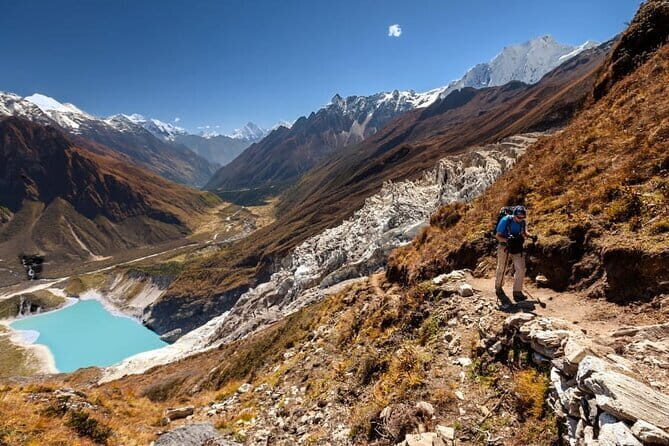
- Larkya La crossing brings big high-altitude payoffs after acclimatization
- Twin-sharing private rooms + full-board meals reduce daily decision fatigue
- Mani walls, gumpas, and prayer flags make the cultural side part of your walking rhythm
- English-speaking, government-certified guide helps you stay oriented and informed
- Deluxe bus and shared jeep transfers cut down on the hardest travel friction
Why the Manaslu Circuit feels different from the usual treks
The main reason this trek lands well is simple: you’re not running the same trail as the biggest crowds. Manaslu’s access is restricted, which changes the vibe fast. Instead of trekking through a line of people racing between lodges, you get more time to notice daily life—stone houses, river gorges, and the way religious symbols show up in everyday spaces.
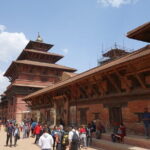
The cultural thread is strong, too. Expect Tibetan-influenced villages, monasteries and gumpas, and the visible meaning of prayer flags. Those details matter because they make the walk feel like you’re moving through a living region, not just climbing toward a photo. Even if your legs are tired, you still have something to pay attention to besides altitude.
And yes, the “Dancing” part isn’t just branding. The experience is designed around the moments where local music and dance can show up during the trek. On a trek, those small interruptions to the routine are often what people remember most.
You can also read our reviews of more hiking tours in Kathmandu
Price and value: what $1,390 covers (and what it doesn’t)
At $1,390 per person for about 12 days, you’re paying for more than miles. The most valuable part is what’s included that usually gets messy when you book separate pieces: permits and government taxes, a certified guide, and the key transfers between Kathmandu, the trekking start, and the return.
Here’s what you can count on:
- Three full meals a day during the trek (breakfast, lunch, dinner)
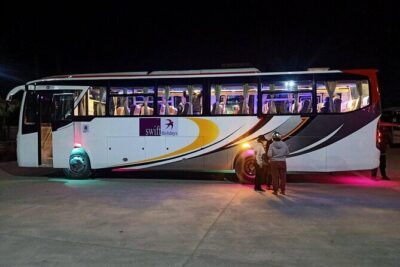
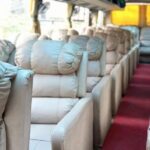
- Deluxe bus transfers for Kathmandu → Sotikhola and Besisahar → Kathmandu
- Shared jeep from Dharapani → Besisahar
- Twin-sharing private rooms throughout
- A first aid kit
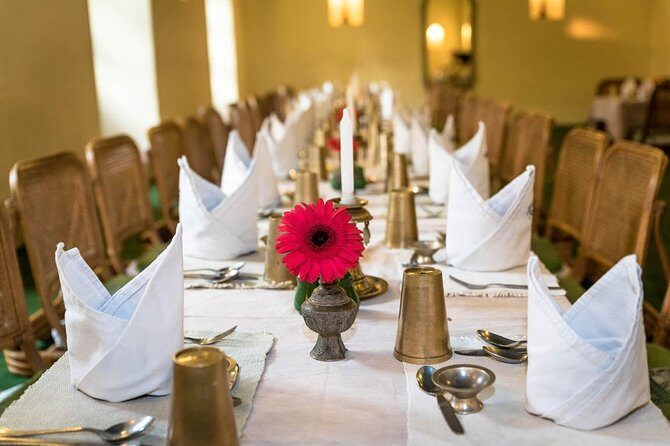
- A farewell dinner when you finish
What’s not included is just as important:
- Travel insurance is on you
- Personal expenses like phone charging, laundry, and hot water/mineral water
- Porter: it’s stated as required, and you can hire one in Kathmandu or at Sotikhola
- Tips for the guide and other services
So is it good value? For a trek where you want someone else to manage permits, guide, and the main transport, the package is pretty balanced. The cost mainly covers “less hassle” and “more certainty,” not luxury amenities. If you’re the kind of traveler who likes to do everything yourself, the package may feel pricier than it needs to be. If you want fewer moving parts after you land in Nepal, it’s easier to justify.
Getting ready: fitness, altitude rhythm, and the porter reality
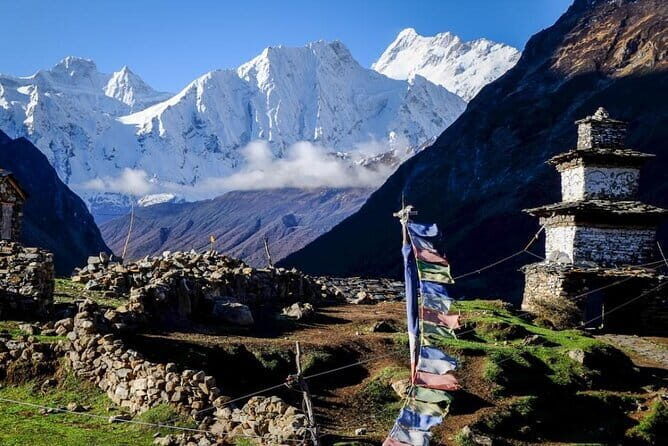
The good news: this trek is described as suitable for moderate physical fitness. The not-so-fun news: you still need endurance. Many trek days are listed at around 12 hours, which usually means long hiking stretches, breaks that feel shorter than you want, and daily fatigue that stacks up.
Altitude is the other big factor. You’ll reach high points around the Larkya La (about 5,100 m) area, and that means you need to respect acclimatization. The schedule includes a day for acclimatization around Day 7, and it also offers optional side hikes if you feel well.
Also plan for the porter. Since a porter is required, think about how you’ll work with them. Even when you physically could carry your own pack, using a porter can be the difference between finishing strong and finishing grumpy.
On the people side, the guide is a key part of your experience. This trip includes a government-certified English-speaking guide, and in past Master Himalaya experiences you may see names like Bijaya, Tenji, and Lakpa showing up as guide examples. They can help you make sense of what you’re seeing—especially the religious details like Mani walls and gumpas.
Days 1–6: from river valleys to village tea-house life
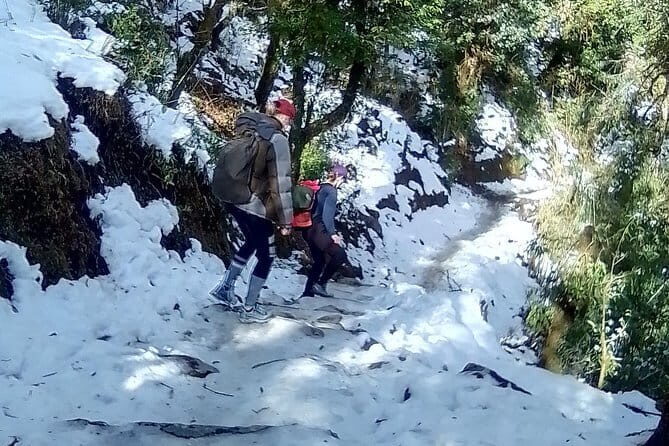
Your trek starts with a long travel day and a gradual shift into trekking mode. On Day 1, you drive from Kathmandu toward the trekking area, passing rural villages and green hillsides. There’s also a chance you’ll change vehicles along the way, which is normal in Nepal when routes and conditions require it.
Day 2 is your first real walking day along the Budhi Gandaki River. You’ll trek through places like Tatopani, known for a natural hot spring, and then you move into the restricted region. Jagat is a key early stop because it’s laid out as a rural-looking village with stone houses—exactly the kind of place where the trek starts to feel human, not just scenic.
Day 3 brings Salleri (via Deng). This stretch matters because it transitions you into the rhythm of trekking between villages: hike, rest, eat, and sleep. It’s also where you learn how your body handles the daily grind before the high-altitude push.
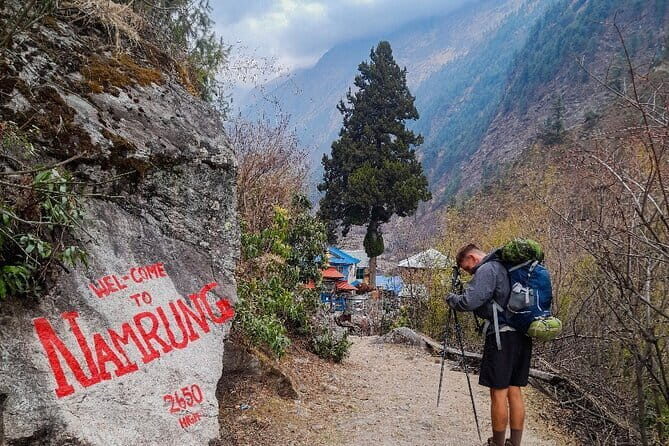
Day 4 takes you toward Namrung, with stops that include the Prok village area, Mani walls, and forests. Forest sections can feel easier on your breathing than exposed ridgelines, but they also can slow you down. You’ll start paying attention to pacing, not just speed.
Day 5 continues to Shyala. By now, you’ll understand the daily pattern: your lodge is never far away, but you still need steady energy to cover the full day.
Day 6 ends at Samagaun, plus an optional hike to Pungeyn Gumpa. This day is valuable for two reasons. One, you get a religious waypoint that isn’t just a quick photo stop. Two, you’re moving deeper into Manaslu territory, where the region’s Tibetan-style spiritual signals become more noticeable.
Day 7 acclimatization: base camp optional, breathing non-optional
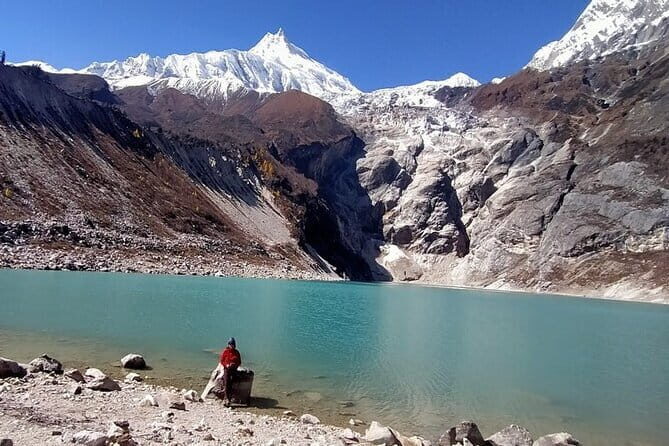
Day 7 is about breathing and recovery. You’ll take a full acclimatization day at Manaslu, with an option to hike to Manaslu Base Camp and Birendra Lake if you feel good.
Even if you skip the optional hike, this day can still feel active because acclimatization days test your patience. You’ll likely do a shorter walk, then spend the rest of the day watching how your body reacts at a higher elevation.
This is where having a guide with local experience helps. In examples from Master Himalaya treks, guides like Tenji and Bijaya are described as attentive and informed. You want someone who understands altitude pacing so you’re not tempted to push when your body is telling you to slow down.

Days 8–10: the Larkya La high-country work (and why it’s worth it)
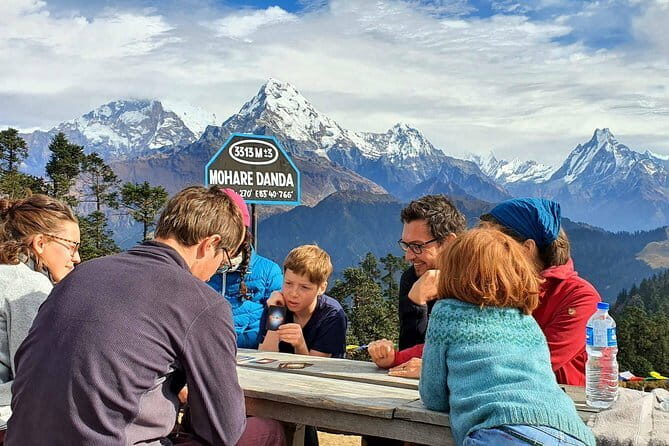
Day 8 is where the itinerary starts leaning into the bigger high-altitude payoff. You descend to the Budhi Gandaki River, cross a wooden bridge, and you get a close encounter with the Larkya glacier. That’s your first strong reminder that you’re stepping into colder territory, with terrain that feels more rugged and less “soft valley hike” than earlier days.
On Day 9, you trek through icy streams and reach Larke Bazaar, then ascend toward Dharmasala. This day includes monasteries and Mani walls along the route, so even while you’re working physically, your eyes keep finding meaning. You’re also building toward a major crossing with views of the Larkya Glacier.
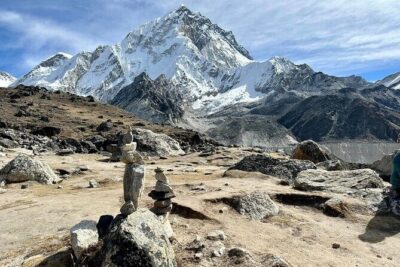
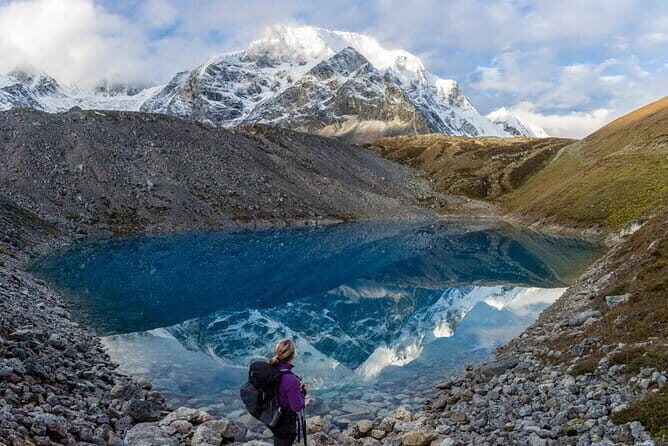
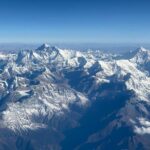
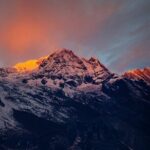
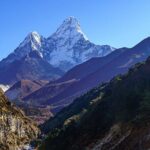
Day 10 is the big climb to Larkya La Pass. This is where you’re likely to feel the thin air, even if you’re fit. The promise here is not just the summit feeling—it’s the views: Cho Danda, Larkya Peak, and four frozen lakes. Those details are a strong reward for the physical effort and cold mornings you may deal with.
Practical note: high passes tend to make people overestimate their energy and underestimate their cold tolerance. If you run hot you still need layers for the stops. If you run cold, you’ll want to follow your guide’s pacing and not treat breaks as optional.
Days 11–12: forests, Dharapani, and the return to Kathmandu
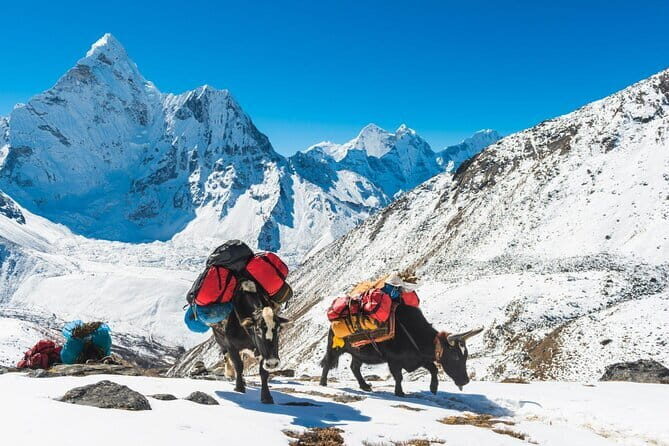
After the pass, the route shifts again. Day 11 heads to Dharapani via lush forest sections. You’ll cross Dudh Khola, pass through Karche Village, and then arrive at Dharapani.
This is a psychologically important day because it turns the mission from “high altitude” to “recovery.” Forest walking can feel easier on your breathing, but it can still be tough on your knees after days of ascent and cold footing.
Day 12 is a mixed travel day. You take a jeep drive from Dharapani to Besisahar, then a 5-hour drive from Besisahar back toward Kathmandu. After a trek, that last stretch can feel oddly long even when the roads are fine. But it’s also a relief: you’re done with carrying and climbing, and you can shift back into “rest and reset” mode.
The cultural heart: monasteries, Mani walls, and the dance moments
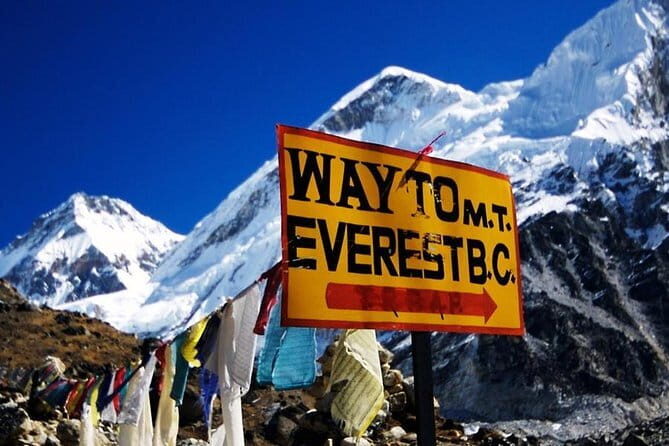
This trek pays attention to culture in a way that doesn’t feel bolted on. Mani walls and monasteries aren’t just background. They’re part of how you navigate the region and understand what matters to local communities.
Gumpas like Pungeyn Gumpa aren’t only spiritual sites; they also offer a change of pace. You get a pause from climbing, and the religious symbols give context to what you’re seeing in nearby villages. Prayer flags add movement and color to the trek, which helps break up long stretches of grey stone and cold air.
And again, the “Dancing” angle matters. The trip is built around local music and dance moments. If you’re the type of person who likes to pay attention to daily life more than ticking boxes, this aspect will feel like part of the journey rather than entertainment layered on top.
Where this trek fits best (and who should skip it)
I’d recommend this trek if you want a quiet, restricted-access Himalayan experience with a real cultural layer. It’s also a strong pick if you like structured support: guide, permits, meals, rooms, and the key transportation pieces handled for you.
It’s not a great fit if you’re looking for an easy walk. Long trekking days (often listed around 12 hours), a required porter, and the timing pressure around a high pass mean you should be ready to work.
If you’re traveling as a couple or a small group, the private nature of the experience can feel especially good. The vibe stays controlled, and your guide can focus on your pacing and questions.
Should you book this trek?
If you want Manaslu without the hassle, this one looks like a solid bet. The value is strongest in the basics done right: meals, permits, a certified English-speaking guide, private rooms, and transport that gets you from Kathmandu to the trail and back.
I’d book if:
- you’re comfortable with moderate fitness and long hiking days
- you want a quieter route with real cultural visibility
- you like the idea of reaching Larkya La and earning those high-country views
I’d think twice if:
- you’re highly sensitive to altitude risk or cold
- you prefer fully DIY travel and plan to manage permits, meals, and lodging yourself
- you haven’t planned for the required porter and cold-weather layers
FAQ
How long is the Manaslu Circuit trek?
It runs for about 12 days.
Where does the tour start and end?
The tour starts at P897+443, Kathmandu 44600, Nepal and ends back at the meeting point.
What’s included in the price?
It includes three full board meals during the trek, required permits and government taxes, deluxe bus transfers for key segments, a shared jeep from Dharapani to Besisahar, a government-certified English-speaking guide, twin-sharing private rooms, a first aid kit, and a farewell dinner.
Is pickup offered?
Yes, pickup is offered.
Do I need a porter?
Yes. A porter is required for the trek, and you can hire one in Kathmandu or at Sotikhola.
What fitness level do I need?
The experience is listed as suitable for people with moderate physical fitness.
What if the trek can’t run due to poor weather?
The experience requires good weather. If it’s canceled due to poor weather, you’ll be offered a different date or a full refund.