REVIEW · KATHMANDU
Everest Base Camp with Gokyo Lake 17 Days
Book on Viator →Operated by Sunrise Adventure Trek P. Ltd · Bookable on Viator
You feel Everest before you ever see it. This Everest Base Camp with Gokyo Lake trek ties together towering views, high passes, and Khumbu village days inside Sagarmatha National Park, starting with a flight to Lukla. I love the way it balances the big goal (Everest Base Camp) with calmer wow-moments around Gokyo.
What I like most is the built-in altitude planning. You get an acclimatization and exploration rest day in Namche Bazaar, then you keep moving with sensible pacing as elevations rise. And the people matter here too: guides such as Pemba and Pasang, along with friendly porter teams, help keep the days organized and the trek feeling manageable.
One consideration: you’re going high. You’ll cross routes near and above 5,000m, and the cold mornings can be real, so you should have moderate fitness and be ready for weather and pace adjustments, including Lukla flight variability.
In This Review
- Key things I’d plan for before you go
- Why this Everest Base Camp + Gokyo Lake route feels different
- Kathmandu comfort: your first and last bases in Nepal
- Kathmandu-to-Lukla: the quick jump into Everest country
- Namche Bazaar’s rest day: when acclimatization stops being a slogan
- From Namche to Dole and Machhermo: steady altitude, steady rhythm
- Gokyo Lake and Gokyo Ri: where the views slow you down
- Cho La Pass to Dzonglha: the high pass day that tests focus
- Gorak Shep and your Everest morning: EBC or Kala Patthar
- Tengboche and the monastery moment before you drop lower
- Meals, lodges, and why the crew support changes your experience
- Price and logistics: what $1,480 includes (and what it doesn’t)
- Fitness, timing, and who this trek suits best
- Should you book this Everest Base Camp with Gokyo Lake trek?
- FAQ
- FAQ
- How long is the Everest Base Camp with Gokyo Lake trek?
- What’s the starting point for this tour?
- What’s included in the tour price?
- Is an international flight included?
- Do I need my own sleeping bag or down jacket?
- Is free cancellation available?
Key things I’d plan for before you go
- Lukla flight sets the tone fast: You get to start trekking quickly, rather than spending days commuting through valleys.
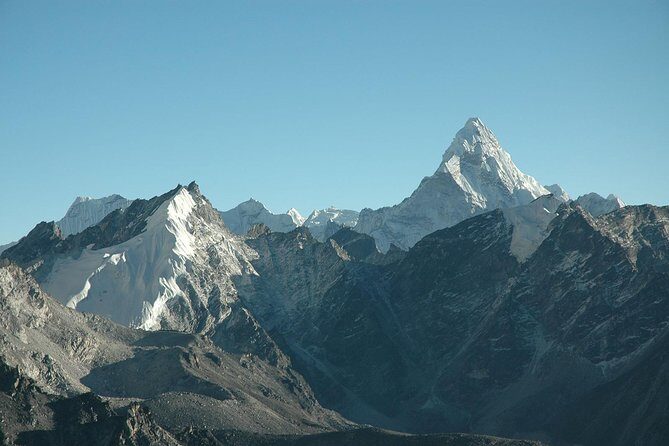
- Gokyo Lake isn’t just a stop: The route includes time at Gokyo plus a hike toward Gokyo Ri for bigger panoramic payoffs.
- Cho La Pass adds real challenge: Expect a high pass day on the way toward Dzonglha, with more demanding altitude.
- Your Everest morning can be flexible: You can go for Everest Base Camp or Kala Patthar depending on the morning and conditions.
- Cold-weather support is part of the package: If you need it, you can arrange a sleeping bag and down-jacket for trekking nights.
- Small group size helps: The max group size is 18, and porter support is organized (including Sherpa porters for baggage).
Why this Everest Base Camp + Gokyo Lake route feels different
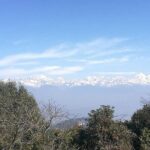
This trek is aimed at the classic Everest highlight, but it doesn’t feel like a single-track sprint. The structure matters: you go up through Khumbu villages, spend real time in the Gokyo area, then tackle the high pass crossing on the way back toward the Everest side.
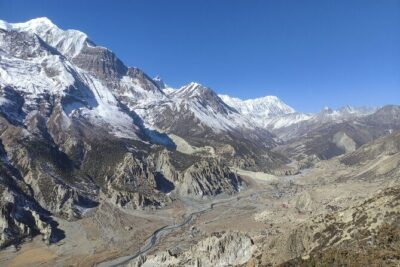
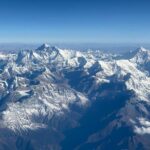
That mix is what makes it feel complete. Instead of saving all the scenery for one brief moment, you’ll get repeated big-mountain stages: Namche Bazaar’s vantage, Gokyo’s lake-and-peak views, and then the high-altitude mornings around Everest.
It’s also a good option if you want a route that includes spiritual sights along the way. The overview specifically calls out Khumbu’s biggest monastery, which fits nicely into the Tengboche stop later in the trek. Those moments can be grounding when the air is thin.
You can also read our reviews of more tours and experiences in Kathmandu.
Kathmandu comfort: your first and last bases in Nepal
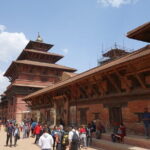
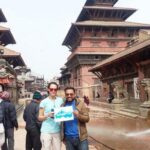
You start with an airport pickup and transfer into a three-star hotel in Kathmandu on a twin-sharing basis with breakfast. This is the kind of setup that keeps the trip from feeling chaotic right at the start—after flights and jet lag, you want a predictable landing.
In Kathmandu, you’ll also have some included cultural time: one special cultural show plus a farewell dinner program. That’s not just entertainment; it gives your trip shape beyond checkpoints and trekking hours.
By the end, you return to Kathmandu the same way—fly back from Lukla, then your trip concludes. Having everything tied together like that is a real value when you’re trying to focus on the trek, not logistics.
Kathmandu-to-Lukla: the quick jump into Everest country
The trek starts by flying from Kathmandu to Lukla, then stepping into the Phakding area by foot. This quick jump is one of the practical reasons the itinerary works for most people: you’re not spending days just getting into the Everest region.
You’ll trek to Phakding at about 2,620m (8,594ft). This is your first altitude “wake-up call,” but it’s also a good warm-up day. Expect a steady hiking rhythm and time to get your legs used to mountain trails before the route tightens around higher elevation.
After that comes the big climb to Namche Bazaar at 3,420m (11,218ft). That Namche arrival is a turning point. It’s where the trek shifts from “trail days” into “high-altitude days,” with more frequent views of the peaks and more time spent planning how you’ll handle the thinner air.
Namche Bazaar’s rest day: when acclimatization stops being a slogan
Namche is the place where the trek shows its maturity. You get a dedicated acclimatization/exploration/rest day there, followed by another hiking stage that lifts you higher.
Why that matters: you’re moving from day to day while your body adjusts. A rest day gives you space to breathe—literally—and it helps you arrive at the next elevations feeling better than if you pushed straight onward.
In the feedback about the experience, guide support comes up again and again—people appreciated how their guide kept the team calm and on track. With a rest day, that guidance is extra valuable because you’re choosing between taking it easy and getting just enough movement to stay sharp.
From Namche to Dole and Machhermo: steady altitude, steady rhythm
After Namche, the route pushes upward in stages. You’ll hike to Dole (4,110m / 13,481ft) in around a six-hour day. Then you go to Machhermo (4,410m / 14,465ft) with a shorter 3 to 5 hour segment.
This is where the “no-hassle trek” promise turns into real trekking comfort. The distances aren’t random. They’re part of a plan that gradually raises your altitude before you commit fully to the Gokyo zone.
It’s also a good time to let your clothing and sleep setup settle in. Since the experience includes accommodations in trekking lodges, you’ll learn quickly how you prefer to layer up indoors and what feels right for cold nights. If you need warmth help, this is exactly the kind of trek where having access to a sleeping bag and down-jacket can make a noticeable difference.
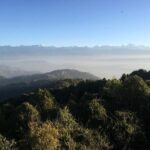
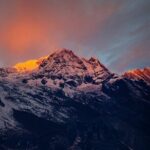
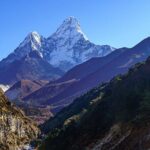
Gokyo Lake and Gokyo Ri: where the views slow you down
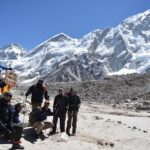
Reaching Gokyo (4,760m / 15,613ft) is one of the emotional highlights of the whole trip. That’s the moment where the trek starts feeling like more than a checklist.
Then there’s a full day setup: you do a day hike toward Gokyo Ri and continue trekking to Thagnak (4,678m / 15,343ft). This day is built for maximum scenery time. It also helps that the trek’s “big day” energy doesn’t come only from Everest—Gokyo’s lake and peak backdrop give you a different kind of awe.
If you care about mountain photography, this is the part where you’ll likely want to take breaks even when you could keep pushing. The reason is simple: you’re at altitude, the air is quieter, and the views reward time on your feet.
Cho La Pass to Dzonglha: the high pass day that tests focus
The route takes you to Dzonglha via Cho La Pass at 5,420m (17,778ft). This is a serious elevation milestone. Even if you’re fit, the pass day is where stamina and pacing matter most.
From there, you descend to Lobuche (4,940m / 16,203ft) and then continue toward Gorak Shep (5,147m / 16,882ft). That progression keeps you in the altitude zone while also setting up your “Everest morning” plan.
What makes this section feel good is that you’re not alone in it. The trip includes a guide and porter support for baggage, plus planned daily lodging. That structure helps you keep your mind on the trail, not on the next problem.
Gorak Shep and your Everest morning: EBC or Kala Patthar
After reaching Gorak Shep, the next morning is a choice point. You’ll either hike to Everest Base Camp (5,365m / 17,597ft) or head to Kala Patthar (5,550m / 18,204ft), then trek down to Pheriche (3,950m / 12,956ft).
This is the kind of flexibility you’ll appreciate on a trek. Sometimes conditions or how you feel determines what’s smart that morning. Kala Patthar is the higher option, while Everest Base Camp is the direct goal.
The best part is what happens after: you get a trek back down to Pheriche, which helps your body recover from the high morning effort. That descent is more than comfort—it’s how you protect your trip for the days ahead, including the monastery stop.
Tengboche and the monastery moment before you drop lower
Later, you trek to Tengboche (3,860m / 12,661ft), and this is where the trip includes Khumbu’s biggest monastery experience, as described in the overview.
This matters for two reasons. First, it’s a change of pace from constant ridge-line hiking. Second, it’s a chance to experience local culture where it naturally belongs—at a mountain stopping point, not in a city theater.
Then the route continues downhill through Monjo (2,635m / 8,610ft) and back toward Lukla. You’ll finish with a flight from Lukla to Kathmandu. After so many high days, that shift feels like a reward: lower elevations, easier breathing, and time to reflect.
Meals, lodges, and why the crew support changes your experience
The experience includes full meals during the trekking days: breakfast, lunch, and dinner, plus tea/coffee as stated. You also get accommodations included throughout the trip—three-star hotel in Kathmandu, and trekking lodge stays while you’re on the route.
That’s not a small detail. Food and sleep quality are huge on high treks. With meals handled, you can focus on staying hydrated, eating what works for you at altitude, and not spending your energy bargaining at every stop.
On the human side, the provided setup is clear: you’ll trek with a guide, and there’s a porter system. For two guest(s), one Sherpa porter carries baggage. In plain terms, that means you should still carry your essentials, but the heavy load doesn’t become your whole challenge.
It also helps that the included support is broad: first aid medicine items are included, and guide salary, accommodation, meals, and insurance are covered. That kind of package reduces the “who’s responsible for what” stress.
And yes, there’s a small morale boost included too: a T-shirt and a trip achievement certificate. It’s not the reason to do the trek, but it’s a nice marker when you finish.
Price and logistics: what $1,480 includes (and what it doesn’t)
At $1,480 per person, you’re not just paying for a guide. You’re paying for a lot of the moving parts to be handled.
What’s included, based on the trip details:
- airport pick up and departure
- Kathmandu hotel (three-star) on a twin-sharing basis with breakfast
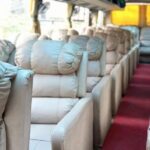
- transport including an A/C car and tourist deluxe bus during trips
- trekking lodge accommodations during the trek
- all meals during the trekking days (as listed in the itinerary format)
- trekking permit and TIMS card
- guide support plus porter arrangement (including Sherpa porters for baggage)
- first aid medicine items
- sleeping bag and down-jacket support if you need it
- a cultural show and farewell dinner
- T-shirt and trip achievement certificate
What’s not included:
- extra meals in Kathmandu and personal expenses
- bar bills
- tour entrance fees
- international airfare
- travel insurance
- tips
So is $1,480 good value? For many people, yes—because Everest-region trekking can quickly get expensive once you add permits, staffing, and daily meals. The real question for you is how comfortable you are with the included structure. If you want hand-holding, set pacing, and fewer decisions during the trek, this package style tends to be a win.
If you already have your own gear and want to manage everything independently, the price might feel less necessary. But for most first-time Everest-side trekkers, it reduces friction a lot.
Fitness, timing, and who this trek suits best
This trek is listed for a moderate physical fitness level, with the understanding that altitude is part of the deal. The route includes multiple high segments and culminates in Cho La Pass plus a high morning near Everest.
You’ll likely enjoy this tour if you:
- want Everest Base Camp without dealing with permits and logistics day by day
- like the idea of combining Gokyo Lake with Everest views
- want small-group support (maximum 18 people)
- appreciate guidance that keeps the route organized and the crew caring and responsive (the feedback highlights friendly guide and porter experiences)
You should think twice if:
- you’re prone to altitude problems and can’t handle gradual elevation gain
- you hate cold mornings and long climbing days
- you’re extremely dependent on fixed schedules, since Lukla flights can be weather sensitive
Should you book this Everest Base Camp with Gokyo Lake trek?
If your dream is Everest Base Camp but you also want a second mountain “wow” in the form of Gokyo Lake, this is a very balanced choice. The strongest reasons to book are practical: included permits and daily meals, a guide you’ll actually rely on, porter support for baggage, and a schedule that includes acclimatization instead of pretending it’s optional.
I’d book it if you want a guided route with a clear plan and you’re comfortable with high-altitude trekking and cold. I’d hold off if your fitness level is uncertain or if you need a trek with minimal elevation exposure.
If you do book, focus on one thing early: prepare for the cold and the altitude. Everything else—the lodge stays, the meals, the pacing support—will feel like it’s working because it’s built into the trip.
FAQ
FAQ
How long is the Everest Base Camp with Gokyo Lake trek?
The duration is listed as approximately 14 to 19 days.
What’s the starting point for this tour?
The tour starts in Kathmandu, Nepal (Kathmandu Valley).
What’s included in the tour price?
Included items cover airport pickup and departure, transportation during trips, Kathmandu hotel (three-star), trekking lodge accommodations, full meals during the trekking days, guide services, porter support, permits (Trekking permit and TIMS card), first aid medicine item, and a cultural show plus farewell dinner. It also includes a T-shirt and trip achievement certificate.
Is an international flight included?
No. International airfare is not included.
Do I need my own sleeping bag or down jacket?
If you need them, sleeping bag and down-jacket support are included during the trek.
Is free cancellation available?
Yes. You can cancel up to 24 hours in advance for a full refund.