REVIEW · KATHMANDU
Best Nepal Tour Package
Book on Viator →Operated by Holidays to Nepal Pvt. Ltd. · Bookable on Viator
That first early-morning sunrise changes everything. This private 6-day Kathmandu–Pokhara plan is all about removing the hassle: everything is arranged for you, from A/C transport to breakfast hotels and guided sightseeing, with Pokhara added for those big Himalayan moments. You’ll also get small practical perks that matter in Nepal, like a returnable local SIM and a bottle of mineral water every day. One thing to keep in mind: major sites usually require extra entrance fees, so your budget should include those on top of the tour price.
Here’s what I like most. First, the pace is built around real logistics—private transfers and a comfortable vehicle mean you spend less time figuring out routes. Second, you cover both cities in a way that makes sense: Kathmandu’s temples and stupas on one long day, then Pokhara’s viewpoints and falls-cave sights on another. The main drawback is timing: you’ll have an early drive for sunrise, and at least one day includes a long road segment (including an en-route temple stop) that can feel like a full day in itself.
In This Review
- Key takeaways before you go
- Why this Kathmandu–Pokhara private plan feels low-stress
- Price and value: what $700 covers (and what you still need)
- Day 1 in Kathmandu: airport meet-and-greet and an easy kickoff
- Day 2: Kathmandu Durbar Square plus Pashupatinath, Boudhanath, Swayambhunath
- Pashupatinath Temple
- Boudhanath Stupa
- Swayambhunath
- Kathmandu Durbar Square
- The main drawback for Day 2
- Day 3: The road to Pokhara via Manakamana Temple
- What you gain by doing this drive with a private vehicle
- What to watch out for
- Day 4: Sarangkot sunrise and Pokhara’s David’s Fall + Gupteshwar
- Why Sarangkot is worth the early wake-up
- David’s Fall
- Gupteshwar Mahadev area
- Day 4 drawback to plan around
- Day 5: Back to Kathmandu, then Thamel on your own
- Day 6: Buffer time for your flight
- Who this tour is best for (and who might want a different style)
- Practical notes that will make the trip smoother
- Should you book this Kathmandu–Pokhara tour?
- FAQ
- FAQ
- How long is this tour?
- What cities does the tour cover?
- Is airport pickup included?
- What’s included in the price?
- Are entrance fees included?
- Do I get a local SIM card?
- What’s the schedule like for Sarangkot?
- Is there free cancellation?
- How many people are in a booking?
Key takeaways before you go
- A/C private vehicle + daily bottled water makes day-to-day comfort easier in Nepal.
- Returnable local SIM card helps you stay reachable without hunting for a shop.
- Guided city days (full day in Kathmandu, half day in Pokhara) keep you from walking in circles.
- Sarangkot sunrise is the big “wake up early” moment—worth it, but plan for it.
- Entrance fees are not included, so budget about $60 per person for monuments.
- Small private group (up to 10) means more flexibility than big-group tours.
Why this Kathmandu–Pokhara private plan feels low-stress
Nepal is easy to enjoy—once you’re not stressed about logistics. This tour is designed for that exact situation. You get organized pickup-style transfers, comfortable private transportation with A/C, and a clear sightseeing rhythm over six days.
The biggest practical win is that you don’t have to coordinate everything yourself. Multiple stops across two cities means a lot of scheduling. Here, someone else handles the timing, routing, and guide setup, so you can focus on the experience: temple sights, sacred places, and the mountain views people come for.
And it’s not just comfort. The tour also builds in small “works in real life” elements: you’ll get a bottle of mineral water each day, and you’ll have a local SIM card waiting so your phone actually works for maps, messaging, and check-ins.
The one thing you should accept up front is that Nepal travel is still travel. You’ll do long days, some walking, and at least one early start. If you hate mornings or dislike being in a car for hours, you might want a different style of trip.
You can also read our reviews of more tours and experiences in Kathmandu.
Price and value: what $700 covers (and what you still need)
At $700 per person for about 6 days, this package is less about luxury and more about solid on-the-ground value. The inclusions do the heavy lifting:
- 5 nights in 3-star hotels with breakfast
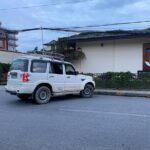
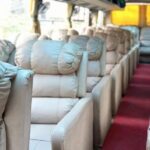
- Private A/C vehicle for all transportation and sightseeing listed
- English-speaking guide for full-day Kathmandu sightseeing and half-day Pokhara sightseeing
- Daily breakfast for those nights (5 breakfasts are included)
- One local SIM card that’s returnable
- A bottle of mineral water each day
Then there’s what’s not included: monument/entrance fees, listed as $60 per person.
So how do you judge value? For Nepal, the expensive part is often not the hotels—it’s the time and hassle of arranging transport and guides across multiple locations. Here, your transport is private and air-conditioned, your guide time is covered, and your hotel beds are already booked. Entrance fees are predictable and easy to budget once you know the amount.
If you’re comfortable paying for entry tickets on top, this is the type of package that tends to feel fair because it removes the planning burden.
Day 1 in Kathmandu: airport meet-and-greet and an easy kickoff
Your first day starts with a simple plan: a representative meets you at Kathmandu airport, then transfers you to your hotel. This matters more than it sounds. Landing in a new country (and likely a new altitude and pace) is when things can get messy fast. A clear handoff helps you get oriented without wasting time.
After you settle in, there’s a short briefing about your tour program. If you arrive late (after 4 PM), the briefing shifts to the next available time. That flexibility is practical because flight delays happen everywhere.
Even though Day 1 isn’t a “see everything” day, it sets you up well. You get the lay of the land, know what to expect next, and can rest before the longer sightseeing day.
Day 2: Kathmandu Durbar Square plus Pashupatinath, Boudhanath, Swayambhunath
Day 2 is the big Kathmandu day, and it’s a strong one. After breakfast, you head out for a full day of major sacred sights with an English-speaking guide. Expect a long but satisfying block of seeing-and-understanding, not a rushed checklist.
Pashupatinath Temple
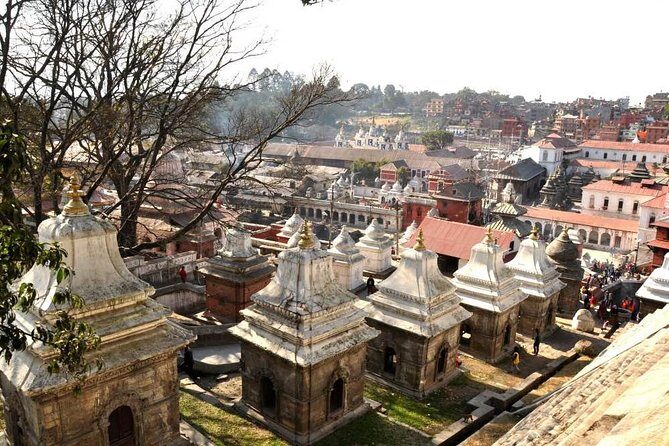
This stop is all about Nepal’s living spirituality. Pashupatinath is one of the most important Hindu sites in the country, and you’ll feel that in the energy around you. Wear respectful clothing (the tour notes smart casual) and be ready for close-up views where people treat the place as part of daily life, not a museum.
A practical tip: plan to slow down. Sacred sites aren’t the kind of places you “speed through” without losing what makes them special.

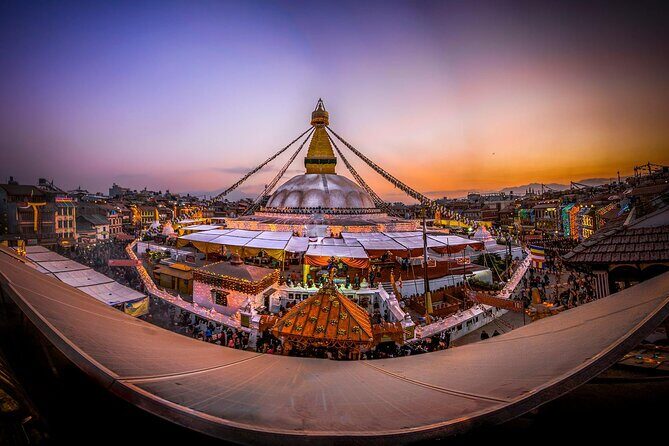
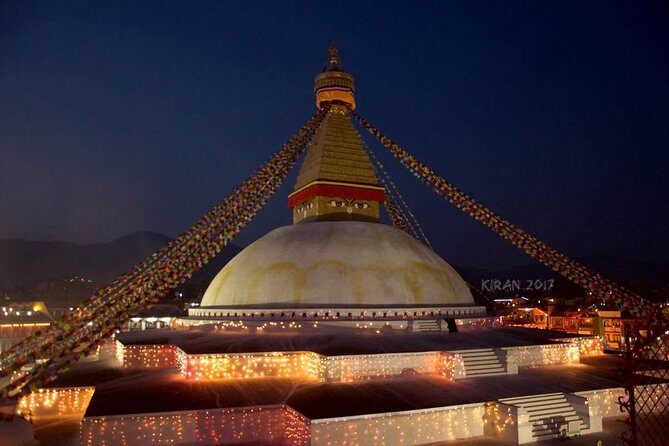
Boudhanath Stupa
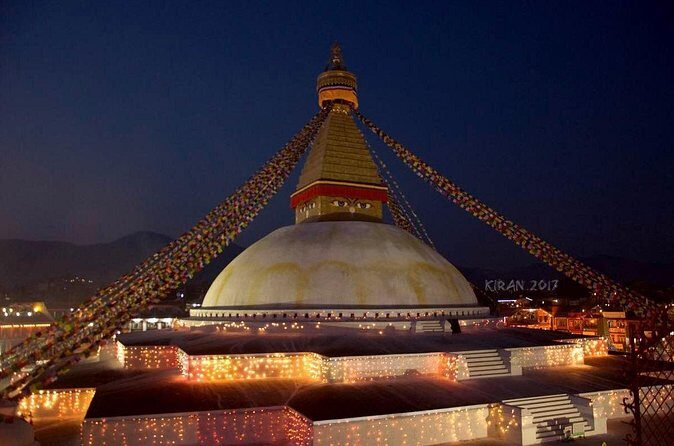
Then you shift to Buddhist Nepal at Boudhanath Stupa. Think big scale, steady rituals, and lots of small details. If you’ve ever been to a stupa in Asia, you’ll recognize the rhythm—people moving along with purpose, prayers and incense as part of the atmosphere.
Swayambhunath
Next is Swayambhunath, the hilltop viewpoint/stupa area that gives you a different angle on the city. There’s usually more walking and climbing here than you’d expect from a quick glance at maps. The payoff is the feeling that you’re looking down on Kathmandu’s layers.
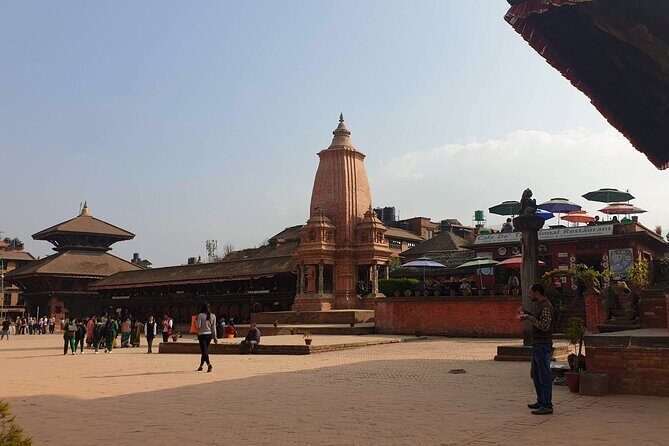
Kathmandu Durbar Square
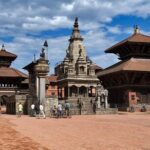
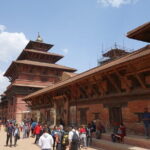
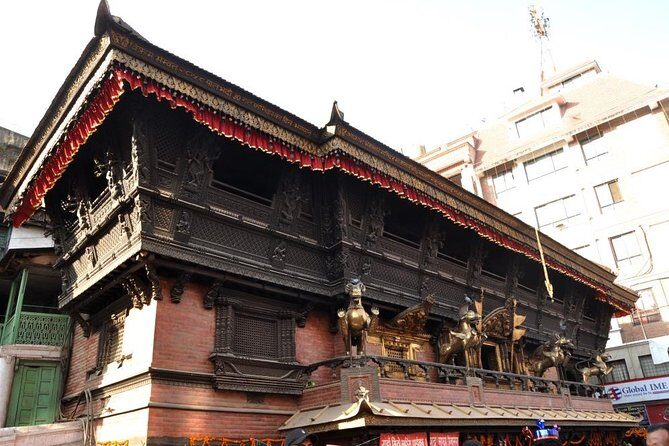
Finally, you reach Kathmandu Durbar Square, a place where the city’s artistic and historic identity shows itself in stone, carvings, and the arrangement of spaces. This stop helps tie the day together. It’s where you see how Kathmandu’s culture lives in the built environment.
The main drawback for Day 2
It’s a full day, and it includes some walking. If you have stiff knees or you’re not used to uneven steps, take your time and bring comfortable shoes. Also remember: monument entrance fees are not included, so you’ll pay extra on top of the tour price.
There’s also an optional add-on you can consider: an Everest Mountain Flight in the morning (listed around 6:00). It’s not included in the package, but it’s an option if clear skies and early mornings work for you.
Day 3: The road to Pokhara via Manakamana Temple
Day 3 is the transition day. After breakfast, you drive to Pokhara (about 7 hours). That’s a long stretch, but it’s not just “time in a vehicle.” The itinerary includes a stop at Manakamana Temple en route.
Manakamana is a meaningful roadside pause: you step into a religious setting tied to the idea of wishes and devotion, and you break up the travel day with a cultural stop that feels purposeful rather than random.
What you gain by doing this drive with a private vehicle
With a private A/C car, the day is easier on your body. You don’t have to hunt schedules, deal with overcrowding, or navigate transfers between operators.
What to watch out for
Road time is road time. Even with comfort, you’ll still be in transit for hours. If you get motion sick, you’ll want to plan for that. And remember that traffic and conditions can shift transfer times, since the duration is approximate.
By the time you arrive in Pokhara, you’ll likely feel like the day did what it should: move you from Kathmandu’s dense sacred city energy to Pokhara’s slower, view-focused rhythm.
Day 4: Sarangkot sunrise and Pokhara’s David’s Fall + Gupteshwar
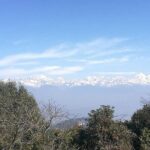
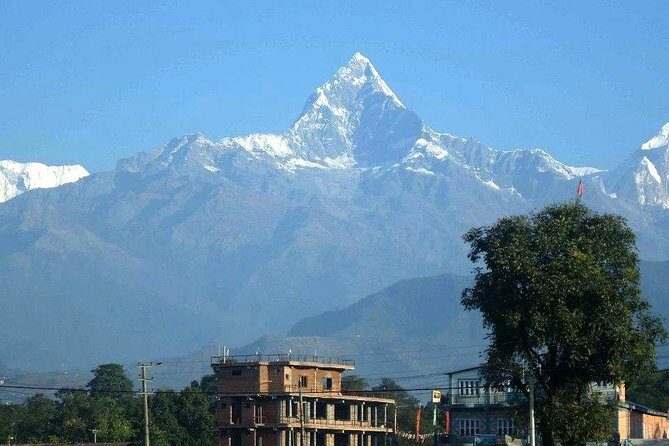
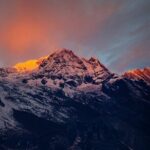
Day 4 is built around one big moment: Sarangkot sunrise. You leave early, around 4:30 AM, for the best chance at a clear horizon and that early light on the mountains. This is the day to take your sleep seriously—because you’ll be rewarded if skies cooperate.
Why Sarangkot is worth the early wake-up
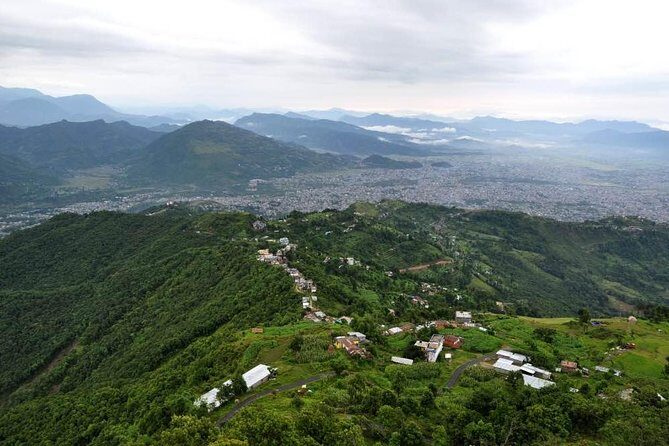
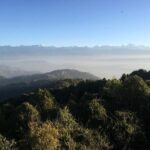
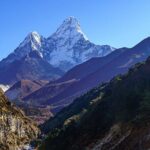
Sarangkot is one of those places where timing matters. The early hour tends to deliver calmer light and more dramatic views than you’d get later. It also changes your perspective: you’re not just in Pokhara—you’re seeing why people plan their entire Nepal trips around a few hours of mountain weather.
David’s Fall
After breakfast, you shift gears to sightseeing. David’s Fall gives you a different kind of “wow,” more about water and spectacle than temples. It’s a strong contrast day: mountains at dawn, then a later stop that feels more playful and visual.
Gupteshwar Mahadev area
Next comes Gupteshwar Mahadev, described as a stop linked to the cave/temple complex area. This is the spot where Pokhara gains a spiritual layer. Caves and shrines often bring a cooler, quieter mood, and it helps balance the natural sights with something cultural.
Day 4 drawback to plan around
It’s a long, mixed day, and it includes entrance fees not included in the package. Also, the morning schedule means you’ll want to keep your evening flexible and avoid late nights the day before.
Day 5: Back to Kathmandu, then Thamel on your own
Day 5 brings the return drive to Kathmandu. After breakfast, you head back and then check in at the hotel. Then comes the smart part: free evening time.
Instead of cramming you into another official tour stop, you get time to explore Thamel, Kathmandu’s tourist area, on foot from your hotel. This is where you can shop, eat, and get your own pace back. It’s also practical. After days of guided sightseeing, you’ll appreciate having space to decide what you want to repeat or what you missed.
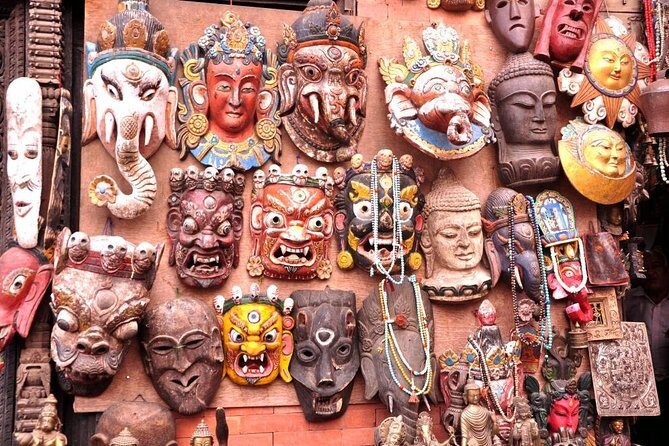
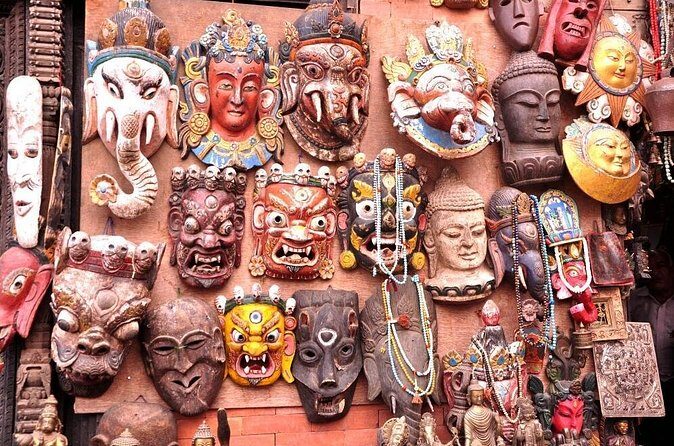
If you’re the kind of traveler who likes gifts and gear—masks, scarves, small souvenirs—this is the evening to handle it.
Day 6: Buffer time for your flight
On your final day, you’re free until your flight time. When it’s time to leave, you’ll transfer to the airport with the stated drive time around 30 minutes.
The best thing about this structure is breathing room. Travel days can feel stressful when you don’t know what time you’ll be picked up or how long things will take. Here, your final day is intentionally unstructured so you can handle packing and last-minute errands.
Who this tour is best for (and who might want a different style)
This package fits best if you want a guided, private itinerary with minimal planning. It’s especially good for:
- Couples and small groups who want private transport and comfortable pacing
- First-timers who would rather not map out routes between Kathmandu and Pokhara
- People who value having a guide for interpretation at major sacred sites
- Travelers who like early mornings for mountain views (Sarangkot)
It might be less ideal if you:
- Hate long car days (the Pokhara drive is about 7 hours)
- Have very limited mobility due to some walking and stair-like areas at temples
- Don’t want to pay extra for entrance fees
Practical notes that will make the trip smoother
A few details from the tour plan are worth keeping in mind:
- You’ll be in smart casual dress for the sightseeing day.
- Expect a small amount of walking during visits.
- Your group is limited (up to 10 per booking), and it’s private in the sense that only your group participates.
- The guides are English speaking, which helps a lot when you’re trying to understand sacred sites beyond what you can read on a sign.
And if you’re thinking about phone use: the returnable SIM is a real convenience. You’ll have connectivity without relying only on hotel Wi-Fi.
Should you book this Kathmandu–Pokhara tour?
If you want a well-organized Kathmandu + Pokhara loop that gives you major highlights without turning your trip into a project, I think this is an easy yes. The value comes from the mix of private A/C transport, guided sightseeing, 3-star breakfast-included hotels, and the small everyday supports like water and a SIM card.
Book it if you’re excited by big sacred-city stops in Kathmandu and you’re willing to get up early for Sarangkot sunrise. Be sure you budget for entrance fees on top, and plan your energy for a couple longer days with driving and walking.
If you want the comfort of a package but prefer total freedom day-to-day, you might find it slightly structured. Still, the free evening in Thamel on Day 5 helps a lot.
FAQ
FAQ
How long is this tour?
It’s listed as 6 days (approx.).
What cities does the tour cover?
You’ll spend time in Kathmandu and Pokhara during the six days.
Is airport pickup included?
Yes. You’ll get a meet-and-greet at Kathmandu airport and a transfer to your hotel.
What’s included in the price?
The package includes private A/C vehicle transport, 5 nights of 3-star hotel with breakfast, an English-speaking guide for the sightseeing portions listed, a returnable local SIM card, and a bottle of mineral water each day.
Are entrance fees included?
No. Monument entrance fees are not included and are listed as $60.00 per person.
Do I get a local SIM card?
Yes. You get one local SIM card for your phone, and it’s returnable.
What’s the schedule like for Sarangkot?
You drive to Sarangkot at around 4:30 AM for sunrise views.
Is there free cancellation?
Yes. You can cancel for free up to 24 hours in advance for a full refund.
How many people are in a booking?
The tour notes a maximum of 10 people per booking, and it’s private for your group.