REVIEW · KATHMANDU
Experiential Career Break trip to Nepal for Gap year and Sabbatical travelers
Book on Viator →Operated by Sabbatical Explore Nepal (Social Tourism Nepal) · Bookable on Viator
Nine days is enough to change your rhythm.
This Nepal trip is built for people on a gap year or sabbatical, with a tight mix of culture, spirituality, and nature—without turning it into a checklist. I like that it pairs big names (like Swayambhunath and Boudhha) with places that feel more personal, like Bajrayogini and the quieter alleys around Panauti.
Two things I really like: you get both “wow” heritage stops and local daily life, from temple courtyards to market streets like Asan. I also like the way the itinerary uses hikes to viewpoints and villages, then brings you back to monastic settings at Namobuddha, where you can learn how monks live and even join in the calmer parts of their day.
One consideration: you should confirm guide language and expectations ahead of time. A past experience included an English-communication problem, so if you rely on English to connect with your guide, ask directly before you book.
In This Review
- Key highlights worth planning for
- How this 9-day career-break route keeps it human
- Day 1 in Kathmandu: Monkey Temple to Asan Market
- Day 2: Boudhha and Bajrayogini, plus a hill viewpoint hike
- Day 3: Nagarkot sunrise views and village welcome in Ghimire Gaun
- Day 4: Tukucha Nala temples and a Dhulikhel hillside transition
- Days 5 and 6: Namobuddha monk mornings (where the quiet is doing the work)
- Day 7: Panauti’s 15th-century temple town and the museum stop
- Day 8: Bhaktapur Durbar Square and Nyatapola
- Day 9: Your flexible Kathmandu time
- Price and value: what $980 buys you here
- Who this tour suits best (and who should think twice)
- Should you book? My practical take
- FAQ
- Where does the tour take place?
- How long is the experience?
- What’s included in the price?
- What isn’t included?
- Is pickup offered, and is it a private tour?
- Can I cancel and get a full refund?
Key highlights worth planning for
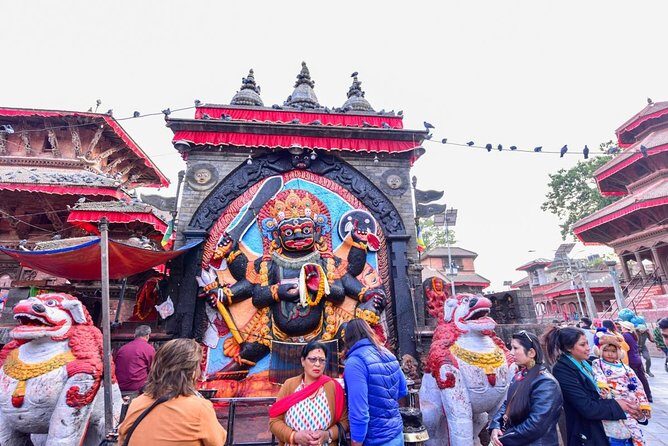
- Kathmandu temple circuit with real texture: Monkey Temple, Kathmandu Durbar Square, Kumari Chowk, Hanuman Dhoka, and local markets in one day
- Offbeat spirituality: a stop at Bajrayogini, plus slower, more reflective time around monastic life
- Nagarkot and Dhulikhel hiking beats: viewpoints by foot, plus village time in the foothills
- Namobuddha mornings with monks: learning the daily routine and joining in meditation-style quiet time
- Panauti’s dense temple town: exploring a 15th-century place with dozens of shrines and a museum stop
- Bhaktapur’s Durbar Square focus: including Nyatapola, one of the standout structures in town
How this 9-day career-break route keeps it human
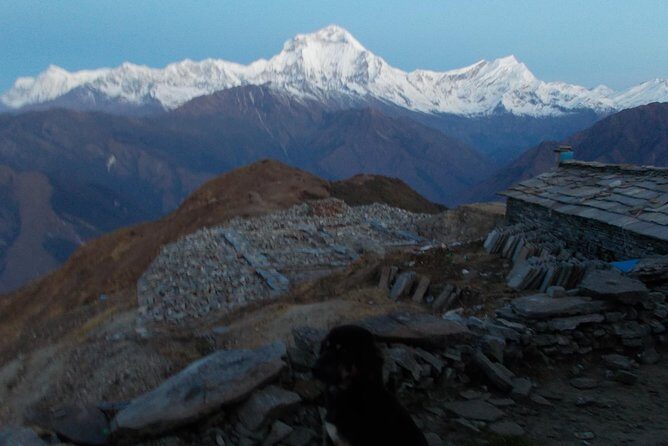
This tour is clearly designed for a certain mindset: you’re not rushing just to say you were in Nepal. You’re meant to slow down enough to notice patterns—religious rhythms, village paths, and the way Kathmandu’s streets change from temple quiet to market noise in minutes.
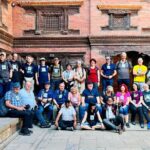
I also like the practical structure. You’re in a private group with private transportation, and your days alternate between walking light-to-moderate segments and longer village or hillside stretches, which helps you keep your energy for what matters.
You can also read our reviews of more tours and experiences in Kathmandu.
Day 1 in Kathmandu: Monkey Temple to Asan Market
Day 1 is all about orientation, in the best way. You start at Swayambhunath (Monkey Temple), a hilltop stupa area that dates back to very early records and has been renovated many times—meaning it’s layered, not frozen in time. The big draw here is the view over Kathmandu Valley and the sense that the place is still actively used for pilgrimage.
Next comes Shobha Bhagawati Bridge and the nearby shrine devoted to Bhagawati. Even if you don’t know every detail of the story, you’ll notice the architecture style and how temple areas pulse during festivals like Dashain.
Then the route threads through smaller, more local stops near Kathmandu Durbar Square—places like Bijayashwari and Nardevi. One practical thing I’d plan for: Nardevi is described as having an Ayurveda scent from medicine shops along the street, so expect smells to be part of the experience, not just sights.
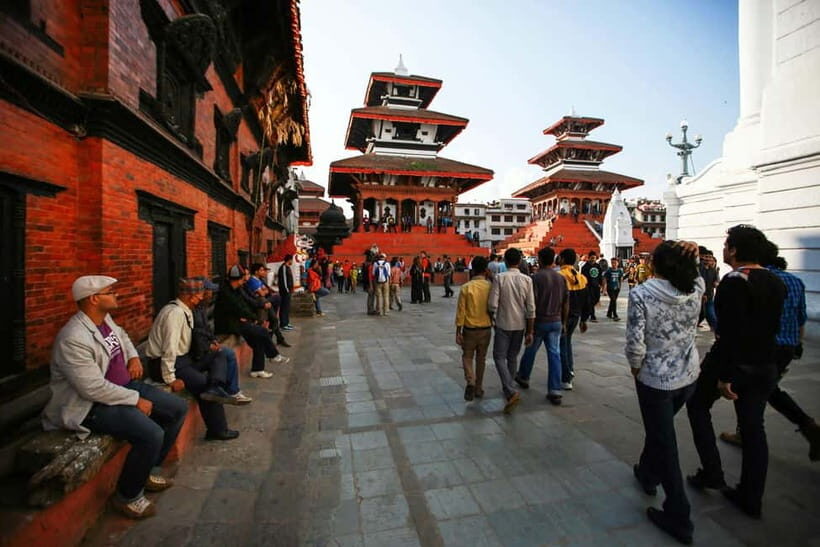
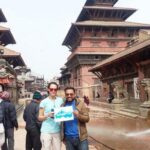
At Kathmandu Durbar Square, you’ll see the palace-area layout of the old Kathmandu kingdom, packed with temples and shrines. Tickets here are marked as not included, so factor that into your day if you’re trying to stay on budget.
Right after, you hit Kumari Chowk, home to the living goddess tradition. The key detail for your expectations: you may be able to visit her house/temple and possibly meet her if timing lines up, but she won’t speak with you.
You finish the cultural run with Hanuman Dhoka, a historical museum of the Kathmandu kingdom. Admission is included on this stop, so you’re not scrambling to pay extra once you’re already tired from temples and stairs.
Then you end with a market-style stop at Asan, a walking street that sells everything from produce to pickles and small everyday goods. If you want Nepal to feel like a living place (not only a museum), Asan is where you’ll get it.
Day 1 drawback to keep in mind: you’re hitting a lot of stops in one sweep. That’s great if you love variety, but it can feel dense if you prefer longer single locations.
Day 2: Boudhha and Bajrayogini, plus a hill viewpoint hike
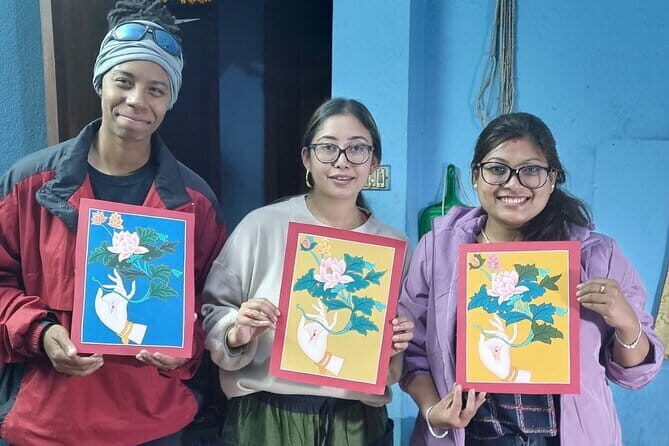
Day 2 balances the famous Tibetan Buddhist landmark with a more unusual spiritual stop. Boudhha is described as the world’s largest Tibetan stupa, surrounded by monasteries and even a thangka painting school. You’ll likely notice prayer flags and the soundscape of chanting; the itinerary specifically references the mantra Om Mane Padhme Hum, so you’ll be primed to hear it as you walk around.
Then you head to Bajrayogini—a temple associated with the idea of a strong woman, where Bajra and Yogini are tied to local story and meaning. The emphasis here is on a guide who can explain the local background, plus time to see what physical details exist there. This is the kind of stop that can turn a trip from “I saw a building” into “I understand why people come here.”
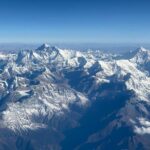
After the temple time, you hike to Jarsing Pauwa View Point (also written as Jaharsingh Pauwa). The point isn’t just the summit; it’s that the hike gives you a break from temples while still keeping the day’s momentum and rewarding you with Himalayan views if the day is clear. Ticket cost is listed as included here.
Day 3: Nagarkot sunrise views and village welcome in Ghimire Gaun
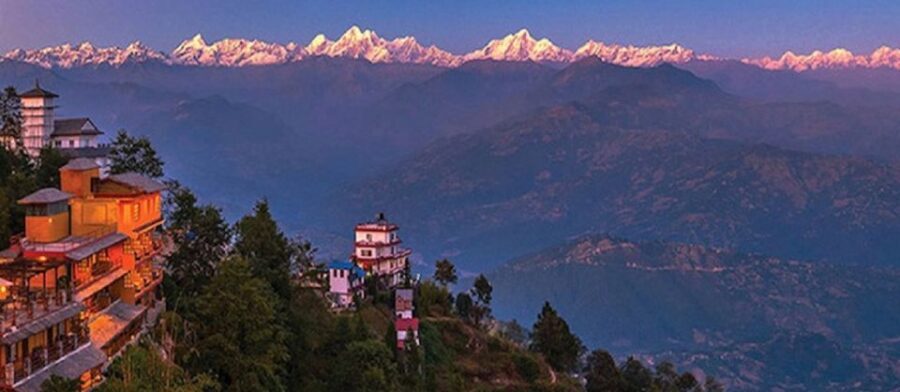
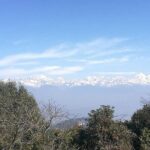
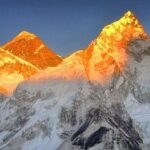
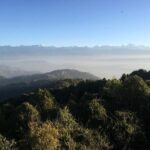
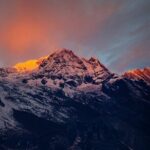
On Day 3 you switch from temple focus to mountain focus. You hike along a Nagarkot panoramic trail, traveling through villages, hills, terrace fields, and woods before reaching the area known for its views. The itinerary frames morning mountain display as the hook here, so aim to be ready for an early start mindset.
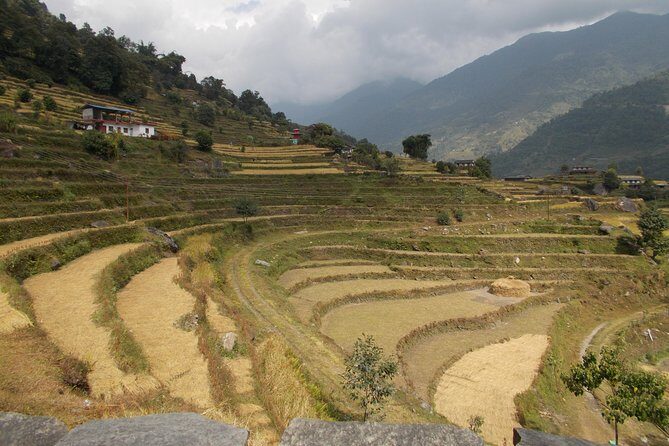
After time at Nagarkot, you get a sunset-view window and then continue the day by hiking to Ghimire Gaun. This is where the trip turns from sightseeing into everyday life: you’re described as being welcomed by the village and spending time experiencing local rhythms in the foothills.
If you’re on a career break, this is the kind of “reset” moment that helps your brain stop multitasking. It’s also a good day if you like learning from people who live with the mountains in the background, not only photographing them.
Day 4: Tukucha Nala temples and a Dhulikhel hillside transition
Day 4 starts in Tukucha Nala, with a monastery visit plus historical local temples. The itinerary highlights that locals guide you around and explain facts, which is a big deal if you want the place to make sense instead of feeling like random stops.
After that, you wander through quieter, “hidden” near-the-village areas. This is the sort of stretch that can be very rewarding if you like walking slowly and letting your guide point out details, but it’s also a day where comfortable shoes matter more than anything you pack for style.
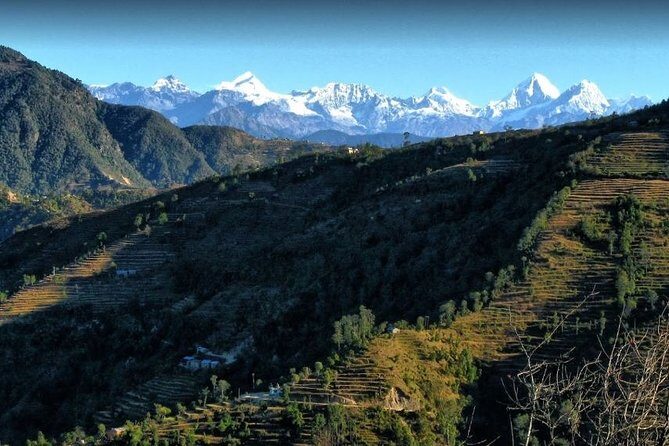
Then you shift again: Nagarkot to Dhulikhel hiking. Dhulikhel is another popular hill station, and the route is described as passing villages and valley greenery, with the possibility of seeing mountains in the backdrop on clear days.

Days 5 and 6: Namobuddha monk mornings (where the quiet is doing the work)
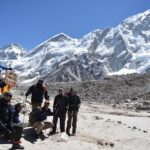
Days 5 and 6 are built around Namobuddha and the associated Thrangu Tashi Yangtse Monastery. These are longer monk-focused days, and they’re the reason this tour doesn’t feel like a typical temple hit-and-run.
Day 5 starts with hiking to Namobuddha from Dhulikhel. At the monastery, you spend tranquil time and learn about the life of monks. It’s not framed as a lecture-only stop; it’s more like learning the setting and how daily routine shapes the place.
Day 6 keeps the same spiritual anchor but adds a different kind of interaction. You enjoy mountain panorama, then descend to a nearby village for a morning hike with the monks, before returning to the monastery for time that includes meditation. The itinerary also references learning daily lifestyle details, so expect the day to feel structured around rhythm rather than around ticking off sites.
If you’re taking a sabbatical, this is where the trip likely feels most “life-changing” in the practical sense: you’re not just viewing; you’re watching how another community carries a day.
Day 7: Panauti’s 15th-century temple town and the museum stop
On Day 7 you get Panauti Village, described as a historical town with temples dating back to the 15th century. The standout detail here is the density of shrines—about 40 iconic temples dedicated to different deities—so you’ll be surrounded by religious architecture in a way that feels immersive without requiring a hike every hour.
You’ll explore houses and streets, which matters because Panauti is not only a sightseeing zone. It’s a place where you can notice how religious life lives right next to ordinary life.
You also visit Panauti Museum, inside the Indreshwor Temple complex. The itinerary points out stone and wooden arts created and evolved within the community. That makes it a good pairing after all the walking, because you can step into a more reflective setting and think about craft, preservation, and meaning.
Day 8: Bhaktapur Durbar Square and Nyatapola
Bhaktapur is the “heritage town” chapter of the trip. You drive into town, then spend time experiencing the Newari town’s culture, food, tradition, and history.
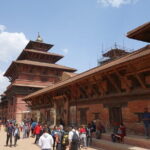
The main ticketed moment is Bhaktapur Durbar Square, where temples and architecture fill the area. The itinerary specifically calls out Nyatapola, a five-storied temple, as the major highlight, and it’s an easy place to focus your attention because it’s so visually dominant.
If you want a final big architectural experience before your last day back in Kathmandu, Bhaktapur is a strong choice. It’s also a good contrast to Kathmandu’s chaos: Bhaktapur feels more like a crafted, contained old-town space where details keep pulling your eyes around.
Day 9: Your flexible Kathmandu time
Day 9 is intentionally lighter. You spend time in Kathmandu as you wish, with the itinerary noting you might revisit places you want again or do local shopping for souvenirs.
This kind of free block is more valuable than it sounds. After hikes, temples, and monastery days, you’ll probably want to decompress. Use the time to catch a view point you missed, buy small gifts, or just sit with a drink and watch the street life roll by.
Price and value: what $980 buys you here
At $980 for about 9 days, you’re paying for a structured private experience rather than a budget backpack route. The package includes private transportation, all fees and taxes, plus a lot of meals: breakfast 7 times, lunch 6 times, and dinner 6 times.
That meal coverage is not a small detail in Nepal. A trip like this depends on keeping energy stable for hiking days and longer walking stretches, and having most meals handled helps you avoid spending time searching for food (or negotiating menus) when you’d rather be out with your guide.
The one “value math” thing to watch: not every temple ticket is automatically included. Kathmandu Durbar Square is marked as not included, while some museum/temple admissions later are included. If you’re the type who hates surprise small fees, ask the operator which spots have extra tickets before you arrive.
Who this tour suits best (and who should think twice)
This fits best if you’re a career-break or sabbatical traveler who wants Nepal with context, not just photos. You should also like a balance of cultural learning, spiritual sites, and daily walking with occasional longer hikes.
It’s also a good choice if you want a private guide who can explain meanings behind places like Bajrayogini and help you connect temple spaces to living tradition.
Think twice if you need extremely flexible timing every day. This itinerary has a clear daily rhythm, and even though it offers a free day at the end, most days are planned with multiple stops.
Also think ahead if English is critical for you. The feedback includes a case where the guide’s English communication was a problem, so ask during booking for an English-speaking guide if that’s non-negotiable.
Should you book? My practical take
I’d book this if you want a private, structured 9-day Nepal experience that mixes Kathmandu heritage, a few more unusual spiritual stops, and then turns the volume down with monastery mornings at Namobuddha. The itinerary is designed to feel thoughtful, not exhausting for the sake of “more places.”
I’d skip or re-check details if you’re very sensitive to language barriers or you hate any kind of hiking. There are multiple hikes and village walks, and while the tour notes that most people can participate, your comfort level still matters.
If you do book, send a quick message before you go: confirm English communication needs, comfortable footwear expectations, and how tickets are handled for Day 1’s Kathmandu Durbar Square. That one step can turn a great trip into a smooth one.
FAQ
Where does the tour take place?
The tour is based in Kathmandu, Nepal, with day trips and hikes around the Kathmandu Valley and nearby areas such as Nagarkot, Dhulikhel, and Bhaktapur.
How long is the experience?
It’s listed as 9 days (approx.).
What’s included in the price?
The price includes private transportation, all fees and taxes, breakfast (7), lunch (6), and dinner (6).
What isn’t included?
Travel insurance and personal expenses are not included.
Is pickup offered, and is it a private tour?
Yes, pickup is offered, and it’s described as a private tour/activity, meaning only your group participates.
Can I cancel and get a full refund?
Yes. It says you can cancel up to 24 hours in advance for a full refund, based on local time.