REVIEW · KATHMANDU
14 Days Everest Base Camp Trek
Book on Viator →Operated by Magic Himalaya Treks · Bookable on Viator
Everest Base Camp feels close, but the trail earns it. This 14-day trek has the big-ticket moments you expect—Everest views, Everest Base Camp at 5,463m, and a sunrise stop at Kalapather—while still walking you through the slower, altitude-smart days that make the whole thing work.
I especially like how the plan balances steady hiking with acclimatization hikes (so you’re not just going higher and hoping). I also like that you’re not left guessing what’s included: guide, porters, government fees, and most meals are covered, plus there’s a medical kit onboard.
One thing to think about: this is a high-altitude trek, and the itinerary includes tough days (including a very long day and early sunrise hiking). If you’re not solid on fitness and altitude pacing, you’ll feel it.
In This Review
- Key moments that make this trek feel worth it
- Kathmandu start: getting organized fast, so you can focus on the trek
- The Lukla flight and Day 2 trail: where Everest begins to feel real
- Namche Bazaar to Dingboche: acclimatization that uses your rest days correctly
- Day 3: River valleys, bridges, and the move toward Namche
- Day 4: a rest day with options that help you acclimatize
- Day 5: Tyangboche—views facing Everest and big mountain names
- Day 6: Dingboche and that Amadablam view
- Day 7: the second rest day becomes the altitude lesson
- To Gorakhshep and Everest Base Camp: the long day, the sunrise day, the payoff
- Day 8: Lobuche, Thukla Pass, and the Everest-risk reality check
- Day 9: Gorekshap to Everest Base Camp—long day energy
- Day 10: Kalapather sunrise at ~5,450m and then back for breakfast
- The return: Namche and Lukla, with a little fun earned on the way back
- Day 11: down to Namche Bazaar via Tengboche/Phortse areas
- Day 12: the last trekking day to Lukla—7 hours of final progress
- Day 13 and 14: flight back, hotel rest, and the wrap-up day
- Guides, porters, and safety: what you’re really paying for
- Price and value: $1,680 covers the heavy lifting, but some costs still sit outside
- What’s included in the cost
- What you must plan to pay separately
- Who should book this Everest Base Camp trek—and who should reconsider
- Should you book this trek with Magic Himalaya Treks?
- FAQ
- What city do you start from for the Everest Base Camp trek?
- How long is the trek?
- How much does the tour cost?
- What’s the meeting time for the experience?
- Are airport pickup and transfers included?
- Are flights included?
- Does the trek include a guide and porters?
- What meals are included during the trek?
- What are the main highlights included in the itinerary?
- What is not included in the price?
Key moments that make this trek feel worth it
A Lukla flight that sets the tone: quick hop in, classic Khumbu chaos out the window.
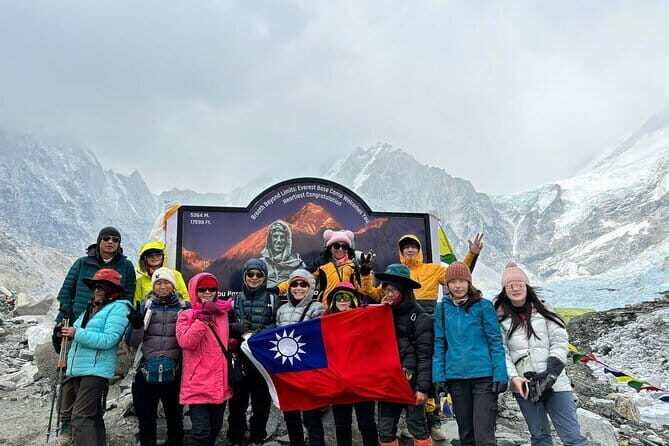
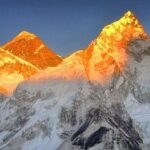
Kalapather at sunrise: close views of Everest from about 5,450m.
Built-in acclimatization: rest days are used for smart climbing, like the Syangboche/Everest View Hotel options.
Thukla Pass monuments: a sobering reminder of the risks around Everest.
Support that’s praised by name: guides and staff described as professional, encouraging, and safety-first, including Santaji and Nabin.
Kathmandu start: getting organized fast, so you can focus on the trek
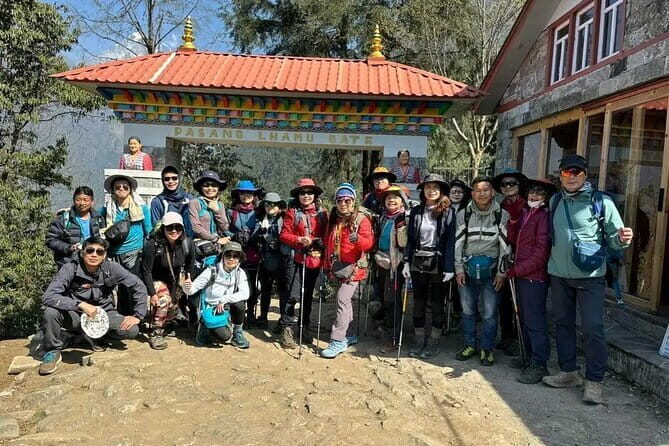
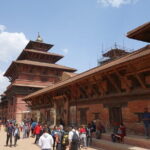
Your trek begins in Kathmandu, with representatives meeting you after you land at Tribhuvan International Airport. You’re not handed off to a random office and sent on your way. There’s a person with your name at the airport, then the logistics begin.
Why I like this approach: for Everest treks, the first day matters more than it sounds. If you spend your energy figuring out phones, transport, and timing, you lose time you’ll wish you had later. A pickup plan plus private airport transfers help you get your bearings fast.
You’ll also want your first day to set your mindset. Kathmandu is busy. The trek is not. So use Day 1 to keep expectations realistic. Expect good meals, sleep that you can actually use, and enough time to review gear basics like water bottles, warm layers, and a headlamp.
You can also read our reviews of more hiking tours in Kathmandu
The Lukla flight and Day 2 trail: where Everest begins to feel real
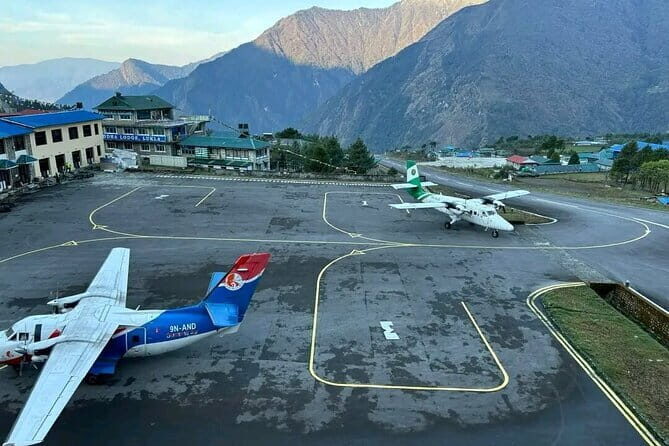
On Day 2, the guide meets you at the hotel and takes you to the domestic terminal for the flight to Lukla. You meet porters, then you start trekking—downhill to begin—before you fully settle into the rhythm of the Khumbu.
This flight is one of the highlight parts of the experience. Lukla is famous for challenging landings, and this is the moment most people remember because it changes the trip from itinerary-on-paper to mountains-in-front-of-you.
Practical note: that first day’s walking is typically about momentum, not scenery perfection. You’ll likely feel the altitude soon enough, even if Day 2 starts with a “warm-up” feel. Your goal is to keep breathing controlled and walking steady.
Namche Bazaar to Dingboche: acclimatization that uses your rest days correctly
Days 3 to 7 are where the trek becomes a true trekking test, not just a sightseeing route. The key is the pacing. You’re moving through classic Khumbu villages—crossing suspension bridges and following the Dudhkoshi river corridor—while the itinerary gives you built-in chances to adjust to altitude.
Day 3: River valleys, bridges, and the move toward Namche
Day 3 continues along the Dudhkoshi river and includes multiple suspension bridge crossings. You stop for lunch in Jorsella village, then you keep walking toward Namche Bazaar.
Why this matters: the suspension bridges and constant walking along a river valley can hide how demanding the route is. Take it slow here. It’s easier to overdo it early, then pay for it later when the gradient and altitude stack up.
Day 4: a rest day with options that help you acclimatize
Day 4 is described as the first rest day, but it doesn’t mean “sit and do nothing.” You’ll go for a hike that supports proper acclimatization. The trek offers options like a Syangboche viewpoint or the Everest View Hotel area.
This is a smart design. You’ll still “do something,” but it’s controlled effort. You also get a taste of Everest-scale views without forcing a full grind-day.

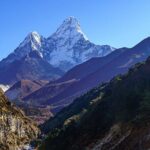
Day 5: Tyangboche—views facing Everest and big mountain names
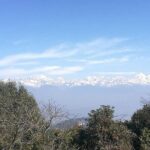
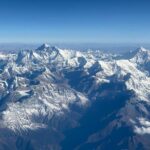
On Day 5 you get what the itinerary calls the best walk so far: walking while facing Mount Everest and other ranges. You’ll see peaks like Ama Dablam, Thamserku, and Taboche.
The upside of this day: it’s not just about reaching a village. It’s about having walking segments where the mountains keep showing up. That keeps you mentally engaged when your legs start negotiating.
Day 6: Dingboche and that Amadablam view
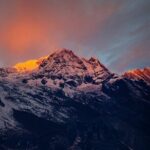
Day 6 is the shortest hiking day, about 4 hours, to reach Dingboche for lunch. The route passes Pangbochea and Sanasa, and you get an incredible view of Amadablam mountain.
Short day plus a major view is a good combo. You can save energy and still feel like you’re progressing. Dingboche also gives you a chance to settle before the next acclimatization push.
Day 7: the second rest day becomes the altitude lesson
Day 7 is another rest day, but you’ll hike to Nangkartshang hill at around 5,000m to get views over Imja Tse Valley and peaks like Island Peak and others.
Why this is valuable: altitude works in boring math—your body needs exposure to change. A hill hike at this stage helps your acclimatization strategy without turning your “rest day” into a death march.
To Gorakhshep and Everest Base Camp: the long day, the sunrise day, the payoff
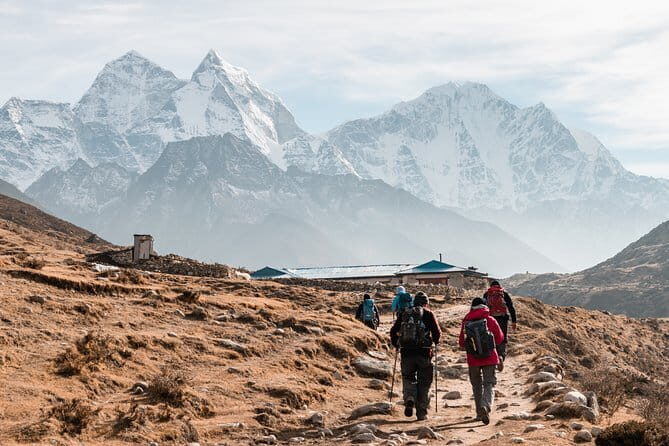
This trek’s core sequence is Days 8 to 10. It’s where you go from “we’re in the Everest region” to “we’re actually playing the Everest game.”
Day 8: Lobuche, Thukla Pass, and the Everest-risk reality check
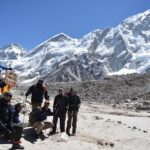
On Day 8 you walk toward Lobuche, passing Thukla and Thukla Pass. At Thukla Pass you’ll see monuments made by famous climbers.
This is one of the most human stops on the route. It’s not only scenic; it adds perspective. Everest attracts attention, but the pass reminds you that high mountains demand respect and planning.
Day 9: Gorekshap to Everest Base Camp—long day energy
Day 9 is one of the longest days. You walk toward Gorekshap in the morning, then reach it for a light lunch. After that you continue toward Everest Base Camp, walking for about two hours before arriving at base camp.
What makes this day tough: the distance isn’t the only factor. By now you’re high, and the “last push” has a way of feeling longer than it looks on paper.
The good news: reaching Everest Base Camp at about 5,463m is the kind of moment that snaps everything into focus. Also, the base camp itself changes every year as glaciers shift, so each season’s setup is its own version of the place.
Day 10: Kalapather sunrise at ~5,450m and then back for breakfast
Early on Day 10 you hike to Kalapather for sunrise views and mountain scenery. After you reach the top and take pictures and rest a bit, you go back down to Gorekshap for breakfast.
Kalapather is included for a reason: it’s one of the closest viewpoint-style experiences for Everest. Even if you already visited base camp the day before, sunrise views from a high point can feel like a different story.
And yes—this is early. If you’re the type who needs time to wake up, bring that headlamp and plan to move with intention. Warm layers matter more than you think before the sun climbs.
The return: Namche and Lukla, with a little fun earned on the way back
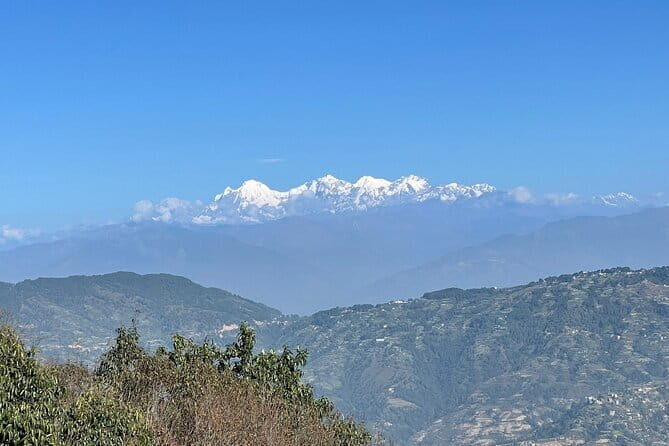
The final stretch is your “earned legs” phase. You’ve done the hardest moving. Now you’re working through fatigue, altitude hangovers (even when you drop), and the mental switch from goal-chasing to enjoying the trail.
Day 11: down to Namche Bazaar via Tengboche/Phortse areas
On Day 11, after breakfast you hike down toward Namche Bazaar, passing Pangbochea and Tengboche. Lunch is at Phortse Tangha, and once you reach Namche there’s time to enjoy the bar and pubs.
This matters more than people think. Namche is a reset point. After days of thin air and consistent trekking, having a meal and a bit of low-key social time helps your brain download the trip’s impact.
Day 12: the last trekking day to Lukla—7 hours of final progress
Day 12 is the last trek day, about 7 hours from Namche Bazaar to Lukla, with lunch in Phakding. It’s also described as a celebration day, making porters happy.
This is a small detail, but it’s a big one. On Everest treks, porters are not extras. They’re a key reason you can keep your pace and stay comfortable enough to keep moving.
Day 13 and 14: flight back, hotel rest, and the wrap-up day
Day 13 is flight-dependent. You head to the airport early, then once in Kathmandu your driver picks you up and transfers you to your hotel for a full rest day (accommodation and breakfast provided).
Day 14 is your final day in Nepal and includes breakfast, then you fly home.
Guides, porters, and safety: what you’re really paying for
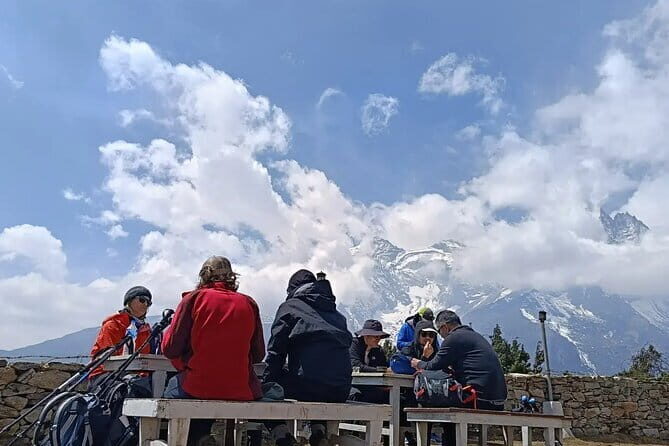
This trek includes an experienced licensed guide and required porters, with their salary and expenses covered. You also get a medical kit box and required medicine for the trek.
Why that matters to you: high-altitude travel is about decisions, not just views. The itinerary includes rest days with climbing, early sunrise hiking, and long days. That’s where good guidance shows up—helping you pace, interpret how you’re feeling, and move safely.
The reviews highlight professionalism and encouragement. People specifically praised guides (including named staff like Santaji and Nabin) for being helpful and never making things harder than they need to be. There’s also praise for safety-first priorities, even in situations where altitude can affect reaching every planned objective.
Also, the trip is described as private, meaning it’s only your group. That can make pacing feel more natural, and it helps coordination for early flights and tight schedule days.
Price and value: $1,680 covers the heavy lifting, but some costs still sit outside
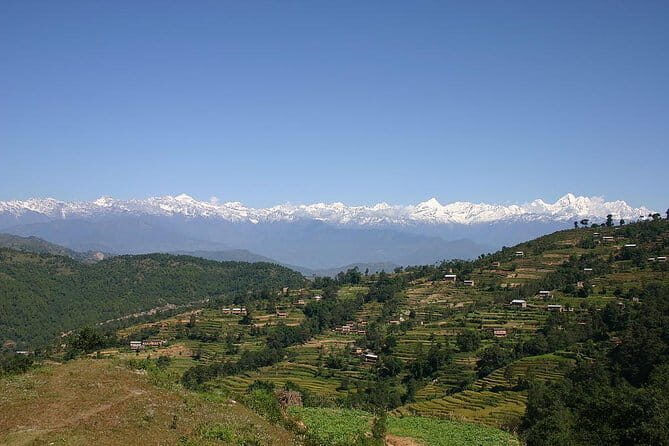
At $1,680 per person, the big question is what you actually get for your money—and what you need to budget separately.
What’s included in the cost
From the provided details, the trek includes:
- Government fees (Khumbu Municipality charges, Sagarmatha National Park entrance fee) plus government tax and VAT
- An experienced licensed guide and required porters
- Medical kit box and required medicine
- Air-conditioned vehicle in Kathmandu and round tickets for the guide and clients to Lukla
- Airport pickup and drop using private transportation
- Meals: breakfast (13), lunch (11), dinner (13)
That’s not a small list. Many Everest treks price low and then hit you with add-ons for flights, permits/fees, and guiding/porter costs. Here, the structure suggests you’re paying for the core service, not just the walking route.
What you must plan to pay separately
Not included costs are clearly listed:
- Personal expenses
- Tips for guide and porters (not optional; described as compulsory)
- Bar bills (alcoholic and non-alcoholic drinks)
- Rescue operation in an emergency
- Extra items during breakfast, lunch, and dinner
- Nepal entry visa fee
- Travel insurance for the trek
- International flights and departure tax
My practical advice: treat tips, visa, and insurance as part of your real budget. Also, rescue insurance matters in a trek like this, even if you never need it.
Who should book this Everest Base Camp trek—and who should reconsider
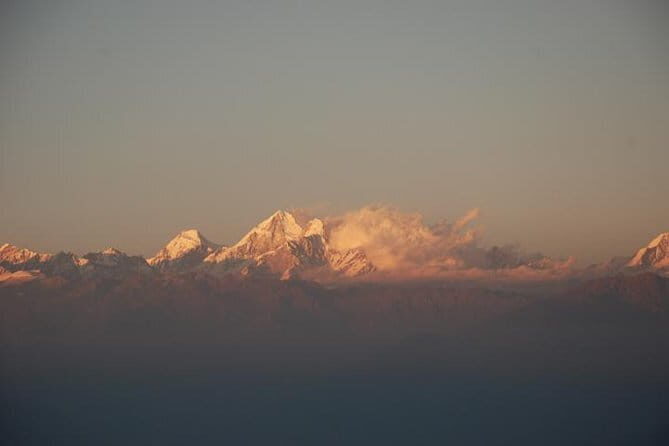
This trek asks for strong physical fitness. It’s not a gentle stroll. You’ll do suspension-bridge walking, days around 4 to 6 hours, a very long day, and at least one early sunrise hike.
It’s a great fit if:
- You want the classic Everest Base Camp route with a strong acclimatization plan
- You like having clear structure (rest days used for smart hiking, not wasted time)
- You want a provider that’s been described as professional and supportive, including named guides like Santaji and Nabin
It might not be the right fit if:
- You’re worried about altitude and still want a “no matter what” summit-style outcome
- You hate early mornings (Day 10 starts early for Kalapather sunrise)
- Your fitness is still developing and you’d rather avoid long trekking days
One more honest point: base camp at 5,463m is not a casual stop. Even with good planning, altitude can change how your body responds.
Should you book this trek with Magic Himalaya Treks?
If you want a solid, well-structured Everest Base Camp program with most logistics handled, I’d say this is worth serious consideration. The inclusion list is strong, and the itinerary does a key thing well: it doesn’t treat acclimatization as optional. Instead, it builds in rest-day hikes and uses viewpoints like Syangboche/Everest View Hotel and Kalapather to keep the journey rewarding.
Before you book, do your homework on the non-negotiables: fitness for multi-hour days, warm clothing for high points, and realistic budgeting for visa, insurance, and the compulsory tips.
If that sounds like you, you’ll likely love what this trek delivers: Everest views, a true expedition feel, and a guided experience that prioritizes safety and keeps things organized from the moment you land in Kathmandu.
FAQ
What city do you start from for the Everest Base Camp trek?
The trek is based in Kathmandu, Nepal, and the trip begins there after you arrive at Tribhuvan International Airport.
How long is the trek?
The duration is 14 days approximately.
How much does the tour cost?
The price is $1,680.00 per person.
What’s the meeting time for the experience?
The start time is listed as 12:45 pm.
Are airport pickup and transfers included?
Yes. You get airport pickup and drop using private transportation, plus an air-conditioned vehicle for Kathmandu to Lukla travel arrangements.
Are flights included?
Yes, round tickets for the guide and clients to Lukla are included (with the flight part handled from Kathmandu to Lukla).
Does the trek include a guide and porters?
Yes. It includes an experienced licensed guide and required porters, with their salary and expenses covered.
What meals are included during the trek?
Breakfast is provided for 13 days, lunch for 11 days, and dinner for 13 days.
What are the main highlights included in the itinerary?
The trek includes reaching Everest Base Camp at about 5,463 meters, hiking to Kalapather around 5,450 meters for sunrise views, and the Lukla flight landing described as a major highlight.
What is not included in the price?
Not included are personal expenses, tips for guide and porters (compulsory), bar bills, rescue operation costs, extra items during meals, Nepal entry visa fee, travel insurance for the trek, and international flights/departure tax.