REVIEW · KATHMANDU
Explore The Beauty Of Langtang Valley In 8-Days Trek
Book on Viator →Operated by Bold Himalaya Treks and Travels Pvt Ltd · Bookable on Viator
A valley that feels close to the sky. This 8-day Langtang trek takes you from Kathmandu’s chaos into pine forests, high yak-cheese country, and panoramic Himalayan viewpoints, with real human support along the way. The flexible pace and experienced guide approach are the big reasons this trip works for different fitness levels.
I love that the trek is built around practical day-to-day rhythm: solid climbs, rest breaks, and regular refreshment stops so you can keep moving without feeling rushed. I also like that the company doesn’t just drop you on a trail; guides share Himalayan culture and nature, so the scenery comes with meaning, not just photos.
One consideration: altitudes ramp up quickly from day to day, with the top viewpoint option (Tserko Ri) sitting at 4,984m. If you’re new to high-altitude trekking, you’ll need patience with your pace and breathing, even if the itinerary offers room to slow down.
In This Review
- Key highlights you’ll feel on the trail
- Langtang Valley in 8 Days: the vibe and the value
- Kathmandu pickup, then straight to Syabrubesi (Day 1)
- Day 2 to Lama Hotel: suspension bridges and a real climb
- Day 3 to Langtang Village: forests, meadows, and higher air
- Day 4 to Kyanjin Gompa: a shorter day with big panoramas
- Day 5: Kyanjin Gompa exploration and the optional Tserko Ri peak
- Day 6 return to Lama Hotel: why retracing can feel easier
- Day 7 back to Syabrubesi: green forests and an easier wind-down
- Day 8 Kathmandu again: reflect while the valley fades
- Teahouses, meals, and the cultural night you shouldn’t skip
- Your guide and the human support factor (often the real difference)
- Price and logistics: what $270 buys (and what you still handle)
- Who this trek suits best (and who should think twice)
- Practical tips before you go (so the trek feels easy)
- Should you book this 8-day Langtang Valley trek?
- FAQ
- Where does the trek start?
- How long is the Langtang Valley trek?
- Is pickup and drop-off included?
- What kind of accommodation is included on the trek?
- Are meals included?
- Is there a guide, and what language do they speak?
- Is the Tserko Ri hike required?
- Are Kathmandu hotels included in the price?
- Is free cancellation available?
- Do I need to send a passport copy or get a SIM card?
Key highlights you’ll feel on the trail
- Hotel pickup and drop-off in Kathmandu, so you don’t spend your first day figuring out logistics
- Teahouse accommodation along the route plus full meals (breakfast, lunch, dinner)
- Licensed English guide for small groups (up to 5 trekkers) for steadier support
- Suspension-bridge day with dramatic Bhote Koshi and Langtang crossings
- Kyanjin Gompa + optional Tserko Ri for big views without forcing a peak push
Langtang Valley in 8 Days: the vibe and the value
Langtang Valley is one of those treks where the mountains don’t just decorate the background. They shape your day. Each stage builds toward higher villages and viewpoints, and you get rewarded with that unmistakable switch from forest shade to open air and wide ridgelines.
At $270 per person for an 8-day trek, this stands out on value because so much is wrapped into the package. You’re not just buying a route; you’re buying the structure: teahouse lodging along the way, meals, and a guide (plus pickup and drop-off in Kathmandu). For many people, that’s the difference between a fun trek and a stressful one.
You can also read our reviews of more hiking tours in Kathmandu
Kathmandu pickup, then straight to Syabrubesi (Day 1)
Your trip starts with a meet-up point at Tribhuvan International Airport area. From there, you’re driven to Syabrubesi, about a 6-hour ride in a shared jeep.
This drive matters more than people expect. The road journey lets you settle in, watch the river valleys and villages flow by, and start mentally switching from city time to mountain time. You also get an early taste of Nepal’s everyday texture: roadside views, water rushing through the terrain, and small settlements that feel like they’ve been here forever.
If you’re the type who gets nervous about traveling first and hiking later, this first-day transfer is a relief. You spend less energy on getting oriented and more on getting ready.
Day 2 to Lama Hotel: suspension bridges and a real climb
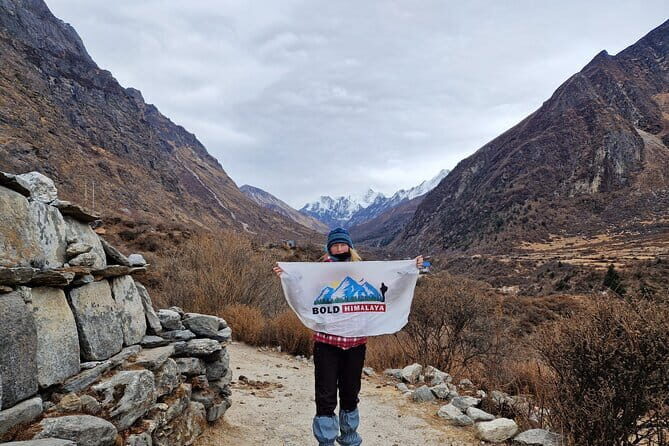
Day 2 begins with the trek from Syabrubesi to Lama Hotel (2,380m), taking around 5.5 hours. The route includes suspension bridges over the Bhote Koshi and Langtang areas, which is a classic Langtang feeling: you get those moments where the valley opens and the bridge sways just enough to remind you you’re alive.
This is also where the trip starts turning into a fitness test. Not an extreme one, but you should expect steady uphill effort. The good news is that the plan includes regular breaks and refreshments, which helps you manage energy without forcing a sprint.
Practical takeaway: if you’re new, use the bridges and stops to reset your breathing. Trekking at altitude isn’t about heroics. It’s about rhythm.
Day 3 to Langtang Village: forests, meadows, and higher air
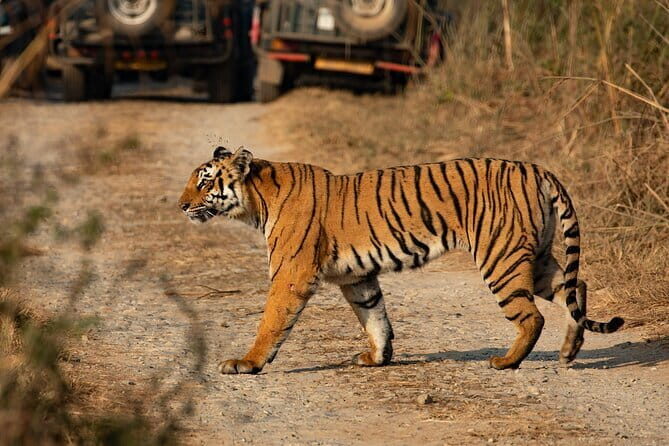
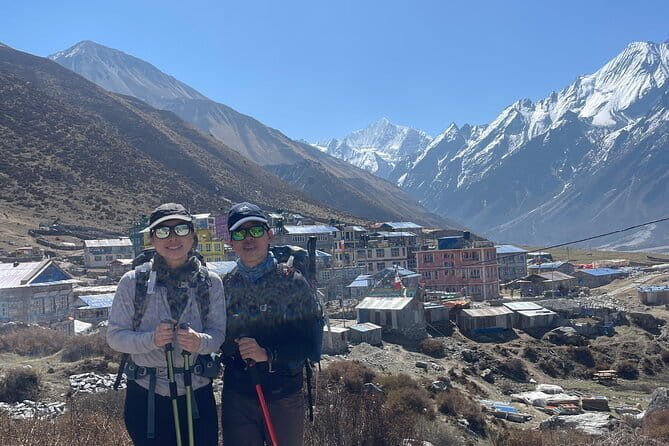
On Day 3, you trek from Lama Hotel to Langtang Village (3,430m) for about 6 hours. This segment is all about transition. You move through forests and meadows, and the terrain gradually lifts you into thinner air and bigger views.
By this stage, the itinerary’s flexibility becomes more valuable. The trip is designed to accommodate beginners and experienced hikers, with room for additional breaks to take photos and slow down when needed. That’s not just comfort talk. It’s an altitude strategy. Going too hard early is how people feel rough later.
Tip from how the trek is framed: pace yourself like you’re saving matches for later. You’ll still enjoy the scenery when you’re breathing comfortably enough to notice it.
Day 4 to Kyanjin Gompa: a shorter day with big panoramas
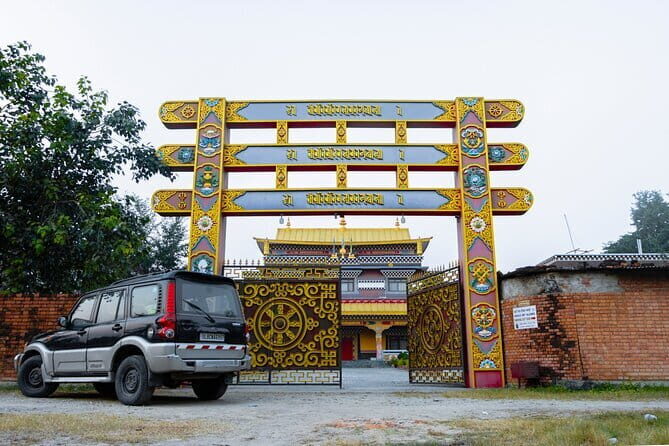
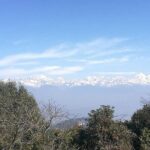
Day 4 takes you from Langtang Village to Kyanjin Gompa (3,870m) in roughly 4.5 hours. This is a shorter trek on paper, but the payoff is strong: starting with breathtaking mountain views, you reach a high, dramatic base for exploring the area.
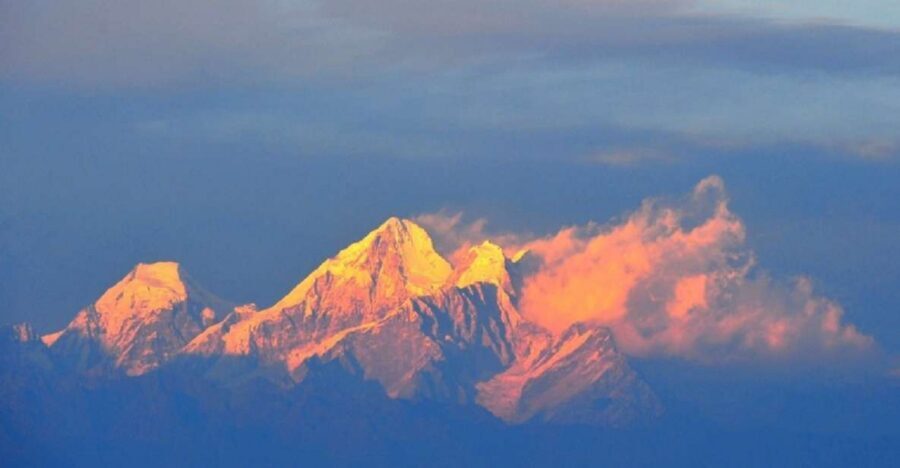
Kyanjin Gompa is a classic Langtang destination because it feels like the valley’s high-living center. The air is sharper, the views are broader, and the sense of being “in the mountains” becomes undeniable.
If you like your days balanced (not too long, not too short), this one hits the sweet spot. You get a manageable walk, then time to look around instead of rushing straight onward.
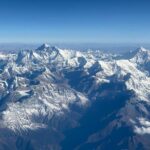
Day 5: Kyanjin Gompa exploration and the optional Tserko Ri peak
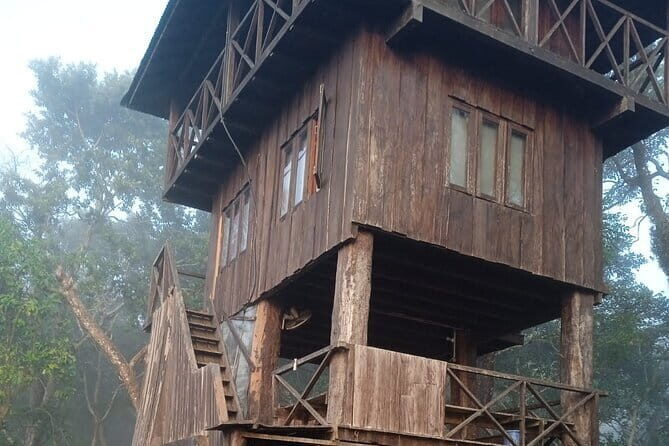
Day 5 is where you decide how you want the trek to feel.
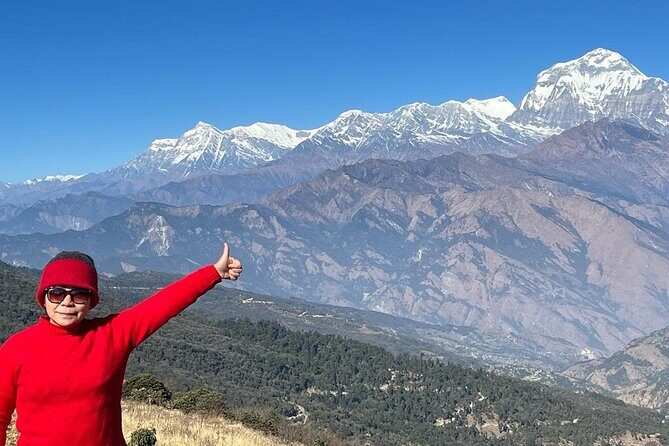
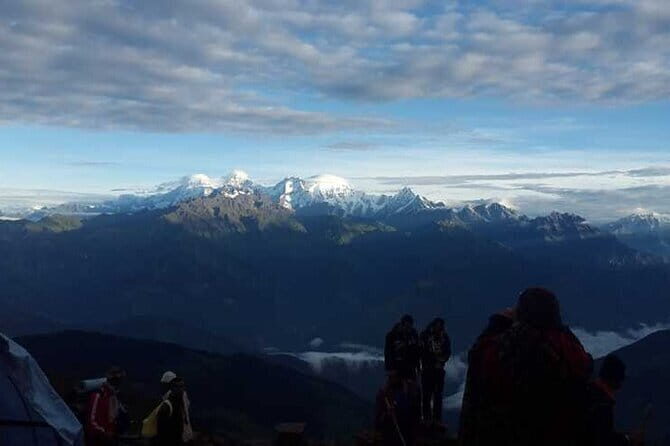
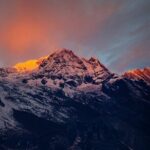
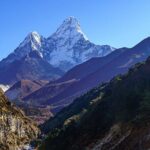
You wake up with a 360-degree view of the Himalayas as you explore Kyanjin Gompa, then you have an optional climb to Tserko Ri (4,984m). The optional route is about 7 hours, and it’s described as a beautiful peak on the Langtang trek route.
A smart way to use this day:
- If you feel good, go for Tserko Ri. The payoff is the kind of viewpoint you remember years later.
- If you feel even slightly off, skip it and keep your focus on steady acclimatization and enjoying the gompa area.
This trip’s best feature is that it doesn’t pretend everyone should do the same hard push. The option is there. Your body gets to choose.
Day 6 return to Lama Hotel: why retracing can feel easier
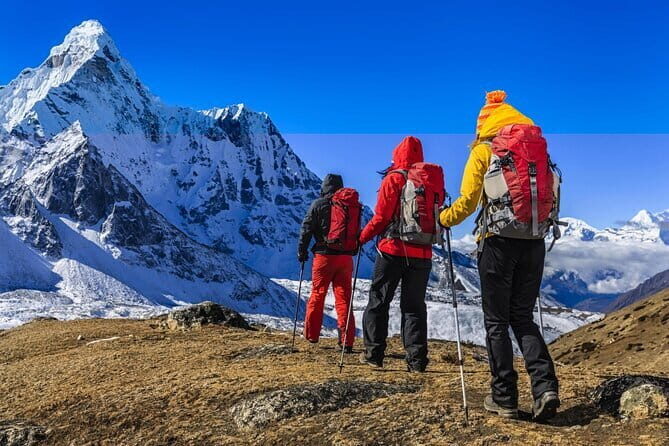
Day 6 drops back to Lama Hotel (2,380m) for about 6 hours. You’re retracing steps through the valley, and that usually feels easier mentally even if your legs still work.
Retreating down helps with altitude strain. Your breathing gets easier, and your mind has room to enjoy what you might have rushed past on the way up.
Practical note: downhill trekking can still be tough on knees. Use careful footing and take your time during descents. The guide and planned breaks make this smoother, especially if you’re not a seasoned hiker.
Day 7 back to Syabrubesi: green forests and an easier wind-down
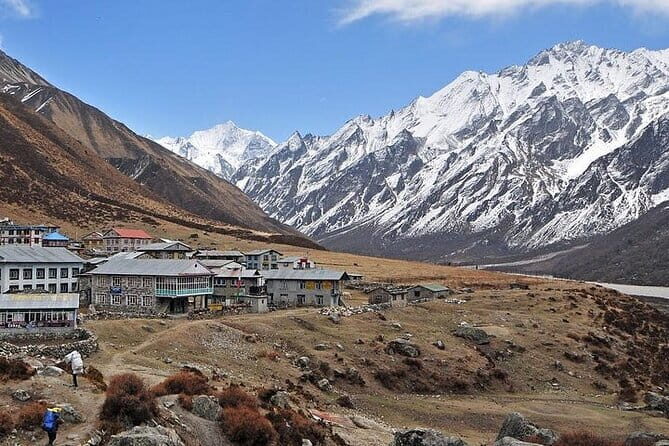
On Day 7, you trek back to Syabrubesi, around 5 hours. The description emphasizes lush green forests and rolling hills, plus the soundscape of rivers.
This day often feels like a reward after the higher stretch. You’re not chasing summit meters anymore. You’re moving through softer scenery, which makes the trek feel like it’s ending the right way.
Day 8 Kathmandu again: reflect while the valley fades
Day 8 is the drive back to Kathmandu, about 6 hours. You’ll pass through scenic mountain views and towns along the way, which helps make the return feel like part of the journey rather than a hard stop.
It’s also the day you’ll likely be grateful for the early logistics the tour handles. When you’re tired, the last thing you want is to start hunting for rides and hotel rooms.
Teahouses, meals, and the cultural night you shouldn’t skip
This trek includes accommodation in teahouses along the route, described as among the best available on the route. Teahouses aren’t luxury hotels, but they’re a big reason group treks work: your sleep and basic comfort are handled.
Meals are included: 7 breakfasts, 8 lunches, and 7 dinners, plus sometimes seasonal fruits. That’s a practical setup. You’re not rationing money or searching for food at inconvenient times. You can focus on walking and resting.
The package also includes one special cultural show and a farewell dinner program. This matters because trekking trips can start to feel purely physical. A cultural night breaks the spell and brings you back to Nepal as a living place, not just scenery.
Your guide and the human support factor (often the real difference)
The trek includes an in-person English guide, licensed, and supported with salary, lodging, meals, and insurance. That’s not a small detail. It’s what makes the difference between a trek that runs smoothly and one that turns into improvisation.
One thing I really like about this operator style is how support gets individualized. In past experiences with Bold Himalaya Treks and Travels Pvt Ltd, the team has been described as responsive and careful with details—so much so that Sorbit (also spelled Sobit in one account) reportedly stepped in when luggage didn’t arrive in Kathmandu, meeting the traveler and helping handle essentials around Thamel.
And on the guiding side, Garap was specifically praised for outstanding, patient help on a solo first high-altitude trek. That kind of temperament is gold when you’re learning how to pace yourself.
What this means for you: you’re not only paying for directions. You’re paying for someone who helps you make the trek feel manageable.
Price and logistics: what $270 buys (and what you still handle)
Let’s talk value plainly. For $270, you get:
- Teahouse accommodation along the trek route
- Guide support (licensed, English, insured, with food/lodging included)
- Meals: breakfast, lunch, dinner across the days
- Kathmandu pickup and drop-off
- A cultural show plus a farewell dinner program
- Group structure that keeps it small (licensed guide for up to 5 trekkers)
What’s not included:
- Bar bills
- Personal expenses
So you’ll still need to budget for your own drinks, snacks, and anything beyond the core meals. But compared with tours where half the costs sneak in later, this package is fairly straightforward.
Also note the plan is described as fully customizable. That flexibility can be the real “value upgrade.” If your body needs a slower day, you’re not locked into a one-size itinerary.
Who this trek suits best (and who should think twice)
This trek is positioned for most people, from beginners to experienced trekkers, with a key recommendation: if you’re new, walk at your own pace. That helps you acclimate more effectively.
So who tends to love it:
- First-time trekkers who want a clear structure and support
- People who don’t want to worry about meals and teahouse planning
- Anyone who likes guided cultural context, not just mile counting
- Small-group hikers who want attention without crowd noise
Who should consider extra caution:
- Anyone who hates altitude days and refuses to slow down when breathing changes
- People who won’t handle downhill footwork well (you do a full return trek)
- Those who want absolute luxury comfort on every night (teahouses are practical, not hotel-style)
Practical tips before you go (so the trek feels easy)
A few grounded tips based on how this trip is set up:
1) Pace beats speed
The itinerary gives you breaks and flexibility. Use them. Your best day is the one where you still feel good the next morning.
2) Be ready for a SIM and documents
After booking, you’ll be asked to send a copy of your passport so documents can be prepared. And it’s advised to check your phone and get a local SIM card upon arrival.
3) Plan your budget for small extras
Bar bills and personal expenses are on you. If you drink tea a lot, buy extra snacks, or want souvenirs, keep a cash buffer.
4) Consider your Tserko Ri decision early
Don’t treat the optional peak like a last-minute impulse. If you feel great, great. If not, the gompa views and the whole high-valley experience still deliver.
Should you book this 8-day Langtang Valley trek?
I’d book this if you want a guided Langtang trek that feels organized, human, and adaptable. The combination of teahouses + full meals + an insured English guide is a strong recipe for peace of mind. And the small-group setup (up to 5 trekkers per guide) makes it easier to manage pace, questions, and comfort.
I’d hesitate if you’re very altitude-averse or you need an ultra-fast schedule with zero flexibility. This is an 8-day trek that works best when you’re willing to move steadily, take breaks, and let the mountains set the tempo.
If you like thoughtful pacing, cultural touches, and big viewpoints you can choose to earn, this is a solid way to experience Langtang Valley.
FAQ
Where does the trek start?
The start point is in the Kathmandu area, specifically at Tribhuvan International Airport Ring Rd, Kathmandu.
How long is the Langtang Valley trek?
It’s listed as 8 days (approx.).
Is pickup and drop-off included?
Yes. Hotel pickup and drop-off in Kathmandu are included.
What kind of accommodation is included on the trek?
You get accommodation in teahouses along the trek route.
Are meals included?
Yes. Breakfast (7), Lunch (8), and Dinner (7) are included, and there may be seasonal fruits during the trek.
Is there a guide, and what language do they speak?
Yes. You’ll have an English-speaking in-person guide. The guide is licensed, and the guide-to-group support is described as up to 5 trekkers.
Is the Tserko Ri hike required?
No. The hike to Tserko Ri (4,984m) is described as optional.
Are Kathmandu hotels included in the price?
Kathmandu accommodation options ranging from 3-star to 5-star are mentioned as available at an extra cost.
Is free cancellation available?
Yes. Free cancellation is available up to 24 hours in advance for a full refund.
Do I need to send a passport copy or get a SIM card?
After booking, you’re asked to send a copy of your passport to prepare documents. It’s also recommended to check your phone and get a local SIM card upon arrival.