REVIEW · KATHMANDU
Everest Base Camp Helicopter Tour landing at Hotel Everest View
Book on Viator →Operated by Adventure White Mountain Pvt.Ltd · Bookable on Viator
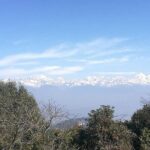
Everest looks different at 10,000 feet. This helicopter tour strings together short flights and smart stops for big Everest views without days of trekking.
I particularly love the chance to see Kala Patthar from the air and get that close-to-Everest feeling in a very short window. I also like that logistics are handled by a real operator on the ground—names like Dipak Sapkota show up in the handling—so you’re not left guessing what happens next.
One thing to consider: this is a weather-dependent experience. If conditions aren’t right, your flight could be rescheduled or refunded, and the breakfast stop at Hotel Everest View only happens if the pilot and weather allow it.
In This Review
- Key things to know before you go
- The Hotel Everest View landing: where your Everest day gets real
- Kathmandu to Lukla: why the first hops set your expectations
- The Pheriche stop and the window-seat puzzle
- Everest Base Camp and Kalapathar: what you really get in 4–6 minutes
- Pumori, Lhotse, Nuptse: the peaks you’ll want to spot quickly
- Costs and value: is USD 1,600 worth it?
- Weather limits, timing, and why you should book early in Nepal
- What to pack: cold at the higher points is not optional
- How the ride works: group size, helicopter cabin feel, and weight notes
- Who should book the Everest Base Camp helicopter with Hotel Everest View landing?
- Should you book this Everest Base Camp helicopter tour?
- FAQ
- How long is the Everest Base Camp helicopter tour overall?
- Will I be picked up from my hotel in Kathmandu?
- Is breakfast at Hotel Everest View included?
- What landing points should I expect?
- What extra fees should I budget besides the tour price?
- Do I need to bring my original passport?
- What if the weather is bad on my tour day?
- Is there a weight limit for passengers?
Key things to know before you go
- Short flight, long day: total time is about 4–6 hours, but the actual flight time is only around 4–6 minutes.
- Multiple landings for photos: you’ll land at several points to take in the views and swap perspectives.
- Window-seat strategy: if there are more than 3 people, the group may be split (2 first, then 3) to improve window-seat chances for the Everest Base Camp portion.
- Hotel Everest View landing is conditional: breakfast is optional and subject to weather; you’ll typically have about 1 hour.
- Small groups: you’ll ride as part of a sharing group of about 5–6 passengers, with a stated maximum of 15 travelers.
- Bring cold-weather gear: even in summer, it can be around 0°C, and higher points can feel like -5°C or lower (winter can go to -10°C).
The Hotel Everest View landing: where your Everest day gets real
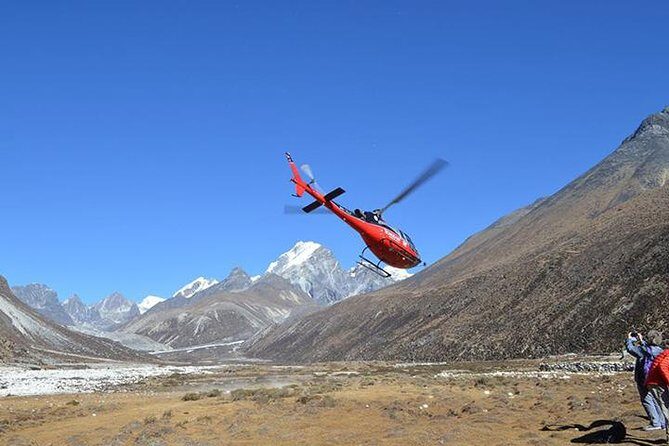
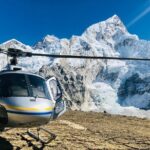
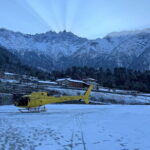
The most “you’re actually in the Khumbu region” moment on this tour is the landing around Hotel Everest View for the optional breakfast stop. This is where the day shifts from just seeing peaks from above to standing near the viewpoint world-famous trekkers talk about.
If weather cooperates, you’ll stop at Syangboche Marg and the plan is usually about one hour on the ground. That time matters. In a helicopter, you get flashes. Here, you get something closer to lingering—enough to take photos from a more stable angle and soak up the mountain air.
Breakfast itself is not included. The set breakfast is listed at USD 31 per person, and you’ll want cash (or at least USD on hand) because the stop is subject to what the day allows. If weather is poor, don’t assume that landing happens at all—this is one of those tours where “best weather only” is more than a slogan.
You can also read our reviews of more tours and experiences in Kathmandu
Kathmandu to Lukla: why the first hops set your expectations
Your day starts in Kathmandu, with hotel pickup and drop-off included. You’ll share the flight as part of a group, and you’ll receive a mobile ticket. From there, you head to Kathmandu airport for the Everest Base Camp helicopter portion.
Early in the route you’ll fly past the Kathmandu Valley side of things, then the plan includes a stop at Lukla. Lukla is more than just a scenic waypoint here—it’s also where the operation may need fuel purposes. The stop is short, about 10 minutes, but it’s a big clue that this day is built around real-world flight constraints, not just sightseeing.
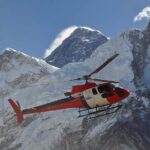
Also, you’ll notice the helicopter type mentioned: Airbus H125 and Eurocopter 350 models are referenced. That matters because these are compact aircraft. The upside: you can get very close to the terrain visually. The tradeoff: you’re inside a small cabin, and the whole ride feels faster and more intense.
The Pheriche stop and the window-seat puzzle
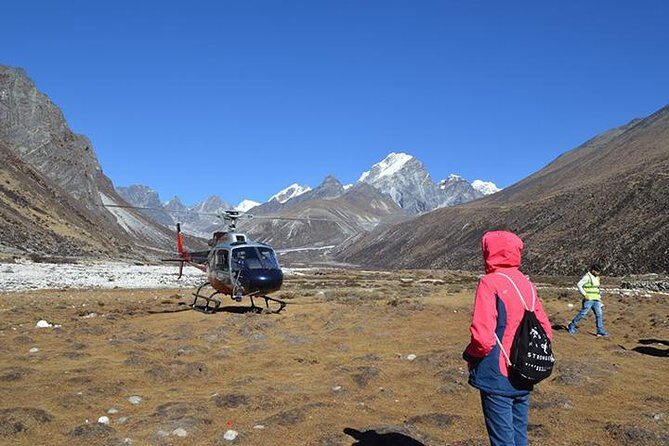
One of the clever bits of planning is the way the route handles group size. If there are more than 3 passengers flying together, the tour notes that you may stop at Pheriche as an old splitting point.
Here’s the practical angle: the tour says they may send 2 people first, then 3 people after, specifically aiming to help window seats get better for the Everest Base Camp portion. That’s not a small detail. In a helicopter, where you sit can make a huge difference to your photo and video results.
The Pheriche stop is listed at about 20 minutes. That gives you a short pause, but it’s not long enough to treat it like a sightseeing break. Think of it as part of the flight choreography.
And since the goal is views of Everest, Lhotse, Pumori, and nearby peaks, your best strategy is simple: keep your camera ready during the moments right before and after each landing. Those are the times when you’ll get the cleanest angles.
Everest Base Camp and Kalapathar: what you really get in 4–6 minutes
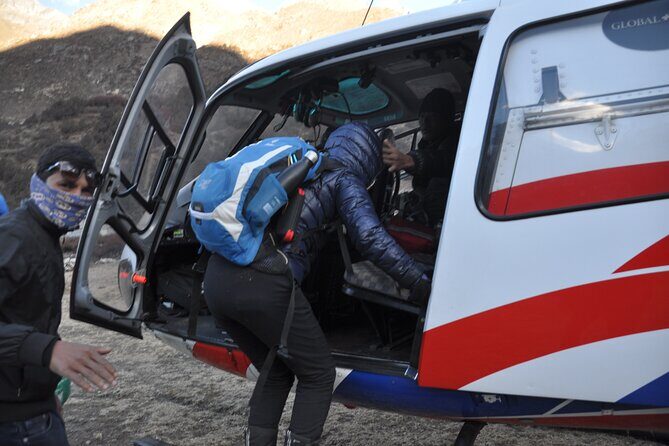
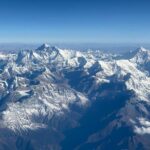
The highlight you’re paying for is the aerial experience—Everest Base Camp flyover and the Kalapathar overfly. The tour summary calls out flight time around 4–6 minutes, which sounds tiny until you realize you’re not trying to “do” Everest. You’re trying to see Everest.
So what does that mean on the ground for your expectations?
- You’ll get an intense look at glacial terrain—cliffs, ice, deep valleys—because you’re close enough in the air to see structure, not just a silhouette.
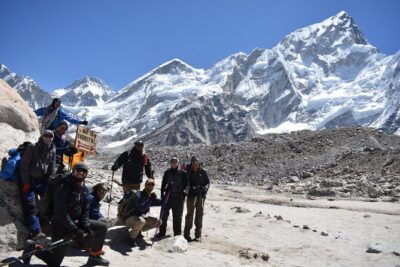
- You’ll also get the specific Everest angles that people associate with Kalapathar. Even if you never step on the mountain yourself, Kalapathar is the viewpoint name that signals “best aerial/best visual approach.”
- Your camera time is about timing, not duration. The difference between a great and a mediocre photo here is usually the exact second the aircraft banks and your seat angle lines up.
The short flight time is also why this tour can be a lifesaver if you’re on a tight schedule. Trekking to Everest Base Camp is days and weeks. This is a faster way to understand the geometry of the Khumbu—how the peaks stack, how ridges slice the valleys, and how snowfields sit against darker rock.
Pumori, Lhotse, Nuptse: the peaks you’ll want to spot quickly
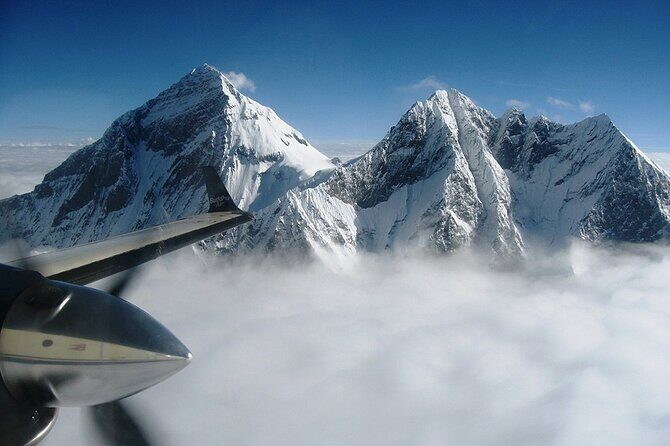
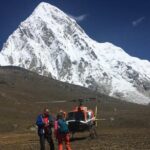
This is an “eyes up” tour. The description points to major peaks you’ll likely spot in the flyover visuals: Mount Everest, Lhotse, Pumori, and Nuptse.
You won’t have time to slowly identify everything mid-flight, so go in with a quick mental checklist:
- Everest is the big one, obviously, but try to watch how it’s framed by neighbors.
- Lhotse sits tightly beside Everest in many views, so it often reads as a “second wall.”
- Pumori can help you track the shape of the Khumbu ridgelines.
- Nuptse sometimes shows as a jagged extension behind or near Lhotse depending on the angle.
If you’re into photography, this is where video helps. Even if one frame isn’t perfect, you can pause later and pick the angles you love most.

Costs and value: is USD 1,600 worth it?
The listed price is USD 1,600 per person, booked on average about 33 days in advance. That’s not “cheap.” But helicopter tours in this region are priced for access—weather windows, flight permits, aircraft operation, and the simple fact that you can see world-class views without trekking.
What you get for that base price:
- Hotel pickup and drop-off (you give your hotel name/address and they set pickup time)
- A joining group helicopter flyover with 5–6 passengers and a pilot
- Multiple landing points for views
What you should budget separately (not included):
- National park fee: USD 26
- Airport tax: USD 8
- Khumbu village development fee: USD 16
- Optional breakfast at Hotel Everest View: USD 31 per person (subject to weather)
If you’re doing quick math: the mandatory add-ons listed sum to USD 50 before breakfast. So your total likely lands around USD 1,650+ per person, depending on whether the breakfast stop is possible.
Is it worth it? For me, the value angle is this: if you’re short on time, have limited trekking ability, or want a high-impact preview of Everest before deciding on a longer trip later, the helicopter version can give you context fast.
If you already know you want to trek and you’re planning a multi-day Everest route anyway, you may skip the helicopter and save the cash for the trek. But if you want a one-day or half-day Everest hit, this is one of the most direct ways to get there.
Weather limits, timing, and why you should book early in Nepal
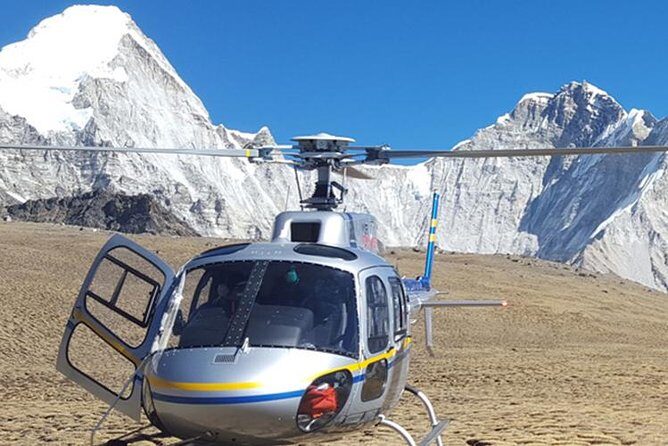
The tour is explicit: you’ll fly on beautiful weather only. That means no matter how perfectly you plan your schedule, clouds, wind, or visibility issues can change everything. The guide guidance here is clear: try to schedule this tour from the beginning of your stay in Nepal so you have backup days.
The tour also notes a working day window on weekdays, with hours listed from 7:15 AM to 11:45 PM (Mon–Fri), so in practice you may have options depending on your exact date. The key is not the exact hour. It’s leaving room in your itinerary if weather forces a reschedule.
What to pack: cold at the higher points is not optional
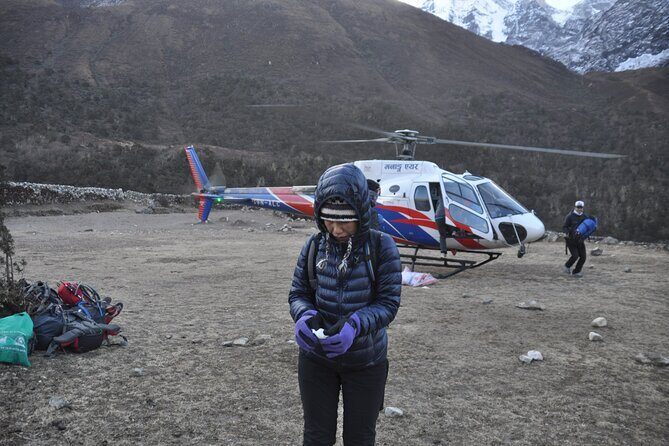
This is a “bring warm gear” tour. The data gives a temperature guide:
- Summer: about 0°C
- Higher points in summer: around -5°C
- Winter: around -10°C in higher points
- It also mentions keeping warm for about -2°C in winter and 0°C in summer, depending on conditions
So don’t arrive in a thin jacket and hope Everest will be nice to you. Bring layers, and plan for biting air during landings and quick photo stops.
Also note: you’re advised to carry a warm jacket from home or buy one in Kathmandu before the trip. That’s practical. Kathmandu is where you can fix missing gear quickly.
How the ride works: group size, helicopter cabin feel, and weight notes
This is a shared experience. You’ll be in a group of about 5–6 passengers with a pilot, and the stated maximum is 15 travelers.
Small group size helps. You spend less time waiting for a bigger lineup, and everyone tends to get more direct attention during the process.
Two important limits are also listed:
- Total weight per passenger: 221 lbs
- If body weight is over 100 kg, you should text the operator after booking
These aren’t “small print” details. They affect whether the flight can operate safely and whether you’ll be included on your planned departure.
Who should book the Everest Base Camp helicopter with Hotel Everest View landing?
This tour fits you if:
- You have limited time in Nepal but still want an Everest moment that feels specific, not generic
- You want a viewpoint-oriented experience without trekking days
- You’re curious about Everest geography and want to understand what Kalapathar means in real terms
It may not fit you if:
- You’re traveling on a super tight schedule with no flexibility for weather changes
- You dislike paying for add-ons like national park, airport tax, and development fees
- You’re expecting a long, on-foot base camp visit. This is an air-focused experience with short stops.
Should you book this Everest Base Camp helicopter tour?
If your goal is a fast, high-impact Everest experience, and you can travel with a little weather flexibility, I think booking makes sense. The best part is the mix of flyovers plus the chance—when conditions allow—to land at Hotel Everest View for that short breakfast window.
If you’re the type who hates uncertainty, plan a backup day and keep your expectations grounded: you’re buying views and angles, not a guaranteed walking itinerary.
If you do book, do these two things and you’ll feel smarter on the day:
- Go in early in your Nepal trip so you have a reroute option if the weather doesn’t cooperate.
- Pack warm layers and keep your camera ready for the landings. That’s where the “wow” photos tend to happen.
FAQ
How long is the Everest Base Camp helicopter tour overall?
The experience is listed at about 4 to 6 hours total, with flight time around 4 to 6 minutes.
Will I be picked up from my hotel in Kathmandu?
Yes. Hotel pickup and drop-off are included, as long as you provide your hotel name and address so they can set your pickup time.
Is breakfast at Hotel Everest View included?
Breakfast is not included. You can stop at Hotel Everest View for a set breakfast for USD 31 per person, subject to the weather.
What landing points should I expect?
The route includes multiple landing points for views. The plan specifically mentions a stop at Lukla for fuel purposes, and a Syangboche Marg landing at Hotel Everest View (when weather allows).
What extra fees should I budget besides the tour price?
You should budget for national park fee (USD 26), airport tax (USD 8), and Khumbu village development fee (USD 16). Optional breakfast is USD 31 more if it happens.
Do I need to bring my original passport?
No original passport is required. The tour says a passport copy works, and a picture on your phone can also work.
What if the weather is bad on my tour day?
The tour requires good weather. If it’s canceled due to poor weather, you’ll be offered a different date or a full refund.
Is there a weight limit for passengers?
Yes. The tour lists 221 lbs as the total weight per passenger, and it asks passengers over 100 kg to message after booking.