REVIEW · KATHMANDU
Everest Base Camp Trek
Book on Viator →Operated by Adventure Glacier Treks & Expedition · Bookable on Viator
One route changes your perspective fast. This Everest Base Camp trek combines high-mountain scenery with practical planning, so you spend less time worrying and more time looking at giants like Ama Dablam and Everest itself. You’ll also have a real acclimatization stop at Namche Bazaar, which makes the whole trip feel more manageable.
What I like most is the level of logistics support. Guides such as Sau Bir Rai, Roshan, and Dipak are described as experienced, calm, and good at making the day-to-day feel easy, even in busy season. I also like that the price covers key basics like the domestic flight, permits/entrance fees, and the guide’s salary, food, equipment, and insurances.
One possible drawback: accommodation and guest meals are not included. That means you’ll need to budget extra once you’re in the Everest region, and you’ll also plan for expected guide tips and your own travel insurance.
In This Review
- Key things that make this Everest Base Camp trek tick
- First steps in Kathmandu: where the trip really starts
- Why Ama Dablam is more than a photo stop
- Namche Bazaar: the acclimatization checkpoint you shouldn’t rush
- How the domestic flight and transfers affect your budget and energy
- Guides make or break Everest trekking
- What’s included vs what you must plan for
- Included
- Not included
- How to judge the value of $990 for a 12-day EBC trek
- Practical fitness expectations (without pretending it’s easy)
- Timing and planning: confirmation and private-group control
- Should you book this Everest Base Camp trek?
- FAQ
- What is the approximate duration of the Everest Base Camp trek?
- What is included in the price?
- What is not included?
- Where does the trek start and end?
- Is this a private tour?
- Can I cancel for a full refund?
Key things that make this Everest Base Camp trek tick
- Namche Bazaar acclimatization stop that helps you adjust before going higher
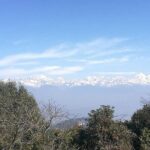
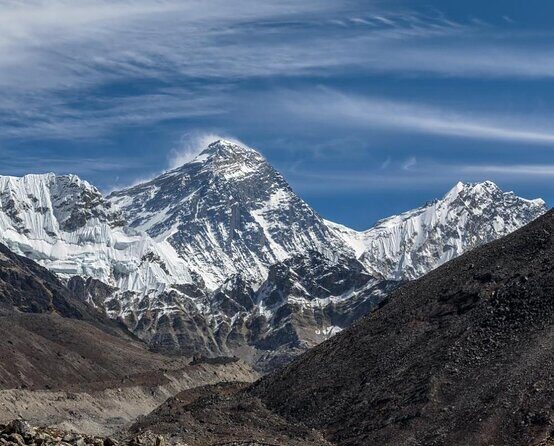
- Ama Dablam (mother’s necklace) views in the Khumbu Valley, a major highlight for many trekkers
- Domestic flight + airport transfers built into the package
- Private group experience (only your group participates)
- Guides with strong track records, including names like Roshan, Dipak, Arjun, and Sau Bir Rai
- Price includes permits and guide essentials like salary, food, equipment, and insurance
First steps in Kathmandu: where the trip really starts
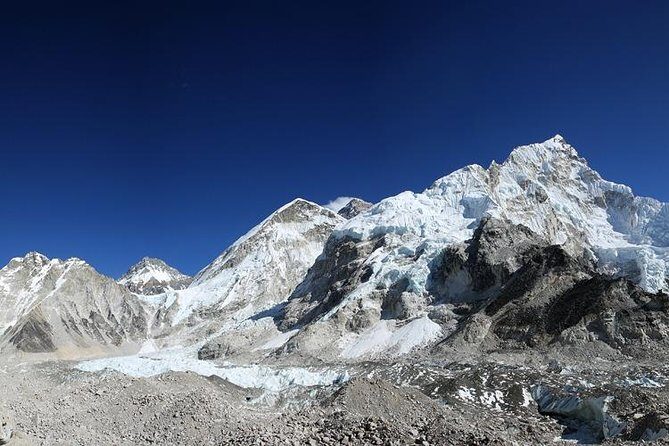
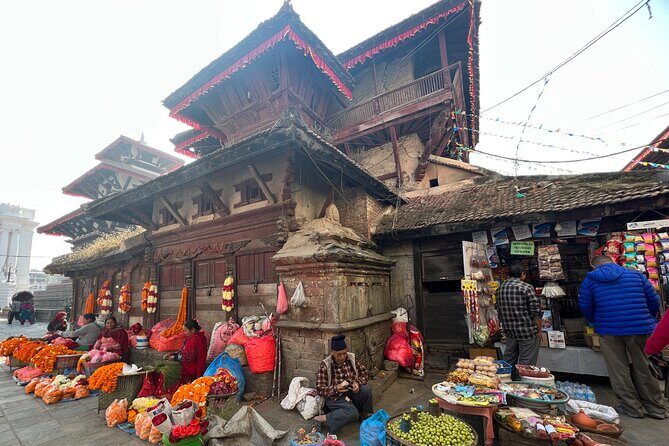
Kathmandu is where the trek becomes real. You meet at a base in Thamel, at Adventure Treks Nepal P. Ltd., Thamel Marg (Kathmandu 44600). From there, the trip is set up to run as a supported package rather than a DIY scramble.
This matters because Everest region trekking has a lot of moving parts. Even when you’re focused on the hiking, you still need permits, transport coordination, and a plan for getting you to/from the start. Here, the included airport transfer services cover arrival/departure, including the domestic flight portion. That takes stress off your shoulders on travel days, which is exactly when most people feel least like problem-solving.
The tour is listed as private, so it’s only your group. For many trekkers, that’s a big quality-of-life upgrade: fewer compromises, easier scheduling, and a better chance your guide can adjust pace if someone needs a slower day.
You can also read our reviews of more hiking tours in Kathmandu
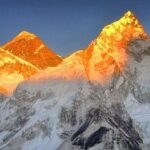
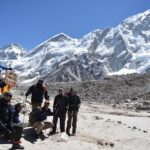
Why Ama Dablam is more than a photo stop
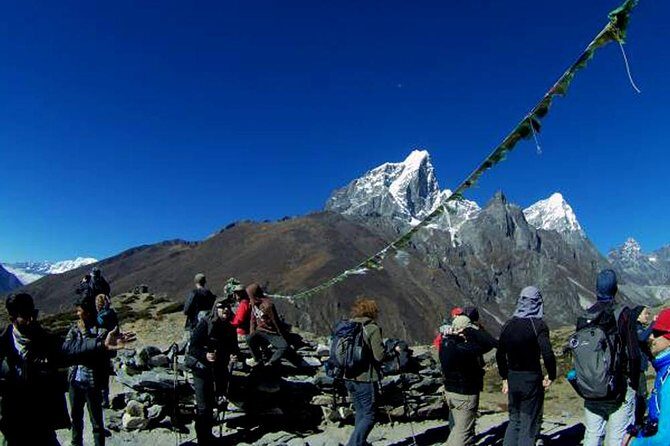
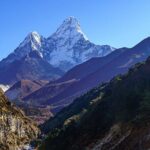
Ama Dablam, sometimes called mother’s necklace, is one of those peaks that draws attention even if you’re not a climber. It’s described as iconic for its shape and as a standout presence in the Khumbu Valley of Nepal. The key thing for your trip is not the name—it’s what it represents: steeper, more technical mountain terrain that helps frame the region’s character.
In practical terms, including a stop tied to Ama Dablam is valuable because it gives your trek meaning beyond reaching a checklist location. You’re seeing what makes Everest region mountains special: dramatic vertical features, strong mountain silhouettes, and the feeling that you’re in a serious alpine landscape.
The “possible drawback” angle here is simple: if you’re the type who only cares about Everest Base Camp itself, you might feel like you’re spending time on something else. But if you want the bigger story of the Everest region, Ama Dablam is a strong reason the trek feels more complete.
Namche Bazaar: the acclimatization checkpoint you shouldn’t rush
Namche Bazaar is described as the gateway to the Everest Base Camp destination—and the place where you pause for the most important step in high-altitude trekking: acclimatization.
That word, acclimatization, can sound like a medical buzzword. On the ground, it means pacing your body so the higher altitude doesn’t feel like a sudden punch. Even without getting into numbers, the logic is straightforward: you’re going higher, and your trip quality depends on how steadily you adjust.
This is where the guidance part matters. Multiple guide experiences described in the provided feedback highlight that the guide made things feel easy to manage. That usually means you’re not just following a route—you’re getting real-time coaching on how to take it day by day. A well-run acclimatization stop can turn the trek from a grind into a progressive climb.
If there’s a consideration, it’s timing and energy. Acclimatization days can feel slow compared to what people imagine about “getting to the top.” If you’re impatient, Namche Bazaar will challenge you. If you listen to your guide and treat it as a foundation day, it can be the difference between a tough trek and a sustainable one.
How the domestic flight and transfers affect your budget and energy
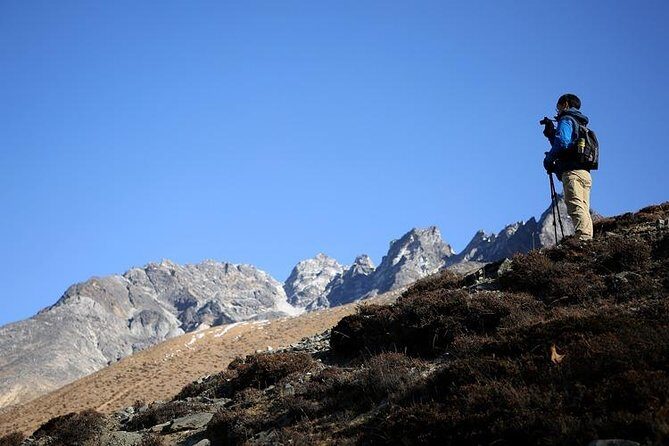
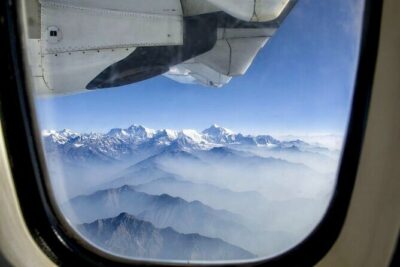
A lot of Everest Base Camp packages will leave you figuring out your own transport logistics. In this one, a domestic flight is included, along with airport transfer services for arrival/departure that incorporate the domestic flight.
That inclusion is a real value lever. It typically reduces:
- time lost on connections,
- the risk of arriving late to the trek start,
- and the stress of coordinating transport while jet-lagged.
Price-wise, the trek is $990.00 per person for an approximate 12 days. That’s not cheap, but it’s closer to a “guided expedition package” than a low-budget routing. The included items help explain why: permits, the guide’s salary and support, and the domestic flight are all part of the deal.
One more budgeting note: accommodation and food for you are not included, so your cash outlay in Nepal doesn’t end with the base price. Still, getting the flight and permits handled is one less expense and coordination headache once you arrive.
Guides make or break Everest trekking
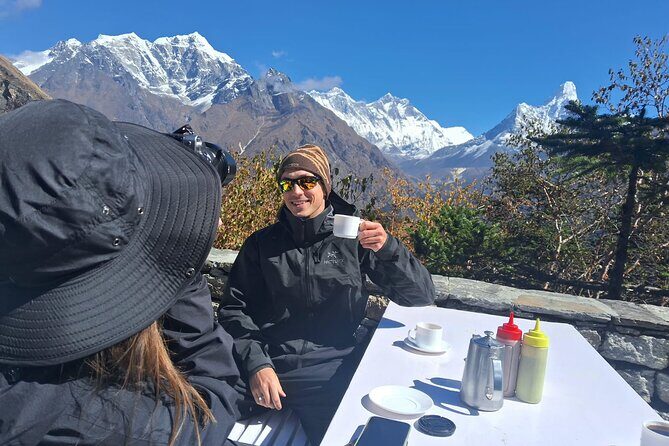
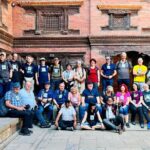
The strongest signal from the feedback you provided is that the guides are experienced and genuinely good at organizing the human side of the trek.
Examples include:
- Sau Bir Rai, described as very experienced and making everything seem easy.
- Roshan, highlighted for organizing accommodation, food, and transport well even during busy season, and for keeping a solo traveler feeling looked after.
- Dipak, described as friendly and attentive, plus supportive when the plan needed adaptation.
- Dil, praised for answering planning questions so well that trekkers felt prepared.
- Arjun, recognized for caring support, including for a family situation with varying needs.
Even if you’re not chasing celebrity names, this cluster of feedback tells you something practical: you’re choosing a team that understands the rhythm of the region and the small problems that pop up—meals, timing, and keeping everyone comfortable.
For you, that’s key because Everest region trekking is physical, yes, but it’s also logistics-heavy. The more your guide can keep things structured, the more you can focus on pace, hydration, and enjoying the scenery as it changes day to day.

What’s included vs what you must plan for
Here’s the straight version of what’s covered, and what’s on you.
Included
- Domestic flight
- Necessary permits and entrance fees
- Guide salary, guide food, equipment, and insurances (including on trip cost)
- Airport transfer services arrival/departure including domestic flight
Not included
- Beverages
- Tips (including expected tips for the trek guide)
- Your travel insurance
- Personal/nature expenses
- International flight tickets and the Nepal Visa fee
- Accommodation and food of the guest
This split affects how you judge value. The trip price is meaningful because it covers the operational backbone: flight, permits, transfers, and guide support. But you still need to manage your own day-to-day living costs in the region (lodging and meals) and your own insurance and tipping.
How to judge the value of $990 for a 12-day EBC trek
When you see $990, the smart way to think about it is not just the number—it’s what you’re not paying separately.
Because permits/entrance fees and the domestic flight are included, you avoid common “surprise” totals that can double-check your budget late. And because the guide’s salary, equipment, food, and insurances are handled, you’re essentially paying for a staffed operation, not just a route.
Still, you should build a second budget for the un-included basics:
- your accommodation and guest meals,
- beverages,
- personal expenses,
- tips,
- and your own insurance.
If you prefer a simpler trip with fewer moving parts—especially when it’s your first time in Nepal—this package structure often feels like good value. If you’re an experienced budget traveler who already has flights, permits, and logistics lined up, you might find yourself paying for convenience you don’t fully use.
Practical fitness expectations (without pretending it’s easy)
The listing notes that travelers should have a strong physical fitness level. That’s the right warning. Everest Base Camp trekking is not a stroll, even when guides do their best to keep pacing comfortable.
Here’s what strong fitness usually means in the context of this trip:
- you can handle long walking days without breaking down,
- you can maintain steady effort at altitude,
- and you can cope with slow, careful days when acclimatization matters.
Your best strategy is to show up in training mode before you arrive in Kathmandu, then trust the acclimatization rhythm at Namche Bazaar. If you ignore fitness and try to “power through,” the trek will punish you.
Timing and planning: confirmation and private-group control
Confirmation is received at booking time, and the trek is private, so your group experience should be more controlled than shared tours. You’ll also get a mobile ticket, which is practical in the real world—less paperwork chaos.
One consideration: the domestic flight is included, so you’ll want to manage your international arrival timing carefully. If you arrive late or miss a connection, you can create your own budget problems even when the trek package is solid.
Should you book this Everest Base Camp trek?
I’d book this trek if you want:
- a guided Everest Base Camp experience with the core logistics covered,
- an acclimatization stop at Namche Bazaar,
- and a team that’s been praised for caring support (Roshan, Dipak, Sau Bir Rai, Arjun, Dil show up in the feedback).
I would pause if you:
- already have your own Nepal transport plan and permits and want a budget-first approach,
- hate the idea of extra costs for accommodation, guest meals, beverages, and tips,
- or aren’t comfortable budgeting for your own insurance and personal expenses.
If you like guided structure, value real guidance, and you’re ready for the physical challenge, this looks like a solid way to do Everest Base Camp without turning your trip into a logistics project.
FAQ
What is the approximate duration of the Everest Base Camp trek?
The trek duration is listed as 12 days (approx.).
What is included in the price?
The price includes a domestic flight, necessary permits/entrance fees, guide salary, food of guide, equipment, and insurances related to the trip cost, plus airport transfer services for arrival and departure (including the domestic flight).
What is not included?
Not included are beverages, tips, your travel insurance, personal/nature expenses, international flight tickets, Nepal visa fee, and accommodation and food for guests.
Where does the trek start and end?
It starts at Adventure Treks Nepal P. Ltd., Thamel Marg, Kathmandu 44600, Nepal, and ends back at the same meeting point.
Is this a private tour?
Yes. It’s listed as a private tour/activity, meaning only your group will participate.
Can I cancel for a full refund?
Yes. Free cancellation is available if you cancel up to 24 hours in advance for a full refund. If you cancel less than 24 hours before the experience start time, there’s no refund.