REVIEW · KATHMANDU
Island Peak Climbing | Summit 6,189m with Expert Guides
Book on GetYourGuide →Operated by Accessible Adventure Pvt. Ltd · Bookable on GetYourGuide
Six thousand meters sounds unreal, until it isn’t. I love the expert guide training built around real acclimatization and glacier work, and I also love how the route mixes Sherpa culture with big-name Everest views. The main thing to plan for is that Lukla flights can get rerouted or delayed in bad weather, even with good logistics.
This trip runs with a private-group feel, so you’re not fighting for pace or attention. You’ll get private vehicle transfers in Kathmandu, good lodge options along the trek, and a full support setup with porters (one porter for every two clients). Just know the goal is a technical high-altitude summit—if your fitness or insurance coverage isn’t solid, you’ll feel it.
In This Review
- Key Things I’d Pay Attention To
- Island Peak Climb: The Real Take on a 6,189m Summit
- Your Itinerary Rhythm: Why the Days Are Built the Way They Are
- Kathmandu Arrival (Day 1): Settle In Before the Mountain
- Lukla Flight + Phakding Start (Days 2): The Trek Begins Fast
- Namche Bazaar Acclimatization (Days 3–4): Bridges, Views, and Breathing Control
- Tengboche Monastery (Day 5): Culture With Big Altitude Energy
- Dingboche and Chukkung (Days 6–7): Your Body Starts Complaining
- Base Camp + Glacier Walking Training (Day 8): Where This Becomes Real Climbing
- Summit Day: Island Peak to 6,189m (Day 9) and the Long Return
- Contingency Day (Day 10): The Mountain Sets the Rules
- The Big Down Day: Chukkung Back to Namche (Day 11)
- Lukla Return (Day 12): Finish the Trek Before You Fly
- Fly Back to Kathmandu (Day 13) + Departure (Day 14)
- What You’re Paying For: Value, Not Just Price
- Guides, Gear, and Support That Matter on a Summit Attempt
- Who This Trip Suits Best (and Who Should Skip It)
- Should You Book This Island Peak Climb?
- FAQ
- What is the highest point on this Island Peak climb?
- How long is the full trip?
- Are meals included during the trek?
- Is the Island Peak climbing permit included?
- Are flights from Kathmandu to Lukla included?
- Do I get acclimatization and pre-climb training?
- What climbing gear is provided?
- Is Wi‑Fi available on the trek?
- Is a drone allowed?
Key Things I’d Pay Attention To
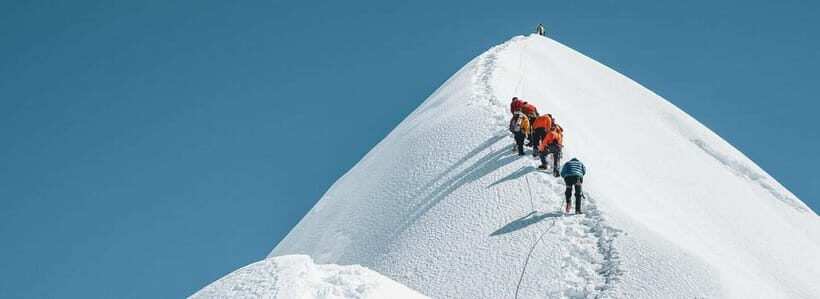
- Summit Island Peak (6,189m) with glacier-ready training before the technical push
- Everest-region pacing that targets acclimatization, not just check-the-box trekking
- Sherpa culture stops like Tengboche Monastery and life in mountain villages
- Expert technical gear support (ropes, ice screws, hammers) and real climbing guidance
- A contingency buffer day for the summit attempt when conditions change
- Tight guide-to-client attention, including porter support (1 porter per 2 clients)
Island Peak Climb: The Real Take on a 6,189m Summit
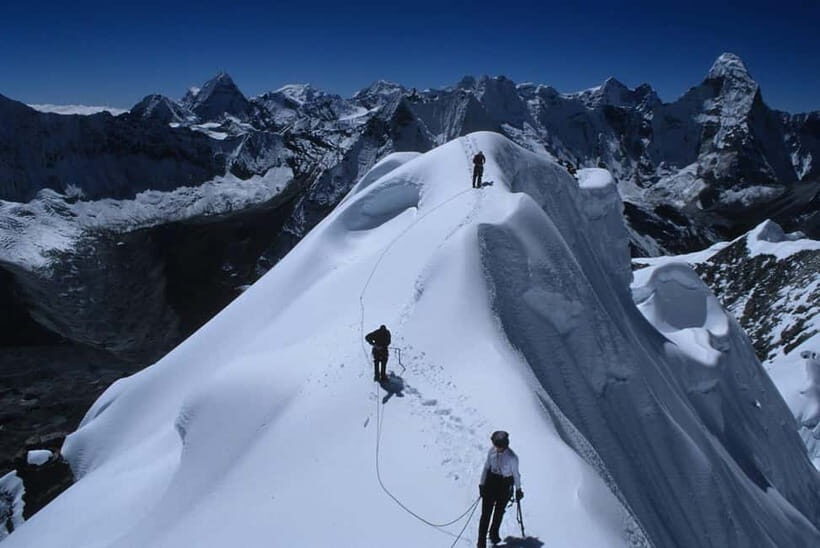
Island Peak is one of the most popular “gateway” summits in the Everest region. That popularity is for a reason: you’re not just walking in the hills—you’re learning glacier movement, handling crampon-like terrain, and earning a true high-altitude summit. If you’ve ever watched photos of Imja Tse and wondered what it takes to make it real, this route is set up to get you there with structured support.
You’ll trek up through classic Everest-zone villages, then climb out from Island Peak Base Camp after hands-on training. On summit day, you go up to 6,189m and then work your way back down the same general area, with a long day clocked at 8 to 10 hours. It’s a full-body effort: breathing gets harder, footing matters, and mental calm becomes as important as strength.
You can also read our reviews of more tours and experiences in Kathmandu.
Your Itinerary Rhythm: Why the Days Are Built the Way They Are
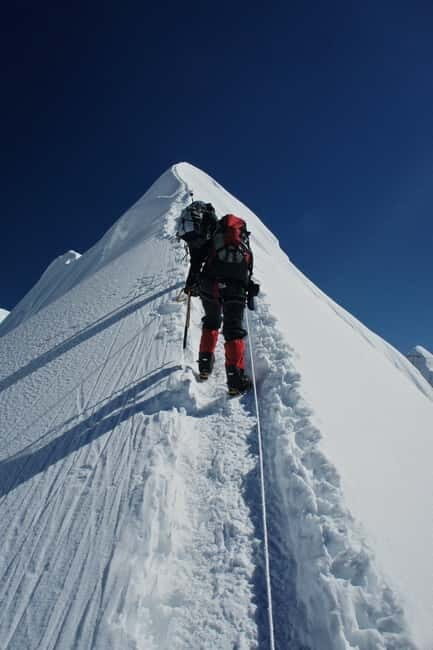
A lot of Everest-region problems aren’t about courage. They’re about timing. This itinerary spreads altitude increases so you can adapt before you reach the higher camps, and it includes both optional and required hikes.
You start with a gentle ramp: Kathmandu at 1,338m, then Lukla at 2,800m, then steady up-days. The big inflection points are Namche Bazaar (3,438m) and later Chukkung (4,730m). Those days are where you build acclimatization without turning every stop into a full “max effort” day. Then, the plan gives you a dedicated pre-climb training block at base camp before summit day.
You’ll also get a contingency day after the first summit push window. That matters because high-altitude conditions are real—wind, visibility, and route safety can shift fast. Having a buffer doesn’t guarantee better weather, but it reduces the chance that one rough morning blows up the whole schedule.
Kathmandu Arrival (Day 1): Settle In Before the Mountain
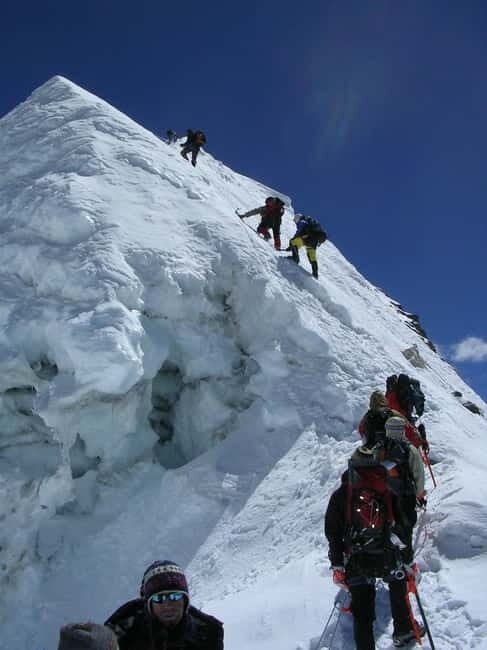
Day 1 is Kathmandu at 1,338m. This part isn’t just a formality. It gives you the best chance to handle basics—gear questions, weather info, and getting your head aligned for a trekking circuit that starts immediately after.
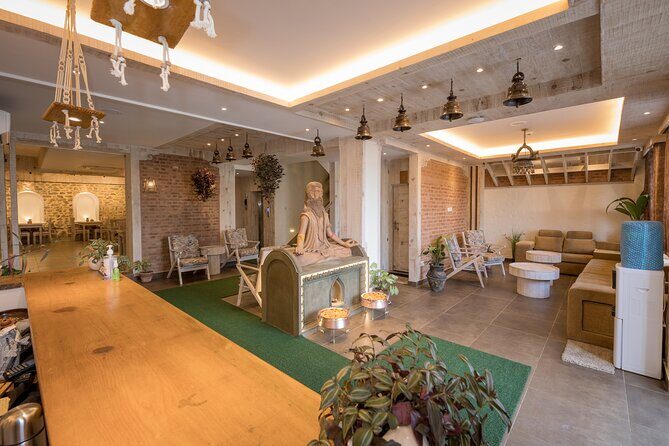
You’ll have two nights in a deluxe Kathmandu Suite Home or similar, plus airport and hotel transfers in a private vehicle. That’s helpful because Kathmandu arrival often includes friction: traffic, confusion, and last-minute paperwork stress. This setup reduces that overhead so your body can focus on rest.
Practical notes for this day:
- Bring your passport because entry and permits are part of the process.
- Have cash ready for small essentials. Wi‑Fi and charging may cost extra later on the trek.
Lukla Flight + Phakding Start (Days 2): The Trek Begins Fast
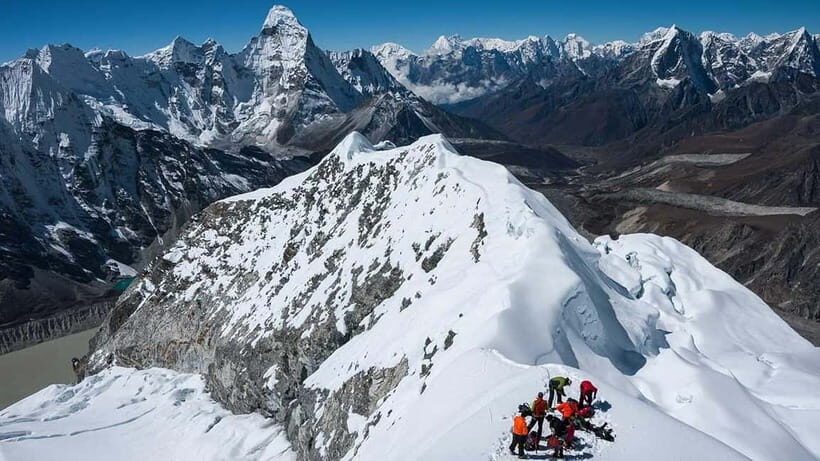
On Day 2, you fly to Lukla and trek to Phakding. The flight is about 35 minutes and the trek takes 3 to 4 hours, covering around 8 km. You’ll climb to 2,800m, then work your way into the rhythm of walking and altitude management.
This is a day for easy confidence. The descent/ascent numbers look simple, but the main goal is to get your legs used to the pace and your lungs used to the air. You’re also introduced to the scenery that makes this region famous, and it sets up your mind for the bigger days ahead.
If weather causes route changes, the plan notes that Lukla flights may operate from Ramechhap Airport during peak-season disruptions. That’s worth planning for mentally: the mountain route starts the moment you leave Kathmandu.
Namche Bazaar Acclimatization (Days 3–4): Bridges, Views, and Breathing Control
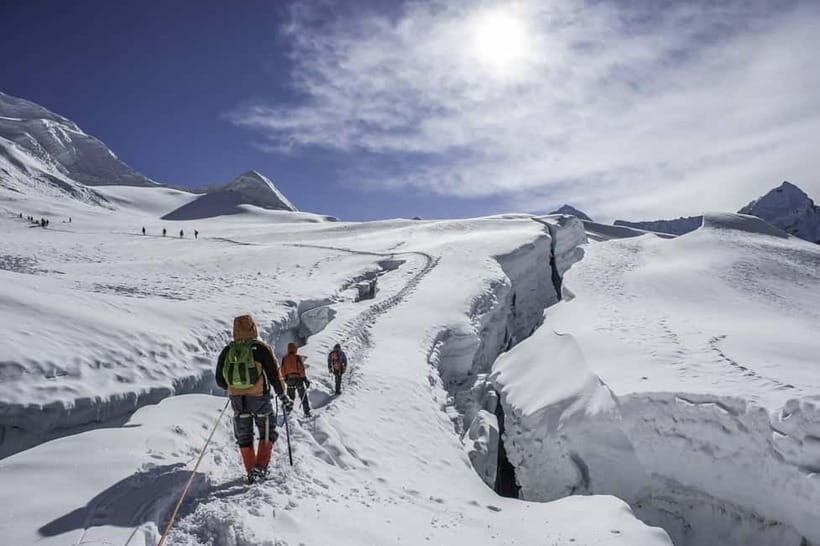
Day 3 takes you to Namche Bazaar (3,438m) in about 5 to 6 hours over roughly 10 km. You’ll cross suspension bridges, which are both dramatic and useful. They wake up your balance and remind you that the Everest region isn’t smooth pavement terrain.
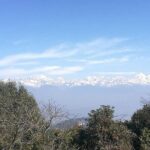
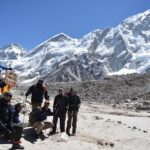
This is also where you start getting serious views—Thamserku and Everest appear early enough to keep motivation high. More important than the view: Namche is a turning point for acclimatization.
Day 4 stays at Namche for acclimatization. You have 2 to 3 hours of walking with optional hikes (about 3 to 5 km). You’ll use that day to help your body adjust, and you’ll get panoramic mountain views that include Everest and Ama Dablam.
Here’s the practical truth: acclimatization hikes only help if you don’t treat them like an all-out workout. Keep it steady. You’re training your breathing and recovery, not testing your limits.

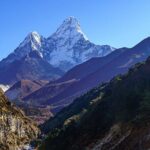
Tengboche Monastery (Day 5): Culture With Big Altitude Energy
On Day 5 you trek to Tengboche (3,870m) in 5 to 6 hours, around 9 km. This is a classic stop in the Everest region: Tengboche Monastery is the highlight, and you’ll often find the atmosphere shifts there. It’s not only spiritual; it’s also a place where trekkers and locals move slower and the mountains feel closer.
You’ll see Everest, Lhotse, and Ama Dablam. That combination is why people love this route: the scenery is not a single mountain in the distance. It’s layers.
The only drawback is that this is still an active ascent day. You’re higher, the air is thinner, and the walking can feel heavier even if the trail looks straightforward.
Dingboche and Chukkung (Days 6–7): Your Body Starts Complaining
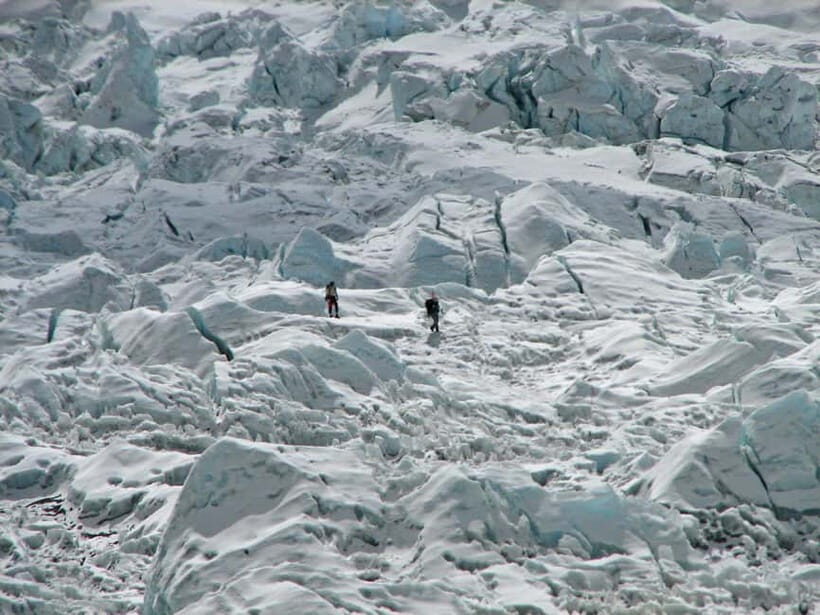
Day 6 goes to Dingboche (4,360m) in about 5 to 6 hours over roughly 10 km. You’ll pass picturesque valleys and get views of Lhotse and Ama Dablam. Dingboche is another acclimatization-style staging point before you go even higher.
Day 7 climbs to Chukkung (4,730m) in just 3 to 4 hours over 6 km. That shorter day is intentional: you gain altitude without exhausting yourself. You’ll walk through alpine pastures with views of Lhotse and Island Peak itself.
At this stage, your energy management matters. If you rush, you’ll pay for it on breathing and sleep later.
Base Camp + Glacier Walking Training (Day 8): Where This Becomes Real Climbing
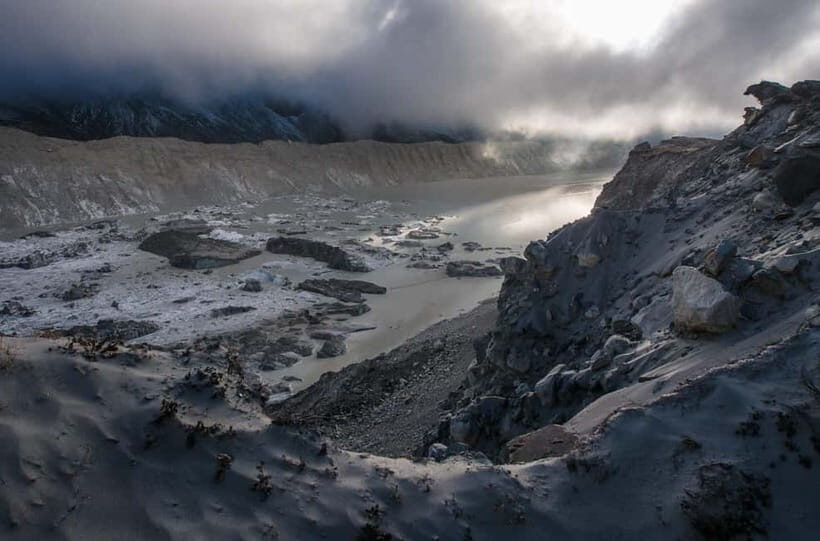
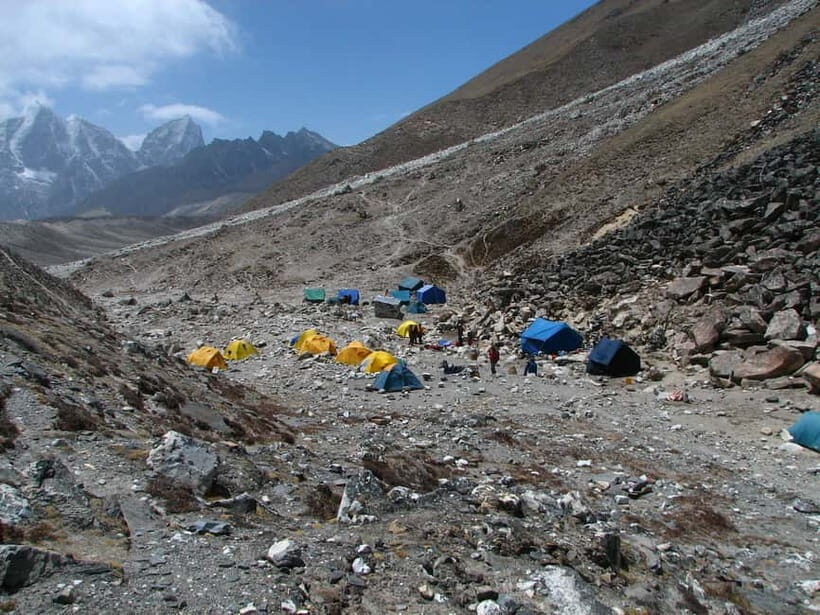
Day 8 takes you to Island Peak Base Camp (5,200m) in 3 to 4 hours over about 5 km. The day includes pre-climb training, which is crucial. This is the point where you stop thinking like a hiker and start thinking like a climber.
Training here focuses on glacier walking. You’ll learn movement on icy terrain and get comfortable with how your steps should work when the surface changes and the ground doesn’t feel solid in the normal hiking sense.
You’ll also have views of Island Peak and Lhotse. The transition is mental as much as physical: from trail confidence to technique confidence.
Summit Day: Island Peak to 6,189m (Day 9) and the Long Return
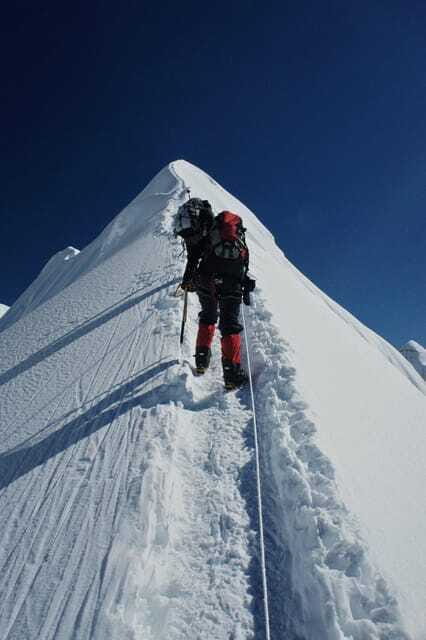
Day 9 is the day you came for. You summit Island Peak (6,189m) and return to base camp. Expect 8 to 10 hours total, about 10 km, and a climb of +989m and descent of -989m.
This is the hardest day on the trip, not only because of altitude but because you’re combining endurance with technical movement. The supplied climbing support matters here: you’ll have group climbing equipment like ropes, ice screws, snow bars, ice hammers, and tents, plus an experienced climbing guide for Island Peak.
One useful detail from the provided feedback: people specifically praised technical training and route experience. That fits how a summit attempt should feel—structured, calm, and paced with safety in mind.
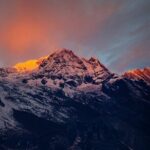
You’ll see Island Peak, Everest, and Makalu during the day. That’s the reward. But the real win is finishing the descent carefully. Coming down is where many climbers learn (the hard way) that balance and footing count just as much as the summit push.
Contingency Day (Day 10): The Mountain Sets the Rules
Day 10 is a contingency day. This is your buffer for the summit attempt. If conditions aren’t safe or weather won’t cooperate, you get a chance to try again instead of losing the whole summit window.
That kind of planning is practical value. It reduces the stress of gambling on one attempt, especially when high-altitude weather can shift quickly.
The Big Down Day: Chukkung Back to Namche (Day 11)
Day 11 is a long descent to Namche Bazaar in 5 to 6 hours over about 18 km. You’ll drop from 4,730m to around 3,438m (about -1,292m). This is a legs-heavy day.
The view includes Ama Dablam and Everest. The drawback is that “down” doesn’t mean “easy.” Your quads take a beating, and the ground can feel uneven as you go lower.
Lukla Return (Day 12): Finish the Trek Before You Fly
Day 12 treks from Chhukung to Lukla (2,800m) in 6 to 7 hours over about 19 km, dropping about -638m. This is the final trekking day. You’ll say farewell to the higher country and shift back into the logistics side of the trip.
This day is when you’ll appreciate good organization. Food, lodge quality, and route clarity matter because fatigue is high.
Fly Back to Kathmandu (Day 13) + Departure (Day 14)
Day 13 is a scenic flight back to Kathmandu (about 35 minutes). Day 14 is departure. This is the moment where you realize the climb is done—but also where altitude recovery starts to feel real. Don’t plan anything intense right after landing.
What You’re Paying For: Value, Not Just Price
The price is $1,699 per person for this 14-day experience. That sounds specific, and it is—but it’s not the whole bill.
Here’s what’s included:
- Kathmandu transfers and two nights in a deluxe suite in Kathmandu
- Three meals per day during the trek
- Group climbing equipment for Island Peak climbing
- A climbing guide for the ascent with minimum 20+ summits
- One porter for every two clients (porter includes food, accommodation, salary, insurance, and equipment)
- Sagarmatha National Park entry permit and several local fees
- Acclimatization and pre-climb training at base camp
- Heli rescue assistant to contact insurance
- 24-hour support from the company
- Best available local lodges and tented accommodation
Not included items that you should factor in:
- Island Peak climbing permit (listed as USD 350 or USD 175, so confirm which rate applies to you)
- Round-trip flights Kathmandu–Lukla (USD 440 per person)
- Travel insurance for the climbing guide (USD 100)
- Tips for guides/porters/drivers
- Personal expenses like Wi‑Fi, drinks, laundry, and no mention of hot shower/hot drinks as part of the package
So what does that mean for value? If you compare similar trips, this one is strong because it includes the technical climbing kit, training time, and a structured guide + porter system. In other words, you’re paying for the parts that actually reduce risk and help you perform well—gear, training, and high-altitude logistics—more than just “walking days.”
Guides, Gear, and Support That Matter on a Summit Attempt
Two support pillars show up clearly in the details you’re given:
1) Expert climbing guidance with a minimum of 20+ summits for the Island Peak ascent.
2) Training that isn’t optional fluff—glacier walking practice at base camp.
Also, you’re not on your own with logistics. You’ll have government-licensed English-speaking guiding and a clear porter ratio (one porter for every two clients). That matters because fatigue is a killer at high altitude, and carrying less can help you stay calm and steady.
One named detail from the experience feedback: a porter named Mijan went beyond basic duties for at least one climber. While you can’t count on the exact same support every time, it signals that the human side of this operation is taken seriously.
Who This Trip Suits Best (and Who Should Skip It)
This is built for adults who want a real technical achievement in Nepal’s Everest region. You’ll need:
- Valid travel insurance covering high-altitude trekking and climbing
- A good level of physical fitness for Island Peak
- Comfort with long walking days, steep grade segments, and cold
This trip is listed as not suitable for:
- Children under 14
- Pregnant women
- Wheelchair users
- People over 95 years
If you’re the type who likes structure—clear pacing, technical training, and backup planning—this will fit well.
If you’re looking for a casual “walk and take photos” trip, this isn’t it. Island Peak is work.
Should You Book This Island Peak Climb?
I think this one is a smart choice if your goal is a guided, technical summit attempt with training built into the plan. You’re paying for the pieces that make a difference: glacier prep at base camp, guide experience, and a buffer day that respects the mountain.
Before you book, I’d check three things:
- Your insurance is truly climbing-ready and covers high-altitude trekking.
- You’re honest about fitness for 8–10 hour summit day effort.
- You budget the missing costs: Lukla flights and the Island Peak permit.
If those boxes are checked, you’re set up for a memorable 6,189m accomplishment with expert support—and the Everest region experience leading up to it.
FAQ
What is the highest point on this Island Peak climb?
The summit of Island Peak is 6,189 meters.
How long is the full trip?
The itinerary is 14 days.
Are meals included during the trek?
Yes. Three meals per day (breakfast, lunch, and dinner) are included during the trek.
Is the Island Peak climbing permit included?
No. The climbing permit is not included and is listed as USD 350 or USD 175, so you should confirm which applies.
Are flights from Kathmandu to Lukla included?
No. Round-trip flights from Kathmandu to Lukla are not included and are listed at USD 440 per person.
Do I get acclimatization and pre-climb training?
Yes. You’ll have acclimatization and pre-climb training at base camp, including glacier walking training.
What climbing gear is provided?
Group climbing equipment is included, including ropes, ice screws, snow bars, ice hammers, and tents, plus kitchen equipment.
Is Wi‑Fi available on the trek?
Wi‑Fi and charging facilities may have additional costs during the trek.
Is a drone allowed?
No. Drones are not allowed.