REVIEW · KATHMANDU
Journey to Dhunche A Scenic Bus Ride to the Gateway of Langtang
Book on Viator →Operated by Nepal Vehicle Hiring Pvt Ltd · Bookable on Viator
One long road, and then the mountains show up. This Kathmandu to Dhunche bus ride turns a simple transfer into a full-on mountain warm-up, with winding river views and Himalayan scenery building by the mile. You’ll get the best parts of the Langtang region before you even start trekking—mostly from your seat, with a few chances to stretch and grab local food.
What I really like is the way the route follows the Trishuli River for stretches, so you’re not just watching dark highway. And you also reach Dhunche, the gateway area for Langtang National Park, with snow-capped mountains coming into view as the drive finishes. The main drawback: expect a bumpy ride on steep, winding hills, and the schedule starts early, so plan for a long sit.
In This Review
- Key things to know before you go
- Why the Kathmandu to Dhunche bus feels like a moving viewpoint
- Price and what you get for $17 per person
- Meeting point and start time: don’t treat 7:15 am casually
- On the road: Trishuli River bends, tea stops, and bumpy hill reality
- The roadside food breaks (what to plan for)
- Arriving at Dhunche and the Langtang gateway feel
- Comfort on an 8–9 hour ride: how to make the seat time easier
- Who this bus trip suits best (and who should consider alternatives)
- Should you book this Kathmandu to Dhunche bus ride?
- FAQ
- Where does this trip start and what time does it depart?
- How long is the Kathmandu to Dhunche bus ride?
- What is included in the ticket price?
- Are food stops included, or do I pay for meals?
- What is the group size?
- If my plans change, can I get a refund?
Key things to know before you go
- Trishuli River views on a winding road for much of the ride
- Langtang gateway energy when you reach Dhunche (and possibly nearby drop-off)
- Short stop breaks for tea and local food, since only the bus ticket is included
- Reserved-seat details you receive after booking (bus number, seat number, reporting time)
- Small group size with a maximum of 20 people
- 8–9 hours door-to-drop time depending on traffic
Why the Kathmandu to Dhunche bus feels like a moving viewpoint
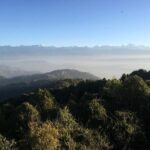
This isn’t a “sit in silence” kind of ride. The big draw is the scenery coming at you in stages: first, the Trishuli River as it slides through the hills, then the wider feel of open terrain as the road trends toward the Langtang access area. Early on, you’re mostly focused on staying comfortable; later, you’re watching the horizon like it’s a TV show you can’t pause.
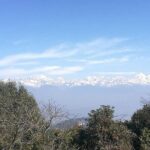
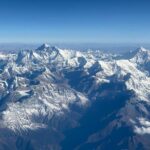
As you get closer to the Langtang side, the mountains start looming in the distance. That gradual reveal matters. If you’ve ever arrived in Nepal feeling jet-lagged and unsure where you are, this kind of drive helps your brain lock onto the place fast—because the geography is doing the storytelling for you.
You can also read our reviews of more tours and experiences in Kathmandu.
Price and what you get for $17 per person
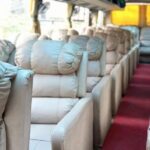
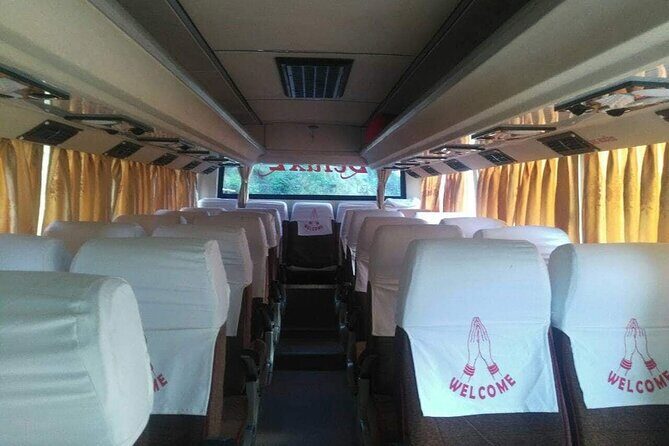
At about $17 per person, this bus is priced like a practical local-style transfer—no frills, no extra tour add-ons. The included item is straightforward: a deluxe bus ticket. That’s it.
So what’s the value? You’re paying for a comfortable seat, a direct route time block (around 8 to 9 hours), and the chance to experience the views without arranging private transport. If your main goal is to reach the Langtang gateway area and you’re okay with sitting for most of the day, this is a strong deal compared with private cars.
The thing to watch is what’s not included. Since only the bus ticket is included, any tea, meals, snacks, or anything you buy at roadside stops is on your own.
Meeting point and start time: don’t treat 7:15 am casually
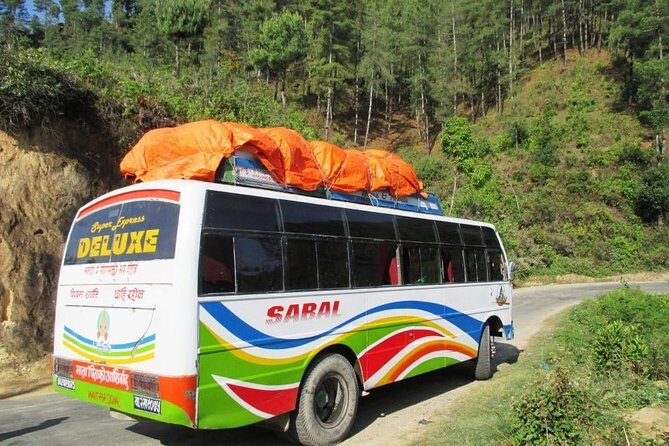
The pickup/start point is Machha Pokhari, Ring Rd, Kathmandu, with a start time of 7:15 am. You’ll want to arrive early, not because the trip is complicated, but because morning starts in Kathmandu have a way of making you rush even if you planned well the night before.
After booking, you should receive the key operational details: bus number, seat number, reporting time, departure time, and departure location. That’s useful because it reduces guesswork. It also means you can sit down mentally and trust that you’ll be in the right place at the right time.
On the road: Trishuli River bends, tea stops, and bumpy hill reality
The route is described as a scenic one, and the reason you’ll care is simple: you travel along the banks of the Trishuli River on winding roads for stretches. That turns the drive into something visually active—river, ridges, and changing angles—rather than a long straight line of sameness.
You can also expect the ride to get more dramatic. One of the practical lessons from similar bus rides in Nepal is that even “deluxe” doesn’t magically remove the physics of steep hills. Reviews and ride feedback for this route specifically point to a bumpy drive, with the driver handling steep sections somehow. Translate that into your own planning: wear shoes that don’t fight your feet, hold onto handrails when needed, and keep your focus on comfort rather than trying to read or write for hours.
The roadside food breaks (what to plan for)
The bus makes a few stops to stretch and sample local cuisine. That can mean something as simple as tea at a roadside tea stall, and possibly a traditional Nepalese meal during a longer stop. The key practical point: these stops are not the same thing as an included lunch.
So if you’re sensitive about hunger timing, bring a small personal snack you can access easily. Then, when the stop happens, you’re not forced to buy only because you’re desperate—you can choose what looks good.

Arriving at Dhunche and the Langtang gateway feel
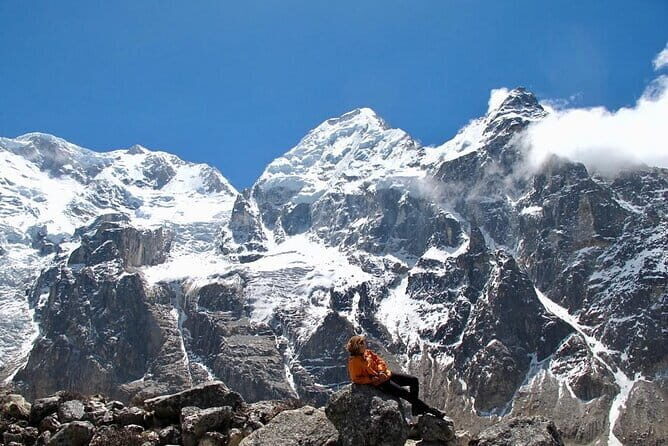
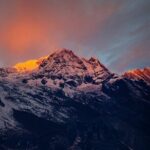
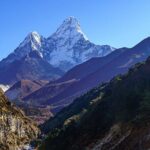
The trip’s highlight is reaching Dhunche, described as the gateway area for Langtang National Park, with snow-capped mountains visible as you near the end of the drive. This is the moment where the bus ride stops being about transportation and starts being about orientation.
However, there’s one detail you should double-check in your booking info: the listed end point is Syapru Besi (45000), while the journey description calls out Dhunche as the gateway high point. It’s possible your drop-off is in the Langtang access zone rather than exactly inside central Dhunche. The safest move is to confirm the final drop-off location in your booking details (seat info and departure notes) so you don’t scramble for onward transport.
Either way, you’ll likely be much closer to Langtang routes than you were when you started in Kathmandu. That matters if you’re stacking days afterward—for example, arranging a trek start, heading toward nearby villages, or setting up the next leg of your mountain itinerary.
Comfort on an 8–9 hour ride: how to make the seat time easier
This is a long bus day. Even if the scenery is great, 8–9 hours adds up, especially with winding roads. With only a bus ticket included, the comfort level mostly comes down to the seat, the ride style, and what you bring.
Here’s what I suggest you pack with this exact ride in mind:
- A light layer. Mountain temps can shift, especially once you start seeing bigger peaks.
- Something for your head and neck. A simple travel pillow can save you on bumpy segments.
- Water and an extra snack. Stops are planned, but they’re not an all-day buffet.
- Motion-sickness support if you’re prone to it. Winding hills are part of the deal here.
- A camera setup you can reach fast. You’ll want to grab shots when the mountains appear.
Also, keep your expectations grounded. “Deluxe” usually means the bus is nicer than the basics, not that the road is smooth. The hills are steep, the turns are real, and the driver’s job is to get everyone safely up and down.
Who this bus trip suits best (and who should consider alternatives)
This is a good fit if you want:
- A low-cost way to reach the Langtang gateway area
- Scenic value without booking private transport
- A day plan that starts early and ends in the mountains zone
- A small group of up to 20 people (so it’s not a chaotic crowd)
It may be less ideal if you:
- Need a very flexible departure time (this starts at 7:15 am and follows the route timing)
- Hate bumpy rides or steep hill roads
- Expect an included meal or full catering (only the ticket is included; food is at stops)
Should you book this Kathmandu to Dhunche bus ride?
Book it if your priority is getting to Dhunche/Langtang access with strong scenery for a sensible price and you’re comfortable sitting for most of the day. At $17, you’re paying mainly for transport plus the view payoff along the Trishuli River, which is exactly the kind of value Nepal does well.
Don’t book it blindly if you’re tight on schedule after arrival. Because the end point is listed as Syapru Besi while the description highlights Dhunche as the gateway moment, confirm your exact drop-off before you lock in the next appointment. Once you do that, this bus day can be a smart, money-wise start to your Langtang plans.
FAQ
Where does this trip start and what time does it depart?
The start point is Machha Pokhari, Ring Rd, Kathmandu 00977, Nepal. The start time is 7:15 am.
How long is the Kathmandu to Dhunche bus ride?
The travel time is around 8 to 9 hours, depending on traffic conditions.
What is included in the ticket price?
You get a deluxe bus ticket. Nothing else is included besides the ticket(s).
Are food stops included, or do I pay for meals?
The bus makes a few stops where you can stretch and sample local cuisine, including tea at a roadside tea stall. Any food you choose is not included in the ticket price.
What is the group size?
The activity has a maximum of 20 people.
If my plans change, can I get a refund?
No. This experience is non-refundable and cannot be changed for any reason.