REVIEW · KATHMANDU
Mera Peak Climbing
Book on Viator →Operated by Nepal Guide Treks and Expedition P. Ltd. · Bookable on Viator
Mera Peak is a big-sky summit. This trip targets Nepal’s highest officially permitted trekking peak, rising south of Everest, with a rare haul of views across multiple 8000m giants. You’ll spend days working your way upward through the Hongu and Hinku valleys, then push for the summit with plenty of mountain time to acclimatize. Mera Peak is the headline, but the slow build is what makes it special.
Two things I like right away: the planning basics are handled for you, including Mera Peak climbing permits, an experienced guide, and all necessary climbing gear. I also like the human side of the trip—time in highland Sherpa community areas while you travel through wild, less-trodden valleys. It’s not just about a top point; it’s about the route and the people along the way.
The one drawback to consider is simple: high altitude is still high altitude, and weather can force adjustments. The program builds in safety decisions like descending if you don’t improve after acclimatizing, so you should be ready for a plan that adapts, not one that blindly sticks to a script.
In This Review
- Key highlights worth planning for
- Why Mera Peak feels like a mega-viewpoint
- The Hongu and Hinku valleys: remote trekking with culture in the mix
- Kathmandu: your four-night pre-flight where paperwork meets reality
- Price and value: what you’re really buying at $3,000
- Trek rhythm: tea houses lower down, camping higher up
- Altitude safety: the trip’s advice is firm and practical
- Summit reality: flexibility beats stubbornness
- Who this climb suits (and who should reconsider)
- Gear and personal packing: what’s included vs what’s on you
- Should you book this Mera Peak climb?
- FAQ
- What is the meeting point for this Mera Peak climbing trip?
- How long is the trip?
- What is included in the price?
- What is not included?
- Does the tour offer pickup?
- What is the group size limit?
- Is there a minimum age?
- Are mobile tickets used for this experience?
- What is the cancellation policy?
- What health and safety guidance is emphasized for altitude sickness?
Key highlights worth planning for
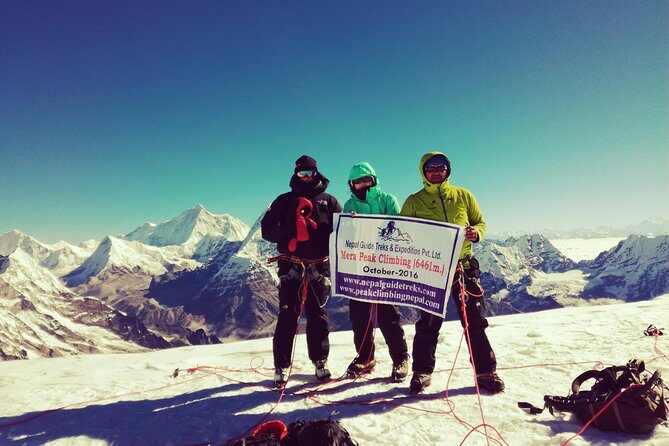
- Highest permitted trekking peak angle: You’re aiming at a sanctioned peak in Nepal’s trekking ecosystem, not an improvised climb.
- Hongu and Hinku valleys: You get quiet scenery and a more remote feel as you move between valley routes.
- Permits and climbing gear included: You’re not stuck guessing what equipment you’ll need at altitude.
- Small group size: A maximum of 15 travelers keeps the vibe more manageable on a long, demanding trip.
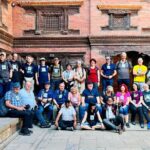
- Sherpa-led support: In past trips with this operator, guides and Sherpas like Prakash Devkota, Gelchen Sherpa, Sonam Sherpa, Dandee, Ming-ma, Samdu, and Dende have been highlighted for support and problem-solving.
- Altitude response tools and protocols: The guidance stresses practical sickness management, including Diamox and use of a Gamow bag if provided.
Why Mera Peak feels like a mega-viewpoint
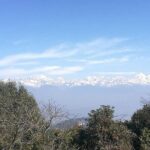
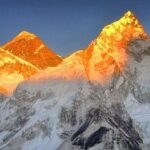
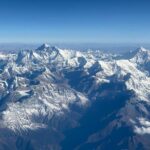
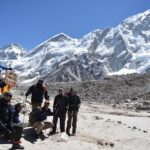
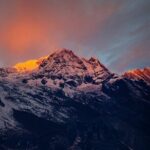
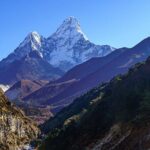
Mera Peak is attractive for one main reason: it’s officially the highest permitted trekking peak in Nepal’s trekking world, and the views match the altitude ambition. On a clear summit day, the sightlines are built to impress—Everest (8848m), Cho Oyu (8201m), Makalu (8485m), Kanchenjunga (8586m), Lhotse (8516m), and more inside the Everest region.
What you’ll like most is the way the climb is set up to get you there without rushing. This kind of mountain doesn’t reward speed; it rewards consistency. With an 18-day itinerary window (plus a bit of timing flexibility), you’re given the time that helps your body adjust and helps your mind stop panicking about every small ache.
There’s also a psychological win: you’re not just doing a trek that happens to pass near mountains. This one is explicitly built around the summit goal of a 6000m-class peak, which changes how you plan your energy, your food, and your pace.
You can also read our reviews of more tours and experiences in Kathmandu.
The Hongu and Hinku valleys: remote trekking with culture in the mix
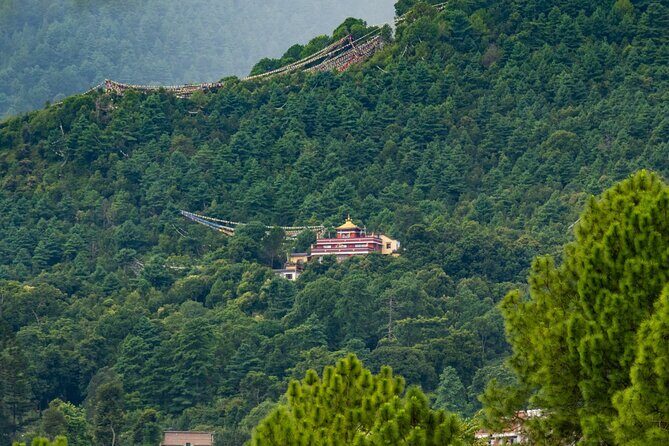
The route focus on Hongu and Hinku valleys is a big deal if you’re tired of feeling like you’re walking through a highway. You’re heading into areas described as wild, uninhabited, and beautiful—so the experience can feel more personal, less crowded, and more about movement than meeting people.
You also get a cultural layer. The trip highlights the experience of highland Sherpa tribe communities, which matters because Sherpa life isn’t just a photo stop. It’s tied to how people survive in harsh terrain, how they think about weather, and how they handle the day-to-day logistics of living near big mountains.
One practical upside: when you’re moving through remote valleys, your group tends to operate like a team. That’s where small things—communication, pace, and checking in—matter more than fancy gear. If you want a trip that feels grounded, not staged, this valley routing supports that.
Kathmandu: your four-night pre-flight where paperwork meets reality
You start in Kathmandu, and the package includes 4 nights with breakfast (BB). That buffer time is useful for two reasons: you can get settled after travel, and you have space to sort out gear and health concerns before you start climbing.
This operator also offers pickup, and the meeting point is listed as Tribhuvan Airport (Kathmandu). Since the program notes it’s near public transportation and uses a mobile ticket approach, you’re not fighting a maze of internal logistics on day one.
In plain terms, I’d treat these Kathmandu nights as your quiet prep window. The checklist is rarely the summit attempt; it’s whether you’re hydrated, rested, and confident in your clothing and layering. The more settled you are here, the better your first days on the trail feel.
Price and value: what you’re really buying at $3,000
$3,000 per person is not a casual spend. But you’re not paying only for a flag and a guide. What’s included here adds real structure to the climb:
- 4 nights in Kathmandu (BB)
- Mera Peak climbing permits
- Tea house + camping combined food and accommodation during the trek
- An experienced trekking & climbing guide
- All necessary climbing gears
Meanwhile, the big exclusions are also clear: international airfare and departure tax, personal climbing gear, personal expenses, and tips for guides/porters.
So is it value? For many climbers, yes, because the included climbing gear and permits remove two common pain points: last-minute equipment buying and uncertainty about access. Gear at altitude is not the place to wing it, and permits are part of what makes a peak climb legitimate and predictable.
The other value factor is how this team has shown up in past situations: multiple review snippets mention strong communication from Prakash Devkota and hands-on support from Sherpas and guides (including Sonam Sherpa and Gelchen Sherpa, plus guides like Dandee, Samdu, and Dende). That matters when weather forces route changes.
Trek rhythm: tea houses lower down, camping higher up
This trip uses a tea house + camping combined setup for food and accommodation during the trek. That mix often makes sense because tea houses can be easier early on, while camping becomes more likely as you move higher and more remote.
The practical takeaway for you: you should pack for both comfort styles. Tea house nights mean you may have simpler access to a warm meal and basic warmth. Camping nights mean you rely more on your sleeping system, layers, and how well you handle cold and wind.
The program also pushes you toward smarter fueling. The guidance calls for eating light food but reaching adequate calories. That’s a classic high-altitude truth: when your appetite drops, you still need energy. The trip also suggests adding ginger and garlic—not as a trend, but because they can be helpful when your stomach is fighting the mountain.
And hydration is non-negotiable. The advice is lukewarm water, about 2–3 litres a day. That’s a lot, but it’s also the kind of detail that separates a tough summit attempt from a miserable one.
Altitude safety: the trip’s advice is firm and practical
A good altitude plan doesn’t sound heroic. It sounds like rules, monitoring, and honest decisions.
Here’s the core approach you’re given:
- Drink enough water (2–3 litres/day) with lukewarm temperature.
- Avoid alcohol and smoking.
- If altitude sickness is mild, don’t panic. Stay where you are, sleep sufficiently, and keep drinking water.
- If it doesn’t improve even after acclimatizing, you should start descending your climbing.
- If it becomes serious, descend immediately and use Diamox pills.
- A Gamow bag can help restore oxygen level and air pressure, but you should confirm what altitude gears your organizer provides.
This matters because the mountain punishes denial. Even with a good plan, your body may give you signals—headache, nausea, unusual fatigue, loss of appetite. The trip’s guidance is very clear that you should treat symptoms early and not wait for a miracle.
If you want to be extra smart, talk with your guide about adapting your plan and potentially traveling to lower altitude if possible, based on your condition. That’s a sign of a team thinking in risk-management terms, not just pushing forward because it’s day X on a calendar.
Also, don’t ignore the medical direction: the trip suggests consulting a doctor if available. That’s not overkill; it’s the most direct way to figure out whether your plan should be modified.
Summit reality: flexibility beats stubbornness
A summit climb is the goal, but the decision-making is the actual sport.
The trip’s own guidance includes a key idea: if you’re not improving after acclimatizing, you should descend rather than forcing higher altitude. And if symptoms are serious, you descend immediately and use Diamox.
Weather can also shape the route. One past story includes heavy snowstorms closing a planned pass, and the team adjusted the route smoothly while keeping safety in focus. That’s the kind of real-world mountain behavior you want: flexibility with discipline.
So for you, the best mindset is not only training your legs. Train your expectations. Bring the attitude that the summit attempt is a partnership between you, your symptoms, the weather, and your Sherpa-led decision-making.
Who this climb suits (and who should reconsider)
This trip sets expectations with a few clear requirements:
- Minimum age: 18 years
- You should have strong physical fitness
- Group size: maximum 15 travelers
- Confirmation is received at time of booking
- Pickup is offered
Based on that, this is not a casual first Himalayan trek. You’re aiming for a peak climb above 6000m with climbing gear included. Even if you’ve trekked before, this requires a different level of stamina and mental grit.
On the other hand, if you’re fit, willing to follow safety rules, and you like having logistics handled so you can focus on walking and breathing, this setup can feel reassuring. Multiple past accounts highlight the sense of safety and support from guides and Sherpas, which is a huge deal if you’re solo or if you simply want structure.
Gear and personal packing: what’s included vs what’s on you
The operator includes all necessary climbing gears and provides the itinerary support needed for the climb and trek. What’s not included is personal climbing gear.
That split is worth paying attention to. Don’t assume included gear covers everything you might prefer or need for fit, warmth, or comfort. Use the included-goods list from the operator (you’ll get confirmation at booking) to build your personal kit around what your body needs, not what looks good in a store.
Also, the altitude safety section implies you should be prepared for illness management tools like Diamox and altitude response support like a Gamow bag. You won’t want surprises—so before you go, ask directly what altitude-related equipment is provided as part of the climb package.
Should you book this Mera Peak climb?
If you want a mountain trip that mixes big views with real valley trekking, this is a strong candidate. The included permits, guide, and climbing gear reduce the guesswork that can turn a summit attempt into a stress test. The Hongu and Hinku focus also gives the experience a more remote feel than routes that feel like a crowded conveyor belt.
I’d strongly consider booking if you:
- Have strong fitness and can commit to a longer time window (18 days range).
- Like the idea of small-group support (max 15).
- Value safety decisions that prioritize descent when you’re not improving.
I’d pause and ask extra questions if:
- You have any medical concerns and want a clearer picture of how your condition would change the plan.
- You’re unsure about what your personal climbing gear needs are.
- You want confirmation of whether altitude response items like the Gamow bag and related altitude gear are actually included by the organizer.
If you line up your training, pack smart, and treat altitude symptoms seriously, this trip has a clear path: walk patiently, climb with discipline, and let the mountain decide the final details—especially on summit day.
FAQ
What is the meeting point for this Mera Peak climbing trip?
The start/meeting point is listed as Tribhuvan Airport, Kathmandu, Nepal.
How long is the trip?
The duration is listed as approximately 18 days 2 hours 5 minutes.
What is included in the price?
Included are 4 nights in Kathmandu with breakfast (BB), Mera Peak climbing permits, tea house plus camping combined food and accommodation during the trek, an experienced trekking and climbing guide, and all necessary climbing gears.
What is not included?
Not included are international airfares and departure tax, personal climbing gears, cost of personal expenses, and tips for guides/porters.
Does the tour offer pickup?
Yes, pickup is offered.
What is the group size limit?
The tour has a maximum of 15 travelers.
Is there a minimum age?
Yes, the minimum age is 18 years.
Are mobile tickets used for this experience?
Mobile ticket is listed as a feature.
What is the cancellation policy?
Cancellation is free, and you can cancel up to 24 hours in advance for a full refund. If you cancel less than 24 hours before the start time, the amount paid is not refunded.
What health and safety guidance is emphasized for altitude sickness?
The guidance includes drinking enough water (2–3 litres/day), avoiding alcohol and smoking, consulting a doctor if available, descending if symptoms do not improve after acclimatizing, using Diamox pills if serious, and using a Gamow bag if provided.