REVIEW · KATHMANDU
Short Everest Base Camp Trek 10 Days
Book on Viator →Operated by Welcome Nepal Treks P.ltd · Bookable on Viator
Climbing into the Everest region in just 10 days is no small feat. This short trek focuses on the classic Khumbu route with lodge stays, an experienced English-speaking guide, and the big hits: Namche Bazaar, Everest Base Camp, and a sunrise run to Kala Patthar. You’ll also get a tight logistics package, including Kathmandu–Lukla–Kathmandu flights and domestic transfers by private vehicle, which matters when your time and energy are both limited.
Two things I really like: the plan is organized enough that you’re never guessing what comes next, and you’re not trekking alone—this runs with a small group (up to 15), plus guide and porter support options. One drawback to keep in mind: it’s a “short” version for a reason. You’re moving at altitude with fewer rest days than longer EBC routes, so you’ll want to take acclimatization seriously and move slower than your ego wants.
In This Review
- Key Points You’ll Care About
- A Short Everest Plan That Still Delivers the Big Moments
- Price and Value: What Your $1,400 Actually Buys
- Starting in Kathmandu: Transfers and the 6:15 a.m. Rhythm
- Day 1: Flight to Lukla and the First Legs to Phakding
- Day 2: Phakding to Namche Bazaar Along Dudh Koshi
- Day 3: Namche to Tyangboche and the Rhythms of the Forest
- Day 4: Tyangboche to Dingboche at 4260 m
- Day 5: Dingboche to Lobuche and the Build-Up Before EBC Country
- Day 6: Lobuche to Gorakshep, Then Toward Everest Base Camp
- Day 7: Kala Patthar Sunrise (5545 m) and Down to Pheriche
- Day 8: Back Toward Namche and the Sherpa Village Stops
- Day 9: Namche to Lukla and the Last Teahouse Night
- Day 10: Fly Lukla to Kathmandu and Finish With a Farewell Dinner
- Guides, Group Size, and Why the Trek Feels Managed
- Your Main Trade-Offs: Altitude Timing, Meals, and Insurance
- What to Pack and How to Walk So You Don’t Pay Twice
- Should You Book This Short Everest Base Camp Trek?
- FAQ
- What is the starting time for the trek?
- Does the tour include flights to Lukla and back to Kathmandu?
- Are accommodations during the trek included?
- Do I need travel insurance for emergency evacuation?
- Are meals included during the trek?
- Is there a guide on this trek?
- Are porters included?
- What is the cancellation policy window?
Key Points You’ll Care About
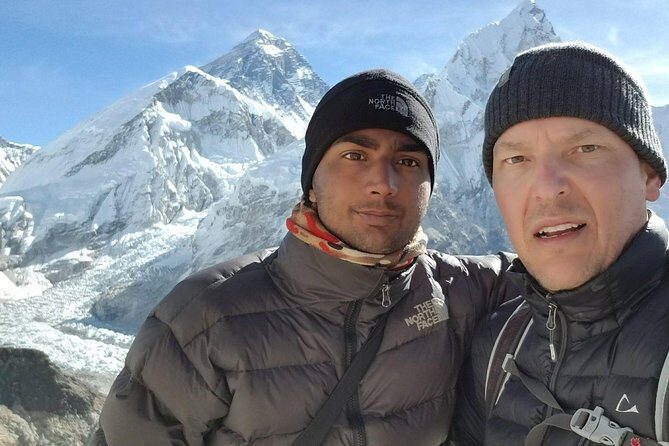
- Flights are included: Kathmandu–Lukla–Kathmandu is part of the package, handled with domestic airport tax.
- Kala Patthar is built in: an early morning push for sunrise views before dropping down toward Pheriche.
- Lodge/tea-house stays included: you’re sleeping on the trail each night, not hunting for beds.
- Emergency support is arranged, not owned: helicopter arrangement exists, but your insurance must cover high-altitude evacuation.
- Meals during the trek aren’t included: plan a daily budget for breakfast, lunch, and dinner beyond what’s listed as standard meals.
- Small-group pacing: maximum 15 travelers means you can still manage crowd flow in the busier stops.
A Short Everest Plan That Still Delivers the Big Moments
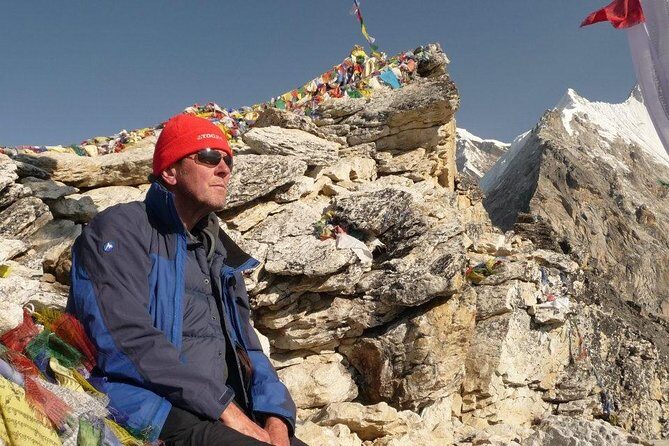
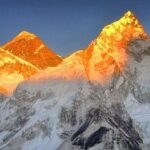
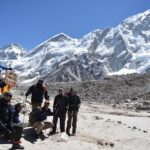
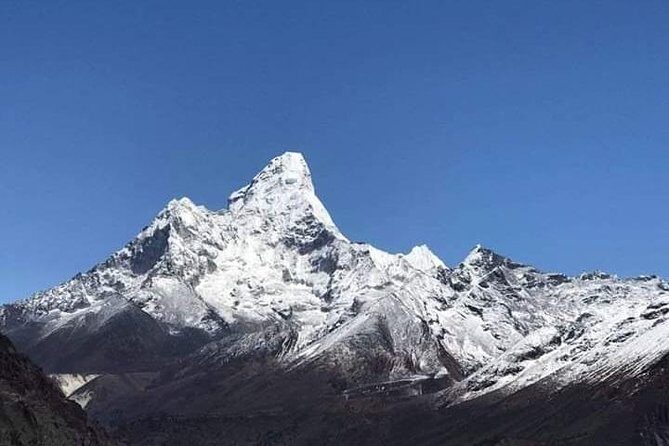
A short Everest Base Camp trek works when two things are true: you’re fit enough to walk several hours most days, and you respect altitude. This itinerary is designed around that reality. You start with the famous flight into Lukla, then work your way up through the Khumbu chain of villages—Phakding, Namche Bazaar, Tengboche, Dingboche, Lobuche—before reaching the Everest Base Camp area and finishing with Kala Patthar.
The reason this works for many people is simple: you get the classic visual checklist—Dudh Koshi river valley days, Sherpa towns, rhododendron forests, the glacier approach—and you still have time left in Nepal for other adventures. If you’re doing Nepal in one trip and you want the Everest tick without turning it into a month-long lifestyle, this is the kind of format that fits.
You can also read our reviews of more hiking tours in Kathmandu
Price and Value: What Your $1,400 Actually Buys
At $1,400 per person for 10 days, the value depends on how you look at costs. This price includes the major expensive/logistical parts that tend to blow up budgets on trekking trips: your Lukla flight legs, lodge accommodations during the trek, trekking permits, and the support staff.
Here’s what’s included that usually matters most:
- Flights (Kathmandu–Lukla–Kathmandu) with domestic airport tax
- Private domestic airport/hotel transfers in Kathmandu
- Lodge stays on the trekking route
- A trained English-speaking guide, plus guide expenses and porter/transport arrangements
- Necessary trekking permits and official taxes/charges
- An emergency helicopter service arrangement that relies on your travel insurance being the payer
Here’s what is not included, and it’s worth planning for:
- Standard meals during the trek (breakfast, lunch, dinner)
- Personal trekking equipment
- Tips for guide and porter (tipping is expected)
- Travel insurance that covers high-altitude rescue and evacuation
So what does that mean for you in real life? Expect to budget extra for meals and insurance, and keep some cash aside for tips. If you already have strong insurance and you budget well for food, the trek can feel like good value because the costly pieces are covered up front.
Starting in Kathmandu: Transfers and the 6:15 a.m. Rhythm
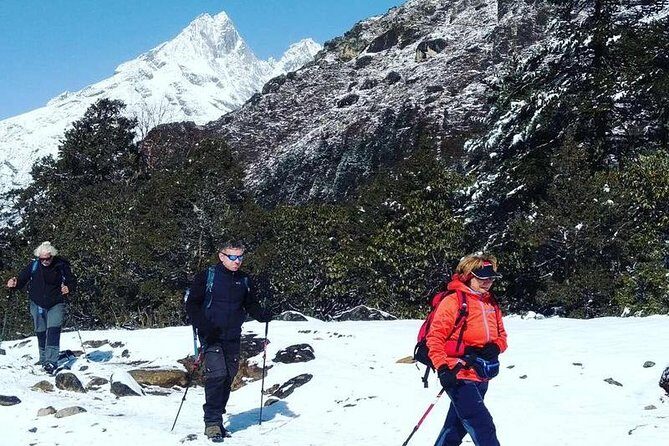
Your day begins early. The start time is listed as 6:15 am, and the itinerary includes private vehicle transfers. That’s a relief on day one because Lukla days are the kind that don’t forgive delays. In Kathmandu, you’ll also get representatives to receive you when you land back from Lukla and then transfer you to your hotel.
This matters because Nepal trekking runs on schedules that are real, not theoretical. When your trekking start is early, and your flight timing is part of the package, smoother ground handling helps you focus on the first walk instead of the logistics.
Day 1: Flight to Lukla and the First Legs to Phakding
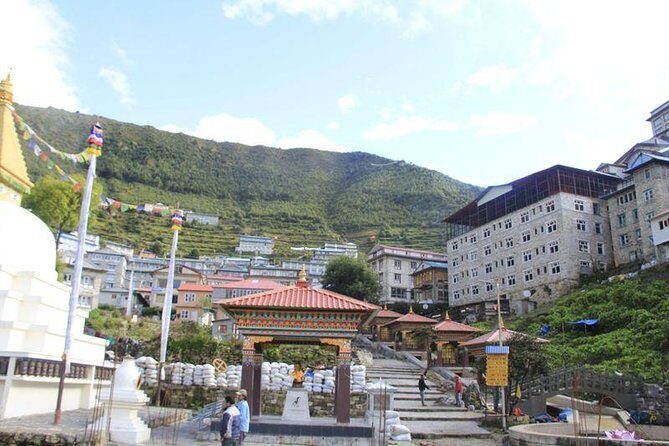
Day 1 is a classic setup: fly to Lukla on a commercial flight (Tara, Summit, or Sita Air), then begin trekking to Phakding. The trek to Phakding is listed as about 3.5 hours after the flight.
Why this day is important even if it feels short: it’s where you get your first altitude exposure and your first sense of the trail rhythm. You’ll likely feel that mix of excitement and breathiness. Keep your pace easy, and treat this as a warm-up day, not a fitness test.
A practical note: the flight itself can be weather sensitive in the Himalaya region. The package includes the fare, but you still want to handle your expectations around timing.
Day 2: Phakding to Namche Bazaar Along Dudh Koshi
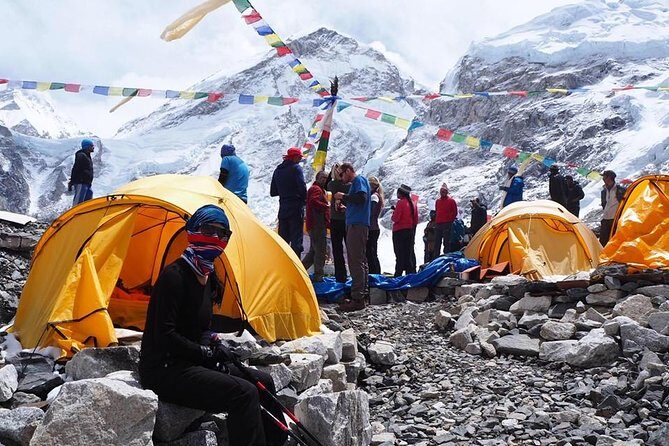
Day 2 climbs to Namche Bazaar (3440 m) in about 6 hours. The trail runs along the right bank of Dudh Koshi, with Thamserku visible across the river.
This is one of the most important days for you mentally. Namche is where trekkers start to feel like they’ve entered the Everest zone for real: bigger trails, more lodges, more teahouse traffic, and plenty of chances to slow down. If you’re prone to rushing, this is your moment to practice restraint.
Also, your itinerary lists a 6-hour trek time and notes free admission for the day’s stop information. Don’t overplan activities here on day two. Your goal is arrival, hydration, and an easy evening.
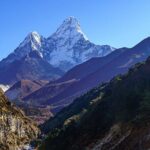
Day 3: Namche to Tyangboche and the Rhythms of the Forest
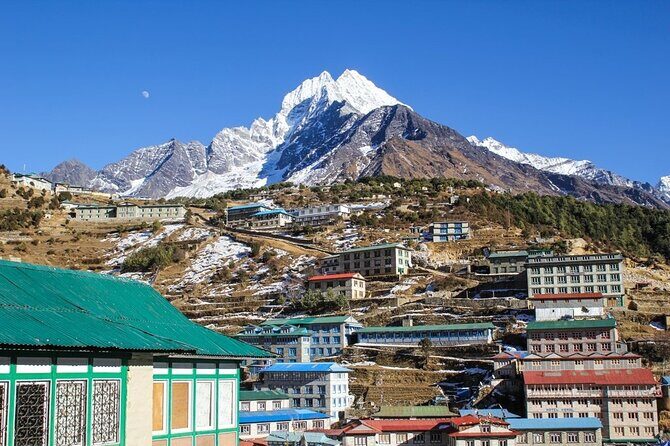
Day 3 goes from Namche to Tyangboche (3867 m) in about 5 hours. The route includes a steep cliff section dropping toward the Dudh Kosi, with big panorama moments along the way.
Tyangboche sits at a sweet spot: high enough for real views, but still reachable on a half-day style schedule. This helps you acclimate without turning the day into a marathon. It’s also the kind of stop where you can enjoy the monastery area and the village vibe if you feel steady on your feet.
If you’re thinking about taking Kala Patthar seriously later, days like this train your pacing. Walk with intention, but don’t burn matches.
Day 4: Tyangboche to Dingboche at 4260 m
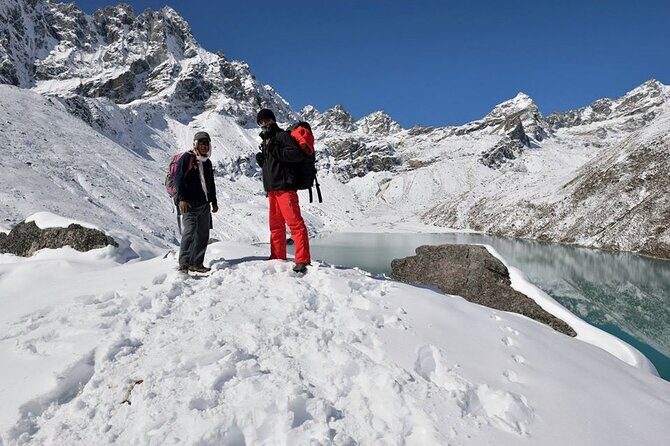
Day 4 heads to Dingboche (4260 m) in about 5 hours. Expect a descent through a rhododendron forest into Deboche, then a crossing over a suspension bridge at Imja Khola.
Bridges at altitude are a good reminder: you’ll feel more movement and more wind than you’re used to at home. Keep your breathing calm, plant your feet deliberately, and don’t let your mind race ahead to the next climb.
Dingboche is a higher base for the days that follow, so you’ll want to arrive feeling like you still have something left in the tank. That’s not always how people feel. But it’s a better way to travel.
Day 5: Dingboche to Lobuche and the Build-Up Before EBC Country
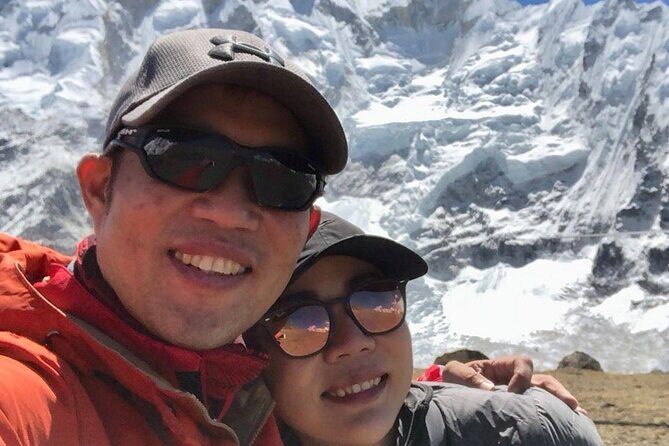
Day 5 trek time is listed as about 5 hours to Lobuche. The description notes a gentle uphill section up to Pheriche village.
This is the “getting closer” day. The terrain tends to feel harsher as you move deeper into the Everest Base Camp area. If you feel more tired than you expected, that doesn’t automatically mean you’re doing anything wrong—it often just means you’re at the stage where altitude starts showing its personality.
Keep meals and hydration steady. Even though meals aren’t included as part of the package, your guide and teahouse rhythm will keep you fed. Treat food like fuel, not like an optional hobby.
Day 6: Lobuche to Gorakshep, Then Toward Everest Base Camp
Day 6 is the big push: about 8 hours, moving from Lobuche to Gorakshep and toward Everest Base Camp via rocky paths and the Khumbu glacier area.
This is the day where your effort finally gets a title card. Gorakshep is where the terrain tightens and where you start seeing the Everest Base Camp approach in a more dramatic way. The view notes include Nuptse among the prominent mountains.
Here’s how to make this day work for you:
- Start steady and don’t chase speed. This is not a race.
- Expect cold and wind sensitivity, especially later in the day.
- Save your biggest energy for the approach moments you’ll remember.
A long day is part of the trade-off for a “short” trek. If you try to compensate by walking fast early, you’ll feel it later.
Day 7: Kala Patthar Sunrise (5545 m) and Down to Pheriche
Day 7 is built around early morning: you’re up for Kala Patthar (5545 m) for sunrise views, then continue to Pheriche (4243 m). The itinerary lists a total of about 7 hours, but the key is the timing of the early start.
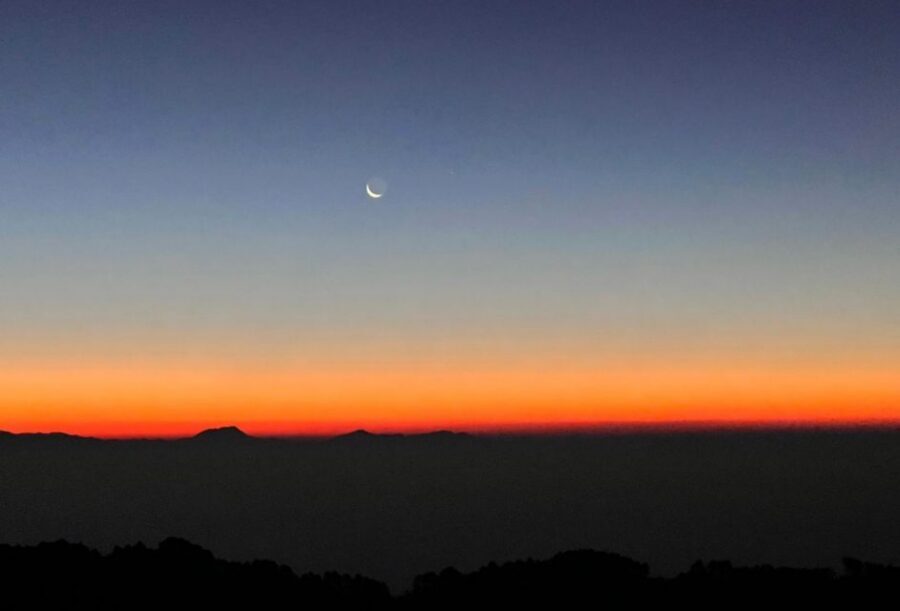
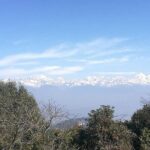
Kala Patthar is where many people feel the Everest region click into place. Sunrise views can be spectacular, and the altitude makes it real. Even if you’re not a super confident high-altitude hiker, this stop is a strong goal because it’s short in distance compared to the rest of the week, but high in payoff.
Then you go down to Pheriche. That descent is not just relief; it’s recovery. If you can manage your breathing and keep moving carefully, you’ll finish day seven more ready for the return leg.
Day 8: Back Toward Namche and the Sherpa Village Stops
Day 8 takes you from Tyangboche back to Namche Bazaar (with route time listed around 7 hours, and a note that it takes about four and half hours to reach Namche). En route, you’ll visit traditional villages like Khumjung and Khunste.
This is one of the more enjoyable days because the pressure eases. You’re still climbing/descending, but you’re no longer chasing the base camp deadline. Village stops also give you a chance to see Sherpa community life and gather souvenirs, snacks, and simple rest.
I like this day because it helps you absorb what you just did. You go from peak memories back to normal village rhythms.
Day 9: Namche to Lukla and the Last Teahouse Night
Day 9 is the trek from Namche Bazaar to Lukla (about 7 hours). Lunch is served on the way, and you arrive and refresh before resting overnight at a tea house lodge.
This is a long enough day that you’ll feel tired, but it’s also a morale boost. The big emotions usually show up here: relief, satisfaction, and sometimes the strange feeling that it’s all moving too fast.
If your energy dips, stop thinking like it’s about endurance. It’s about consistency: take breaks when needed, sip water often, and let the last day be what it is.
Day 10: Fly Lukla to Kathmandu and Finish With a Farewell Dinner
Day 10 brings an early flight from Lukla to Kathmandu. Once you land at TIA, you’re received by representatives and transferred to your hotel. In the evening, there’s a farewell dinner served in Bhojan Griha.
This end matters. After days of walking and climbing, a proper sit-down meal feels like closure. It’s also a good time to compare notes with your group and feel the full impact of reaching Everest Base Camp area and then climbing up to Kala Patthar.
Guides, Group Size, and Why the Trek Feels Managed
This trek runs with a maximum of 15 travelers, and it includes one experienced English-speaking guide. Porters are available at an extra cost (1 porter for 2 people), which can be a big help if you’re traveling with lighter confidence or want less weight on your back.
From the guide performance you can expect in this style of operation, I’d highlight three things to watch for as you travel:
- Clear day planning: a good guide explains the day plan in a way you can actually understand the night before.
- Pace control: the best guides keep you safe by pushing you with patience, not by forcing speed.
- Attention to small problems: if you’re prone to altitude headaches or fatigue, having someone who can advise you during the trek is a real benefit.
Names like Mohan, AJ, Padam dai, Padam Bahadur Bhujel, and Anjan show up with this operator in past service stories, and that pattern suggests they regularly assign guides with strong communication skills. You’ll still need to listen to your own body, but having someone who can coach you matters.
Your Main Trade-Offs: Altitude Timing, Meals, and Insurance
This trek is a short version, and that comes with three practical considerations.
First, altitude timing. You reach major elevations quickly (Namche at 3440 m, Tyangboche at 3867 m, Dingboche at 4260 m, Gorakshep area around 5140 m). You have acclimatization built into the village-to-village rhythm, but you don’t get the luxury of extra buffer days.
Second, meals aren’t included. You’ll pay for breakfast, lunch, and dinner during the trek. Tea houses usually make it easy to eat, but it’s still a budget item you shouldn’t ignore when deciding if $1,400 is affordable.
Third, insurance. The package includes emergency helicopter service arrangement, but your travel insurance company is what must pay for rescue/evac. The listing also explicitly says travel insurance covering emergency high-altitude rescue and evacuation isn’t included, so you’ll need to secure that yourself.
What to Pack and How to Walk So You Don’t Pay Twice
The tour provides accommodations and guides, but it does not provide personal equipment. So plan your packing based on high-altitude comfort. I’m not going to pretend you can pack once and be fine in every season. You’re walking from valley air into cold and wind near the higher zones, and your body will feel it.
For pacing, treat each day like this:
- Walk slower than you think you need to.
- Use breaks to reset breathing, not to snack and linger forever.
- Drink steadily even when you’re not thirsty.
- Keep your sense of urgency low. On Everest treks, urgency is usually the enemy.
If you’re carrying light support (and potentially using a porter if you pay for it), you’ll have a better chance of finishing strong on the EBC and Kala Patthar day.
Should You Book This Short Everest Base Camp Trek?
Book it if you want the Everest Base Camp experience in a realistic time window and you’re comfortable doing long walking days. This route is best for people who like structure, want lodge comfort, and value having the big travel pieces handled—especially flights to Lukla, guides, permits, and organized transfers.
I’d pause and rethink if any of these are true for you:
- You’re unsure about altitude and you can’t commit to moving slowly.
- You don’t want to budget extra for meals and tips.
- You haven’t secured travel insurance that covers high-altitude rescue/evac.
If you match the fit—fit enough, calm enough, and ready to plan meals and insurance—this is a solid way to reach Everest Base Camp territory and still come home with energy for the rest of Nepal.
FAQ
What is the starting time for the trek?
The start time is 6:15 am.
Does the tour include flights to Lukla and back to Kathmandu?
Yes. Flight fare (Kathmandu–Lukla–Kathmandu) with domestic airport tax is included.
Are accommodations during the trek included?
Yes. All accommodations in lodges/tea houses during the trek are included.
Do I need travel insurance for emergency evacuation?
Yes. Travel insurance covering emergency high-altitude rescue and evacuation is not included, and the helicopter service arrangement depends on your insurance paying.
Are meals included during the trek?
No. Standard meals (breakfast, lunch, and dinner) during the trek are not included.
Is there a guide on this trek?
Yes. One experienced, English-speaking trekking guide is included, along with the guide’s expenses and equipment.
Are porters included?
Porters are not included by default. Porters are available at an extra cost (1 porter for 2 people).
What is the cancellation policy window?
Free cancellation is available up to 24 hours in advance for a full refund. If you cancel less than 24 hours before the start time, the amount paid is not refunded.