REVIEW · KATHMANDU
Spiritual Journey to Kailash Manasarovar 16 Days Overland Trip
Book on Viator →Operated by Kaleidoscopic Nepal · Bookable on Viator
One high pass, one sacred lake. That’s the core of this trip. What makes it compelling is the full route: Kathmandu rituals, a real overland crossing into Tibet, and then the Kailash kora on foot with a team that watches details like altitude and meals.
I like two things a lot: the small group size (max 10) that keeps the trip manageable, and the hands-on support in Tibet, including oxygen and daily health monitoring. It’s also built around fixed departure dates, so you’re not trying to guess timing your way through permits and planning.
The main drawback is physical demand. You’ll be trekking on the Kailash kora and spending many days at high elevation, so you need moderate fitness and a comfort level with long travel days.
In This Review
- Key things I’d zero in on before you go
- Why Kailash and Manasarovar Still Feel Different Than a Typical Tour
- 16 Days Overland: The Real Timing and Altitude Story
- Kathmandu Days 1–4: Temples, UNESCO Sites, and Shiva Everywhere
- Getting Your Tibet Visa Started (Day 2) and the First Step Out of Kathmandu (Day 5)
- Cross the Border to Tibet: Kyirong and Saga (Days 6–7)
- Lake Mansarovar Day 8: Puja, Silence, and High Lake Air
- Darchen and the Kailash Kora: Diraphuk, Zuthulphuk, and Dolma La (Days 9–12)
- After the Kora: Saga and Gyirong Recovery Days (Days 13–14)
- Back to Kathmandu and Out Through Rasuwa Gadhi (Days 15–16)
- Comfort and Care That Actually Matters: Hotels, Meals, Oxygen, Monitoring
- Price and Value: Is $3,999 Fair for This Much Support?
- Who Should Book This Kailash Manasarovar Trip
- Should You Book This 16-Day Kailash Manasarovar Overland Trip?
- FAQ
- What is the duration and meeting point for this trip?
- What does the price of $3,999 per person include?
- Are monument entry fees in Kathmandu included?
- How big is the group?
- What level of fitness do I need?
- Is oxygen support provided for altitude sickness?
- What is not included during the trek?
- Can I cancel and still get a refund?
Key things I’d zero in on before you go
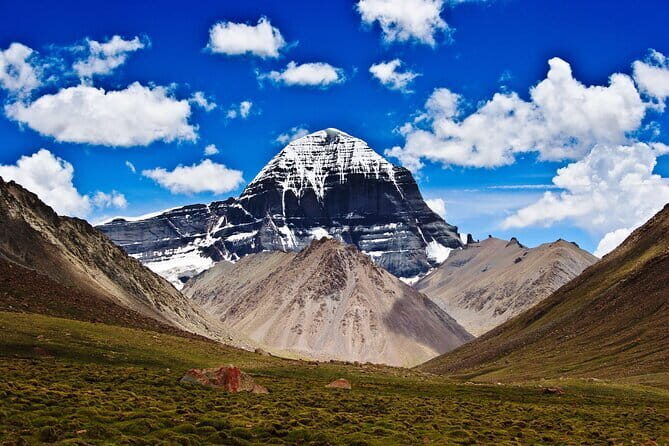
- Kailash kora on a structured schedule with kora legs from Darchen to Diraphuk, then over Dolma La, then back
- Altitude support built into the plan (oxygen cylinder + daily blood pressure and oxygen checks)
- Door-to-door style logistics via private transport plus pickup offered in the Kathmandu start area
- Full-board pure veg meals and a team that focuses on comfort during long, remote days
- Permits and Tibet visa included so you’re not hunting paperwork while you travel
- Fixed departure dates listed for 2024, which helps you plan around the best window for your trip
Why Kailash and Manasarovar Still Feel Different Than a Typical Tour
If you’re drawn to Kailash and Manasarovar, you’re probably not just buying a sightseeing checklist. This is a spiritual journey where the rhythm matters: drive, rest, acclimatize, ritual, then walk. Even if you’re not religious, the experience can land in a very human way—hours of quiet movement in a sacred place, with your senses tuned to wind, altitude, and the mood of pilgrims around you.
I also like that the trip doesn’t treat Tibet as a vague add-on. You actually get time in Tibet before the kora. Kyirong and Saga give you an adjustment period, so Day 8 at Manasarovar doesn’t feel like you got dropped into the deep end without warning.
One more thing: the trip is small by design. A maximum of 10 travelers means you’re less likely to feel like a number. And over 16 days, that matters.
You can also read our reviews of more tours and experiences in Kathmandu.
16 Days Overland: The Real Timing and Altitude Story
This itinerary is long, but not random. It moves in steps that make sense: Kathmandu prep and city spirituality, then a border crossing, then plateau drives, then the kora, then the return.
Plan for a lot of time in vehicles. For example, Day 5 (Kathmandu to Syabrubesi) is about 7 hours, Day 6 (Syabrubesi area to Kyirong) is about 7 hours, and Day 7 (Kyirong to Saga) is about 6 hours. Those are big day-blocks where comfort and pacing matter more than rushing.
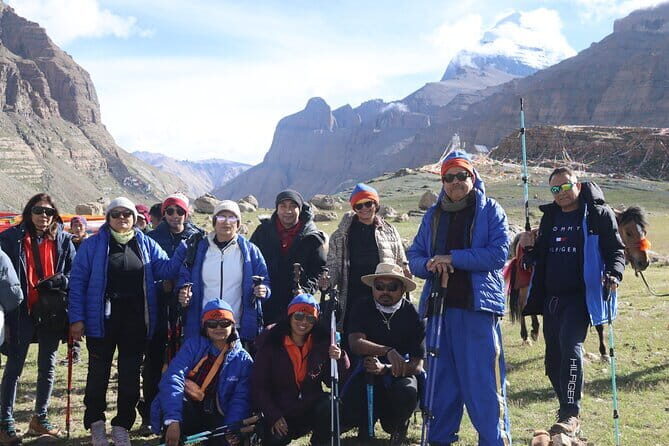
Then comes the kora. Day 10 is Darchen to Diraphuk (about 7 hours), Day 11 is Diraphuk to Zuthulphuk (about 9 hours, including crossing Dolma La pass, the highest point of the trek), and Day 12 is Zuthulphuk back to Darchen (about 7 hours). That’s where your moderate fitness level gets tested.
The good news: the tour includes an oxygen cylinder in case of altitude sickness and does daily health checkups with blood pressure and blood oxygen monitoring. I can’t promise altitude will feel easy, but this setup is the difference between hoping for the best and being prepared.
Kathmandu Days 1–4: Temples, UNESCO Sites, and Shiva Everywhere
Your journey begins in Kathmandu, not in Tibet. That choice is smart. Kathmandu gives you context—Hindu ritual, Buddhist architecture, and the general spiritual vibe of Nepal—before you head toward the high, stark places of the Himalaya.
Day 1: Pashupatinath Temple (evening aarti)
You’ll experience the evening aarti on the Bagmati River. It’s a Hindu ritual with devotees offering prayers, lighting oil lamps, and singing hymns to Lord Shiva. The sound of bells and chanting is part of what makes it feel powerful. Even if you’ve seen temples before, this kind of nighttime river ritual hits differently because it’s moving, not just looked at.
Day 3: UNESCO World Heritage Sites
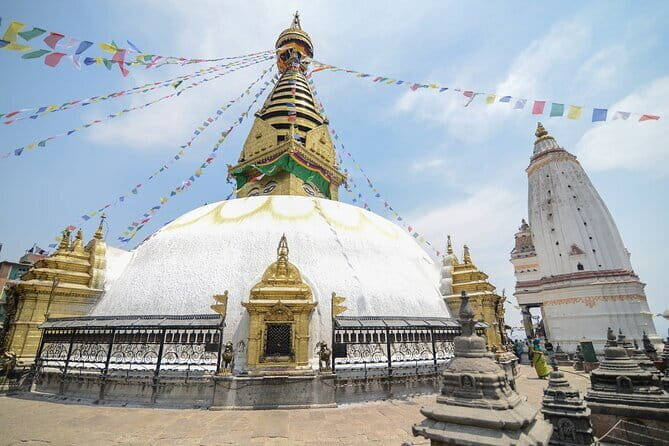
You’ll visit major Kathmandu heritage stops like Swayambhunath (Monkey Temple), Boudhanath Stupa, Pashupatinath Temple, and Patan Durbar Square. This is where you get architecture and symbolism in one package. Expect walking, stairways, and plenty of small details—prayer wheels, temple facades, busy lanes.
Day 2 and Day 4 add a different kind of prep
Day 2 includes Chandragiri Hills after a trip to the Chinese Visa Centre to apply for your Tibet visa formalities. This mixes the practical with a scenic viewpoint, which helps break up the paperwork days.
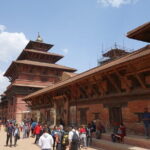
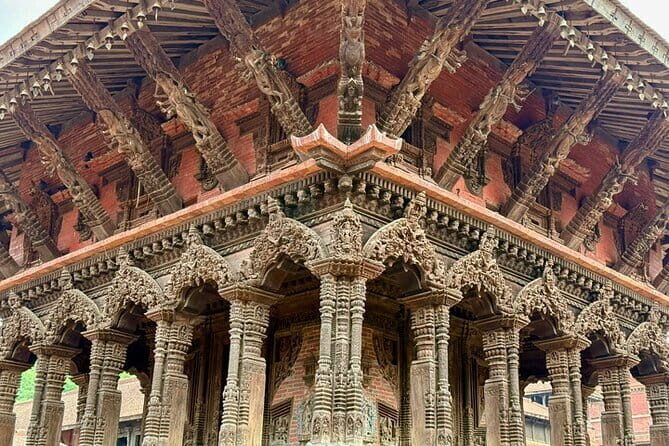
Day 4 focuses on Bhaktapur and Shiva landmarks: Bhaktapur Durbar Square (including the 55-Window Palace and Nyatapola Temple), Doleshwor Mahadev near Bhaktapur, and a massive Kailashnath Mahadev statue in Sanga (about 143 feet / 43.5 meters). That statue is visible from far away and feels like a spiritual marker on the Kathmandu Valley skyline.
One consideration: entry fees to some monuments in Kathmandu aren’t included, and the tour estimates them around $30. You can budget for that and keep your day smooth.
Getting Your Tibet Visa Started (Day 2) and the First Step Out of Kathmandu (Day 5)
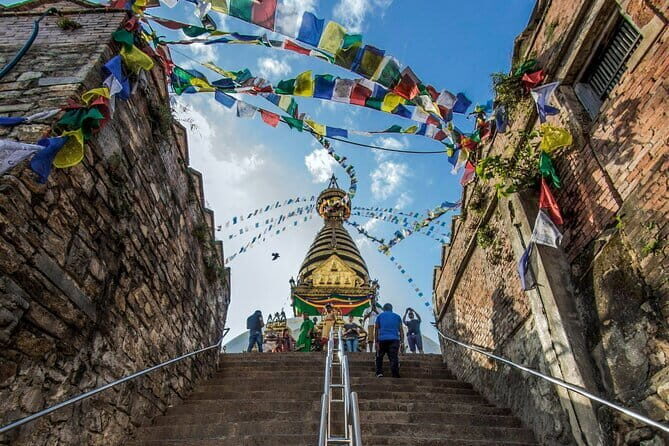
The trip includes Tibet visa fees and permit fees, but you still have to show up and complete the process. Day 2 is when you drive to the Chinese Visa Centre and handle the formalities, then head onward to Chandragiri Hills.
This matters because it sets your expectations. You’re not just booking a seat and hoping the paperwork works. You’ll actively participate, and you’ll need your passport details ready.
Then Day 5 shifts you from city pace to mountain pace: you drive from Kathmandu to Syabrubesi (about 7 hours). Syabrubesi is the gateway area toward the Tibetan border. You’ll see Himalayan foothills and get a taste of the road conditions and slower rhythm that comes with high-altitude travel.
Cross the Border to Tibet: Kyirong and Saga (Days 6–7)
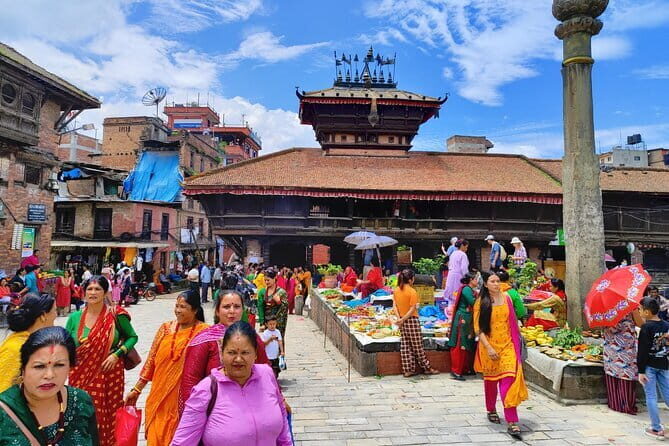
Day 6 is the border crossing and then a drive to Gyirong/Kyirong (the itinerary references Gyirong Town and also Kyirong). This area sits among snow-capped peaks and valleys, and it’s used as part of the acclimatization flow. You’ll be higher than you were in Nepal, so slow pacing here is key.
Day 7 continues onward to Saga (about 6 hours). The plateau setting is part of the magic, but don’t treat it like a scenic drive only. This stretch also sets your body up for the days ahead. The itinerary points out views, nomadic herders, and traditional villages along the way—so it’s not just driving past emptiness. It’s a real change of world.
If you’re the kind of traveler who hates long travel days, here’s a practical mindset shift: treat these as altitude training days, not transit days. Hydrate, move slowly, and give your body time.

Lake Mansarovar Day 8: Puja, Silence, and High Lake Air
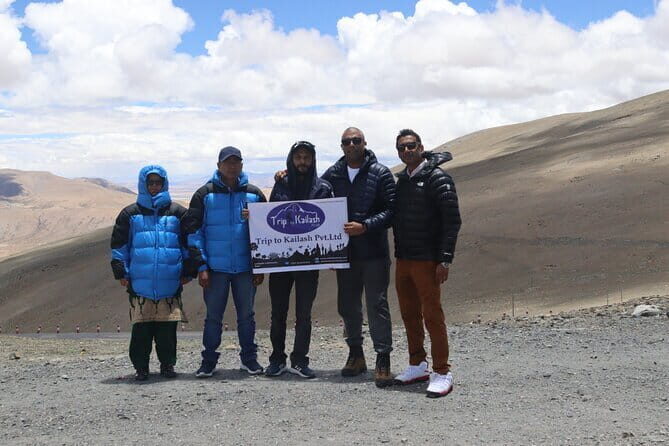
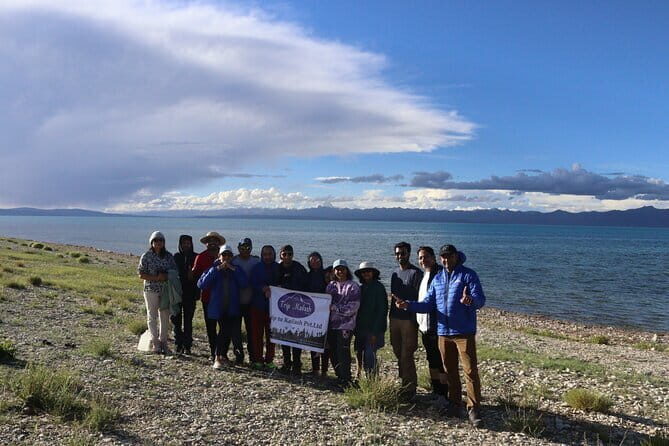
Day 8 brings you to Manasarovar (Lake Mansarovar), one of the highest freshwater lakes in the world and sacred for Hindus and Buddhists. You’ll drive to the lake and then participate in a spiritual puja on the shores, with panoramic views of Mount Kailash.
What makes this stop meaningful is that it’s not only photo time. It’s a ritual moment built into the schedule. You’ll stand in a place that pilgrims regard as spiritually charged, while the world around you feels stripped down—thin air, open sky, and quiet.
After being on the road for days, this is also a turning point. Up to now, the trip has been about preparation. This is where the journey starts to feel like the main event.
Darchen and the Kailash Kora: Diraphuk, Zuthulphuk, and Dolma La (Days 9–12)
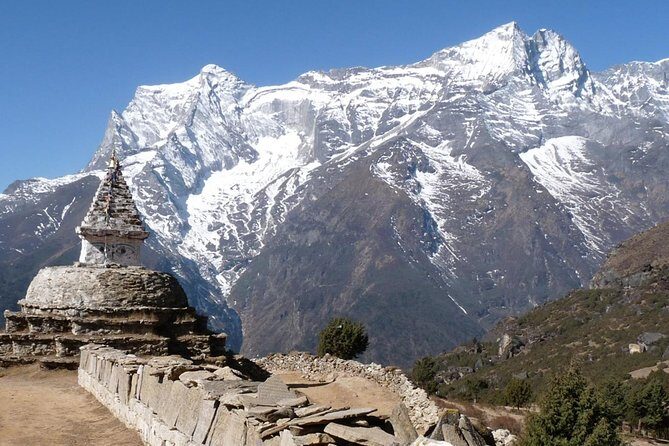
Darchen is your kora base. Day 9 is the drive to Darchen, described as a bustling town at about 4,575 meters and the starting point of the circumambulation (kora) route.
From there, the walking begins:
Day 10: Darchen to Diraphuk (about 7 hours)
This first leg is described as challenging, with rugged terrain and big views of Mount Kailash and surrounding Himalayan peaks. Even if the word challenging sounds scary, the schedule format helps: you have a full day of walking time, not a sprint.
Day 11: Diraphuk to Zuthulphuk (about 9 hours), crossing Dolma La pass
This is the big spiritual and physical day. The trek includes crossing Dolma La pass, noted as the highest point of the trek, and it’s framed as a day for spiritual renewal in pristine high wilderness. Because it’s the highest point, treat this as the day to go slow and listen to your body.
Day 12: Zuthulphuk back to Darchen (about 7 hours)
This last leg completes the circumambulation. It’s also a recovery mental moment: you’re finishing what you came for, not starting another segment.
A practical note: horse and pony fees during the kora are not included. The itinerary doesn’t say every traveler will use them, but you should assume it’s a common option if someone needs help managing the trek.
After the Kora: Saga and Gyirong Recovery Days (Days 13–14)
After completing the return to Darchen on Day 12, the trip doesn’t just rush you out. Day 13 drives back to Saga (about 6 hours) so you can reset after trekking.
Day 14 is back to Gyirong country overnight, about 5 hours, with time to relax and get help with what you need (your team member supports you with necessary things).
This is a smart phase. Many trips rush you straight from the highest effort day to long travel. Here, you get a buffer where rest is part of the plan.
Back to Kathmandu and Out Through Rasuwa Gadhi (Days 15–16)
Day 15 includes immigration formalities at the Rasuwa Gadhi border and then a drive to Kathmandu (about 9–11 hours, around 265 km). This long day is where your travel stamina matters again, even if you’re physically done with the kora.
Day 16 is straightforward: after breakfast, you depart for Tribhuvan International Airport. The itinerary lists about 2 hours for that transfer.
For many people, the emotional finish comes on the drive back. You’re leaving the ritual geography behind, and moving back into traffic sounds and daily life. Keep that in mind. Don’t plan to immediately jump into a hectic schedule the same day.
Comfort and Care That Actually Matters: Hotels, Meals, Oxygen, Monitoring
This is where the tour earns trust.
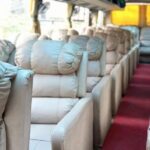
You get private transportation, and accommodations are listed as 3-star hotels in Kathmandu and the best possible during parikrama. That phrasing usually means more basic conditions than Kathmandu, but it also implies you’re not sacrificing the basics you need to function.
Food is full board pure veg meals, and the tour includes daily breakfast, lunches, and dinners (with counts given: Breakfast (15), Lunch (11), Dinner (15)). In a remote high-altitude environment, predictable meals matter. You don’t want the food stress added to the altitude stress.
Now the support layer: the tour includes an oxygen cylinder if altitude issues show up and daily health checkups with blood pressure and blood oxygen monitoring. That’s not a gimmick; it’s exactly what you want when your body is under pressure and conditions can change fast.
Also, the team names that show up in feedback stand out: Kashyap is mentioned as a pillar of strength and support, and that there’s an organized team including chef and porter alongside the guide. It’s the sort of setup where someone is watching the small stuff so you don’t have to.
Price and Value: Is $3,999 Fair for This Much Support?
$3,999 per person is a meaningful amount of money. But look at what’s included, because this trip packs the expensive parts into the package.
Included highlights:
- Tibet visa fees and permit fees
- Private transportation across Nepal and Tibet segments
- All fees and taxes
- 3-star hotels in Kathmandu and the best possible lodging during parikrama
- Full-board pure veg meals
- Oxygen cylinder and daily health monitoring
Not included items that could add cost:
- Horse and pony fees during the kora
- Personal expenses and tips
- Entry fees to some Kathmandu monuments (about $30 estimated)
Value is about reducing uncertainty. Permit work, border-related processing, and high-altitude support are all hard to DIY without specialized partners. When those pieces are bundled—and when oxygen and monitoring are part of the plan—it can feel like paying for peace of mind, not just bed nights and van rides.
Who Should Book This Kailash Manasarovar Trip
This fits best if you:
- Want a fixed schedule and don’t want to piece together logistics for a complex overland journey
- Are comfortable with trekking hours and high-altitude travel over multiple days
- Like structure but still appreciate small-group attention (max 10 travelers)
- Value support details like health checks, oxygen availability, and predictable meals
It might not be ideal if you:
- Have low tolerance for long car days and high elevation
- Expect a short, easy “cultural stop” type trip
- Want total independence. This is guided and managed, which is part of its strength, but it’s not a solo backpacker path
The tour also asks for moderate physical fitness, so be honest with yourself about trekking stamina.
Should You Book This 16-Day Kailash Manasarovar Overland Trip?
If your goal is to do Kailash Manasarovar in a way that treats altitude and daily logistics seriously, I’d say this is worth considering. The combination of small group size, private transport, full-board meals, and built-in altitude support makes the trip feel less risky than DIY planning. And the kora legs are clearly scheduled rather than floating in a vague “someday” plan.
My main caution is simple: don’t underestimate the physical side. Dolma La is described as the highest point of the trek, and the days are long. If you go in prepared—mentally and physically—you’re more likely to have a smoother experience.
If you want a spiritual journey with real-world structure, this is the kind of package that can work.
FAQ
What is the duration and meeting point for this trip?
It’s listed as 16 days, starting at Tribhuvan Airport, Kathmandu, Nepal with a start time of 10:15 am. The trip ends with departure to the airport on Day 16.
What does the price of $3,999 per person include?
The price includes private transportation, all fees and taxes, Tibet visa fees and permit fees, 3-star hotels in Kathmandu (and best possible during parikrama), full board pure veg meals, Kathmandu sightseeing and hiking at Shivapuri National Park, and oxygen cylinder plus daily health checkups (blood pressure and blood oxygen monitoring).
Are monument entry fees in Kathmandu included?
No. Entry fees to various monuments during Kathmandu sightseeing are not included, estimated at about $30.
How big is the group?
The tour has a maximum of 10 travelers. Private tour can be organized for a group above 5 person.
What level of fitness do I need?
The tour states you should have moderate physical fitness level. The Kailash kora involves multi-hour trek days, including crossing Dolma La pass.
Is oxygen support provided for altitude sickness?
Yes. An oxygen cylinder is included in case of altitude sickness, and there are daily health checkups with blood pressure and blood oxygen monitoring.
What is not included during the trek?
Horse and pony fees during Kora are not included, along with personal expenses and tips.
Can I cancel and still get a refund?
You can cancel up to 6 days in advance for a full refund. For a 50% refund, cancel 2–6 days before the experience start time. If you cancel less than 2 days before the start time, the amount paid is not refunded.
If you want, tell me your travel month and your trekking experience level (even just a quick yes/no on previous high-altitude hikes). I can help you sanity-check whether this schedule looks realistic for you.