REVIEW · KATHMANDU
Everest Base Camp Trek and Kathmandu Tour: 15 Days
Book on Viator →Operated by Attractive Travels and Tours Pvt. Ltd. · Bookable on Viator
One step from the clouds, then back to culture. This Everest Base Camp trek plus Kathmandu tour is interesting because it pairs the roller-coaster Lukla flight with real Kathmandu heritage stops, and I like that the guiding team includes a licensed mountain guide (one guide named Mr. Rajan comes up in past trips) plus porter support. One consideration: Kathmandu UNESCO entrance fees are not included, and you’ll need to bring your own trekking equipment.
What makes this package feel practical is that so much of the hard stuff is handled up front: flights from Kathmandu (or Ramechhap) to Lukla and back, a Sagarmatha/Everest National Park permit, airport arrival/departure, and a Kathmandu hotel stay with breakfast. On the trek, the schedule builds in altitude adjustment days in Namche and later around the higher villages, so it’s not just a straight line upward.
This is best for you if you’re aiming for a classic Everest Base Camp experience at a moderate fitness level, and you’re okay with the reality that good weather is part of the deal on this route.
In This Review
- Key points to know before you go
- Everest Base Camp meets Kathmandu culture: the smart mix
- Price and logistics: what $1,799 covers (and what it doesn’t)
- Getting to Lukla: the flight you should treat with respect
- Kathmandu Valley UNESCO: Swayambhu to Boudhanath in a tight schedule
- Day 3 to Day 5: Lukla to Namche, plus acclimatization that actually helps
- Day 6 to Day 8: Tengboche monastery, Dingboche views, and altitude gets serious
- Day 9 to Day 10: Gorak Shep to Everest Base Camp and the approach to Kala Patthar
- Day 11: Sunrise energy from Kala Patthar, then back down
- Day 12 to Day 13: descending toward Namche and Lukla through the Dudh Koshi area
- Day 14 to Day 15: fly to Kathmandu early, then finish with the Kathmandu airport handoff
- Who this trek fits, and who should be cautious
- Guide and porter support: the value of not doing everything yourself
- Should you book this Everest Base Camp + Kathmandu tour?
- FAQ
- How long is the Everest Base Camp trek and Kathmandu tour?
- What are the biggest highlights on the trek?
- Are flights between Kathmandu and Lukla included?
- What’s included in the price?
- What’s not included?
- Is a porter provided?
- What fitness level do I need?
- What happens if weather disrupts the trip, or if I cancel?
Key points to know before you go
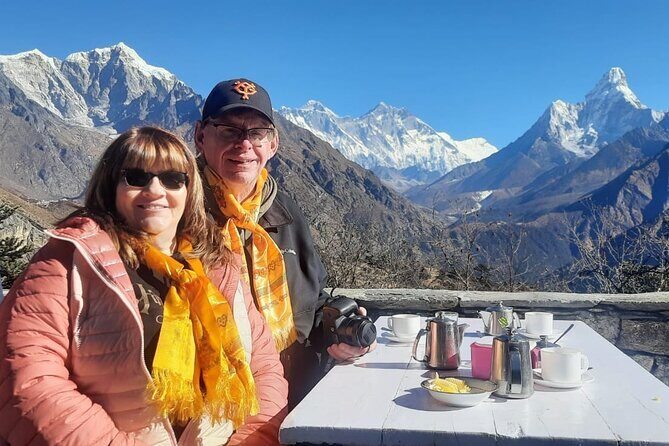
- Licensed guide + porter ratio: you get a trekking guide with a government license holder and a porter to carry baggage (set up for 2 guests: 1 porter).
- Lukla flights are included: round-trip flights from Kathmandu/Ramechhap to Lukla (the trip’s big logistical hinge).
- Kala Patthar push: the itinerary includes the Kala Patthar viewpoint area at about 5,644m, a huge reason people choose this trek.
- Kathmandu UNESCO circuit: Swayambhu (Monkey Temple), Patan Durbar Square, Pashupatinath, and Boudhanath.
- Meals on the trail: the package lists multiple breakfasts/lunches/dinners during the trekking days.
- Small group size: maximum of 15 travelers.
Everest Base Camp meets Kathmandu culture: the smart mix
I like that this tour doesn’t treat Kathmandu as an afterthought. You start with the Kathmandu Valley UNESCO World Heritage Sites, then you head for Lukla and the Khumbu region. That rhythm matters: by the time you’re climbing for real, you already have a sense of Nepal beyond the trail.
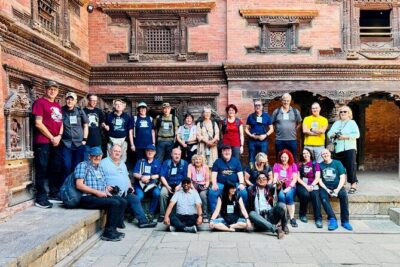
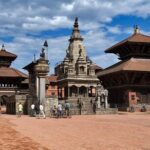
In Kathmandu, you’re not just passing photo spots. The itinerary hits Swayambhunath (Monkey Temple), Patan Durbar Square, Pashupatinath Temple by the Bagmati River (including a view of the Hindu cremation ceremony area), and Boudhanath Stupa, which is a major Buddhist pilgrimage site. It’s a lot in a few hours, but it’s also the fastest way to understand how religion and daily life overlap in Nepal.
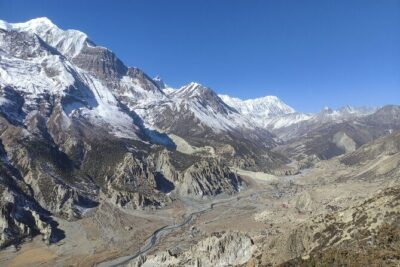
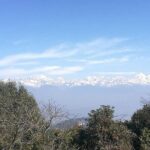
For the trek side, the core promise is big and clear: close-up views of Everest and the wider Himalaya, Sherpa villages along the way, and the signature viewpoints around Everest Base Camp and Kala Patthar. The trip also advertises alternative routing options (like links toward Gokyo Ri and three-pass style routes), but your 15-day plan here is clearly built around the classic Everest Base Camp flow with acclimatization stops.
You can also read our reviews of more hiking tours in Kathmandu
Price and logistics: what $1,799 covers (and what it doesn’t)
At $1,799 per person for about 15 days, the value comes from what’s packaged rather than what’s missing. Included in the main price are:
- airport arrival and departure
- Sagarmatha National Park permit
- flights Kathmandu or Ramechhap → Lukla and return
- a government-licensed trekking guide
- porter support for baggage (set up for 2 guests: 1 porter)
- 3 nights hotel in Kathmandu with breakfast
- Kathmandu UNESCO World Heritage Sites tour
- dinner (11), breakfast (13), lunch (11)
This is the kind of pricing that helps you focus on the trail instead of chasing details. Flights to Lukla and the national park permit are usually where budgets get messy fast.
What’s not included is also important:
- travel insurance
- Kathmandu UNESCO entrance fees (listed as $20 per person)
- alcohol and drinks beyond tea
- trekking equipment
- Nepal visa
One practical note: the itinerary doesn’t explicitly spell out trekking lodging nights in the included list. The package lists meals and Kathmandu hotel nights, so I’d confirm what’s covered for mountain lodging during the trek before you pay the final bill.
Getting to Lukla: the flight you should treat with respect
The tour calls the Lukla flight a dramatic landing and a roller-coaster mountain flight. That isn’t marketing fluff. This is the one leg where you want to be mentally ready: small aircraft, mountain weather, and a landing that can feel fast even when you’re prepared.
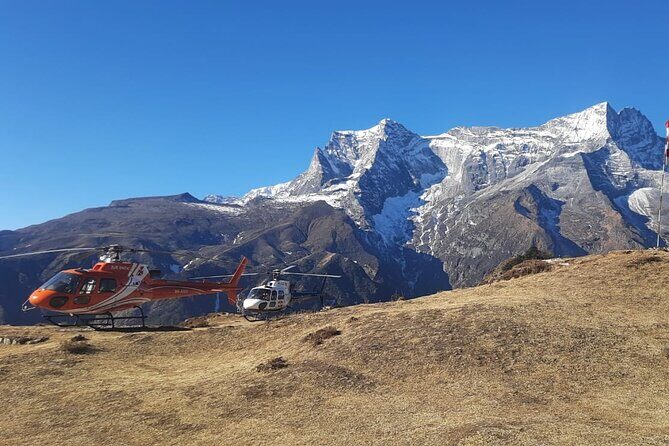
The good news is that the flights are included, so you’re not building your own schedule around airline uncertainty. You fly from Kathmandu (or Ramechhap) to Lukla, then you start trekking the same day, typically after a short transfer plan.
On the way out, there’s also a clear structure: on the last trekking day you head back toward Lukla, and then you take an early-morning flight to Kathmandu. That early departure timing is normal for this region, and it’s worth planning around with a calm morning routine.
Kathmandu Valley UNESCO: Swayambhu to Boudhanath in a tight schedule
Kathmandu Day 1 is mostly settling in. After landing at Tribhuvan International Airport, you’re met by a representative, taken to your hotel, and given time to rest.
Day 2 is the UNESCO day, and it’s packed in a way that makes sense if you like seeing multiple layers of Nepal in one shot:
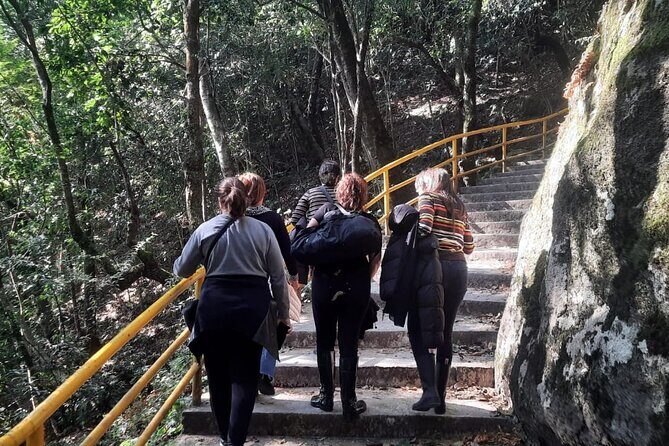
- Swayambhunath (Monkey Temple): the visit gives you a strong overview of the Kathmandu Valley’s religious mix. Expect steep steps and energetic monkeys. The payoff is the views over the city and the feeling that you’re in a living, breathing pilgrimage area.
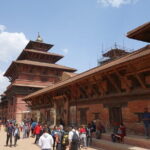
- Patan Durbar Square: known for fine arts, plus temples and monuments. If you care about architecture, this stop is your art-focuser after the big views at Swayambhu.
- Pashupatinath Temple: dedicated to Lord Shiva, with the Bagmati River nearby. The itinerary also notes seeing the Hindu open cremation ceremony area on the riverbank. This is powerful and very real. Keep your own comfort level in mind, and be respectful with photography.
- Boudhanath Stupa: one of Nepal’s biggest Buddhist temples, and also noted as the second biggest in the world. This is where you get more of the slower, steady Buddhist rhythm.
If you do this route, budget for the UNESCO entrance fees in Kathmandu since they’re not included. At $20 per person, it’s not a dealbreaker, but it’s money you don’t want to get surprised by.
Day 3 to Day 5: Lukla to Namche, plus acclimatization that actually helps
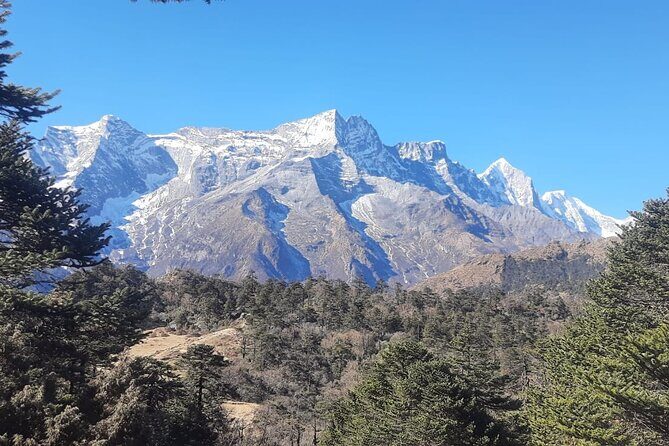
Day 3 begins your high-altitude travel in earnest: fly to Lukla, then trek to Manjo. The early hours after the flight are where your body starts switching from city pace to mountain effort. Keep your steps controlled, drink water regularly, and don’t chase speed.
Day 4 brings you to Namche Bazaar. The trail is described as moving through forests with rhododendron, magnolia trees, and tall firs, plus a series of bridges. That forest-to-village transition is one reason people love this stage. It feels like you’re leaving the road behind for good.
Day 5 is the acclimatization day in Namche. This is one of the smart parts of the itinerary. You’re not just “taking a rest day” in name only; you’re letting your body adjust in the area that’s high enough to matter but not yet the highest stress. This is also when you get a better feel for how your lungs will respond on later climbs.
Practical tip: on acclimatization days, I like to keep walking light and avoid big exertion. You’ll still feel busy because everything is new, but you want your body focused on adjusting, not breaking down.

Day 6 to Day 8: Tengboche monastery, Dingboche views, and altitude gets serious
Day 6 takes you toward Tengboche village (also spelled Tyangboche/Tengboche depending on documents). The route includes a climb after Phunki and ends at Tengboche, where you can visit the famous Tengboche monastery. This part of the trek is often where the emotional “I’m really here” moment hits: monastery views, Sherpa village energy, and the sense that the Everest region has its own character.
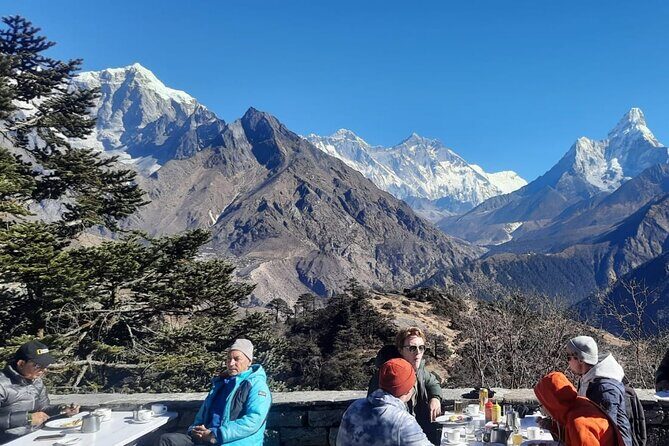
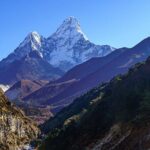
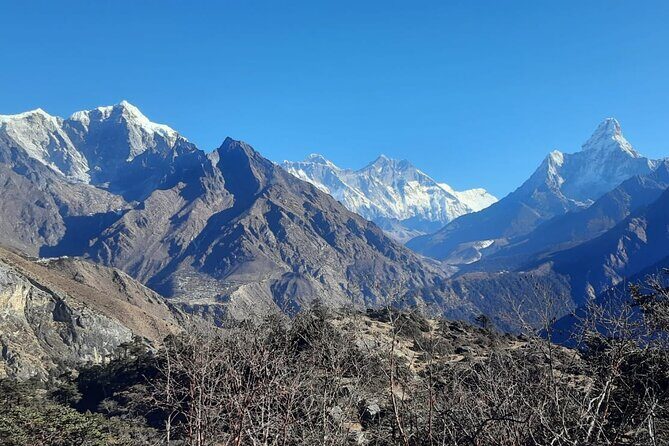
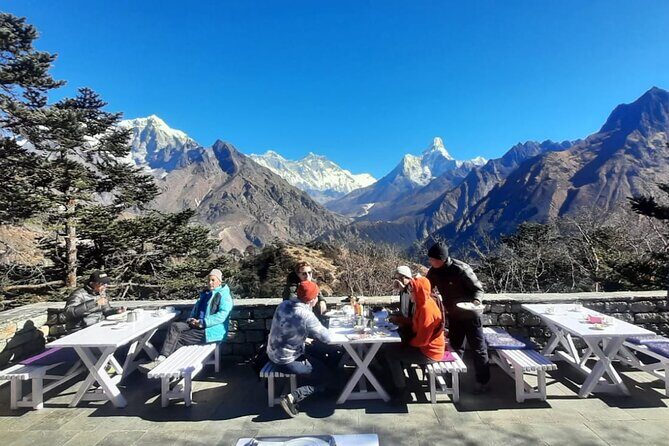
Day 7 continues to Dingboche. The itinerary mentions descents through birch forests and rhododendron trees, plus viewpoints of Mt. Everest, Lhotse, and Ama Dablam. This is the kind of day that balances effort with reward. You’ll still be tired, but you’re walking with a stronger payoff in sightlines.
Day 8 goes to Lobuche, and the itinerary explicitly notes that the trek becomes more challenging from here due to higher altitude. The trail includes Dungla after a steep climb, plus memorial stupas. I find memorials on mountain trails add a sober layer: you’re not just hiking scenery. You’re moving through a region shaped by climbing history and the people connected to it.
Day 9 to Day 10: Gorak Shep to Everest Base Camp and the approach to Kala Patthar
Day 9 reaches Gorak Shep. From here, the trek continues on a glacier path and rough terrain. That wording matters. Even when you feel prepared, your footing and stability work harder at higher elevations. Expect the kind of walking that makes you pay attention every step, not just every view.
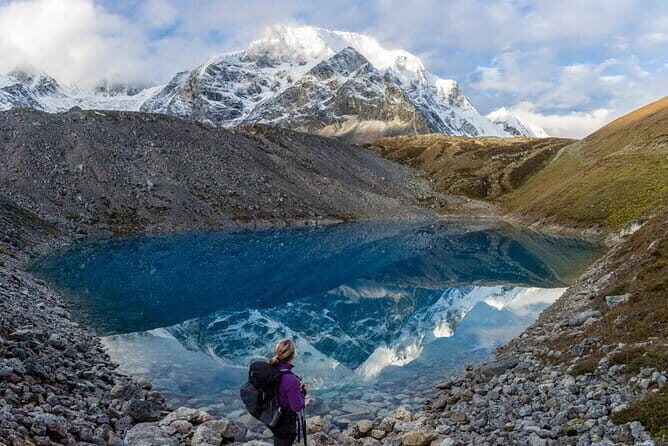
Day 10 hits Everest Base Camp and then the climb toward Kala Patthar. The program describes walking upon a fairly steep trail at a comfortable pace to Kala Patthar, with views of Lingtren, Khumbutse, and Changtse mountains. It also notes Kala Patthar at about 5,644m, which is the altitude number most people remember for a reason: it’s where the views start feeling unreal.
This day is usually the “main goal” day for many hikers, but what I like about the way the trek is set up here is that you don’t just rush to Base Camp and call it done. You keep the viewpoint focus and build toward the higher perspective that makes Everest feel close.
Day 11: Sunrise energy from Kala Patthar, then back down
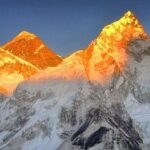
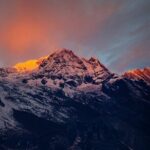
Day 11 includes another morning hike to Kala Patthar to watch sunrise. The itinerary specifically describes the sun rising from behind the Mount Everest massif, making the peaks appear golden.
This is not a day to sleep in and recover emotionally. It’s a day to get up, layer up, and be ready to stand still long enough for your eyes to adjust. If you handle early mornings well, you’ll love it. If you’re the type who hates waking up before the sun, plan for serious willpower.
After sunrise, you’re heading to Pheriche. This is part of the rhythm: a big viewpoint moment, then a return toward lower elevations so your body can keep absorbing the altitude experience rather than stacking more stress.
Day 12 to Day 13: descending toward Namche and Lukla through the Dudh Koshi area
Day 12 is the return day. The itinerary describes walking a trail with ups and downs and losing nearly 2,000 feet in altitude, plus crossing a bridge over the Dudh Koshi River and descending through rhododendron areas. This is where you feel the difference between going uphill and moving downhill.
Downhill can be harder on knees than the climb feels for legs, especially after days of high-altitude effort. I recommend taking the descent slowly and using short steps when the ground feels uneven. Your guide will help, but your body does the talking.
Day 13 returns to Lukla. You descend on a rocky path and cross suspension bridges before moving on surfaced paths. The itinerary also notes that the air feels warmer as you get back toward Lukla. That change is real; even if you’re tired, your body tends to relax when the altitude drops.
Day 14 to Day 15: fly to Kathmandu early, then finish with the Kathmandu airport handoff
Day 14 starts with an early morning flight to Kathmandu. Then you’re escorted to your hotel and the rest of the day is for resting and local exploration if you have energy. There’s also a farewell dinner mentioned, which is a nice cap to the trek portion.
Day 15 is departure day. You’re dropped off at the airport or can join another program, with a reminder to be at the airport at least 3 hours before your scheduled flight.
One Kathmandu detail to watch: the tour overview lists Hotel Everest View as a referenced Kathmandu base. The itinerary also mentions 3 nights hotel with breakfast, so you’ll likely be set up for comfort and recovery. Still, confirm the exact hotel on your dates.
Who this trek fits, and who should be cautious
This trek is designed for people with moderate physical fitness. If you can handle sustained walking days, and you’re willing to adjust your pace for altitude, you’re in the right neighborhood.
You should be cautious if you have health concerns related to high altitude and haven’t discussed it with a medical professional. And remember the trip requires good weather: flights and trekking sections depend on it.
Also, this one is small-group, max 15 travelers. That’s usually a positive for comfort and coordination. Just know it can still be a shared experience on narrow trails, where passing can be slow.
Guide and porter support: the value of not doing everything yourself
One of the best things about this package is that it gives you real support, not just a name on a document. You get a government license holder trek guide, and you’ll have a porter assigned to carry baggage (set up for 2 guests: 1 porter). That means you can keep your personal bag manageable while still having essentials with you.
In past experiences with this operator, the mountain guide named Mr. Rajan is specifically praised, along with the porter’s strength and kindness. That kind of team matters because the trek is long, your schedule shifts with conditions, and guidance is what keeps you safe and sane.
Should you book this Everest Base Camp + Kathmandu tour?
I’d book it if you want a classic Everest Base Camp route with Kala Patthar as a major focus, plus a Kathmandu start that covers the essential UNESCO sites. The included flights, permits, and porter/guide setup make it simpler than building your own trip piece by piece.
I would hesitate if:
- you’re not comfortable paying the $20 per person UNESCO entrance fees in Kathmandu
- you don’t already have trekking equipment and don’t want to source it
- you need total flexibility, because the experience is weather-dependent and has a strict non-refundable rule
- you haven’t checked lodging during the trek (it isn’t clearly itemized as included here, beyond Kathmandu hotel nights)
If you match the fitness level and you handle early mornings, this is a strong way to see both the Everest region and Kathmandu’s spiritual side without turning your trip into a spreadsheet.
FAQ
How long is the Everest Base Camp trek and Kathmandu tour?
It’s listed as 15 days (approximately).
What are the biggest highlights on the trek?
The plan includes Everest Base Camp, plus the Kala Patthar viewpoint area at about 5,644m, along with an option for sunrise viewing.
Are flights between Kathmandu and Lukla included?
Yes. Round-trip flights are included from Kathmandu or Ramechhap to Lukla and back.
What’s included in the price?
Airport arrival and departure, the Everest National Park permit, the Lukla flights, a government-licensed trek guide, porter support for baggage, 3 nights hotel in Kathmandu with breakfast, the Kathmandu UNESCO sites tour, and multiple meals (breakfasts, lunches, and dinners as listed).
What’s not included?
Travel insurance, Kathmandu UNESCO entrance fees ($20 per person), trekking equipment, visa for Nepal, and alcoholic beverages or drinks other than tea.
Is a porter provided?
Yes. A porter is included to carry baggage, set up for 2 guests: 1 porter.
What fitness level do I need?
The tour states you should have moderate physical fitness.
What happens if weather disrupts the trip, or if I cancel?
The experience requires good weather. If it’s canceled due to poor weather, you’ll be offered a different date or a full refund. Separately, the experience is non-refundable and cannot be changed for any reason.