REVIEW · KATHMANDU
Wildlife Adventure in Chitwan Nepal
Book on Viator →Operated by Nepal Mountain Club Pvt Ltd · Bookable on Viator
Wildlife luck feels close in Chitwan. This is a guided way into Chitwan National Park, a UNESCO World Heritage site, where you trade guesswork for licensed wildlife guiding and a schedule that blends jeep safaris with Tharu culture. I love the plan for wildlife time, plus the inclusion of park fees, meals, and transfers so you can focus on spotting rhinos and birds instead of logistics. The one drawback to keep in mind: because this uses shared transport and set pickup points, you’ll want to confirm arrival coordination so you don’t get stuck waiting after the bus ride.
You start early at 6:30am from the Thamel area in Kathmandu or the Lakeside area in Pokhara, then ride a scenic shared bus to Chitwan (about 4–5 hours). The trip is set up as a private group experience once you’re in Chitwan, even though the bus legs are shared, which can feel like the best of both worlds.
If you choose the longer options, the Rapti River canoe time becomes a highlight: it’s built for birdwatching, and the route is timed for chances at rare crocodiles like the Marsh Mugger and the fish-eating Gharial. Just remember this is a wildlife safari: some sightings happen, some don’t, and you go for the experience, not a guarantee.
In This Review
- Key things to know before you go
- Entering Chitwan National Park with a real plan
- Morning pickup and shared bus transfer: the part people underestimate
- 1-night, 2-days: village sunset, museum time, and a jeep safari
- 2 nights, 3 days: canoe ride, jungle walk, and rhino-focused drives
- 3 nights, 4 days: Rapti River crocodile chances and Tharu culture you help perform
- Wildlife odds: how to think about rhinos, deer, and the tiger
- Price and value at $139 per person
- Who this trip fits best (and who should think twice)
- Practical tips to make the safari feel smooth
- Should you book this Chitwan wildlife adventure?
- FAQ
- Where does the trip start in Kathmandu and in Pokhara?
- How long is the bus transfer to Chitwan?
- What package lengths are available?
- What activities are included in the safari days?
- Is the tour private or shared?
- What’s included in the price?
- What is the cancellation policy?
Key things to know before you go
- Hotel pickup and drop keep you from wrestling with local transport on day one and day four
- 1-night, 2-night, or 3-night packages let you match Chitwan to your Nepal itinerary
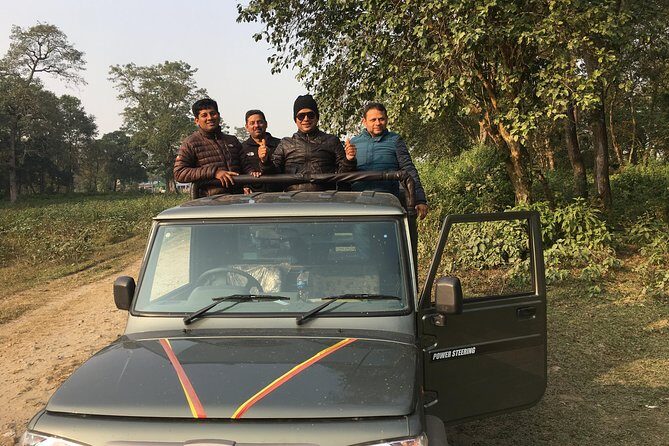
- Jeep safari focus on open grassland and forest for safer, close-enough wildlife viewing
- Canoe + jungle walking adds variety beyond the classic drives
- Tharu village and culture programs connect the park to the people who live around it
- Park fees, guides, and meals included means fewer surprise costs once you arrive
Entering Chitwan National Park with a real plan
Chitwan National Park is one of Nepal’s best places to see wildlife that feels both wild and reachable—especially with the right timing and a guide who knows where animals tend to move. What I like about this package style is that it removes the biggest DIY challenges: getting there on time, handling the park formalities, and planning safaris around daylight.
You’re not just doing one thing. You’re cycling through jeep safari time, river time, short walks, and cultural stops. That matters because wildlife viewing is unpredictable. When the drive slows down or the animals keep their distance, you still have birdwatching, river views, and cultural experiences filling the gaps. The result is a trip that feels active without being chaotic.
There’s also a practical side. This is set up for you to be picked up and dropped off with your hotel included, so you’re not trying to solve Chitwan transport at night. That alone can save real energy when you’re traveling from Kathmandu or Pokhara and you want the day to start clean.
You can also read our reviews of more tours and experiences in Kathmandu.


Morning pickup and shared bus transfer: the part people underestimate
Your day starts at 6:30am with a meeting at your hotel reception in the Thamel area of Kathmandu or the Lakeside area of Pokhara. Then you move to the bus station and take a shared bus to Chitwan, with a ride time of about 4–5 hours (and about 5–6 hours on the return). The drive itself is part of the Nepal flavor—scenic and moving through the lowlands—but it’s still a long sit.
Here’s what you should plan for as a traveler:
- Bring snacks and water for the ride, even though bottled water is included on safari days
- Have a thin layer ready for morning air changes on the road
- Keep your essential items easy to grab when you switch vehicles
One more thing: coordination at the arrival point is crucial. A negative experience can happen when no one shows up to meet you after a long bus ride. So do this: confirm the exact meeting/arrival point instructions before you depart, and make sure your contact details are correct for the Chitwan end.
1-night, 2-days: village sunset, museum time, and a jeep safari
This shorter option is designed for momentum. It’s for when you want Chitwan without turning your whole trip into a transit-heavy project.
You’ll get a mix of culture and wildlife right away. Expect a village tour plus a sunset and museum tour, then cultural programming including the Tharu stick dance. These stops aren’t just filler. They give you context for how people live around the park, which makes the wildlife part feel less like a separate theme park and more like a shared landscape.
The big wildlife moment is the jeep safari. Jeep safaris work well because they let you cover ground and reach viewing spots that would be hard or unsafe to access on foot. You’re also traveling in a controlled way, so your guide can position you for better visibility while keeping things orderly.
Tradeoffs for the 1-night option:
- You’ll likely have less time for river-based activities and bird-focused routes
- Your wildlife viewing window may depend more heavily on the timing of each safari drive
If you’re short on days, this is still a strong way in. Just go in with the right mindset: you’re collecting chances, not chasing a checklist.
2 nights, 3 days: canoe ride, jungle walk, and rhino-focused drives
The 2-night package is where Chitwan starts to feel like a full safari rhythm. This schedule adds more time in areas where animals feed, rest, and move along the river and grassland edges.
One key element here is the 30-minute canoe ride along the river corridor. This segment is built for wildlife viewing from a quieter vantage point. You’ll also do a jungle walk and spend time on routes designed for birds and general sightings. The park’s bird life is a big deal in Chitwan, and adding canoe time is a smart way to see animals that are easier to spot from water than from a jeep.
Then you get the jeep safari through open grassland and forest. This is the classic rhino setup. The description emphasizes close viewing opportunities while still staying safe, which is exactly what you want: you get your eyes on the action without feeling like you’re trespassing.
You’ll also get the culture program again, plus bird watching. That combination is practical: when you’re not driving, you’re observing. The day-to-day pace is balanced, not constant revving safari mode.
If you’re deciding between the 1- and 2-night options, I’d choose 2 nights if you care about birdwatching and want at least one river-and-walk day layered in.
3 nights, 4 days: Rapti River crocodile chances and Tharu culture you help perform
The 3-night option is the one for travelers who want more than jeep time. It stretches your wildlife chances across multiple days and gives you more time to watch behavior, not just search for animals.
You’ll start with a village tour to a nearby ethnic Tharu Village, with hands-on interaction. Then there’s a National Park Visitor’s Centre stop, where you can learn park history and wildlife basics. This matters more than it sounds. When you understand the park’s layout and animal habits, your sightings feel more meaningful.
The schedule builds in scenic payoff too: you’ll watch the sun set from the bank of the Rapti River. After that comes a Tharu cultural dance presentation that you can also participate in, or a slide show presentation if the format is what’s offered that day. Either way, you’re getting beyond watching from a distance—you’re learning how the performance works locally.
Then the signature segment: a canoe ride along the Rapti River, timed for birdwatching. This is where you get explicit chances for rare crocodiles like the Marsh Mugger and the fish-eating Gharial. You’ll also take a short jungle walk, with the promise of seeing animals during bathing activity on the way back.
Jeep safari days round it out. You’ll be looking for multiple species, including the four kinds of deer mentioned in the plan, plus rhino, wild boar, monkeys, leopards, sloth bears, and the Royal Bengal Tiger if you’re lucky. You’ll also visit an Animal Breeding Centre and do bird watching focused on exotic birds and even courtship rituals.
If you want the fullest Chitwan experience with the most variety, 3 nights is the sweet spot. It’s also the best buffer against the main truth of wildlife travel: you get more chances.


Wildlife odds: how to think about rhinos, deer, and the tiger
Let’s talk straight about wildlife safaris: sightings depend on season, weather, and what the animals decide to do. What you can control is how well the program matches wildlife behavior.
This package is built around the big three viewing styles in Chitwan:
- Jeep safari time in open grassland and forest edges, where animals move and where rhino viewing is the focus
- River travel by canoe, which is ideal for birdlife and aquatic reptiles
- Short walks, which add a different rhythm and can turn up smaller movement and feeding activity
The plan also emphasizes species diversity. You’ll have opportunities to see rhino and deer, and you’ll be on the lookout for other mammals like monkeys and wild boar. For birdwatchers, the canoe and walking segments help you pick up movement that’s harder to notice from a jeep.
For tiger chances, the program keeps it honest: you look for Royal Bengal Tiger if you’re lucky. That wording matters. It signals that you’re not being sold a promise. You’re being guided to habitat and viewing conditions that increase odds.
Pro tip for your mindset: go home wanting to remember behavior. Watch how animals respond to noise, movement, and water. A good guide can help you read those cues. Even when a big cat isn’t visible, the day can still deliver.
Price and value at $139 per person
The price given is $139 per person, and the trip duration depends on whether you pick the 2, 3, or 4-day format. For a Chitwan package, value comes from what’s not on your plate to arrange.
In your cost, you get a lot of essentials:
- Accommodations
- All safari activities with a government-licensed guide
- Breakfast, lunch, and dinner during the safari days
- Park and conservation area fees
- Shared bus transfers from Kathmandu or Pokhara
- Bottled water and coffee and/or tea
- Local support staff and jungle activity support as needed
What you don’t get is also clearly stated: alcoholic drinks and other drinks you can buy on site.
So how do you judge $139? I’d compare it against the cost of separately booking guide + park fees + transport + meals. Once you price those in, a bundled safari starts to look fair, especially because you’re getting licensed guidance and a set schedule. The savings aren’t only money. They’re time and stress, which matter when you’re squeezing Nepal into limited days.
If you’re a budget traveler, the main question isn’t whether $139 is cheap—it’s whether you’ll actually use the included safari time. If you’ll be present for the safaris and culture program, it’s a solid way to buy your effort back.
Who this trip fits best (and who should think twice)
This is a good match for travelers who:
- Want a guided Chitwan experience with park access handled
- Enjoy mixing wildlife with cultural stops, especially Tharu experiences
- Are okay with early mornings and a long-ish road ride
- Prefer a structured plan so they can focus on spotting animals
It may feel less ideal if you:
- Hate tight timing or dislike early starts
- Expect zero waiting and zero coordination issues on arrival (rare in shared logistics)
- Want fully free-form wandering without scheduled cultural or park segments
Also note the stated fitness guidance: you should have moderate physical fitness. Most activities are manageable, but you’ll still be doing walking during jungle segments.
Practical tips to make the safari feel smooth
I’d treat this like any good wildlife day: simplify, keep flexible, and make sure logistics don’t get in your way.
Bring:
- Comfortable walking shoes for jungle walk segments
- A light rain layer if the weather turns
- Sun protection and a small daypack for water and essentials
Pack smart for the road:
- Keep a spare layer and meds handy since you’ll ride a shared bus
- Have your phone charged, because confirming the right pickup points helps avoid that stranded-feeling scenario
Be ready for culture moments:
- You may participate in the Tharu cultural dance in the longer package, so wear something you can move in
And for wildlife:
- Keep your expectations open. You’ll be looking for rhino, deer, and more, including tiger odds if you’re lucky
- Birdwatching is part of the core design, so don’t ignore that time if you’re even slightly interested
Should you book this Chitwan wildlife adventure?
I’d book it if you want the best kind of shortcut: someone else handles the park entry, licensed guiding, meals, and transport so you can spend your energy on wildlife and real village culture. The variety—jeeps plus canoe plus walks—gives you multiple angles for sightings and keeps days from feeling repetitive.
I’d pause or at least double-check coordination details before you go if you’ve ever had trouble with transfers or if you dislike the idea of meeting points after a long bus ride. A quick confirmation message before departure can prevent most stress.
If you’re planning Chitwan as a highlight and you like structured, guided days with a cultural thread, this is a strong value way to do it.
FAQ
Where does the trip start in Kathmandu and in Pokhara?
It meets at 6:30am in the Thamel area of Kathmandu or the Lakeside area of Pokhara, at your hotel reception.
How long is the bus transfer to Chitwan?
The shared bus ride is about 4–5 hours from Kathmandu or Pokhara, and about 5–6 hours on the return trip.
What package lengths are available?
You can choose 1 night / 2 days, 2 nights / 3 days, or 3 nights / 4 days.
What activities are included in the safari days?
Included activities can include jeep safaris, canoe rides (including a 30-minute canoe ride in the 2-night option), village tours, jungle walks, bird watching, and Tharu cultural programs and dance presentations.
Is the tour private or shared?
The experience is described as a private tour/activity, meaning only your group participates. The bus transfers from and to Kathmandu/Chitwan/Pokhara are shared.
What’s included in the price?
Included items include hotel pickup/drop, accommodations, breakfast/lunch/dinner during safari days, park and conservation fees, a licensed safari guide, jungle activity support, bottled water, and coffee or tea.
What is the cancellation policy?
You can cancel for a full refund if you cancel up to 24 hours in advance of the experience start time. If you cancel less than 24 hours before, there’s no refund.