REVIEW · KATHMANDU
Mardi Himal Trek
Book on Viator →Operated by Mission Himalaya Trekking · Bookable on Viator
A 4500m payoff with a gentler approach. That’s the core appeal of the Mardi Himal Trek: you work up from the lower villages toward Mardi Base Camp, with Himalayan views that keep getting bigger as you go. You also get a well-paced arc through forest paths, ridge viewpoints, and higher camps, ending with time back in Pokhara and Kathmandu.
I especially like that the trip is packaged so the hard parts are handled: airport and city transfers, domestic flights between Kathmandu and Pokhara, plus a licensed guide and strong porter support. The second big win is the altitude game plan, including shorter days and deliberate breaks above 3000 meters, which helps most people keep moving without rushing. One drawback to consider: this is still a true trek at altitude, and weather can force slowdowns—so you’ll want solid cold-weather layers and a calm mindset for mountain conditions.
In This Review
- Key things that make this Mardi Himal Trek worth your time
- Getting set up in Thamel, Kathmandu (before your first step)
- Kathmandu to Pokhara: the quick flight that buys you energy
- Day-by-day trekking: how the route builds your confidence
- Deurali to Forest Camp: warming up on a climb that teaches pacing
- Low Camp and the 3000m world: where your day gets shorter for a reason
- The High Camp build: views start showing up early, not at the finish
- Mardi Base Camp: the 4500m push that turns into emotion
- Sidhing and Lwangghale: rhododendron walks and calmer scenery
- Tea gardens and a lakeside landing in Pokhara
- Final day in Kathmandu: culture and a last taste of Nepal
- Price and value: what $1,058 covers (and what it doesn’t)
- Gear, cold, and lodge life: how to stay comfortable without overpacking
- Guide and porter support: what the best teams actually do
- Who should book this Mardi Himal Trek
- Should you book this Mardi Himal Trek package?
- FAQ
- What is the duration of the Mardi Himal Trek?
- Where does the trip start and end?
- Is the trek guided, and are permits included?
- Are domestic flights included?
- Is international airfare or a Nepal visa included?
- What lodging and meals are included during the trek?
- Does the package provide cold-weather gear?
- Cancellation is free. How much notice do I need?
Key things that make this Mardi Himal Trek worth your time
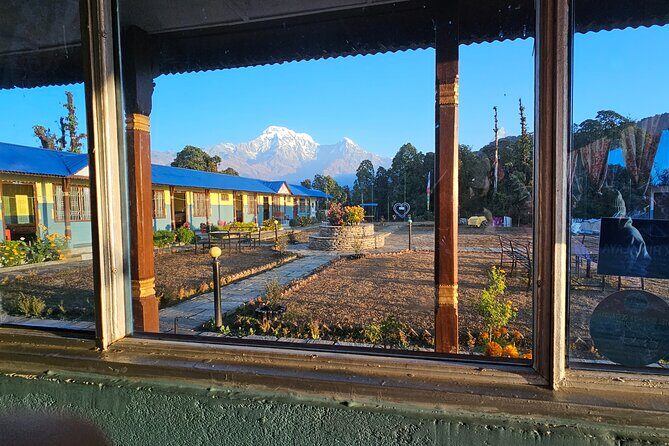
- Mardi Base Camp at 4500m: the “finish line” view many hikers talk about is the emotional high point.
- Altitude-aware pacing: days above 3000 meters are intentionally shorter to support acclimatization.
- Licensed guide + porter team: you’re not stuck figuring it out alone on a mountain trail.
- Permits handled: ACAP and TIMS are included, so you spend less time hunting paperwork.
- Lodge-based trekking: twin-sharing stays with meals planned on trek days for easier budgeting.
- Cold-weather gear available: down jacket, sleeping bag, and duffel bag are available on request (returned after).
Getting set up in Thamel, Kathmandu (before your first step)
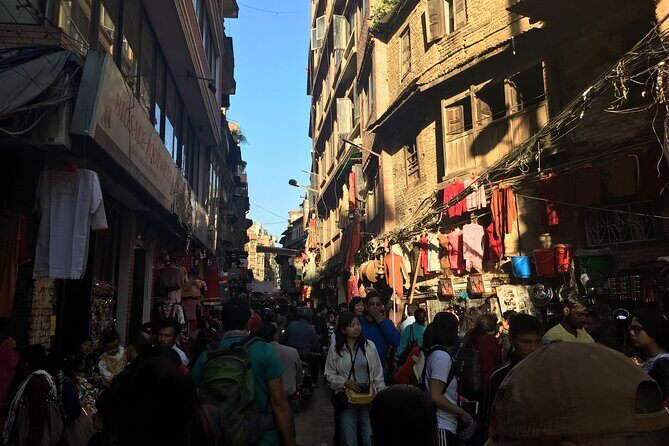
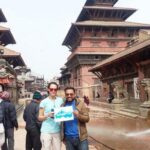
You start in Kathmandu, and the main goal on Day 1 is simple: get from the airport into town and get your legs ready for tomorrow. You’ll be met after arrival and driven to Thamel, the go-to base area for trekking shops, cafés, and last-minute gear stops.
This isn’t a “jump right into hiking” itinerary. It’s the smart approach. You arrive, check in, and you can sort essentials—layers, water strategy, and that one item you always forget (usually gloves or socks). If you want the trek to feel manageable, this buffer day matters.
You can also read our reviews of more hiking tours in Kathmandu
Kathmandu to Pokhara: the quick flight that buys you energy
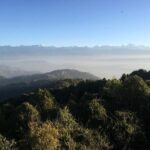
Next comes the earliest morning flight from Kathmandu to Pokhara. Then there’s a drive toward the trekking start area (you’re taken to Kande), and suddenly you’re in a totally different rhythm: road noise drops away, and the mountains start pulling your attention forward.
Why this matters for your experience: flights protect your body from wasted travel time. Instead of losing a full day to slow transport, you invest that time into the first real hike. For many first-time trekkers, that makes the whole trip feel more doable.
Day-by-day trekking: how the route builds your confidence
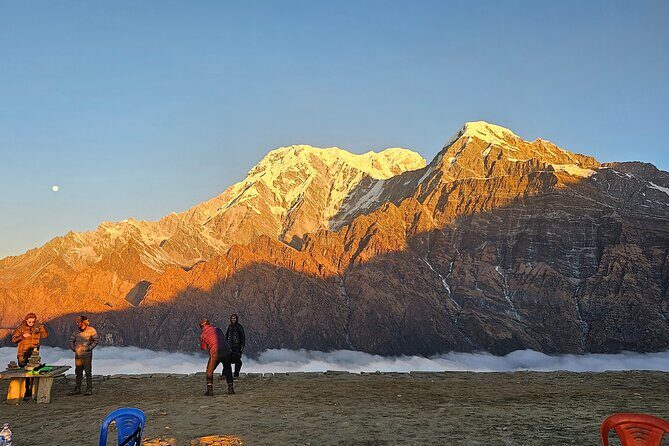
The Mardi Himal route is often described as beginner-friendly compared with some big-name Himalayan treks. That doesn’t mean “easy,” but it does mean the trail structure is forgiving enough that most people can learn pacing, manage altitude, and enjoy the scenery without feeling like they’re constantly in survival mode.
Here’s how the trek typically unfolds, day by day, and what each phase feels like.
Deurali to Forest Camp: warming up on a climb that teaches pacing
After you’re guided up from the lower start, Day 3 centers on getting into the climbing routine. You’ll take a mountain meal in Deurali, then hike toward Forest Camp, around six hours.
The early walking often feels like a lesson in patience. The trail begins with easier footing along paths that wind through greenery, and you’re building height without burning yourself out. This is also where you start learning what “steady” feels like—short breaks, slow breathing, and letting your legs do the work instead of your ego.
Potential consideration: if you go too fast early, your altitude later will feel tougher. A good guide keeps you honest, and with this type of guided setup, you can expect route management that tries to keep you comfortable.
Low Camp and the 3000m world: where your day gets shorter for a reason
Day 4 continues the trek with a hike through mixed woodland and a lunch stop at Low Camp. Since you’re above 3000 meters, the total distance can be slightly reduced, and the day is built to help you adjust.
Day 5 keeps that logic going: shorter treks for acclimatization, with reminders to stay well-hydrated to reduce altitude-sickness risk. This is where the “beginner-friendly” label starts to make sense. You’re not pushed to muscle through—there’s a plan.
If you’re new to altitude trekking, this pacing is one of the most valuable parts of the trip. You get time to feel the change in air and to figure out how your body handles it before the big push.


The High Camp build: views start showing up early, not at the finish
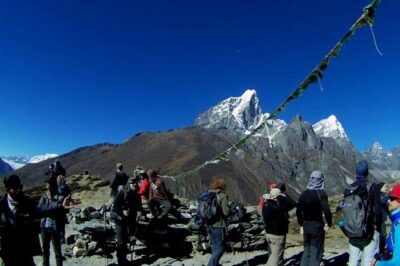
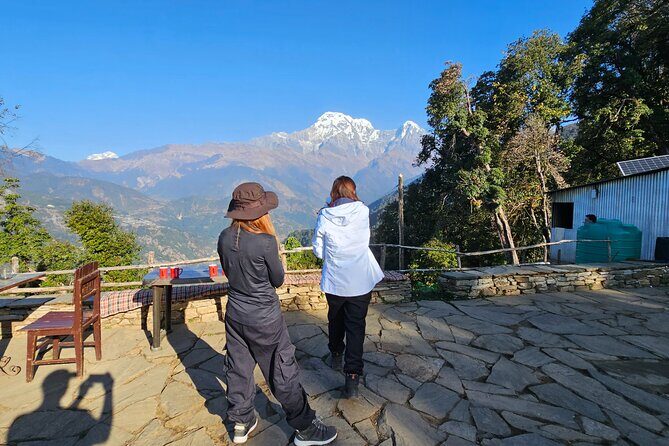
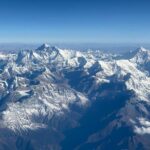
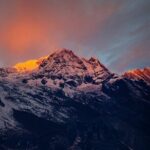
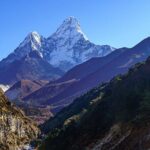
Day 6 is where the trek leans into its main promise. After breakfast with the Himalayan backdrop, you hike toward Mardi Himal Base Camp, with an en-route viewpoint that delivers panoramic scenes of the surrounding massif and peaks in the region.
Even before you reach the base camp itself, this day can feel like your perspective clicks into place. You’re higher, so visibility tends to improve, and the mountains begin stacking behind each other in a way that photos don’t fully capture. If you like that slow reveal feeling—views arriving in stages—this is your day.
Mardi Base Camp: the 4500m push that turns into emotion
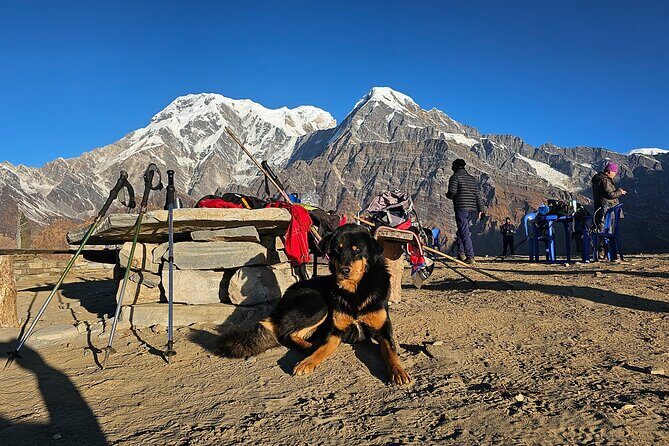
The “must-do” moment is the reach of Mardi Base Camp at around 4500m. This is described (and experienced) as the most exciting part of the journey for many hikers, often the section that makes people feel like they could cry from relief and pride.
What makes this segment special is not just height. It’s the combination of effort + reward + timing. You’ve already had acclimatization days, so the base camp finish doesn’t feel like a random jump. It feels earned. And when the sky is clear, the views of the Annapurna massif area, including Mount Machhapuchhre and Mardi Himal, are the kind of payoff you remember long after your sore knees stop talking.
Practical tip: keep moving slowly on the final climb. If you surge, you’ll pay for it. If you pace, you’ll arrive with enough energy to actually enjoy the moment and not just survive it.
Sidhing and Lwangghale: rhododendron walks and calmer scenery
Day 7 drops you down from the higher area toward Sidhing (Sidding/Sidhing area). You’ll start with a higher alpine breakfast, then descend through rhododendron and pine, with options for lunch at low camp depending on timing.
This is an underrated benefit of the itinerary: after a big altitude push, you get a day where your body can recover while still walking through scenic forest. You may not feel “peak” the whole time, but you get to enjoy the trail without fighting the air.
Day 8 often becomes another highlight. The walk toward Lwangghale is typically described as a picturesque route with mostly flatter terrain and village passing. You’ll reach Lwong (mentioned as part of the day’s approach), with quaint ancestral houses and small village life in view.
For value seekers, this matters. It breaks up the intense altitude days with a more relaxed, human-scale feel. It’s also a day where you can slow down for photos and enjoy the atmosphere rather than clocking hours in pain.
Tea gardens and a lakeside landing in Pokhara
On Day 9 you return to Pokhara. The morning includes a walk through tea gardens around Lwong, then you’re back at your guesthouse and able to enjoy your final trek-day meal rhythm.
Day 10 is more “city mode.” You get guided time for Pokhara attractions like Davis Waterfall and Gupteswor Mahadev Temple. Then it’s back to resting and recharging—no tent setup, no altitude worries, just normal human life again.
Final day in Kathmandu: culture and a last taste of Nepal
Day 11 brings you back to Kathmandu and a town guide. You’ll have guided time to explore popular destinations in the city, ending back near the meeting point.
This matters because Nepal trekking can feel like you only live in the mountains. A final day in Kathmandu helps your trip feel complete. You get a chance to connect what you just did on the trail with the culture back home—food, streets, and a very different tempo than the high camps.
Price and value: what $1,058 covers (and what it doesn’t)
At $1,058 per person, you’re not just paying for a trail map. You’re paying for a managed package that handles the stuff that usually causes trouble for DIY treks.
Here’s what’s included:
- private vehicle transfers and airport transfers in Kathmandu/Pokhara
- domestic flight tickets Kathmandu ↔ Pokhara (for the guide too)
- 3-star hotel stays in Kathmandu and Pokhara with breakfast
- ACAP and TIMS permits
- a government licensed, ministry trained trekking guide plus meals, accommodation, and insurance
- a porter with meals, accommodation, salary, and insurance
- lodge accommodation on trek days (twin sharing)
- 8 lunches, 8 dinners, 10 breakfasts during the trek block
- on request: down jacket, sleeping bag, and duffel bag (returned after)
- all government/local taxes and company service charges
What’s not included:
- international flights, Nepal visa fees, and travel/rescue insurance
- meals in Kathmandu and Pokhara except what’s listed
- personal expenses, drinks, WiFi, hot shower, and tipping
- costs aren’t refundable if you decide to return earlier
So is it good value? For most people, yes—because the inclusion list removes the risk of forgetting permits, under-budgeting lodge costs, or stumbling through altitude days without support. You’re paying to reduce stress and keep the trek focused on walking and enjoying the mountains.
Gear, cold, and lodge life: how to stay comfortable without overpacking
This trek is in the Himalayan zone, and your comfort will depend on layers. The package helps by offering a down jacket and sleeping bag on request, plus a duffel bag. That’s a big deal if you’re traveling with limited luggage or flying in with summer gear.
Still, you should bring your own cold-weather items you trust. One review tip you’ll hear from people: bring enough warm layers for the mountain conditions. Also, plan on lodges for meals and basics. You can eat at mountain stops rather than assuming you need to carry everything.
On lodge days, you’re usually dealing with twin-sharing rooms and simple facilities. Hot showers and WiFi aren’t guaranteed in the package, so treat them as nice extras, not expectations.
Guide and porter support: what the best teams actually do
A lot of trek satisfaction comes down to how well the team manages the day-to-day reality of mountains: timing, pacing, small adjustments, and morale.
This company includes a licensed guide and an experienced porter with support for meals and lodging. In reviews, guide Birendra stands out repeatedly for professional guidance and warm hospitality, including photo help during the trek. There are also notes about the guide being patient when hikers had tougher knee fatigue on a day—exactly the kind of “small crisis” that matters at altitude.
If you want a trek that feels safe and not chaotic, that kind of support is often the difference between a stressful week and a memorable one.
Who should book this Mardi Himal Trek
This is a great fit if:
- you’re a novice hiker who wants a real Himalayan trek without the extreme logistics
- you want Mardi Base Camp and the chance to see famous peaks in the Annapurna region
- you prefer guided planning: permits, transfers, flights, and lodge stays handled
- you’re traveling with moderate physical fitness and can hike several hours a day
You might want to rethink it if:
- you’re expecting a fully easy walk every day (there are still steep and altitude-stress moments)
- you hate cold mornings and evenings unless you have solid layers
- you strongly dislike trekking at elevations where you may need acclimatization pauses
Should you book this Mardi Himal Trek package?
If your goal is a well-managed Mardi Himal experience—with permits handled, a real guide team, and acclimatization built into the schedule—this package makes sense. The price looks high until you compare it to the cost of doing domestic flights, permits, guide support, porter support, and lodge planning on your own. Here, you’re buying time and reduced stress.
I’d book it if you’re excited by that base-camp payoff and you want a route that works for first-timers without watering down the adventure. If you’re flexible on pace, pack warm layers, and respect altitude, you’ll likely come away with the kind of satisfaction that lasts longer than the trek soreness.
FAQ
What is the duration of the Mardi Himal Trek?
It’s listed as 11 days (approx.).
Where does the trip start and end?
It starts at the meeting point in Thamel, Kathmandu, and it ends back at the same meeting point.
Is the trek guided, and are permits included?
Yes. The package includes a government licensed, ministry trained trekking guide, and it includes permits (ACAP and TIMS) for the trek.
Are domestic flights included?
Yes. Domestic flights between Kathmandu and Pokhara are included, including tickets for the guide.
Is international airfare or a Nepal visa included?
No. International tickets and Nepal visa fees are not included, and you’ll also need travel and rescue insurance.
What lodging and meals are included during the trek?
Lodging on the trek is in best available lodges with twin sharing, and meals on trek days include 8 lunches, 8 dinners, and 10 breakfasts (plus breakfasts in Kathmandu and Pokhara).
Does the package provide cold-weather gear?
On request, it provides a down jacket, sleeping bag, and duffel bag (to be returned after the trek).
Cancellation is free. How much notice do I need?
You can cancel up to 24 hours in advance for a full refund.