REVIEW · KATHMANDU
1 day with our women empowerment and children development project
Book on Viator →Operated by Human welfare committee · Bookable on Viator
A community day in Kathmandu, with real hands-on moments. You’ll spend 11:00–1:00 cooking Dal Bhat or momos with Nepali women and then make your own colorful bead jewelry. One heads-up: it’s a full 8–10 hours, and you’ll also do a short shared walk in the afternoon.
What makes it hit different is that the day flows naturally from adults to children. After lunch, you shift from crafts to connection, then meet the kids when they return from school around 4 PM—games, sports, walking, dancing, and singing. You’ll also have time with Tenzing, the person running the Human Welfare Committee.
In This Review
- Key highlights you can plan around
- Price and what you truly get for $120.13
- Where the day starts: Paknajol to the main center
- Cooking Dal Bhat or momos with Nepali women (11:00–1:00)
- Lunch together: a simple moment with big social meaning
- Jewelry workshop with colorful beads (2:00–4:00)
- The 4 PM walk to the Human Welfare Committee
- 5:00–7:00 PM: Activities with children who just finished school
- Dinner with children (7:00–8:00 PM) and a farewell that feels real
- A few practical tips so your day goes smoothly
- Who this experience fits (and who should think twice)
- Should you book this Kathmandu women’s and children empowerment day?
- FAQ
- How long is the experience?
- How much does it cost?
- Where do we start?
- Where is the main activity center?
- What happens after lunch at 4 PM?
- What do I do in the cooking class?
- What do I make in the jewelry workshop?
- Are there activities with the children?
- Is the tour private?
- What is the cancellation rule for a full refund?
Key highlights you can plan around
- Dal Bhat or momo cooking, taught in a hands-on way
- A bead-jewelry workshop where you make something to keep
- Meeting kids right when they finish school (4 PM)
- A mix of active games, plus more relaxed activities like painting
- Time for dinner with the children and a proper farewell
- Private, group-only format for a more personal day
Price and what you truly get for $120.13
At $120.13 per person, this isn’t a quick “see it and leave it” experience. You’re paying for a structured day that includes guided cooking, lunch, a jewelry workshop, and then a full block of time with children—plus dinner and a closing farewell. In Kathmandu, that mix matters, because it turns a donation-style visit into a shared routine you can actually participate in.
The value also comes from pacing. You aren’t rushed through the center for an hour. The program gives you a clear rhythm: cooking and lunch first, crafts next, then children’s activities once they’re back from school. That schedule is a big deal for how the day feels, because it’s built around daily life rather than a show.
One practical note: this runs close to 9 hours on average (with variation up to 10). If you’re sensitive to long blocks, plan snacks only if you need them before the lunch window.
You can also read our reviews of more tours and experiences in Kathmandu
Where the day starts: Paknajol to the main center

Your start point is We handicraft, Paknajol (Kathmandu). From there, you’ll spend the morning on cooking and lunch, and then shift locations later in the day.
At 4 PM, the program moves to the Human Welfare Committee for the main center activities. You’ll walk together for about 30 minutes as a group. That walk isn’t just transport—it’s part of how the day stays connected, and it also gives you a chance to re-set your brain after the workshop.
The main center is listed at Manjushree Galli, Kathmandu. The center is open 10:00 AM–6:00 PM daily, which lines up nicely with the afternoon energy when the kids arrive and the program runs into the evening.
If you’re arriving from central Kathmandu, you’ll be glad it’s near public transportation, since you can build less-stressful routes into your day.
Cooking Dal Bhat or momos with Nepali women (11:00–1:00)
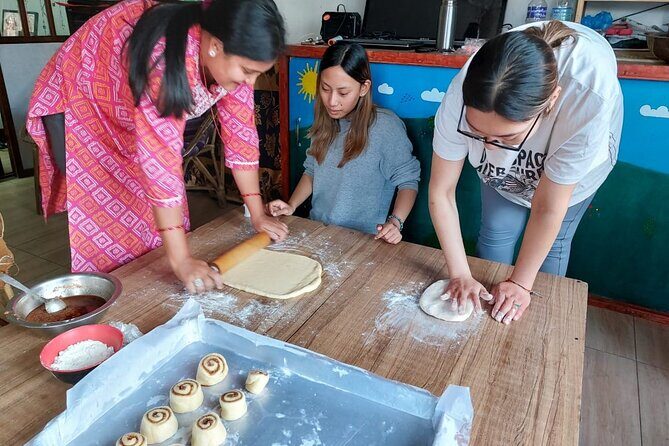
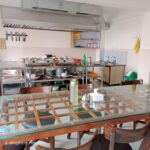
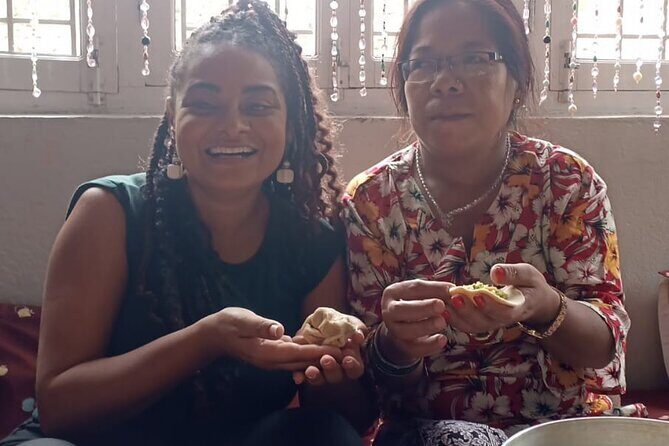
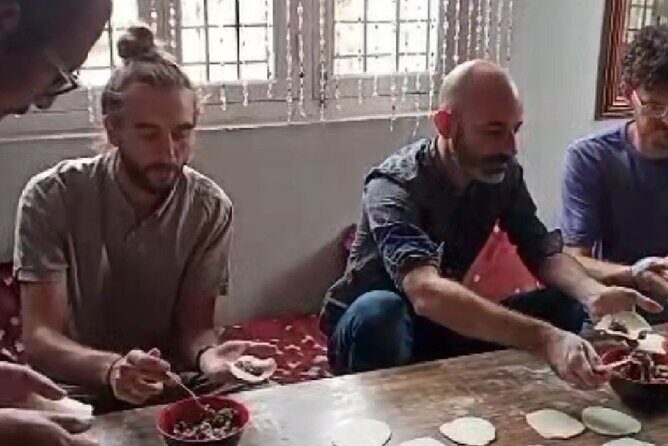
This is where the day becomes personal. You don’t just watch cooking—you learn in a hands-on way, guided by Nepali women. You’ll make a traditional staple meal in one of two styles: Dal Bhat or momos.
I like this format because it gives you something concrete to talk about. Back home, “I visited a center” can fade fast. But if you’ve made dal bhat or momos yourself, you remember the textures, the smells, and the little adjustments your teacher made to get things right.
For planning, treat this as a food-activity day. Expect you’ll be standing and participating more than sightseeing. Wear clothes you’re comfortable moving in. If you’re nervous about cooking, you don’t need to be. The structure is designed for participation, not for testing skill.
Also, because it’s a community-led class, you’re learning meals that are part of everyday Nepal, not just “tourist Nepal.” That authenticity is the real reward here.
Lunch together: a simple moment with big social meaning
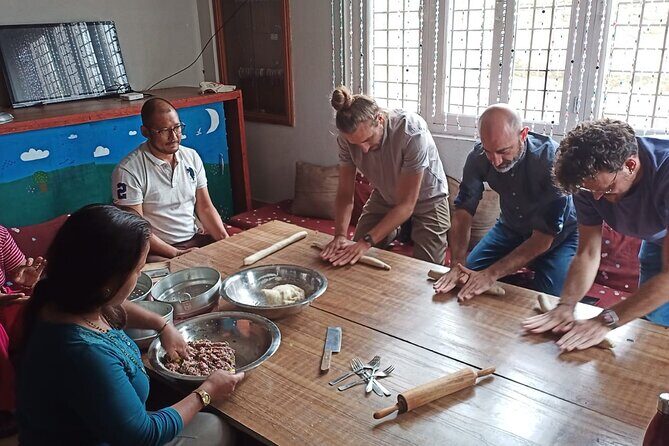
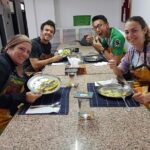
Lunch runs 1:00–2:00 PM, right after the cooking block. Sharing the meal right after learning it changes the whole experience. You’re eating something you worked on, so you understand what you liked—and what you might do differently next time.
This is also where you can slow down and observe how adults at the organization interact. You’ll likely notice the easy teamwork that makes the day work: cooking gets organized, food gets served, and conversations start without awkwardness.
If you’re the kind of person who likes to ask questions, lunch is a good time. You can ask about ingredients, daily routines, or what the meals mean for families. Keep it respectful and casual. The goal isn’t an interview—it’s shared food and shared time.
Jewelry workshop with colorful beads (2:00–4:00)
From 2:00 to 4:00 PM, you’ll shift from cooking to craft: a jewelry-making workshop using colorful beads. You’ll create your own jewelry either to wear yourself or as a souvenir.
What I like about beadwork as an activity is that it’s both relaxing and meaningful. It gives your hands something to do while you connect with the women teaching you. And because the materials are colorful, it tends to lift the mood fast—especially when your earlier focus was food and aromas.
A good strategy: make the piece that feels like you. Don’t force it to look perfect. The value here is participation and connection, not producing a museum-quality accessory. If you end up with something slightly uneven, that’s normal. It’ll feel more personal.
Bring a little patience for this part of the day. Craft takes time, and the workshop is designed to let you work at a comfortable pace with guidance.


The 4 PM walk to the Human Welfare Committee
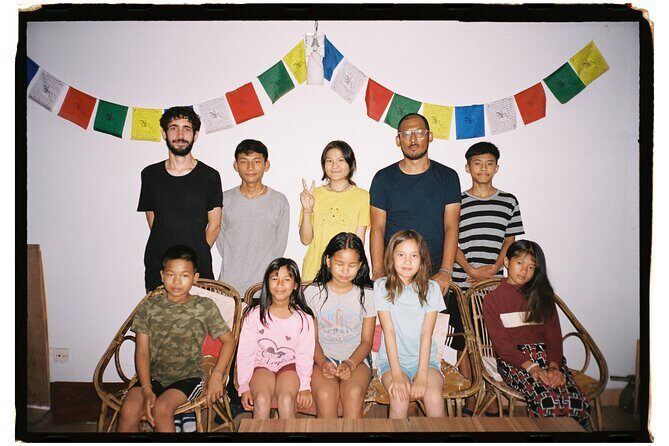
After the jewelry workshop ends, the plan includes 4:00–4:30 PM walking together to the main center.
In city travel, walking can sometimes feel like a boring transfer. Here, it’s different because you’re already in “program mode.” You’re moving as part of the day’s rhythm, and it reduces the mental effort of figuring out logistics yourself.
If you’re pairing this with Kathmandu sightseeing, consider keeping the rest of your day light. You’ll want your energy for what comes next: kids activities and dinner. Comfortable shoes matter more than you think, especially if you’re not used to Kathmandu sidewalks and footpaths.
5:00–7:00 PM: Activities with children who just finished school
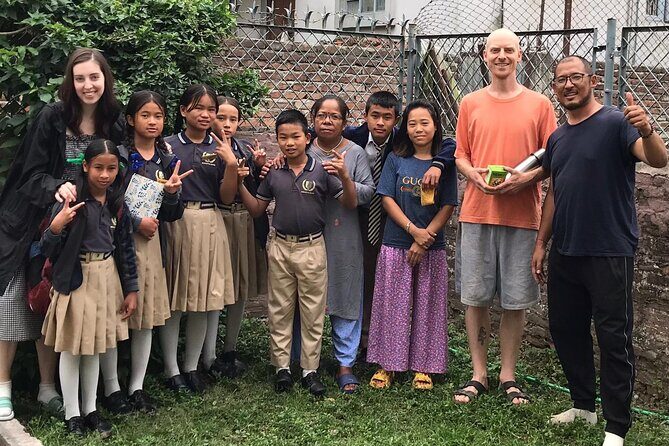
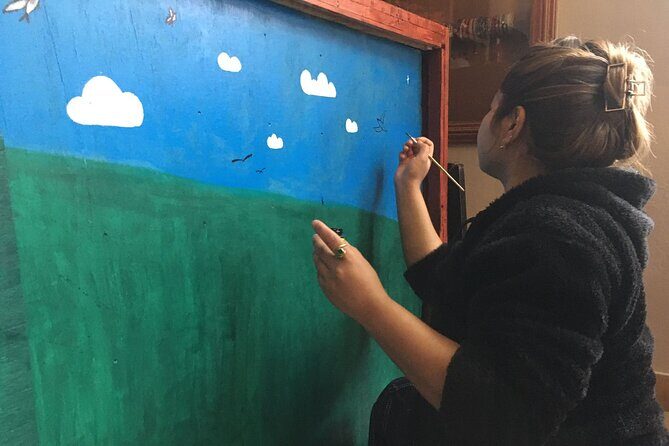
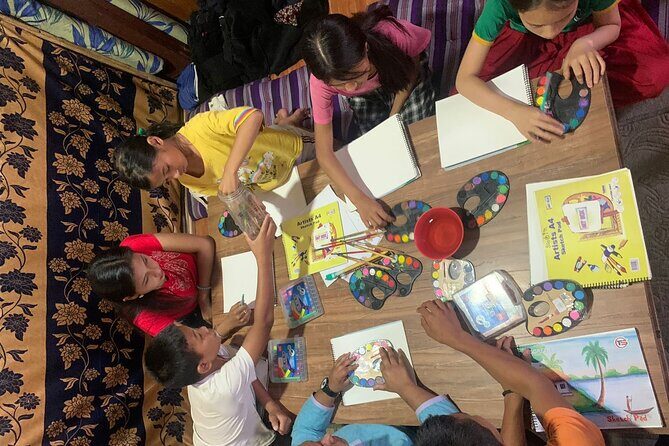
At 4 PM, the children return from school, and the fun ramps up. The program runs 5:00–7:00 PM with activities that can include games, sports, walking, painting, dancing, and singing. The mix keeps it lively and offers options depending on your comfort level.
This is the core “women and children development” experience, because you’re not only seeing the kids—you’re spending time with them. You can join games, watch and cheer, or help during activities that need extra hands.
I’d approach this part with a simple mindset: be playful, be present, and don’t overthink it. When kids are enthusiastic, the best thing you can do is meet their energy. If you want to contribute more, try small, low-pressure participation—running a game, joining a dance, or helping with painting.
One detail I find important: the activities aren’t only one style. You’re likely to have a blend of active and quieter moments, which makes it easier for different personalities to connect.
Dinner with children (7:00–8:00 PM) and a farewell that feels real
Dinner runs 7:00–8:00 PM, and it matters that it’s planned as part of the program rather than a late-night add-on. Sharing a meal is a different kind of interaction than a craft or a game. It’s calmer and more human-scale.
Then at 8:00 PM, the day ends with a farewell. This is one of those small program elements that changes the emotional weight of the experience. You’re not disappearing mid-moment. You’re finishing properly.
If you’re someone who gets sentimental, it’s okay. It’s also okay if you feel moved and unsure what to do with those feelings afterward. Just remember: the day is built to be joyful and normal, not heavy or performative.
A few practical tips so your day goes smoothly
Here’s how to make this feel easy instead of stressful:
- Wear comfortable clothes for cooking participation and craft work.
- Bring a light layer if you get chilly indoors or near shaded areas.
- Plan your Kathmandu timing so you’re not racing to catch a bus after 8 PM.
- Keep your questions simple during lunch and workshop time—short, respectful curiosity works best.
- Expect a lot of movement between activities, including the shared walk at 4 PM.
If you’re pairing this with other Kathmandu plans, keep the morning and evening open. This day already has a full schedule, and adding more can make it feel like you’re “stacking” instead of enjoying.
Who this experience fits (and who should think twice)
This experience is a great fit if you want:
- hands-on cultural time (cooking and jewelry-making)
- a structured volunteer-style day that’s not just watching
- active, joyful interaction with kids after school
It’s also a good choice for people who like learning from locals rather than collecting photos. If you’re in Kathmandu for a short visit, this gives you a strong sense of daily community life without needing weeks of language study.
You might think twice if you’re not comfortable with long stretches (roughly 8–10 hours), or if you prefer quiet sightseeing over participating in games and social meals.
Should you book this Kathmandu women’s and children empowerment day?
If your travel style is participation over observation, book it. The day has real value because it’s built around doing meaningful things: cooking Nepali staples, making bead jewelry, and spending time with children in an organized, everyday rhythm.
Also, consider booking soon. The experience is commonly reserved in advance (on average about 79 days), which suggests limited availability dates. And since it’s designed as a private, group-only format, it can feel calmer and more personal than some larger group volunteer-style programs.
If you want a Kathmandu experience that’s joyful, practical, and human, this one lands well.
FAQ
How long is the experience?
The program runs about 8 to 10 hours.
How much does it cost?
It costs $120.13 per person.
Where do we start?
You start at We handicraft, Paknajol, Kathmandu 44600, Nepal.
Where is the main activity center?
The main center is Human Welfare Committee, Manjushree Galli, Kathmandu 44600, Nepal.
What happens after lunch at 4 PM?
At 4:00 PM, you walk together for about 30 minutes to reach the Human Welfare Committee main center.
What do I do in the cooking class?
You take part in a Nepali cooking class making Dal Bhat or momos.
What do I make in the jewelry workshop?
You’ll learn jewelry-making with colorful beads and make your own jewelry as a personal item or souvenir.
Are there activities with the children?
Yes. From 5:00–7:00 PM, you’ll join activities with the children, such as games, sports, walks, painting, dancing, and singing.
Is the tour private?
Yes. It’s a private tour/activity where only your group participates.
What is the cancellation rule for a full refund?
You can cancel up to 24 hours in advance for a full refund, and refunds are based on local time. Confirmation is provided at booking, and the ticket is mobile. The center operates 10:00 AM–6:00 PM daily.