REVIEW · KATHMANDU
Kathmandu: Guided Delicious Food Tour with 12+ Tastings
Book on GetYourGuide →Operated by Race Alpine Treks and Tours Pvt Ltd · Bookable on GetYourGuide
Kathmandu tastes best when it comes with a plan. This tour is built for serious eating: 12+ tastings in about 2.5 hours, guided through Kathmandu’s backstreets and small, local places. I like that it’s focused on what you’re eating (not just where you’re standing), with stops that help you learn the difference between Newari, Thakali, and classic Nepali comfort food.
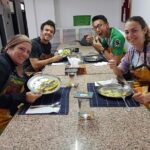
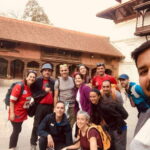
Two things I really like here are the sheer variety and the small group size. You’ll get up to 6 guests, which means you can actually ask questions and not just nod along while everyone else gets served. And the tour is led by an English-speaking foodie guide who takes time with explanations, like Bibek did, with calm patience and real answers.
One possible drawback: it is a food-heavy experience. If you’re the type who wants one big meal or you’re not into trying a lot of small bites, this may feel like non-stop snacking in the best way, but still a lot.
In This Review
- Key things that make this Kathmandu food tour work
- A 12+ tasting route that actually makes sense
- Small group comfort: up to 6, 4–5 stops, and a pace you can handle
- Stop-by-stop: what you’ll likely taste over the 2.5 hours
- 1) First bite start near Thamel, then straight into local snack culture
- 2) Momo stop: dumplings, local pickles, and the sauce logic
- 3) Khaja set tasting: the mix-and-match way locals snack
- 4) Chatamari stop: how Nepalese pizza differs from what you expect
- 5) Bara and other fried snacks: the crunch and the sauce match
- 6) Fermented comfort: Gundruk sadeko
- 7) Selroti and barfi-style sweets: the dessert switch
- 8) Lassi and tea: drinks that reset your palate
- 9) Bhaktapur juju dhau: the famed sweet finish
- Who the guide matters: what Bibek-style hosting adds
- Value check: $5 for 12+ tastings in 2.5 hours
- Logistics that keep it painless: where to meet and how it ends
- Who this tour is best for (and who should skip it)
- Should you book this Kathmandu food tour?
Key things that make this Kathmandu food tour work
- 12+ tastings in 2.5 hours so you get variety without spending the whole day hunting menus
- Up to 6 guests keeps the vibe personal and the questions flowing
- Multiple styles of Nepali food show up in one route, from momo and khaja sets to sweets and fermented flavors
- Bibek-style guiding: friendly pace and patient explanations that make the dishes click
- Local drinks and fresh juice help you balance spicy and fried items
- Transportation included so you can stay focused on eating instead of navigating
A 12+ tasting route that actually makes sense
Kathmandu food can be a lot, especially if it’s your first time. You see stacks of snacks, hear a few dish names, then leave with a vague memory of fried things and sweet things. This tour is different because it’s organized around tasting, not sightseeing.
You’re given a structured run through a mix of Nepali dishes that many visitors only try once. Things like momo with local pickles, Nepali Khaja sets, chatamari (often called Nepalese pizza), bara, and selroti show up as part of a bigger story about daily food culture. Even when dishes are new to you, the guide helps you understand what you’re tasting and why it matters to local people.
The real win is that you don’t have to decide what to order. Your guide does the picking, then guides you through what to notice: textures, seasoning styles, and how the meal components work together. That means you spend your appetite on food, not on guessing.
You can also read our reviews of more food & drink experiences in Kathmandu
Small group comfort: up to 6, 4–5 stops, and a pace you can handle
This is a short tour by design: about 2.5 hours with 4–5 food stops. That pace is ideal for Kathmandu because walking and traffic can be tiring fast. It also means you get multiple bites from multiple places rather than one long sit-down meal where you miss out on the city’s variety.
The “up to 6 guests” detail is not just a marketing line. With a small group, you’re more likely to get direct attention, like getting your questions answered without the guide having to rush to the next table. The setup also helps if you’re nervous about street food. You’ll be with a guide who can steer you toward what to expect and how to eat it.
One more practical upside: the tour includes transportation, so you’re not spending the entire session navigating streets and crossings. Your body stays ready for more tasting.
Stop-by-stop: what you’ll likely taste over the 2.5 hours
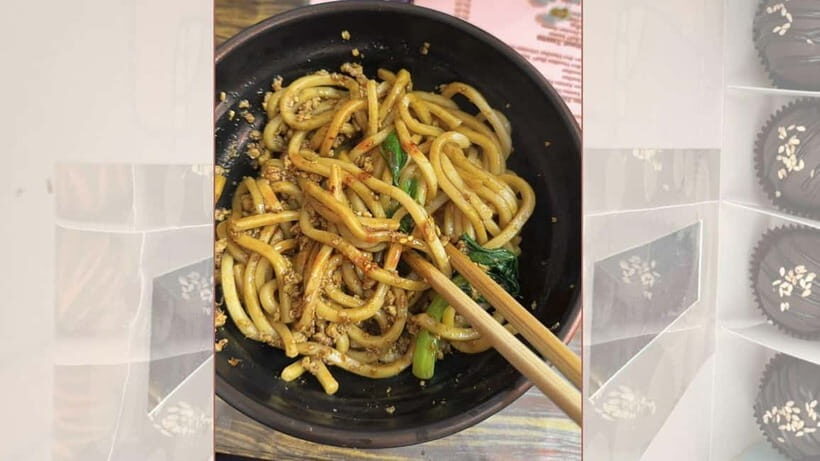
I can’t promise an exact menu order at every departure, but the food categories are clear, and the tastings mentioned cover a pretty complete “greatest hits” of Nepali street and regional eating.
1) First bite start near Thamel, then straight into local snack culture
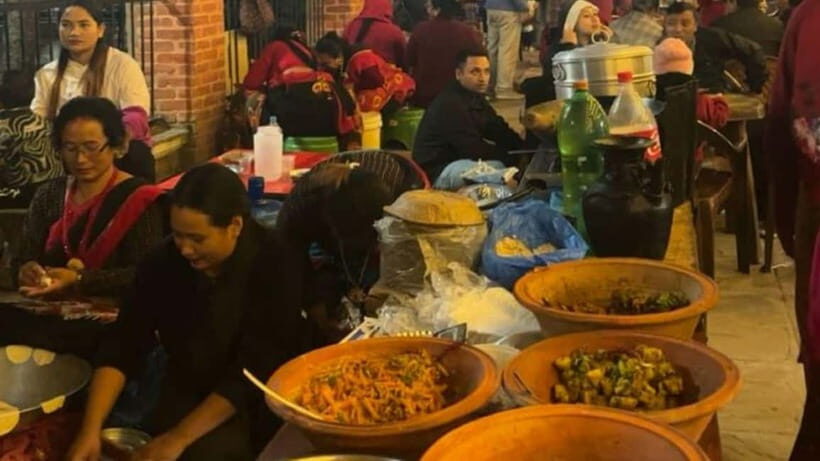
You meet in front of Hotel Marshyangdi in Thamel. From there, you start in local food territory and move into an early set of tastings that sets the tone: street food and regional items, plus local pickles. Pickles matter here. They’re not just a side. They change the whole flavor balance, especially when fried snacks or dumplings are on the menu.
What to watch for: early on, you’ll likely be served things that are meant to be eaten quickly and repeatedly, so your stomach and taste buds learn the rhythm. If you usually snack lightly, you’ll want to come with a bit of hunger but not a full breakfast you regret.
2) Momo stop: dumplings, local pickles, and the sauce logic
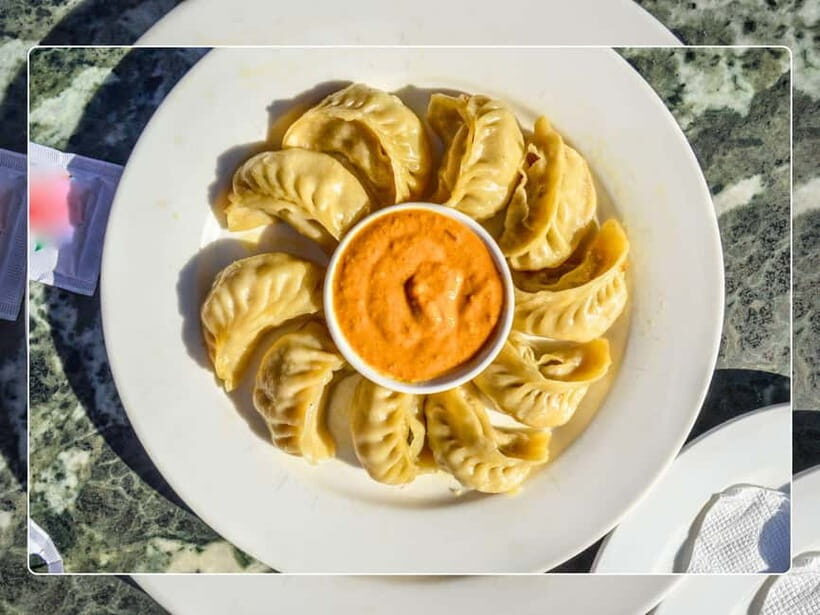
Momo is the star dish for a reason. On this tour, it’s not just momo as a single item. You’ll taste momo with local pickles, and that’s a big deal because it shows how Nepali meals often balance sour, spicy, and savory in bite-sized ways.
What makes this stop special is that momo is both street food and comfort food. One guide explanation can help you see why it’s eaten so often, not only as a tourist meal.
Drawback to consider: if you’re not into dumplings, you may still get value from learning how the pickles and dipping sauces work. But if momo is a hard no for you, this tour may not feel like your kind of “value.”
You can also read our reviews of more tours and experiences in Kathmandu

3) Khaja set tasting: the mix-and-match way locals snack
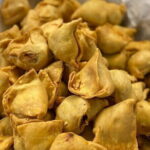
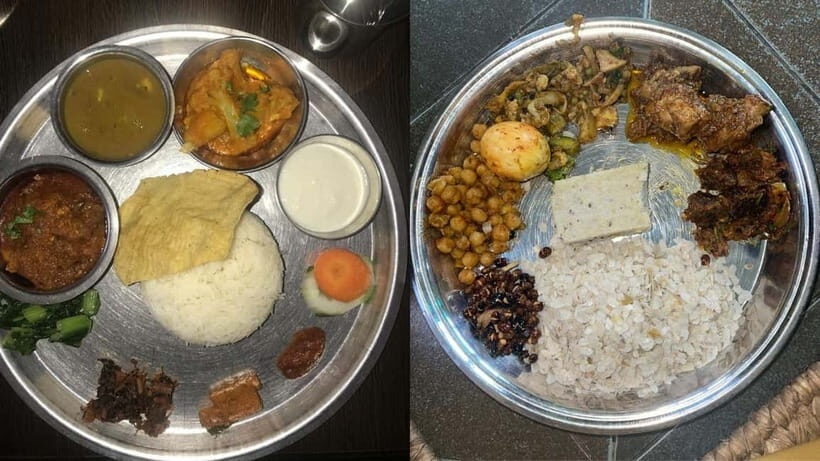
A Nepali Khaja set is built for variety: multiple small components meant to be combined. This is where the tour’s “12+ tastings” claim really becomes real, because a Khaja set teaches you that Nepali eating isn’t always one plate with one dish. It can be a mash-up of textures and flavors that make one snack feel like a small meal.
On this tour, Khaja elements you might encounter are items like beans, battered/beaten rice, and other snack staples that help you understand local flavor habits. You’ll also likely taste fried and savory pieces that pair naturally with tea or light drinks.
One small challenge: because it’s mix-and-match, it can feel busy if you’re hoping for a calm dining pace. The trick is to taste slowly between sips and not rush through to the next stop.
4) Chatamari stop: how Nepalese pizza differs from what you expect
Chatamari is often described as Nepalese pizza, but it’s not a copy of the Italian idea. It has its own feel—thin base, toppings, and a flavor profile that works more like a street snack than a sit-down entrée.
This stop is valuable because it gives you a dish that looks familiar at first glance but doesn’t taste like what you grew up with. If you’re picky about “fusion” foods, this is still worth considering because it’s genuinely Nepali street comfort, not a tourist-only invention.
5) Bara and other fried snacks: the crunch and the sauce match
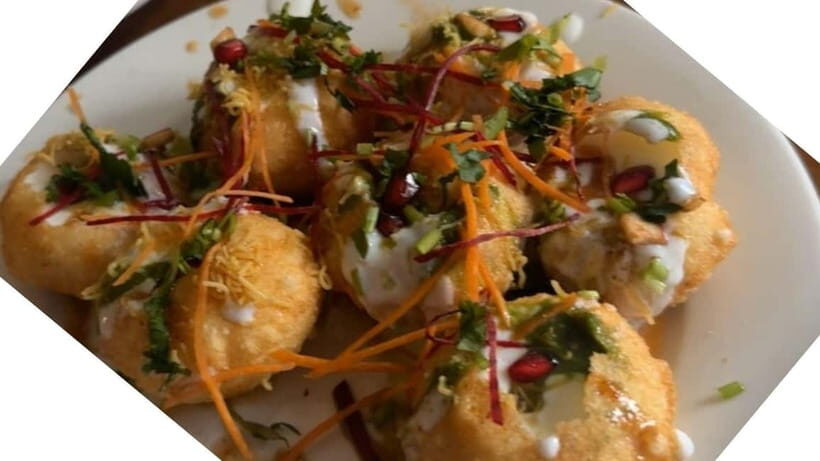
You’ll have tastings that include bara, a fried lentil-based snack, and you may also see other savory bites that fall into the fried-and-cozy category. These are the kinds of foods where the dipping sauce or pairing drink matters. The tour includes local drinks and fresh juice, which helps you avoid the trap of eating fried items back-to-back and then regretting it later.
Practical tip: if you like spicy, pay attention to how your guide balances heat and sour with pickles. If you’re heat-sensitive, tasting small bites first helps you decide where to focus.
6) Fermented comfort: Gundruk sadeko
One of the more interesting tastings is Gundruk sadeko. It’s a fermented greens dish, and it’s one of those flavors you either love fast or need a guide to help you appreciate. That’s exactly where a good guide matters. When someone explains what you’re tasting, fermented food stops being intimidating and starts being interesting.
If you’re adventurous with flavors, this is often a highlight. If fermentation is a “maybe,” take small bites and pair it thoughtfully with your drink.
7) Selroti and barfi-style sweets: the dessert switch
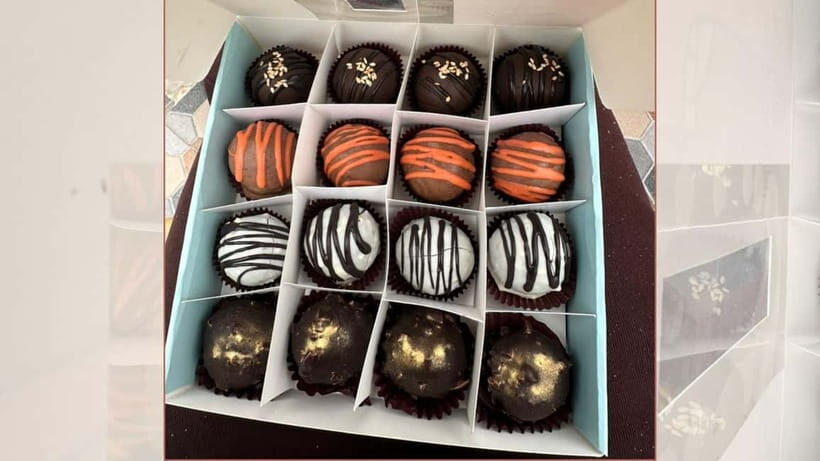
The tour doesn’t only do savory. You may taste selroti, plus sweets like barfi. This is a key part of the value because dessert in Nepal isn’t always a quick afterthought. It rounds out the meal profile and shows how sweets and snacks fit into everyday cycles.
What makes this stop feel “worth it” is that dessert arrives when you’ve already built context from the savory bites. It won’t feel random.
8) Lassi and tea: drinks that reset your palate
You’ll taste lassi and likely have tea too. Drinks like lassi are helpful because they cool down spicy and fried flavors and keep the tasting from feeling one-note.
If you usually skip drinks on food tours, don’t. Here, the drinks are part of the tasting logic, not filler.
9) Bhaktapur juju dhau: the famed sweet finish
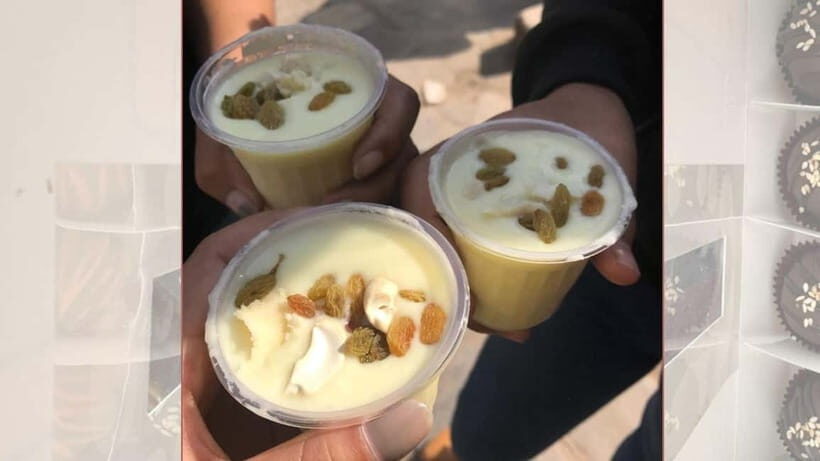
A standout named in the tour description is Traditional Bhaktapur juju dahu. This is a dessert-style dairy item, and it’s a great “place-to-place” contrast because you’re tasting something tied to Bhaktapur’s food identity, not just generic Kathmandu snacks.
Why it works: it gives you a regional anchor. When you go home, you remember more than “fried snack plus tea.” You remember a specific dish with a specific identity.
Who the guide matters: what Bibek-style hosting adds
The guide is a central reason this tour gets strong marks. Bibek is mentioned in feedback for being friendly, patient, and willing to explain dishes without rushing you. That kind of hosting makes a food tour much more than a meal delivery system.
Look for what this means for you:
- If you like asking questions, small-group format helps your guide stick with you through the dish meanings.
- If you’re unsure what something is (or why it’s served with pickles), a guide’s explanations prevent guessing.
- If you’re worried about ordering, the guide’s recommendations remove stress.
Even if you don’t consider yourself a food nerd, this is the kind of tour where you leave with a working sense of what’s what. That helps you order confidently later in Kathmandu.
Value check: $5 for 12+ tastings in 2.5 hours
At $5 per person, this is priced like a shortcut, not a full-scale guided experience. The value comes from stacking what’s included: multiple tastings, 4–5 food stops, local pickles, local drinks and fresh juice, and transportation.
To put it simply: you’re paying for someone to plan your food route and keep it flowing. In most cities, that kind of “planning labor” plus actual tasting portions would cost far more. Here, the price makes it a smart way to sample Kathmandu without committing to expensive sit-down meals.
Two things to keep your expectations aligned:
- Alcohol is not included. If you want beer or spirits, you’ll need to pay extra where available.
- You should come hungry enough to taste across multiple stops. This isn’t a “taste one thing and stroll” activity.
Logistics that keep it painless: where to meet and how it ends
Meeting point is straightforward: you meet outside Hotel Marshyangdi in Thamel. Pickup can depend on the selected option, and coordination uses WhatsApp in a way that people report as smooth, so you’re not left guessing where your group is.
The tour concludes back at the start area. That matters more than you’d think. After eating for a couple hours, you want an easy ending point, not a second navigation problem.
There’s also mention of skip-the-line via a separate entrance, which can help reduce waiting at food venues. Less time in lines means more time with food.
Who this tour is best for (and who should skip it)
This fits best if you:
- Want a fast way to get a broad taste of Nepali and regional food in Kathmandu
- Like guided explanations, especially for unfamiliar dishes like Gundruk sadeko or juju dauh
- Prefer a smaller group for conversation rather than a big bus-tour vibe
- Want transportation included so you can focus on eating
You might skip it if:
- You’re not interested in trying a lot of small bites in one outing
- You strongly dislike tasting unfamiliar foods (this tour’s whole point is variety)
- You expect a cocktail-and-culture evening. The tour includes drinks and fresh juice, but alcohol is not included
Should you book this Kathmandu food tour?
If you’re visiting Kathmandu for the first time and you want to eat well without spending time guessing menus, I think this is a strong choice. The 12+ tastings and the small group size (up to 6) make it feel personal, not chaotic. Add guides like Bibek who can explain patiently, and you get something practical: you’ll know what you tasted and what to look for next.
Book it if you can eat. Don’t book it if you want a long sit-down meal or a relaxed, low-amount snack. In the sweet spot, though, this is a very efficient way to understand Kathmandu food fast.