REVIEW · KATHMANDU
Annapurna Circuit Trek in Nepal (9 Days)
Book on Viator →Operated by Recreation Holidays Pvt. Ltd. · Bookable on Viator
At 3 a.m., the mountain calls. This 9-day Annapurna Circuit trek is built around big altitude days, local villages, and Thorong La itself, with a Kathmandu pickup that gets you moving fast. You’ll see how the Annapurna region changes as you gain elevation, while also getting a real feel for everyday life in Nepal.
I like two things a lot. First, you get a licensed English-speaking guide plus an assistant guide for groups of 8+, so day-to-day decisions feel handled. Second, you get a full acclimatization day in Manang, with optional hikes around glacial lakes and monasteries when your body needs the extra buffer.
One drawback to consider: this is not a lazy walk. You’re looking at moderate fitness needs, long trekking days (often up to 12 hours), and slow going at altitude, especially around the pass.
In This Review
- Key moments you’ll feel on this Annapurna Circuit trek
- The Annapurna Circuit, in plain terms: why this trek works in 9 days
- Kathmandu launch: pickup, bus to Bhulbhule area, then jeep to the trail
- Day 1 to Day 3: Bhulbhule to Chame through villages, forests, and bridges
- Day 1: Arrival zone and first transfer into trekking country
- Day 2: Chame and the feel of Tibetan-influenced villages
- Day 3: Rhododendron and pine, plus suspension bridges to Paungda Danda
- Manang is the turning point: Humde views and a full acclimatization day
- Day 4: Toward Manang, with that gradual lift and big views
- Day 5: Acclimatization day in Manang (this is where you recover wisely)
- Day 6 and Day 7: Yak Kharka and Thorong Phedi, where the altitude starts to feel personal
- Day 6: Yak Kharka and a steady, moderate ascent
- Day 7: Thorong Phedi lead-in, and the long hours at altitude
- Thorong La Pass and Muktinath: the 3 a.m. challenge at 5,416 meters
- Day 8: Start around 3 a.m., reach 5,416 meters, then continue to Muktinath Temple
- Day 9: Muktinath to Pokhara by jeep or bus, plus the well-earned reset
- Tea houses, meals, and what “included” really means for your comfort
- Value check: does $880 buy real support on the Annapurna Circuit?
- Guides, permits, and safety: the “behind the scenes” stuff that matters
- Who should book this Annapurna Circuit trek—and who should pause
- Should you book Recreation Holidays’ 9-day Annapurna Circuit?
- FAQ
- How long is the Annapurna Circuit Trek with Recreation Holidays?
- Where does the trek start and when?
- Are pickups from Kathmandu hotels included?
- What kind of accommodation do you get during the trek?
- Are meals included in the price?
- Are trekking permits included?
- Do you get a guide?
- Are porters included?
- Is emergency evacuation support included?
- Can I cancel for a full refund?
Key moments you’ll feel on this Annapurna Circuit trek
- Early start rhythm in Kathmandu, with pickup and transport that sets a solid pace from day one
- Tea house nights (twin sharing) during the trek, with breakfast/dinner/lunch built into the plan
- Manang acclimatization day with choices like glacial lake hikes near Gangapurna and monastery visits
- Gradual climb to Yak Kharka and Thorong Phedi, which helps you arrive at pass day less rushed
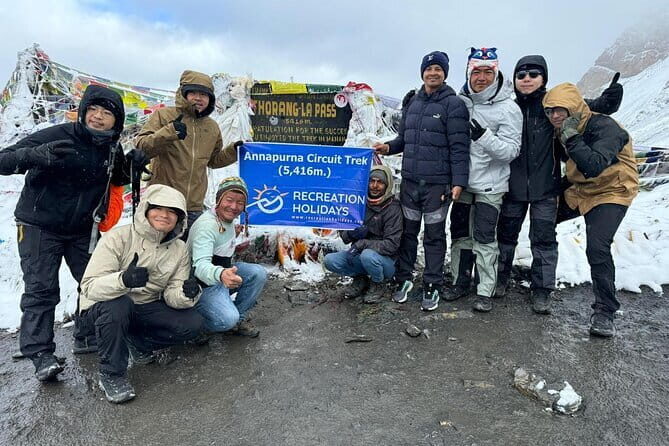
- 3 a.m. Thorong La Pass day at 5,416 meters, with the hardest hours coming early
- Muktinath Temple + descent to Pokhara, giving you a strong finish after the high point
The Annapurna Circuit, in plain terms: why this trek works in 9 days
The Annapurna Circuit is popular for a reason. You’re not just walking between villages; you’re watching the region change as your altitude changes. That shift matters on this specific route because your days are spaced to help you adjust—especially with the Manang acclimatization day.
Recreation Holidays keeps the plan tight enough to feel like a proper trek, but not so rushed that you’re constantly sprinting uphill. You’ll have tea house nights through the trek (8 nights total), included meals, and a guide who handles the route and the practical stuff that can otherwise eat your energy.
If you love straightforward logistics (permits, transport segments, first-aid support), this style of trek gives you that. If you prefer a super flexible, totally DIY experience, you might feel a little boxed in by the schedule.
You can also read our reviews of more hiking tours in Kathmandu
Kathmandu launch: pickup, bus to Bhulbhule area, then jeep to the trail
Your day typically begins with pickup in Kathmandu around 6–7 a.m. (the start time listed is 6:15 a.m.). After that early start, you ride by bus toward the Bhulbhule area via Besisahar, then transfer to a shared jeep to get you onto the trekking side of the journey.
This first travel day is not the day to test your patience. It’s just a reality of Nepal trekking: you’re trading comfort for access to the trail. The upside is that you start building momentum right away, instead of losing precious trek days to late arrivals.
You also get a small but helpful bonus: luggage storage during the trek is included. That means you can travel lighter on the actual hikes without hauling every extra thing you brought from Kathmandu.
Day 1 to Day 3: Bhulbhule to Chame through villages, forests, and bridges
Day 1: Arrival zone and first transfer into trekking country
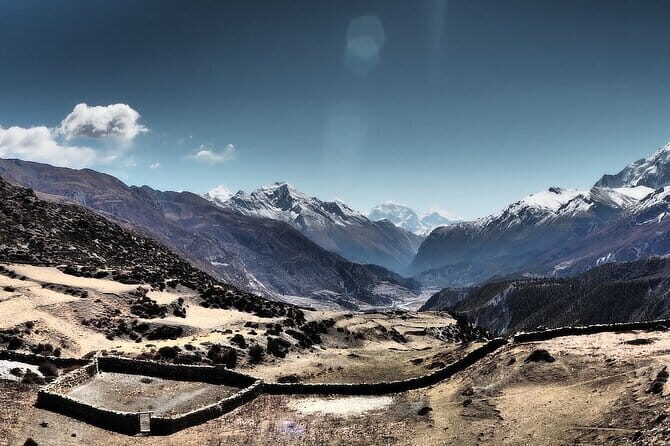
The plan is designed to get you from Kathmandu into the trekking corridor in one go. You start with the scenic bus ride to Bhulbhule (via Besisahar), then shift to a shared jeep. For most people, that means you’re done with movement by late day, ready to sleep in a tea house and start waking up in altitude mode.
Practical tip: start your trek prep the night before. Keep your essentials easy to grab—passport/permits in a safe place, lip balm, a warm layer for mornings, and any meds you use.
Day 2: Chame and the feel of Tibetan-influenced villages
On Day 2, you trek into cooler alpine terrain and pass Tibetan villages such as Bagarchhap and Danakyu. You’ll also see apple orchards, which is a nice reminder that this region is not only about mountains—it’s about agriculture and daily routines.
Chame is one of those stops where you get mountain views and a stronger “we’re really in it now” feeling. From a pacing standpoint, Day 2 helps you transition from road travel to consistent hiking without throwing you straight into the biggest altitude work.

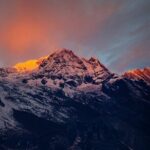
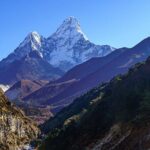
Day 3: Rhododendron and pine, plus suspension bridges to Paungda Danda
Day 3 takes you through dense rhododendron and pine forests, with meadows and steep ascents along the way. You’ll cross multiple suspension bridges before arriving at Paungda Danda, described as a majestic curved rock face.
This is the day where your legs learn the trek’s rhythm: up, down, and then up again. Suspension bridges also mean you’ll feel the trail’s energy—creaky, airy, and very real.
One consideration: with long trekking days (often stated as 12 hours in the schedule), you’ll want to manage your effort early. If you go out too hot, the afternoon can feel longer than it is.
Manang is the turning point: Humde views and a full acclimatization day
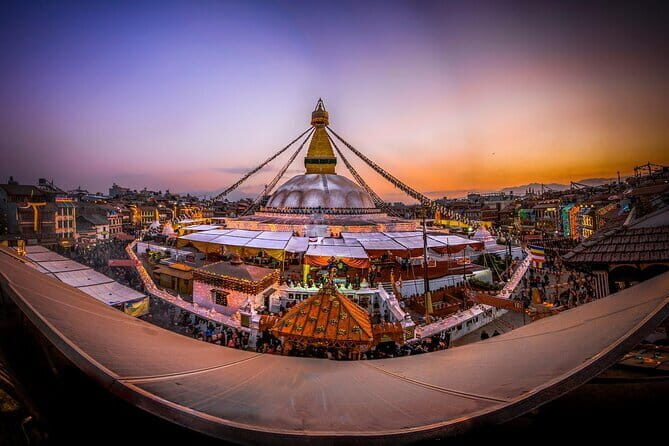
Day 4: Toward Manang, with that gradual lift and big views
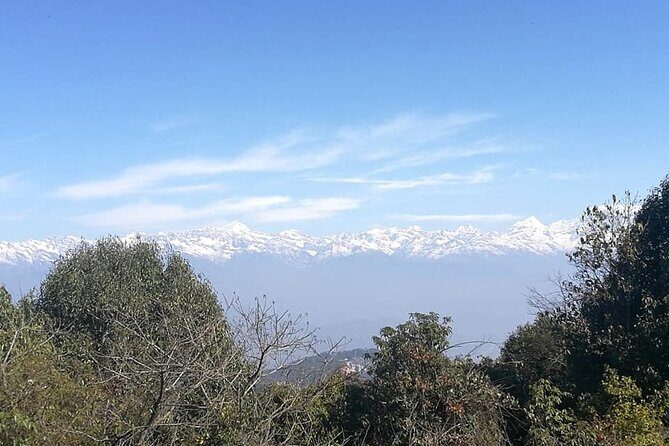
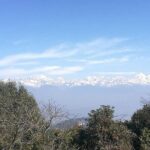
The Manang section starts with flat terrain and then a gradual ascent to Humde. Along the way, you’re treated to panoramic views of Annapurna peaks—Annapurna II, Annapurna III, and Annapurna I are specifically called out.
This is a smart design. You’re not only traveling; you’re also giving yourself time to adjust as you approach higher elevations. The route’s “gradual climb” description matters because it’s how you arrive at Day 5 (acclimatization) ready to benefit from it.
Day 5: Acclimatization day in Manang (this is where you recover wisely)
Day 5 is reserved for acclimatization. Instead of just resting completely, you’ll explore Manang village and you’ll have options such as hiking up to glacial lakes near the base of Gangapurna, or visiting local monasteries.
I love this type of day because it gives you choices. Some people want a light hike to feel active; others prefer calmer sightseeing and slower walking. Either way, you’re not “losing” time—you’re using it to help your body adapt.
What this means for you: this day likely improves how you handle the later climb toward Yak Kharka and the lead-in to Thorong Phedi and the pass.
Day 6 and Day 7: Yak Kharka and Thorong Phedi, where the altitude starts to feel personal
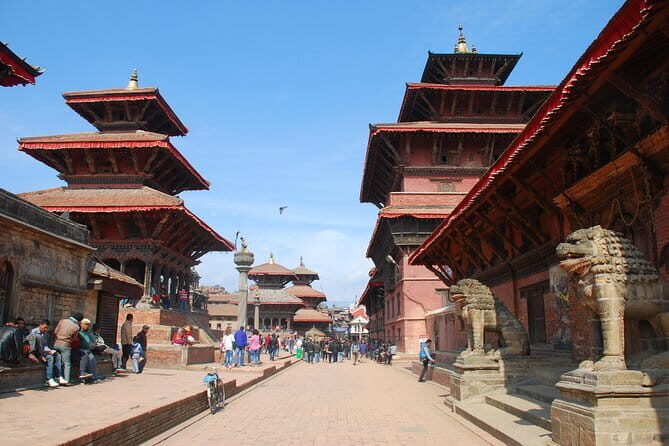
Day 6: Yak Kharka and a steady, moderate ascent
You trek to Yak Kharka, passing local settlements and cultivated farmlands. The path is described as a steady but moderate ascent, with time built in to acclimate.
Crossing a suspension bridge shows up again in this section, which keeps the experience varied. It also reminds you: the trail is not just straight uphill. It’s a moving mix of terrain changes, bridge crossings, and changing views.
Practical advice: on days like this, you don’t need to prove you’re strong. You need to keep your breathing under control. Slow down early and you’ll likely feel better later.
Day 7: Thorong Phedi lead-in, and the long hours at altitude
Day 7 focuses on hiking toward Thorong Phedi, taking about 4–5 hours with a gradual incline. Altitude makes pace slower, so you’ll take more breaks than you might on lower-elevation hikes.
This is a key day because you’re not just walking—you’re positioning yourself for the hardest next day. Expect views that help you stay motivated, but don’t let the scenery trick you into overexertion.
If you’re the type who wants to keep moving no matter what, watch that instinct. Thorong La day starts early, and the best preparation is to arrive tired but not smashed.
Thorong La Pass and Muktinath: the 3 a.m. challenge at 5,416 meters
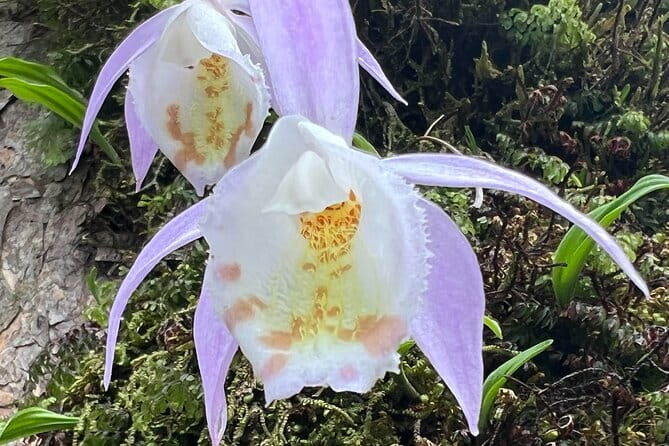
Day 8: Start around 3 a.m., reach 5,416 meters, then continue to Muktinath Temple
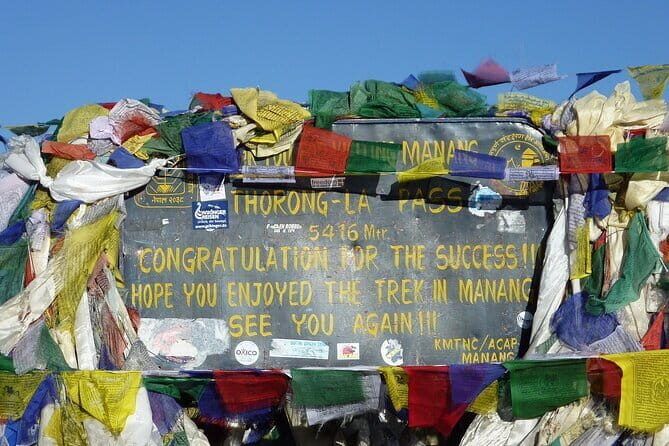
Day 8 is built around conquering Thorong La Pass at 5,416 meters. The schedule says to start around 3 a.m., which means you’ll be eating, dressing, and checking your gear while the rest of the world is still asleep.
This is the trek’s most thrilling and intense day. You’ll have panoramic views at the summit, and it’s the moment the whole Annapurna Circuit feels real.
Then you continue toward Muktinath Temple. It’s a powerful payoff after the pass because it shifts the focus from pure altitude effort to place, ritual, and spiritual atmosphere.
A consideration worth keeping in mind: this day is early and demanding. Even if you’re fit, the combination of cold morning air, thinner breathing, and steep sections can slow you down. Build patience into your plan and let the pace come to you.
Day 9: Muktinath to Pokhara by jeep or bus, plus the well-earned reset
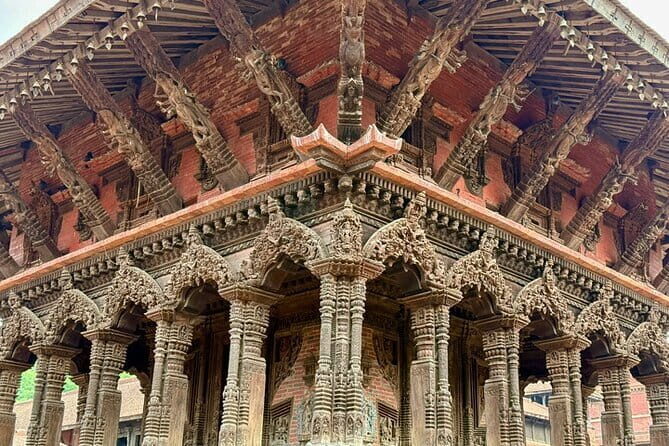
After the trek, you travel from Muktinath to Pokhara by jeep or bus. The drive offers scenic views of the lower Mustang Valley as you descend, and once you arrive you can celebrate the end of the route and take a real breather.
From a “what should you do with your body” point of view, Pokhara is a smart finish. You’ve got access to restaurants and an easier day than trekking. You’ll probably feel a mix of relief and emptiness after reaching the end—normal for big hikes.
Tea houses, meals, and what “included” really means for your comfort
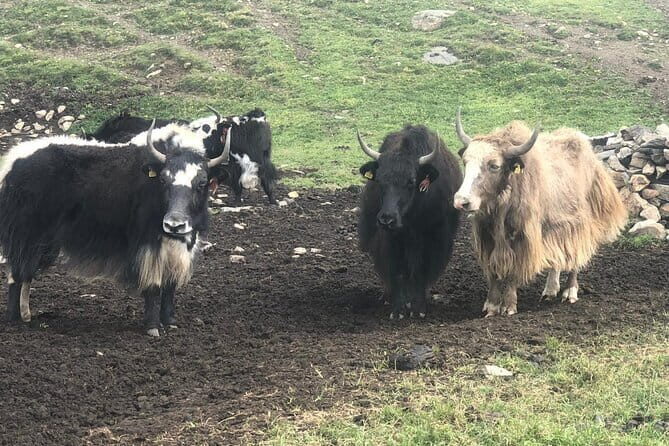
This trek includes 8 nights of tea house accommodation during the trek, twin sharing. Meals are also built in: 8 breakfasts, 8 dinners, and 9 lunches during the trek.
Tea houses are basic by design. What you get is a warm place to eat, sleep, and recover, plus the convenience of not having to carry cooking gear. The trade-off is that room comfort isn’t going to match a city hotel, especially in colder altitude zones. You’ll want layers for sleeping and for those early morning hours.
If you’re traveling with a heat-sensitive body, bring a plan for warmth. If you’re traveling with altitude-sensitive lungs, hydrate and keep your effort steady.
The positive: with meals included, you don’t have to negotiate menus and prices while you’re already tired. It keeps your head clear.
Value check: does $880 buy real support on the Annapurna Circuit?
At $880 per person, what you’re paying for is not just the route. It’s the structure that makes the trek smoother:
Included highlights you should care about:
- licensed English-speaking guide
- permits for trekking
- a first-aid medical kit
- emergency evacuation support covered by travel insurance
- local transport segments from Kathmandu to the trek area and from Muktinath to Pokhara
- tea house lodging and the bulk of your trekking meals
What’s not included (and can change your true cost):
- Nepal entry visa
- international airfare
- travel and medical insurance
- accommodation in Kathmandu and Pokhara
- porter services: $240 per porter available on request (not included), with 1 porter for every 2 trekkers
- extra baggage charges and private transportation
For value, here’s the practical way to think about it: if you’d otherwise have to organize permits, arrange guides, and piece together transportation, you’d likely spend more than the $880. The guide and permits alone are a big chunk of what keeps your trek from becoming a management project.
If you want help carrying a pack, porters can be worth the cost, but you’ll still need to request it in advance.
Guides, permits, and safety: the “behind the scenes” stuff that matters
This trip is set up as a private tour/activity, meaning only your group participates. That can be a comfort feature because you’re not squeezed into an overly mixed schedule.
You also have a licensed English-speaking guide, plus an assistant guide for groups of 8+. That’s not just paperwork—it often affects how smoothly logistics move when you’re tired and the route gets busy.
Permits are included, and there’s a first-aid medical kit. You also get emergency evacuation support, which is covered by travel insurance. That last part is important: you still need the right insurance setup in your own name.
In my book, the best trekking trips handle the small stressors for you: permits, timing, and someone keeping an eye on pace. This one is aiming for that.
Who should book this Annapurna Circuit trek—and who should pause
You’ll likely enjoy this trek if:
- you can handle moderate fitness and long hiking days
- you want a guided experience with permits, meals, and tea house lodging handled
- you’re motivated by cultural stops and mountain highlights, not just summit chasing
- you like having a built-in acclimatization day in Manang
You might think twice if:
- you want a short, easy hike (this route is long and altitude-heavy)
- early mornings stress you out (Day 8 starts around 3 a.m.)
- you expect hotel-level comfort nightly (tea houses are basic)
- you don’t want to spend extra on insurance or optional porters
Should you book Recreation Holidays’ 9-day Annapurna Circuit?
If you want a strong balance of mountains, culture, and handled logistics, this is a solid pick. The Manang acclimatization day is the kind of planning that can make your later altitude days feel more manageable. And the included guide support and permits mean you can focus on walking, eating, and resting—without turning your trek into a project.
I’d book it if your fitness is moderate and you’re comfortable with early starts and cold nights. I’d pause if you’re looking for a low-effort trip or you’re missing insurance planning.
If you do book, do one thing that pays off fast: pack for warmth and treat altitude like a slow-burn challenge, not a race. Your legs will thank you, and so will your breathing.
FAQ
How long is the Annapurna Circuit Trek with Recreation Holidays?
The trek is listed as 9 days (approx.).
Where does the trek start and when?
It starts in Kathmandu, Nepal, with a start time listed as 6:15 am. Pickup is offered.
Are pickups from Kathmandu hotels included?
Yes, pickup offered is included, and the journey begins around 6–7 AM from your Kathmandu hotel area.
What kind of accommodation do you get during the trek?
You get 8 nights tea house accommodation, twin sharing.
Are meals included in the price?
Yes. Meals are included: 8 breakfasts, 8 dinners, and 9 lunches during the trek.
Are trekking permits included?
Yes. All necessary trekking permits are included.
Do you get a guide?
Yes. You’ll have a licensed, English-speaking guide. An assistant guide is included for groups of 8+.
Are porters included?
Porter services are not included, but they’re available on request for $240 per porter (1 porter for every 2 trekkers).
Is emergency evacuation support included?
Emergency evacuation support is included, but it is stated as covered by travel insurance. Travel and medical insurance are not included in the package.
Can I cancel for a full refund?
Yes. Free cancellation is offered, and you can cancel up to 24 hours in advance for a full refund.