REVIEW · KATHMANDU
12 Days Annapurna Circuit Trek from Kathmandu
Book on Viator →Operated by CAN Travels · Bookable on Viator
Altitude, culture, and big peak views in 12 days. This Annapurna Circuit trek pairs real high-mountain drama—up to Thorong La Pass (5,416m)—with cultural stops in Tibetan-style villages and places where you’ll see Buddhism in daily life. I especially like the English-speaking Sherpa guidance, with leaders who explain trails plus mountain and cultural context, not just logistics.
I also like the built-in planning that keeps the trip moving: airport pickup, hotel stays (Kathmandu 2 nights, Pokhara 1 night), guesthouse nights during the trek, and official permits handled for you. The main consideration is that it’s physically serious; the itinerary calls out a long, high-altitude day (8–9 hours) and it explicitly asks for strong fitness. Also, food and drinks are extra (about US$25 per day), so you should budget for that up front.
In This Review
- Key things I’d zero in on before you book
- Trekking the Annapurna Circuit in 12 Days: what this trip really offers
- Kathmandu pickup and the short runway into Thamel life
- Day 2 road trip to Chame: river views and a long sit before the first step
- Day 3 toward Upper Pisang: suspension bridge moments and first big-range views
- Day 4 into Braga (upper Manang): Tibetan architecture and a different rhythm of life
- Day 5 acclimatization in Manang: a smart pause before higher ground
- Day 6 to Yak Kharka: juniper forests, yak grazing, and an important teahouse stop
- Day 7 to Thorong Phedi: slow ascent, the Jarang Khola bank, and big effort building
- Day 8 over Thorong La toward Muktinath: the hardest day and the wind factor
- Day 9 down to Jomsom: meadows, orchards, Kagbeni, and the Kali Gandaki valley
- Day 10 Pokhara drive: swap the trail for lakeside time
- Day 11 back to Kathmandu: warm memories and a long road day
- Day 12 airport transfer: leaving Nepal without rushing
- Price and logistics: how the $680 holds up for value
- Guides make the difference: why these English-speaking leaders earn trust
- How fit do you need to be for Thorong La days
- Who this trek suits best
- Should you book this 12-day Annapurna Circuit trek with CAN Travels?
- FAQ
- How long is the trek?
- What is the meeting time in Kathmandu?
- What is the highest point on the route?
- Are permits and official documents included?
- What accommodation is included?
- Is the trekking guide included?
- Are meals included?
- What about transportation between towns?
- Is it a private group?
- Is there a full refund if I cancel?
Key things I’d zero in on before you book
- Sherpa-style guiding with English support and a focus on trail + culture explanations
- Permits and official documents included, so you don’t scramble paperwork
- Guesthouse trekking nights plus city comfort (Kathmandu 2 nights, Pokhara 1 night)
- Thorong La timing built into a 12-day plan, with an acclimatization day before the big push
- Real variety of terrain, from green river valleys toward arid, windswept high areas
Trekking the Annapurna Circuit in 12 Days: what this trip really offers
This tour is built around the classic Annapurna Circuit rhythm: start in Kathmandu, road into the trekking zone, walk through changing environments, then come down through the Kali Gandaki valley toward Pokhara. What makes it compelling is that you’re not just walking; you’re also getting culture and interpretation along the way through your trekking guide.
You also get a lot handled for you. Permits and official documents are included, your guide is English-speaking, and you’re not left to piece together transport between regions. For many people, that’s the difference between a stressful trip and a trip where you can just focus on hiking and taking in the views.
You can also read our reviews of more hiking tours in Kathmandu
Kathmandu pickup and the short runway into Thamel life
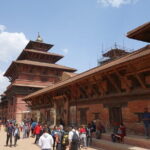
Most people hit Kathmandu with jet lag and a long checklist. Here, you get met at Tribhuvan International Airport by a Sherpa Expedition & Trekking representative and transferred to your hotel by private vehicle. After check-in, your first evening is basically yours—perfect for getting your bearings in Thamel, where trekking gear and good odds of finding last-minute essentials are easy.
There’s also a clear schedule signal: meeting time is listed at 4:15pm. If you’re the type who likes to know the pace of the day, you’ll probably appreciate that the trip doesn’t start vague.
Tip I’d follow: if you arrive with time, do a quick gear check and set out what you’ll carry on the first road trip day.
Day 2 road trip to Chame: river views and a long sit before the first step
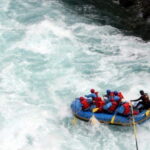
Day 2 is a road day. You cross major river country, with mentions of the Trishuli River and the Marsyangdi River near Chame, including the chance to see rafting activity close to the route. The overall drive time is listed around 9 hours, ending at Chame after traveling through Besisahar.
This kind of start matters. You’re not just getting transportation—you’re getting your first taste of why the Annapurna region feels so dramatic: steep valleys, deep river cuts, and towns that look like they’re perched on the edge of the mountains. If you’re prone to feeling restless in transit, plan to use the ride to hydrate and keep meals light.
Day 3 toward Upper Pisang: suspension bridge moments and first big-range views
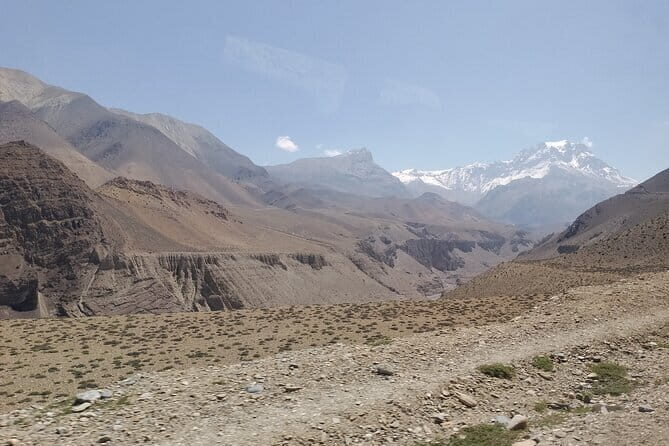
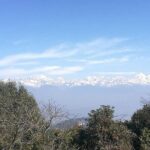
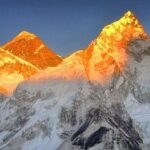
On day 3, leaving Chame, the trail route includes passing through Telekhu and getting wonderful views of the Annapurna Range and Mt. Pisang (6,091m). There’s also at least one suspension bridge moment mentioned, which is the kind of detail that reminds you you’re heading into proper trek territory.
The day is listed around 6 hours. That’s a useful length for early adaptation: long enough to feel like you’ve started, but not so long that you burn yourself out before acclimatization even begins.
If you want value from a first trek day, this is where pacing pays off—walk steady, take your photo stops without losing your rhythm, and let your body learn how to breathe at altitude.
Day 4 into Braga (upper Manang): Tibetan architecture and a different rhythm of life
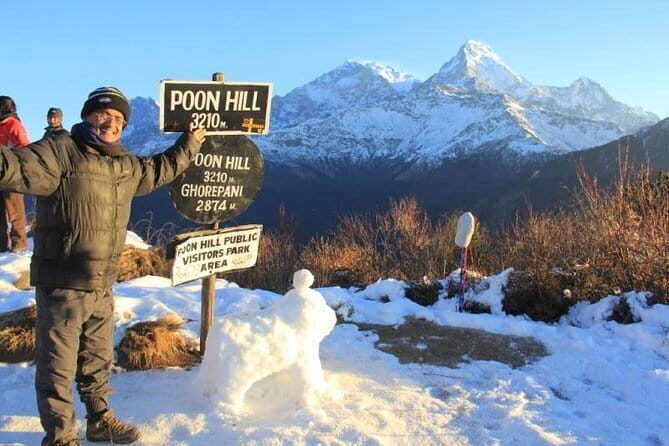
Today’s trek runs in the upper Manang area, described as starting from Pisang and walking to Braga, a Tibetan village known for its distinctive architecture—houses built one upon another. This is a great day for cultural observation, because you see how the region’s building style responds to climate, terrain, and long-term settlement patterns.
The walking time is listed at about 6 hours. That feels like a consistent theme in the early part of the itinerary: you’re building stamina while still leaving energy for noticing villages, monastery-like structures in the wider region, and how locals move through daily life.

Day 5 acclimatization in Manang: a smart pause before higher ground
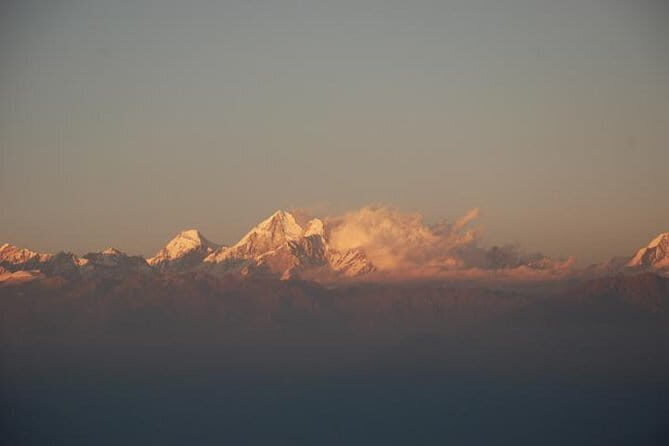
Day 5 is the acclimatization-focused day. The itinerary explicitly frames it in the way many trekking plans do: health and climbing professionals recommend spending time acclimatizing before going higher, and you’re encouraged to stay active.
Even without every minute of the day spelled out, the logic is clear. You’re not being pushed into the altitude trap. You’re given a buffer so the later pass day is about effort, not panic.
What I like about this design: when a route respects acclimatization, you’re more likely to enjoy the trek instead of just surviving it.
Day 6 to Yak Kharka: juniper forests, yak grazing, and an important teahouse stop
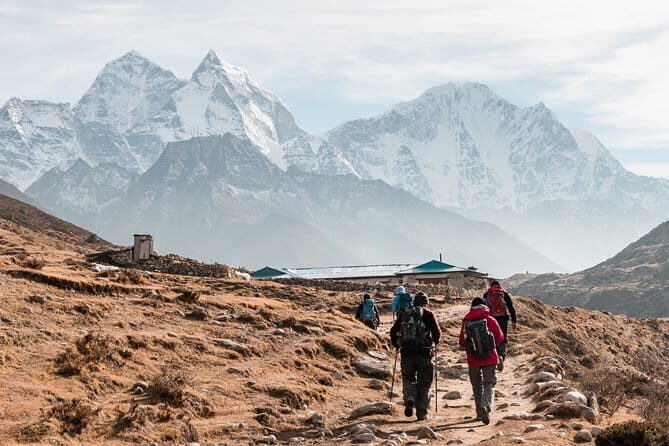
Day 6 is a more classic trekking slog, listed at about 6 hours with a total uphill trek distance noted as 10.4 km to Yak Kharka. You pass through juniper forests, and the route includes seeing yak grazing in the alpine pastures.
This is also where a very specific detail stands out: on the route you pass the only teahouse at Thorong Khola (river). In mountain planning, that kind of detail matters. It tells you where rest options may be limited, so you don’t treat the day like a casual stroll with endless stops.
Day 7 to Thorong Phedi: slow ascent, the Jarang Khola bank, and big effort building
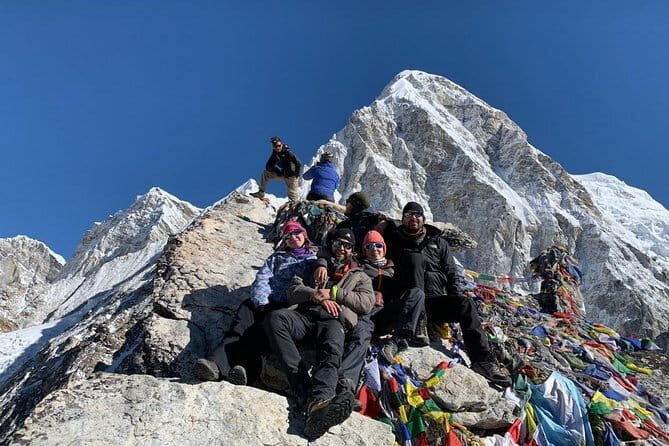
Day 7 brings a gradual ascent toward Thorong Phedi, with the route following along the east bank of the Jarang Khola (river). You get mentions of steep bluffs along the way before reaching Thorong Phedi—exactly the type of terrain that makes the air feel thinner and the effort more focused.
The trek time is listed around 6 hours. That matters because it’s not just how hard the day is—it’s how it sets you up for the next day. Thorong Phedi is essentially your staging point before the most demanding section.
If you’re building confidence, this is where you want it: you’ve had acclimatization time, you’ve climbed steadily, and now you’re positioned for the pass.
Day 8 over Thorong La toward Muktinath: the hardest day and the wind factor
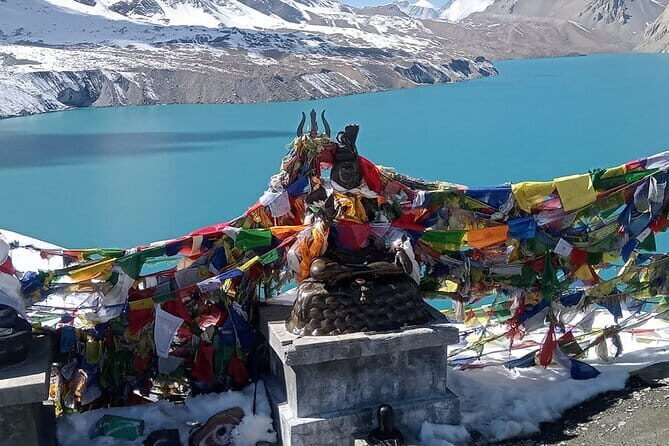
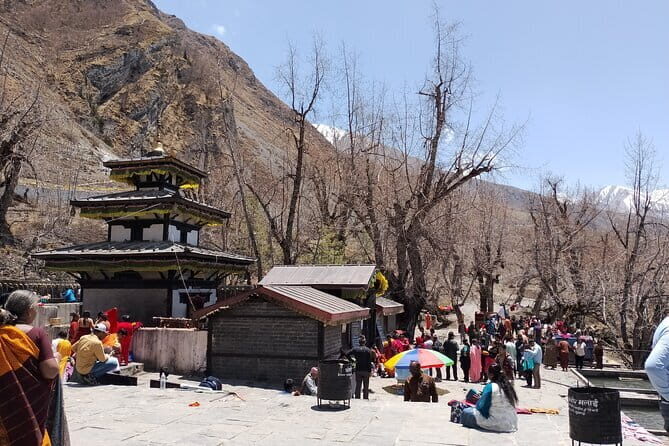
Day 8 is probably the one you’ll remember most. The itinerary describes it as one of the most physically demanding days, hiking 8 to 9 hours due to higher altitude, and it also calls out that strong winds can make conditions tougher. You finish in Muktinath.
This is where the tour’s big promise comes due: the high pass crossing referenced in the overview. Even if your body doesn’t feel ready on day 7, the route’s structure is meant to give you a fair shot—acclimatize first, then commit.
Practical mindset: aim for steady effort rather than speed. On days like this, you win by pacing and keeping yourself calm when the wind picks up.
Day 9 down to Jomsom: meadows, orchards, Kagbeni, and the Kali Gandaki valley
After Muktinath, day 9 transitions into a different kind of walking: described as leaving lush meadows, passing orchards and streams, and going toward Jomsom in the Kali Gandaki Valley. You also pass Kagbeni, a village noted for having a reputation in the wider area.
The day is listed around 6 hours. This length helps after the hardest pass day, and the environment shift is real—less steep grind, more valley trekking visuals. If you like contrast in your travel, this is where you see it.
Day 10 Pokhara drive: swap the trail for lakeside time
From Jomsom, day 10 becomes transport and relaxation. You drive to Pokhara by local bus, with the journey described as 7–8 hours and including arrival at Tatopani via Beni Bazaar before continuing on.
Pokhara is famous for its lake, and the itinerary names Phew Tal specifically. Whether or not you’re a lake person, this matters because you finally get rest after days where your schedule is measured in elevation and tea stops. This is also your chance to sleep like a normal human again.
Day 11 back to Kathmandu: warm memories and a long road day
Day 11 returns you to Kathmandu in about a 7–8 hour drive. The itinerary doesn’t over-romanticize it; it frames the day as a long ride with the feeling of closing the loop. You’ll be surrounded by Nepal’s geography again, but with the trek behind you, so you can look at the valleys differently.
This is a good day to keep your expectations realistic. Don’t plan heavy sightseeing. Use it for recovery and a little city wind-down.
Day 12 airport transfer: leaving Nepal without rushing
Your final day is an airport transfer. Sherpa Expedition and Trekking will take you to Tribhuvan International Airport at least three hours before your scheduled departure. That’s a comfort, especially if flights in and out of Kathmandu have you worried.
You can use the last hours to plan what’s next. If you’ve been bitten by the trekking bug during the circuit, Nepal has plenty of other routes, but it’s smart to let your body decompress first.
Price and logistics: how the $680 holds up for value
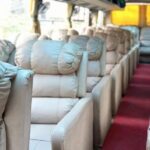
At $680 per person, this trek can be a solid value, mostly because it includes the stuff that often surprises people later. You get hotel pickup and drop-off round trip, a friendly English-speaking trekking guide, trekking permits and official documents, Kathmandu and Pokhara accommodation with breakfast, and guest house accommodation during the trek.
You also get trekking poles included (one per person), plus transfers by shared bus according to the itinerary. For many independent planners, that combination is what turns a trek from possible into a headache.
What’s not included is also clearly stated: food and drinks cost about US$25 per day (available on purchase), and gratuities are optional. I’d treat those extras as part of the true budget, not afterthoughts, because a high pass day increases how much you’ll want to eat and rest.
Guides make the difference: why these English-speaking leaders earn trust
One of the best signs here is that the guide praise isn’t just about route expertise—it’s about care and communication. Names that show up in the guide feedback include Biru, Milan, Amrit, and Krishna. Across those, themes repeat: they explain mountain culture, they help honestly, they adapt pace to match the group, and they speak English well.
That matters on the Annapurna Circuit because conditions shift fast—sometimes it’s altitude, sometimes wind, sometimes just the mental fatigue of long days. A guide who can read your pace and explain what you’re seeing helps you stay steady.
If you want an easy-to-understand trip: choose this kind of structured guiding. It keeps you from second-guessing everything from timings to trail decisions.
How fit do you need to be for Thorong La days
The itinerary is straightforward about fitness. It says travelers should have strong physical fitness, and it flags the most demanding day (8 to 9 hours) at higher altitude, sometimes with strong winds. That’s not a casual walking itinerary.
If you’ve done multi-day hikes before, you’ll likely find the structure manageable: acclimatization first, then the pass day, then recovery walking into Jomsom. If you haven’t, be honest with yourself about your endurance before you commit.
Who this trek suits best
This is a strong match if you want a guided Annapurna Circuit that mixes trail effort with cultural learning. You’ll likely enjoy it if you like village architecture and cultural context, not just peak-chasing.
It’s also a good fit if you appreciate smooth logistics: pickup, permits handled, and private tour setup where only your group participates. Even with shared bus transfers, the overall plan is organized around your group’s schedule.
Should you book this 12-day Annapurna Circuit trek with CAN Travels?
I’d book this if you want a classic Annapurna Circuit experience with support that feels human—English-speaking Sherpa guides, permits handled, and a plan that respects acclimatization. The price makes sense in light of what’s included, especially the combination of guide + documentation + guesthouse nights + accommodation in Kathmandu and Pokhara.
I’d think twice if you’re not ready for a long high-altitude day and you’re worried about wind or extended hiking hours. This isn’t built for comfort first. It’s built for the full Circuit payoff, with support to help you get there.
If you’re choosing between DIY and a guided plan, this one is the kind that reduces the uncertainty without removing the adventure.
FAQ
How long is the trek?
The duration is listed as approximately 12 days.
What is the meeting time in Kathmandu?
The meeting time is listed as 4:15pm.
What is the highest point on the route?
The itinerary references crossing Thorong La Pass (5,416m).
Are permits and official documents included?
Yes. Trekking permit and all official document are included.
What accommodation is included?
You get Kathmandu 2 nights and Pokhara 1 night accommodation with breakfast, plus guest house accommodation during the trek.
Is the trekking guide included?
Yes. You’ll have a friendly English-speaking trekking guide.
Are meals included?
No. Food and drinks are not included; they are available for purchase (about US$25 per day).
What about transportation between towns?
Hotel pickup and drop-off are included, and there is round trip transfer by shared bus according to the itinerary.
Is it a private group?
Yes. It’s listed as a private tour/activity, with only your group participating.
Is there a full refund if I cancel?
The policy states you can cancel up to 3 days in advance for a full refund (cut-off times are based on local experience time).