REVIEW · KATHMANDU
Kathmandu: 6-Day Limitless Langtang Trek
Book on GetYourGuide →Operated by Himalayan Nomad Treks Pvt. Ltd. · Bookable on GetYourGuide
Langtang feels quieter than you expect. This 6-day trek into the Langtang Valley pairs big mountain views with everyday Tamang culture and that matters because the guidance can be excellent, from guides like Niraj to Mahesh Aryal.
The trade-off is effort: you should plan for long, sometimes steep hiking days and colder nights, especially if you go in winter.
In This Review
- Key things I’d plan around
- Langtang Valley in 6 days: what kind of trek this really is
- Price and Logistics: why about $181 can make sense
- Day 1: Kathmandu to Syabrubesi to Pahiro, easing into Nepal’s mountain rhythm
- Day 2: Pahiro to Ghoda Tabela, forests, villages, and waterfall breaks
- Day 3: Ghoda Tabela to Kyanjin Gompa, Tamang culture and sacred monastery time
- Day 4: Kyanjin Gompa to Thangsyap and the optional Kyanjin Ri push
- Day 5: Thangsyap back down to Syabrubesi, why descent feels like a reset
- Day 6: Shared bus to Kathmandu and the post-trek mood
- Guides and the small things that make or break a trek
- What to pack for Langtang Valley (and what to think about at altitude)
- Is this trek right for you, and who should skip it
- Should you book Kathmandu: 6-Day Limitless Langtang Trek?
Key things I’d plan around
- Tamang culture stops that feel practical, not staged: monasteries, local village time, and even a cheese factory on the way to Kyanjin Gompa
- Guides who check in and manage your pace: names that come up again and again include Niraj, Bipin, Mahesh Aryal, Ghanshyam, and Dipesh
- Kyanjin Ri is the optional but memorable “work for the view” moment: many trekkers push for summit-time light and panorama views
- Quiet trekking with real village nights: you get Himalayan life without the thick crowds you might expect on more famous routes
- Strong value for the money when you pick the full package: permits, guide, five trekking-night stays, and meals during the trek are part of the deal
Langtang Valley in 6 days: what kind of trek this really is
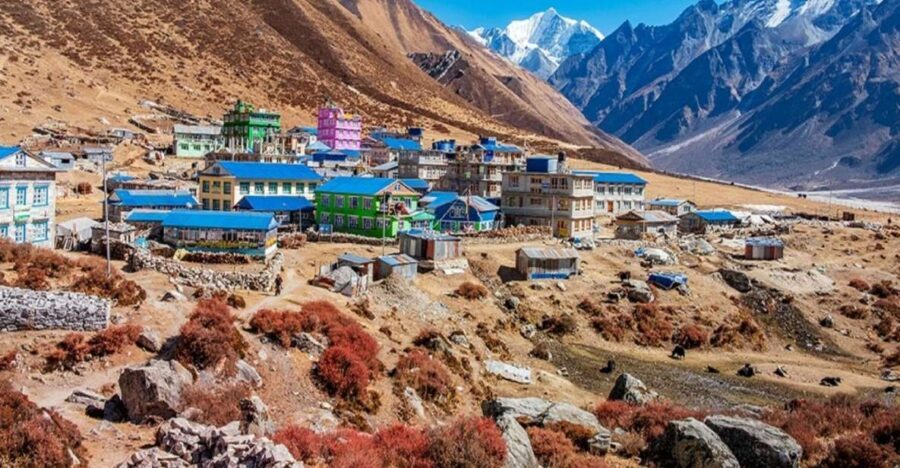
This is a moderate, rewarding trek built for people who want real Himalayan scenery and culture without needing a huge mountain-expedition setup. You’ll be hiking enough to feel accomplished, but the itinerary is designed so you can still enjoy the villages and monastery time instead of just suffering through switchbacks.
The best part is that the Langtang Valley experience stays human-sized. You don’t just pass through—on a good day you’ll slow down for Tamang hospitality, monastery quiet, and local details that make the trail feel alive.
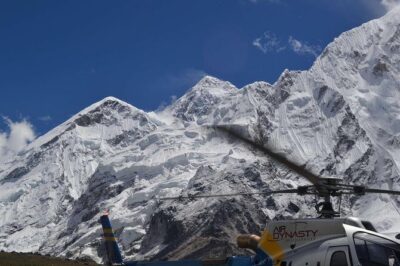
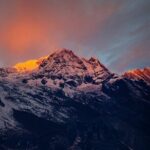
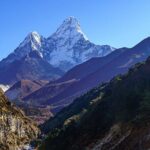
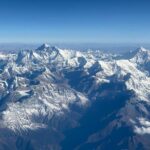
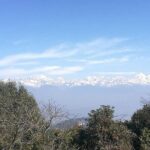
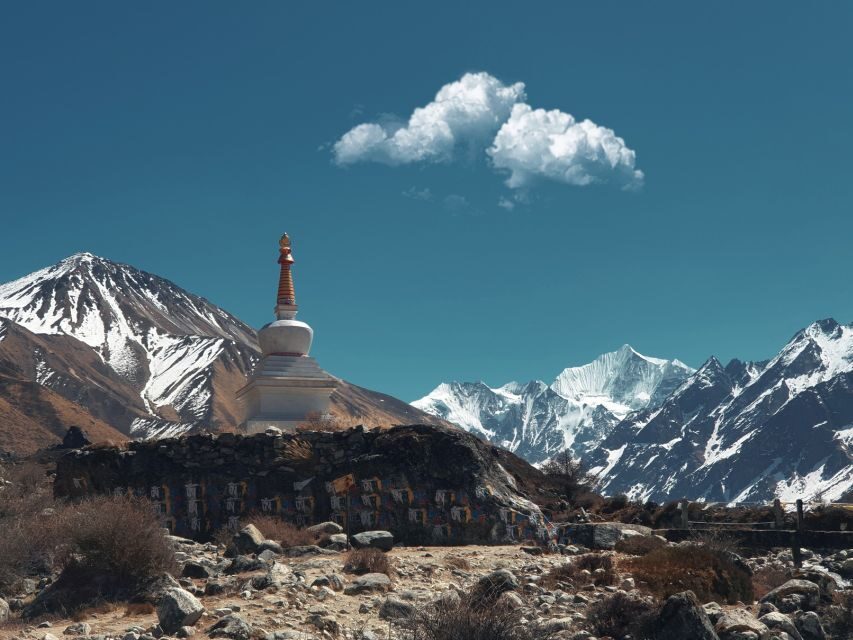
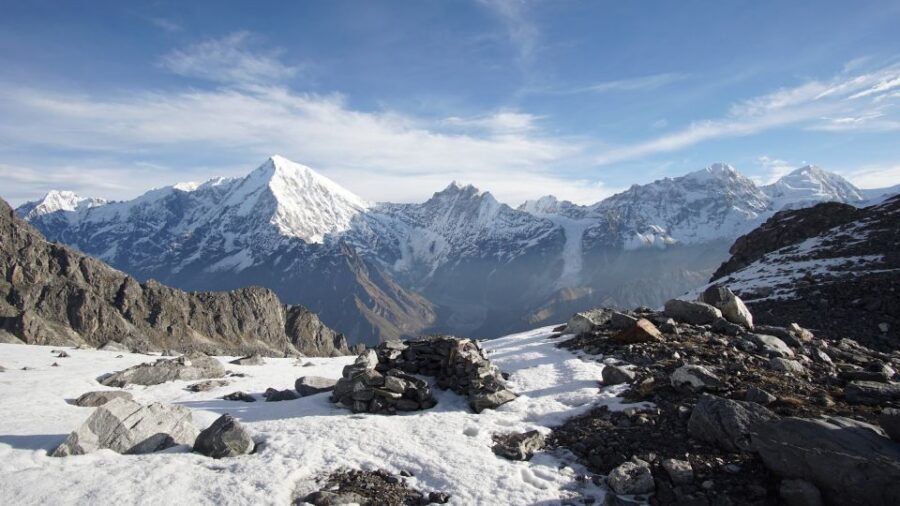
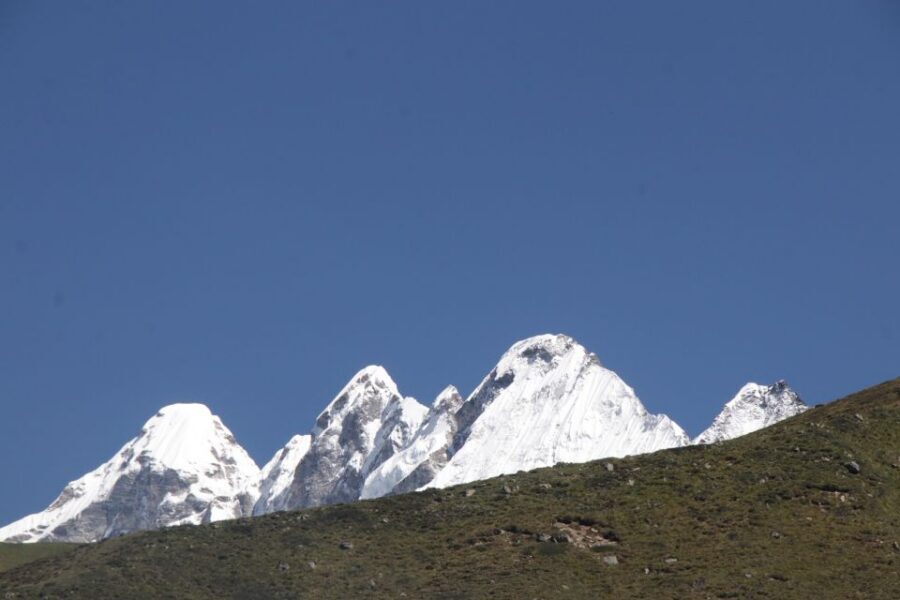
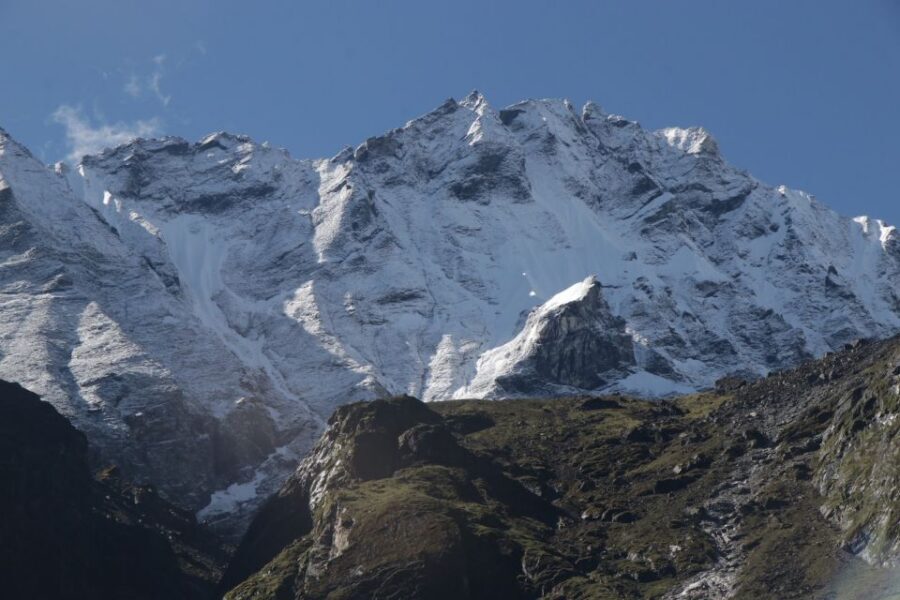
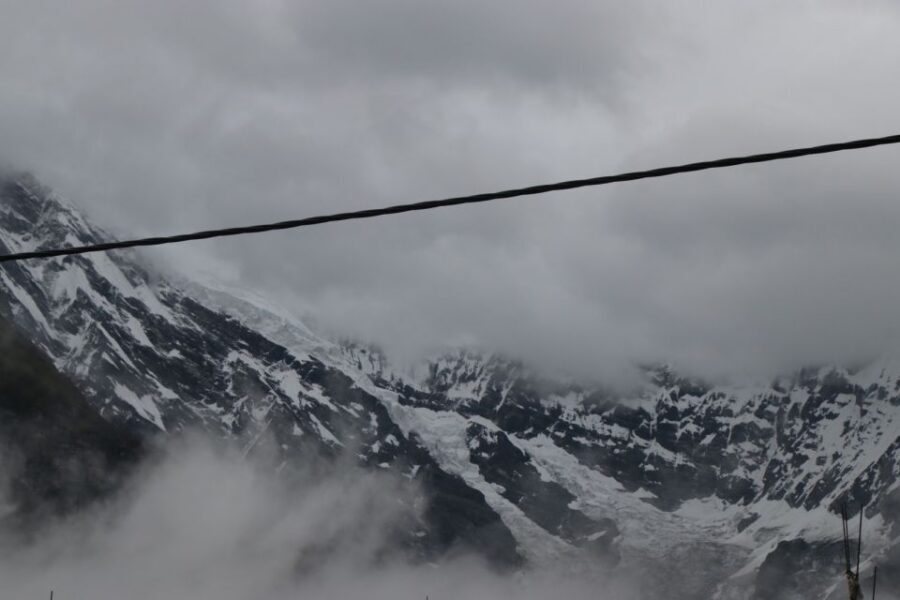
And yes, you’ll get the classic mountain drama. Expect snow-capped peaks in the background and ridge views that show up when the air clears.
You can also read our reviews of more hiking tours in Kathmandu
Price and Logistics: why about $181 can make sense
At around $181 per person, you’re not just paying for a walking route. You’re paying for the stuff that often adds up fast on mountain trips: trekking permits/TIMS paperwork, a guide, transport as scheduled, and five nights of private accommodation during the trek.
Meals are another big lever. The package includes all meals (breakfast, lunch, dinner) during the trek for Full Package—so you’re not stuck budgeting daily food once you’re off the road.
What’s not included is also clear. You’ll still need to handle personal items like drinks, phone calls, laundry, and (importantly) your own travel and rescue insurance. For me, that makes the value easier to judge: you’re covered on core trekking operations, and you plan separately for personal and safety items.
Also, porter cost is a note. Porter charges are listed as extra, though you may find that using a porter for your larger backpack is worth it if your pack feels bulky.
Day 1: Kathmandu to Syabrubesi to Pahiro, easing into Nepal’s mountain rhythm
You start with a 6-hour drive from Kathmandu to Syabrubesi, then a shorter 2-hour trek into the Langtang area toward Pahiro (around 1,550m). The drive is part of the experience here—you watch the scenery shift from city energy to winding mountain roads and river valleys.
On the walking portion, you’ll spend time in forest and follow the Langtang river. That’s a smart first-day choice because it keeps altitude pressure lower and lets your legs find their rhythm without going full send.
Overnight in Pahiro means you wake up in a trekking village environment. It’s also a good day to get your gear system working: shoes tied right, gloves accessible, and layers ready for changing light.
Day 2: Pahiro to Ghoda Tabela, forests, villages, and waterfall breaks
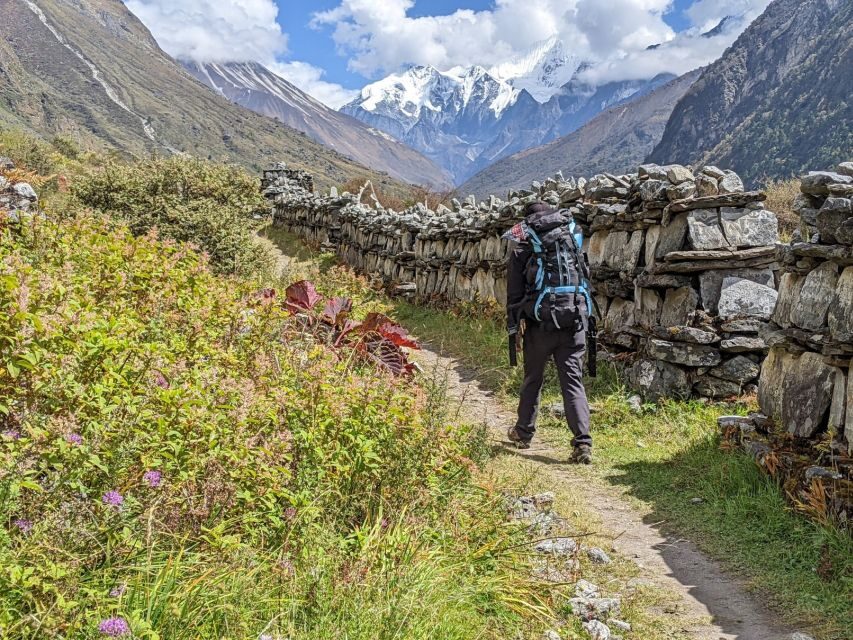
Day 2 heads up to Ghoda Tabela (about 2,900m) with a trek that takes roughly 6 hours. Expect lush green forest stretches, charming village sections, and cascading waterfalls along the route.
This is the day where the trek becomes more clearly “mountain.” The air feels thinner, and the trail keeps asking for steady effort. Still, it’s not a technical grind—more like sustained hiking where a good pace keeps you comfortable.
I like this part of the trek because it’s visually rewarding while still being practical. You’ll have enough stops for photos and breaks, and you’ll arrive at Ghoda Tabela ready for a calm evening—exactly what you want before the higher, more spiritual day at Kyanjin Gompa.
Day 3: Ghoda Tabela to Kyanjin Gompa, Tamang culture and sacred monastery time
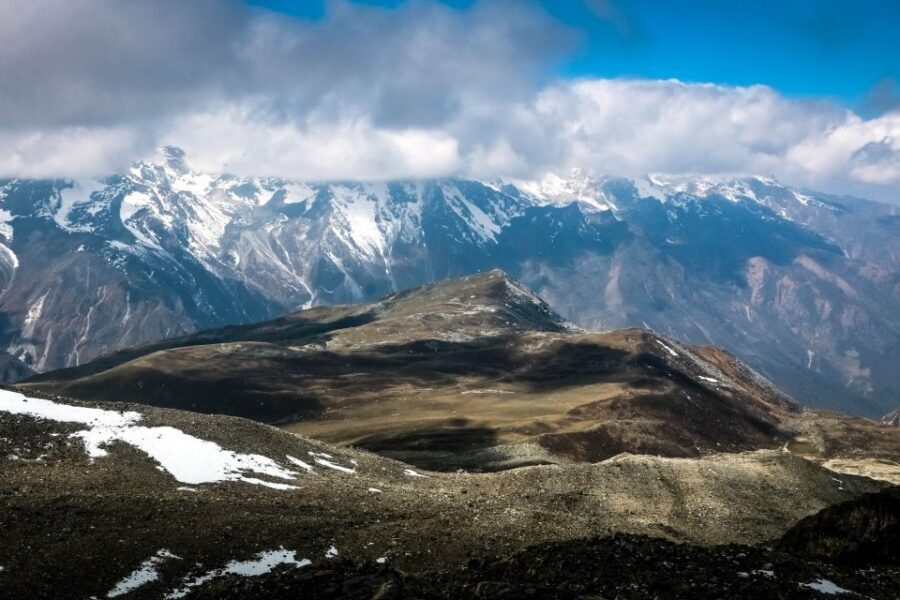
On Day 3 you go from Ghoda Tabela up to Kyanjin Gompa (around 3,870m). This day is about views plus culture, and it’s also one of the most memorable transitions of the whole trek.
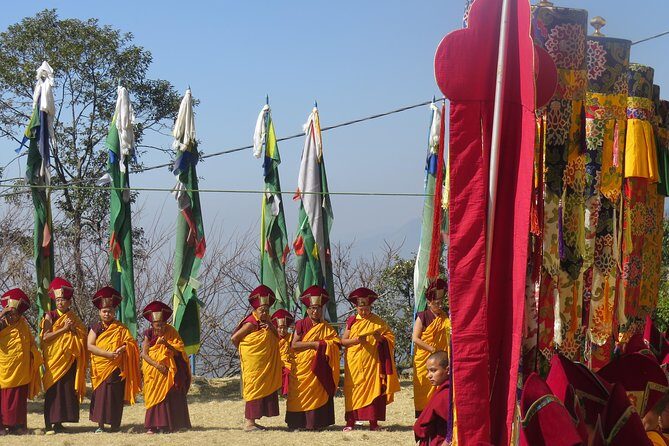
Once you arrive, the village rhythm takes over. You’ll explore the area, meet local people, and you’ll have a chance to see monastery sites and learn more about Tamang community life. One detail that stands out here is the cheese factory—a small stop, but it helps you understand how everyday livelihoods work in these high valleys.
Even if you’re not a “religion on vacation” type, monastery time is still valuable. It slows you down. The air at altitude makes everything feel quieter, and your mind catches up with your legs.
Overnight in Kyanjin Gompa places you right where the valley’s viewpoint energy is strongest, which matters because the next day’s climb options depend on how you manage rest and weather.
You can also read our reviews of more tours and experiences in Kathmandu
Day 4: Kyanjin Gompa to Thangsyap and the optional Kyanjin Ri push
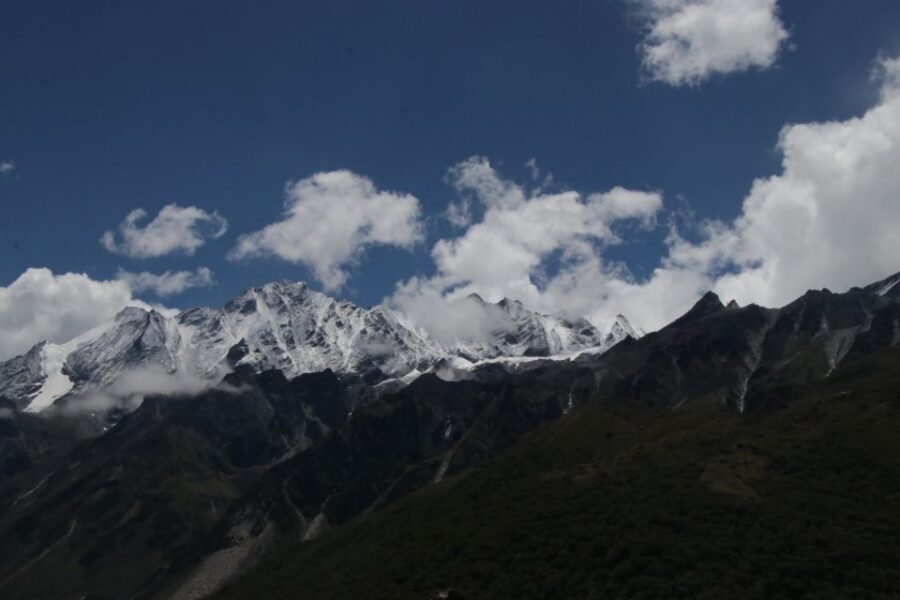
Day 4 is the pivot day. You’ll trek from Kyanjin Gompa toward Thangsyap (around 3,200m), with an important optional addition: a climb to Kyanjin Ri (about 4,770m).
This is the part of the trek that can feel harder for some people. The information is clear that it’s an uphill ascent and can be tough depending on your fitness and how you handle altitude. The good news is that it’s optional, and a smart guide can help you decide in real time—based on energy, conditions, and how your body is responding.
What you’re aiming for is the panoramic payoff: snow-capped peaks and a glacial-valley feel that makes the climb feel worth it. Some trekkers specifically highlight reaching Kyanjin Ri for sunrise-style views, which makes sense: early light plus high vantage points turns “good scenery” into a serious memory.
After the peak effort, you return along the same route and move into Thangsyap for the night. The itinerary also leans into spiritual quiet here, and you’ll feel that shift when you stop chasing heights and start soaking in stillness.
Day 5: Thangsyap back down to Syabrubesi, why descent feels like a reset
Day 5 brings you down to Syabrubesi (around 1,550m). First you spend time exploring the Thangsyap surroundings, then you begin the descent, retracing steps and hiking beside the Langtang river.
This is where the trek changes character. Going downhill is easier on lungs but still works your knees. The trail also becomes more about rhythm and balance than grinding altitude.
I like this day because it often feels like a reset. You get the final big valley views one more time, then you move back toward the road-world. When you arrive, you’re tired in a good way—the kind of tired that feels like you used your body, not just your legs.
Overnight in Syabrubesi sets you up for the last day’s ride.
Day 6: Shared bus to Kathmandu and the post-trek mood
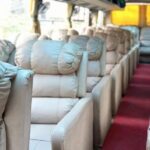
Day 6 is a drive back to Kathmandu, using a shared bus. It’s a straightforward ending, but don’t underestimate the mental part. After days at altitude, it can take your brain a bit to switch from mountain focus to city logistics.
This is a good day for a quiet meal, a shower, and a little decompression time. You’ll probably notice how conversations get slower after a trek like this.
If you’re the type to keep notes, it’s also a great day to sort out what you’d do differently next time—pace, clothing layers, and whether you want a porter again for your big bag.
Guides and the small things that make or break a trek
A 6-day trek can feel either smooth or chaotic, and the difference is often the guide. This trip is set up with an authorized English-speaking guide, and the vibe in the field tends to be supportive and attentive.
I’ve seen patterns in the guide praise that matter to you:
- Regular check-ins so you know you’re on track and not fading silently.
- Daily recap and next-day plans, which reduces stress when the route changes.
- Practical help with backpacks, especially when your load starts getting heavy on steeper stretches.
Names that show up as particularly helpful include Niraj, Bipin, Mahesh Aryal, Ghanshyam, and Dipesh. The consistent theme is not just friendliness—it’s operational competence. People mention guides who know routes well and understand which lodges are comfortable on the ground.
One winter note: if you go in colder months, some trekking nights can be properly chilly. A guide who understands what to wear, when to pull on gloves, and how to manage warmth can make those nights far less miserable.
What to pack for Langtang Valley (and what to think about at altitude)
The packing list is fairly standard for Himalayan trekking, and you’ll thank yourself for treating it seriously. Bring hiking shoes, jacket, hat, sunglasses, gloves, a sleeping bag, and a flashlight. Sunscreen is not optional at altitude, and a towel is one of those boring items that makes life easier.
For daytime, layers are your best friend. For evenings, cold can be real. One winter-focused tip from past trekkers: pack warm clothing and consider having any personal medication you need, because nighttime comfort can affect how well you hike the next day.
Altitude-wise, you’ll move through multiple elevation zones, including a higher point on the optional climb. That means pacing matters. If you feel off, don’t “push through pride.” A good guide can help you adjust your plan.
Finally, remember what’s not included: soft and hard drinks and bottled/boiled water management are on you. Plan money and systems for hydration, especially when it’s cold and you don’t naturally drink as much.
Is this trek right for you, and who should skip it
This trek fits best if you want:
- Real village hiking with Tamang community stops and monastery calm
- A route that feels rewarding but not extreme
- A guided experience where logistics are handled and you can focus on the trail
It can work for first-time trekkers if you’re willing to walk consistently and follow pacing advice. Some people go as couples, some solo, and some as families—though family comfort depends heavily on how kids or less-experienced hikers handle altitude and long walking days.
There’s one clear “no” in the provided info: it’s not suitable for pregnant women.
If you’re nervous about terrain, the “optional” nature of Kyanjin Ri helps. You can still get a full Langtang experience without making a peak day mandatory.
Should you book Kathmandu: 6-Day Limitless Langtang Trek?
I’d book this if you want a high-value, guided Langtang Valley trek with real cultural time and the option to chase big views on Kyanjin Ri. The permit paperwork, guide, five nights of private accommodation, and meals on the Full Package are the kind of basics that keep your trip from turning into a constant “wait, how do we do this?” scavenger hunt.
Don’t book it blindly if you know you struggle with long days, steep sections, or cold nights. This trek is manageable, but it does require effort and good preparation.
If you’re looking for a calmer Himalayan experience that mixes views + Tamang life + monastery quiet, this is a strong match.