REVIEW · KATHMANDU
12 days Annapurna Circuit Trek
Book on Viator →Operated by Magnificent Himalayan Treks · Bookable on Viator
One word: altitude. The Annapurna Circuit hits big mountain views from Manang to Muktinath and tops it off with an early push toward Thorong La and Poon Hill sunrise. I like that the trip handles the paperwork and most day-to-day logistics so you can focus on hiking and village life.
Two things I’m especially glad you’ll get: an English-speaking guide from Magnificent Himalayan Treks and a pace that includes an acclimatisation day in Manang (not just “go up, good luck”). The team has been associated with names like Bhim Panta, and communication support shows up through guides such as Manit and Kumar in their wider service.
The main thing to consider is effort and timing. Expect long walking days and very early mornings, including the Thorong La crossing that starts after waking around three in the morning, plus cold air as you climb.
In This Review
- Key things that make this Annapurna Circuit trek feel worth it
- Annapurna Circuit in 12 days: what your days will actually feel like
- Getting to the trail: Kathmandu to Dharapani via Besishar
- Chame and Upper Pisang: where the route starts changing for real
- Manang and Ice Lake: the acclimatisation day you’ll be glad you have
- Yak Kharka and Thorong Phedi: the climb that prepares you for Thorong La
- Thorong La and Muktinath: the early start, the payoff, and the reality check
- Tatopani to Ghorepani: recovery in hot springs, then a new valley rhythm
- Poon Hill sunrise and the Pokhara finish: how the trip ends strong
- What’s included in the price—and why the value math can actually work
- Lodging and meals: tea houses are simple, but this plan includes the essentials
- Guides, permits, and safety: the practical way this operator tries to help
- Day-by-day walkthrough: what each stop adds to the story
- Who should book this Circuit plan (and who should rethink it)
- Should you book this 12-day Annapurna Circuit trek?
- FAQ
- Do I need to arrange Annapurna Conservation Area permits and TIMS myself?
- What meals are included during the trek?
- Are guides provided, and what language do they speak?
- Is a porter included in the price?
- What about transport back to Kathmandu?
- How much is the Nepal visa?
Key things that make this Annapurna Circuit trek feel worth it
- Permits and TIMS covered: ACAP fee and TIMS card fee are included, so you’re not scrambling for paperwork mid-trip.
- Real acclimatisation in Manang: you get time at Manang and a chance to walk to Ice Lake to adjust to the height.
- Tea house rhythm with full-board while trekking: breakfast, lunch, and dinner are covered in lodge/tea house settings on the trek.
- High-impact days are scheduled: Thorong La pass day is planned around an early start, not a casual late morning.
- Hot springs break up the grind: Tatopani gives you a recovery option after Muktinath.
- Optional porter on top of the base price: if you want lighter hiking, you can arrange a porter (listed at $20/day, up to 20 kg).
Annapurna Circuit in 12 days: what your days will actually feel like
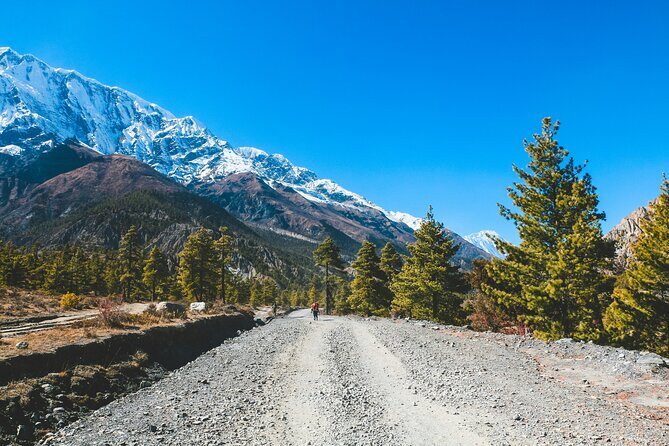
This route is classic for a reason: you’re moving through multiple cultural zones while the air gets thinner and the views get bigger. You’ll start in lower valleys, gain altitude through rhododendron forests and changing terrain, then spend your later days working toward Thorong La and later dropping toward the Kali Gandaki area.
What I like about the way this trip is built is that it doesn’t just throw you at the highest parts without structure. You get an acclimatisation day at Manang and then a series of supporting trekking days that set you up for the pass.
The trade-off is that it’s still a serious trekking plan. Several days are listed around 10–12 hours of walking, so if you’re the type who prefers shorter days and lots of lounging, this may feel like too much.
You can also read our reviews of more hiking tours in Kathmandu
Getting to the trail: Kathmandu to Dharapani via Besishar
Your trek doesn’t start at the trailhead. Day 1 is mostly about travel and getting your body moving from Kathmandu into the Annapurna region—first by road toward Besishar along the Trishuli river, then a jeep hop onward to Dharapani.
Why this matters: road travel at the start helps you avoid wasting prime trekking hours. It also lets your first hiking day begin without the stress of logistics you’d otherwise handle alone.
One practical note: the listed start time is very early (12:15 am). That’s not about hiking; it’s about departure timing, and you should plan for a long first day.
Chame and Upper Pisang: where the route starts changing for real
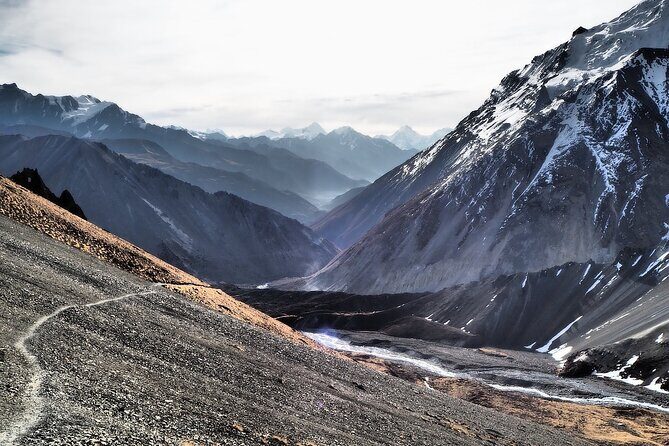
From Dharapani you reach Chame, headquarters of the Manang District. This is where the scenery and altitude begin to feel different as you climb—rhododendron forests give way to more alpine conditions, and the mountain presence becomes harder to ignore.
Then come Upper Pisang and the approach toward higher country. At roughly 3300 meters, Pisang is high enough that even the walk to your lodging area can feel crisp. You’ll arrive with views over Lamjung Himal and early light on peaks as you head out.
The big value here is pacing. These days are long, but they’re also a “learn the routine” section: how your body responds, how you handle steady climbing, and how quickly weather can shift with altitude.
Manang and Ice Lake: the acclimatisation day you’ll be glad you have
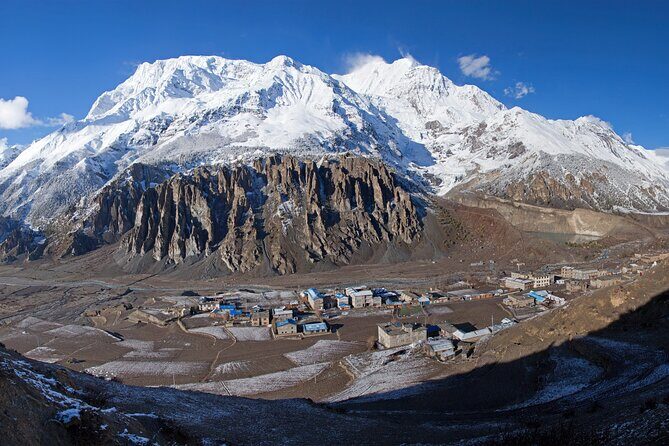
Day 5 is your acclimatisation day at Manang, set at the base of Annapurna III. Manang is also where the pass route starts to feel more tangible, because the peaks around you—Annapurna and Gangapurna among them—sit close enough to change how you gauge distance.
You also get the option of a short acclimatisation-style walk to Ice Lake. Even if you don’t go far, the purpose is the same: gentle movement while your body adjusts to thinner air.
This is the kind of built-in planning that makes later days feel more manageable. If you’re tempted to rush the climb, this day is the counterweight.
Yak Kharka and Thorong Phedi: the climb that prepares you for Thorong La
After Manang, the route continues upward toward Yak Kharka, taking you through valleys and side trails that steer you northwest and toward the Jarsang Khola valley. The walking style here shifts from “progressively higher” into “committed uphill,” so your daily rhythm matters more than your speed.
Then comes Thorong Phedi, the foot area for Thorong La pass. The schedule describes ascending to a ridge from Yak Kharka, descending, crossing the Marsyangdi river on a wooden bridge, and continuing upward. It’s the kind of day where you feel the terrain in your legs—up, down, then up again.
Why this is valuable: by the time you reach Thorong Phedi, your body has already worked through the hard uphill sections on smaller scales. The pass day becomes less of a shock.

Thorong La and Muktinath: the early start, the payoff, and the reality check
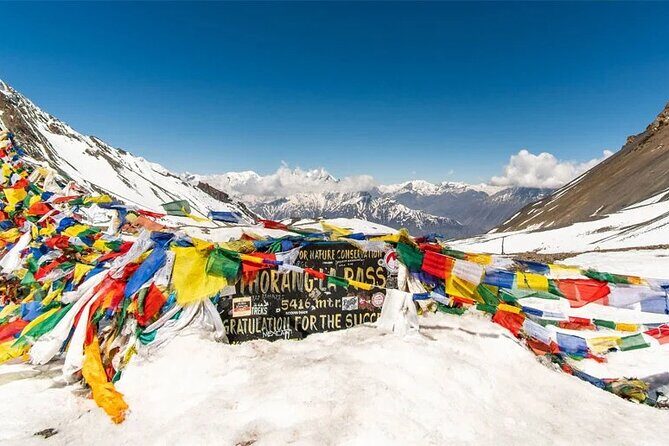
The Thorong La pass crossing is the headline. You’ll wake up around three in the morning, start your climb toward the summit, and then come down after crossing the pass.
This part isn’t just about a view. You’re dealing with cold air, steep effort, and the emotional “let’s get it done” pressure of a very early start. The best way to make it work is to keep your effort steady, not heroic.
At the end of the day, you reach Muktinath, a final goal area that also acts as a threshold point: you’ve made it through the highest trekking challenge of the Circuit route in this plan.
If you hate early mornings, this is the day that will test you most. If you can accept a “wake, hike, finish” approach, you’ll likely feel proud in a simple way once you’re through the pass.
Tatopani to Ghorepani: recovery in hot springs, then a new valley rhythm
After Muktinath, you transfer by jeep to Tatopani. This is about recovery. Tatopani is known in this plan as a place to rest at your lodge or visit the hot springs for a swim, which is a big deal after a long pass day.
Then you move toward Ghorepani. The route includes walking through ethnic Thakali settlements such as Sikha and Chitre, plus time crossing into the Kali Gandaki river corridor and climbing toward Ghorepani.
Ghorepani is a sweet spot in the sense that it’s high enough for mountain drama but not as punishing as the earlier pass prep. You’re still hiking, but the focus shifts back to the classic Circuit scenery and the steady flow of lodge life.
Poon Hill sunrise and the Pokhara finish: how the trip ends strong
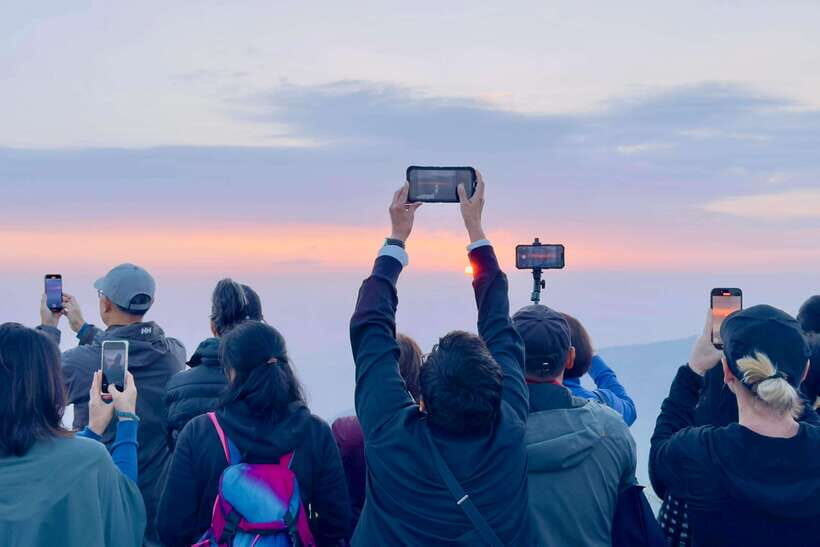
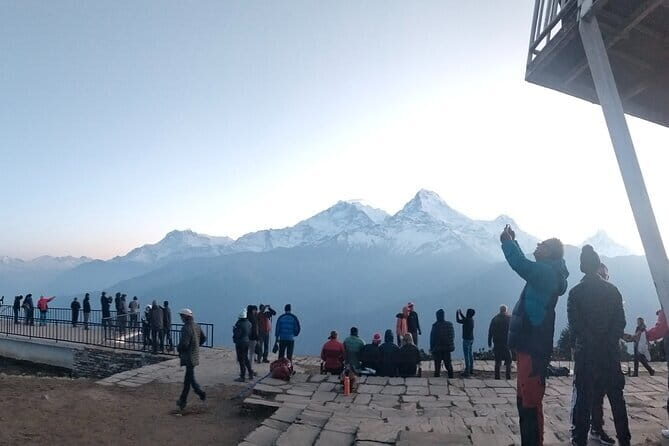
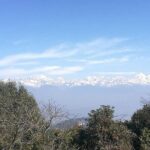
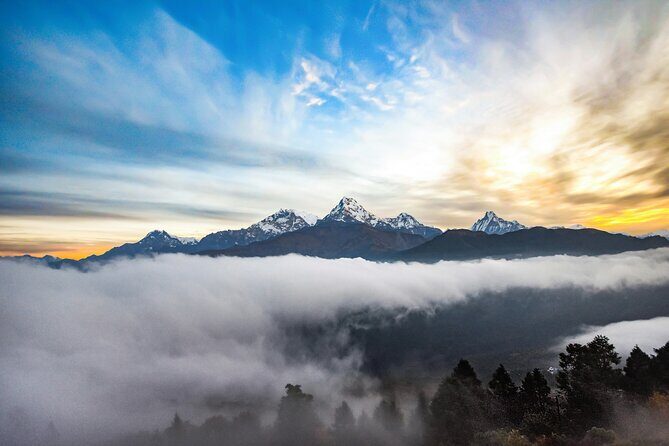
Your last trekking highlight is Poon Hill (about 3,210m). You’ll head out early to see sunrise across the Annapurna and Dhaulagiri range, including Machhapuchhre (Fishtail) and Annapurna.
This sunrise moment is short, but it’s a strong emotional payoff. After all the climbing and early mornings, it gives you a payoff that’s visible, wide-angle, and easy to remember.
After the Poon Hill early morning, you trek from Ghorepani to Birethani and then take a bus to Pokhara. Day 12 is the wrap: you leave Pokhara after breakfast and return to Kathmandu by tourist bus, with an optional 25-minute flight available for an extra cost.
That optional flight matters if you’re tired of being on the road. If you want to keep costs contained, the bus is already part of the package.
What’s included in the price—and why the value math can actually work
The listed price is $1,100 per person for about 12 days. That sounds like a lot until you compare it to what’s covered here: permits, TIMS, most meals during trekking, guide support, and several key transport legs.
Here’s where you’re getting real value, not just marketing language:
Permits and fees
Annapurna Conservation Area Permit (ACAP) and TIMS card fees are included. If you’ve ever tried to sort paperwork while on a tight travel schedule, you know why that matters.
Meals and lodge planning during trekking
You stay in tea houses/lodges during the trek, with breakfast, lunch, and dinner included (full board while trekking). This removes the need to budget for each meal, and it also helps you keep your day on track because food stops aren’t a gamble.
Guide support and coverage
The trip lists a government licensed, experienced English-speaking guide, plus guide meals, insurance, salary, and lodging/transportation as covered. In plain terms: you’re paying for a functioning team, not just a label.
Local transfers
Kathmandu to Dharapani is included, plus Muktinath to Tatopani and Nayapul to Pokhara, then Pokhara to Kathmandu by tourist bus. Those transport segments are usually where independent planning gets messy.
The big things not included are also worth noting so you don’t get surprised:
Beverages and personal expenses are on you. Porters are optional (listed at $20/day, carrying up to 20 kg). Nepal visa costs are extra (based on length of stay). Insurance is also not included.
My take: if you plan to use a porter and already expect visa/insurance costs, the $1,100 can feel pretty fair for the structure you’re getting.
Lodging and meals: tea houses are simple, but this plan includes the essentials
During the trek you’ll use tea house/lodge accommodation with meals. That’s the norm for the Annapurna region, and the “included meals” part is where your comfort shows up most.
Since beverages are not included, you should budget for water and any drinks you like. Carrying a method to keep hydrated matters more than buying extra extras.
Also keep expectations realistic: tea houses are basic by design. The value is that they’re consistent and located where you can recharge before the next climb.
Guides, permits, and safety: the practical way this operator tries to help
The trip explicitly says it includes a licensed, English-speaking trekking guide and that permits are handled: ACAP and TIMS, plus taxes and local fees. That reduces the most common headaches on the Circuit route, where paperwork delays can ruin your rhythm.
On the people side, your experience is tied to the quality of communication before you start. Names like Bhim Panta, Manit, and Kumar show up in the operator’s broader service experience, including quick responses to questions and hands-on support.
Safety-wise, the plan also calls out that you should have moderate physical fitness and that the trek is built around a realistic pace, including acclimatisation in Manang. It’s not a couch-to-pass plan.
Day-by-day walkthrough: what each stop adds to the story
If you like seeing the route as a string of distinct “chapters,” here’s how each day functions:
- Day 1: Dharapani
Road and jeep transfer from Kathmandu via Besishar to Dharapani. This sets you up to start trekking without starting the adventure half-dead from transport fatigue.
- Day 2: Chame
The climb continues, with altitude changes more noticeable and forests replaced by higher, thinner air conditions.
- Day 3: Upper Pisang
Higher ground near 3300m, with strong mountain visibility. You’re building stamina while your surroundings become more alpine.
- Day 4: Manang area (via Upper Pisang to Geru)
This is a viewpoint-heavy day. You’ll move through the Geru area and get standout north-face views referenced in the route plan, plus the air continues drying and cooling as you rise.
- Day 5: Manang (acclimatisation + Ice Lake option)
This is your “body catch-up” day at Annapurna III’s base zone. It’s also when you’ll feel less panicked about the pass later.
- Day 6: Yak Kharka
You leave Manang village behind and climb toward Tenki, then continue into higher terrain through valleys and side routes. This day strengthens your pass readiness.
- Day 7: Thorong Phedi
A ridge-and-bridge day that puts you in position for the big crossing. Expect climbing, a change in terrain, and some leg burn.
- Day 8: Thorong La and Muktinath
The early morning pass crossing after waking around three in the morning. Then you descend and finish at Muktinath.
- Day 9: Tatopani
Jeep transfer followed by lodge recovery time or hot springs. This day protects you from stacking too many exhausting walking days in a row.
- Day 10: Ghorepani
The Thakali settlements along the way add cultural texture, and the Kali Gandaki river area plus the climb toward Ghorepani keeps your legs working.
- Day 11: Poon Hill sunrise + Pokhara transfer
Early sunrise mission, then trekking down toward Birethani and a bus ride into Pokhara.
- Day 12: Kathmandu return
Breakfast in Pokhara, then bus to Kathmandu. If you’re short on time or want less road time, the optional short flight exists at extra cost.
Who should book this Circuit plan (and who should rethink it)
I’d recommend this trek for you if you:
- Want a guided, structured Annapurna Circuit with permits and TIMS included.
- Prefer a team that handles most logistics like transport legs and meals.
- Are okay with long days and early starts, especially around the Thorong La and Poon Hill mornings.
- Like the idea of a real acclimatisation day in Manang rather than “just keep going.”
I’d rethink it if you:
- Hate very early mornings or struggle with steep hiking.
- Expect a gentle walk every day.
- Don’t want basic tea house lodging and meals to follow a set pattern.
Should you book this 12-day Annapurna Circuit trek?
If you want the Annapurna Circuit with less friction, this is a strong match. The inclusion list is built around the stuff that usually trips people up—permits, guide support, and most of your trekking meals, plus transport legs that remove a chunk of planning.
My “yes, book it” checklist for you:
- You’re willing to hike 10–12 hour days at altitude.
- You’re fine with very early starts for Thorong La and sunrise at Poon Hill.
- You’d rather pay for structure than spend your time coordinating permits, meals, and transfers on the fly.
If that sounds like your style, this Circuit plan is likely to feel like good value.
FAQ
Do I need to arrange Annapurna Conservation Area permits and TIMS myself?
No. The Annapurna Conservation Area Permit (ACAP) fee and the TIMS card fee are included in the package.
What meals are included during the trek?
Tea house/lodge accommodations during the trek include meals: breakfast, lunch, and dinner are provided while trekking (full board during trek days). Beverages are not included.
Are guides provided, and what language do they speak?
Yes. A government licensed trekking guide is included, and the guide is described as English speaking.
Is a porter included in the price?
Porters are not included, but you can arrange one for an additional cost listed as $20/day carrying up to 20 kg.
What about transport back to Kathmandu?
After finishing in Pokhara, you return to Kathmandu by tourist bus. The package also notes an optional 25-minute flight from Pokhara to Kathmandu that is not included in the price.
How much is the Nepal visa?
The Nepal visa is not included. The data lists visa costs depending on length of stay: 15 days is USD 30, 30 days is USD 50, and 90 days is USD 125.